Why Mule Deer Move to Winter Range
One of the most perplexing challenges for any hunter in British Columbia, especially those chasing mule deer, is when a productive area suddenly seems devoid of animals. You've scouted, put in the miles, and then, almost overnight, the deer you've been watching vanish. This often happens as the seasons change, particularly when those crisp autumn days give way to the first serious snowfalls. This guide will take a deep dive into why mule deer undertake their crucial migration to winter range, what triggers these movements, and how this natural instinct shapes both their survival and your hunting strategy.
The Imperative to Migrate: Why Mule Deer Head Downhill
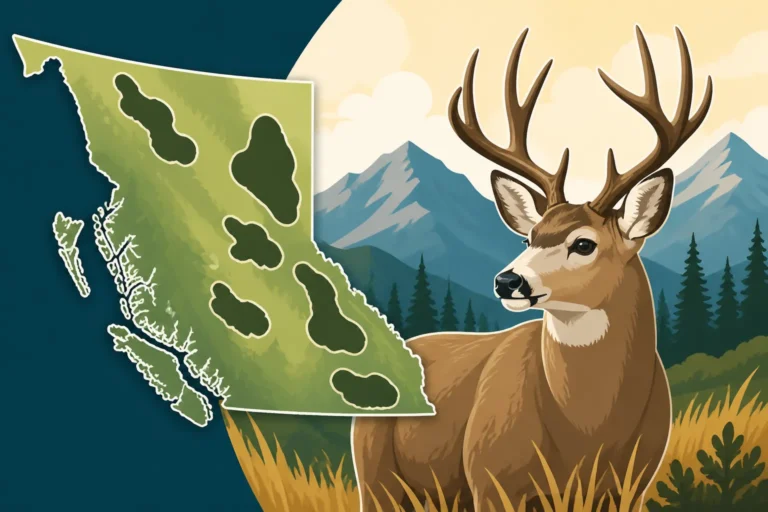
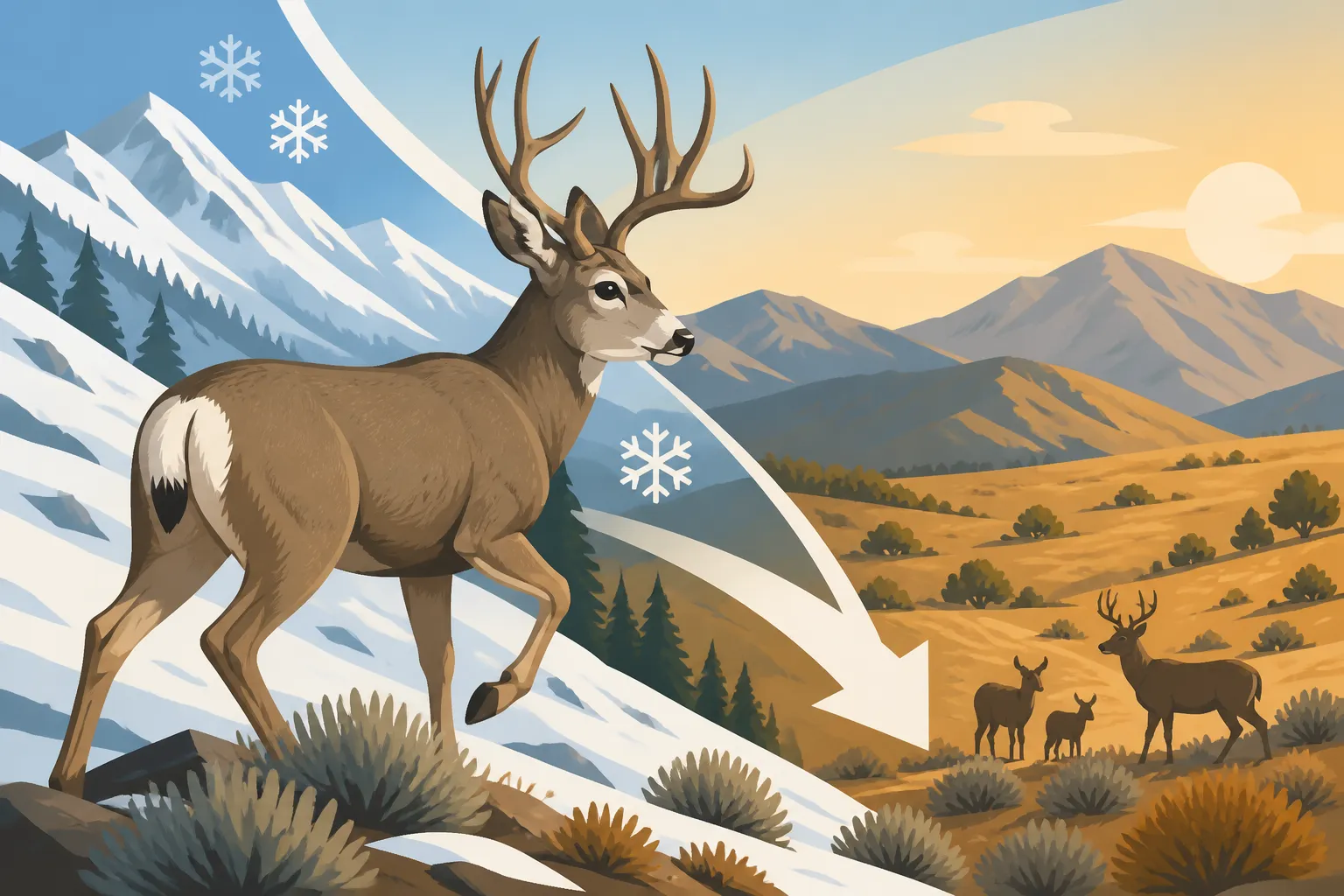
Mule deer are incredibly adaptable creatures, thriving in a wide range of habitats across British Columbia's diverse landscapes. However, when the harsh realities of winter set in, their survival instinct kicks in, prompting a strategic move from higher elevation summer ranges to more hospitable lower elevation wintering grounds. This isn't a casual stroll; it's a critical annual migration driven by a few undeniable environmental pressures. Understanding these pressures is key to predicting their movements, whether you're chasing them in the Chilcotin or glassing hillsides near Cranbrook.
For a broader understanding of where these majestic creatures roam, you might find our guide on Mule Deer Across British Columbia's Interior incredibly insightful.
Escaping the Grip of Deep Snow
The most immediate and obvious reason for mule deer to shift their location is snow. While a light dusting might simply add a beautiful backdrop to a hunting trip, significant snow accumulation presents severe challenges to their daily lives and ultimately, their survival.
Imagine trying to move quickly, or even just walk, through snow that's up to your knees, day in and day out. For a mule deer, this is not just an inconvenience; it's an energy drain that can be fatal. Their relatively narrow hooves and leg length mean they expend a tremendous amount of energy pushing through deep drifts. This energy is precious in winter when food is scarce and temperatures plummet. Every calorie counts, and wasting it slogging through snow puts them at a severe disadvantage against predators and the elements. You'll often see these movements kick into high gear as soon as the first big snowstorm settles in, a clear indication that the deer know it's time to seek easier passage. It's a prime example of Why Interior Game Moves With the Snow Line, driving them to lower elevations where snow depths are less severe and travel is less taxing.
The Quest for Accessible Forage
Hand in hand with escaping deep snow is the critical need for accessible food. Snow doesn't just make movement hard; it buries the very vegetation mule deer rely on to survive. During the summer, these deer graze on a wide variety of forbs, grasses, and succulent browse in alpine meadows and timbered slopes. But as winter progresses, these tender plants are either dead or locked under a blanket of white.
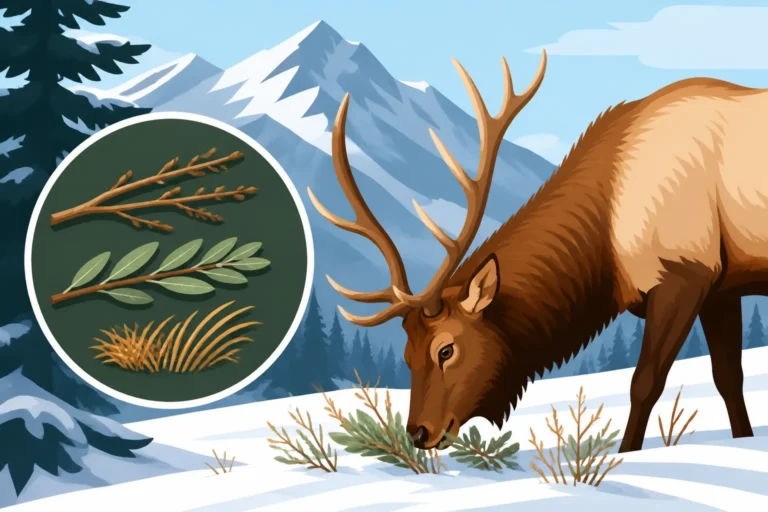
Winter range, by contrast, offers a different menu. These lower elevation areas, often on south-facing slopes, receive more direct sunlight, which helps melt snow and expose crucial browse plants. Think about areas rich in bitterbrush, sagebrush, serviceberry, and even the needles of certain conifers like Douglas fir, which become vital components of their winter diet. These plants are often more resilient to snow cover or grow in areas that shed snow more quickly. The move to winter range is a literal search for sustenance, where they can browse on what's available without expending excessive energy digging through snow. If you're wondering What Mule Deer Eat in the Dry Interior, you'll find it's a careful balance of what's exposed and nutritious enough to sustain them through the lean months.
Timing and Terrain: When and Where Deer Winter
Understanding the "why" behind mule deer migration is only part of the puzzle. Knowing "when" they move and "where" they prefer to spend their winters is equally, if not more, crucial for hunters looking to intersect these animals. It's not a uniform exodus across the province, but rather a nuanced process influenced by localized weather patterns, elevation, and available habitat.
The Annual Seasonal Rhythm
The timing of mule deer migration is rarely precise to a specific calendar date; instead, it's a response to environmental cues. Typically, the first significant and sustained snowfalls in the high country are the primary trigger. This isn't just a dusting that melts by noon, but snow that sticks, accumulating and making travel difficult and forage inaccessible. Coupled with sustained cold temperatures and the shortening days of late autumn, these factors tell the deer it's time to head for lower ground.
This movement can begin as early as late October in some northern or higher elevation regions, and continue through November and into early December in others. It's often a gradual descent, with deer using established migration corridors. They might stage at mid-elevations for a while before the next cold front pushes them even further down. It's a fascinating example of How Elevation Moves British Columbia Game, with each successive dip in temperature or increase in snow depth prompting another step closer to their final wintering grounds.
Key Characteristics of Mule Deer Winter Range
So, what exactly constitutes good mule deer winter range? It's generally characterized by a combination of factors that collectively provide shelter, accessible food, and reduced snow depths. Hunters often focus on these features when planning late-season trips.
Typically, these areas are found at lower elevations, often valley bottoms, south-facing slopes, and benches that catch the most sun. These sun-drenched aspects help melt snow, making forage available and providing warm spots for deer to bed down and conserve energy. The vegetation often includes a mosaic of open grasslands, sagebrush flats, and interspersed timber stands. The open areas allow for sunning and feeding, while the timber provides crucial thermal cover from harsh winds and deeper snow. Riparian zones, with their diverse vegetation and often milder microclimates, can also be mule deer magnets in winter. If you're looking for prime spots, consider areas like a Hunting a Sagebrush Flat for Mule Deer in the Okanagan, where the landscape inherently offers many of these critical wintering features.
Here's a quick comparison of general summer versus winter range characteristics:
| Characteristic | Summer Range (High Elevation) | Winter Range (Low Elevation) |
|---|---|---|
| Elevation | High mountains, alpine, subalpine | Lower valleys, benches, foothills |
| Snow Depth | Deep, persistent, challenging for movement | Shallower, less persistent, melts faster |
| Forage | Lush grasses, forbs, diverse shrubs | Browse species (sage, bitterbrush), conifer needles |
| Sun Exposure | Varies, often shaded timber | Primarily south-facing slopes, open areas |
| Cover | Dense timber, broken terrain | Mix of timber and open, thermal cover |
| Predator Activity | Can be present, but deer more mobile | Often concentrated, deer more vulnerable |
Tools like GoHunt often have excellent mapping features that highlight terrain aspects and historical winter ranges, which can be invaluable for pinpointing these crucial areas.
Adapting Your Approach: Hunting the Winter Range
Understanding mule deer migration isn't just academic; it has direct implications for your hunting strategy, especially as the season progresses into colder months. When the deer move, your approach needs to shift with them. It’s about being where they are, and understanding how their behaviour changes under the stress of winter.
Scouting the Transitions and Lowlands
Successful late-season hunting often boils down to effective scouting. Once the deer begin their descent, focus your efforts on the transitional zones—the mid-elevation benches, ridges, and draws that connect summer and winter ranges. These are the highways the deer use, and they might spend a few days or weeks there, pausing before the next push of bad weather.
Look for fresh tracks in the snow, especially along traditional game trails. Observe browse lines on shrubs and trees, indicating where deer have been feeding. Pay attention to droppings, as fresh sign is your best indicator of recent presence. Utilizing digital mapping tools, like those found on GoHunt, can help you identify historical migration corridors and traditional wintering areas long before you set foot in the field. These maps can overlay topographic features with potential habitat, allowing you to focus your physical scouting on the most promising areas. You can learn a lot about what to look for by familiarizing yourself with Scouting a British Columbia Management Unit well in advance.
Strategies for Cooler Weather Hunting
When mule deer are on their winter range, their behaviour changes significantly. They're focused on conserving energy, feeding efficiently, and finding thermal cover. This means your hunting tactics need to adapt.
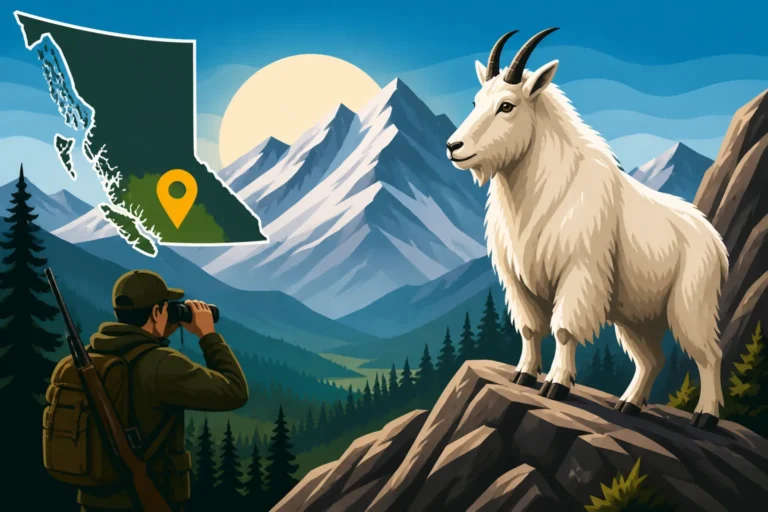
Forget about chasing them through thick timber in deep snow; you'll exhaust yourself for little reward. Instead, think about patience and precision. Glassing becomes your most powerful tool. Position yourself to overlook south-facing slopes, sunny clearings, and the edges of timber where deer will emerge to feed and bask in the sun. They'll often bed in pockets of timber or on sunny slopes, moving only when necessary. Focus on early mornings and late afternoons, but also be aware that deer might feed intermittently throughout the day if the weather is particularly harsh or if they’re trying to build reserves. Still-hunting slowly and methodically through advantageous terrain, especially during seasons like Hunting British Columbia's October Rifle Opener, can be highly effective. Look for deer bedded in the sun, almost invisible against the snow and brush. Patience, good optics, and an understanding of how to Glassing an Interior Hillside for Mule Deer are your best friends in these conditions.
Conservation and Considerations on Winter Range
While the focus for many hunters is on the pursuit, it's vital to remember the significant conservation aspect of mule deer winter range. These areas are not just hunting grounds; they are critical habitats that ensure the survival of the herd through the toughest months of the year. Respecting these sensitive areas and understanding the deer's vulnerability is paramount for ethical hunting and healthy populations.
The Vulnerability of Wintering Deer
When mule deer are concentrated on their winter range, they are at their most vulnerable. They're often already stressed from the migration, limited food, and harsh weather. Their metabolism slows, and they rely heavily on fat reserves accumulated during the richer summer months. Any unnecessary disturbance can have dire consequences.
Flushing deer repeatedly, especially in deep snow, forces them to expend precious energy they cannot afford to lose. This can lead to starvation, increased susceptibility to disease, or make them easier prey for predators. It's a delicate balance, and responsible hunters play a crucial role in minimizing their impact. Understanding this vulnerability is similar to how we consider What a Hard Winter Does to Sheep, another species that struggles when conditions are severe and resources scarce. It's about recognizing that our presence, even well-intentioned, carries a responsibility. The average weight of a mature British Columbia mule deer, and indeed its overall health, can be significantly impacted by the availability and peace of its wintering grounds.
Management and Habitat Protection
Given the critical nature of winter range, it's no surprise that wildlife management agencies across British Columbia implement specific regulations and conservation efforts to protect these areas. You'll often find hunting season dates and bag limits are carefully designed to minimize disturbance on winter range, particularly during the coldest periods. In some regions, certain areas might be designated as winter habitat protection zones, with restricted access or hunting closures to provide sanctuaries for the deer.
These management decisions are based on extensive research into deer movements, population health, and the carrying capacity of various Where British Columbia Game Winters habitats. Protecting and enhancing these habitats—through sustainable forestry practices, range management, and preventing habitat fragmentation—is crucial for the long-term health of British Columbia's mule deer populations. It's a complex interplay of environmental factors and human activity, all aimed at ensuring that these magnificent animals continue to thrive in our province for generations to come.
Disclaimer
This article is for general informational purposes only and does not constitute professional advice. Laws, prices and regulations vary by location and change over time. Consult a qualified professional for guidance on your specific situation.