How Guiding Territories Limit Bookings
It can feel like a labyrinth trying to figure out how hunting works for non-residents in British Columbia, especially when you start digging into the nuances of guide outfitters. Many folks assume a guide can just take you anywhere, but that's simply not the case in our province. The system is set up with very specific regulations, and a big part of that revolves around what are known as guide outfitter territories. This guide will walk you through exactly what these territories are, how they impact your hunting plans, and why understanding them is crucial for booking a successful trip.
Understanding British Columbia's Guide Outfitter Territories
British Columbia's guide outfitting system is unique, largely due to its long history and the sheer vastness of our wilderness. Unlike some jurisdictions where guides might operate on a more ad-hoc basis across broader areas, BC's system is highly structured, built around clearly defined geographic territories. This structure aims to manage game populations, ensure fair access, and provide a stable business environment for guide outfitters.
What Exactly Is a Guiding Territory Certificate?
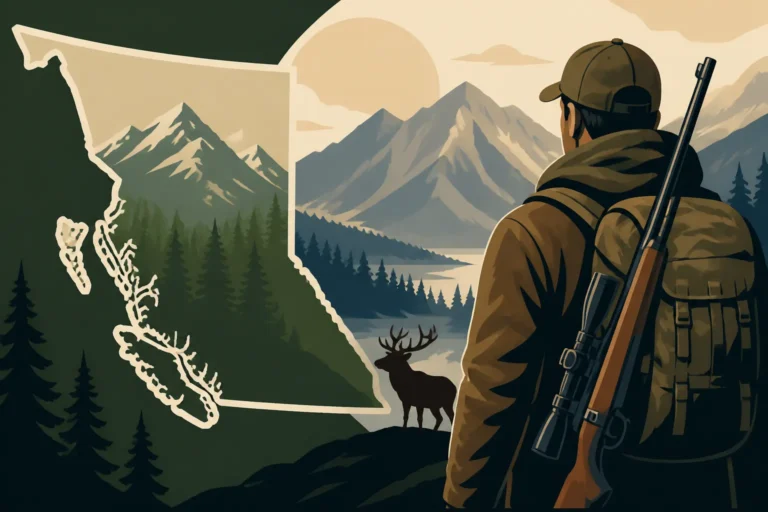
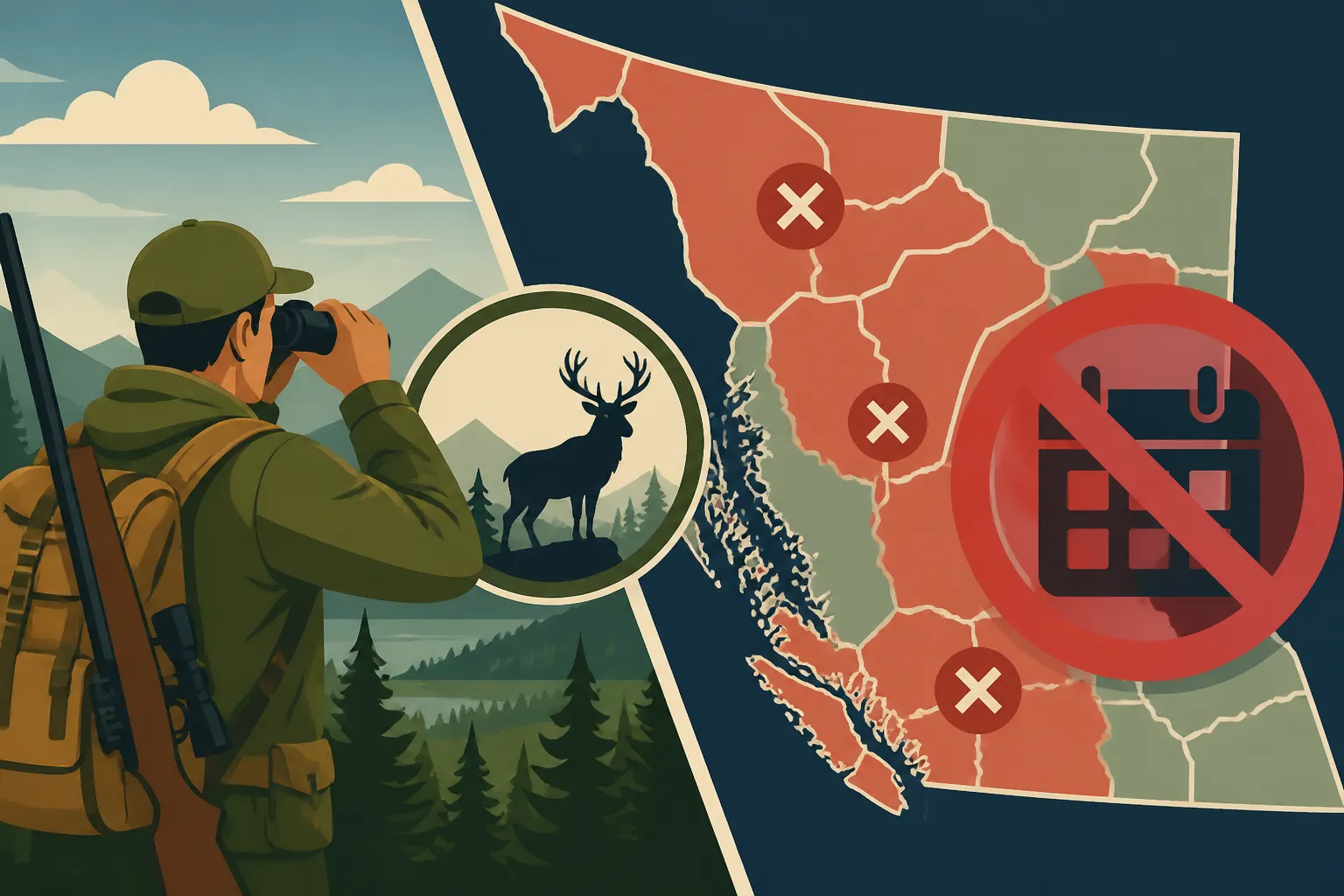
Imagine British Columbia's hunting landscape divided into thousands of puzzle pieces, each one assigned to a specific guide outfitter. That's essentially what a Guiding Territory Certificate represents. It's a legally recognized document that grants an individual or company the exclusive right to guide non-resident hunters within a specified geographic area. This isn't just a suggestion; it's a binding regulation. If a guide outfitter holds a certificate for a particular Management Unit (MU) or a portion thereof, no other licensed guide outfitter can legally take non-resident clients to hunt within that same designated area for the species listed on their certificate. This system is at the heart of British Columbia Guide Outfitter Licensing Rules.
This certificate isn't just a piece of paper; it details the specific species the outfitter is licensed to guide for within that territory, and sometimes even specifies certain seasons or methods. For example, an outfitter might have a certificate for moose and black bear in a particular northern territory, but not for elk or sheep, or their sheep certificate might be limited to a specific portion of the larger MU. This level of detail is critical because it dictates what an outfitter can legally offer to their non-resident clients. It's not uncommon for territories to be passed down through generations or bought and sold, representing a significant investment for the outfitter.
The Historical Roots of These Designated Areas
The concept of guide outfitter territories in British Columbia isn't new; it has roots stretching back decades, evolving from a need to regulate commercial hunting operations and manage wildlife resources effectively. Early on, as hunting became increasingly popular, particularly among non-residents seeking our world-class big game, there was a clear need to prevent over-harvesting and minimize conflicts between competing guiding operations.
The current system was formalized to provide certainty for both wildlife managers and the outfitters themselves. By assigning exclusive territories, the province aimed to give guide outfitters a vested interest in the long-term health of the wildlife populations within their areas. The idea was that if an outfitter knew they had a long-term stake in a specific territory, they would be more inclined to act as stewards of the land and its animals. This structure also helps in tracking harvest data and managing specific species within those defined bounds, which is vital for conservation efforts.
How Territories Influence Hunter Access and Bookings
The existence of these guiding territories has profound implications for anyone planning a non-resident hunt in British Columbia. It's not as simple as picking a guide you like and assuming they can take you anywhere you'd like to hunt a particular animal. The territory system dictates everything from species availability to the actual booking process.
The Exclusive Right to Guide Non-Residents
This is the cornerstone of the British Columbia guide outfitting system: if you are not a resident of British Columbia, you must hunt with a licensed guide outfitter for big game, or be accompanied by a resident under a specific permit, known as a British Columbia's Permit to Accompany. This isn't just about safety; it's about regulating non-resident hunting pressure and ensuring that game management objectives are met. The exclusive nature of guide territories means that a non-resident hunter can only hunt a specific species in a specific area if the guide outfitter holding the certificate for that territory offers that hunt.
What this boils down to is that you can't just arrive in BC and decide you want to hunt a particular moose or elk in any random area. Your choices are directly tied to which guide outfitters hold certificates for the areas you're interested in and for the species you wish to pursue. This is why research into reputable outfitters and their specific territories is paramount. Many outfitters specialize in certain species or types of hunts, which is often a reflection of what their territory holds and what their certificate allows.
Impact on Resident Hunters
For residents of British Columbia, the guide outfitter territories operate a little differently. Residents generally have the right to hunt on Crown land (which is most of BC) without a guide, provided they hold the correct licences and tags. However, even for residents, these territories can sometimes indirectly influence access. While a resident hunter isn't forbidden from hunting within a guide outfitter's territory, they are expected to respect the outfitter's operations and generally avoid interfering with their guided hunts.
Furthermore, within some guide territories, there might be specific Limited Entry Hunting (LEH) zones or general open seasons that residents can apply for or participate in. This means that a resident could potentially draw an LEH tag for a prime area that is also part of an outfitter's exclusive territory. The key distinction is that the outfitter's exclusivity applies to guiding non-residents, not to prohibiting residents from hunting legally within those same boundaries. It's a balance that attempts to provide opportunities for both resident and non-resident hunters while maintaining a managed system for the guide outfitting industry.
Navigating Multiple Species Within a Territory
It's rare for an outfitter to hold a certificate for every species in every part of their territory. Often, certificates are very specific. For instance, an outfitter might have an excellent mountain goat territory, but perhaps only a small portion of it is good for moose, or they might not hold a moose certificate at all for that area. This means if you're looking for a combo hunt—say, a mountain goat and a black bear—you need to verify that your chosen outfitter holds the necessary certificates for both species within their territory, and that they can realistically offer both opportunities on the same trip.
This specificity means hunters need to be very clear about their target species when contacting outfitters. Don't assume that because an outfitter operates in a region known for diverse wildlife, they can guide you for every animal in that region. Always ask for clarification on their species certificates and the specific areas within their overall territory where those species hunts are offered. This level of detail ensures no misunderstandings when you arrive for your hunt.
Here's a simplified look at how territory certificates impact different hunter types:
| Hunter Type | Guiding Requirement for Big Game | Access to Guide Outfitter Territories | Booking Implications |
|---|---|---|---|
| BC Resident | Generally no guide required | Can hunt legally within, but respect outfitter operations | Independent planning, no direct booking with outfitter for legal access |
| Non-Resident | Guide required, or Permit to Accompany | Can only hunt with the licensed outfitter holding the territory certificate | Must book with an outfitter holding the correct species certificate for desired area |
| Non-Resident Alien | Guide required, or Permit to Accompany | Same as Non-Resident | Same as Non-Resident |
The Practical Implications for Booking Your Hunt
Understanding guiding territories isn't just academic; it directly shapes how you'll plan and book your British Columbia hunting adventure. It means your initial research needs to be far more specific than just picking a province and a species.
Researching Outfitters Within Specific Territories
When you're dreaming of a Moose Hunting British Columbia's Interior trip or a Sheep and Goat Hunting in British Columbia, your first step should be to identify specific areas known for those animals. Then, you need to find guide outfitters who actually hold certificates for those animals in those regions. Websites like BookYourHunt or GoHunt, which specialize in connecting hunters with outfitters, can be invaluable resources here. They often list outfitters by region and species, making it easier to see who operates where. However, always double-check directly with the outfitter to confirm their current certificates and availability.
Don't be afraid to ask for specifics. A reputable outfitter will be transparent about their territory boundaries and the species they are certified to guide. They understand that serious hunters need this information to make informed decisions. Asking these questions upfront can save a lot of disappointment later on. Remember, you're investing significant time and money into this experience, so due diligence is key.
When an Outfitter Cannot Operate Outside Their Territory
This is a critical point: a guide outfitter legally cannot operate a guided non-resident hunt outside the boundaries of their certificated territory. It doesn't matter if they know the area well, have friends there, or if it's just 'a little bit' outside their lines. The regulations are strict. If an outfitter takes a non-resident client outside their designated territory for a guided hunt, they are breaking the law.
This means that if you're trying to book a hunt for a specific species in an area where your preferred outfitter doesn't hold the necessary certificate, they simply cannot take you. They might refer you to another outfitter who does hold that certificate, which is a common and professional practice. This system ensures that all licensed outfitters operate within their legal bounds, protecting the integrity of the resource and the industry. It's a cornerstone of what Hunting Guides and Outfitters in British Columbia are all about.
How Contextual Brands Help
Platforms like BookYourHunt and GoHunt have become incredibly useful tools for navigating the complexities of British Columbia's guide outfitting system. They act as aggregators, bringing together information about numerous outfitters, their locations, and often, the species they offer. This makes it much easier for non-resident hunters to quickly narrow down their options based on their desired species and region.
When you use these services, you can filter by province, species, and sometimes even by specific regions or hunt types. This helps you to identify potential outfitters who might hold the necessary territory certificates for your dream hunt. While these platforms streamline the initial search, always remember to confirm all details directly with the outfitter before making any commitments. They are an excellent starting point for research, offering a broad overview that would be incredibly time-consuming to gather on your own.
Challenges and Considerations for Outfitters and Hunters
The guide outfitter territory system, while structured, isn't without its challenges. Both outfitters and hunters need to be aware of certain considerations to ensure a smooth and successful experience.
The Economic Realities for Guide Outfitters
For guide outfitters, their territory certificate is their livelihood. It represents a significant asset, often requiring substantial investment to acquire and maintain. This economic reality means they are heavily invested in managing their territory and its wildlife sustainably. They typically conduct extensive scouting, maintain roads and trails, set up camps, and often fund conservation efforts within their boundaries. What a Guiding Territory Certificate Is highlights this asset.
The exclusivity also means that competition, while it exists for clients, doesn't typically involve direct territorial disputes. This allows outfitters to focus on providing quality hunts and managing their specific piece of British Columbia's wilderness. However, it also means that outfitters must carefully plan their bookings, balancing the demand for popular species like moose or elk with the harvest quotas and available opportunities within their fixed territory. They often book years in advance for high-demand hunts, so if you're looking for a specific species, it's wise to start planning early. Booking a British Columbia Hunt Years Ahead is often necessary.
Planning Your Hunt Around Territory Boundaries
As a hunter, your primary challenge will be aligning your desired hunt with an outfitter's legal ability to provide it. This means being flexible and realistic. If you have your heart set on a specific area, you might have fewer outfitter options. If your priority is a specific species, you might need to be open to hunting in different regions where outfitters hold those relevant certificates. It's a balancing act that requires careful research and clear communication.
When engaging with outfitters, don't just ask "Do you hunt moose?" Instead, ask "Do you have a certificate for moose in an area that offers a good chance at a bull during X season?" This specificity will help both you and the outfitter determine if there's a match. Understanding that outfitters are limited by these legal boundaries helps set realistic expectations and prevents disappointment down the line. It's all part of the unique experience of hunting in British Columbia.
Disclaimer
This article is for general informational purposes only and does not constitute professional advice. Laws, prices and regulations vary by location and change over time. Consult a qualified professional for guidance on your specific situation.