Getting Meat Processed in British Columbia
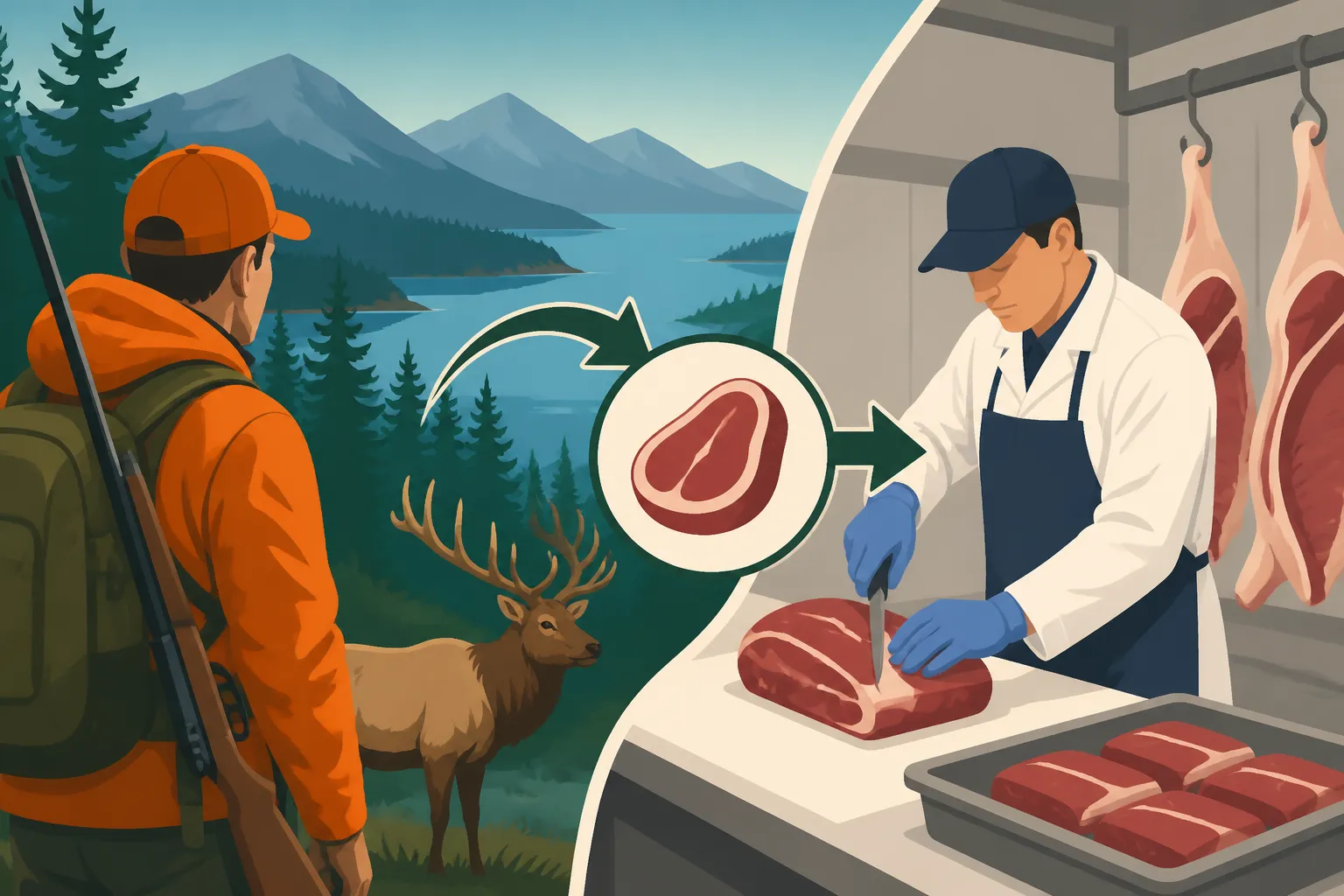
You’ve finally done it. After days, maybe even weeks, of planning, scouting, and enduring whatever British Columbia's weather threw your way, you’ve put down an animal. That rush of accomplishment is incredible, but now comes the next crucial, and often overlooked, phase: getting that hard-earned game meat processed. For many hunters, especially those visiting or new to hunting in BC's vast and wild landscape, the logistics of turning a field-dressed animal into table-ready cuts can feel as daunting as the hunt itself. This guide will walk you through the essential steps and options for meat processing, ensuring your harvest is respected and properly cared for, from the moment it hits the ground to when it's ready for your freezer.
The Critical First Steps: Field Dressing and Initial Care
The moment your animal is down, the clock starts ticking. How you handle your game in the immediate aftermath can profoundly impact the quality and safety of the meat. This isn't just about adhering to ethical principles; it's about making sure your hard work doesn't go to waste. Neglecting these first steps, even for a few hours, especially in warmer conditions, can compromise the entire harvest.
Immediate Field Dressing and Cooling
The absolute first priority is to get the internal organs out of the animal as quickly as possible. This process, known as field dressing, removes the primary source of heat and bacteria that can spoil meat. Even in cooler temperatures, the internal body heat of a large animal can cause spoilage from the inside out. For a massive moose taken deep in the northern woods, or a mule deer harvested on a sunny Okanagan slope, getting that heat out is non-negotiable. Don't rush this step, but don't dawdle either. Lay the animal on its back, head uphill if possible, to aid drainage. Make precise cuts to open the cavity without puncturing the intestines, and then carefully remove everything.
Once the organs are out, the next critical step is cooling the carcass. If you're in a more accessible area and plan to transport the whole animal or large sections quickly, you might not skin it immediately. However, if you're deep in the backcountry, especially during early seasons like Hunting British Columbia's September Archery Opener when temperatures can still be quite mild, you'll want to skin and quarter the animal right away. This exposes more surface area to the air, allowing the meat to cool much faster. The gutless method is a fantastic technique for this, allowing you to remove all the meat and bone it out without even opening the body cavity fully, minimizing contamination and maximizing cooling efficiency. Think about how you’d handle a large animal like a moose; Quartering a Moose in Grizzly Country is often the only practical way to get it out and cooled down. Even if you're not in grizzly country, it's good practice.
Protecting Your Meat from Contaminants and Wildlife
After field dressing and cooling, your meat is vulnerable. Contaminants like dirt, hair, and flies can quickly degrade the quality. Carrying good quality game bags is essential. These breathable cloth bags protect the meat from insects and debris while still allowing air to circulate, which is vital for cooling and forming a protective "crust" on the meat. Avoid plastic tarps or bags directly on the meat, as they trap heat and moisture, creating a perfect environment for bacterial growth.
Once bagged, you need to find a way to keep the meat cool and secure. If you’re in a vehicle-accessible camp, large coolers packed with ice are your best friend. For those venturing into more remote territory, Hanging Meat at a Backcountry Camp is often the only option. Find a sturdy tree limb and hang the quarters as high as possible, away from direct sunlight and circulating air. This not only aids cooling but also keeps it out of reach of opportunistic scavengers like bears, wolves, and coyotes. Always be mindful of Bear Safety While Hunting in British Columbia when dealing with meat in camp. Proper hanging and securing practices are paramount to prevent unwanted visitors. In warmer conditions, like Meat Care in British Columbia's Warm Early Seasons, even hanging might not be enough; you'll need constant airflow and shade, and sometimes even a little water misting to keep the surface cool.
Navigating Your Processing Options in British Columbia
Once you’ve successfully gotten your animal out of the field, the next big decision is how to turn those quarters into delicious meals. British Columbia offers several avenues, each with its own benefits and drawbacks. Your choice often comes down to your skills, time, equipment, and access to facilities.
Self-Processing: The DIY Route
For many seasoned hunters, processing their own game is a cherished part of the tradition. It offers complete control over the cuts, grinding, and packaging. You know exactly what’s going into your sausage and how thick your steaks are. The cost savings are also significant; you’re only paying for your time and materials like butcher paper, vacuum seal bags, and grinder plates. If you have a dedicated workspace at home, good knives, a grinder, and a vacuum sealer, processing your own deer, elk, or moose can be incredibly rewarding. It’s also an excellent way to learn more about anatomy and how to utilize every edible piece of the animal.
However, self-processing demands a considerable investment of time, effort, and skill. Breaking down a large animal like an elk or moose can take many hours, even days, of physical work. If you’re returning from a remote Horseback Hunting British Columbia's Backcountry trip, you might be exhausted already. The mess can also be substantial, requiring a proper cleanup of your workspace and tools. For a new hunter, or someone without the right equipment, attempting to process an entire animal can be overwhelming and lead to waste. Moreover, keeping everything at safe temperatures throughout the process requires careful planning, especially if you don’t have a walk-in cooler or a large enough refrigerator for multiple quarters.
Commercial Butchers and Game Processors
For hunters who lack the time, skill, or equipment to process their own game, commercial butchers specializing in wild game are an invaluable resource. British Columbia has a number of these operations, particularly in hunting-heavy regions. They offer a range of services, from basic cut and wrap to specialty products like sausages, pepperoni, and jerky. This option provides convenience and professional results, ensuring your meat is expertly handled and packaged for long-term storage. Imagine returning from Moose Hunting British Columbia's Interior with hundreds of pounds of meat; handing that over to a professional processor means you can focus on sharing hunt stories rather than spending days with a saw and knife.
When choosing a commercial processor, it's crucial to find one with a good reputation for handling wild game. Not all butchers are set up for game, and improper handling can quickly ruin meat. They often have walk-in coolers to properly age the meat, which can tenderize it and enhance flavor. Make sure to discuss your specific cutting preferences – how thick you like your steaks, what cuts you prefer for roasts, and how much ground meat you want. Many processors will price by the hanging weight of the carcass or by a flat cut-and-wrap fee. Always ask about their lead times, especially during peak hunting seasons like Hunting British Columbia's October Rifle Opener, as they can get very busy. Some outfitters, especially those working with clients from out of province, have established relationships with local butchers and can help coordinate processing, simplifying the logistics significantly. If you're looking at guided options, perhaps through a platform like BookYourHunt, always confirm what meat processing assistance or recommendations the outfitter provides.
Mobile Processing Units and Their Availability
While less common than dedicated brick-and-mortar butcher shops, mobile processing units are a growing trend in some agricultural and rural areas of British Columbia. These are essentially custom-built trailers equipped with everything needed for field slaughter and initial processing. They can come directly to a ranch, farm, or even a larger hunting camp (if accessible) to process animals on-site. This significantly reduces the stress of transporting a whole or partial carcass, especially for very large animals or if you're concerned about maintaining proper temperatures during a long drive.
The availability of mobile units in BC can vary greatly by region. They are more frequently found in areas with a strong livestock industry, where they primarily serve ranchers, but some may also cater to wild game hunters. If you're organizing a group hunt on private land or a large, accessible lease, a mobile unit could be an excellent solution for efficient and hygienic processing right where the animal was harvested. However, you'll need to book these services well in advance, and their operational range might be limited. It’s definitely worth investigating if you’re planning a hunt that involves multiple animals or significant logistical challenges for transport. For more information about Rules on Wasting Game Meat, remember that professional processing can help ensure maximum utilization.
Finding and Coordinating with a British Columbia Processor
So, you've got your game quarters chilled and ready, but where do you take them? Finding the right processor, understanding their services, and coordinating the drop-off can sometimes be a puzzle, especially if you're hunting far from home.
Researching Processors Before Your Trip
This is not a step to leave until the last minute. Imagine driving out of Hunting British Columbia's Interior Marshes with an elk in the back of your truck, only to find every local butcher fully booked for weeks. It happens! Proactive research is key. Before you even head out on your hunt, identify potential game processors in the region you plan to hunt. Use online searches, ask in local hunting forums, or consult with outfitters and local hunter associations. Look for processors who explicitly state they handle wild game, as they will have the appropriate facilities and experience.
Many hunters use comprehensive planning platforms like GoHunt to research potential hunting areas and species. A smart planner will also extend this research to look up local services like butchers in those regions well in advance, noting their operating hours, contact information, and specific requirements. Don't be afraid to call them ahead of time, even before your trip, to ask about their availability, pricing, and any special considerations they might have for accepting game. Some processors might require specific packaging or field dressing standards before they'll accept your animal. Knowing these details upfront can save you a lot of hassle and potential heartache when you’re tired and trying to get your meat taken care of.
Understanding Services, Costs, and Scheduling
When you contact a processor, have a clear idea of what you want. Do you need basic cut and wrap services for steaks, roasts, and ground meat? Or are you interested in specialty products like cured ham, bacon, breakfast sausage, or various types of jerky? Most processors offer different packages and pricing structures. Some charge by the pound of the whole carcass (hanging weight), while others might have a base fee for cut and wrap, with additional charges for specialty items or deboning. Always get a clear quote and ask about any hidden fees.
Scheduling is another critical aspect. As mentioned, peak hunting seasons can overwhelm processors. If you're fortunate enough to tag out early in the season, you might have more flexibility. However, if your hunt coincides with the height of deer or moose season, be prepared for potential wait times. Some processors might accept your quarters for cold storage immediately but won't begin processing for a few days or even a week. Be realistic about your timeline and confirm when your meat will be ready for pickup. This is especially important if you’re travelling a long distance. For hunters on a tight schedule, perhaps after a British Columbia Draw Tag hunt, knowing the turnaround time is crucial for making travel arrangements.
Logistics of Transporting Meat to the Processor
Once you have a processor lined up, the final hurdle is getting your meat to them safely and hygienically. This involves maintaining the cold chain from your camp or kill site to the butcher shop. Large coolers filled with ice or dry ice are essential. For longer distances, especially in warmer weather, dry ice can be invaluable for keeping meat frozen solid. Pack quarters tightly and ensure there's enough cooling agent to last the entire journey.
You also need to be aware of the regulations surrounding Transporting Game Meat in British Columbia. Ensure you have all the necessary tags and licenses with the meat, as conservation officers can and do check. Many regulations require "evidence of sex" to remain naturally attached to a portion of the carcass for identification purposes, so don't completely debone everything if it's not explicitly allowed for your species and area. For non-residents, there might be additional considerations for taking meat across borders. If you’ve booked a trip with a guide, perhaps through a platform like BookYourHunt, they will often have systems in place for getting your meat to a local processor or advising you on the best methods for transport. If you're packing out of British Columbia's Steep Country, a good frame pack and careful quartering will make the initial transport to your vehicle much more manageable.
| Aspect | Self-Processing | Commercial Processor |
|---|---|---|
| Cost | Low (materials only) | Moderate to High (service fees, specialty items) |
| Time Investment | High (significant personal effort) | Low (drop off, pick up) |
| Skill/Equipment | High (knives, grinder, workspace, cold storage) | None (professional handles everything) |
| Customization | Complete control over cuts and products | Good (can specify cuts, specialty products) |
| Hygiene/Safety | Dependent on personal practices and setup | Professional standards, controlled environment |
| Turnaround | Immediate (as fast as you work) | Varies (can be days to weeks, especially in peak season) |
| Space Required | Large, clean workspace + significant cooler/freezer | Minimal (just space for packaged final product) |
Disclaimer
This article is for general informational purposes only and does not constitute professional advice. Laws, prices and regulations vary by location and change over time. Consult a qualified professional for guidance on your specific situation.