British Columbia’s Small Game
For many hunters, the image of British Columbia hunting conjures up vast mountains, towering timber, and the pursuit of majestic big game like moose, elk, or sheep. But let's be real: not every hunt needs to be an epic, week-long expedition into the remote backcountry, nor does everyone have the draw tags or resources for such endeavors. Sometimes, the most accessible, enjoyable, and downright challenging hunting experiences come in the form of British Columbia's diverse small game, offering fantastic opportunities to hone your skills, put food on the table, and simply enjoy a day afield without the immense pressure of a big game tag. This guide is here to shed light on those often-overlooked opportunities, helping you discover the joys of small game hunting across our beautiful province.
An Introduction to Small Game Hunting in British Columbia
Hunting small game in British Columbia is a fantastic way to extend your time outdoors, introduce new hunters to the sport, and develop skills that are transferable to larger game. It's not just about the harvest; it's about the chase, the immersion in nature, and the satisfaction of a successful outing, no matter the size of the quarry. Many seasoned hunters will tell you that mastering the art of small game hunting, with its focus on woodcraft, stealth, and quick decision-making, can make you a far more effective big game hunter.
What Defines "Small Game"?
In British Columbia, "small game" generally refers to species that are smaller in stature than big game animals like deer, moose, or bears, and which typically have more generous seasons and bag limits. This category broadly includes various upland game birds, waterfowl, and smaller mammals. The regulations define them clearly, often separating them from furbearers or predators that might have different licensing requirements or seasons. Think of it as anything from a ruffed grouse to a snowshoe hare, or even certain designated predators like coyotes, where the focus is often on high-volume opportunities rather than a single, high-value animal. It's the perfect entry point for those just starting out or for veterans looking to keep their skills sharp in between big game seasons.
Why Small Game Hunting Matters
Small game hunting plays a crucial role in British Columbia's hunting culture for several reasons. Firstly, it provides far more accessible hunting opportunities. You don't always need special draw tags or to scout thousands of acres; often, small game can be found close to populated areas or along easily accessible logging roads. This accessibility makes it ideal for introducing youth hunters to the sport, teaching them ethics, firearm safety, and the thrill of the hunt in a less demanding environment. It also offers a chance to put healthy, organic meat on the table with less logistical complexity than, say, quartering a moose in grizzly country. For many, a day chasing grouse with a good dog or still-hunting for hares is a deeply satisfying experience, connecting them to the land and the tradition of hunting in a profound way.
Upland Game Birds of British Columbia
British Columbia is a bird hunter's paradise, boasting a remarkable variety of upland game birds that offer diverse hunting experiences. From the dense forests of the coast to the dry interior and alpine peaks, there's a bird for every habitat and every hunter. These birds provide challenging hunting and delicious table fare, making them a popular target for many.
Grouse Species: Ruffed, Spruce, and Blue
When you think of grouse hunting in British Columbia, these three species often come to mind first. Each offers a unique challenge and habitat preference.
The Ruffed Grouse (often affectionately called "ruffies") are arguably the most iconic. They're common throughout much of the province, favoring mixed deciduous and coniferous forests, especially areas with aspen, willow, and alder thickets. If you're walking an old logging road or a river bottom, that sudden explosion of wings as a ruffy flushes from cover is a sound every bird hunter knows well. Their erratic flight through thick cover makes them a genuine test of shooting skill, even for experienced wingshooters. They offer some of the best opportunities for new hunters or those looking to Hunting Ruffed Grouse in an Alder Bottom.
Spruce Grouse are a different beast entirely. Found predominantly in dense coniferous forests, particularly around spruce and pine stands, they are notorious for their "fool hen" reputation. Unlike ruffies, spruce grouse often hold tight, sometimes allowing you to almost step on them before they flush, if they flush at all. This can make for less exciting wing-shooting but provides an excellent opportunity for close-range shots and a great way to put birds in the vest without expending too much energy. They're often encountered when you're deer hunting in dense timber, providing an unexpected bonus.
Finally, we have the Blue Grouse, now often referred to as Dusky or Sooty Grouse depending on their range. These larger, darker grouse are typically found at higher elevations, particularly on mountain slopes and open timbered areas. Hunting Blue Grouse often involves hiking steep terrain, where they might be found feeding on berries or perched high in trees. Their powerful flight and larger size make them a rewarding target, and they can be found moving to lower elevations as the season progresses. If you're looking to stretch your legs and combine your bird hunt with some scenic views, targeting Blue Grouse in their preferred subalpine habitat is a fantastic option. You can often find them along the edges of old clearcuts or natural openings higher up. Remember that there is often a Blue Grouse Daily Bag Limit that hunters need to be aware of.
Ptarmigan: White-tailed, Rock, and Willow
For those who love to get high into the mountains, British Columbia's three species of ptarmigan offer a truly unique and challenging hunting experience. These are alpine specialists, living above the tree line where few other game birds dare to tread. Their camouflage is legendary, turning pure white in winter to blend with the snow, and mottled brown in summer to disappear among the rocks and tundra.
The White-tailed Ptarmigan is the smallest and most often encountered ptarmigan in British Columbia's alpine country. They typically stick to the highest, most rugged peaks, where they feed on alpine vegetation. Hunting them means strenuous hiking, often in challenging weather conditions, but the reward of seeing these beautiful birds in their natural, awe-inspiring habitat is unparalleled. They tend to flush in small coveys, offering fleeting shots against a backdrop of rock and sky.
Rock Ptarmigan and Willow Ptarmigan are found in more northern and subalpine regions, with the Willow Ptarmigan generally preferring slightly lower elevations with more willow thickets. Rock Ptarmigan, as their name suggests, are at home among rocky slopes and tundra. Distinguishing between the three can be tricky, especially in their various seasonal plumages, but for the hunter, the experience is largely the same: a physically demanding but incredibly rewarding pursuit in some of the most stunning landscapes British Columbia has to offer. The thrill of finding a covey of ptarmigan after a long climb and then watching them erupt from the rocky terrain is truly something special. Be sure to check the specific British Columbia Ptarmigan Season and Limits for the region you plan to hunt.
Other Upland Birds: Pheasants, Chukar, and Quail
While grouse and ptarmigan are native mainstays, British Columbia also offers opportunities for hunting introduced upland bird species, particularly in the agricultural and dry interior regions. These birds provide fast-paced, exciting hunting, often with the help of a good bird dog.
Pheasants are a classic upland game bird, primarily found in agricultural areas where they benefit from cover provided by fields, hedgerows, and riparian zones. In British Columbia, populations are sustained through release programs, often in specific wildlife management areas or private lands. These birds are known for their spectacular flush and strong flight, making them a favourite for wingshooters. They can be incredibly challenging to pin down, often running long distances before flushing, which is why a good pointing or flushing dog is invaluable for pheasant hunting. The season for them often coincides with the general open season for other upland birds, but always consult the regulations for specific opening dates, as they can vary. Many hunters look forward to When Pheasant Season Opens in British Columbia in various regions.
For those venturing into the arid, rocky canyons and hillsides of British Columbia's dry interior, Chukar and Quail offer a different kind of challenge. Chukar are perhaps one of the most physically demanding upland birds to hunt. They live in incredibly steep, broken terrain, often associated with sagebrush and cheatgrass. Chukar are masters of using the terrain to their advantage, running uphill or flying across deep canyons to escape pressure. A successful chukar hunt is a testament to physical fitness and persistence. Hunters seeking these birds should be prepared for significant elevation changes and rough footing. GoHunt's mapping tools can be particularly useful here for identifying steep, south-facing slopes and rocky outcroppings that chukar love.
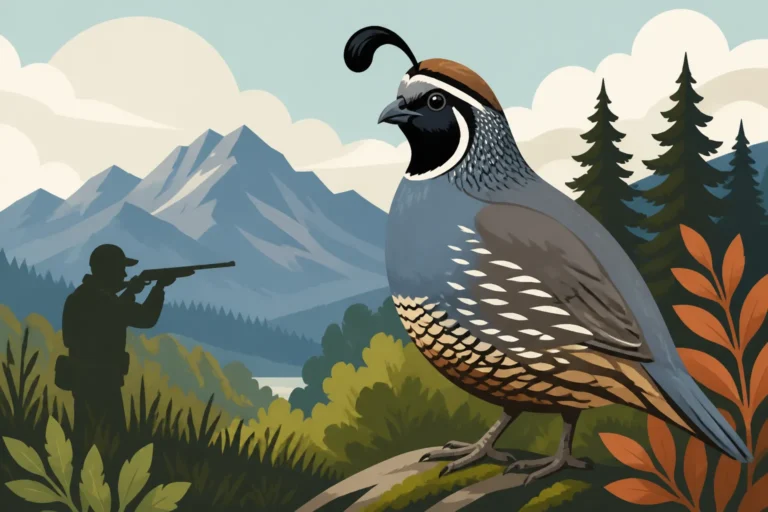
California Quail are also found in the Okanagan and other dry interior regions, typically in areas with dense brush, vineyards, and agricultural edges. They are highly social birds, forming large coveys that can explode into flight simultaneously, offering multiple targets for quick shots. While not as widespread as chukar, finding a covey of quail can provide fast and furious action, especially for hunters working with a bird dog. These introduced species add a fantastic dimension to British Columbia's small game hunting landscape, providing diverse opportunities beyond the native grouse and ptarmigan. Knowing where to find Chukar and Quail in the Dry Interior is key to a successful hunt.
Small Game Mammals in British Columbia
Beyond the feathered game, British Columbia also offers intriguing opportunities for hunting small game mammals. These pursuits often require different tactics, but are no less rewarding, providing excellent meat and valuable field experience. From forest floor dwellers to cunning predators, there's a mammalian small game option for various hunting styles.
Snowshoe Hare and Cottontail Rabbits
The humble hare and rabbit might seem like small potatoes, but they offer some of the most accessible and enjoyable small game hunting in British Columbia, particularly for new hunters or those looking for an exciting winter outing.
Snowshoe Hares are incredibly common throughout British Columbia's forested regions, especially in dense second-growth timber, willow bottoms, and areas with good underbrush. They get their name from their large, well-furred hind feet, which act like snowshoes, allowing them to move easily over deep snow. Their seasonal camouflage, changing from brown in summer to pure white in winter, is legendary, making them notoriously difficult to spot until they bound away. Hunting snowshoe hares is often a brisk walk through the woods, looking for fresh tracks or signs of feeding. In winter, they're often found hiding under downed trees or dense conifers. A good pair of snowshoes or skis can be invaluable for accessing their prime habitat. They offer challenging, quick shots when they burst from cover, and their meat is lean and delicious. This is a great way to enjoy the winter woods and practice quick target acquisition. Understanding Snowshoe Hare and Small Game Numbers can help predict good hunting years.
While less widespread than snowshoe hares, Cottontail Rabbits can be found in certain localized areas, particularly in the dryer southern parts of the province, often near agricultural fields, brushy creek bottoms, and old homesteads. They prefer more open, brushy habitats compared to the dense cover favoured by snowshoes. Hunting cottontails often involves walking up draws, pushing brush piles, or still-hunting slowly along field edges. Both species provide excellent opportunities for small-bore rimfire rifles or shotguns, and can be hunted throughout much of the fall and winter, providing a consistent source of action when big game seasons might be closed.
Squirrels and Marmots
Other small mammals offer unique hunting experiences, though they are less commonly pursued than hares or game birds. These critters can still provide sport and skill-building opportunities.
Tree squirrels, particularly Red Squirrels, are abundant across British Columbia. While not typically hunted for their meat as they might be in other parts of the continent, they can offer excellent training for precision shooting with a rimfire rifle. Spotting these small, quick-moving targets in dense timber, especially as they chatter and scamper, requires keen eyesight and steady aim. This kind of hunting hones stealth, observation, and marksmanship—skills directly applicable to stalking larger game. They often lead you into areas that might also hold grouse, making for a fun combination hunt. Always be aware of local regulations regarding squirrel hunting, as they can sometimes be considered furbearers in certain contexts.
Marmots, specifically Yellow-bellied Marmots, are found in the rocky, open country of British Columbia's interior and alpine regions. These large rodents are often seen sunning themselves on rocks near their burrows. While some hunters pursue them for sport and population control, particularly where they might impact agricultural lands, it's important to differentiate them from protected species like Vancouver Island Marmots. Hunting marmots often involves careful glassing of rocky slopes and precise long-range shooting. They offer a challenging target due to their small vital zone and habit of "whistling" an alarm before diving into their burrows. Using a good spotting scope and rangefinder, like those integrated into the GoHunt platform, can greatly assist in successful marmot hunting, ensuring ethical shots at distance. This can be a great way to practice long-range shooting fundamentals in a real-world scenario.
Predators as Small Game: Coyotes and Wolves
In British Columbia, certain predators are classified under general hunting regulations and can be pursued as small game, offering a different kind of challenge and often playing a role in wildlife management. This type of hunting requires specific tactics and a deep understanding of animal behaviour.
Coyotes are found throughout British Columbia, from agricultural lowlands to the alpine. They are intelligent and wary animals, making them a true test for any predator hunter. Coyote hunting often involves calling, using electronic callers or mouth calls to mimic distress calls of prey animals or the howls of other coyotes. This requires patience, a good understanding of wind direction, and camouflage. Successful coyote hunting can improve your ability to set up ambush points, read subtle animal cues, and remain absolutely still for extended periods – skills that are incredibly valuable for big game hunting. Furthermore, many landowners appreciate hunters helping to manage coyote populations, particularly where they prey on livestock or smaller game animals. Hunters should always review the current Coyote and Small Predator Rules for their specific hunting zone.
Wolves also fall under general hunting regulations in many parts of British Columbia and are typically open to hunting throughout much of the year, with varying bag limits by region. While they are a big game species in terms of size, the approach to hunting them often aligns more with predator hunting tactics. Much like coyotes, calling is a primary method, though specific wolf calls or mimicking elk/moose distress calls can be effective. Wolves are incredibly intelligent and elusive, making them one of the most challenging animals to hunt. Success often comes down to extensive scouting, understanding pack movements, and extreme patience. Ethical wolf hunting contributes to overall ecosystem health and is a way to hone advanced tracking and woodcraft skills. Given their challenging nature, pursuing wolves is often considered an advanced form of small game or predator hunting that truly tests a hunter's dedication and skill. It's vital to check the Wolf Season Dates and Bag Limits as these can change.
Regulations and Seasons for Small Game
Understanding the specific regulations and seasons for small game in British Columbia is just as crucial as it is for big game. While seasons are often more generous, there are still rules around licensing, bag limits, and specific hunting areas that every hunter must adhere to. The "British Columbia Hunting and Trapping Regulations Synopsis" is your bible, and it's essential to consult it annually.
Licensing and Permits
Before you even step foot in the woods, you need to ensure you're properly licensed. For British Columbia residents, this starts with obtaining a valid British Columbia Resident Hunting Licence Cost. This general licence is the foundation for all hunting activities in the province. Once you have your basic licence, you'll need to purchase species licences or tags for specific animals, though for most small game birds, the general licence covers you within the open seasons and limits.
For example, when it comes to upland birds like grouse, your base hunting licence is typically all you need, assuming you're hunting within the designated open seasons and adhering to bag limits. For migratory game birds like ducks and geese, you'll also need a federal Migratory Game Bird Hunting Permit and a Canadian Wildlife Habitat Conservation Stamp in addition to your provincial licence. Small game mammals like snowshoe hares often fall under the general licence as well, but always double-check the synopsis for any specific regional exceptions or requirements. It's also important to have a valid FWID number, which links all your hunting credentials. You can easily manage your licenses and permits online through the government's portal.
General Open Seasons Versus Specific Zones
One of the great advantages of small game hunting is the prevalence of "General Open Seasons" (GOS) across many management units (MUs) and regions. This means that for a significant portion of the year, usually from early September through to late winter, various small game species are open for hunting without the need for a Limited Entry Hunting (LEH) draw. This contrasts sharply with most big game, which often requires specific LEH authorizations or has very short GOS periods.
However, even within general open seasons, it's vital to remember that regulations can vary considerably between British Columbia's nine hunting regions and even specific management units. A species that is open in one MU might be closed in an adjacent one, or have a different bag limit. For instance, grouse seasons are typically widespread, but pheasant seasons are often much more localized, tied to specific release sites or areas with viable wild populations. The best way to navigate these nuances is to use online mapping resources, like those provided by the province or even third-party apps like GoHunt, which allow you to view management unit boundaries and overlay regulatory information. This ensures you're hunting legally and ethically in your chosen area. Always verify your chosen MU's regulations before heading out.
Bag Limits and Possession
Bag limits and possession limits are critical components of small game regulations, designed to ensure sustainable harvests and prevent overhunting. The "bag limit" refers to the maximum number of animals you can harvest in a single day, while the "possession limit" dictates the total number of animals (or parts of animals) you can possess at any given time, whether in the field, at home, or in transit.
These limits are usually very clearly defined in the regulations synopsis for each species. For example, you might have a daily bag limit of 6 ruffed grouse, but a possession limit of 12. This means you can only shoot 6 in one day, but you could have two days' worth (12 birds) in your freezer at home. Exceeding these limits, even inadvertently, is a serious offence. For predatory small game like coyotes and wolves, bag limits are often more generous, sometimes even unlimited in certain regions, reflecting their role in the ecosystem and the need for population management. Always ensure you count your harvest carefully and discard any non-edible parts responsibly. This ensures you comply with rules like those for British Columbia Grouse Season and Limits or Wolf Season Dates and Bag Limits.
It's also important to remember rules around "evidence of sex" or "evidence of species" for certain animals, even small game, particularly when transporting game. While often simpler for birds, ensure you know what's required to legally identify your harvest.
Here's a simplified table summarizing common small game species, but always check the current British Columbia Hunting and Trapping Regulations Synopsis for up-to-date and region-specific details.
| Species | Primary Habitat (General) | Typical Hunting Method | Common Season Duration (General) | Typical Bag Limit (Daily) | Typical Possession Limit (General) |
|---|---|---|---|---|---|
| Ruffed Grouse | Mixed forests, riparian areas, logging roads | Walk-up, bird dog, still-hunt | Sept – Dec/Jan | 6 | 12 |
| Spruce Grouse | Dense coniferous forests | Walk-up, still-hunt | Sept – Dec/Jan | 6 | 12 |
| Blue Grouse | Upland forests, subalpine slopes | Walk-up, still-hunt, bird dog | Sept – Nov | 3 | 6 |
| Ptarmigan | Alpine tundra, rocky peaks | Strenuous walk-up | Sept – Nov | 5 | 10 |
| Snowshoe Hare | Dense second-growth, willow thickets | Walk-up, still-hunt | Sept – Mar | 10 | 20 |
| Coyote | Varied (agricultural to alpine) | Calling, spot-and-stalk | Year-round (check regional limits) | Unlimited (check region) | Unlimited (check region) |
| Wolf | Forested areas, open valleys | Calling, tracking, ambush | Aug – Mar (check regional limits) | 2-3 (check region) | 4-6 (check region) |
| Pheasant | Agricultural fields, dense cover (release areas) | Bird dog, walk-up | Oct – Nov (localised) | 2-3 | 4-6 |
| Chukar Partridge | Arid, rocky canyons, steep slopes | Strenuous walk-up, bird dog | Sept – Dec | 5 | 10 |
Disclaimer: This table provides general information. Regulations, seasons, and limits are subject to change and vary significantly by specific Management Unit (MU) and Region. Always consult the most current British Columbia Hunting and Trapping Regulations Synopsis before hunting.
Small game hunting in British Columbia truly offers something for everyone, from the casual stroll with a shotgun to the arduous climb for ptarmigan. It's an important part of our hunting heritage and a fantastic way to enjoy the abundant natural resources of our province. Whether you're filling your freezer with delicious wild game or simply honing your outdoor skills, the opportunities are vast and rewarding.
Disclaimer
This article is for general informational purposes only and does not constitute professional advice. Laws, prices and regulations vary by location and change over time. Consult a qualified professional for guidance on your specific situation.