California Quail in British Columbia
When you think of British Columbia, you probably conjure images of vast mountains, dense rainforests, and maybe even a grizzly bear or two. But amidst all that grandeur, there's a smaller, quicker, and incredibly charismatic game bird that often surprises folks with its presence: the California Quail. If you've ever wondered where these distinctive birds with their jaunty topknots fit into the BC hunting landscape, you're not alone, and this guide will shed some light on hunting these elusive little speedsters.
The Unexpected Home of California Quail in British Columbia
It might seem a bit odd to find a bird named "California" quail thriving in British Columbia, but our province, particularly the southern Interior, holds a unique climate and habitat that suits them remarkably well. These aren't native birds, mind you, but rather an introduced species that has found a niche, primarily in the warmer, drier valleys of places like the Okanagan and Similkameen. They've made themselves quite at home, thank you very much, providing a challenging and rewarding pursuit for upland bird hunters willing to put in the effort.
You won't find California quail scattered across every corner of BC. Their presence is largely confined to areas that mimic their native semi-arid scrublands, especially where there's a mix of dense cover, food sources like seeds and berries, and access to water. Think about those sun-drenched hillsides dotted with sagebrush, ponderosa pine, and thickets of wild rose or sumac – that's prime quail country. They absolutely adore the edges of orchards and vineyards, too, places where you might not expect to be hunting, but where these adaptable birds can find both sustenance and sanctuary from predators.
These are not birds that migrate long distances; once they establish a covey, they tend to stick to a relatively small home range, provided their needs are met. This localized distribution means that finding them often involves specific scouting in known quail areas rather than just general upland bird habitat. A good resource for understanding these localized populations, and even researching specific management units, can be found through platforms like GoHunt, which often have community forums or mapping tools that help pinpoint these unique pockets of habitat. Knowing where to start your search is half the battle when dealing with such a specialized species.
Unpacking the Habits and Characteristics of BC's Quail
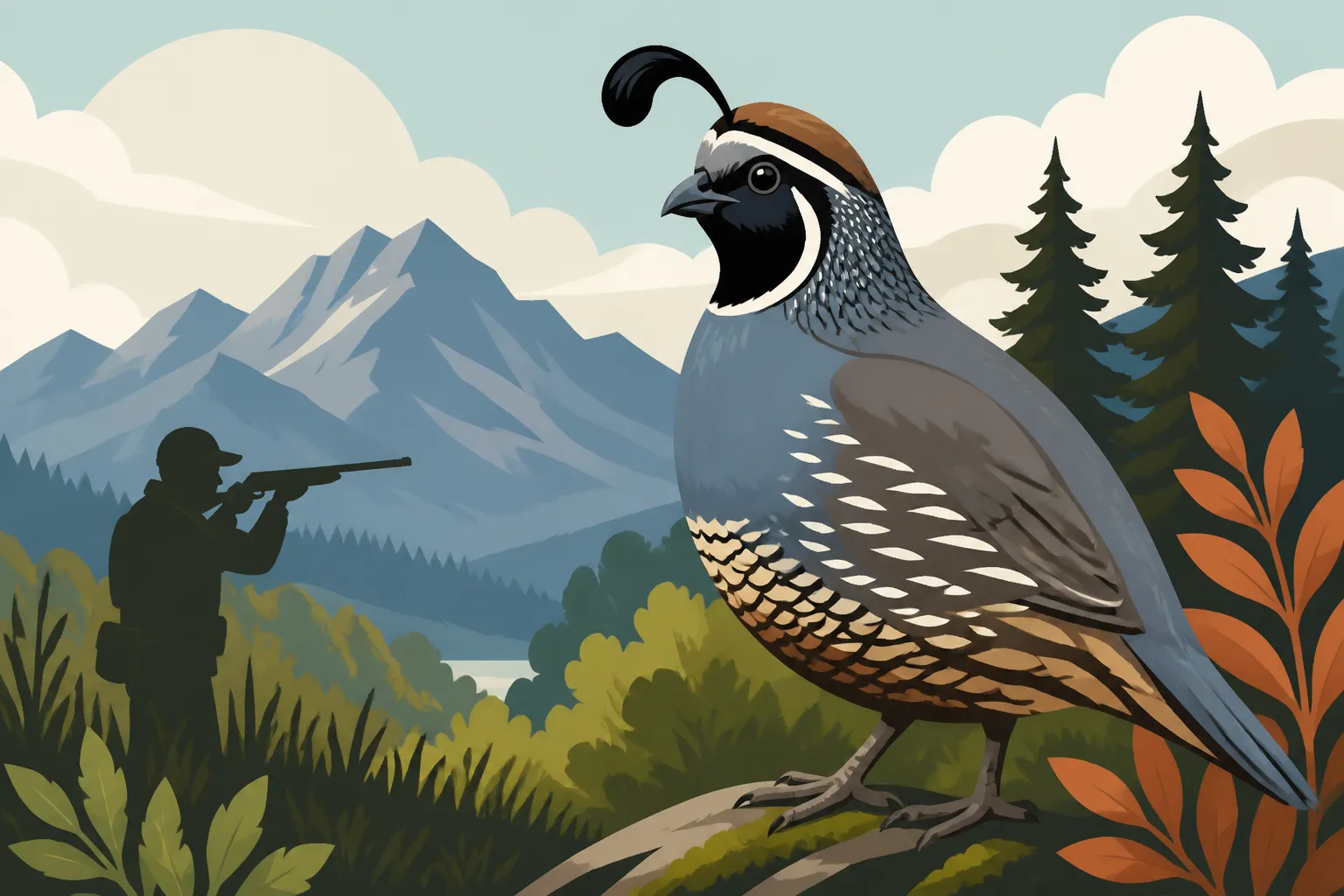
California quail are truly distinct, and once you've seen one, you won't mistake it for any other bird in British Columbia. Their most iconic feature is undoubtedly that forward-curling, black plume atop their heads, resembling a little comma or tear-drop, more prominent on the males. They have a striking pattern of grey, brown, and white, with males boasting a black face bordered by a crisp white stripe, and a rich chestnut cap. Females are a bit more subdued in colouring but still carry that recognizable topknot. Their calls are equally distinctive – a loud, three-note "chi-ca-go" or "quit-quit-quit" that often gives away their presence, especially at dawn and dusk.
These birds are highly social, almost always found in groups called coveys, especially outside of breeding season. A covey can range from a handful of birds to dozens, sometimes even hundreds in optimal habitat. This covey behaviour is crucial for their survival, offering more eyes for predators and a "flushing explosion" when disturbed that can startle a hawk or coyote. They spend most of their time on the ground, foraging for seeds, leaves, berries, and insects. They're excellent runners, preferring to use their legs to escape danger rather than taking to the air. When they do fly, it's typically a short, explosive burst of wings, often darting into the nearest dense cover with incredible speed.
Understanding their daily routine is key to finding them. Quail will typically leave their roosting sites at first light to feed, often moving into more open areas. As the day warms up, especially in the dry Interior, they'll seek shade and dense cover to loaf and dust bathe. Late afternoon sees another feeding period before they head to their communal roosts, usually in thick brush or low trees, to gather for the night. This predictable pattern, coupled with their talkative nature, means that early morning and late evening hunts can often be the most productive, when the birds are most active and vocal. Knowing these patterns helps immensely when planning your strategy for Hunting British Columbia's Upland Bird Seasons.
The Thrill and Challenge of Hunting British Columbia California Quail
Hunting California quail in British Columbia is not for the faint of heart, nor for those who dislike walking through thick brush. These birds are renowned for their incredible speed and their uncanny ability to find the densest cover imaginable. When a covey flushes, it's often an explosion of wings and a blur of brown and grey, making for extremely fast and challenging shots. They'll scatter in all directions, often diving headfirst into tangled thickets of thorn bushes or sage, where following them can be a real ordeal. This is precisely why a good bird dog is almost indispensable for a successful quail hunt.
A well-trained dog, particularly a pointing breed, can make all the difference. Not only can they pinpoint coveys that are holding tight, but they are also crucial for finding downed birds in the thick cover. Without a dog, recovering birds can be incredibly difficult, leading to lost game, which is something every ethical hunter wants to avoid. Even with a dog, you'll need to be prepared for some serious bushwhacking, pushing through thorny brush, and scrambling over uneven terrain. It's a physically demanding hunt, but the reward of hearing that covey rise and making a clean shot is incredibly satisfying. Using a Bird Dog in British Columbia Timber can be a real game-changer when targeting these agile birds.
Regarding gear, a lightweight shotgun that swings easily is ideal for these quick-flushing birds. Many hunters prefer a 20-gauge or even a 28-gauge for quail, loaded with smaller shot sizes like 7.5 or 8. The open choke is also a good choice, as most shots will be at relatively close range. Always check the current British Columbia hunting regulations for specific season dates, bag limits, and any other rules pertaining to upland game birds in your chosen Management Unit. Knowing these regulations inside and out is paramount before you head out, and resources such as the provincial regulations synopsis or platforms like GoHunt can help you stay informed about British Columbia Game Bird Seasons.
Here’s a quick overview of key aspects for a BC California Quail hunt:
| Aspect | Description | Considerations |
|---|---|---|
| Primary Habitat | Dry Interior valleys (Okanagan, Similkameen), mixed with dense brush, sage, pines, orchards, vineyards. | Focus scouting efforts in these specific, often localized, zones. |
| Behavior | Ground-dwelling, covey-oriented, prefer running to flying, fast flush when pressured, distinct calls. | Listen for calls at dawn/dusk; expect quick, challenging shots. |
| Hunting Method | Walk-up, often with a pointing dog. Requires patience and physical endurance in thick cover. | A well-trained dog is highly recommended for locating and retrieving birds. |
| Recommended Gear | Lightweight shotgun (20ga, 28ga), open choke, smaller shot (7.5, 8), sturdy brush pants, good boots. | Shots are fast and close; protective clothing is essential for dense brush. |
| Seasonality | Fall/early winter. Check specific regional regulations for exact dates and bag limits. | Seasons are generally short; plan accordingly. |
| Conservation | Respect bag limits, ensure ethical shots, and make every effort to recover all downed birds. | Protecting habitat is crucial for sustaining these introduced populations. |
Conservation and the Future of Quail Hunting in BC
While California quail are an introduced species, they've been part of the British Columbia landscape for long enough to be considered a naturalized component of our upland game bird opportunities. Like all game species, their populations are influenced by habitat availability, weather patterns, and predator pressure. The dry Interior regions where they thrive are also susceptible to drought and wildfire, which can impact their food sources and cover. However, their adaptability means they can often bounce back if given the chance, especially when surrounding habitat remains viable.
For hunters, being mindful of your impact is always important. This means respecting private land boundaries, understanding British Columbia Trespass and Private Land Law, and adhering strictly to bag limits. It also means making ethical shots and, as mentioned, utilizing a dog to ensure all downed birds are recovered. By hunting responsibly and supporting conservation efforts, we can ensure that future generations of hunters will also have the opportunity to chase these remarkable little birds in their unique BC strongholds. Information from GoHunt, for instance, often highlights conservation initiatives or changes in regulations that are vital for hunters to stay on top of.
The presence of California quail adds a fantastic dimension to British Columbia's diverse hunting scene, offering a different kind of challenge compared to chasing grouse in the timber or ptarmigan in the alpine. It's a reminder that our province, even with its vast wilderness, holds unexpected treasures for those willing to explore its more specialized corners. So, if you're looking for a fast-paced, dog-assisted hunt in a unique BC setting, consider spending some time chasing the elusive California quail.
Disclaimer
This article is for general informational purposes only and does not constitute professional advice. Laws, prices and regulations vary by location and change over time. Consult a qualified professional for guidance on your specific situation.