Coyote and Small Predator Rules
Hunting coyotes and other small predators in British Columbia can feel like navigating a complex web of rules, often leaving hunters scratching their heads about what’s allowed, when, and where. Unlike the often-strict seasons and bag limits for big game, small predators often have more flexible regulations, but that doesn't mean they're a free-for-all. Understanding these nuances is crucial for any responsible hunter looking to pursue these cunning animals, and this guide aims to clarify those often-confusing details.
Navigating the Landscape of British Columbia Predator Hunting Regulations
When you first dive into the world of hunting coyotes and other small predators in British Columbia, it can feel like you're entering a different realm compared to pursuing deer or moose. The rules, the seasons, and even the public perception can be vastly different. Many hunters are drawn to predator hunting for various reasons: population control, the challenge of outsmarting a wary animal, or simply to gain more time in the field outside of traditional big game seasons. However, the exact definition of "small predator" and how they are regulated is often where the confusion begins.
In British Columbia, wildlife is generally categorized, and predators often fall under "furbearer" regulations, which can sometimes overlap with hunting seasons. Coyotes, for instance, are very commonly hunted and trapped across most of the province, and their regulations are usually quite liberal, often with year-round open seasons and no bag limits in many areas. This is primarily due to their adaptable nature and widespread populations, which can impact other wildlife species, livestock, and even domestic pets. However, other species like red fox, bobcats, or lynx are managed differently. They might have specific, shorter seasons, bag limits, or even require a trapping license in certain zones, reflecting their lower populations or higher value for their fur. It's not uncommon to find that while you can hunt coyotes with a general hunting license, pursuing a lynx might demand a furbearer trapping license and a very specific set of conditions. This distinction is vital, as misunderstanding it can lead to serious infractions.
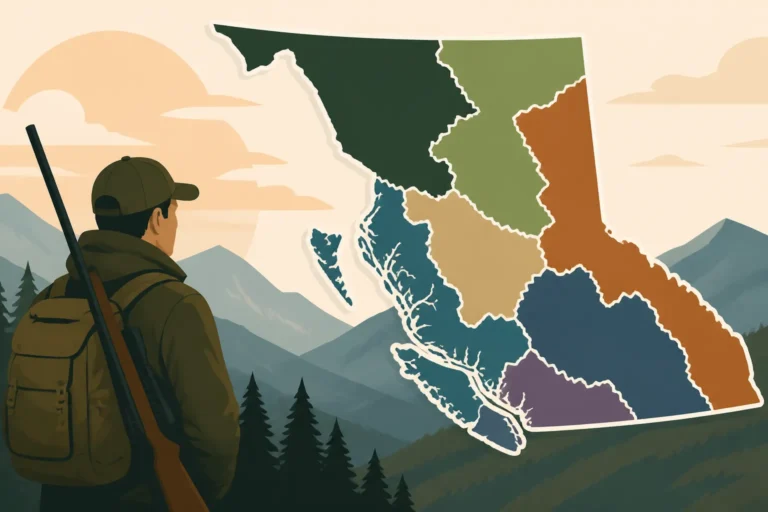
The core principle remains the same for all species: always consult the official British Columbia Hunting and Trapping Synopsis. This comprehensive document, updated biennially, is your ultimate source for legal and ethical hunting. It details every species, every management unit, and every restriction. Relying on word-of-mouth or outdated information is a recipe for trouble in the field. Understanding the provincial and regional overview, such as what defines British Columbia's Nine Hunting Regions, is the first step in deciphering the specific rules that apply to your chosen hunting ground. While many predatory species are considered general open season animals, especially coyotes, others might fall under more stringent controls to ensure sustainable populations or protect sensitive habitats.
Decoding Specific Rules for Coyotes, Foxes, and Other Small Predators
Once you grasp the general framework, it's time to dive into the specifics for each species you might encounter. This is where the intricacies of British Columbia's regulations truly manifest. What applies to a coyote in the Okanagan might be entirely different for a fox in the Omineca, or even a bobcat in the Kootenays. It's not just about what you're hunting, but precisely where you are hunting.
Let's start with the most commonly pursued small predator: the coyote. For most of British Columbia, coyotes have an open season year-round and no bag limit. This broad allowance reflects their robust population and their impact as opportunistic predators. This makes them an accessible target for many hunters, allowing for year-round opportunities to hone skills or simply enjoy time afield. Methods of take are generally consistent with those for big game, meaning legal firearms (within calibre restrictions, which you can review by checking Legal Rifle Calibres for Big Game) and bows are permitted. However, certain restrictions, like those regarding British Columbia Rules on Hunting From a Vehicle, still apply and must be strictly adhered to, even when targeting coyotes. You cannot shoot from a vehicle on a public road, and driving off-road to pursue game is generally prohibited without specific authorization.
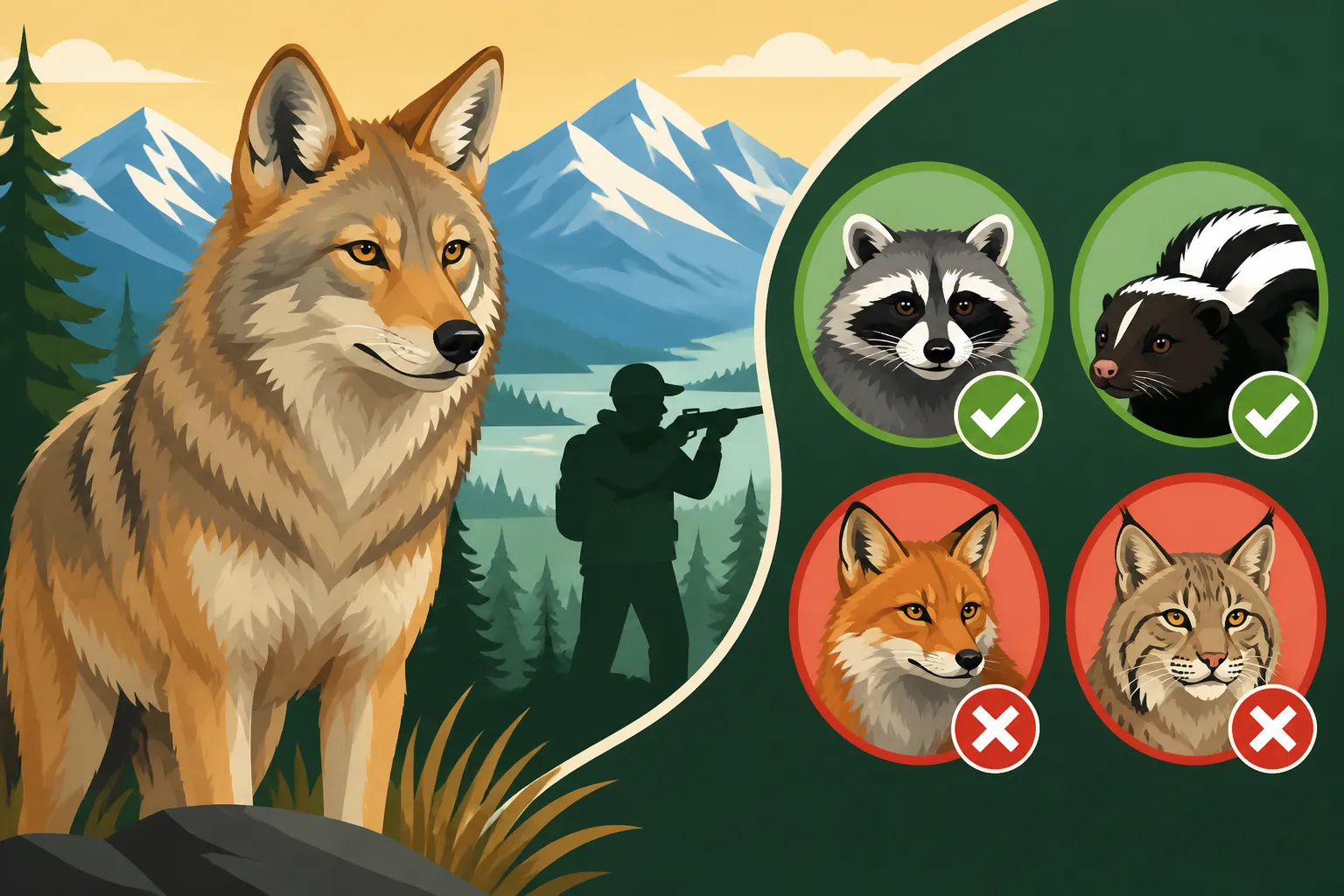
When we move to other small predators, the rules become more specific. Red foxes, for instance, are often lumped in with furbearers. In many regions, they have an open season for hunting, but there might be a daily or seasonal bag limit. Arctic foxes, however, are typically protected or have extremely limited seasons in the northernmost parts of the province. Species like bobcats, lynx, and wolverines are almost exclusively managed as furbearers and frequently require a valid trapping license to harvest, or have very restrictive hunting seasons (often short windows in fall or winter) and strict bag limits, usually one or two per season. It's crucial to confirm if hunting these species is even permitted with a general hunting license or if a special furbearer license is needed, as is the case in many other jurisdictions. These distinctions are critical and are always clearly outlined in the annual synopsis. For a more comprehensive look at these distinctions, you might want to read about Trapping and Predator Rules in British Columbia.
Here's a simplified table outlining general trends, but remember, always consult the current BC Hunting and Trapping Synopsis for precise, up-to-date information for your specific Management Unit (MU) and region:
| Species | General Season Trend | General Bag Limit Trend | Primary Regulations | Notes |
|---|---|---|---|---|
| Coyote | Year-round | No limit | Hunting | Most liberal rules, widespread. |
| Red Fox | Open season (often) | Limited (1-3/season) | Hunting/Furbearer | Varies by region, check synopsis closely. |
| Arctic Fox | Protected/Restricted | N/A | Protected | Extremely limited or no hunting permitted. |
| Bobcat | Restricted | Very limited (1-2/season) | Furbearer/Hunting | Often requires trapping license. |
| Lynx | Restricted | Very limited (1-2/season) | Furbearer/Hunting | Often requires trapping license. |
| Wolverine | Restricted | Very limited (1/season) | Furbearer/Hunting | Highly regulated, often trapping only. |
| Skunk | Year-round (often) | No limit | Hunting/Pest | Usually considered pests in agricultural areas. |
| Raccoon | Year-round (often) | No limit | Hunting/Pest | Similar to skunks. |
Understanding your specific Management Unit is paramount. You can find detailed maps and regulations for these units by learning how to go about reading a British Columbia MU map or exploring resources like Scouting a British Columbia Management Unit Online. Always double-check the small print, as localized closures or specific conditions can apply to even common predators.
Ethical Hunting Practices and Responsible Stewardship
Beyond the regulations, hunting coyotes and other small predators carries a significant ethical responsibility. While these animals are often abundant and sometimes seen as pests, they are still wild creatures, and humane, ethical hunting practices are paramount. The way we conduct ourselves in the field shapes public perception of all hunters, and it’s critical to be a good ambassador for our sport.
First and foremost, shot placement is everything. The goal is always a quick, clean, humane kill. This means taking shots only when you have a clear, ethical opportunity. Long-range potshots or hurried attempts that might wound an animal are unacceptable. Practicing with your chosen firearm or bow regularly is vital to ensure you can make that critical shot when the moment arises. Many hunters use predator calling to bring animals in closer, increasing the chances of a clean shot. If you're new to this, delving into the art of Calling Predators in British Columbia can greatly improve your success and ethical execution.
Another crucial aspect is land access and landowner relations. Many prime coyote hunting areas are on private land, especially agricultural fields where coyotes might prey on livestock. Always obtain explicit permission before hunting on private property. Familiarize yourself with British Columbia Trespass and Private Land Law to understand your rights and responsibilities. Even on Crown land, be respectful of other users, including hikers, dog walkers, and other hunters. Parking responsibly, leaving no trace, and being mindful of noise are small actions that contribute significantly to a positive public image. If you encounter a situation where you suspect a violation, remember that channels exist to Reporting a Poacher in British Columbia and help maintain the integrity of our hunting heritage.
Finally, proper identification is non-negotiable. Mistaking a coyote for a wolf, or a domestic dog, can have severe consequences. Wolves, while also predators, have different season dates and bag limits, which you can find under Wolf Season Dates and Bag Limits, and obviously, shooting a domestic animal is illegal and profoundly unethical. Always use binoculars or a spotting scope to positively identify your target before raising your weapon. Especially during dawn and dusk, or in dense cover, misidentification can happen if you're not diligent. Taking the extra second to confirm your target is not just good practice; it’s a moral obligation.
Practical Strategies and Essential Resources for British Columbia Predator Hunters
Stepping into the field to hunt coyotes or other small predators requires preparation, just like any other hunting endeavor. While the gear might be less specialized than for a mountain sheep hunt, a thoughtful approach will greatly increase your chances of success and safety. Knowing where to go, what to bring, and how to stay informed are key components of a rewarding experience.
Scouting is fundamental. Coyotes are often found in areas with a mix of cover and open ground, near agricultural fields, ranch lands, or along the edges of clearcuts and timber. They thrive where prey, like rodents and small ungulates, is abundant. Utilizing online mapping tools can be a game-changer. Many hunters find platforms like GoHunt invaluable for overlaying maps, identifying potential travel corridors, vantage points, and understanding terrain features. Before heading out, a quick check on GoHunt can confirm open areas, property boundaries, and even recent satellite imagery to help you pinpoint promising locations. For instance, Hunting Coyotes on British Columbia Grassland in regions like the Okanagan or Thompson Nicola can be highly productive, and good scouting helps you find those honey holes.
Your gear selection should reflect the conditions and the species you’re targeting. For coyotes, a flat-shooting rifle in a calibre like .223 Remington, .22-250, or even a .204 Ruger is popular for its accuracy and minimal pelt damage at reasonable ranges. Quality optics are a must, both for your rifle scope and for scanning the landscape with binoculars. Electronic callers, such as those made by FoxPro or ICOtec, are highly effective for drawing in coyotes, mimicking distress calls of prey animals or the howls of other coyotes. However, hand calls can also be very effective and offer more flexibility. Dressing in camouflage that matches the local terrain and having scent control measures can also give you an edge, as predators have keen senses.
Safety, as always, is paramount. Even when you're focusing on smaller game, you are in British Columbia's wilderness, which is home to larger predators. Always be bear aware, carry bear spray, and know Bear Safety While Hunting in British Columbia. It's also wise to have a basic emergency kit, communicate your hunt plan with someone, and consider carrying a satellite communication device, especially if you're venturing into areas without cell service. Emergency Planning in British Columbia's Backcountry isn't just for big game hunters; it's for everyone.
Finally, staying current with regulations is a continuous effort. The official BC Hunting and Trapping Synopsis is updated every two years, but sometimes in-season changes or regional advisories can occur. Regularly checking the BC government’s wildlife website or contacting a local Conservation Officer Service office is a smart practice. Websites and apps like GoHunt also provide summaries and links to the official regulations, serving as a helpful tool for pre-hunt planning. For a deeper understanding of how to find and interpret these official documents, consider reading Where to Read the Regulations Synopsis. Remember, ignorance of the law is no excuse, and responsible hunters are always well-informed.
Disclaimer
The information provided in this guide is for general informational purposes only and is not a substitute for the official British Columbia Hunting and Trapping Regulations Synopsis. Hunting laws and regulations can change frequently. It is the responsibility of every hunter to consult the most current official synopsis and any applicable regional advisories before engaging in any hunting activities. Always prioritize safety, ethical conduct, and compliance with all provincial and federal laws.