When Pheasant Season Opens in British Columbia
Feeling a bit lost trying to pin down the exact start date for pheasant season in British Columbia? You're certainly not alone! Unlike some other big game seasons with clear, province-wide openings, pheasant hunting here can feel a little more complex. It's often deeply tied to specific release programs and regional nuances, which means the "when" isn't always a simple answer. This guide will walk you through everything you need to know about when and where to pursue these colourful, exciting game birds in BC.
Understanding British Columbia's Pheasant Hunting Framework
The world of pheasant hunting in British Columbia is a unique blend of wild populations and dedicated release programs, and understanding this is key to knowing when and where you can hunt. It's not like simply walking into a vast wilderness area; instead, you're often looking at specific zones and dates.
General Opening Dates and Regional Variations
The honest truth is, there isn't one universal opening day for pheasant season across all of British Columbia. This is a crucial point that often catches new hunters off guard. Instead, the season dates are typically set regionally, and more specifically, by whether the pheasants you're pursuing are part of a release program or are considered wild birds.
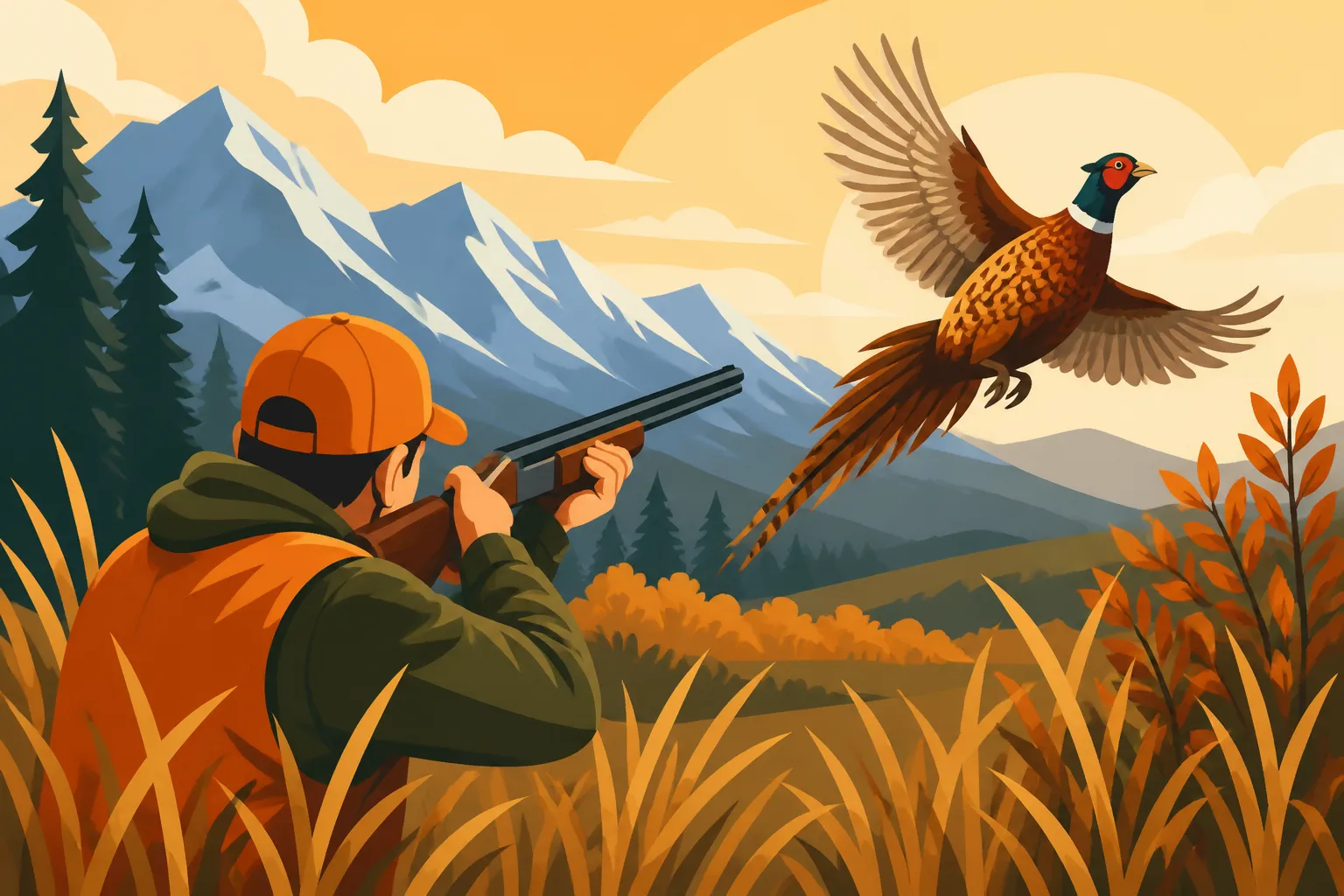
For many hunters, the most accessible pheasant hunting opportunities come from the provincially supported pheasant release programs. These programs are designed to provide recreational hunting opportunities, especially in areas where wild pheasant populations are either non-existent or too low to sustain hunting pressure. Historically, these programs often see releases in areas like the Fraser Valley, parts of Vancouver Island, and the Okanagan. For these released pheasants, you'll typically find seasons opening around mid-October. These specific dates are usually coordinated with the release schedule and are clearly outlined in the annual British Columbia Hunting & Trapping Synopsis. It’s absolutely vital to consult the current synopsis for the precise dates in your target management unit, as they can shift slightly from year to year. You might find zones where the season runs from the second Saturday in October, for instance, extending through to early January. In contrast, wild pheasant populations, which are far less common and concentrated in specific agricultural areas, might have slightly different or much shorter seasons, if they are open to hunting at all.
The Role of Release Programs and Private Land
The backbone of British Columbia's pheasant hunting lies in its release programs. These initiatives, often a collaboration between the provincial government, local rod and gun clubs, and organizations like the BC Wildlife Federation, aim to sustain hunting opportunities. Pheasants are raised on game farms and then released into designated areas shortly before or during the open season. These release sites are carefully chosen, often on suitable habitats that can offer good cover and access for hunters.
Many of these prime pheasant hunting locations are on private agricultural lands or specific Wildlife Management Areas (WMAs). Accessing these areas requires respect for private property rights and, in many cases, special permission or knowledge of the specific WMA rules. For example, in the Fraser Valley, numerous pheasant releases occur on private farm fields. You must seek explicit permission from landowners before stepping foot on their property. Some landowners might participate in specific access programs, or simply appreciate a polite request. Ignoring this step is not only illegal but also harms the reputation of all hunters. Understanding where these birds are released is paramount. While some tools might highlight property lines, there isn't a single map that shows all pheasant release points. You'll need to do your homework by checking local club websites, the provincial synopsis, and even calling regional Fish and Wildlife offices for current information. For more on the specifics of Hunting British Columbia's Released Pheasants, it's worth a deep dive.
Key Factors Influencing Pheasant Season
When we talk about pheasant season, it's not just about a date on a calendar; it's about a confluence of biological, regulatory, and practical factors that shape when and where these birds can be pursued. Understanding these elements helps you appreciate the hunt more and ensures you're a responsible participant.
Habitat and Population Management
Pheasants, particularly the ring-necked pheasant, thrive in specific habitats: a mosaic of agricultural fields, dense hedgerows, tall grasses, and brushy cover. These areas provide food, nesting sites, and protection from predators. Unfortunately, in many parts of British Columbia, prime pheasant habitat has been lost to urban development and intensive agriculture, leading to a decline in wild populations. This is precisely why release programs are so vital here. The provincial government and various conservation groups like the BC Wildlife Federation work tirelessly to identify and maintain suitable release sites and, where possible, enhance natural habitat.
The distinction between wild and released birds is important. Wild pheasants, though rare in many areas, are self-sustaining and their season dates are usually more conservative, reflecting the need to maintain a breeding population. They tend to be warier, faster, and more challenging to hunt. Released pheasants, on the other hand, are often more naive and provide a more predictable hunting experience. The seasons for released birds are often longer and have higher bag limits because the birds are specifically put out for hunting, with no expectation for them to contribute significantly to a wild breeding population. It's a management strategy designed to offer recreational opportunities when natural populations can't.
Regulatory Bodies and the Hunting Synopsis
The framework for all hunting in British Columbia, including pheasant season, is primarily set by the provincial government, specifically the Ministry of Water, Land and Resource Stewardship, in consultation with wildlife biologists and stakeholders. While migratory birds like ducks and geese fall under federal jurisdiction and require a Federal Migratory Game Bird Permit, pheasants are classified as upland game birds and are managed provincially.
Every two years, the province publishes the British Columbia Hunting & Trapping Regulations Synopsis. This document is your absolute bible for all things hunting in BC. It details season dates, bag limits, regional specificities, firearm restrictions, and more. You absolutely cannot rely on old information or hearsay; you must consult the current synopsis for the relevant hunting year. It's usually available online as a PDF and in print at licence vendors. Pay close attention to the "General Open Season for Upland Birds" section and any specific management unit (MU) notes regarding pheasants. For example, some regions like the Okanagan or parts of the Lower Mainland will have very specific rules for pheasant hunting due to release programs or proximity to urban areas. This synopsis also covers essential information like British Columbia Shooting Hours and bag limits for different game birds, which are critical for staying legal and ethical in the field. Tools like GoHunt can be invaluable for quickly cross-referencing management unit boundaries and understanding the lay of the land, though you'll always confirm dates with the official synopsis.
Preparing for Your British Columbia Pheasant Hunt
A successful pheasant hunt in British Columbia isn't just about showing up on opening day. It requires thoughtful preparation, from understanding legal requirements to having the right gear and knowledge to operate safely and effectively in the field.
Essential Licenses and Stamps
Before you even think about loading a shell, you need to ensure you're fully licensed. First and foremost, you'll need a valid British Columbia Resident Hunting Licence. This is the foundational requirement for any hunting activity in the province. Once you have your basic licence, you'll then need to purchase an Upland Bird Species Licence and the provincial Wildlife Habitat Conservation Stamp. While not technically a "pheasant stamp," these are the specific tags and permits required to legally hunt upland game birds in BC, including pheasants.
It's crucial to understand that these aren't just pieces of paper; they represent your legal authorization to hunt and contribute to conservation efforts. If you're a new hunter, you'll also need to have successfully completed the Conservation and Outdoor Recreation Education (CORE) program to obtain your British Columbia Hunter Education and CORE certification, which is a prerequisite for getting your FWID (Fish and Wildlife ID) and ultimately your hunting licence. Remember, all these documents need to be valid for the current hunting year, and you should always carry them with you while hunting. For a detailed breakdown of costs and requirements, refer to British Columbia Hunting Licences and Fees.
Gear, Dogs, and Safety Considerations
Pheasant hunting often involves walking through dense cover, so your gear needs to be appropriate. A 12 or 20-gauge shotgun is typical, often choked modified or improved cylinder for the flushing action of pheasants. Non-toxic shot is not required for pheasants, but it's good practice, especially if you might encounter waterfowl. Number 4, 5, or 6 shot is generally effective. Durable, waterproof boots are a must, as you'll be covering varied terrain, often wet. Brush pants or chaps will protect your legs from thorns and thick vegetation. A good vest with plenty of pockets for shells, water, and harvested birds is also incredibly useful.
However, the unsung hero of many pheasant hunts is a well-trained bird dog. A good pointing or flushing dog can make an enormous difference, not only in finding birds that would otherwise be missed but also in retrieving downed birds from thick cover, preventing waste. If you plan on Using a Bird Dog in British Columbia Timber or brush, ensure your dog is well-conditioned and adheres to all local rules regarding dogs in hunting areas. Safety is paramount: always treat every firearm as if it's loaded, know your target and what's beyond it, and unload your firearm when crossing obstacles or entering a vehicle. British Columbia has specific British Columbia Blaze Orange Rules that apply to big game hunting, but wearing bright colours for visibility is always a wise choice when hunting upland birds, especially in areas with other hunters.
| Region/Program Type | Typical Opening Date Range | Key Areas/Notes | Required Licenses |
|---|---|---|---|
| Released Pheasants | Mid-October (e.g., 2nd Sat) | Fraser Valley, Vancouver Island, Okanagan specific release sites | BC Hunting Licence, Upland Bird Species Licence, Habitat Stamp |
| Wild Pheasants | Less common, highly localized | Specific agricultural areas with remnant populations | BC Hunting Licence, Upland Bird Species Licence, Habitat Stamp |
| Season Duration | Varies; often 2-3 months for released birds | Consult current BC Hunting & Trapping Synopsis for exact dates by MU | |
| Bag Limits | Often 2-4 birds per day for released birds | Specific limits detailed in Synopsis; often higher for released birds |
This table provides a general overview, but you absolutely must verify all dates and regulations in the most current official British Columbia's Two-Year Regulations Synopsis before heading out.
Finding these released pheasant areas can sometimes be a challenge, but local rod and gun clubs are an excellent resource. They often manage or participate in the release programs and can provide invaluable insights into access and conditions. Additionally, some British Columbia Wildlife Management Area Rules might apply to areas where pheasants are released. Always be a good ambassador for hunting, respect private property, and leave no trace. Your diligence in checking regulations and scouting helps ensure these opportunities continue for everyone.
Disclaimer
The information provided in this guide is for general informational purposes only and is subject to change. Hunting regulations in British Columbia are complex and can vary significantly by species, region, and year. It is the hunter's sole responsibility to consult the most current British Columbia Hunting & Trapping Regulations Synopsis and any applicable federal regulations before engaging in any hunting activities. Always ensure you possess all necessary licenses, tags, and permits, and adhere strictly to all provincial and federal laws. Safety should always be your top priority.