British Columbia Ptarmigan Season and Limits
Venturing out for ptarmigan in British Columbia can feel like searching for a needle in a haystack if you're not sure about the specific rules. It's a common frustration to want to explore the incredible alpine environments but feel held back by uncertainty around seasons and bag limits. This guide is here to clear up that confusion, offering a comprehensive look at what you need to know to enjoy a successful and legal ptarmigan hunt in our beautiful province.
Understanding British Columbia's Ptarmigan Species
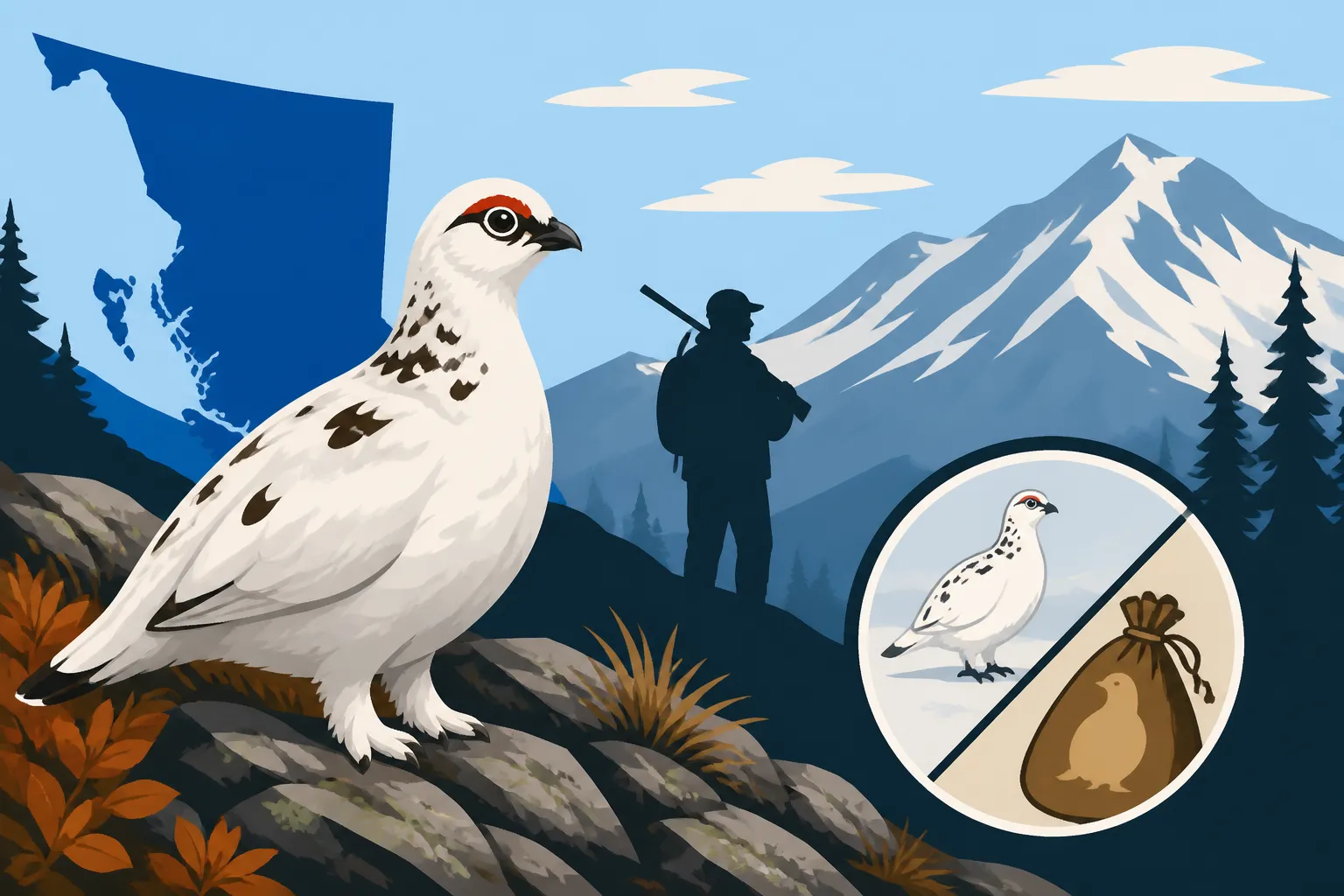
British Columbia is home to three distinct species of ptarmigan, each with its own unique characteristics and preferred habitats. Knowing the difference isn't just for ornithologists; it can significantly improve your hunting strategy, helping you pinpoint the right areas to find these elusive birds. They are masters of camouflage, famously changing their plumage from mottled browns in summer to pristine white in winter, allowing them to blend seamlessly with their high-altitude surroundings.
Willow Ptarmigan: The Most Common Upland Bird
The willow ptarmigan ( Lagopus lagopus) is perhaps the most widely distributed and often encountered of the three species, especially in lower alpine and subalpine zones. These birds prefer habitats with dense shrubbery, such as willow and alder thickets, which provide both cover and food. You’ll often find them around the treeline, where the forest gives way to open, brushy slopes. They're a bit larger than their rock and white-tailed cousins and are known for their distinctive cackling call. Hunting for them often means navigating the transition zones, moving between stunted timber and open, brushy terrain. When you're trying to figure out where to focus your efforts, considering a specific management unit's elevation profiles and vegetation is key, and resources like GoHunt can be invaluable for pinpointing these transition areas on detailed maps.
Rock Ptarmigan: High Altitude Specialists
The rock ptarmigan ( Lagopus muta) lives up to its name, preferring the higher, rockier, and more barren expanses of British Columbia's mountains. These hardy birds are often found well above the treeline, among scree slopes, boulder fields, and sparse alpine tundra. Their camouflage is exceptional, perfectly mimicking the rocky terrain in summer and the snow in winter. They're generally smaller than willow ptarmigan and tend to be a bit more solitary or found in smaller coveys. If you're willing to put in the effort to climb to the truly remote, rugged peaks, that's where you'll likely encounter the rock ptarmigan. It's an experience that truly embodies the spirit of alpine hunting, a real test of endurance and observation.
White-tailed Ptarmigan: British Columbia's Alpine Dwellers
The white-tailed ptarmigan ( Lagopus leucura) is the smallest of the North American ptarmigan species and is uniquely identifiable by its all-white tail, a feature it retains in all seasons. Much like the rock ptarmigan, these birds are high-altitude specialists, frequently found in the highest alpine bowls and ridges, often among glaciers and permanent snowfields. They are incredibly well adapted to harsh environments, feeding on buds, leaves, and flowers found in the most desolate, windswept locations. For hunters, pursuing white-tailed ptarmigan means embracing true backcountry exploration, often involving steep climbs and careful navigation through remote terrain. This is where you might find yourself deep into areas where the views are as breathtaking as the air is thin, making a hunt for these birds a truly memorable adventure, and you can learn more about their specific habitat in articles like British Columbia's Ptarmigan Species.
Navigating Ptarmigan Hunting Seasons in British Columbia
Figuring out exactly when you can hunt ptarmigan in British Columbia can feel a bit like reading a cryptic treasure map, with different dates for different regions and management units. It's not always a straightforward province-wide opening, so knowing where to look for the most accurate information is crucial. Generally, ptarmigan seasons are quite generous, often stretching from early fall into late winter, aligning with other upland bird opportunities.
General Open Seasons: When and Where to Hunt
For many areas across British Columbia, ptarmigan are included in the "General Open Season" for upland birds, which typically kicks off in September. This is fantastic news for hunters, as it often means you can combine a ptarmigan hunt with efforts for other species, maximizing your time in the backcountry. For instance, in many parts of the Interior, the season might open around September 1st and run all the way through to December 31st. This long window provides flexibility, allowing you to chase birds in the mild autumn colours or brave the colder, snowy conditions later in the year. The exact start and end dates, however, are dictated by the specific region and management unit (MU) you plan to hunt. You really need to check the current British Columbia's Two-Year Regulations Synopsis each year because things can change. When planning your trip, consider checking if the dates align with the broader British Columbia Game Bird Seasons.
Regional Variations and Management Units
British Columbia is vast, and its diverse geography means that hunting regulations, including ptarmigan seasons, vary significantly by region and even by individual Management Unit (MU). For example, a season might open earlier or close later in one region compared to another due to differing wildlife management objectives or climatic conditions. The provincial regulations divide BC into nine main regions, and each of these contains numerous MUs, each with its own set of rules. This complexity can be a bit daunting, but tools like GoHunt provide mapping overlays that clearly show these boundaries and associated regulations, making it much easier to plan. You might find a region near the Okanagan has slightly different dates or limits than one up in the Skeena country, so drilling down to your specific hunting area is non-negotiable.
Early Season Versus Late Season Opportunities
The timing of your ptarmigan hunt can dramatically impact the experience and success. Early season, typically September and October, offers more comfortable weather, access to higher elevations before heavy snows, and birds that are still in their mottled summer plumage. This is a great time for backpacking into remote alpine basins and enjoying mild temperatures. If you're looking at Hunting British Columbia's Alpine in September, this is often the prime window for ptarmigan. As the season progresses into November and December, the birds transition to their striking white winter plumage, becoming incredibly challenging to spot against a snowy backdrop. Late season hunts often mean hunting at slightly lower elevations as heavy snow pushes the birds down, requiring different tactics and a preparedness for harsher conditions, but the reward of finding a covey of white birds against a pristine snowy landscape is truly something special. Knowing how to adapt your strategy to the changing conditions is key, whether you're trying to locate them on a subalpine basin at first light or along a windswept ridge.
British Columbia Ptarmigan Bag and Possession Limits
Understanding the legal limits for ptarmigan isn't just about avoiding a fine; it's about responsible wildlife management and ensuring these unique birds thrive for future generations. British Columbia has clear guidelines on how many ptarmigan you can harvest per day and how many you can possess at any one time. These limits are designed to balance hunting opportunities with the conservation of ptarmigan populations across the province.
Understanding Bag Limits: What You Can Harvest Per Day
The daily bag limit refers to the maximum number of ptarmigan you can kill and keep within a single 24-hour period. For ptarmigan in British Columbia, this limit is typically generous, often allowing for a substantial harvest, especially if you encounter a good covey. In most regions, the daily bag limit for ptarmigan (aggregate of all species) is 10 birds. This means on any given day, you can legally harvest up to ten ptarmigan, regardless of whether they are willow, rock, or white-tailed. It’s important to remember that this limit resets at midnight, so if you hunt in the morning, stop, and then go out again in the afternoon, your total for that specific day cannot exceed ten. Always double-check the current British Columbia's Two-Year Regulations Synopsis for any specific regional or management unit exceptions, as these numbers can occasionally vary.
Possession Limits: What You Can Have at Home
The possession limit, on the other hand, dictates the maximum number of ptarmigan you can have in your possession at any time, whether it's in your cooler, your vehicle, or back at your home freezer. This limit is usually higher than the daily bag limit to allow hunters to accumulate birds over several days of hunting. For ptarmigan in British Columbia, the possession limit (aggregate of all species) is typically 20 birds. This means that if you've been out for a few days and had some successful hunts, you can have up to twenty ptarmigan stored away. Exceeding this limit, even if you harvested them legally over separate days, is a violation. This regulation helps prevent overharvesting and promotes ethical hunting practices. It's a good idea to keep track of your harvest, especially on multi-day trips, to ensure you stay within these guidelines.
Why Limits Are Important for Conservation
These daily and possession limits are not arbitrary numbers; they are carefully determined by wildlife biologists and managers to ensure the long-term health and sustainability of British Columbia's ptarmigan populations. Ptarmigan, like many alpine species, can be sensitive to environmental changes and habitat pressures. By setting these limits, the province aims to prevent overhunting, allowing bird populations to rebound and maintain healthy numbers year after year. Adhering strictly to these regulations is a critical part of being a responsible hunter and contributing to the conservation efforts that preserve these unique game birds for future generations. It's part of the broader commitment to wildlife management that all hunters share.
Key Regulations and Best Practices for Ptarmigan Hunters
Beyond seasons and limits, there are several other crucial regulations and best practices that every ptarmigan hunter in British Columbia needs to be aware of. From licensing requirements to safe firearm handling and understanding access rules, being well-informed ensures a safe, legal, and enjoyable experience for everyone. Hunting ptarmigan, often in remote and challenging terrain, requires not just skill but also a deep respect for the land and its rules.
Licensing and Permits: Your Basic Requirements
Before you even think about heading into the alpine, you absolutely need to ensure your paperwork is in order. Every resident hunter in British Columbia must possess a valid British Columbia hunting licence. On top of that, you'll need a British Columbia Wildlife Habitat Conservation Stamp. While ptarmigan are upland game birds, unlike migratory birds, they don't typically require a federal migratory game bird permit. However, it's always smart to confirm these details in the latest regulations, especially if you plan to combine your ptarmigan hunt with other bird species. If you're a new hunter or coming from out of province, remember that British Columbia Hunter Education and CORE certification is a fundamental requirement to get your FWID (Fish and Wildlife ID), which is essential for purchasing licenses. GoHunt can assist with resources to locate authorized vendors or test centers for these prerequisites.
Firearms and Ammunition Considerations
When hunting ptarmigan, shotguns are typically the weapon of choice, usually in smaller gauges like 12 or 20 gauge, loaded with fine birdshot (e.g., #6, #7.5, or #8). The goal is to bring down a small, fast-moving bird cleanly without excessive damage to the meat. It's important to remember that while non-toxic shot rules are mandatory for waterfowl, they are not generally required for upland birds like ptarmigan on most Crown land. However, some specific Wildlife Management Areas might have their own local rules, so always check if you're hunting in a designated area. Using smaller, lighter loads is also a good practice, especially given the typically close-range shots encountered when a covey flushes. Always be mindful of your surroundings, especially in rocky or open terrain where shot can travel further than you might expect.
Habitat and Access Considerations
Ptarmigan thrive in specific, often high-altitude, habitats. You'll typically find them in the alpine and subalpine, among willows, stunted conifers, and rocky outcrops above the treeline. Accessing these areas can involve significant hiking, sometimes through challenging terrain, so proper physical conditioning and gear are essential. Many popular ptarmigan areas are on public Crown land, offering vast opportunities. However, it's critical to be aware of any private land holdings or other restricted areas. Understanding British Columbia Trespass and Private Land Law is crucial to avoid inadvertently breaking rules or upsetting landowners. Additionally, some regions may have specific rules for British Columbia Wildlife Management Areas that could affect your access or hunting methods. Always use detailed maps, like those offered by GoHunt, to identify land ownership and access points, and to effectively scout a British Columbia Management Unit Online before you even leave home. This preparation will save you headaches and ensure you're hunting where you're supposed to be.
| Species | Typical Habitat | Season (General) | Daily Bag Limit (Aggregate) | Possession Limit (Aggregate) | Key ID Feature |
|---|---|---|---|---|---|
| Willow Ptarmigan | Subalpine, willow/alder thickets | Sept 1 – Dec 31 (varies) | 10 | 20 | Larger size, cackling call, often at treeline |
| Rock Ptarmigan | High alpine, scree slopes, rocky | Sept 1 – Dec 31 (varies) | 10 | 20 | Smaller, blends with rocks, higher elevations |
| White-tailed Ptarmigan | Highest alpine, near snowfields | Sept 1 – Dec 31 (varies) | 10 | 20 | Smallest, all-white tail in all seasons |
Note: Seasons and limits are general and can vary by region and management unit. Always consult the official British Columbia Hunting and Trapping Regulations Synopsis for the most current and specific information for your chosen hunting area.
Disclaimer
Please remember that hunting regulations in British Columbia are subject to change. While this guide provides comprehensive information based on general knowledge and current trends, it is essential that all hunters consult the official British Columbia Hunting and Trapping Regulations Synopsis published by the provincial government each year before heading into the field. This document is the ultimate legal authority for all hunting activities within British Columbia.