Where the Biggest Interior Bucks Live
If you've spent any time chasing mule deer in British Columbia's vast and diverse interior, you know the frustration of covering endless ground without seeing the kind of buck you're truly after. It's easy to get lost in the sheer scale of our landscapes, wondering where those reclusive giants truly hide. This guide is all about cutting through the guesswork and pointing you toward the specific environments and strategies that consistently produce the biggest interior bucks in BC.
Understanding British Columbia's Interior Mule Deer Habitat
The interior of British Columbia is a mosaic of different ecosystems, from dry sagebrush flats to high alpine meadows, and understanding these varied habitats is key to locating mature mule deer bucks. These aren't just any deer; we're talking about animals that have survived multiple hunting seasons, adapting to pressure and becoming masters of their environment. Their sheer size often correlates directly with the quality of their habitat – plenty of nutritious forage, ample water, and secure cover from both predators and human disturbance.
The Dry Interior and its Bounty
Much of BC's interior is characterized by a relatively dry climate, especially in areas like the Thompson-Okanagan and parts of the Cariboo. Here, the landscape often features rolling hills, Ponderosa pine forests, and extensive grasslands interspersed with patches of aspen and willow in draws. This environment, while seemingly harsh, provides excellent feed for mule deer, particularly through the spring and summer. They thrive on the variety of forbs, grasses, and shrubs. Mature bucks in these areas often grow large bodies and impressive antlers due to consistent nutrition. The open nature of some of this country also means they are constantly alert and masters of using subtle terrain features for concealment.
When you're Glassing an Interior Hillside for Mule Deer, you're not just looking for a deer; you're looking for subtle signs of where a mature buck might be bedding or feeding. They'll often pick higher ground with good visibility, allowing them to survey their surroundings. Think about how they might move between feeding areas and bedding cover, especially during the early morning and late evening hours. These dry regions also present unique challenges, such as finding reliable water sources, which can become significant choke points in late summer and early fall, concentrating deer activity.
The Influence of Forest Types and Elevation
Beyond the dry grasslands, British Columbia's interior also boasts vast tracts of mixed forests, including Douglas fir, lodgepole pine, and spruce. These coniferous forests offer critical thermal cover during harsh winters and escape cover when pressure is high. Big bucks often inhabit these timbered areas, especially on north-facing slopes, where cooler temperatures and persistent moisture foster different types of forage. They use the dense canopy to hide their large frames, making them incredibly difficult to spot.
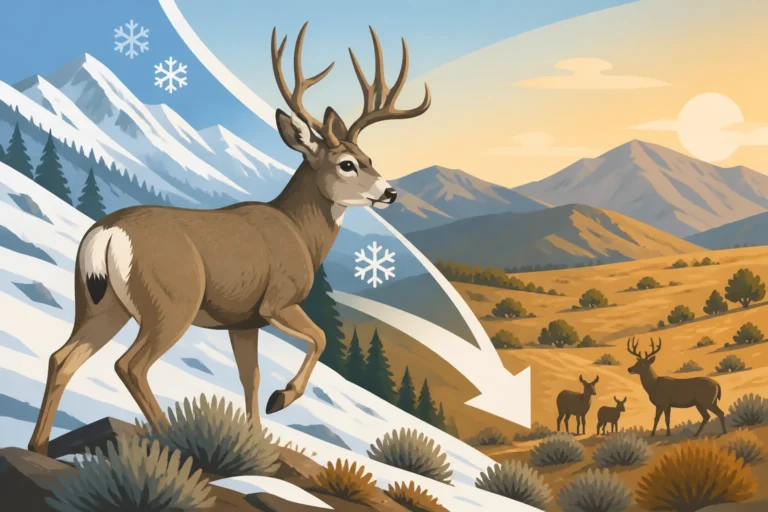
Elevation plays a huge role in where these deer live and move throughout the year. In spring and early summer, bucks might be found in lower elevation areas, feasting on new growth. As the seasons progress and temperatures rise, many mature bucks will migrate to higher elevations, seeking cooler air and the lush, untouched forage of the subalpine. This is particularly true during the archery seasons, where savvy hunters know that Hunting British Columbia's Alpine in September can often lead to encounters with unpressured, mature animals. Understanding these vertical movements is essential; a buck you glassed on a lower slope in August might be a couple thousand feet higher by early September. Tools like GoHunt can help you visualize these elevation changes and potential migration corridors when planning your trips.
Key Regions for Trophy Bucks
While big bucks can turn up almost anywhere in the interior, certain regions and specific management units have a reputation for consistently producing larger animals, often thanks to a combination of habitat quality, herd genetics, and management strategies. These areas are known for having older age class bucks.
The Kootenays: Rugged Mountains and Rich Valleys
The Kootenay region, particularly the southern parts, is legendary for its Rocky Mountain mule deer. The rugged terrain, characterized by steep mountains, deep valleys, and a mix of open slopes and dense timber, provides excellent cover and diverse forage. Bucks here often have to be tough to survive the winters, and those that do can grow substantial antlers. The Flathead Drainage, the Elk Valley, and the larger Rocky Mountain Trench are all areas with a strong history of producing trophy-calibre mule deer.
In these mountainous environments, understanding how bucks utilize different aspects of the terrain is critical. They'll often bed on benches with good air circulation and escape routes, frequently opting for a vantage point that lets them watch their backtrail. Hunters who spend time backpacking into British Columbia's Steep Country often find unpressured bucks in these remote pockets. It's a challenging hunt, demanding physical fitness and excellent glassing skills, but the rewards can be immense. The sheer size of some of these drainages also means less hunting pressure in the deepest reaches, allowing bucks to mature without constant disturbance.
Cariboo and Chilcotin: Vastness and Resilience
Moving north, the Cariboo and Chilcotin regions offer a different kind of mule deer country – vast, often more rolling landscapes with extensive lodgepole pine forests, aspen stands, and grasslands. While not as consistently rugged as the Kootenays, these areas are immense, providing plenty of room for deer to disperse and grow. The Cariboo in particular has a rich history of producing heavy-antlered bucks, especially in areas with a mix of timber and agricultural edges. Hunting a Cariboo Cattle Range can be productive, as bucks often feed on nutrient-rich forage in these areas.
The challenge here is the sheer scale. Bucks can literally disappear into the timber or vast willow bottoms. Success often comes from covering significant ground, either on foot, by horseback, or by strategically using roads to access prime areas before venturing deep into the bush. Patience and persistent glassing are essential. The deer here are resilient, adapted to cold winters and sometimes sparse forage, which tends to make the older bucks truly impressive specimens. When looking at potential areas, resources like GoHunt can assist in identifying these expansive blocks of habitat and historical animal movement patterns.
Thompson-Okanagan: From Desert to Alpine
The Thompson-Okanagan region presents a unique combination of semi-arid desert landscapes in the valleys, transitioning quickly to high alpine forests. This diversity means mule deer move significantly with the seasons. In the lower valleys, you’ll find bucks that have adapted to dryer conditions, often using sagebrush and patchy timber for cover. As you ascend, the habitat changes dramatically, offering dense forests and rich subalpine meadows. This transitional zone, where two distinct ecosystems meet, can be incredibly productive.
Hunting the Okanagan Highlands or the Nicola Valley Grasslands offers different experiences. In the lower, drier areas, bucks often become nocturnal or move predominantly during low light, retreating to thickets of brush or dense timber during the day. Higher up, they might be more active throughout the day, especially if weather conditions are cool and cloudy. The "breaks" — steep, dissected terrain often found between plateaus and valleys — are classic hideouts for mature bucks. These areas provide both escape cover and access to varied forage. Utilizing mapping software, like what GoHunt provides, to scout these complex changes in terrain can give you a significant advantage in understanding deer movement.
Here’s a quick overview of some prime mule deer habitat characteristics across British Columbia’s interior:
| Region | Dominant Terrain | Key Habitat Features | Typical Buck Characteristics | Hunting Strategy |
|---|---|---|---|---|
| Kootenays | Rugged mountains, deep valleys, timber | Steep slopes, benches, river bottoms, burns | Heavy antlers, strong body mass | Backcountry focus, glassing, still-hunting |
| Cariboo/Chilcotin | Rolling hills, vast plateaus, forests | Lodgepole pine, aspen, grasslands, lakes | Wide racks, often dark antlers | Road access to remote areas, glassing, still-hunting in timber |
| Thompson-Okanagan | Semi-arid valleys, high plateaus | Sagebrush, Ponderosa pine, Douglas fir, draws | Deep forks, often taller frames | Focus on transition zones, morning/evening ambush, still-hunting breaks |
| Omineca/Peace | Northern forests, cutblocks, riverine | Spruce, pine, willow, clearcuts | Often massive bodies, good mass | Road hunting, cutblock edges, long distance glassing |
Behavioral Patterns of Trophy Bucks
Finding where the biggest interior bucks live isn't just about geography; it's about understanding their habits. These older animals are often solitary, more cautious, and utilize cover and terrain in ways younger bucks don't. Their behaviour is a direct result of their survival instincts, honed over years of avoiding predators and hunters.
Reclusiveness and Rut Activity
Unlike younger, more naive bucks, mature animals tend to be incredibly reclusive for most of the year. They often bed in the thickest cover available, choosing spots with excellent wind advantage and multiple escape routes. During the general open seasons, when pressure is highest, they can become almost entirely nocturnal, only moving during the darkest hours to feed and water. This is why patience is paramount; you might not see them for days, then suddenly, a giant appears.
However, this reclusiveness changes dramatically during the rut, which typically peaks in British Columbia in mid to late November. When British Columbia's Mule Deer Rut Peaks, these older bucks become more visible and less cautious, driven by the urge to breed. They'll actively seek out does, often covering significant ground and responding to calls. This is a prime time to target truly big deer, but it requires being in the right place at the right time, and often enduring colder, tougher weather conditions. Knowing how to adapt your strategy for calling in the rut can be a game-changer.
Seasonal Movements and Winter Range
Beyond the rut, understanding seasonal movements is crucial for consistently finding big bucks. As mentioned, many mature bucks will move to higher elevations during the summer to escape heat and pressure, feeding on lush subalpine vegetation. As fall progresses and temperatures drop, they'll begin their migration back down to traditional winter ranges. These lower elevation areas, often south-facing slopes, offer more accessible forage and less snow depth, allowing them to conserve energy.
Hunting British Columbia's Logging Road Network can be very effective during these migration periods, as deer will often cross or use deactivated roads as travel corridors. Scouting these transition zones in the weeks leading up to the season can reveal vital intel on preferred routes. The key is to be present when these movements occur, often coinciding with the first significant snowfall or consistent cold temperatures pushing deer down from the high country. Pay close attention to historical migration routes and pinch points – saddles, creek crossings, or timbered fingers leading down from higher ground.
Strategic Scouting and Tactics for Success
Knowing where the biggest bucks live is only half the battle; knowing how to find and hunt them is the other. It takes a combination of diligent scouting, smart use of technology, and a deep understanding of mule deer behaviour.
Pre-Season Scouting and Trail Cameras
Pre-season scouting is non-negotiable if you're serious about tagging a trophy. This means hitting the hills well before opening day, looking for sign: rub lines, scrapes, large tracks, and most importantly, patterns of movement. Focus on areas with good cover, water, and varied food sources. Pay particular attention to edges – where timber meets open country, or where different types of vegetation converge. These are natural travel corridors and feeding grounds.
While trail cameras are a valuable tool, remember that British Columbia has specific Trail Camera Rules, so make sure you're always compliant. Placing cameras on known game trails, near water sources, or in feeding areas can give you incredible insight into what bucks are in the area and when they're moving. This information allows you to adjust your hunting times and locations, focusing your efforts on periods of peak activity for the biggest deer. Sometimes, those big bucks are only moving at night, and a camera can confirm their presence, letting you know to look for their daytime hiding spots nearby.
Glassing and Still-Hunting Techniques
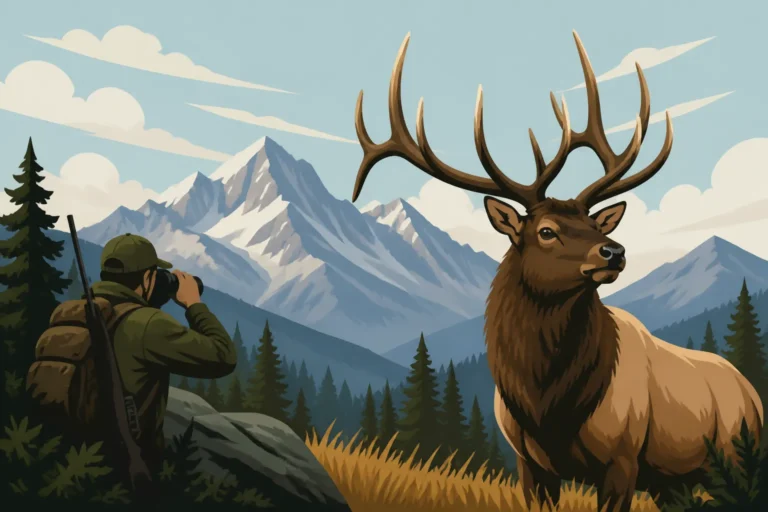
In British Columbia's vast interior, effective glassing is often the most important skill for finding big mule deer. You need good optics – quality binoculars and a spotting scope – and the patience to use them for extended periods. Find a high vantage point with a good view of diverse terrain: open slopes, timbered draws, clearcuts, and shadowed benches. Spend hours slowly picking apart the landscape, looking for horizontal lines in a vertical world, a flicker of an ear, or the dark mass of a body. When you're Glassing an Interior Hillside for Mule Deer, remember that big bucks are masters of camouflage, and they often bed in seemingly exposed areas, relying on their vantage point and stillness to avoid detection.
Once you've spotted a buck, or even promising sign, the next step is often still-hunting – moving slowly and deliberately through the terrain, pausing frequently to observe and listen. This is particularly effective in timbered areas where long-distance glassing is difficult. When Stalking a Bedded Buck in Open Timber, every step must be calculated, paying attention to wind direction, ground noise, and breaking up your silhouette. Move like a shadow, taking your time, and be prepared to freeze for minutes on end if you sense movement or danger. This method demands immense discipline but can bring you within range of a buck that would otherwise disappear.
Using Technology and Local Knowledge
Modern hunting tools, like digital mapping applications, have revolutionized how we approach scouting and hunting in BC. Platforms like GoHunt allow you to pore over topographical maps, satellite imagery, and even historical burn data from the comfort of your home. You can identify potential bedding areas, feeding zones, water sources, and critical travel corridors before you even set foot in the woods. This is especially helpful for Scouting a British Columbia Management Unit. You can drop pins, measure distances, and plan your approach routes, greatly increasing your efficiency in the field.
However, don't underestimate the power of local knowledge. Speaking with other hunters, conservation officers, or even local ranchers can provide invaluable insights into deer movements, pressure points, and historical buck hangouts. While not every secret will be shared, you can often pick up clues that, combined with your own scouting and technological tools, paint a clearer picture of where those elusive big bucks are making their living. The biggest interior bucks are often found by hunters who combine hard work, smart strategy, and a respect for the cunning of these magnificent animals.
Disclaimer
This article is for general informational purposes only and does not constitute professional advice. Laws, prices and regulations vary by location and change over time. Consult a qualified professional for guidance on your specific situation.