Float Hunting a British Columbia River
Imagine drifting silently through an untouched British Columbia wilderness, the only sound the gentle ripple of water against your boat, as you search for game that rarely sees human pressure. That dream of unparalleled access and solitude often comes with immense logistical headaches and safety concerns. This guide will walk you through everything you need to know about float hunting a British Columbia river, helping you plan and execute an unforgettable backcountry adventure safely and successfully.
Why Consider Float Hunting in British Columbia?
Float hunting isn't just a way to get from point A to point B; it's an entire experience, a deeply immersive journey into the heart of British Columbia's wild places. For many, it represents the pinnacle of backcountry hunting, offering a blend of adventure, challenge, and reward that's hard to find elsewhere. The very nature of traveling by water changes your perspective and opens up possibilities that are simply not available to road hunters or even most backpackers.
Accessing Remote and Unpressured Areas
One of the biggest draws of float hunting is the incredible access it provides to areas that are otherwise incredibly difficult, if not impossible, to reach. Many of British Columbia's most productive game habitats lie deep within roadless tracts, far from any established trails. Rivers act as natural highways, allowing you to penetrate these remote regions where game animals are less accustomed to human presence and pressure.
Think about those vast stretches of the Omineca or Skeena regions, where logging roads eventually peter out into dense bush. A river, however, can carry you further, deeper into country where moose browse undisturbed along the banks and elk graze in secluded meadows. This isn't like Hunting British Columbia's Logging Road Network; it's about getting beyond the easy access points, into the true wilderness where big animals thrive away from the crowds. This unique access means you're often hunting animals that haven't been pushed or educated by constant human interaction, potentially leading to more natural animal behaviour and better hunting opportunities.
A Unique Immersive Experience
There's something profoundly different about moving through the landscape by water. The quiet of a raft or canoe allows you to observe your surroundings in a way that driving a truck or even walking often doesn't. You become part of the river's rhythm, hearing the subtle sounds of the forest, spotting wildlife that might otherwise vanish at your approach. This immersive quality fosters a deeper connection to the environment, making the hunt about more than just filling a tag.
Imagine waking up to the mist rising off the river, the calls of geese echoing across the valley, and the scent of damp earth and pine filling the air. Your campsite moves with you each day, offering new views and new opportunities. This journey-centric approach transforms a hunting trip into a true expedition, where the challenges and beauty of the river itself become as much a part of the memory as the hunt for game. It’s an experience that tests your skills, both as a hunter and as an outdoors person, rewarding you with unparalleled solitude and spectacular scenery.
Efficient Travel and Game Recovery
While a float hunt demands significant upfront planning and effort, it offers remarkable efficiency once you're on the water. A river allows you to cover vast distances with relatively little physical exertion compared to slogging through thick bush on foot. This means you can explore larger areas and reach more potential hunting spots in a single trip.
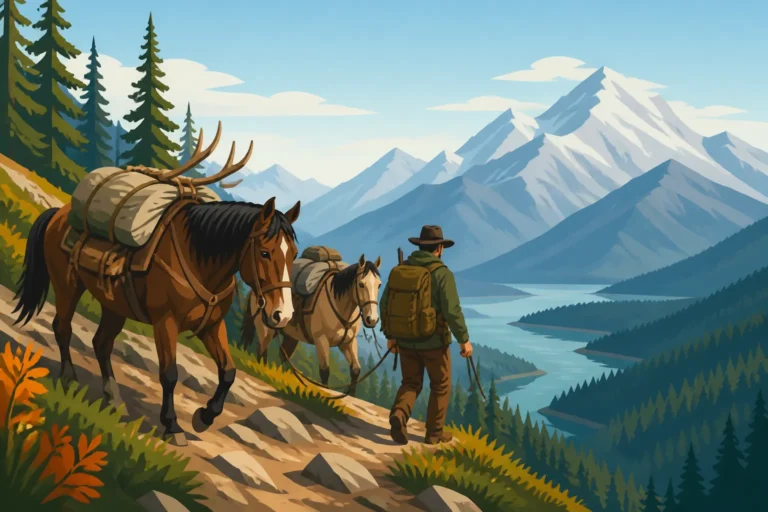
Perhaps even more importantly, the river can be your best friend when it comes to game recovery. Down a bull moose or a big elk several miles into the backcountry? Instead of facing an arduous multi-day pack out over rough terrain, the river can often serve as your primary transportation for bringing heavy quarters back to your pickup point. This greatly simplifies the often-daunting task of Getting Meat Out of Steep British Columbia Country and ensures you can focus more on the hunt itself and less on the logistical nightmare of moving hundreds of pounds of meat. The ability to load your game directly onto your watercraft can be a significant advantage, especially for large species.
Essential Gear for a British Columbia Float Hunt
Embarking on a float hunt means preparing for two distinct environments: the river and the wilderness. Your gear needs to be robust, waterproof, and multi-functional. Skimping on quality or forgetting a crucial item can quickly turn an epic adventure into a miserable, even dangerous, ordeal. Think through every possible scenario and pack accordingly.
The Right Watercraft
Choosing the right watercraft is paramount to the success and safety of your float hunt. Different rivers, group sizes, and target species will dictate the best option.
For larger groups or those carrying substantial gear and aiming for big game like moose or elk, a multi-chamber inflatable raft is often the top choice. Rafts offer excellent stability, high cargo capacity, and can handle significant rapids, making them ideal for British Columbia's more powerful or rocky rivers. Brands like NRS or Aire make robust options, but they are heavy and require significant space for transport. If you're planning on a serious, multi-week expedition with a substantial amount of gear and potentially multiple animals to pack out, a large raft is hard to beat for its sheer utility and safety features. They also provide a stable platform for glassing and even some limited shooting opportunities if regulations allow and conditions are safe.
For smaller parties or rivers with fewer rapids, canoes can be a good option. They are lighter and more agile, making them easier to portage around obstacles if necessary. However, their open design means gear needs to be meticulously waterproofed and secured. Canoes require more skill to navigate strong currents or rapids compared to rafts. Think about a durable Royalex or aluminum canoe for backcountry abuse. They excel in quieter, winding rivers where you might be doing a lot of paddling and less whitewater maneuvering.
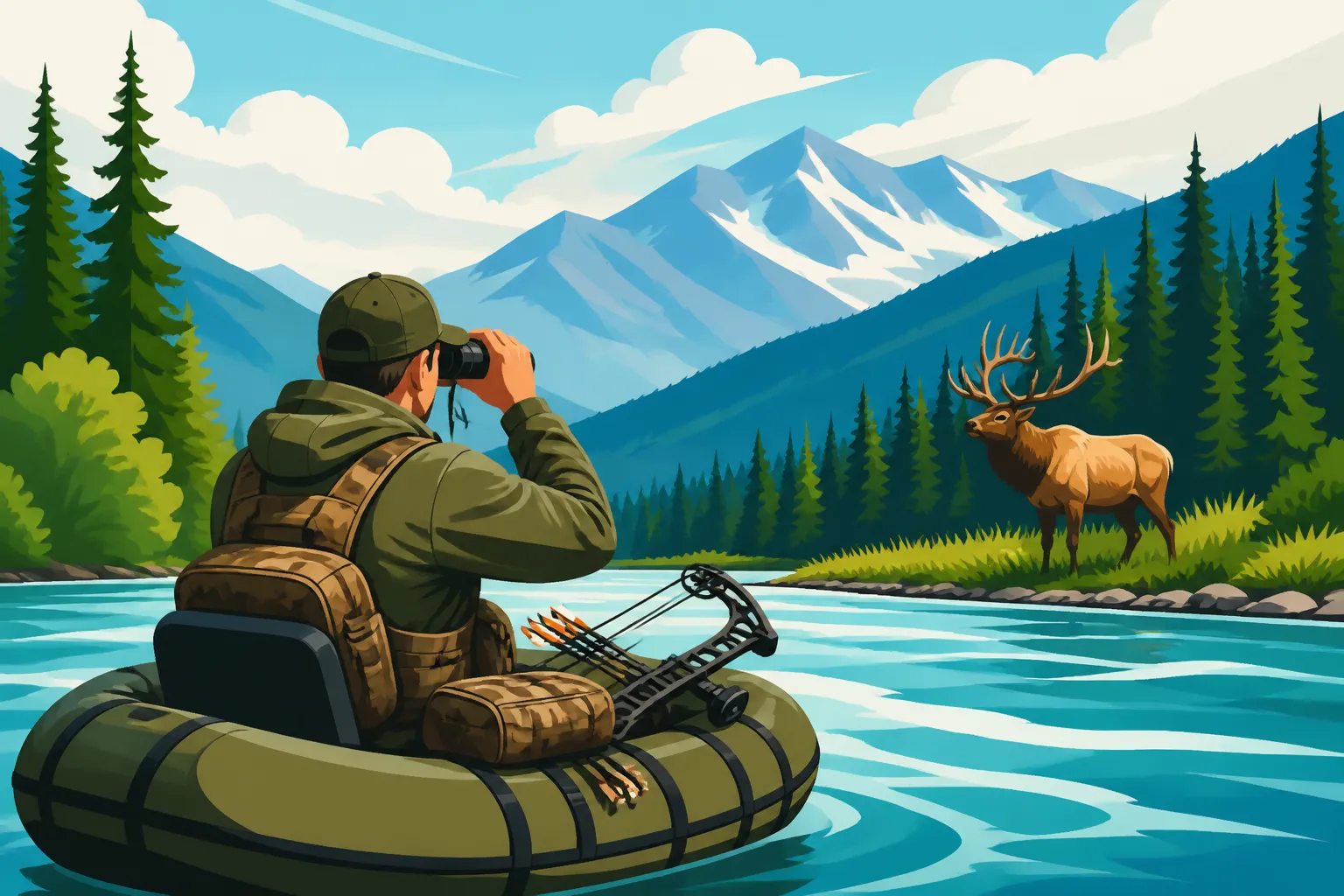
Packrafts are an emerging alternative for solo hunters or those combining floating with extensive hiking. They are incredibly lightweight and pack down small enough to carry in a backpack, allowing access to very remote headwaters. While they have limited cargo capacity and are less stable than rafts or canoes, their portability is unmatched. A packraft opens up opportunities to float smaller creeks or sections of river that would be impossible with larger craft. They're excellent for a mixed-mode hunt where you might hike in, float out, or vice-versa, making them perfect for accessing very specific, hard-to-reach pockets of game. Ensure you get a model designed for hunting, with reinforced floors and ample tie-down points for gear.
Here's a quick comparison of common watercraft options for float hunting:
| Watercraft Type | Pros | Cons | Best Use Case |
|---|---|---|---|
| Inflatable Raft | Very stable, high cargo, durable, handles rapids | Heavy, bulky, expensive, requires more air pump time | Large groups, big game, multi-week expeditions, whitewater rivers |
| Canoe | Lightweight, agile, easy to paddle | Less stable, open top (requires careful waterproofing), susceptible to damage | Smaller groups, calmer rivers, portaging, mixed paddling/hunting |
| Packraft | Extremely lightweight, portable, stealthy | Limited cargo, less stable, slower, not ideal for large game | Solo hunts, hike-in/float-out, small creeks, light gear |
Camp and Survival Essentials
Your camp gear for a float hunt needs to be rugged, compact, and completely waterproof. Unlike vehicle-based camping, everything you bring is going in the boat, meaning weight and bulk still matter. A quality four-season tent or robust wall tent (if space allows) is crucial for British Columbia's unpredictable weather, which can range from warm sunshine to torrential rain or even snow, even in the shoulder seasons. Don't skimp on a good sleeping bag rated for colder temperatures than you expect, and a comfortable sleeping pad is non-negotiable for recovery after hard days.
For cooking, a compact, reliable stove and fuel are essential. Freeze-dried meals are common, but packing some fresh food for the first few days can boost morale. Think about durable, reusable cookware and cutlery to minimize waste. Always pack a comprehensive first-aid kit that includes trauma supplies, blister treatment, and any personal medications. Navigation tools, including a reliable GPS device, physical maps (like those you might scout on GoHunt or other mapping platforms), and a compass, are non-negotiable. Furthermore, consider a satellite messenger or phone for Satellite Communication on a Remote Hunt to ensure you can call for help in an emergency. Headlamps with extra batteries, fire starters, paracord, and a multi-tool complete the essential survival kit.
Hunting-Specific Equipment
The hunting gear you bring needs to be tailored to the environment and the species you're targeting, always keeping the rigors of a float hunt in mind. Your chosen firearm or bow must be protected from water and impact; a waterproof, floating gun case is highly recommended. Make sure your optics – binoculars, spotting scope, and rangefinder – are waterproof and shockproof. Quality optics are invaluable for Glassing an Interior Hillside for Mule Deer or spotting game along distant riverbanks.
Meat care is critical. Bring game bags, a sturdy knife kit, and a lightweight game hoist. Consider a portable electric fence to protect your meat from scavengers, especially in grizzly country. For Meat Care in British Columbia's Warm Early Seasons, having a plan to cool quarters quickly, perhaps in a shady, rocky eddy or by submerging them in the cold river water (if safe and sanitary), is vital. Don't forget your hunting license, species tags, and any necessary permits. A detailed scouting of your chosen Scouting a British Columbia Management Unit Online and its regulations is always a good idea before setting out.
Planning Your British Columbia Float Hunt
The success of any float hunt hinges on meticulous planning. You're not just going for a walk in the woods; you're orchestrating a multi-day expedition into potentially unforgiving terrain. Every detail, from river choice to exit strategy, needs to be thoroughly considered.
Researching Rivers and Management Units
The first step in planning is choosing the right river and understanding the hunting opportunities within its adjacent management units. British Columbia boasts countless rivers, but not all are suitable for float hunting, and even fewer offer consistent hunting success. Look for rivers that have a good mix of calm stretches for floating and enough current to keep you moving, but without overly dangerous rapids unless you have significant whitewater experience. It’s also important to check for obstacles like log jams or waterfalls that might necessitate portages.
Start by poring over topographical maps and satellite imagery. Tools like GoHunt or BC's iMapBC portal are invaluable for this. You can identify potential put-in and take-out points, scout for game habitat like open meadows, old burns, or productive willow flats, and assess the road network (or lack thereof) surrounding your chosen river. Research past hunting success rates for the management unit. Look into historical water levels for your intended hunting season. Is it typically high and fast, or lower and slower? This will influence your travel time and potential for navigating certain sections. Understanding the specific regulations for your chosen management unit, including season dates for Moose Hunting British Columbia's Interior, Elk Hunting in British Columbia, or Black Bear Hunting British Columbia's Spring, is absolutely non-negotiable.
Logistics and Contingency Planning
Float hunting involves a complex logistical puzzle. One of the biggest challenges is arranging a shuttle for your vehicle from your put-in to your take-out point. This often requires a second vehicle, a trusted friend, or hiring a local shuttle service. If you're venturing into truly remote areas, flying in with a bush plane to a remote lake or upper river stretch might be an option, but this adds significant cost and complexity.
Beyond transportation, robust contingency planning is critical. What happens if the river suddenly rises or drops, making it unnavigable? What if someone gets injured? What if you run into an impassable log jam or an unexpected rapid? Always have a backup plan for emergencies. This includes having a satellite communication device, a detailed itinerary left with someone reliable, and enough extra food and supplies for an unexpected delay. Carrying a comprehensive first aid kit is essential, and knowing basic wilderness first aid is highly recommended. Remember that cell service is often non-existent in BC's backcountry, so relying on it is a recipe for disaster. Emergency Planning in British Columbia's Backcountry is not just a good idea, it's a necessity.
Timing Your Hunt for Success
The timing of your float hunt is crucial and depends heavily on your target species and the specific river. Early archery seasons in September can offer pleasant weather and active animals, but rivers might be lower, requiring more paddling or even dragging your boat through shallow sections. For big game like moose and elk, the rut in late September and October can be fantastic, as animals are more vocal and visible. However, weather can turn quickly, bringing colder temperatures and increased chances of rain or snow, which affects both comfort and river levels.
For Black Bear Hunting British Columbia's Spring bear hunts, river estuaries or logging roads near rivers in May and June can be productive. Bears often congregate along river bottoms to feed on new growth or emerging salmon runs. Later in the fall, general open seasons for deer (like Mule Deer Hunting in British Columbia or Black-Tailed Deer Hunting in British Columbia) can be excellent, but you'll be contending with shorter days and potentially freezing river conditions. Always consult the BC hunting regulations synopsis for precise season dates and bag limits within your chosen management unit. Consider river characteristics; glacial rivers often have higher flows in late summer from melt, while rain-fed rivers might swell after significant precipitation events.
Executing Your Float Hunt Strategy
Once the planning is done and you're finally on the water, the real adventure begins. Executing a successful float hunt requires a blend of river navigation skills, hunting prowess, and diligent meat care.
Navigating River Hazards
British Columbia's rivers can be dynamic and unforgiving. Even seemingly calm stretches can hide dangers. Always wear a PFD (personal flotation device) – not just for yourself, but for every member of your party. Read the water constantly. Look for "V" shapes pointing downstream, which often indicate the safest path through rapids. "V" shapes pointing upstream usually mean a rock or obstacle is submerged, so avoid them. Watch for sweepers (trees hanging low over the water) and strainers (fallen trees where water flows through but boats can get trapped), which can be incredibly dangerous. Always maintain adequate spacing between boats in a party, especially when approaching bends or rapids.
Be prepared to scout rapids from shore before attempting to run them. If a section looks too dangerous, be ready to portage your gear and boat around it. This is where knowing your craft's capabilities and your own paddling skills comes into play. If you're new to river travel, consider taking a whitewater safety course or floating a known section of river with experienced paddlers before attempting a remote hunting float. Understanding river dynamics and having a solid plan for potential capsizes or swamped boats is vital for safety.
Spotting and Stalking Along the River
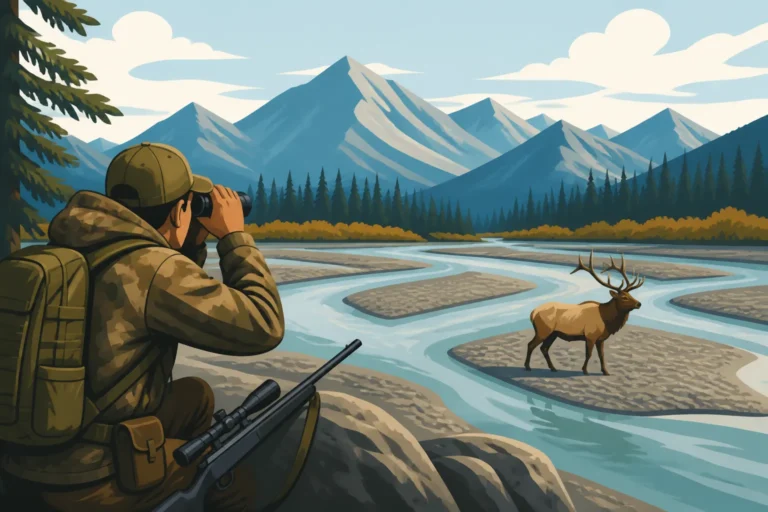
Float hunting offers unique opportunities for spotting game. As you drift, keep a keen eye on the banks, gravel bars, and any openings in the timber. Animals often come down to the river to drink, feed on aquatic vegetation, or cross. Use your binoculars and spotting scope to systematically glass the shores, especially during dawn and dusk. This method can be incredibly effective for spotting moose in willow flats or deer browsing along the edge of the forest.
Once game is spotted, the strategy shifts. If the animal is on the opposite bank and the wind is right, you might be able to beach your boat discreetly and stalk from the river's edge. If the animal is on your side, quietly paddle upstream or find a concealed spot to put ashore, then begin your stalk on foot. Always be mindful of the wind direction – a float hunt often means a prevailing wind direction downriver, which can be an advantage or a disadvantage depending on the animal's position. Being able to anchor your boat quietly and quickly move into a stalking position is a skill that improves with practice. For species like Calling Moose in British Columbia's Interior, the river's quiet allows you to call effectively without much ambient noise.
Meat Care and Pack Out Considerations
Harvesting an animal on a float hunt presents unique challenges and opportunities for meat care. The primary benefit is often the presence of cold river water, which can be utilized to rapidly cool down quarters. After field dressing and quartering your animal, place the meat in breathable game bags. If the ambient temperature is warm, consider submerging the bagged meat in a cool, flowing section of the river, tied securely to prevent it from floating away or getting damaged. This is especially critical during Meat Care in British Columbia's Warm Early Seasons.
Once cooled, the meat needs to be protected from insects and kept dry within your boat. Plan for waterproof storage bags or coolers within your raft or canoe. The beauty of the float hunt is that once the meat is loaded, the river often does the heavy lifting, allowing you to float it out rather than making arduous trips on your back. However, you still need to be diligent about securing the load, preventing contamination, and ensuring it remains cool and fresh until you reach your take-out point. Having a well-organized system for processing and loading the meat can save significant time and effort, preventing spoilage and making the pack out much smoother.
Species to Target on a British Columbia River Float Hunt
British Columbia's diverse landscapes and abundant wildlife make it a prime destination for a variety of float hunting opportunities. The river corridors themselves often act as natural highways and fertile habitats for many species.
Moose and Elk
River bottoms, especially those flanked by willow thickets, beaver ponds, and mixed forest, are prime habitat for both moose and elk. Moose, in particular, thrive in riparian zones, feeding heavily on aquatic vegetation and the lush browse found along riverbanks. Floating a river through good moose country in British Columbia's Interior or Northern regions during the rut can be incredibly effective. Bulls are often more visible, active, and responsive to calling.
Similarly, elk frequently utilize river valleys for forage and travel, especially where open meadows meet timbered slopes. Hunting Roosevelt Elk in British Columbia Old Growth or Hunting Rocky Mountain Elk in British Columbia often means focusing on the transition zones near water. The ability to drift quietly allows you to approach unalarmed animals, or to slip into an area and set up a calling sequence. Many float hunters combine their pursuit of these large ungulates with opportunities for other species, making for a truly comprehensive backcountry experience.
Bears and Deer
British Columbia's black bear populations are robust, and river systems offer excellent opportunities to encounter them. In spring, bears are often found along river estuaries or open slopes adjacent to rivers, feeding on new green growth. During the fall, they frequent river valleys to capitalize on berry crops and, in some areas, salmon runs. Hunting Bears on a Coastal Estuary in May from a boat is a classic float hunt, where you can quietly glass mudflats and river mouths for feeding bears.
Deer species, including mule deer and black-tailed deer, also use river corridors. In the Interior, mule deer will often be found along the more open, sagebrush-dotted banks or in draw systems leading down to the water. Coastal rivers provide vital habitat for blacktail, where they utilize the dense cover of second-growth timber bordering the water. The stealth of a float trip allows for excellent glassing opportunities, particularly during low-light hours when deer are most active.
Waterfowl and Upland Birds
While float hunting is often associated with big game, many rivers also offer fantastic opportunities for Waterfowl and Upland Hunting in British Columbia. For waterfowl, drifting quietly around bends can surprise ducks and geese, offering jump-shooting opportunities. Setting out decoys on a gravel bar or in a calm eddy can also be productive. Many interior rivers flow through prime staging areas for migratory birds, making a combo hunt entirely feasible.
Upland birds like grouse are also commonly found along riverbanks and in the mixed forests that border them. Blue grouse and ruffed grouse in particular often frequent riparian areas, feeding on berries and insects. Packing a shotgun or a small caliber rifle can add another dimension to your float hunt, providing fresh camp meat and additional hunting excitement. Just be sure to check all regulations for migratory birds, including federal permits and non-toxic shot requirements if you are hunting waterfowl.
Common Challenges and How to Overcome Them
Float hunting in British Columbia, while incredibly rewarding, is not without its difficulties. The backcountry environment is dynamic and can throw unexpected curveballs. Being prepared for these challenges is crucial for a safe and successful trip.
Weather and River Conditions
British Columbia's weather is famously unpredictable, especially in its mountainous and coastal regions. A sunny morning can quickly give way to driving rain, strong winds, or even snow, regardless of the season. These rapid changes not only impact your comfort and hunting success but can also drastically affect river conditions. Heavy rains can cause rivers to swell rapidly, increasing current speed and creating new hazards like log jams or debris. Conversely, prolonged dry spells can lead to very low water levels, forcing you to drag your boat through shallow sections, which is both exhausting and time-consuming.
Overcoming these challenges requires vigilance and adaptability. Constantly monitor the weather forecast before and during your trip (via satellite communication if possible). Pack high-quality, waterproof outerwear and multiple layers of clothing to stay warm and dry. Be prepared to hunker down in camp if a storm rolls in. If river conditions become unsafe, you might need to pull off the river and wait for them to improve, or even consider an emergency exit strategy. Always have a generous time buffer in your itinerary to account for weather delays.
Grizzly Bear Encounters
Much of British Columbia's prime float hunting country is also prime grizzly bear habitat. While these encounters are rare, being prepared is paramount for your safety. Grizzlies can be found anywhere along river corridors, especially where food sources like berries or salmon are abundant. Carrying bear spray (and knowing how to use it) is an absolute must for every member of your party. A firearm, if legally carried and handled safely, can also offer a last line of defense.
Prevention is the best strategy. Make noise as you travel on foot to avoid surprising a bear. Store all food, cooking gear, and scented items in bear-resistant containers or hung from a tree well away from your camp. Practice proper meat care by hanging quarters securely and at a distance from your sleeping area. If you do encounter a grizzly, remain calm, make yourself appear large, speak in a firm voice, and back away slowly. Never run. Having a plan for Bear Safety While Hunting in British Columbia is not just a suggestion; it's a critical component of any backcountry trip here.
Physical Demands and Remote Location
Despite the relative ease of covering distance by water, float hunting is physically demanding. Paddling, rowing, portaging around obstacles, and then still-hunting or stalking on foot all require a good level of physical fitness. Hauling gear in and out of boats, setting up and breaking down camp each day, and dealing with potential challenges like downed trees or muddy banks will test your endurance.
The remote nature of many float hunting destinations means you are often days, if not weeks, away from medical help or outside assistance. This underscores the need for thorough preparation, reliable gear, and a strong, cohesive team. Everyone in the party should be capable of handling the physical requirements and contributing to the camp duties and safety protocols. Before you go, ensure everyone is aware of the remoteness and the potential challenges, and mentally prepared for the self-sufficiency required. The rewards of such a deep wilderness experience are immense, but they come with the responsibility of being fully self-reliant.
Disclaimer
Please remember that hunting regulations in British Columbia are subject to change. Always consult the most current British Columbia Hunting and Trapping Synopsis and relevant provincial and federal regulations before planning any hunting trip. Safety should always be your top priority in the backcountry.