Hunting a Limited Entry Hunting Zone
Drawing a Limited Entry Hunting (LEH) tag in British Columbia is often met with a mix of exhilarating hope and a healthy dose of anxiety. You've been lucky enough to secure a coveted opportunity, but now the real work begins: understanding the nuances of that specific LEH zone, navigating its unique challenges, and developing a strategy to make your tag count. It’s easy to feel overwhelmed by the detailed regulations, complex terrain, and the pressure of a limited-opportunity hunt. This guide is here to walk you through everything you need to know to approach your British Columbia LEH hunt with confidence, from decoding the draw system to executing a successful strategy in the field.
Understanding the Limited Entry Hunting System in British Columbia
The LEH system in British Columbia is a cornerstone of wildlife management, designed to ensure sustainable hunting opportunities for specific species and areas. It's not just about luck; it's a carefully balanced approach that requires hunters to understand its intricacies.
What is Limited Entry Hunting?
Limited Entry Hunting, or LEH, is a system where a specific number of hunting authorizations (tags) are issued for a particular species, sex, and management unit (MU) or a defined LEH zone during a designated season. Unlike General Open Season (GOS) hunts, where anyone with a valid species licence can participate, LEH draws are exactly what they sound like: a limited number of hunters get to go. This system is implemented for several key reasons, primarily to manage harvest levels, protect vulnerable populations, improve age and sex ratios within a herd, or to provide high-quality hunting experiences by limiting hunter density. For example, some highly sought-after moose or elk hunts might be LEH-only to prevent overharvesting and ensure a healthy population structure. You can dive deeper into the overarching system by reading about British Columbia's Limited Entry Hunting Draws to get a full picture.
Imagine you've been putting in for an elk LEH tag in a specific unit for years. The odds are tough because that area consistently produces mature bulls, and without the LEH system, everyone would flock there, potentially decimating the herd and diminishing the quality of the hunt for future generations. The LEH ensures that only a few lucky hunters get that chance each year, maintaining the balance. This also means that if you draw an LEH tag, you’re not just holding a piece of paper; you're holding a significant responsibility to hunt ethically and responsibly within that specific framework.
Why LEH Zones Exist
LEH zones aren't just arbitrary lines on a map; they are carefully designated areas identified by wildlife biologists and managers to meet specific conservation and management objectives. These objectives can vary greatly depending on the species and the specific region. For instance, an LEH for mountain goats might be in place because these animals are particularly sensitive to hunting pressure and habitat disturbance. By limiting the number of tags, managers can ensure that goat populations remain healthy and stable, reducing the risk of localized population declines. Similarly, for species like moose in parts of the Omineca or Skeena regions where populations have faced challenges, LEH hunts might be designed to target specific age classes (e.g., bulls with minimum antler size) or to manage cow harvest to address population recovery goals.
Another common reason for LEH zones is to distribute hunting pressure more evenly across the landscape. If a particular area has excellent habitat and high animal densities, an LEH can prevent overcrowding of hunters, which can lead to safety concerns, a diminished hunting experience, and increased stress on wildlife. Think of a prime valley bottom for Rocky Mountain elk in the Kootenays; without an LEH, it could become a circus. The system also allows for specific seasons that might not be suitable for a general open season, such as early season archery opportunities or late-season hunts after the rut, providing diverse hunting experiences while maintaining control over harvest numbers. Understanding these underlying reasons helps us appreciate the value of an LEH tag, not just as a personal success, but as part of a broader conservation effort.
How the LEH Draw Works
The process for drawing an LEH tag in British Columbia begins with applying online through the BC Hunting and Trapping Regulation Synopsis portal, typically starting in the spring. Hunters select their desired LEH zones, species, and seasons. Each application usually costs a nominal fee, and you can apply for multiple draws, but it's crucial to understand that if you draw a tag for a specific species, you cannot apply for another LEH tag for that same species in the same regulatory year. The draw system utilizes a preference points system for some species, meaning that for certain highly sought-after tags, unsuccessful applicants accrue a point, which increases their odds in subsequent years. This system is designed to reward persistent applicants, though it's important to note that it's still a lottery, and luck always plays a part.
The actual draw is conducted electronically, typically in the early summer. Results are then released, and successful applicants are notified. It’s a nail-biting time for many hunters across the province! Once you've confirmed your successful draw, you must ensure you have the appropriate basic hunting licence and species licence purchased. It's not uncommon for hunters to apply for a number of LEH hunts and then only purchase the necessary species licence once they know which tags they've drawn. For a detailed breakdown of the mechanics, you should definitely read How British Columbia's LEH System Works. Knowing these timelines is essential for planning, as missing the application deadline means missing out on the opportunity entirely for that year. The table below outlines a typical timeline for the LEH process in British Columbia:
| Event | Typical Month | Notes |
|---|---|---|
| LEH Application Period Opens | Mid-May | Hunters can apply online for various species and zones. |
| LEH Application Deadline | Early to Mid-June | Critical cut-off date; no late applications accepted. |
| LEH Results Release | Late June to Early July | Successful applicants are notified, and results are posted online. |
| Purchase Species Licence | After Drawing | Must have appropriate species licence for the drawn LEH, alongside your basic hunting licence. |
| LEH Hunt Season Commences | Late August Onwards | Hunt dates vary significantly by species, zone, and year. Refer to the current synopsis. |
Researching Your Chosen LEH Zone
Once you've drawn that coveted LEH tag, the real planning begins. Effective research is paramount to turning that authorization into a successful harvest. You need to become an expert on your specific zone.
Decoding the LEH Synopsis and Maps
The British Columbia Hunting and Trapping Regulation Synopsis is your bible for any hunt, especially an LEH. This annual publication, available online and in print, contains all the legal requirements, season dates, bag limits, and specific regulations for every management unit and LEH zone. For your LEH zone, pay meticulous attention to the precise boundaries, species, sex, and antler restrictions. For example, some LEH moose tags might be for "bull moose, antlerless," while others specify "any bull" or "six-point or greater." Missing these details can lead to severe penalties. Beyond the general synopsis, it’s critical to obtain and study detailed maps of your specific Management Unit (MU) or LEH area. These are typically Crown Land maps, topographic maps, and sometimes even forest tenure maps. You can usually find these online through provincial mapping services or via third-party apps like GoHunt.
Looking at a map, don't just see green and brown. Identify key features: elevation contours, drainages, timberlines, old clear-cuts, road networks (active and deactivated), and potential access points. If your LEH is in a mountainous region like the Kootenays, understanding how elk or deer might use elevation throughout the season based on weather patterns is crucial. For instance, an early September hunt might find animals high in the alpine, but a sudden snowfall could push them down into timbered valleys. Conversely, a late-season hunt might see animals concentrated on south-facing slopes, catching the sun. Pay close attention to any designated park areas or private land within or adjacent to your LEH zone, as hunting within these areas is typically prohibited or requires explicit permission. Reading a British Columbia LEH Zone Map effectively is a skill that develops over time, but the more detail you extract, the better prepared you'll be.
Utilizing Online Tools and Resources
In today's age, technology is an invaluable asset for hunters. Satellite imagery and digital mapping applications like GoHunt, Gaia GPS, or onX Hunt are game-changers for pre-season scouting. These tools allow you to virtually explore your LEH zone from the comfort of your home. You can identify potential bedding areas, feeding grounds, water sources, natural funnels, and escape routes long before you ever set foot in the field. Look for areas where different habitat types meet – an old-growth edge meeting a recent clearcut, or a treeline bordering a large open slide. These "edge habitats" are often prime locations for deer, elk, or moose. For those planning a hunt in the Peace Country, identifying the transition zones between agricultural fields and dense bush can reveal prime whitetail or moose habitat.
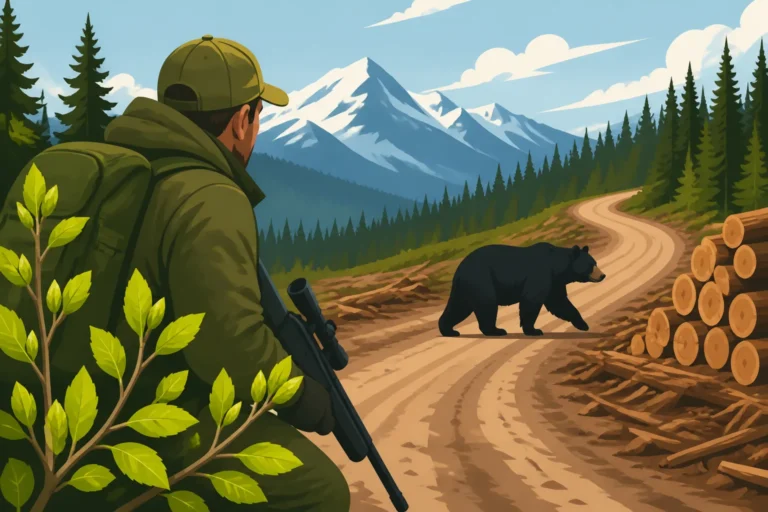
Beyond satellite imagery, online forums, social media groups dedicated to BC hunting, and government wildlife reports can provide invaluable insights. While individual hunters may be reluctant to give up their "secret spots," you can often glean general information about animal behavior in a specific region, common access challenges, or effective strategies for particular species. For example, if you've drawn a black bear LEH tag in a coastal region, researching online might reveal common areas where bears frequent estuaries during salmon runs or feed on specific berry crops. Always cross-reference any anecdotal information with official sources to ensure accuracy and legality. For a systematic approach to online scouting, consider reading our guide on Scouting a British Columbia Management Unit Online.
Understanding Past Draw Odds
While past draw odds don't guarantee future success in the draw itself, they are incredibly valuable for setting expectations and understanding the potential quality and popularity of a given LEH zone. The BC government usually publishes draw results from previous years, including the number of applicants, the number of tags issued, and sometimes even the lowest point value drawn (for preference species). This data gives you a strong indication of how difficult a particular tag is to obtain and, by extension, how sought-after the hunting opportunity in that zone is.
For instance, if an LEH zone consistently has extremely low odds (e.g., 1 in 50 for a bull moose), it suggests it's a prime area known for producing big animals or offering a unique hunting experience. Knowing these odds helps you manage your expectations and prioritize your applications in future years if you're building preference points. For a detailed guide on how to analyze this data, refer to Reading LEH Odds Before You Apply. It's a critical step in strategic application planning and helps you appreciate the true rarity of the tag you've drawn. Moreover, if the draw odds are incredibly low, it often points to a higher quality animal or a less pressured hunting experience, making your planning even more critical to capitalize on the opportunity.
Pre-Season Scouting for LEH Success
Drawing an LEH tag gives you an advantage—less hunter pressure and often better opportunities. But it's up to you to maximize that advantage through thorough pre-season scouting. This isn't just about finding animals; it's about understanding their patterns, their habitat, and how you'll effectively hunt them.
Boots-on-the-Ground Reconnaissance
Nothing replaces putting boots on the ground. If your LEH zone is accessible, dedicate as much time as possible to physically exploring it before the season opens. This allows you to verify what you've seen on maps and satellite imagery. Those "roads" you saw online might be completely deactivated and overgrown, requiring a long hike. That dense timber block might have more open understory than anticipated, or vice versa. Walk potential game trails, check for fresh sign like tracks, scat, and rubs. Look for natural pinch points where animals are likely to travel, or secluded benches where they might bed down.
Spring and summer are ideal times for this. In spring, as snow recedes, you can often find sheds, indicating wintering areas. As summer progresses, you can observe feeding patterns, especially for bears on berry slopes or elk in lush clearcuts. Pay attention to water sources and how they might fluctuate with weather. If you're hunting an early season, like Hunting British Columbia's Alpine in September, understanding the current snowline and where animals are feeding on alpine grasses is critical. Remember to carry a GPS or use your mapping app to mark waypoints for promising areas, access challenges, or potential camp spots. This physical immersion will solidify your mental map of the area and reveal details no digital tool can.
Digital Scouting with Satellite Imagery
Even if you can't be on the ground, digital tools like GoHunt are indispensable. Use high-resolution satellite imagery to identify changes in the landscape that might not be on older topo maps. New logging activity, recent wildfires (which can create excellent forage zones a few years post-burn), or even significant beaver activity creating new ponds can drastically alter game movement. Look for subtle variations in vegetation type and density. For instance, a subtle green hue in a darker forest might indicate a small meadow or a south-facing slope with more light, which could be a feeding area.
Beyond static imagery, many platforms offer 3D terrain views, which are fantastic for visualizing the steepness of slopes, understanding natural funnels, and identifying potential glassing points. Use the measurement tools to estimate distances between key features or to calculate the length of a potential stalk. Consider the sun's path during your hunting hours and how it will illuminate slopes for glassing or create shadows that might conceal game. Pay attention to how different species might utilize these features. For example, a moose might stick to the denser timber and willow flats, while a mule deer buck might prefer open, rocky slopes. The more thoroughly you digitally dissect the terrain, the more efficient your on-the-ground efforts will be.
Adapting to Habitat Changes
British Columbia's landscape is constantly changing due to natural processes and human activity. Wildfires, logging, and even large-scale insect infestations (like the pine beetle epidemic) can dramatically reshape habitat. A burn area that was excellent browse a few years ago might now be too thick for easy travel. A newly logged block might initially be a desolate wasteland but could become a prime feeding ground for deer and elk within a few years as new growth emerges. During your scouting, both digital and physical, actively look for these changes.
If your LEH zone has experienced a recent wildfire, research the fire's severity and age. A two-year-old burn on a south slope, for instance, could be drawing in mule deer for the nutrient-rich new growth. Conversely, a large, intense burn might still be too barren to hold much game. Similarly, for areas with active logging, understand that road access might change, and the fresh cuts could either disperse animals initially or, over time, create new browse opportunities. Adapting your scouting and hunting strategy to these dynamic environmental factors is crucial for success. Animals are opportunists, and understanding how they react to habitat shifts will help you predict their movements and find them.
Developing Your Hunting Strategy for an LEH Zone
With an LEH tag in hand, you’re often dealing with a more valuable opportunity than a general open season. This means your strategy needs to be exceptionally well-thought-out, encompassing everything from your specific hunting tactics to your logistical plan.
Tailoring Tactics to Specific Species and Terrain
Your hunting strategy must be meticulously tailored to the specific species you’re pursuing and the unique terrain of your LEH zone. For a Mule Deer Hunting in British Columbia LEH, perhaps in the Okanagan Breaks, you might focus on glassing expansive, dry hillsides at first light and last light, using good optics and patience to pick out a bedded buck. Your approach will involve long-range observation and careful stalking in open country. In contrast, an LEH for black-tailed deer in a dense coastal rainforest on Vancouver Island demands an entirely different approach – perhaps still-hunting through second-growth timber, relying on stealth and keen senses in the thick cover.
If you’ve drawn a moose LEH in the Interior, especially during the rut, calling tactics like raking brush or cow calls could be highly effective in willow flats or along cutblock edges. Whereas for a mountain goat LEH in the Coast Range, your strategy will revolve around extreme physical exertion, meticulous glassing of rocky slopes, and careful, arduous stalks in unforgiving alpine terrain. Always consider the animal's behavior during the specific LEH season. Is it pre-rut, rut, or post-rut? What are their primary food sources at that time of year? How does the local predator presence influence their movements? The more deeply you understand these factors, the more effective your tactics will be. Knowing Where British Columbia's Moose Are Densest can also inform your general approach to moose strategy.
Planning for Access and Logistics
Access to your LEH zone can often be the biggest challenge. Many LEH zones are located in remote areas with limited road infrastructure. You need to thoroughly investigate how you will get into your hunting area. Will you be using a truck on active logging roads, requiring a radio? Or will you be relying on deactivated roads, requiring walking or an ATV beyond a gate? Some remote LEH zones might even necessitate a jet boat up a river or a flight into a remote lake or airstrip. Understanding the specifics of Hunting British Columbia's Logging Road Network is crucial for many interior hunts.
Beyond access, meticulously plan your logistics. Where will you camp? Are there designated recreation sites, or will you be random camping on Crown land? How long will your hunt last, and how much food, water, and fuel will you need? Consider your equipment: heavy packs for multi-day backcountry trips, appropriate clothing for British Columbia’s often unpredictable weather, and essential safety gear. If you’re hunting solo, always leave a detailed trip plan with someone responsible. For longer, more remote hunts, consider devices for Satellite Communication on a Remote Hunt. Every detail, from spare tires for your truck to extra batteries for your headlamp, needs to be considered to ensure a safe and successful trip.
Weather Considerations and Contingency Planning
British Columbia's weather is notoriously unpredictable and can change rapidly, especially in mountainous regions. A sunny September morning can quickly turn into a snowstorm or a driving rain. Your hunting strategy must include robust contingency plans for adverse weather. For coastal hunts, understand Hunting British Columbia's Coastal Rain and bring waterproof gear that truly holds up. In the mountains, be prepared for sudden temperature drops and snowfall. This means packing layers, carrying emergency shelter, and having a plan for safely retreating if conditions become too dangerous.
Beyond personal safety, weather profoundly impacts animal behavior. Heavy rain might keep animals bedded in thick timber, making them harder to find. A fresh snowfall, however, can provide excellent tracking opportunities and push animals to lower elevations. Strong winds can make glassing difficult and carry your scent far, but they can also mask your sounds. Have alternative areas scouted and strategies in mind should your primary plan be thwarted by weather. What if a key access road gets washed out? What if a wildfire breaks out nearby? Thinking through these "what if" scenarios beforehand can prevent a ruined hunt and ensure your safety. For comprehensive safety measures, consult our guide on Emergency Planning in British Columbia's Backcountry.
Ethical Considerations and Best Practices in LEH Zones
Hunting in a Limited Entry Hunting zone comes with heightened responsibilities. You're not just representing yourself; you're representing the entire hunting community, and your actions directly impact wildlife populations and the perception of hunting.
Respecting Wildlife and Other Hunters
With fewer tags issued, LEH zones often offer a more solitary hunting experience, but it doesn't mean you're the only one out there. Always assume other hunters might be present, even if you don't see them. Practice courtesy and respect. If you encounter another hunting party, give them ample space. Don't crowd their vehicle at an access point, and avoid hunting directly into an area where you know others are actively working. Clear communication, if safe and appropriate, can help avoid conflicts and ensure everyone has a positive experience.
Beyond other hunters, paramount respect for the wildlife is crucial. Make ethical decisions in the field. This means knowing your effective range and only taking shots you are confident will result in a clean, swift harvest. Avoid marginal shots, especially at extreme distances or in poor light. If an animal is hit, commit all your effort to tracking and recovering it. Wounding an animal and failing to recover it is not only unethical but illegal in British Columbia. An LEH tag is a privilege, and that privilege comes with a deep responsibility to the animal and the resource.
Following Regulations to the Letter
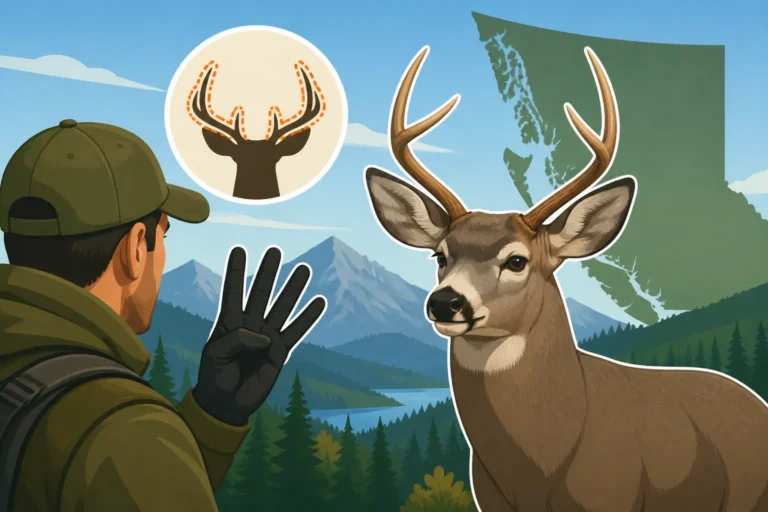
The British Columbia Hunting and Trapping Regulation Synopsis is not just a suggestion; it's the law. For LEH zones, this means strict adherence to every detail of your tag: species, sex, antler points, and the exact boundaries and dates. For example, if your LEH is for a "4-point or greater" mule deer buck, you must be absolutely certain of the antler count before pulling the trigger. Misidentification can lead to serious fines, licence suspensions, and the loss of your animal. The phrase "know before you go" has never been more relevant.
Double-check your licence and tag dates. Ensure you are only hunting within the specified LEH season for your zone. Don't rely on memory; always have a physical or digital copy of the current regulations with you in the field. Pay close attention to any specific firearms restrictions, such as "bow only" zones or muzzleloader seasons. Ignorance of the law is not a valid defense, and conservation officers are vigilant in ensuring compliance, especially in LEH zones where management objectives are more specific. Understanding British Columbia's Four-Point Antler Restriction is a prime example of the kind of detail that can make or break a hunt.
Meat Care and Pack-Out Strategies
Successfully harvesting an animal in an LEH zone is only half the battle; getting the meat out and cared for properly is equally important, especially in remote or warm conditions. British Columbia requires hunters to salvage all edible portions of game meat. In warm early seasons, like those that sometimes occur in September, proper Meat Care in British Columbia's Warm Early Seasons is absolutely critical to prevent spoilage. This involves quickly field dressing the animal, skinning, quartering, and getting the meat cooled down as rapidly as possible. If you're deep in the backcountry, this might mean hanging quarters in the shade, covering them with game bags to protect from flies, and even using portable coolers or wet cloths to aid cooling if the weather allows.
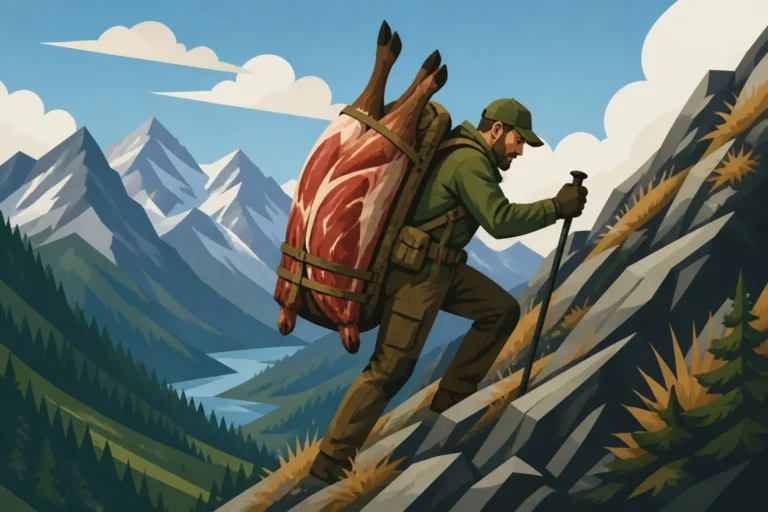
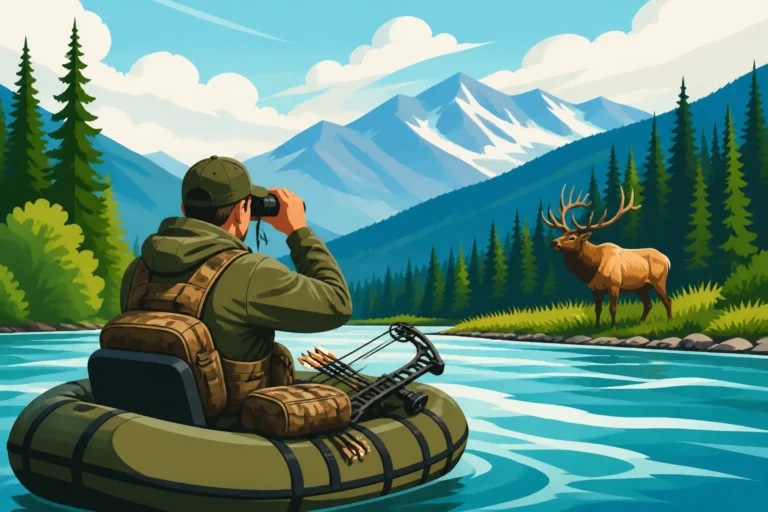
The pack-out itself can be a Herculean effort. Whether you're hauling a mule deer quarter by quarter from a steep draw or an entire moose out of a dense willow flat, you need a plan. Consider how many trips it will take, what kind of frame pack you'll use, and if you have enough assistance. For extremely remote locations, using pack horses or even floating meat out on a river are options, but these require advanced planning. Our guide on Getting a Moose Out on a British Columbia River highlights some of these logistical challenges. Don't underestimate the physical demands of packing out, particularly from British Columbia's rugged terrain. It's often the hardest part of the hunt, but ensuring your hard-earned meat is cared for is a matter of respect and responsibility.
Post-Hunt Reporting and Reflection
The hunt doesn't truly end when you've packed out your meat and cape. There are critical steps to complete afterwards, not just for legal compliance but for continuous improvement as a hunter and contributor to conservation.
Mandatory Harvest Reporting
British Columbia has mandatory harvest reporting requirements for most big game species. This means that even if you don't fill your tag, you still need to report on your LEH experience. If you were successful, you must report the harvest within 30 days of the animal being killed or within 30 days of the LEH season closing, whichever comes first. This information includes the species, sex, date of kill, and the Management Unit or LEH zone where it was harvested. This data is absolutely vital for wildlife managers. It helps them track harvest rates, monitor population trends, and inform future LEH quotas and season structures. Without accurate reporting from hunters, the system cannot function effectively.
Reporting is done online through the same BC Hunting and Trapping Regulation Synopsis portal where you applied for your tag. It's a straightforward process, but often overlooked in the excitement or exhaustion post-hunt. Failing to report your harvest or your unsuccessful hunt can result in penalties, including fines and the inability to obtain future hunting licences or participate in draws. Take the time to fulfill this crucial civic duty of a hunter; it’s a direct contribution to conservation and the future of hunting in British Columbia.
Learning from Your LEH Experience
Every hunt, whether successful or not, is a learning opportunity. Once the season is over and the mandatory reporting is done, take some time to reflect on your LEH experience. What worked well? What didn’t? Were your scouting efforts accurate? Did your chosen tactics align with the animal's behavior? Perhaps you learned that the access road you planned on using was impassable, or that the animals were concentrated in a different part of the zone than anticipated.
Keep a hunting journal. Document details like weather conditions, animal sightings, movement patterns, and your observations on habitat use. This accumulated knowledge will be invaluable for future hunts, not just in that specific LEH zone (should you draw it again), but in similar habitats elsewhere in British Columbia. Discuss your hunt with experienced mentors or fellow hunters. Their insights can help you analyze your experience and refine your approach. Remember, drawing an LEH tag is a special opportunity, and by learning from each one, you become a more skilled, responsible, and effective hunter, contributing positively to the overall legacy of British Columbia hunting.
Disclaimer
The information provided in this guide is for general informational purposes only and does not constitute legal advice. Hunting regulations in British Columbia are complex and subject to change. It is the sole responsibility of every hunter to consult the most current British Columbia Hunting and Trapping Regulation Synopsis and all relevant federal, provincial, and local laws and regulations before engaging in any hunting activities. Always ensure you possess the correct licences, tags, and authorizations, and strictly adhere to all season dates, bag limits, and specific LEH zone restrictions. Safety in the field is paramount.