Flying Into a Remote British Columbia Camp
For many hunters, the dream of untouched wilderness, of stepping where few feet have tread, feels increasingly out of reach. British Columbia, with its vast and rugged landscapes, presents incredible opportunities, but getting into truly remote, unpressured areas is a significant hurdle. This guide is here to walk you through everything you need to know about flying into a remote British Columbia camp, transforming that distant dream into an achievable and unforgettable hunting adventure.
The Allure and Necessity of Fly-In Hunting in British Columbia
British Columbia is enormous, boasting over 944,000 square kilometres of diverse terrain. While road access extends deep into many regions, there are still vast tracts of pure wilderness that remain largely inaccessible by vehicle. For those seeking truly wild experiences and the chance at older, less pressured animals, flying in isn't just a luxury; it's often the only practical way to reach these pristine hunting grounds.
Unlocking Untouched Wilderness
Imagine standing on a mountain ridge, glassing a subalpine basin, and knowing that the nearest road is days of arduous travel away. This is the promise of a fly-in hunt. Areas like the Muskwa-Kechika Management Area, the Spatsizi Plateau, or countless remote valleys in the Omineca and Skeena regions hold a special kind of magic precisely because they are so hard to get to. Animals in these zones typically face less human disturbance, leading to more natural behaviour patterns and often, larger, older specimens. This isn't to say success is guaranteed, but the experience itself is elevated. You're not just hunting; you're truly immersing yourself in a wild ecosystem, far from the tracks and sounds of civilization. The silence, broken only by the wind or an animal call, is a reward in itself.
Reaching these remote havens also means a different kind of scouting. You can't just drive logging roads; you need to study topo maps, satellite imagery, and really understand game movement patterns in areas without human pressure. Many experienced hunters use advanced mapping tools, much like GoHunt, to analyze terrain, potential migration routes, and pinch points in areas where traditional ground scouting isn't feasible until you're already there. This thorough pre-trip preparation becomes even more crucial when your access is entirely dependent on an aircraft.
Overcoming BC's Vast and Rugged Terrain
British Columbia's geography is spectacular but daunting. From the dense coastal rainforests to the jagged peaks of the Northern Rockies and the vast plateaus of the Interior, the province presents formidable barriers to travel. Steep canyons, unbridged rivers, dense timber, and endless mountain ranges make ground travel slow, difficult, and sometimes impossible beyond a certain point. A truck and ATV can take you far, but eventually, you hit a wall.
This is where aircraft become indispensable. A float plane can drop you deep into a lake system that would take weeks to reach by foot or horseback, opening up opportunities for Moose Hunting British Columbia's Interior or pursuing mountain species far from common access points. A wheel plane can land on a remote gravel bar or a designated airstrip carved out of the bush, saving you days of strenuous hiking and allowing you to start your hunt fresh in prime territory. Think about it: a flight that takes an hour or two could replace a week of bushwhacking, pushing gear through alder thickets, or navigating treacherous rivers. This efficiency is not just about saving time; it's about preserving energy for the hunt itself and extending the effective duration of your trip in truly wild places.
The Unforgettable Experience of Remote Isolation
There's a unique satisfaction that comes with knowing you're entirely self-reliant, with no easy escape route. This level of isolation fosters a deeper connection to the land and a heightened sense of responsibility. You become acutely aware of weather patterns, your gear, and your every decision. Emergency planning in British Columbia's backcountry takes on an entirely new meaning when rescue is hours, or even a day, away by aircraft, instead of a short walk to a road.
This deep dive into isolation isn't for everyone. It requires a certain mindset, a preparedness for the unexpected, and a robust set of wilderness skills. But for those who embrace it, the rewards are immense. The quiet solitude, the raw beauty of untouched landscapes, and the challenge of navigating and hunting in true wilderness combine to create an experience that transcends mere sport. It's an adventure that tests your limits and forges unforgettable memories, often with lifelong hunting partners.
Choosing Your Wings: Aircraft Types for BC's Backcountry
When planning a fly-in hunt in British Columbia, understanding the different types of aircraft available and their specific capabilities is crucial. The choice will often dictate where you can go, what you can bring, and even the cost of your expedition. Each type has its own strengths and limitations, perfectly suited to different parts of BC's incredibly varied terrain.
Float Planes: Accessing Waterways
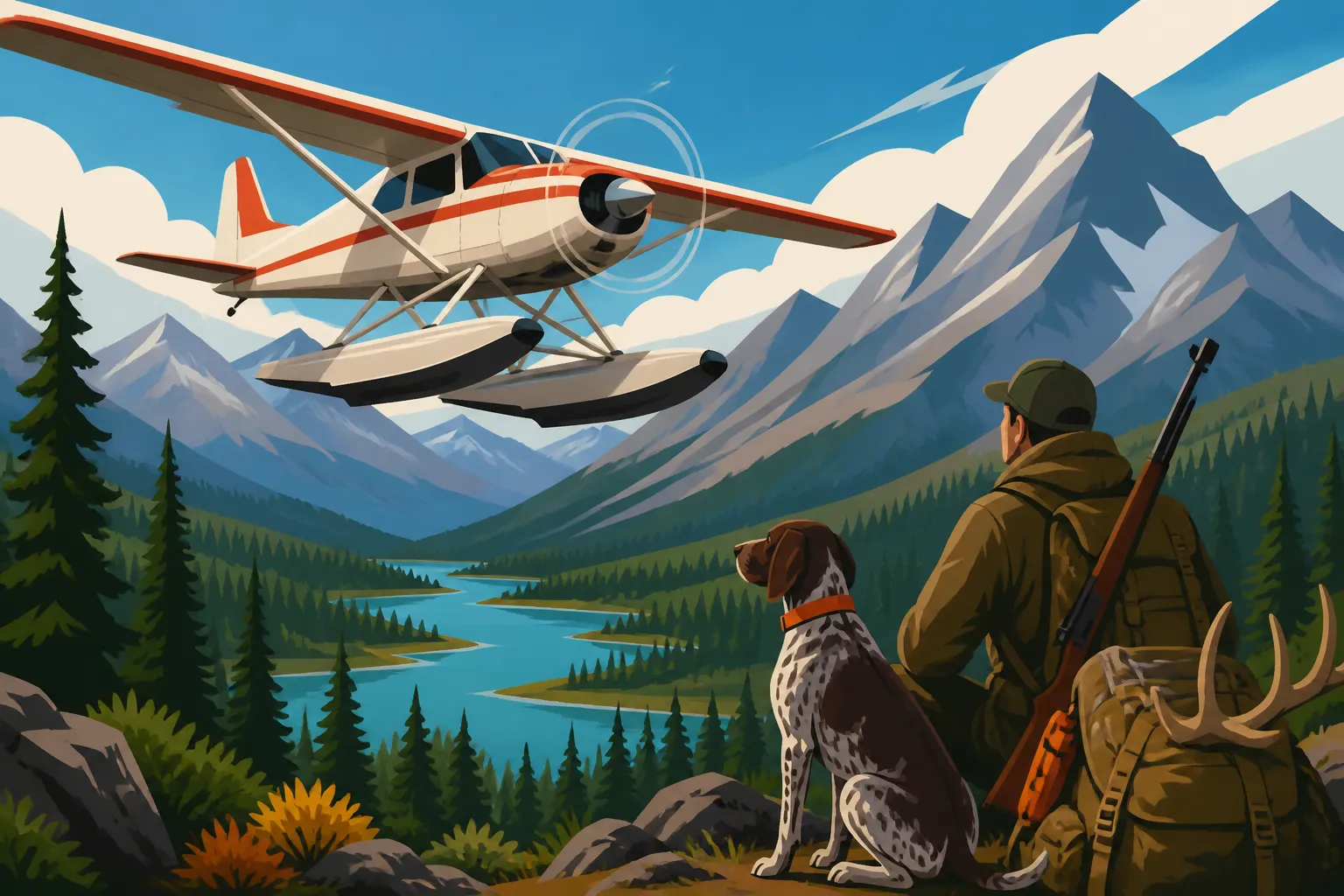
Float planes are perhaps the most iconic symbol of bush flying in Canada. Equipped with floats instead of wheels, these aircraft are designed to take off and land on water, making them ideal for accessing the countless lakes and rivers that crisscross British Columbia's interior and coastal regions.
Advantages:
- Unrivaled Water Access: British Columbia is dotted with lakes, from small alpine tarns to vast reservoirs. Float planes can get you directly to the shore of a remote lake, often right at your chosen camp spot. This eliminates the need for trails or complicated ground transportation once you've landed. They are particularly popular for accessing remote fishing lodges or hunting camps in areas rich with water features.
- Versatility: Many float planes are amphibious, meaning they can also land on traditional airstrips. This provides flexibility in pick-up/drop-off points.
- Payload Capacity: Larger float planes, like the De Havilland Beaver or Otter, are workhorses capable of carrying substantial amounts of gear and multiple passengers, which is excellent for longer hunts or group trips.
Considerations:
- Weather Dependency: Rough water conditions, fog, or strong winds can significantly impact float plane operations, leading to delays.
- Water Access Only: Naturally, you're limited to areas with suitable bodies of water for landing and takeoff. This might mean a short hike to your ultimate destination, but still vastly reduces overall travel time.
- Cost: While not always the most expensive, float plane charters can add up, especially for longer distances or larger aircraft.
Real-life Scenario: Imagine planning a moose hunt in the Cariboo-Chilcotin region. Instead of days of difficult travel with an ATV and trailer, a float plane could drop you and your gear directly onto a remote lake, a prime area for Hunting a British Columbia Lakeshore for Moose. You set up your wall tent right by the water, and your entire hunt unfolds from this lakeside base. The experience of seeing the wilderness unfold beneath you, then touching down silently on the water, is truly unforgettable.
Wheel Planes: Landing on Bush Strips and Gravel Bars
Wheel planes, often smaller, rugged "bush planes" like the Piper Super Cub, Cessna 185, or larger Cessnas, are designed for short takeoffs and landings on unimproved strips. These are the aircraft that can access remote gravel bars in river bottoms, rough-hewn dirt strips, or even cleared sections of remote cutblocks.
Advantages:
- Diverse Landing Sites: Wheel planes can land on any sufficiently long and flat piece of ground, be it a sandy river bar, a dry lakebed, or a simple bush strip maintained by an outfitter or the government. This opens up vast areas of terrain that might not have suitable water access. They excel in accessing alpine zones where lakes are scarce but flat patches of ground exist.
- Speed: Many wheel planes are faster than their float-equipped counterparts, making long-distance transfers quicker.
- Cost-Effective for Certain Routes: For destinations with established bush strips, they can sometimes be a more economical option than a float plane or helicopter, especially for smaller groups.
Considerations:
- "Runway" Requirements: While flexible, they still need a relatively clear, flat, and long enough space to land and take off. This might require additional ground travel to your final camp.
- Weather Sensitivity: Wind, snow, or heavy rain can make unimproved strips unusable, causing delays or rerouting.
- Size Limitations: Smaller bush planes have strict weight and passenger limits, so you might need multiple trips for a large group or extensive gear.
Real-life Scenario: For a high-country sheep or goat hunt, a wheel plane might be the only way to get close to the alpine. An outfitter might have a private airstrip tucked away in a valley, allowing you to fly into a remote basin for Backpacking Into British Columbia Sheep Country. From there, you pack into a spike camp, saving days of gruelling ascent and conserving your energy for the challenging hunt above timberline. GoHunt's satellite imagery can be incredibly helpful in identifying potential landing zones and planning your hike from a bush strip to your ultimate hunting grounds.
Helicopters: Precision Access and Versatility
Helicopters represent the pinnacle of backcountry access. Their ability to take off and land vertically, hover, and navigate tight spaces gives them unparalleled flexibility in British Columbia's rugged landscapes.
Advantages:
- Point-to-Point Access: Helicopters can drop you almost anywhere a human can stand, as long as it's safe and legal. This means direct access to mountain saddles, high alpine plateaus, or remote valley bottoms, minimizing ground travel. This precision is invaluable when targeting specific, hard-to-reach areas.
- Speed and Efficiency: Helicopters are incredibly fast, especially for shorter distances over difficult terrain. They can quickly ferry gear and hunters, making the most of tight weather windows.
- Rescue Capabilities: Their versatility makes them ideal for emergency situations, offering a level of safety net that other aircraft cannot.
Considerations:
- Cost: Helicopters are significantly more expensive to charter than fixed-wing aircraft, often reserved for high-value hunts (like sheep and goat) or critical situations.
- Payload Limitations: While versatile, their payload capacity can be surprisingly limited compared to larger fixed-wing planes, especially at higher altitudes. Every ounce counts.
- Noise Impact: Helicopters are loud, which can temporarily disturb game in the immediate vicinity of a landing.
- Regulatory Restrictions: Certain areas may have restrictions on helicopter landings for environmental reasons or to preserve wilderness character.
Real-life Scenario: Imagine trying to access a specific high-alpine bench for Hunting Mountain Goat on British Columbia Rock. Hiking in would take days, laden with heavy gear, potentially through dangerous terrain. A helicopter can pick you up from a staging area and drop you directly on a suitable landing spot near your intended hunting zone, saving immense time and effort. While costly, for a once-in-a-lifetime tag, the precision and time savings a helicopter offers can be invaluable.
| Feature | Float Plane | Wheel Plane (Bush Plane) | Helicopter |
|---|---|---|---|
| Landing Surface | Lakes, large rivers | Gravel bars, dirt strips, cleared areas | Almost anywhere (vertical takeoff/landing) |
| Access Type | Water-based, shore access | Ground-based, requires clear, flat stretch | Point-to-point, highly precise |
| Payload | Good (larger models like Beaver/Otter) | Moderate (can be limited for small planes) | Moderate to limited (depends on model, altitude) |
| Speed | Moderate | Moderate to Fast | Fast, especially over rugged terrain |
| Cost | Moderate | Moderate | High |
| Weather Impact | Sensitive to wind/waves, fog | Sensitive to snow/mud/wind | Sensitive to high winds, fog, heavy snow |
| Best For | Lake-rich areas, multi-day base camps | Alpine access, areas with existing strips, river systems | Extreme remote access, time-sensitive trips |
Mastering the Logistics of Your Fly-In Expedition
Flying into a remote camp isn't like booking a commercial flight. It involves meticulous planning, coordination, and a deep understanding of the unique challenges of bush aviation and wilderness survival. Every detail, from who you fly with to how you pack your socks, can make or break your hunt.
Selecting Your Air Charter and Outfitter
The first and most crucial step is choosing a reputable air charter service or an outfitter experienced in fly-in operations. British Columbia has a number of excellent air charter companies specializing in remote access for hunters, prospectors, and wilderness adventurers. Do your homework.
Due Diligence is Key:
- Licensing and Safety Records: Always verify that the air charter company is fully licensed and has a strong safety record. Don't be shy about asking for their operating certificates and insurance. A reputable company will be transparent about their credentials.
- Aircraft Fleet: Inquire about their aircraft fleet. Do they have the right type of plane (float, wheel, helicopter) for your chosen destination? Are the aircraft well-maintained?
- Experience in the Region: Look for pilots and companies with extensive experience flying in the specific region you intend to hunt. British Columbia's weather and terrain can be unforgiving, and local knowledge is invaluable.
- References and Reviews: Ask for references from past hunting clients. Online reviews can also provide insights, but direct conversations with previous customers are often more telling.
- Communication and Expectations: Clearly communicate your hunting goals, group size, gear list, and preferred dates. Be realistic about what is possible. A good charter service will manage your expectations regarding weather delays, weight limits, and potential alternatives.
If you're using an outfitter for a guided hunt, they will typically handle the air charter arrangements. However, it's still wise to ask about their chosen air service, as it impacts your entire trip. Understanding British Columbia Guide Outfitter Licensing Rules can also give you confidence in your choice.
Navigating Weight Restrictions and Strategic Packing
This is where many first-time fly-in hunters run into trouble. Aircraft have strict payload limitations that are influenced by factors like aircraft type, altitude, outside air temperature, and fuel load. Every pound counts.
Prioritize and Condense:
- Know Your Limits: Your air charter will provide a strict weight limit per person or for your entire group. Adhere to it meticulously. Overweight flights are unsafe and often subject to additional, costly charges, or even the dreaded "left behind" pile.
- Essential Gear First: Prioritize survival gear, weapons, optics, and critical camp equipment. Clothing should be layered and versatile. Think lightweight and multi-functional. For a typical fly-in hunt, especially if it's a backpacking trip from a drop-off, every item must earn its place.
- Food and Water: Consider freeze-dried meals to save weight. Plan for water purification methods (filters, tablets) instead of packing excessive bottled water.
- Bagging It Up: Use durable, waterproof duffel bags or dry bags. Soft bags are often preferred over hard cases as they can be more easily stowed in tight aircraft compartments. Label everything clearly.
- Shared Items: Coordinate with your hunting partners to share heavy items like cooking gear, first-aid kits, and satellite communication devices. A good communication plan is essential, and understanding how to use Satellite Communication on a Remote Hunt is critical when cell coverage ends.
Table: Essential Fly-In Hunt Packing Checklist (Prioritized)
| Category | Essential Items | Weight Saving Tips |
|---|---|---|
| Personal Gear | Hunting clothes (layers), rain gear, boots, socks, hat | Choose synthetic, quick-dry, multi-use items |
| Shelter & Sleep | Tent, sleeping bag, sleeping pad | Lightweight backpacking models, consider a shared tent |
| Navigation & Safety | GPS/InReach, maps, compass, headlamp, first aid, bear spray | Lightweight models, share medical kit with group |
| Hunting Equipment | Rifle/bow, ammunition, optics, knife, game bags | Limit ammo, choose quality lightweight optics |
| Food & Water | Dehydrated meals, high-energy snacks, water filter | Plan meals precisely, no unnecessary heavy foods, purify water |
| Camp & Cooking | Camp stove, fuel, pot, mug, utensil | Share stove/fuel, lightweight titanium cookware |
| Miscellaneous | Hygiene kit, small repair kit, fire starter | Travel-sized toiletries, small multi-tool |
When packing, remember that your meat will need to come out, which adds considerable weight. Plan for that return journey by leaving space and weight allowance for your harvest.
Critical Communication and Emergency Preparedness
In remote British Columbia, you are truly on your own. While your air charter service provides access, they are not your personal search and rescue. Preparation for the unexpected is paramount.
Before You Go:
- Flight Plan & Check-in Schedule: Establish a clear communication plan with your air charter. This includes your planned return date, check-in intervals (if possible with satellite comms), and emergency procedures.
- Leave a Detailed Itinerary: Share your detailed itinerary, including your drop-off and pick-up locations, planned hunting areas, and emergency contacts, with a trusted person at home and with the air charter company.
- Emergency Kit: Carry a comprehensive first-aid kit, fire-starting supplies, emergency shelter, and enough food/water for several extra days. Weather can change rapidly, and delays are common.
- Satellite Communication: A satellite messenger (like an InReach or Garmin Messenger) is not optional for fly-in hunts. It allows you to communicate with loved ones, get weather updates, and, most importantly, call for help in an emergency. Ensure it's fully charged and you know how to use it.
- Bear Safety: British Columbia is bear country, home to both black bears and grizzlies. Review Bear Safety While Hunting in British Columbia and carry bear spray, knowing how to use it effectively.
- First Aid Training: Consider taking a wilderness first aid course. Knowing how to deal with injuries far from medical help is a critical skill.
Remember, delays are a part of remote bush flying. Weather can turn, mechanical issues can arise, or other priorities might shift your pickup time. Patience and preparedness are your best allies.
Life in a Remote BC Fly-In Camp: Beyond the Drop-Off
Touching down in a remote wilderness spot is just the beginning of your adventure. The days and nights that follow will test your skills, resilience, and adaptability. What you do once you're on the ground is just as important as how you got there.
Setting Up Base Camp and Daily Life
Once the plane or helicopter departs, a profound silence often settles, emphasizing your solitude. Establishing a functional and safe base camp is your first priority.
Camp Craft in the Bush:
- Location, Location, Location: Choose a camp spot that is safe from deadfall, potential flood zones, and away from obvious game trails or natural pinch points where animals travel frequently. Proximity to fresh water is crucial. For example, when Hunting Moose on a Cutblock Edge, you might want to camp slightly away from the edge to avoid disturbing evening and morning game movement.
- Bear Smart Practices: All food and scented items must be stored securely away from camp, ideally hung from a bear pole or in bear-resistant containers. Cook away from your sleeping area. Keep a clean camp to avoid attracting curious animals.
- Shelter: Whether it's a lightweight backpacking tent or a larger wall tent provided by an outfitter, ensure it's pitched securely to withstand potential high winds or heavy rain, common in BC's diverse climate.
- Comfort and Organization: In a remote setting, a comfortable and organized camp vastly improves morale and efficiency. Set up cooking areas, gear drying lines, and a dedicated spot for your weapons and optics.
Daily life in a remote camp revolves around the hunt, but also around basic survival and camp maintenance. This can include filtering water, splitting firewood, mending gear, and constantly monitoring the weather. There's a certain rhythm that develops, dictated by the sunrise, sunset, and the demands of the wilderness.
Effective Hunting Strategies from Your Remote Hub
With camp established, your focus shifts entirely to the hunt. Being in a remote area offers unique advantages, but also requires specific strategies.
Leveraging Remote Access:
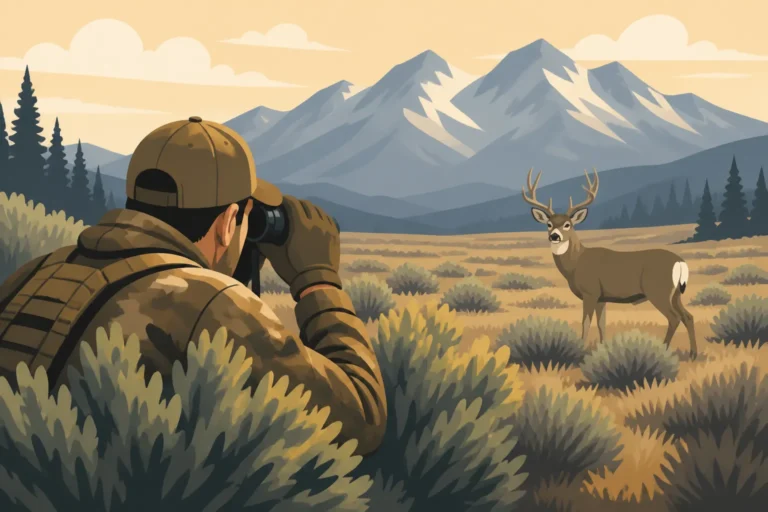
- Extended Range: From your fly-in camp, you can often access areas that are simply unreachable on a day hunt from a vehicle. This allows for longer stalks, more patient glassing sessions, and the ability to follow game deeper into their natural habitat. For instance, if you're Glassing an Interior Hillside for Mule Deer, you can spend days systematically covering country without external pressure.
- Minimize Pressure: Animals in truly remote areas are typically less wary of humans. This doesn't mean they're tame, but they might be less likely to bolt at the first sign or sound of human presence compared to animals near road systems. This can allow for closer approaches and more forgiving opportunities.
- Adapt to Conditions: Remote hunting demands adaptability. If the weather turns foul, you might be weathered in for a day or two. Use this time to clean gear, refine your plan, or simply rest. When conditions improve, be ready to move. This might mean Hunting in British Columbia's Coastal Rain or navigating unexpected snow in the alpine.
- Scouting in Real-Time: While pre-trip digital scouting is vital (and GoHunt is an excellent platform for this), nothing beats boots-on-the-ground observation. Spend your first days scouting heavily, identifying fresh sign, game trails, and bedding areas. Adjust your hunting strategy based on what you actually see and learn.
Remember, the goal isn't just to fill a tag, but to have a rich, immersive experience. Be patient, persistent, and respectful of the wilderness.
The Challenge of Packing Out Your Hard-Earned Harvest
This is often the most physically demanding part of a remote fly-in hunt. You've succeeded in the hunt, but now you have to get the animal out – and that means back to the plane.
The Real Work Begins:
- Field Dressing and Quartering: Prompt and efficient field dressing is critical, especially in warmer early seasons. Knowing how to quarter an animal quickly and cleanly will save you immense effort and ensure meat quality. If you're hunting moose, remember Quartering a Moose in Grizzly Country is a skill you'll want to have down pat.
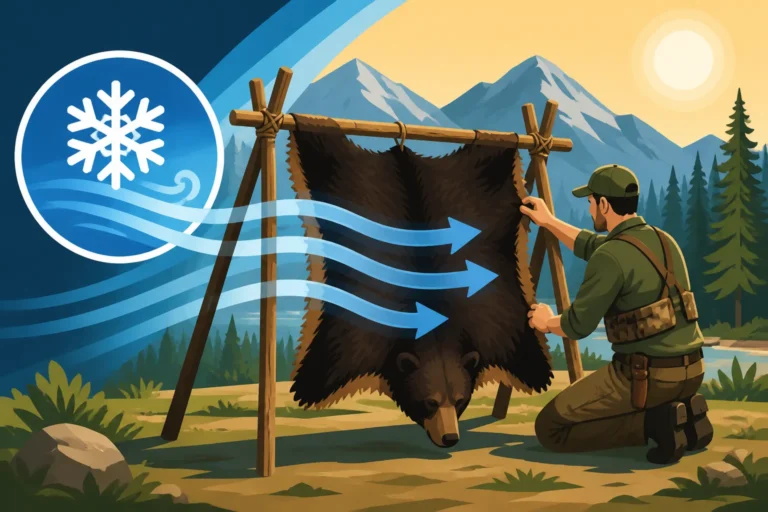
- Meat Care: Keeping meat cool and clean is paramount. Hang quarters in game bags in the shade, ideally in a breezy spot. In warmer weather, this might mean packing ice or considering specific meat care techniques like those needed for Meat Care in British Columbia's Warm Early Seasons.
- The Pack Out: This is where your physical fitness and packing strategy are truly tested. You'll likely be packing out heavy loads over rugged terrain. Frame packs are essential. Plan your route carefully, taking into account elevation changes, water crossings, and dense brush. Often, this is a multi-trip affair, requiring extreme patience and perseverance. Getting Meat Out of Steep British Columbia Country is a common challenge for hunters here.
- Communicating with Your Charter: Once the animal is harvested and processed, you'll need to communicate with your air charter. This might mean adjusting your pick-up time or even arranging an extra flight if your harvest exceeds the initial weight allowance. This flexibility is another reason why clear communication and a satellite messenger are non-negotiable.
The effort involved in packing out an animal from a remote fly-in camp makes the reward all the sweeter. It's a testament to your hard work, dedication, and respect for the animal and the challenging environment in which it lived.
Disclaimer
Hunting in British Columbia's backcountry, especially in remote fly-in camps, involves inherent risks including, but not limited to, severe weather, wildlife encounters, difficult terrain, and potential for injury or illness far from medical assistance. This guide provides general information and should not be considered a substitute for thorough personal research, proper training, professional guidance, or adherence to all local regulations and safety protocols. Always prioritize safety, prepare adequately, and respect the wilderness.