Hunting a Braided River Bar
Hunting a braided river bar in British Columbia can be one of the most exciting, yet challenging, experiences for any hunter. These dynamic landscapes, constantly reshaped by the ebb and flow of powerful rivers, can be incredibly difficult to read. It's frustrating when you spend hours navigating the complex maze of channels and islands, only to feel like you're missing the key to unlock the game that calls these transient habitats home. This guide is here to demystify the braided river bar, providing you with the knowledge and tactics to successfully pursue game in these unique and often overlooked hunting grounds.
Understanding Braided River Bars and Their Appeal to Game
Braided river bars are truly remarkable ecosystems, characterized by multiple interwoven channels that separate sediment islands, gravel bars, and vegetated sections. These aren't static environments; they're constantly changing, especially with seasonal water level fluctuations from spring runoff to fall freezes. This dynamic nature is precisely what makes them so attractive to various big game species and furbearers in British Columbia. They offer a unique blend of resources that can be hard to find elsewhere, drawing animals in for food, cover, and travel.
Ecology and Game Attraction
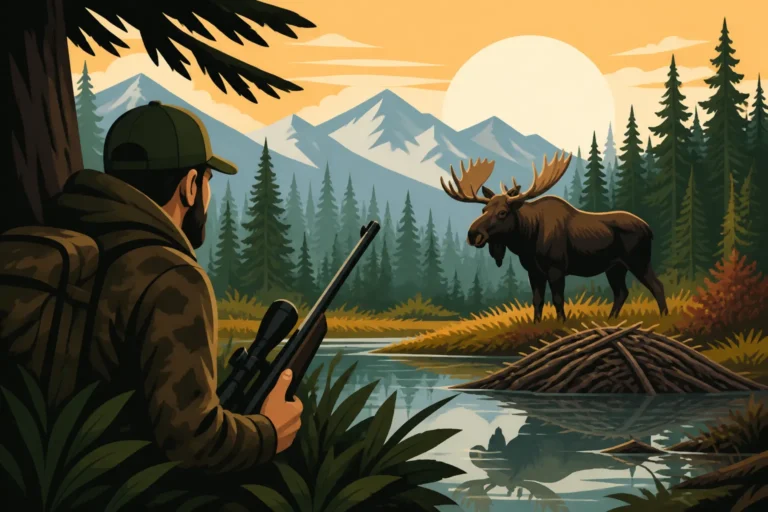
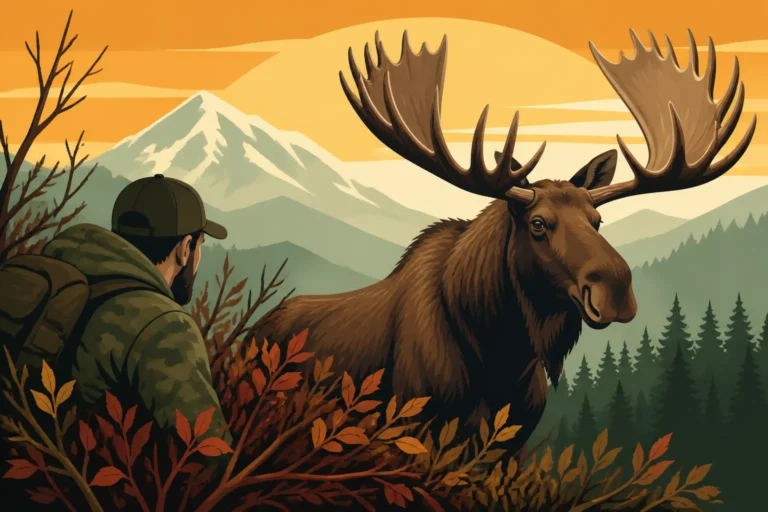
The ecology of a braided river bar is a mosaic of open gravel, sandy deposits, and surprisingly lush vegetation. As the river shifts, new ground is exposed, allowing pioneers like willows, alders, and cottonwoods to take root quickly. These young, nutrient-rich plants are gold for browsers. For instance, moose absolutely thrive on the abundant willow browse found along these river systems, using the dense thickets for both feeding and bedding. You’ll often find signs of heavy browsing, rubbed saplings, and well-worn trails weaving through the riparian zones.
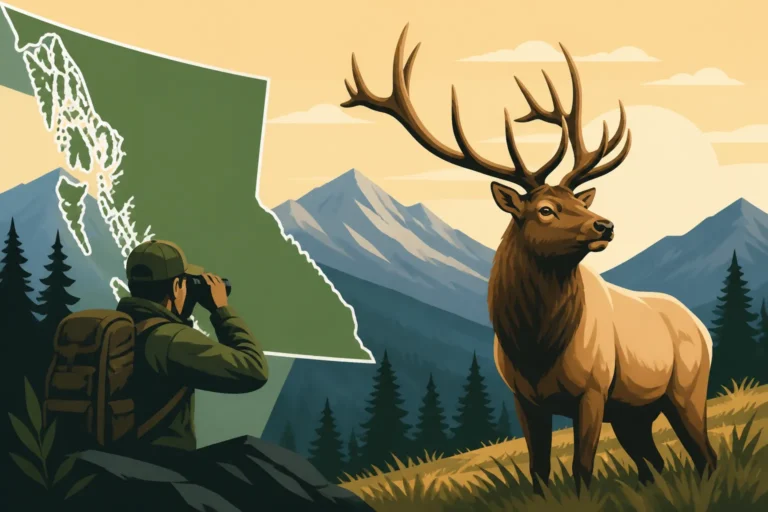
Deer, both mule deer and blacktail, also utilize river bars. They might not be as focused on the riparian browse as moose, but they use the edges where the bar transitions to mature timber for security and travel. The open areas provide good sightlines, while the willow and alder patches offer excellent cover, especially during midday bedding. Bears are another common sight, particularly in spring when fresh green shoots emerge, or in the fall when berries ripen or if salmon runs occur in the main channels. Their keen sense of smell draws them to the rich food sources, and the mixed terrain provides ample opportunities for foraging and concealment. Even species like elk can be found traversing larger river bars, especially where they intersect with their established travel corridors, offering open grazing opportunities before they retreat to timber.
Seasonal Movements and Bar Use
The behavior of game on a braided river bar changes dramatically with the seasons and, crucially, with water levels. In early spring, as ice breaks up and new growth emerges, animals like bears and moose are drawn to the bars for the first green forage after a long winter. The slightly elevated banks and islands might dry out faster, offering accessible food when higher ground is still frozen or snow-covered.
As spring runoff peaks, many sections of the bar become inundated, forcing game to move to higher ground or concentrate on the remaining accessible islands. This can create natural pinch points or funnel game movement, which can be an advantage if you’ve done your scouting. By late summer and early fall, as water levels recede, the bars become fully exposed again. This is often when they see the heaviest use. Animals are moving more for rut activity, like a bull moose actively searching for cows or a buck establishing territory. River bars provide convenient travel corridors, especially during the rut, as animals follow the path of least resistance. They are also often major crossing points, allowing game to move between different feeding or bedding areas on either side of the river. Understanding how game uses these dynamic features throughout the year is critical. It's like reading a constantly evolving map; what was a prime feeding spot last week might be under several feet of water today, and vice-versa.
Scouting and Planning Your Braided River Bar Hunt
Successfully hunting a braided river bar hinges almost entirely on meticulous scouting and planning. Unlike static terrain features, river bars are fluid and ever-changing, making pre-season reconnaissance paramount. You can't just show up and expect to find game if you haven't put in the work to understand the current conditions and historical patterns of the area. This is where modern tools and good old-fashioned boots-on-the-ground effort truly pay off.
Digital Scouting with Modern Tools
Before you even leave your couch, modern mapping tools can give you a significant advantage. Platforms like Google Earth, Gaia GPS, or specialized hunting apps such as GoHunt's mapping system allow you to virtually explore vast stretches of river from above. You can identify potential access points, estimate walking distances, and get a feel for the terrain's complexity. Look for areas where the river widens and truly braids, creating numerous islands and channels. These are often prime habitats.
When using these tools, focus on identifying key features:
- Pinch Points: Areas where the braided channels narrow, forcing game into tighter corridors. These are excellent ambush points.
- Obvious Crossings: Look for shallow sections or natural "bridges" (like fallen trees or wider, shallower channels) that animals would use to cross the river.
- Old Growth Edges: Where the river bar meets mature timber, these edges provide crucial cover and transition zones for deer and elk.
- Dense Vegetation Patches: Identify larger, denser patches of willows, alders, or cottonwoods on islands. These are likely bedding areas or primary feeding zones for moose and bears.
- Historical Water Marks: While current conditions are important, past satellite imagery can show you how the bar has changed over time. If a certain channel frequently dries up or a gravel bar consistently emerges, it gives you an idea of reliable travel routes or feeding areas. Checking a tool like GoHunt's map layers for past imagery can offer invaluable insights into how these landscapes evolve. You can learn a lot about a particular area by studying it virtually, helping you to narrow down your focus when planning to go Scouting a British Columbia Management Unit.
On-the-Ground Reconnaissance
As helpful as digital scouting is, there's absolutely no substitute for getting your boots dirty. An on-the-ground reconnaissance trip, ideally a few weeks before the season opens, will give you real-time information that satellite imagery simply can't. The river may have changed significantly since the last satellite pass, especially after heavy rains or a large melt.
During your physical scout, pay close attention to:
- Current Water Levels: How deep are the channels? Are they easily crossable? Have new channels formed or old ones filled in? This directly impacts how game will move and how you can access certain areas.
- Tracks and Trails: Look for fresh tracks of deer, moose, elk, or bear in the soft sand and mud. Follow well-used game trails to understand where animals are feeding, bedding, and moving between cover. A clear, worn trail through a willow flat is a huge indicator.
- Bedding Areas: Look for flattened vegetation in dense cover, especially on the lee side of islands or within thick willow clumps.
- Food Sources: Identify what plants are currently palatable. Are the willows heavily browsed? Are berry bushes ripe? Are there any signs of grubs or other insect activity that bears might be digging for?
- Scent and Rubs: Moose and deer will often rub trees and leave behind strong scent markers, especially leading up to the rut. Look for fresh rubs on small trees and saplings, indicating active bucks or bulls in the area.
- Access Challenges: Note any fallen timber, quicksand-like areas, or extremely dense thickets that might impede your progress or become dangerous. This helps in your planning for safe navigation during the hunt itself. If you're considering Jet Boat Access on British Columbia Rivers, scouting the channels for hazards and depths is absolutely non-negotiable.
Tactics for Successfully Hunting a Braided River Bar
Once you’ve understood the lay of the land, both digitally and physically, it’s time to formulate your hunting tactics. Hunting a braided river bar isn't a one-size-fits-all endeavor. It requires adaptability, patience, and a keen understanding of how game uses these dynamic environments. Whether you prefer moving through the terrain or observing from a distance, having a strategy tailored to the specific challenges and opportunities of a river bar will greatly increase your chances of success.
Still-Hunting and Stalking the Edges
Still-hunting is often incredibly effective on a braided river bar, especially when targeting deer or bears moving along the transition zones. This involves moving incredibly slowly, taking only a few steps at a time, and then pausing to scan the area thoroughly. Use your binoculars constantly to pick apart dense cover and identify any subtle movements or shapes that seem out of place. The key is to blend into the environment and mimic the slow, deliberate movement of prey animals.
Focus your still-hunting efforts along the edges where the open gravel and sparse vegetation meet denser willow and alder thickets, or where the bar abuts the main timberline. These are natural travel corridors and areas where game feels secure yet has access to food. Pay particular attention to areas with good horizontal cover, like fallen logs or driftwood piles, as game often skirts these features. When you're still-hunting, always be mindful of your sound. The crunch of gravel underfoot can be surprisingly loud, so choose your steps carefully, opting for softer ground or mud when possible. This method is particularly useful for Hunting British Columbia's Coastal Blacktail which are masters of using dense cover.
Glassing and Observation
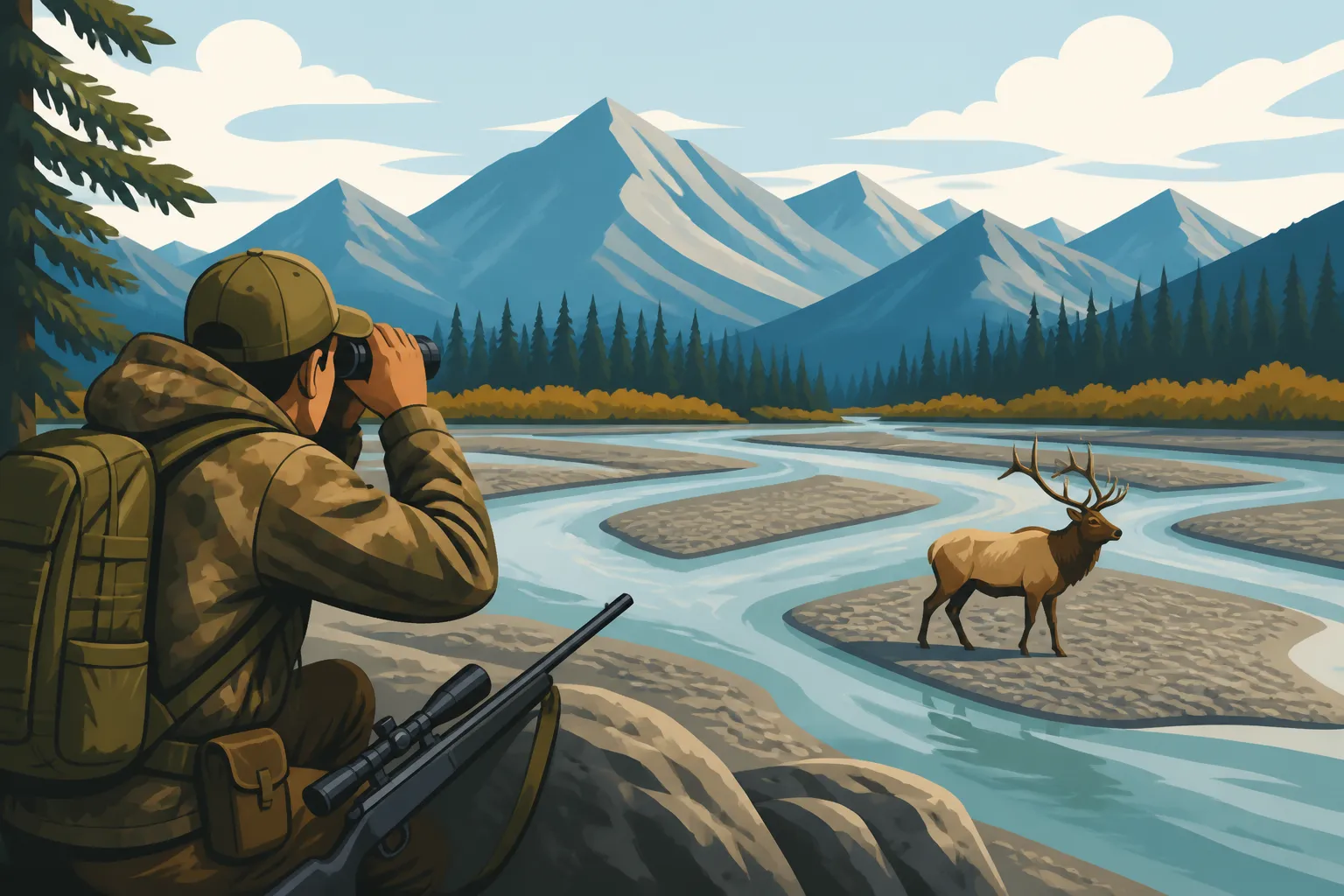
For larger river systems, or when targeting moose or elk, glassing from a distance can be incredibly productive. Finding an elevated vantage point – perhaps a small knoll, a cutbank, or even a higher section of the riverbank – allows you to scan a large area of the bar without disturbing the game. Early morning and late evening are prime times, as animals are often most active during these low-light periods, moving from bedding areas to feed.
Set up your spotting scope or binoculars and systematically pick apart the landscape. Look for movement, obviously, but also for subtle details: a flicker of an ear, a patch of hide, or an antler tine silhouetted against the sky. Pay close attention to the interfaces between different habitat types – the edge of a willow flat, a small island of cottonwoods, or where a side channel meets the main flow. Game will often appear, seemingly out of nowhere, as they emerge from cover to feed or cross open areas. When you're glassing for a bull, especially when Calling Moose in the Rut, knowing their preferred movement patterns across the bar will give you a significant advantage. The open nature of many river bars means that patiently observing can yield incredible results, allowing you to spot animals like those found when Hunting a British Columbia Lakeshore for Moose or even Hunting an Interior Douglas Fir Bench in the distance, before they are aware of your presence.
Using Cover and Wind
The wind on a river bar can be tricky. Rivers often act as natural wind tunnels, channeling air currents in predictable directions, but localized topography, dense thickets, and even specific islands can create swirling eddies. Always prioritize hunting with the wind in your favor, keeping your scent from being carried towards where you expect game to be. Check the wind frequently, using a wind checker or by observing vegetation movement.
Beyond wind, utilize the natural cover that the river bar provides. Driftwood piles, dense willow patches, mature cottonwoods along the banks – these are your allies. Move from cover to cover, minimizing your profile and using shadows to your advantage. If you spot an animal at a distance, plan your stalk by mapping out a route that uses every available piece of concealment. This might mean crawling, taking a circuitous path, or even using the sound of rushing water to mask your approach. Understanding how to use the terrain and the elements is paramount to getting within ethical shooting range without being detected.
Essential Gear and Safety Considerations for River Bar Hunting
Hunting a braided river bar presents unique challenges that require specific gear and a heightened awareness of safety. The dynamic environment, with its changing water levels, unpredictable footing, and potential for isolation, means you need to be well-prepared for a variety of conditions. Don't skimp on these critical elements; your comfort and safety depend on them.
Essential Gear for River Bar Hunts
Packing smart for a river bar hunt can make or break your trip. You'll likely encounter a mix of wet, muddy, and dry conditions, potentially with significant temperature swings.
- Footwear: Waterproof boots are non-negotiable. Look for boots that offer excellent ankle support, as the uneven terrain of gravel, mud, and submerged logs can be treacherous. Many hunters opt for hip boots or even chest waders, especially if deep water crossings are frequent. This allows you to navigate side channels and access areas that others might avoid.
- Navigation: While GPS units or smartphone apps with downloaded maps (like GoHunt's offline maps) are essential, always carry a physical map and compass as a backup. Batteries can die, and satellite signals can be intermittent in deep river valleys. Familiarize yourself with how to use them before you go.
- Optics: A good pair of binoculars (10×42 or 10×50 are great all-around choices) is critical for glassing those open stretches. A spotting scope can be invaluable if you're planning to sit and glass large areas for extended periods, helping you identify animals at extreme distances.
- Layered Clothing: British Columbia weather is notoriously fickle. Pack layers made of moisture-wicking materials. A good waterproof and windproof outer shell is a must, even on sunny days, as river breezes can be chilling.
- Emergency Kit: This should include a first-aid kit, fire-starting materials, a headlamp, emergency shelter, extra food and water, and a multi-tool. Consider also carrying a small saw for clearing shooting lanes or for firewood.
- Game Bags and Rope: If you're successful, you'll need a way to protect and transport your meat. Quality game bags are crucial, and strong rope can help with quartering and hanging meat, especially important if you are practicing Meat Care in British Columbia's Warm Early Seasons.
Water Crossing and Bear Safety
Navigating the dynamic channels of a braided river bar demands caution.
- Water Crossings: Before attempting any water crossing, assess the depth and current. Use a sturdy stick or trekking pole to probe the bottom and test for stability. Look for the widest, slowest-moving sections. If the water is above your knees and moving quickly, consider if it's truly safe to cross. Rapidly moving water, even if shallow, can knock you off your feet. Never cross alone if there's any doubt, and always undo your pack's hip belt and sternum strap so you can shed it quickly if you fall.
- Bear Safety: British Columbia's river systems, particularly those with salmon runs, are prime bear habitat. Both black bears and grizzlies frequent these areas. Always carry bear spray, know how to use it, and keep it accessible, not buried in your pack. A firearm for bear defense is also a serious consideration for many hunters, especially in remote areas. Make noise periodically, particularly when moving through dense cover, to avoid surprising a bear. Be extra vigilant during dawn and dusk, and pay attention to fresh bear sign like tracks, scat, and overturned rocks or torn-up logs. If you're near a salmon stream, assume bears are present and act accordingly. Remember, being aware and prepared is key for Bear Safety While Hunting in British Columbia. Given the remote nature of many river bar hunts, having a communication device like a satellite messenger is a smart move. Devices discussed in Satellite Communication on a Remote Hunt can literally be lifesavers, allowing you to call for help even where cell service is non-existent.
By understanding the unique challenges of braided river bars and preparing accordingly, you can enhance both your safety and your success in these wild, captivating British Columbia hunting grounds.
Comparing River Bar Terrain to Other BC Habitats
To truly appreciate the nuances of hunting a braided river bar, it’s helpful to understand how its features compare to other common hunting habitats in British Columbia. This table highlights some key differences and similarities across various environments.
| Feature | Braided River Bar | Dense Second-Growth Timber | Open Alpine Basins | Interior Grassland Draws |
|---|---|---|---|---|
| Visibility | Mixed: Open gravel patches to dense willow thickets | Low, visibility often limited to metres | High, vast open vistas | High in open, low in draws and pockets |
| Primary Game | Moose, Black Bear, Mule Deer, Elk (variable) | Blacktail Deer, Black Bear, Moose (variable) | Mountain Goats, Sheep, Grizzly Bear, Ptarmigan | Mule Deer, Whitetail Deer, Coyotes, Elk (in some areas) |
| Terrain Complexity | Highly dynamic, shifting channels, uneven footing | Variable, often steep, dense underbrush | Steep, rocky, scree slopes, high elevation | Rolling hills, sagebrush flats, steep cut banks |
| Access | Often limited by water levels, boat or wading required | Logging roads, deactivated roads, foot access | Horseback, foot, fly-in, very remote | Roads, ATV trails, foot access |
| Cover | Willows, alders, cottonwood thickets, driftwood | Young conifers, dense brush, fallen timber | Rock slides, small timber patches, cliff faces | Sagebrush, pockets of timber, creek bottoms |
| Water Availability | Abundant, but can be challenging to cross | Variable, often limited to creeks or small seeps | Snowmelt, alpine lakes, intermittent streams | Limited, often only in creek bottoms or dugouts |
| Predator Presence | High, especially bears (grizzly/black) | High, cougars, wolves, black bears | High, grizzly bears, wolves, wolverines | Medium, coyotes, wolves, some cougars |
| Hunting Style | Still-hunt edges, glass from vantage, spot-and-stalk | Still-hunting, slow methodical pushes | Spot-and-stalk, often long-range shooting | Glassing, spot-and-stalk, calling |
This comparison illustrates that while a braided river bar shares some characteristics with other habitats, its dynamic nature and unique blend of open and covered areas, coupled with ever-present water challenges, truly set it apart. It demands a specific set of skills and preparation, distinguishing it from, say, Hunting a Second-Growth Timber Block or Hunting an Alpine Basin Above a Road.
Disclaimer
Hunting is a demanding activity that carries inherent risks. The information provided in this guide is for informational purposes only and is not a substitute for proper training, experience, or professional guidance. Always prioritize safety, respect wildlife, adhere to all local hunting regulations, and ensure you have the necessary licenses and permits. Environmental conditions in British Columbia can change rapidly; be prepared for all eventualities and inform others of your hunting plans.