Using Horses to Pack Out in British Columbia
British Columbia's vast, wild landscapes are undeniably breathtaking, but anyone who’s spent a few days deep in the backcountry knows the real challenge often begins after the shot is fired. You've worked hard, you've made a clean harvest, and now you’re staring down hundreds of pounds of prime wild meat, sometimes miles from the nearest trail or road, often in rugged, unforgiving terrain. That feeling of dread when you realize the sheer physical effort of packing out an animal, especially something as large as a moose or an elk, is a frustration many hunters face. This guide is all about tackling that beast of a task by showing you how horses can be an absolute game-changer for retrieving your hard-earned game in British Columbia.
Why Horses Are Essential for British Columbia's Backcountry
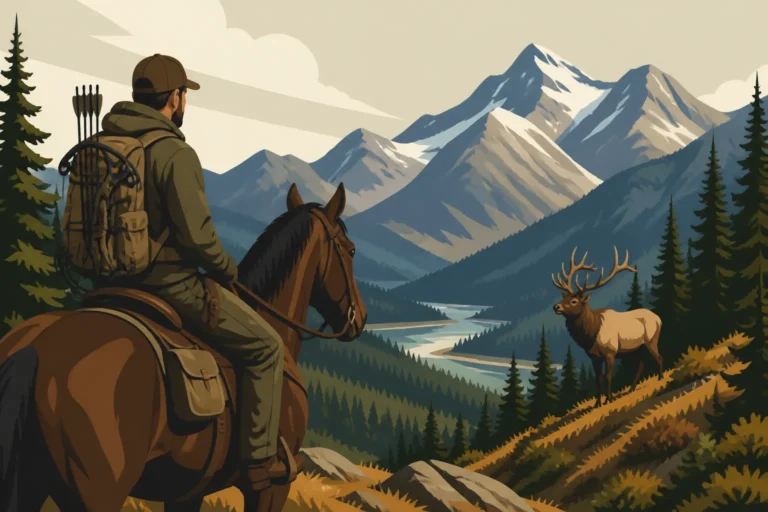
British Columbia is a province of extremes: towering mountains, dense forests, expansive plateaus, and deep river valleys. This incredible diversity offers unparalleled hunting opportunities, but it also presents significant logistical challenges when it comes to game retrieval. Relying solely on your own two feet and a pack frame might be feasible for a small deer near a logging road, but when you're several ridgelines deep with an elk or a bull moose, horses transition from a luxury to an absolute necessity. The sheer scale and remoteness of much of the province's prime hunting grounds make them incredibly difficult, if not impossible, to access and exit efficiently without equine assistance.
The Unique Challenges of British Columbia's Terrain
Imagine trying to navigate the tangled, often steep and wet, second-growth forests of the Coast Range, or the vast, broken timber and canyons of the Cariboo and Chilcotin Plateaus, or the seemingly endless ascents and descents of the Northern Rockies. This isn't flat prairie hunting. British Columbia's landscape is famously unforgiving, characterized by dramatic elevation changes, thick underbrush, slippery moss-covered rocks, and often unbridged creeks and rivers. Trying to haul out hundreds of pounds of meat on your back through this kind of country is not only physically brutal but also dangerous.
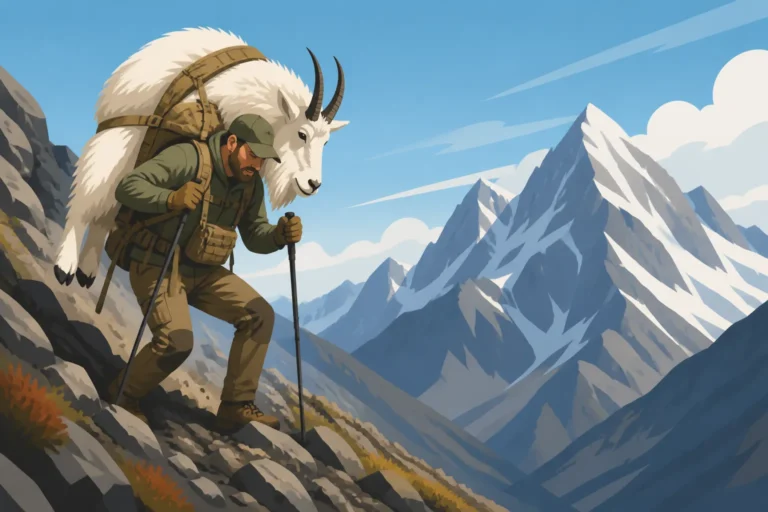
Foot travel alone limits your range, forcing you to hunt closer to access points and potentially sacrificing opportunities for bigger, less pressured animals deeper in the wilderness. Horses allow you to push further into these remote areas, opening up vast tracts of public hunting land that would otherwise remain largely untouched by foot hunters. Think about hunting above timberline in the early season; a successful hunt for sheep or goat in the alpine means you're often looking at thousands of feet of elevation loss before you even hit a reasonable trail. For insights into exploring these areas, check out our guide on how hunters utilize Horseback Hunting British Columbia's Backcountry.
The Physical Demands of Packing Out Game
Let's be brutally honest: packing out an entire moose or a mature bull elk on your back is a monumental undertaking. A quarter of a bull moose can easily weigh 150-200 pounds, and a large elk quarter isn't far behind. Even if you're in peak physical condition, making multiple trips through challenging terrain can take days, exposing your meat to spoilage, attracting predators, and draining you completely. The risk of injury, from falls on steep slopes to strains from heavy lifting, increases dramatically with each trip.
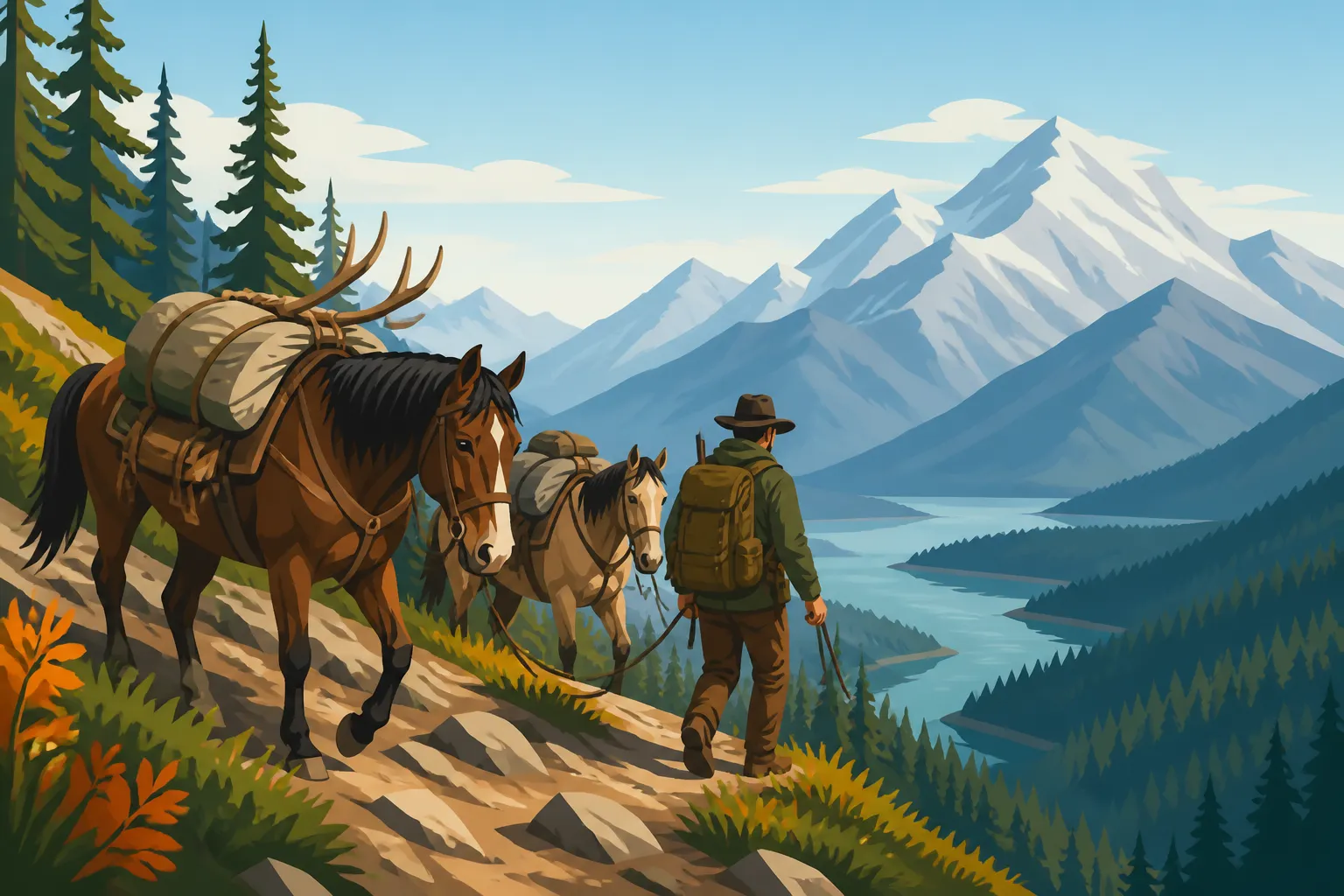
By using horses, you can consolidate those multiple, grueling trips into one or two more manageable hauls. A single pack horse can comfortably carry 150-200 pounds, and often more, allowing you to bring out an entire animal in a fraction of the time and with significantly less physical toll on your body. This efficiency is critical, especially when you're dealing with warmer early season temperatures where meat spoilage is a real concern. Knowing you have the means to quickly and safely extract your animal can influence your decision-making in the field, allowing you to venture deeper and pursue bigger game with confidence. For comparison with foot-based methods, you might find our article on Packing Meat With a Frame Pack insightful.
Understanding Equine Logistics for a Pack-Out
Successfully using horses for a pack-out isn't just about throwing some meat on their backs and heading home. It requires careful planning, the right equipment, and a solid understanding of horse care and behavior. It’s an investment of time and resources, but one that pays dividends in terms of efficiency, safety, and access to prime hunting grounds. Many hunters find that resources like GoHunt offer great planning tools for scouting terrain and identifying potential challenges when planning pack-in or pack-out routes.
Planning Your Horseback Pack-Out
The planning phase for a horseback pack-out starts long before you ever leave home. You need to scout your hunting area not just for game, but for horse-friendly routes. This means identifying trails, checking for fallen timber that might block progress, assessing creek crossings for depth and stability, and finding suitable staging areas where you can safely trailer your horses. Topographical maps, satellite imagery, and even tools like GoHunt's mapping features can be invaluable for this kind of reconnaissance, helping you visualize the terrain and anticipate obstacles. Consider the specific management unit you'll be hunting; understanding British Columbia's Management Units and Regions is key to planning.
It’s also crucial to factor in the total distance, elevation changes, and the type of terrain your horses will be traversing. A seasoned pack horse can cover a surprising amount of ground, but they have limits, especially when heavily loaded. You need to plan for feed and water availability along your route and at your camp. If you're setting up a spike camp in the alpine, for example, you'll need to consider how to get your horses in and out, and where they can graze or be fed. Our guide on Setting a Spike Camp Above Timberline provides useful context for such expeditions. Don't forget to consider contingency plans for unexpected weather changes or potential injuries to either yourself or your animals.
Essential Gear for Horse Packing
Outfitting your horses properly is non-negotiable for a safe and effective pack-out. At the core of your setup are the saddles and panniers. You’ll need either traditional pack saddles designed specifically for carrying loads, or sturdy riding saddles with attachment points for saddlebags and panniers if your horses double as mounts. Panniers, which are specialized bags that hang on either side of the horse, come in various materials from canvas to durable synthetic fabrics, and should be chosen based on the weight and type of gear you plan to carry.
Beyond the main hauling equipment, a comprehensive kit includes:
- Lead Ropes and Halters: For safely leading and securing your horses.
- Hobbles or High Lines: For securing horses in camp without tying them directly to trees, which can damage bark.
- Protective Boots or Shoes: Essential for horses travelling on rocky or rough terrain.
- First-Aid Kit for Animals: Including wraps, antiseptic, painkillers, and any specific medications your horses might need.
- Repair Kit: For patching panniers or minor tack repairs.
- Game Bags: Durable, breathable game bags are crucial for keeping meat clean and allowing it to cool properly.
- Tarps or Game Covers: To protect meat from sun, rain, and insects during transit or while awaiting pickup.
A good rule of thumb is to ensure all your gear is in excellent condition before the hunt. A broken cinch strap or torn pannier deep in the backcountry can quickly turn a manageable situation into a major ordeal.
| Item Type | Purpose | Key Features | Considerations |
|---|---|---|---|
| Pack Saddles | Distribute heavy loads evenly over the horse's back | Rigid tree, multiple attachment points (D-rings, hooks) | Fit to specific horse, condition of rigging |
| Panniers | Carry game meat, camp gear, supplies | Heavy-duty canvas or synthetic, reinforced straps | Volume, durability, ease of loading/unloading |
| Ropes | Secure loads, lead horses, set up high lines | Nylon or poly, various lengths, good knots essential | Strength, resistance to weather, knot knowledge |
| Game Bags | Protect and air out meat | Breathable, strong synthetic mesh (e.g., Tag Bags) | Size for quarters, durability for sharp bones, washing |
| Animal First-Aid | Address minor injuries or ailments | Antiseptic, wraps, hoof pick, pain relief, vet meds | Familiarity with use, knowing horse's baseline health |
| Protective Boots | Shield hooves from sharp rocks, reduce wear | Durable synthetic, secure fastenings | Proper fit, condition of boots |
The Art of Loading and Securing Game
Once you've made your harvest, the real work of the pack-out begins. This stage is where your preparation and knowledge truly pay off. Improperly loaded game can shift, spook a horse, damage the meat, or even injure an animal or person. Learning to field dress, quarter, and then balance heavy, awkward loads is a skill that comes with practice, but understanding the fundamentals is vital.
Field Dressing and Quartering for Horse Packing
The first step in preparing your game for a horse pack-out is proper field dressing and quartering. For larger animals like moose and elk, this usually means breaking the animal down into four quarters, the backstraps, tenderloins, and sometimes the neck and rib meat. The head and cape, if you plan to keep them for a trophy, are also significant loads. The goal is to create manageable, relatively symmetrical pieces that can be loaded onto a horse without too much bulk or sharp edges.
Speed and cleanliness are paramount, especially in warmer weather. Get the hide off quickly, quarter the animal, and get the meat into breathable game bags. This allows air circulation to cool the meat down, which is absolutely critical to prevent spoilage. You want to avoid plastic tarps or bags directly on the meat for extended periods, as this traps heat and moisture, creating a perfect environment for bacterial growth. If you’re hunting in British Columbia’s typically wet conditions, understanding Field Dressing in British Columbia's Wet Weather can be particularly helpful. Remember, any bone-in sections should be deboned if possible to reduce weight and irregular shapes, making them much easier to pack.
Balancing Loads and Safe Trail Practices
The golden rule of horse packing is balance. Each horse needs its load distributed as evenly as possible from side to side and front to back. An unbalanced load will rub, shift, cause discomfort to the animal, and can even lead to serious injury or a wrecked load if the horse spooks or struggles. Many outfitters and experienced packers rely on a scale to ensure each pannier weighs exactly the same before it goes on the horse.
Securing the load involves strong ropes and specific knot-tying techniques, like the diamond hitch, which effectively cinches everything down and prevents shifting. Beyond just tying, it’s about understanding how the load will move on the trail – through thick brush, over logs, and up steep inclines. You need to ensure nothing dangles, rubs, or catches on obstacles. This often means wrapping quarters in extra protective material to prevent sharp bones from poking through panniers.
When travelling, always lead your horses in a controlled manner, paying attention to their footing and reacting to trail conditions. Never rush them. Clear the path of major obstacles if possible, and be mindful of low branches or tight squeezes. If you're leading multiple horses, ensure they maintain adequate spacing to prevent tangles or accidents. This methodical approach might seem slower, but it significantly reduces the risk of mishaps, which can be catastrophic in remote areas where help is hours or even days away. When considering remote areas, it's wise to consider the challenges of communication; our article on Where British Columbia Cell Coverage Ends offers a sobering reality.
Hiring or Owning: Making the Right Choice
For many British Columbia hunters, the decision boils down to whether to invest in their own horses and gear, or to rely on the expertise of a professional outfitter or guide. Both options have their merits and drawbacks, and the best choice often depends on your experience level, financial resources, and the type of hunting you plan to do.
Working with a British Columbia Guide or Outfitter
For hunters new to horse packing, or those tackling extremely remote or challenging areas, hiring a reputable British Columbia guide or outfitter is often the wisest decision. These professionals bring a lifetime of experience, intimate knowledge of the local terrain, and well-trained, reliable animals. They handle all the logistics of animal care, gear, and safe transportation, allowing you to focus entirely on the hunt itself. Outfitters often operate in specific territories, sometimes under special permits, giving them unique access. If you're considering this route, research guides who specialize in the species and region you're interested in, such as those who offer Booking a British Columbia Sheep Hunt or even a general Moose Hunting British Columbia's Interior trip which often utilizes horses.
The cost of a guided hunt that includes horse packing can be substantial, reflecting the significant investment in animals, equipment, and expert knowledge. However, it often includes food, camp setup, and the guide's assistance in all aspects of the hunt, from scouting to field dressing and packing out your game. This removes immense stress and dramatically increases your chances of a successful and safe experience, especially when trying to get meat out of really challenging areas like those found in British Columbia's Northern Rockies. Guides are also well-versed in British Columbia Guide Outfitter Licensing Rules and regulations, ensuring your hunt is compliant. Understanding What a British Columbia Guided Hunt Costs can help you budget appropriately for this invaluable service.
Considerations for Bringing Your Own Horses
If you own horses, have extensive packing experience, and are comfortable with backcountry animal care, bringing your own animals offers unparalleled freedom and can be more cost-effective in the long run. You control your schedule, choose your own routes, and build a unique bond with your animals in the wilderness. However, this path comes with significant responsibilities. You need reliable pack horses that are accustomed to rugged terrain, heavy loads, and potentially challenging situations like dense timber or river crossings.
Logistically, you'll need a suitable truck and trailer to transport your animals to the trailhead. You'll also need to pack all their feed, first-aid, and equipment. The care of the horses becomes your primary responsibility, requiring constant vigilance to prevent injuries, manage grazing, and ensure they remain healthy throughout the trip. It’s a lot of work, but for many seasoned backcountry hunters, the independence and self-sufficiency are deeply rewarding. Before you embark on such an adventure, ensure you've thoroughly reviewed Emergency Planning in British Columbia's Backcountry specific to having animals. GoHunt's online resources can also assist with planning routes, especially for those venturing out independently.
No matter your choice, recognizing the immense value horses bring to British Columbia hunting will dramatically open up your opportunities and transform your backcountry experience.
Disclaimer
The information provided in this guide is for general informational purposes only and does not constitute professional advice. Hunting in British Columbia involves inherent risks, and it is the responsibility of each individual hunter to adhere to all provincial and federal regulations, possess appropriate licenses, ensure their own safety, and be adequately prepared for backcountry conditions. Always consult the most current British Columbia Hunting and Trapping Synopsis, and consider hiring a licensed guide or outfitter for remote or challenging hunts.