The Guide Outfitters Association of British Columbia
For many hunters, especially those new to British Columbia or those coming from out of province, the sheer scale and unique regulations of hunting here can feel overwhelming. Finding a reliable, ethical outfitter is a critical step, but knowing where to start your search and who to trust can be a real headache. This guide will shine a light on the Guide Outfitters Association of British Columbia (GOABC), detailing what they are, what they do, and how they serve as a cornerstone for ethical, well-managed hunting experiences across our vast province.
What is the Guide Outfitters Association of British Columbia (GOABC)?
Navigating the world of guided hunts in British Columbia can feel like charting unknown territory. That's where the Guide Outfitters Association of British Columbia, or GOABC, comes in. It’s not just a club; it's a professional organization that represents the licensed guide outfitting businesses across our beautiful province. Think of them as the collective voice and standard-bearer for an industry that plays a huge role in BC's conservation efforts and economy. For anyone considering a guided hunt here, understanding the GOABC is absolutely essential because they are the stewards of ethical practice and the guardians of a respected tradition.
Its History and Mission
The roots of guide outfitting in British Columbia stretch back generations, to a time when guiding was often the only way to access vast, undeveloped wilderness and safely navigate its challenges. As the province grew and hunting regulations became more formalized, the need for a unified voice and a set of professional standards became clear. The GOABC was formed to meet this need, bringing together individual guide outfitters under a common banner. Their mission is straightforward: to promote the conservation of wildlife, to advocate for the guide outfitting industry, and to ensure that members operate at the highest ethical and professional levels. They aim to safeguard BC’s hunting heritage for future generations, understanding that responsible hunting is key to conservation.
This mission isn't just about good intentions; it's about practical action. They work tirelessly to ensure that our wildlife populations remain healthy and abundant, recognizing that the health of the game species directly impacts the future of hunting itself. By setting and upholding stringent standards for their members, the GOABC provides a level of assurance to both hunters and the public that guided hunts in British Columbia are conducted with respect for the animals, the land, and the laws. They are deeply invested in the long-term sustainability of hunting, knowing that this requires constant vigilance and proactive engagement with wildlife management.
The Role of Guide Outfitting in British Columbia
Guide outfitting in British Columbia isn't merely a commercial enterprise; it's an integral part of wildlife management and conservation, especially for non-resident hunters. Under BC law, non-residents of Canada are generally required to hunt with a licensed guide outfitter or be accompanied by a resident holding a Permit to Accompany Explained. This regulation is designed to ensure that those less familiar with BC's unique terrain, species, and regulations have an experienced professional to ensure safety, compliance, and ethical hunting practices. Guide outfitters, through their extensive knowledge of specific territories and animal populations, often act as frontline conservationists, providing critical data to wildlife biologists and actively participating in habitat enhancement projects.
These outfitters are typically allocated specific guide outfitter territories, which they manage and operate within, often for decades. This system encourages a long-term investment in the health of the local wildlife and habitat, as their livelihoods depend directly on sustainable practices. They have a vested interest in British Columbia's Wildlife Management Area Rules and ensure their clients adhere to all regulations. Many outfitters have a generational understanding of their territories, knowing migration patterns, animal movements, and seasonal changes in a way that few others can. This deep, local knowledge is invaluable, contributing not only to successful hunts but also to scientific understanding and ongoing conservation efforts.
What Does the GOABC Do for Hunters and Outfitters?
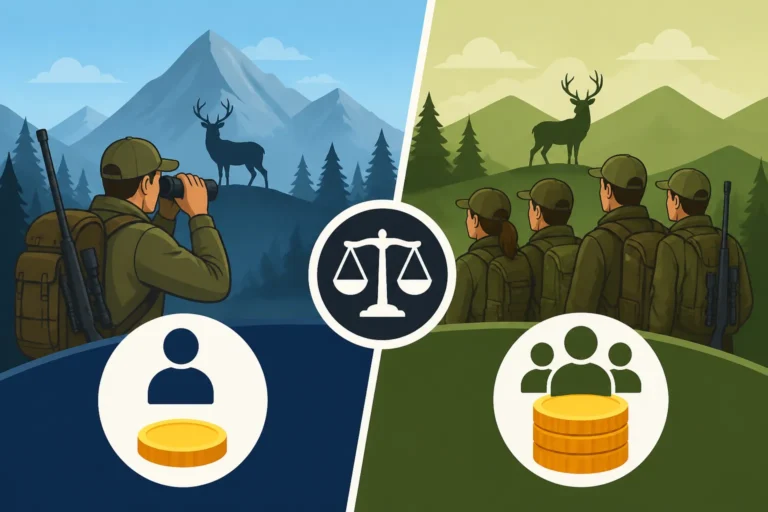
The GOABC serves as a vital bridge between the hunting community, the guide outfitting industry, and various levels of government and regulatory bodies. For hunters, they offer a degree of confidence and a resource for finding reputable guides. For outfitters, they provide a collective voice, support network, and a platform for professional development. It’s a two-way street, where the association strives to improve the hunting experience for clients while simultaneously bolstering the standing and operational capabilities of its members.
Advocacy and Representation
One of the most crucial roles the GOABC plays is that of an advocate for guide outfitters and, by extension, for the sustainable hunting community in British Columbia. They actively engage with provincial government ministries, such as the Ministry of Forests, Lands, Natural Resource Operations and Rural Development, and participate in policy discussions that directly affect hunting regulations, wildlife management, and land access. Imagine the challenge of individual outfitters trying to influence policy on their own; the GOABC consolidates their concerns and presents a unified, professional front. They are often at the table when decisions are being made about British Columbia Big Game Season Dates, British Columbia's Compulsory Reporting Rules, or even broader land-use planning that impacts wildlife habitat.
This advocacy isn't just about protecting the economic interests of outfitters; it's about ensuring sound, science-based wildlife management decisions are made. They lobby for adequate funding for wildlife research, support initiatives that combat poaching, and work to maintain public access to Crown land for hunting, which is increasingly under pressure. Without a strong, organized voice like the GOABC, the concerns of guide outfitters and the broader hunting community could easily be overlooked in complex political landscapes. Their consistent presence and engagement help shape a regulatory environment that supports responsible hunting and thriving wildlife populations.
Promoting Best Practices
The guide outfitting industry faces unique challenges, from navigating remote terrain to ensuring client safety and managing wildlife ethically. The GOABC plays a critical role in promoting and upholding best practices across its membership. They develop guidelines, offer training opportunities, and encourage a culture of continuous improvement among outfitters and their staff. This can range from promoting the latest in Bear Safety While Hunting in British Columbia protocols to sharing information on proper Meat Care in British Columbia's Warm Early Seasons to ensure game is handled ethically and efficiently.
This commitment to best practices extends to client relations, ensuring transparent booking procedures, clear communication about hunt expectations, and adherence to high standards of service. When you choose a GOABC member, you're not just picking any outfitter; you're selecting one who has committed to a code of ethics and professional conduct. This helps mitigate potential issues and ensures a more positive experience for the hunter. They understand that a good reputation for the entire industry hinges on the conduct of each individual member, and they work to elevate that standard for everyone involved.
Hunter Resources and Support
For many hunters, especially those planning a trip from afar, the GOABC website and its associated resources can be an invaluable starting point. They often provide detailed information on British Columbia Hunting Licences and Fees, British Columbia's Species Licences and Tags, and even how British Columbia's Limited Entry Hunting Draws work. Beyond just regulations, they can also point you towards reputable outfitters, offer insights into different types of hunts – whether it's Booking a British Columbia Sheep Hunt or a British Columbia Spring Bear Hunt Packages – and give a realistic picture of what to expect on a guided trip.
Thinking about planning your next big adventure? Platforms like BookYourHunt often feature GOABC-affiliated outfitters, allowing you to browse different options with the assurance that these guides are part of a respected professional body. Similarly, researching on sites like GoHunt might lead you to articles or resources that highlight the value of choosing an outfitter who adheres to the GOABC's standards. These resources simplify the research process, helping hunters make informed decisions and connect with ethical guides who are committed to providing a quality experience.
Membership: What it Means for British Columbia Outfitters
Becoming a member of the Guide Outfitters Association of British Columbia is a significant step for any guide outfitter operating in the province. It's not just about paying dues; it signifies a commitment to professional standards, ethical conduct, and a collective vision for the future of hunting in BC. For outfitters, it offers a range of benefits, from advocacy to marketing support, and for hunters, it provides a crucial indicator of reliability and quality.
Membership Requirements and Standards
The GOABC doesn't simply hand out memberships. There are specific requirements and standards that guide outfitters must meet to be accepted into and maintain their affiliation with the association. This typically includes holding all necessary provincial licenses and permits, demonstrating a strong track record of ethical operations, and agreeing to abide by the GOABC's Code of Conduct and Bylaws. These standards often go beyond the minimum legal requirements, setting a higher bar for professionalism and accountability within the industry. For example, they may have guidelines on British Columbia Guide Outfitter Licensing Rules that emphasize ongoing education or specific reporting protocols beyond what is mandated by the province.
Outfitters must prove their commitment to wildlife conservation, client safety, and the fair chase principle. This vetting process helps ensure that only reputable and responsible operators are associated with the GOABC name. It's an ongoing commitment, too; members are expected to maintain these standards throughout their membership, with processes in place for addressing complaints or breaches of conduct. This rigorous approach is what gives the GOABC its credibility and why it's a mark of distinction for the outfitters who carry its membership.
Benefits for Members
For a guide outfitter, GOABC membership brings a wealth of advantages. On a professional level, it offers a strong collective voice in legislative matters, ensuring their concerns are heard by policymakers. This is invaluable when dealing with changes to hunting seasons, allocation of tags, or access to hunting areas. The association also provides members with ongoing support, educational resources, and networking opportunities that foster professional growth and knowledge sharing. From legal updates to marketing strategies, the GOABC acts as a central hub of information and assistance for its members.
Beyond advocacy and resources, membership often translates into increased visibility and credibility. Being listed in the GOABC directory, and being able to display the GOABC logo, acts as a powerful endorsement, signaling to potential clients that they are a reputable and vetted operator. In a competitive market, this professional affiliation can be a significant differentiator, helping outfitters attract clients who prioritize ethical practices and a high standard of service. It demonstrates a commitment that goes beyond just running a business, extending into the broader health of the industry.
The Value of Choosing a Member Outfitter
For hunters, especially those travelling a long distance and making a substantial investment in a guided hunt, selecting a GOABC member outfitter offers significant peace of mind. It acts as a primary filter, helping you narrow down your search to operators who have committed to a higher standard of professionalism and ethical conduct. When you see that GOABC logo, you know the outfitter has agreed to a code of ethics, adheres to provincial regulations, and is part of an association dedicated to the long-term health of British Columbia's wildlife and hunting opportunities. This isn't a guarantee of success on your hunt – nature is unpredictable, after all – but it does signify a commitment to a fair and responsible experience.
Think of it as a quality assurance stamp in an industry where reputations matter immensely. While there are many excellent non-member outfitters, choosing a GOABC member provides an extra layer of confidence. If you're looking for Choosing the Right British Columbia Outfitter, starting with the GOABC directory is a sensible step. You can also cross-reference with platforms like GoHunt, which often highlights outfitters with strong ethical standing, or check reviews on BookYourHunt, keeping an eye out for mentions of GOABC affiliation. This can save you a lot of time and potential headaches in your search.
Ensuring Ethical Hunting and Conservation in British Columbia
At its core, the GOABC is deeply committed to ensuring that guide outfitting contributes positively to wildlife conservation and maintains the highest ethical standards in British Columbia. They understand that the future of their industry is inextricably linked to the health of the province's wildlife populations and the public perception of hunting. This commitment goes beyond rhetoric, manifesting in tangible actions and collaborative efforts.
Collaboration with Government and Stakeholders
The GOABC doesn't operate in a vacuum. A significant part of its conservation mandate involves active collaboration with the British Columbia government, specifically wildlife management agencies, and other key stakeholders, including First Nations, conservation groups, and other resource users. They participate in ongoing discussions about wildlife populations, habitat management, and sustainable harvest levels for various species like Moose in British Columbia's Interior and North or Roosevelt and Rocky Mountain Elk in British Columbia. This collaborative approach ensures that the expertise of experienced outfitters, who spend countless hours in the field, is brought to bear on critical management decisions.
For example, when there are concerns about a particular species' population trend, GOABC members often provide valuable anecdotal and observational data that complements scientific surveys. They also work to educate their members about new regulations or changes to management strategies, such as British Columbia's Compulsory Reporting Rules, ensuring that the industry remains compliant and proactive. This multi-stakeholder engagement is essential for navigating the complex landscape of wildlife management in a province as diverse and ecologically rich as British Columbia.
Conservation Initiatives and Funding
Beyond advocacy, the GOABC is actively involved in and supports various conservation initiatives directly. They understand that healthy wildlife populations are the lifeblood of their industry, and they invest time, effort, and resources into projects that benefit game species and their habitats. This can range from supporting research projects into British Columbia's Caribou Recovery Effort to participating in habitat restoration efforts. Many outfitters, as part of their membership commitment, contribute to these broader conservation goals.
A key aspect of this is often tied to funding mechanisms. Hunters in British Columbia contribute financially to conservation through various fees and surcharges, like the Habitat Conservation Trust Foundation (HCTF). The GOABC ensures that the guide outfitting sector's perspective is heard in how these funds are allocated, advocating for projects that deliver tangible benefits to wildlife and habitat. This direct involvement in conservation funding and projects underscores their dedication to preserving British Columbia's natural heritage for future generations, far beyond just the act of hunting.
Maintaining High Ethical Standards
The public perception of hunting is heavily influenced by how it is conducted. The GOABC takes seriously its role in maintaining and promoting high ethical standards among its members. Their Code of Conduct addresses various aspects of ethical hunting, including fair chase principles, responsible use of resources, respect for wildlife, and adherence to all laws. This focus on ethics helps to ensure that guided hunts are conducted in a manner that is respectful of the animals, the environment, and the spirit of hunting.
If a hunter has a concern about an outfitter, the GOABC often provides a mechanism for addressing such issues, offering a level of accountability that might not exist otherwise. This commitment to upholding ethical standards is crucial for the long-term viability of guide outfitting and hunting in British Columbia, ensuring that the industry operates with integrity and public trust. It also helps to educate new hunters on what constitutes responsible behavior in the field, setting a strong precedent for all participants in a guided hunt.
Finding and Vetting a GOABC Outfitter
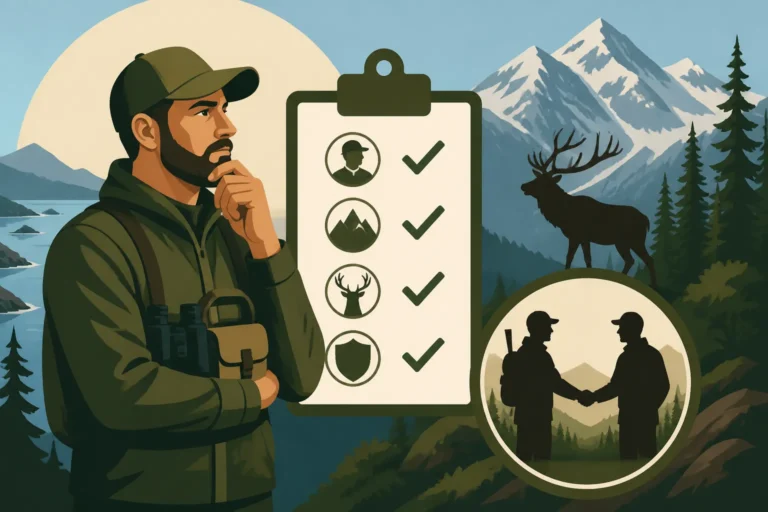
So, you've decided a guided hunt in British Columbia is for you, and you understand the value of choosing a GOABC member. Now comes the practical part: finding the right outfitter and ensuring they're the perfect fit for your specific hunting dreams. It can feel like a big decision, and it is! This section will walk you through how to leverage the GOABC's resources and what questions you should be asking to make an informed choice.
Using the GOABC Directory and Resources
The most straightforward way to start your search is by visiting the official GOABC website. They typically maintain a comprehensive directory of their member outfitters, often searchable by species, region, or even specific hunting methods. This is an invaluable starting point, as every outfitter listed there has already met the association’s membership requirements and committed to their code of conduct. You can explore options for Hunting Guides and Outfitters in British Columbia with a degree of confidence right from the outset.
Beyond just a list, the GOABC site might offer profiles, contact information, and links to individual outfitter websites. Take your time browsing these profiles. Look for outfitters specializing in the species you're after – whether it's Mule Deer Across British Columbia's Interior or Black Bears Across British Columbia – and the type of terrain you're comfortable hunting in. Don't be afraid to click through to their personal websites; a well-maintained site often reflects a well-run business. This initial research will help you create a shortlist of potential guides to contact directly.
Questions to Ask Before Booking
Once you have a few GOABC member outfitters in mind, it's time to pick up the phone or send an email. This is where you really start vetting them. Don't be shy; reputable outfitters expect prospective clients to have plenty of questions. Here’s a table of crucial questions you should consider asking:
| Category | Key Questions to Ask | Why it Matters |
|---|---|---|
| Experience | How long have you been operating? What is your experience with specific species? | Indicates their level of expertise and familiarity with your target animal. |
| Hunt Details | What does a typical day look like? What is the client-to-guide ratio? | Sets expectations for the physical demands, pace, and personalized attention. |
| Logistics | What are the camp accommodations? How do we get to camp? | Crucial for comfort, accessibility, and understanding the overall trip structure. |
| Inclusions | What's included (food, lodging, field care)? What's not included? | Avoids hidden costs and ensures you know what to budget for beyond the hunt fee. |
| Success Rates | What are your typical success rates for this species/hunt? | Provides a realistic expectation, but remember, these are just statistics, not guarantees. |
| References | Can you provide references from past clients? | Allows you to speak with others who have experienced their service firsthand. |
| Safety | What are your safety protocols, especially regarding Bear Safety While Hunting? | Ensures they prioritize your well-being in the backcountry. |
| Harvest & Care | How is game processed and cared for in the field? What about trophy preparation? | Important for ethical meat handling and ensuring your trophy is properly preserved. |
Beyond these questions, ask about their specific territory – how big it is, what kind of habitat it offers, and what kind of hunting areas you'll be accessing. Discuss the physical demands of the hunt frankly; if you're Backpack Hunting British Columbia's Sheep Country, you need to be prepared for it. A good outfitter will be transparent and honest in their answers, helping you decide if their operation aligns with your expectations and capabilities. This is also a good opportunity to gauge their communication style and personality, which can be a huge factor in a successful multi-day hunt.
Understanding What a Guided Hunt Entails
Even after asking all the right questions, it's vital to have a realistic understanding of what a guided hunt in British Columbia actually entails. It's not a guaranteed kill; it's an immersive experience in the wild. You are paying for the outfitter's expertise, their knowledge of the land, their equipment, and their efforts to put you in a position to harvest an animal. The outcome, however, still relies on many factors, including weather, animal movement, and your own hunting skills. As you prepare, you might want to look into topics like What a British Columbia Guided Hunt Costs so you have a full picture of the financial commitment involved.
A good guide will work tirelessly to make your hunt successful, but they are dealing with wild animals in vast, often challenging terrain. Expect early mornings, long days, and potentially physically demanding conditions. Be clear about your physical limitations and your expectations from the outset. Read the contract thoroughly, paying attention to cancellation policies and what happens if weather or other unforeseen circumstances impact the hunt. Sites like BookYourHunt and GoHunt sometimes offer articles or reviews that further detail what to expect from different types of guided hunts, helping to manage expectations. The more informed you are, the more you’ll be able to appreciate the full experience, regardless of whether you punch your tag.
How the GOABC Supports British Columbia's Hunting Heritage
British Columbia has a rich and long-standing hunting heritage, deeply woven into the fabric of its history and culture. The Guide Outfitters Association of British Columbia recognizes its vital role in not only maintaining but actively strengthening this heritage for generations to come. Their work extends beyond just current operations, encompassing education, economic contributions, and the protection of crucial access.
Education and Public Outreach
Part of preserving hunting heritage involves educating both hunters and the non-hunting public about its value and importance. The GOABC takes on this responsibility through various education and public outreach initiatives. They work to dispel misconceptions about hunting, highlight its conservation benefits, and showcase the ethical practices that define the guide outfitting industry. This often involves participating in trade shows, engaging with media, and providing clear, factual information about wildlife management and the role of hunting.
They emphasize how hunting, and particularly the guide outfitting sector, contributes significantly to wildlife monitoring and conservation funding in British Columbia. For new hunters, they might help clarify aspects of British Columbia's CORE Exam and FWID or explain the nuances of British Columbia's Four-Point Antler Restriction on mule deer, helping to foster responsible participation. By proactively sharing information and engaging in dialogue, the GOABC helps to build a broader understanding and appreciation for hunting as a legitimate and essential part of wildlife management and cultural tradition.
Economic Contributions to Rural Communities
Guided hunting is more than just an outdoor activity; it’s a significant economic driver, particularly for remote and rural communities across British Columbia. Guide outfitters often employ local staff, purchase supplies from local businesses, and bring in clients who spend money on lodging, food, and other services. This creates jobs and supports economies in areas where other opportunities might be scarce. The GOABC highlights these contributions, showcasing how their industry provides vital economic stability in many regions of the province.
Consider a small town in northern BC, for instance, where an outfitter might be the largest private employer. The dollars spent on Jet Boat Access on British Columbia Rivers or Horseback Hunting British Columbia's Backcountry flow directly into these communities. The GOABC actively works to demonstrate and quantify this economic impact to government and the public, emphasizing that supporting guide outfitting means supporting local economies. It’s a tangible benefit that often goes overlooked, but it's crucial for the well-being of many of British Columbia's smaller settlements.
Protecting Access and Opportunities
One of the greatest challenges facing hunters today is the gradual erosion of access to hunting lands and opportunities. The GOABC plays a critical role in safeguarding these rights and ensuring that hunters continue to have places to pursue game. They actively monitor land-use planning decisions, engage with various government bodies regarding road access, and advocate for the interests of hunters in discussions about parks, protected areas, and resource development. This includes advocating for continued access on British Columbia's Forest Service Road Network and within various British Columbia Wildlife Management Areas.
This protection of access is fundamental to the future of hunting. Without places to hunt, the tradition cannot continue. The GOABC champions the importance of maintaining diverse hunting opportunities, from accessible hunts near population centres to remote backcountry experiences. By working proactively to address threats to access and promoting responsible land use, they ensure that the rich hunting heritage of British Columbia remains vibrant and available for current and future generations of hunters.
Disclaimer
This article is for general informational purposes only and does not constitute professional advice. Laws, prices and regulations vary by location and change over time. Consult a qualified professional for guidance on your specific situation.