British Columbia’s Caribou Recovery Effort
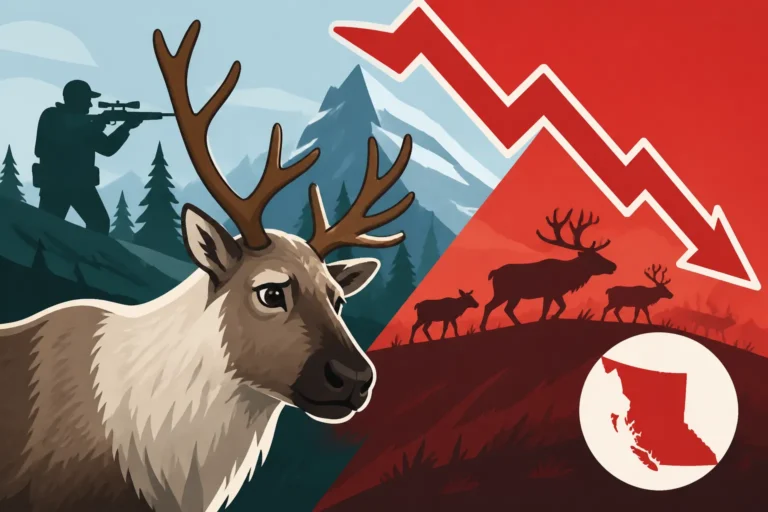
It’s a heartbreaking reality for many of us who cherish British Columbia’s wild places: the profound struggle of our caribou populations. When we talk about hunting in this province, we often focus on species like deer, moose, or elk, but caribou carry a special weight, a symbol of our untamed wilderness that is sadly, in many areas, fading. This guide aims to shed light on the complex, often frustrating, but absolutely critical efforts being made across British Columbia to save our caribou, and what their declining numbers mean for us as hunters and outdoor enthusiasts.
Understanding the Plight of British Columbia's Caribou
For generations, caribou roamed freely across vast stretches of British Columbia, an iconic presence in our diverse ecosystems. Now, many of these herds face a precarious future, teetering on the edge of local extinction in some regions. It’s a complex issue, not just a simple matter of one cause, but a confluence of environmental shifts and human impacts that have pushed these magnificent animals into a corner.
The Different Caribou Herds and Their Habitats
British Columbia is home to a few distinct types of caribou, each with its own unique adaptations and challenges. Understanding these distinctions is crucial because their recovery strategies often need to be tailored to their specific way of life.
First, we have the Mountain Caribou. These are the deep-snow specialists, found predominantly in the southeastern and central interior mountains of British Columbia. They're unique in North America for their diet: they largely subsist on arboreal lichens that grow on old-growth trees, especially hemlock and cedar, which they access by navigating deep, stable snowpacks that support their weight above the less palatable ground vegetation. This reliance on old-growth forests and predictable snow conditions makes them incredibly vulnerable to changes in their habitat. Their world is one of towering trees and hushed, snowy slopes, and they've evolved over millennia to thrive there.
Then there are the Boreal Caribou, inhabiting the flat, boggy boreal forests of northeastern British Columbia. These caribou are often found in peatlands and muskeg country, areas generally less disturbed by human activity in the past. They rely on terrestrial lichens found on the forest floor, along with sedges and shrubs, and their strategy is one of avoidance – they prefer vast, undisturbed areas where predator encounters are naturally minimized. Their habitat is less about elevation and more about expansive, remote wet forests.
Finally, we have the Northern Caribou, which are more widespread across the northern half of the province. These herds tend to be more migratory, often moving between different seasonal ranges, sometimes covering significant distances. Their diets are a mix of lichens, grasses, and shrubs, reflecting the varied terrain they traverse, from alpine tundra to open forests. Some Northern herds are still doing relatively well compared to their southern counterparts, but even they face pressures. Each of these caribou types, while all caribou, effectively live in different worlds, making a one-size-fits-all recovery plan practically impossible. It’s a stark reminder of the incredible biodiversity within a single species, and how intricately linked they are to their specific environments.
Why Caribou Numbers Have Declined So Dramatically
The story of caribou decline is a sad tapestry woven from several threads, most of which lead back to human activity. It's not one single culprit, but a cascade of changes that have eroded their ability to survive and reproduce.
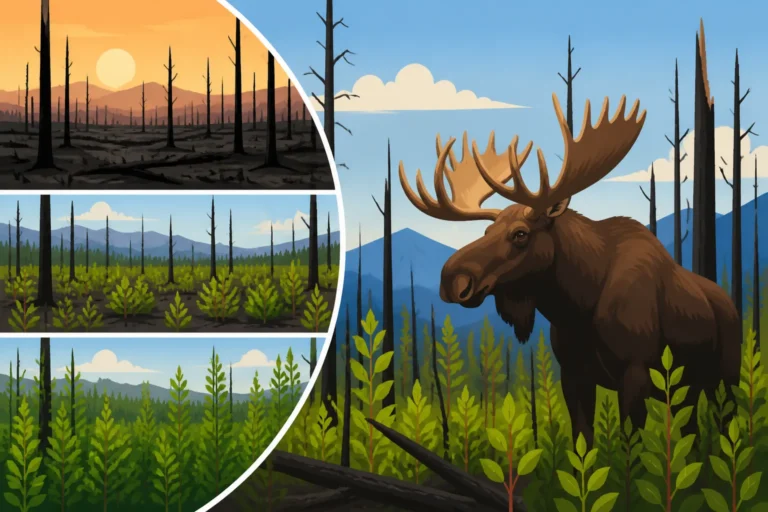
One of the most significant factors is habitat loss and fragmentation. Think about it: our growing communities, logging operations, mining ventures, and the vast network of roads that support them have eaten away at the very forests and wild spaces caribou call home. Old-growth forests, vital for mountain caribou and their arboreal lichens, have been selectively harvested. Linear disturbances like logging roads and seismic lines, even if revegetated, don't just reduce habitat; they act like highways for predators. You can learn more about how different landscapes impact game in Hunting a Recent Cutblock in Its Third Year or Hunting a Beetle-Killed Pine Stand. This fragmentation breaks up large, contiguous areas that caribou need to disperse and avoid predators, essentially shrinking their safe zones into isolated islands.
This leads directly to the issue of increased predator access due to human disturbance. When we build roads or clear-cut areas, we inadvertently make it easier for wolves, cougars, and even bears to access areas that were once natural strongholds for caribou. Predators can travel faster and farther on these linear features, increasing their encounter rates with caribou, particularly the vulnerable calves. Furthermore, changes in habitat sometimes lead to an increase in other prey species like deer and moose, which in turn supports higher predator populations, adding even more pressure on the caribou. It's a cruel domino effect, and it’s why understanding How Predators Shape Moose Numbers can give us insight into caribou challenges too.
Then there's the looming specter of climate change impacts. Changes in snowpack—whether it's less snow in some areas, more unpredictable thaw-freeze cycles, or rain-on-snow events—can directly impact mountain caribou's access to arboreal lichens, making it harder for them to forage. Shifting weather patterns can also affect the timing of plant growth, potentially altering the availability of preferred forage for all caribou types at critical times like calving. These are subtle yet powerful forces, quietly chipping away at the caribou's resilience.
While less of a current factor, historical overhunting also played a role in initial declines, especially in the early 20th century before robust wildlife management was in place. Today, hunting is largely curtailed for caribou, as we'll discuss, but it's important context for understanding the long history of pressure on these herds. The overall picture is one of a species struggling to adapt to a rapidly changing landscape, much of it altered by us. It's why so many of us are deeply concerned about Which Caribou Herds Are in Trouble and what we can do to help.
Key Pillars of British Columbia's Caribou Recovery Efforts
Given the dire situation for many caribou herds, a multi-pronged approach has been put into action, encompassing everything from protecting their remaining sanctuaries to actively managing the ecosystems they inhabit. These efforts are often complex, sometimes controversial, but always aimed at giving caribou a fighting chance.
Habitat Protection and Restoration
At the heart of any caribou recovery plan is ensuring they have a place to live, and that means safeguarding and restoring their critical habitat. This isn't just about putting up fences; it's about thoughtful land-use planning on a massive scale.
One primary strategy involves the creation of protected areas and reserves. These are specific geographic zones where industrial activities like logging and mining are restricted or prohibited, giving caribou a sanctuary from disturbance. The Muskwa-Kechika Management Area in northern BC is a prime example of a large, integrated management area where conservation is a high priority alongside other resource uses, although even within such areas, challenges persist. These zones are vital for providing the undisturbed old-growth forests and vast wilderness that caribou depend on. It's about drawing lines on a map and saying, "This area is for caribou first."
Beyond protection, there's a significant focus on deactivation of logging roads and re-forestation. As mentioned earlier, old logging roads act as highways for predators. Deactivating these roads—removing culverts, ripping up the road bed, and allowing vegetation to reclaim the path—can reduce predator access and help the landscape return to a more natural state over time. Reforestation efforts, particularly with species that contribute to caribou forage like lichens, are long-term investments in future habitat. It's a slow process, but every tree planted and every road closed helps to mend the fractured landscape.
Ultimately, it's about managing the industrial footprint across British Columbia's vast Crown land. This means working with resource industries to minimize disturbance, implementing best practices for operating near caribou habitat, and exploring ways to reduce cumulative impacts. It’s a constant balancing act between economic activity and ecological preservation, and it falls under the purview of how different British Columbia's Management Units and Regions are governed. The goal is not necessarily to halt all activity, but to ensure that what we do allows caribou to persist and hopefully, to thrive once more.
Predator Management Strategies
This is arguably the most controversial, but often deemed necessary, component of caribou recovery, particularly for the most at-risk herds. When caribou numbers are critically low, even a slight increase in predation can be devastating.
The rationale behind predator management is rooted in the understanding that increased human disturbance (habitat loss, linear features) has given predators an unfair advantage, leading to higher-than-natural predation rates on caribou. The goal isn't to eradicate predators, but to temporarily reduce their numbers in specific caribou recovery areas to give the caribou a chance to stabilize and grow their populations. Without this intervention, some herds might simply disappear while long-term habitat restoration takes hold.
The primary focus is often on wolf management in specific areas. Wolves are highly effective predators, and their populations can thrive in areas where other prey, like deer and moose, are abundant. When caribou herds are small and isolated, they become highly vulnerable. Management strategies might involve targeted removal of wolves in critical caribou habitat. This is a highly sensitive topic, as wolves are an integral part of the ecosystem, and many people have strong feelings about their management. However, for wildlife managers facing the imminent loss of caribou herds, it's often seen as a necessary, albeit difficult, decision.
The overarching goal is to reduce predation pressure on struggling herds, giving calves a better chance of survival and allowing the adult population to rebound. It's important to understand that these are usually temporary measures, implemented as a stop-gap while larger, more enduring habitat improvements are made. Balancing the needs of one species (caribou) against another (wolves) in a damaged ecosystem is a monumental challenge, highlighting the complexity of conservation. This is not about blaming predators, but about addressing an ecological imbalance caused by human actions.
Supplemental Feeding and Maternal Penning Programs
Sometimes, habitat protection and predator management aren't enough on their own, especially for herds on the brink. In these cases, more intensive, direct interventions are explored to boost caribou survival rates.
Maternal penning programs are a fascinating, and often successful, strategy. This involves capturing pregnant cows and moving them into large, predator-proof enclosures (pens) in the backcountry before they calve. The cows then give birth and raise their calves in a safe environment, free from predation. After a few months, once the calves are larger and more able to evade predators, the cows and calves are released back into the wild. This significantly increases calf survival rates, as early life is the most vulnerable period. The pens are monitored closely, and the animals are provided with supplemental feed if natural forage is scarce. It’s a labour-intensive and costly process, often requiring significant volunteer effort, but it has shown promise in boosting the numbers of some critically endangered herds.
Supplemental feeding is another direct intervention, though typically used more sparingly and in conjunction with other efforts. This involves providing food sources, such as lichen or specially formulated pellets, to caribou during periods of deep snow or low natural forage availability. The idea is to improve their body condition, particularly for pregnant cows or during harsh winters, giving them a better chance of survival and reproductive success. However, supplemental feeding can also come with its own challenges, such as habituating animals to human presence, potentially concentrating them and increasing disease transmission, or altering their natural foraging behaviours. It's a tool that's used with caution and only when absolutely necessary, often as a bridge while more sustainable, long-term solutions are being implemented.
These direct interventions are seen as intensive care for the caribou, aimed at preventing immediate collapse while the longer-term strategies of habitat recovery and broader ecosystem management take effect. They represent a significant investment in the future of British Columbia's caribou.
The Role of Hunters and Public Engagement in Caribou Conservation
As hunters and outdoor enthusiasts, we have a unique connection to wildlife and wild places. The decline of caribou is a poignant reminder of our responsibilities, and while direct hunting opportunities for caribou are severely limited, our role in conservation remains vital.
Hunting Moratoriums and Limited Opportunities
For many in British Columbia, the caribou hunt is now a memory or a distant dream. The grim reality of declining populations has led to extensive hunting moratoriums across much of the province. This means that for most caribou herds, particularly the Mountain and Boreal caribou, there are simply no hunting seasons open.
This can be incredibly frustrating for hunters who have a deep respect for these animals and cherish the opportunity to pursue them. The chance to harvest a caribou represents a connection to the truly wild, remote corners of our province. However, the conservation community, including many hunters, recognizes the necessity of these closures. When a species is facing extinction, every individual counts, and removing any animals through hunting would be counterproductive to recovery efforts. It's a bitter pill to swallow, but it reflects a shared commitment to the long-term survival of the species.
While widespread caribou hunting is largely a thing of the past in British Columbia, there might be extremely limited opportunities in certain, robust Northern caribou herds. These are typically managed through highly restrictive Limited Entry Hunting (LEH) draws with incredibly low odds, designed to ensure only a tiny, sustainable harvest occurs, if any at all. It's paramount for hunters to thoroughly check the most current British Columbia Hunting Regulations Synopsis for any potential opportunities, but the expectation should be that caribou hunting is effectively closed in almost all areas. These are not general open seasons like you might find for other big game, as you can see when checking British Columbia Big Game Season Dates. It’s a testament to how seriously the province takes caribou conservation that these opportunities are so rare.
Supporting Conservation Initiatives
Even without a hunt, hunters have a critical role to play in caribou recovery, primarily through their support of broader conservation efforts. Our passion for wildlife naturally aligns with the goals of conservation.
One significant way is by supporting non-profits and volunteer groups dedicated to caribou recovery. Organizations like the Caribou Conservation Association or local conservation groups often spearhead habitat restoration projects, assist with maternal penning, or engage in public education. Your time, donations, or even just helping spread awareness can make a tangible difference. These groups are often the boots on the ground, doing the vital work that government agencies can't always manage alone.
Hunters also contribute financially through their licence fees, specifically the Wildlife Habitat Conservation Stamp. This stamp, which is mandatory for most hunting licences in British Columbia, directs funds directly towards habitat acquisition, restoration, and wildlife management projects across the province, including those that benefit caribou. It’s a direct way that every hunter contributes to the health of British Columbia's ecosystems, even for species they may never hunt. For more on this, you can look up The Wildlife Habitat Conservation Stamp.
Furthermore, responsible recreation and minimizing disturbance are crucial. If you're recreating in caribou country, whether hunting for other species, hiking, or snowmobiling, be aware of your impact. Stay on designated trails, respect closures, and learn to identify caribou habitat to avoid unintentional disturbance, especially during sensitive times like calving or winter foraging. This is about being good stewards of the land, something many of us inherently strive for. Engaging in citizen science, such as reporting caribou sightings to wildlife authorities (without disturbing the animals), can also provide valuable data for conservation managers.
The Future Outlook for British Columbia Caribou
Looking ahead, the path for British Columbia's caribou is still uncertain and fraught with long-term challenges and uncertainties. There's no quick fix, and the recovery of these herds will take decades, if not generations. The sheer scale of habitat degradation, coupled with ongoing climate change, means that even with dedicated efforts, success is not guaranteed for all herds. Some populations may have declined beyond the point of no return.
However, there is also hope. The commitment from wildlife managers, First Nations communities, conservation groups, and the public is strong. Initiatives like maternal penning have shown that direct intervention can make a difference. The continued focus on habitat protection and restoration, combined with adaptive predator management, offers a chance for the caribou to slowly, painstakingly, rebuild. It's about maintaining a realistic perspective on recovery timeframes—we're talking about very long-term projects, where patience and sustained effort are key. The future of caribou in British Columbia will be a testament to our collective will to preserve these iconic symbols of our wild north.
Navigating Caribou Hunting Regulations
While we've established that caribou hunting opportunities are exceptionally rare in British Columbia, it's still essential for any hunter to understand the regulatory landscape, especially if that rare opportunity should ever arise, or if you encounter caribou while pursuing other species.
Understanding Limited Entry Hunting for Caribou
If you are one of the incredibly few hunters contemplating a caribou hunt in British Columbia, it will almost certainly be through a Limited Entry Hunting (LEH) draw. General Open Seasons for caribou are virtually non-existent for ethical and conservation reasons across most of the province. LEH is British Columbia’s primary tool for managing hunting pressure on sensitive species or in specific areas, ensuring that harvest levels are extremely conservative and align with conservation goals.
The process involves applying for a specific LEH zone and species during a designated application period, typically in the spring. You can learn more about this in British Columbia's Limited Entry Hunting Draws. For caribou, the odds of drawing a tag would be astronomically low, often less than 1% if an LEH hunt is even offered for a particular herd. These hunts are usually restricted to very specific areas in the far north of the province where certain Northern Caribou herds are considered stable enough to sustain a minimal harvest. It is imperative to consult the current British Columbia Hunting Regulations Synopsis, available through the Ministry of Forests, Lands, Natural Resource Operations and Rural Development (FLNRORD) website, to see if any LEH opportunities for caribou exist for the current hunting season. This document is your bible for all things regulatory, including Caribou Hunting Where Seasons Are Open, should such a rare opportunity exist. Without a valid LEH authorization for caribou, hunting them is strictly illegal.
Ethical Considerations for Caribou Hunters
Even if a hunting opportunity for caribou seems like a remote possibility, the ethical responsibilities of a hunter remain paramount. When it comes to a species facing such intense conservation challenges, the ethical bar is set even higher.
Firstly, there's the overriding principle of respect for the species itself. Caribou are a majestic and vulnerable animal. Any hunter fortunate enough to draw an LEH tag for caribou would carry an immense responsibility to ensure a clean, ethical harvest, and to treat the animal with the utmost respect. This isn't just about following the letter of the law, but embodying the spirit of conservation that dictates our actions in the field.
A conservation-minded approach means more than just adhering to legal bag limits or season dates. It means understanding the broader ecological context of the hunt. If you're in an area with a limited caribou season, your presence and actions could impact the herd beyond just the animal you harvest. It means doing everything in your power to minimize disturbance to other caribou, particularly cows and calves. It also means actively supporting conservation efforts that go beyond hunting. Many hunters view themselves as the ultimate conservationists, as they are directly invested in the health and abundance of wildlife populations. For caribou, this role is critical.
Ultimately, the broader role of hunters in conservation extends beyond any individual species. By purchasing licences, advocating for habitat protection, reporting poaching, and participating in citizen science, hunters contribute significantly to the health of British Columbia's wildlife as a whole. For caribou, this collective support, even without a direct hunting season, is essential for their survival and recovery.
Here's a look at some of the common caribou recovery strategies you might hear about:
| Strategy | Description | Pros | Cons | Primary Goal |
|---|---|---|---|---|
| Habitat Protection | Establishing protected areas, limiting industrial activity. | Long-term sustainability, ecosystem benefits. | Slow to show results, ongoing pressure from development. | Secure existing caribou habitat |
| Habitat Restoration | Deactivating roads, reforestation, managing old-growth. | Reclaims lost habitat, reduces predator access. | Extremely slow process, costly, needs continuous maintenance. | Reconnect and improve fragmented habitat |
| Predator Management | Targeted reduction of predators (e.g., wolves) in key caribou areas. | Can provide immediate relief to struggling herds, boosts calf survival. | Controversial, temporary solution, public perception challenges, ethical debates. | Reduce immediate predation pressure |
| Maternal Penning | Capturing pregnant cows, raising calves in safe enclosures, then releasing. | Significantly increases calf survival rates in vulnerable herds. | High cost, labour-intensive, potential for habituation, small-scale impact. | Boost calf recruitment in critical herds |
| Supplemental Feeding | Providing extra food sources during harsh conditions. | Improves body condition, aids survival in critical periods. | Risk of disease transmission, altered behaviour, short-term fix, can attract predators. | Enhance caribou health and survival in short-term |
| Relocation/Translocation | Moving caribou from healthy herds to bolster struggling ones. | Can introduce genetic diversity and new animals to declining herds. | Stressful for animals, high mortality risk, source herds can be impacted. | Establish new herds or supplement small ones |
Disclaimer
This article is for general informational purposes only and does not constitute professional advice. Laws, prices and regulations vary by location and change over time. Consult a qualified professional for guidance on your specific situation.