Day Rates Versus Package Prices
Hunting in British Columbia, especially with an outfitter, often presents a perplexing choice right from the start: are you looking at a day rate or a package price? This distinction can lead to significant confusion, making hunters wonder if they're truly comparing apples to apples, or if hidden costs are lurking just out of sight, ready to derail their carefully planned budget. This guide will meticulously break down the differences between day rates and all-inclusive package prices, helping you understand what each entails and which option might be the right fit for your next BC adventure.
Understanding British Columbia Hunting Day Rates
When you first start looking at guided hunts in British Columbia, particularly for species where opportunities might be more localized or accessible, you'll often encounter outfitters advertising a "day rate." At first glance, this can seem like a more affordable, flexible option. However, it's crucial to understand exactly what that daily fee covers and, more importantly, what it doesn't. Misinterpreting a day rate can lead to unexpected expenses that quickly add up, turning what looked like a bargain into a costly surprise.
The Basic Structure of a Day Rate
A day rate, in its simplest form, is typically a fee charged per hunter per day for the services of a guide. Think of it as hiring a professional for their time and expertise in the field. This usually means the guide will accompany you, help with scouting, provide local knowledge, assist in game recovery, and offer general hunting guidance. For many, this model offers a sense of control, allowing them to tailor aspects of the hunt that might be rigidly defined in a package. Perhaps you only need a guide for a few days to get oriented in a new area, or you have very specific logistical requirements that don't fit a standard package.
The primary advantage here is flexibility. You might only book a guide for three days of a five-day trip, choosing to scout or hunt independently for the remainder. This can potentially lower your upfront cash outlay, especially if you're a resident hunter who already owns most of your gear, has your own vehicle, and possesses a good understanding of British Columbia's vast public lands. For instance, if you're targeting a common species like black bear during the spring season on easily accessible logging roads, and you just need an expert eye for judging bears or advice on specific areas, a day rate might be a compelling option.
However, the "pros" of flexibility quickly give way to the "cons" of extensive planning and potential cost overruns. While the per-day cost might appear lower, it's rare that it encompasses much beyond the guide's direct presence. All the other elements that make up a successful hunt — from putting food on the table to actually getting to the hunting grounds — often fall squarely on your shoulders, and your wallet.
What's Typically Excluded from a Day Rate
This is where the rubber meets the road with day rates, and where many hunters get caught off guard. While the daily fee covers your guide's time, almost everything else is an additional expense you'll need to factor into your budget. This isn't necessarily a bad thing, as long as you know about it upfront and plan accordingly.
Common exclusions from a day rate often include:
- Food and Lodging: Unless explicitly stated, you'll be responsible for all your meals, and where you'll lay your head at night. This could mean bringing all your own camp gear and food for a backcountry spike camp, or booking and paying for hotels and restaurant meals if you're hunting closer to civilization. Even if the outfitter provides a basic camp, the food might be an extra charge.
- Transportation: Getting to the hunting area, and then getting around in the hunting area, is almost always an additional cost. This means fuel for your vehicle, or paying for specialized transport like ATVs, jet boats, horses, or even a charter plane for remote access. Don't forget the costs associated with wear and tear on your own vehicle if you're using it on rough logging roads. For some areas, access might even require Jet Boat Access on British Columbia Rivers or Horseback Hunting British Columbia's Backcountry.
- Species Licenses and Tags: This is a universal exclusion for all guided hunts, whether day rate or package. You'll always need to purchase your general British Columbia hunting licence and specific tags for the animal you're pursuing. These costs can vary significantly depending on the species and whether you're a resident, non-resident Canadian, or non-resident alien. You'll want to review British Columbia Hunting Licences and Fees and British Columbia's Species Licences and Tags well in advance.
- Government Fees and Taxes: There are often provincial or federal taxes applied to the guide's services, as well as additional administrative fees. Always clarify what these are.
- Trophy Fees: For some outfitters, particularly with species that have high demand or limited quotas, a separate "trophy fee" might be charged after you harvest an animal. While less common with day rates for standard species, it's essential to ask.
- Meat Processing and Taxidermy: Once the animal is down, the costs don't stop. Getting your game processed at a butcher and potentially sent to a taxidermist are significant expenses that are never included in a day rate.
- Gratuities (Tips): Tipping your guide is customary and expected. This is a separate, often substantial, expense that needs to be budgeted for. We'll delve into Tipping a British Columbia Guide in more detail later.
- Personal Gear: You're expected to bring all your personal hunting gear, including firearms, optics, clothing, and anything else you need for comfort and safety in the field.
In essence, a day rate means you're largely an "a la carte" hunter. It provides an excellent option for those who want specific guidance without relinquishing control over other aspects of their trip, or for resident hunters who can leverage their local knowledge and existing resources. The key is thorough communication with the outfitter to get a complete breakdown of all potential costs before you commit.
Deciphering British Columbia Guided Hunt Package Prices
In stark contrast to the à la carte nature of day rates, many British Columbia outfitters offer "package prices" for their guided hunts. This model aims to simplify the hunting experience for the client by bundling most of the significant costs into a single, comprehensive price. For many hunters, especially those traveling a long distance or venturing into remote wilderness, the peace of mind offered by a package can be invaluable. However, just like day rates, it's vital to understand the nuances of what's included and what might still be an additional expense.
The All-Inclusive Promise: What a Package Offers
A guided hunt package price is designed to be largely all-inclusive, covering the majority of the expenses associated with your hunt from the moment you meet your outfitter until you depart. The idea is to allow you to focus almost entirely on the hunting experience itself, without constantly worrying about logistics or unexpected bills. This is particularly appealing to non-resident hunters who might be unfamiliar with the vastness and ruggedness of British Columbia's terrain, or the complexities of navigating its regulations.
The main advantage of a package is cost predictability. You know, upfront, what the bulk of your trip will cost, making budgeting much simpler. This stability is a huge draw for high-value hunts like sheep, goat, or specific moose draws, where the investment in the hunt itself is substantial, and logistical failures could be catastrophic. Imagine flying into a remote Northern British Columbia camp for a Booking a British Columbia Sheep Hunt – having all the flights, camp, and food handled by the outfitter reduces an immense amount of stress.
Outfitters offering packages often provide a seamless experience, handling everything from comfortable camp accommodations and hearty meals to in-field transportation via trucks, horses, or boats. This can be a huge time-saver for the hunter, eliminating the need to organize supplies, cook, or navigate unfamiliar terrain. For a non-resident alien, who legally requires a guide or a British Columbia's Permit to Accompany to hunt big game, a package simplifies the entire process, ensuring compliance and a well-managed hunt. Platforms like BookYourHunt often do a great job of laying out these package details, making it easier to compare options.
Common Inclusions and Exclusions in Packages
While "all-inclusive" sounds comprehensive, it's important to remember that the term still has some flexibility depending on the outfitter. Generally, here's what you can expect in a typical British Columbia guided hunt package:
Common Inclusions:
- Guide Services: This is fundamental, covering the guide's expertise, time, and dedication to your hunt for the duration of the package.
- Camp Accommodations: This could range from comfortable wall tents with wood stoves in a remote setting to rustic cabins, or even a lodge-based experience with full amenities. The quality and type of accommodation will often be a factor in the overall package price.
- Meals: Expect wholesome, filling meals throughout your hunt. Many outfitters pride themselves on the quality of their camp cooking, understanding that good food fuels a good hunt. This typically covers breakfast, lunch (often packed for the field), and dinner.
- In-Field Transportation: This is crucial. Packages often include the use of vehicles (4×4 trucks), horses, ATVs, or boats to access hunting areas and retrieve game. For hunts deep in the backcountry, this might include fixed-wing aircraft or helicopter charters to and from spike camps.
- Field Care of Game: Once an animal is harvested, your guide will typically assist with field dressing, quartering, and packing out the meat to a suitable storage location, along with caping and initial care of the trophy.
- Basic Camp Gear: Tents, cots, cooking equipment, and sometimes even sleeping bags might be provided, though always confirm what you need to bring.
Common Exclusions (Still Often Apply):
Despite the "package" label, there are almost always certain items that remain the hunter's responsibility and are not included in the upfront cost. These are critical to budgeting and should always be clarified with the outfitter:
- Travel to Meeting Point: You are responsible for your flights or drive to the designated meeting point, often a larger town or city near the outfitter's operating area.
- Pre and Post-Hunt Lodging/Meals: Any hotel stays or meals before or after the actual hunt dates are typically your expense.
- Species Licences, Tags, and Government Fees: As with day rates, these are always separate. Remember to factor in the cost of your British Columbia's Species Licences and Tags and your general hunting license. You can find general information on What a British Columbia Guided Hunt Costs but specific tag prices will vary.
- Taxes: Provincial and federal taxes on the package price itself.
- Gratuities (Tips): Again, tipping your guide and any camp staff (cooks, wranglers) is customary and expected. This is a significant additional cost.
- Personal Hunting Gear: Firearms, ammunition, optics, specialized clothing, boots, and personal items are always your responsibility.
- Alcoholic Beverages: If you desire alcoholic drinks in camp, these are typically an extra purchase.
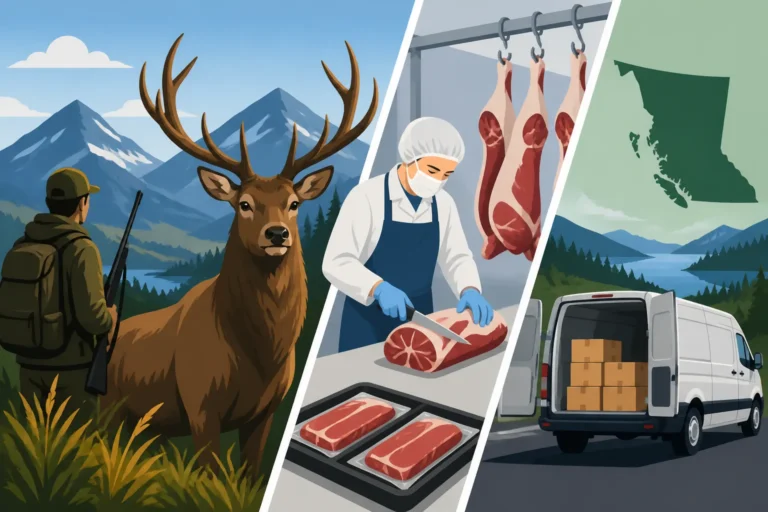
- Meat Processing and Shipping: While field care is included, the costs of a commercial butcher, and then shipping your game meat home, are separate.
- Taxidermy and Trophy Export: If you plan to have a taxidermist mount your trophy, or if you need to arrange for export CITES permits for species like sheep or goats, these are significant additional expenses.
It's common for outfitters to provide a detailed list of what is and isn't included in their packages. When browsing options on sites like GoHunt, look for these explicit breakdowns, and don't hesitate to contact the outfitter directly for clarification. The goal of a package is to provide a comprehensive, worry-free experience, but being informed about every potential cost ensures there are no surprises down the line.
Day Rate vs. Package: Choosing Your British Columbia Hunting Adventure
Deciding between a day rate and a package price isn't just about the initial sticker shock; it's about understanding your needs, your experience level, and the overall logistics of the hunt you're planning in British Columbia. Both models have their place, and the "better" option truly depends on your individual circumstances.
Financial Implications and Budgeting
Let's talk money, because that's often the biggest factor in this decision. On the surface, a day rate almost always looks cheaper per day than a package price. A guide might charge a certain amount per day, and a 7-day package might be several times that daily rate. However, this is where the detailed budgeting truly comes into play.
Consider a hypothetical 5-day black bear hunt.
- Scenario 1: Day Rate. An outfitter quotes a day rate for guiding services. This means you're responsible for your own food, lodging (camping or hotel), fuel for your truck, possibly a rental ATV, your species tag, taxes, and eventually a tip. If you're driving long distances, staying in hotels, and eating out, those costs add up quickly. If you run into mechanical trouble with your vehicle or get lost, your daily guiding fee keeps ticking, and you're covering all the repair or recovery costs.
- Scenario 2: Package Price. The same outfitter offers a 5-day black bear hunt package. This upfront cost includes your guide, all meals, comfortable camp accommodation (maybe a wall tent or rustic cabin), in-field transportation (their 4×4 or ATV), and basic field care of your bear. You still need your hunting license, species tag, taxes, and a tip, but most other major variables are covered.
Often, when you meticulously calculate all the "hidden" costs of a day rate (food, fuel, lodging, vehicle wear, specialized equipment rentals, etc.), the total expenditure can approach, or even exceed, the package price. The package, while appearing more expensive initially, buys you predictability and often shields you from unforeseen logistical headaches. For many hunters, especially those traveling from afar, the value of this peace of mind cannot be overstated. When comparing options on platforms like GoHunt, make sure you're doing a full cost analysis, not just looking at the headline price. What a British Columbia Guided Hunt Costs can give you a general idea, but the devil is in the details of each specific offering.
Flexibility, Experience, and Logistics
Beyond the financial spreadsheet, your personal hunting style, experience in British Columbia, and the inherent complexity of the chosen hunt should heavily influence your decision.
-
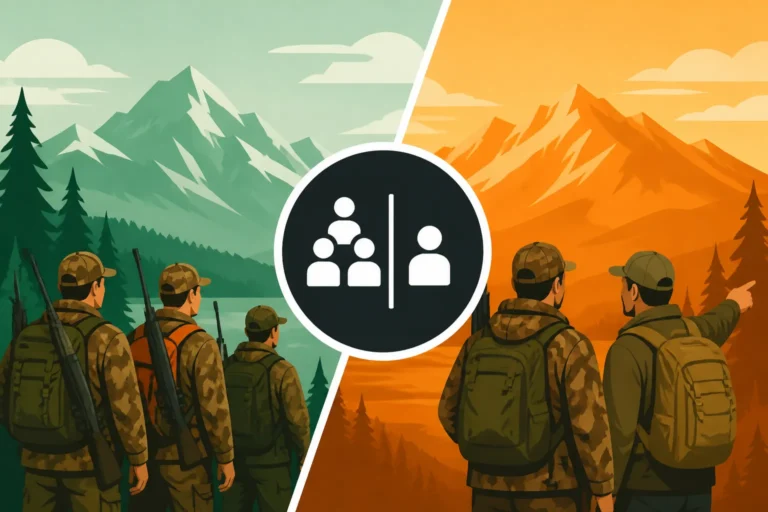
Day Rates for the Experienced and Independent: Day rates tend to be a better fit for experienced hunters, particularly British Columbia residents, who are deeply familiar with the province's terrain, regulations, and hunting culture. These hunters often have their own reliable vehicles, camping gear, and a preference for handling their own logistics. They might be looking for a guide to provide specific expertise – perhaps to access a hard-to-reach area, Glassing an Interior Hillside for Mule Deer, or to increase their chances on a specific Hunting a British Columbia Island Clearcut Edge. The flexibility allows them to customize the hunt, perhaps mixing guided days with unguided days, or bringing their own elaborate camp setup. If you’re a resident with your own gear and local knowledge, a day rate could be a very efficient way to leverage a guide for a specific challenge.
-
Packages for Non-Residents and Complex Hunts: Package prices shine when the logistics are complex, the hunting area is remote, or the hunter is less familiar with the British Columbia environment. Non-resident hunters, who often fly into the province and may not have a suitable vehicle or extensive camping gear, benefit immensely from the comprehensive nature of a package. These hunts often involve specialized transportation, like flying into a remote lake chain for moose (Moose Hunting British Columbia's Interior) or accessing high-alpine basins for sheep (British Columbia's Wild Sheep and Where They Live). For such adventures, outfitters offering packages have already invested in the necessary infrastructure – camps, equipment, food supply lines, and experienced staff – making the trip much smoother.
Consider a hunt for Elk Hunting in British Columbia's Kootenay region. If you're a non-resident, dealing with renting a suitable truck, finding suitable camping spots, navigating forest service roads, and then still needing to locate and call elk, can be overwhelming. A package alleviates most of these burdens, letting you focus on the hunt itself. Similarly, for a serious Booking a British Columbia Sheep Hunt, where horses or aircraft might be involved for access, a package is almost universally the preferred, and often only, viable option.
Ultimately, the choice between a day rate and a package comes down to how much control and involvement you want in the logistical aspects of your hunt, versus how much you're willing to pay for a simplified, expert-managed experience.
Feature Day Rate Package Price Cost Structure Per day for guide's services Single price for duration of hunt Inclusions (Typical) Guide, basic camp/spike, field care Guide, camp, meals, in-field transport, field care Exclusions (Common) Food, lodging, transport, tags, trophy fees, tips Tags, licences, flights, pre/post-hunt lodging, tips, personal gear Flexibility High: tailor trip length, services, gear Lower: fixed itinerary and services Predictability Low: variable costs can add up High: mostly known costs upfront Best For Experienced residents, short custom hunts, tight control over expenses Non-residents, complex logistics, peace of mind, all-inclusive experience Initial Price Appears lower Appears higher
Navigating the Fine Print and Asking the Right Questions
Regardless of whether you lean towards a day rate or a package price, the absolute most critical step is to thoroughly investigate what you're actually paying for. Outfitters in British Columbia are typically upfront, but the onus is on the hunter to ask precise questions and ensure everything is crystal clear. This proactive approach will save you from potential disappointment, unexpected costs, and a less-than-ideal hunting experience.
Essential Questions to Ask Your Outfitter
Before you commit any money or sign any agreements, arm yourself with a comprehensive list of questions. Don't be shy; a reputable outfitter will appreciate your diligence and be happy to provide detailed answers.
Here are some essential questions to cover:
- "What exactly is included in this day rate/package price?" Demand a line-item breakdown if one isn't readily available. This helps eliminate ambiguity around items like food, lodging, and transport.
- "What are the mandatory extra costs I can expect?" This includes all taxes (provincial, federal), government fees, and any non-negotiable surcharges. For some high-value species, clarify if there's a specific trophy fee charged upon harvest.
- "What are the optional extra costs I might incur?" This covers things like alcoholic beverages, specific gear rentals (e.g., a satellite phone), or additional nights of lodging if your travel plans require it.
- "What is the expected gratuity (tip) for my guide and any camp staff?" Get a clear understanding of the customary tipping percentages or amounts. Many outfitters will provide this information. This is a crucial element that many hunters overlook in their initial budget. Consult Tipping a British Columbia Guide for more context.
- "What is your policy on cancellations, postponements, and refunds?" Life happens. Understand what happens if you need to cancel due to unforeseen circumstances, or if the outfitter needs to postpone for reasons like extreme weather or unforeseen closures. Are deposits refundable? Can they be rolled over?
- "What specific gear do I need to bring, and what do you provide?" Get a detailed packing list from the outfitter. This will ensure you're prepared for British Columbia's diverse conditions, from coastal rain (Hunting in British Columbia's Coastal Rain) to alpine cold (Hunting British Columbia's Alpine in September).
- "What are the arrangements for meat processing and trophy care once an animal is harvested?" Will the guide help with quartering and caping? Is there a local butcher they recommend? What are the logistics for getting meat and trophy to a processor or to your home?
- "Can you provide references from recent clients?" Talking to past hunters is one of the best ways to gauge an outfitter's reliability, the quality of their service, and how transparent they are about costs. This goes hand-in-hand with How to Vet a British Columbia Outfitter.
It's absolutely paramount to get all inclusions, exclusions, and extra costs in writing, ideally as part of a formal contract or booking confirmation. This protects both you and the outfitter and ensures everyone is on the same page from the outset. Don't assume anything; if it's not explicitly stated, ask. This proactive approach ensures your British Columbia hunting adventure lives up to your expectations without financial surprises. You can learn more about general planning by reading Questions to Ask Before Booking.
Leveraging Online Resources for Transparency
In today's digital age, hunters have more tools than ever to research and compare outfitters, helping to demystify day rates and package prices. While direct communication with the outfitter is irreplaceable, online platforms can provide a valuable starting point for transparency and comparison.
Websites like BookYourHunt.com or GoHunt.com often serve as aggregators for guided hunt listings. What makes them particularly useful for comparing pricing models is their standardized format for detailing inclusions and exclusions. When an outfitter lists a hunt on these platforms, they are typically required to explicitly state what is covered by the package price and what constitutes an additional cost. This standardization helps you compare offerings across different outfitters more effectively, identifying those whose "all-inclusive" truly means comprehensive versus those that have numerous add-ons. You can quickly see whether a British Columbia moose hunt package on one site covers transportation from the nearest airport, while another expects you to arrange it yourself.
Beyond specific listings, online forums and reviews can provide anecdotal evidence of what other hunters experienced with different pricing structures. Did someone on a day rate feel nickel-and-dimed, or did another find a package price to be excellent value? While individual experiences vary, patterns can emerge that help you identify potential red flags or exceptionally transparent operators. GoHunt, for example, often has in-depth articles and forums where hunters discuss their experiences and provide tips for planning.
Remember, technology is a tool. Use these platforms to narrow down your choices, get an initial understanding of typical pricing structures for the species you're interested in (like Mule Deer Hunting in British Columbia or Black Bear Hunting British Columbia's Spring), and formulate your specific questions before you engage directly with an outfitter. This combination of online research and direct, detailed inquiry will empower you to make an informed decision and embark on your British Columbia hunting trip with confidence.
Disclaimer
This article is for general informational purposes only and does not constitute professional advice. Laws, prices and regulations vary by location and change over time. Consult a qualified professional for guidance on your specific situation.