Bowhunting British Columbia’s September Seasons
September in British Columbia is a time of incredible opportunity and unique challenges for bowhunters. That crisp morning air, the scent of pine and damp earth, and the thought of big game still in their summer patterns can be intoxicating. But let's be honest, bowhunting here isn't a walk in the park; it demands serious preparation, a deep understanding of animal behavior, and the mental toughness to handle variable conditions. This guide is designed to cut through the noise and give you the realistic, detailed insights you need to make your September archery season in BC a success, covering everything from gear to specific animal strategies and the crucial logistics of a backcountry harvest.
Understanding British Columbia's September Bowhunting Landscape
September in British Columbia signals a magnificent shift. The intense heat of summer begins to recede, often replaced by vibrant fall colours and a renewed energy in the wilderness. For the dedicated bowhunter, this month offers a unique window into the lives of various big game species before the full-blown rifle seasons kick off. It's a time of transition, where animals are often still settled into summer feeding patterns but also starting to feel the first subtle urges of the upcoming rut or the need to put on more winter weight.
The Allure of Early Season Archery
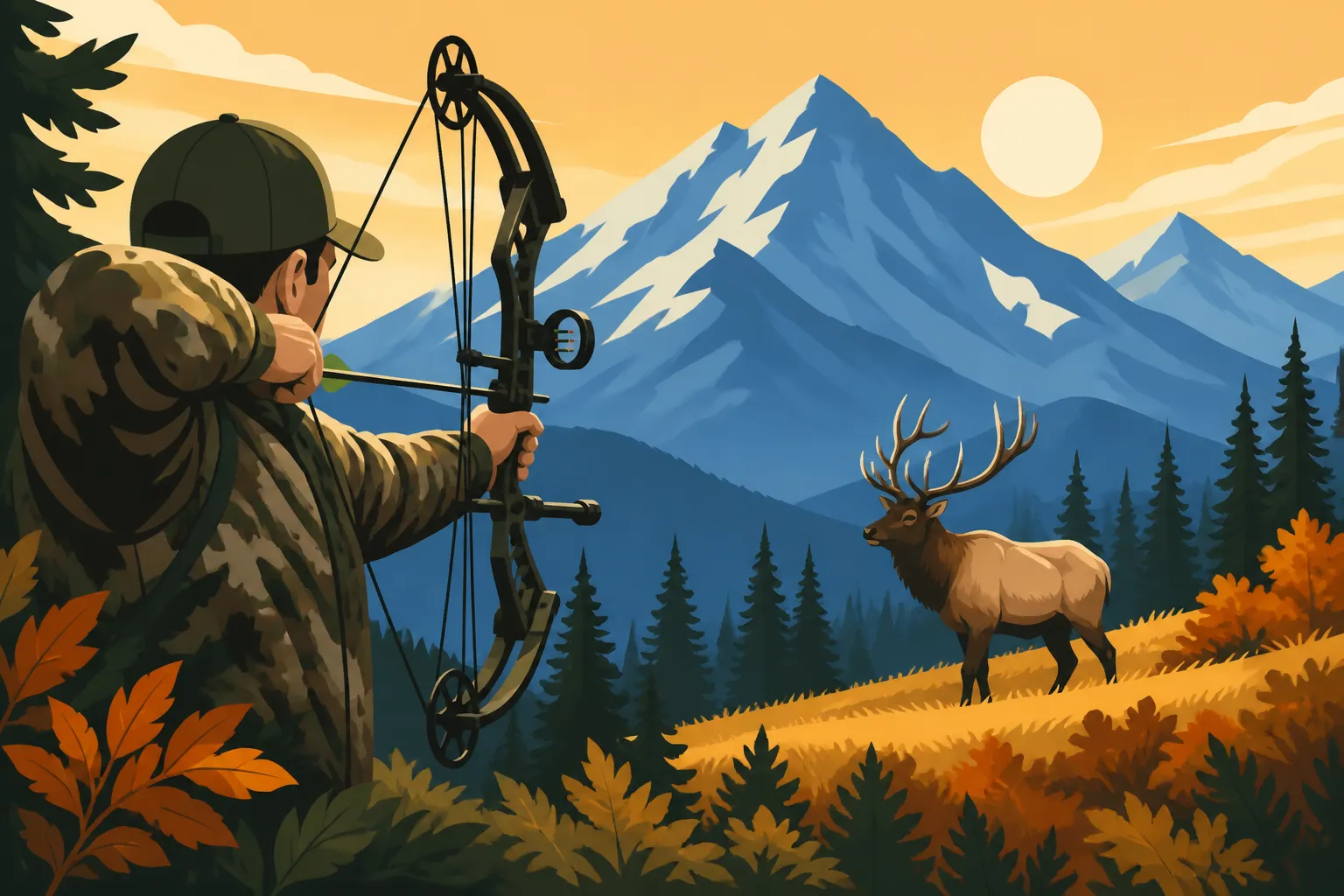
There's something truly special about being in the British Columbia backcountry with a bow in September. For many, it's the quiet challenge, the intimacy of getting incredibly close to an animal, that draws them in. During this early season, many areas are still relatively quiet compared to the later rifle hunts, offering a more serene and often solitary experience. The milder weather, while still capable of throwing a curveball, can make for more comfortable days in the field before the biting cold of late fall sets in. Animals are often still on predictable summer food sources, making them potentially easier to locate if you've done your scouting homework.
However, it's not without its difficulties. Early season means longer daylight hours, but also a greater chance of warmer temperatures, which presents significant challenges for meat care. Insects, though less ferocious than in June, can still be a nuisance. And while some areas are quieter, popular spots can still see considerable pressure, especially on weekends. It's a delicate balance of timing, strategy, and sheer will that defines a successful early archery hunt.
Key Species Available in September
British Columbia boasts a remarkable diversity of game, and September offers bowhunting opportunities for several coveted species. The two deer species, Mule Deer and Black-Tailed Deer, are often at the top of many bowhunters' lists. Mule deer are typically found in the interior, often still ranging in the higher elevations, feeding on lush forbs and browsing on shrubs. Blacktail, on the other hand, are primarily coastal residents, thriving in the dense rainforest and clearcuts, notoriously challenging to spot and stalk in their thick habitat.
Beyond deer, September is also prime time for Black Bears, which are actively gorging on berries and other mast crops to build up fat reserves for hibernation. This can make them more visible and predictable. For those lucky enough to draw a tag or hunt in general open season areas, Elk — both Roosevelt and Rocky Mountain — start to show early signs of rut, offering thrilling (and often vocal) opportunities. Moose, while typically harder to bowhunt before the peak of the rut in October, can also be pursued in specific regions with the right tags, though success often hinges on intimate knowledge of their feeding habits and preferred cover.
Navigating Regulations and Seasons
Understanding British Columbia's hunting regulations is paramount, and it can feel like deciphering ancient texts at times. The province's regulations are complex, with different seasons, bag limits, and antler restrictions varying by species, management unit (MU), and even specific dates within September. It’s absolutely critical to pore over the latest British Columbia's Two-Year Regulations Synopsis before you even start packing your broadheads. Don't rely on word-of-mouth or last year's memories; regulations change.
Specifically for bowhunting, there are often designated archery-only seasons that precede the general open (rifle) seasons, giving archers a precious head start. These early archery windows are particularly valuable for deer and elk. Pay close attention to antler point restrictions, like the popular four-point rule for mule deer in many areas, as misidentifying an animal can lead to severe penalties. For some species like moose or certain elk populations, hunting is restricted to Limited Entry Hunting (LEH) draws, meaning you need to have successfully drawn a tag months in advance. Always double-check your specific MU and the dates, as a small boundary line can mean the difference between a legal hunt and a violation. Tools like the GoHunt app can be invaluable for visually overlaying MU boundaries and regulations onto maps, helping to simplify this often-confusing aspect of planning.
Essential Gear and Preparation for September Bowhunts
British Columbia's diverse terrain and unpredictable weather demand a thoughtful approach to gear. You'll be crossing everything from dense timber to open alpine, dealing with potential rain, sun, and even early snow, all while trying to remain stealthy enough for a close-range bow shot. Your equipment isn't just about comfort; it's about safety, ethical hunting, and ultimately, success.
Archery Setup and Broadhead Selection
Your bow is, of course, the heart of your bowhunting setup. Whether you prefer a compound, recurve, or longbow, ensure it's meticulously tuned and you're consistently accurate out to your comfortable maximum ethical range. British Columbia has specific regulations regarding minimum draw weight, so be sure your bow meets the Bow Draw Weight Rules in British Columbia. For compounds, this typically means a minimum 40-pound draw weight, and for recurves/longbows, it’s 35 pounds. Familiarize yourself with these rules before you hit the field.
Broadhead selection is a topic of endless debate among archers, but for British Columbia's tough game, reliability and sharpness are key. Fixed-blade broadheads are known for their robust construction and deep penetration, making them a solid choice for larger animals like elk and moose. Mechanical broadheads, while offering a wider cutting diameter and often better flight characteristics for some setups, need to be chosen carefully to ensure they deploy reliably and hold up to bone impact. Practice with your chosen broadheads to confirm flight consistency with your field points. Ensure your arrows are adequately weighted for penetration, and that your fletching is in top shape. A bow press and basic tuning tools can be a lifesaver for minor adjustments in a remote camp.
Clothing and Footwear for Variable Conditions
September weather in British Columbia is a master of disguise. You might start your day with a frosty chill, strip down to a t-shirt by midday, and then face a sudden downpour by afternoon, only to have temperatures plummet again overnight. The key is layering. A good base layer wicks moisture, a mid-layer provides insulation (fleece or lightweight puffy), and a bomb-proof outer shell offers wind and rain protection. Brands like Sitka Gear or Kuiu offer excellent technical apparel designed for these very conditions, focusing on quiet fabrics and weather resistance. Don't forget a warm hat and gloves for those chilly mornings and evenings.
Footwear is arguably the most critical clothing decision. You'll be covering miles, often on uneven, steep, and potentially wet ground. A sturdy pair of waterproof boots with excellent ankle support is non-negotiable. Look for boots that are broken in but still have plenty of tread. Brands like Kenetrek or Crispi are popular for their durability and performance in mountain terrain. Carry an extra pair of quality wool or synthetic socks to prevent blisters and keep your feet happy. Nothing ruins a hunt faster than sore, wet feet.
Crucial Backcountry and Safety Gear
Venturing into British Columbia's backcountry requires a comprehensive safety kit. Navigation is paramount: a reliable GPS unit, loaded with up-to-date maps, coupled with a backup physical map and compass, is essential. Apps like GoHunt can be a game-changer for digital mapping, showing Crown land boundaries, roads, and topography right on your phone, even offline. But always have a power bank to keep your devices charged.
Safety means being prepared for unexpected encounters, especially with bears. Bear Safety While Hunting in British Columbia is not just a suggestion; it's a critical part of planning. Always carry bear spray (and know how to use it!), and in grizzly country, many hunters opt to carry a firearm as backup. A comprehensive first-aid kit, whistle, fire-starting supplies, and a headlamp with extra batteries are standard. For remote areas, a satellite communication device like a Garmin inReach or Zoleo is essential for emergency contact, as cell service is non-existent in vast stretches of the province. Finally, don't underestimate the importance of proper Meat Care in British Columbia's Warm Early Seasons. Game bags, a sharp boning knife, and rope to hang meat are crucial to prevent spoilage and protect your hard-earned harvest from scavengers.
Strategies for September Deer Archery
Deer are often the primary target for September bowhunters in British Columbia, offering widespread opportunities across various regions. Success hinges on understanding their early season patterns and adapting your tactics to their specific habitat.
Locating Early Season Mule Deer
Mule deer in September are in a transitional phase. Many bucks are still shedding velvet or have just finished, and while they might be grouped up earlier in the summer, bachelor groups often start to break up as the season progresses. In the interior, they'll typically still be found in higher elevations, taking advantage of the cooler temperatures and abundant forage in subalpine meadows, around timberline, and on north-facing slopes. Focus your scouting on areas with a mix of feed (lush grasses, forbs, palatable shrubs like willow or aspen) and good cover for bedding. Water sources are also critical, especially in drier regions.
Glassing is your most powerful tool for mule deer. Find a vantage point that overlooks large swaths of potential deer habitat – open slopes, clearcuts, natural benches, and Glassing an Interior Hillside for Mule Deer. Use high-quality binoculars or a spotting scope and systematically pick apart the terrain. Look for movement, antler tips, or even just the tell-tale horizontal line of a deer's back against the vertical lines of trees. They often move to feed in the early morning and late evening, bedding down in shaded, secure areas during the heat of the day. Hunting An Avalanche Chute in September can be very productive, as these natural clearings often hold excellent forage and provide avenues of travel.
Bowhunting Coastal Blacktail Deer
Bowhunting Blacktail deer on the coast is a different beast entirely. These deer are notoriously elusive, preferring the dense, wet forests of Vancouver Island and the mainland coast. Their habitat often consists of thick second-growth timber, recent clearcuts with regenerating growth, and old-growth edges. In September, they are actively feeding, often moving between bedding cover and forage areas like berry patches or newly regenerating brush.
Still-hunting is a highly effective tactic for blacktail. This involves moving incredibly slowly and deliberately through the forest, pausing frequently to glass ahead and listen. Every step must be planned to minimize noise. Focus on travel corridors between clearcuts and thicker timber, old logging roads, and creek bottoms. Understanding How Blacktail Use Second Growth is crucial; these areas often provide both food and cover. Scent control is paramount due to the close quarters you'll be hunting in, and rain can actually be your friend, as it dampens sound and washes away scent, though it makes visibility even tougher. Setting up ambush points near rub lines, scrapes, or heavy game trails can also be productive, especially as the pre-rut activity starts to pick up later in the month.
Stalking and Shot Placement for Deer
Once you've spotted a deer, the real work begins. Stalking a deer with a bow requires extreme patience, stealth, and an intimate understanding of wind direction. The wind is your number one priority; always keep it in your favour. Use topography, vegetation, and natural contours of the land to mask your approach. Move only when the deer's head is down or obscured, taking slow, deliberate steps. Minimize noise by watching where you place your feet.
For shot placement, aim for the vitals (lungs and heart). Practice shooting from various positions – kneeling, sitting, even awkward angles – as you rarely get a perfect standing shot in the field. Be acutely aware of potential obstructions like small branches that can deflect an arrow. If the deer is quartering away, aim for the opposite shoulder to maximize penetration through the vitals. Wait for the animal to be broadside or slightly quartering away, offering the largest, most ethical target. Managing adrenaline is a huge part of the challenge; take a deep breath, focus on your anchor point, and make the shot count.
Chasing British Columbia Elk and Moose with a Bow
While often more challenging than deer, pursuing British Columbia's larger cervids with a bow in September can be an incredibly rewarding, albeit demanding, experience. Success often comes down to timing, patience, and a deep understanding of their early season behavior before the full intensity of the rut takes hold.
Early Season Elk Strategies
September for elk in British Columbia is a fascinating time. While the screaming bugles of the full rut often peak later in the month and into October, early September can still offer fantastic opportunities, particularly if you find a bull that's ready to start rounding up cows or challenge rivals. Roosevelt Elk on the coast and Rocky Mountain Elk in the Kootenays or Peace Region will be transitioning from summer bachelor groups. Your primary focus should be on locating major food sources and bedding areas. Elk are prodigious eaters, and they'll be found in meadows, clearcuts, or river bottoms with abundant grasses and forbs, often close to dense timber for security.
Calling can be effective, but often requires a more subtle approach than during the peak rut. Soft cow calls can sometimes draw in curious bulls, especially if they haven't been pressured yet. A quiet, inquisitive bugle might illicit a response from an early-breeding bull. For Roosevelt Elk, particularly on Vancouver Island, understanding their habitat in old-growth forests and accessing these remote areas is key. Calling in these thick environments needs to be done carefully to avoid over-calling. If you're fortunate enough to hunt where the Bugling Roosevelt Elk on the Coast can be heard, it’s an experience you’ll never forget. Focus on scent control and quiet movement, as elk have incredible senses.
Moose Bowhunting Considerations
Bowhunting moose in British Columbia during September can be tough, especially before the cows come into estrus and the bulls become more vocal and aggressive. In early September, bulls are still often solitary or in small bachelor groups, focusing heavily on feeding to put on weight for the upcoming rut. They favor areas with abundant aquatic vegetation, willow flats, and young deciduous growth. Finding Hunting Moose Around a Beaver Pond or along the edges of small lakes or swamps can be highly productive, as these areas provide both food and security.
Calling a moose in September typically involves less aggressive tactics than in the rut. Soft cow moans, light raking of brush, and subtle grunts can sometimes pique a bull's curiosity. You're trying to appeal to their feeding instincts or a burgeoning desire for companionship, rather than challenging a dominant bull. Patience is absolutely crucial. Moose move slowly but are surprisingly quiet for their size. Look for fresh tracks, broken branches, and rubs, which indicate their presence. Like elk, moose have an exceptional sense of smell, so playing the wind is non-negotiable. Success often comes from meticulous scouting and being in the right place at the right time.
The Art of the Stalk on Large Game
Stalking a large animal like an elk or moose with a bow is one of bowhunting's ultimate challenges. Their senses are incredibly acute, and their size makes them seem easy to spot but incredibly difficult to approach unnoticed. Once you've located your target, the stalk demands ultimate discipline. Map out your approach carefully, identifying all potential obstacles, changes in wind direction, and escape routes for the animal.
Move at a snail's pace, often taking minutes to cover just a few yards. Use every piece of cover available – trees, bushes, undulating terrain. Stop frequently to listen, look, and confirm the animal's position and demeanor. If the animal looks up or appears alert, freeze instantly. Often, they will continue feeding, unaware of your presence. The goal is to get within your ethical shooting range, which for most bowhunters is 40-50 yards on an animal of this size, ideally closer. This is where fitness and mental fortitude really come into play. When the moment comes, remain calm, focus on your shot sequence, and ensure a clean, ethical hit into the vital zone.
Black Bear Bowhunting in September
British Columbia is renowned for its black bear population, and September offers some of the best bowhunting opportunities for these fascinating animals. As fall approaches, bears are in a feeding frenzy, driven by the biological imperative to consume massive amounts of calories before winter denning.
Identifying Key Bear Areas and Food Sources
In September, black bears are often hyper-focused on food. Their diet is primarily plant-based, and they will be found wherever the bounty of the land is ripest. This usually means berry patches—huckleberries, blueberries, saskatoons, and other wild fruits—are high on their list. Seek out south-facing slopes, clearcuts, and open timber stands that receive ample sunlight, as these areas often have the densest berry crops. Glassing these Hunting Fall Bears on British Columbia Berry Slopes can be incredibly effective.
As September progresses, if salmon runs have started in coastal or interior rivers, bears will shift their attention to these protein-rich food sources. Look for sign along riverbanks and estuaries. In areas with mast crops like acorns or hazel nuts, bears will also frequent these locations. Identifying fresh scat, tracks, and disturbed vegetation will confirm their presence. They often feed heavily in the mornings and evenings, retreating to thick cover during the day to digest and rest.
Spot-and-Stalk Bear Tactics
Spot-and-stalk is a thrilling and effective method for bowhunting black bears in September. This involves glassing vast areas from a vantage point, spotting a bear, and then planning an approach. Focus on open slopes, clearcuts, old burn areas, and logging roads that provide good visibility of feeding areas. Use high-quality optics and be patient; bears can blend into the landscape surprisingly well.
Once a bear is spotted, the stalk begins. As with deer and elk, the wind is paramount. Bears have an exceptional sense of smell, so ensure the wind is in your favor and remains consistent throughout your approach. Use natural terrain and vegetation for cover, moving slowly and quietly. Bear behaviour can be unpredictable, so always be alert. One key aspect of bear hunting is correctly identifying the animal. Distinguishing a mature boar from a sow with cubs can be challenging but is crucial for ethical hunting. Pay attention to body size, head-to-body proportion, and the presence of cubs, even if they're small and hidden. (Judging a Boar From a Sow With Cubs is a critical skill to develop).
Safety and Ethical Considerations
Bowhunting bears demands a heightened level of awareness and safety. Always carry bear spray and know how to use it, especially when operating in dense cover or when following up on a shot bear. It's not uncommon to encounter multiple bears in a productive area, so always be scanning your surroundings.
Ethical shot placement for bears is critical due to their robust build and dense musculature. The ideal shot is broadside, aiming for the lung/heart area just behind the shoulder. Avoid quartering-to shots, which present a small target and risk hitting non-vital areas. Ensure you have a clear, unobstructed shot. After the shot, give the bear time if it doesn't drop immediately, typically 30-60 minutes for a suspected lung hit, or several hours for a gut shot, before beginning a cautious track. A well-placed arrow is essential for a quick, ethical harvest and successful recovery.
Backcountry and Wilderness Bowhunting in British Columbia
British Columbia offers vast tracts of wilderness, making it a dream destination for those seeking true backcountry bowhunting experiences. However, the reward of solitude and untouched landscapes comes with significant logistical and safety challenges.
Accessing Remote Archery Zones
Getting into British Columbia's remote hunting grounds often requires more than just lacing up your boots. While many areas are accessible via the province's extensive British Columbia Forest Service Road Network, many of these roads are deactivated, requiring gate access or long walks. Others may require specialized vehicles. For truly remote areas, you might need to utilize Horseback Access to British Columbia's Alpine or even Jet Boat Access on British Columbia Rivers to reach your desired hunting block. Outfitters specializing in drop camps can also fly you into remote lakes or airstrips.
Understanding how to read topographic maps and utilize digital mapping tools is critical for planning access. Apps like GoHunt allow you to download maps for offline use, showing roads, trails, and most importantly, Crown land boundaries. Learning how to identify and navigate within specific Management Units (MUs) is also vital (Reading a British Columbia MU Map). Scouting these areas online and, if possible, in person before the season opens, can save you precious hunting time.
Setting Up a Backcountry Camp
Once you've reached your chosen remote hunting area, establishing an efficient and comfortable backcountry camp is next. For bowhunters, who are often hiking in with all their gear, weight and packability are key. Lightweight tents or shelters, often designed for solo or two-person occupancy, are standard. Look for shelters that can withstand wind and rain, as mountain weather can change rapidly.
Your sleep system should include a warm sleeping bag appropriate for September's varied temperatures (which can drop below freezing at night) and a comfortable sleeping pad. Water purification is essential; a filter or chemical treatment will allow you to safely drink from natural sources. Food planning needs to focus on high-calorie, lightweight, and non-perishable options. Dehydrated meals are popular for their convenience and low weight. Remember to pack out everything you pack in, including all garbage and waste, to leave no trace.
Overcoming British Columbia's Unique Challenges
British Columbia's wilderness presents a host of unique challenges that demand respect and thorough preparation. The weather is perhaps the most significant. While September can offer glorious sunny days, it's equally capable of delivering sustained periods of heavy rain, thick fog, or even early snow in the high country. Always pack for the worst-case scenario and be aware of Weather Windows in British Columbia's Mountains, which can dictate your hunting schedule or even your ability to safely travel.
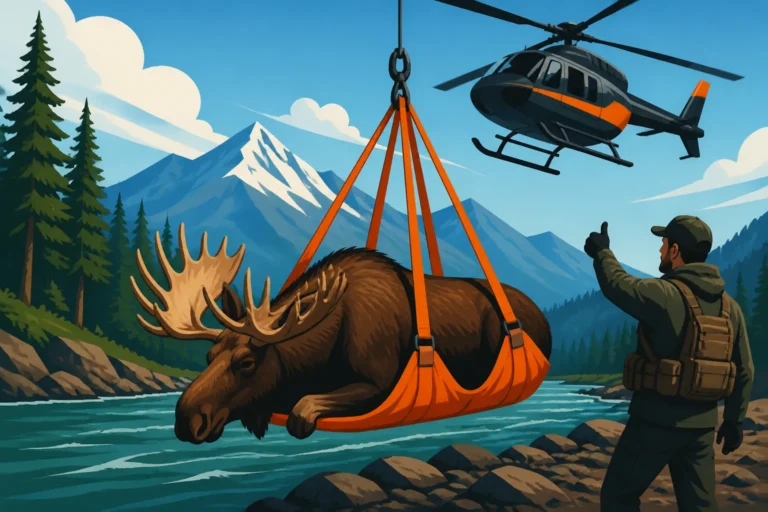
The terrain itself is often steep, rugged, and densely vegetated. Getting meat out of Packing Out of British Columbia's Steep Country is no small feat and often requires multiple trips or assistance. Fitness is paramount for bowhunting these demanding environments. Wildlife encounters, especially with grizzly bears, are a serious consideration in many parts of the province. Review and practice your Bear Safety While Hunting in British Columbia protocols, always carrying bear spray, and considering a backup firearm if appropriate for your comfort level. Finally, the sheer remoteness means self-reliance is critical. Have an Emergency Planning in British Columbia's Backcountry strategy, including satellite communication devices and a clear itinerary left with someone reliable back home.
Post-Harvest and Logistics
Successfully harvesting an animal with a bow in British Columbia's September seasons is a tremendous accomplishment. But the hunt isn't truly over until the meat is cared for, safely transported, and all reporting requirements are met. This often involves some of the hardest work of the entire trip.
Field Dressing and Meat Care
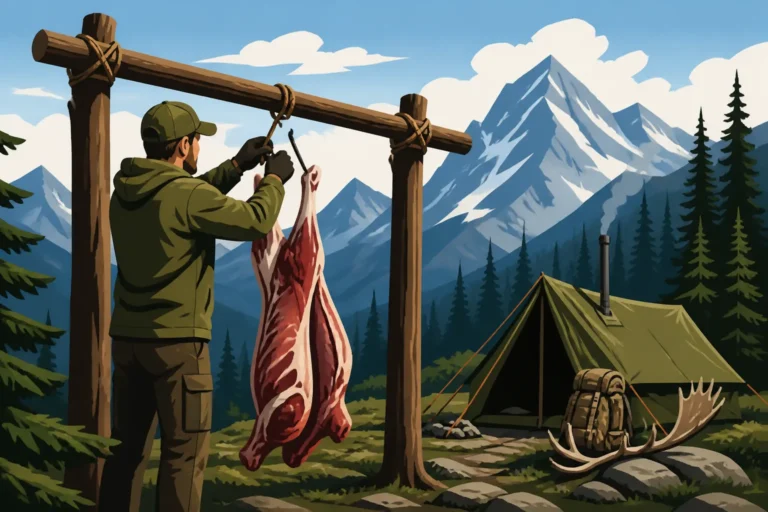
Given that September can still bring warm temperatures, rapid field dressing and cooling of your animal are absolutely essential to prevent spoilage. This is especially true for larger animals like moose or elk, but also crucial for deer and bears. As soon as the animal is down, begin the field dressing process. Remove the entrails quickly to allow the body cavity to cool. For large animals, quartering the animal in the field is often necessary. This involves carefully separating the legs and backstraps, leaving the hide on to protect the meat during transport if possible, or using breathable game bags immediately.
Good quality, porous game bags are indispensable. They protect the meat from flies, dirt, and debris while allowing air circulation to aid in cooling. Avoid plastic tarps or bags, as they trap heat and moisture, promoting bacterial growth. If temperatures are particularly warm, consider hanging the quarters in a shaded, breezy spot, elevated off the ground, or even packing snow/ice around them if available. The goal is to get the core temperature of the meat down as quickly as possible. Remember to carefully check for parasites or abnormalities, and if you have any concerns, consult with local wildlife officials.
Packing Out Your Harvest
Packing out a harvested animal, particularly from steep or remote British Columbia terrain, can be an epic undertaking. For deer, a single trip with a sturdy frame pack might suffice, but for larger game like elk or moose, it will almost certainly involve multiple trips or a team effort. This is where your physical fitness and the quality of your pack truly shine. A good external frame pack designed for heavy loads is often preferred for packing meat, as it allows you to distribute weight effectively and keep the load off your back.
Plan your route out carefully. It's often easier to descend with a heavy pack, but steep, broken ground can still be treacherous. Take frequent breaks, stay hydrated, and pace yourself. If hunting with a partner, sharing the load or relaying quarters can significantly ease the burden. Remember to carry essentials for your safety and comfort on each trip, including water, a knife, and bear spray. The exhaustion is real, but the satisfaction of packing out your hard-earned wild game is unmatched. This truly defines Getting Meat Out of Steep British Columbia Country.
Reporting and Regulations After the Hunt
After the physical demands of field dressing and packing out, there's the administrative side of hunting: reporting. British Columbia has specific requirements for reporting harvested animals, and failure to comply can result in fines or loss of hunting privileges. Many species require Compulsory Reporting Within Thirty Days of harvest. This is typically done online through the BC Hunting system.
You'll need to provide details about the species, sex, location (MU), and date of kill. For some species, such as moose, you must report whether you harvested a bull, cow, or calf. Additionally, all tags must be immediately canceled upon harvest; understand the British Columbia Tag Cancellation Rules and carry a pen with you in the field. Some species may also require compulsory inspection, where certain parts of the animal (e.g., the head for sheep or goats, or specific parts for grizzly bears, though they are no longer huntable) must be presented to a certified inspector. Finally, always ensure you retain Evidence of Sex Requirements on your animal while transporting it from the kill site to your primary residence or a meat processing facility, as regulations often require visible proof of the animal's sex. This might mean leaving a specific part of the animal attached to the carcass or quarters.
British Columbia September Bowhunting Overview Table
| Species | Typical September Habitat | Key September Behaviors & Food Sources | Optimal Bowhunting Tactics | Challenges & Considerations |
|---|---|---|---|---|
| Mule Deer | High country, subalpine, open timber, clearcuts | Transitioning from velvet, feeding on forbs & shrubs. | Glassing, spot-and-stalk, ambushing near water/food. | Identifying legal bucks, stalking in open terrain, warm weather meat care. |
| Blacktail | Dense coastal forests, second growth, clearcuts | Feeding on berries & regenerating growth, thick cover. | Still-hunting, ambushing travel corridors, scent control. | Low visibility, thick cover, silent movement, wet weather. |
| Elk | Meadows, clearcuts, timber, river bottoms | Early rut activity, feeding heavily on grasses/forbs. | Subtle calling (cow calls), spot-and-stalk, ambushes. | Locating herds, quiet movement, intense physical demand, drawing tags. |
| Black Bear | Berry patches, clearcuts, salmon streams | Actively gorging on food for winter, often visible. | Spot-and-stalk, ambushing feeding areas, scent control. | Proper identification (boar vs. sow), shot placement, bear safety. |
| Moose | Willow flats, aquatic vegetation, young growth | Pre-rut feeding, solitary or small groups. | Still-hunting, subtle calling (grunts/raking), ambushes. | Difficult to locate before rut, heavy cover, challenging recovery. |
Disclaimer
Hunting is a challenging and inherently risky activity. The information provided in this guide is for informational purposes only and is not a substitute for thoroughly reading and understanding the most current British Columbia Hunting and Trapping Regulations Synopsis. It is the hunter's sole responsibility to know and follow all applicable laws, regulations, and ethical hunting practices. Always prioritize safety, respect wildlife, and obtain all necessary licenses and tags before heading into the field. This guide does not guarantee hunting success or safety.