Hunting Moose Around a Beaver Pond
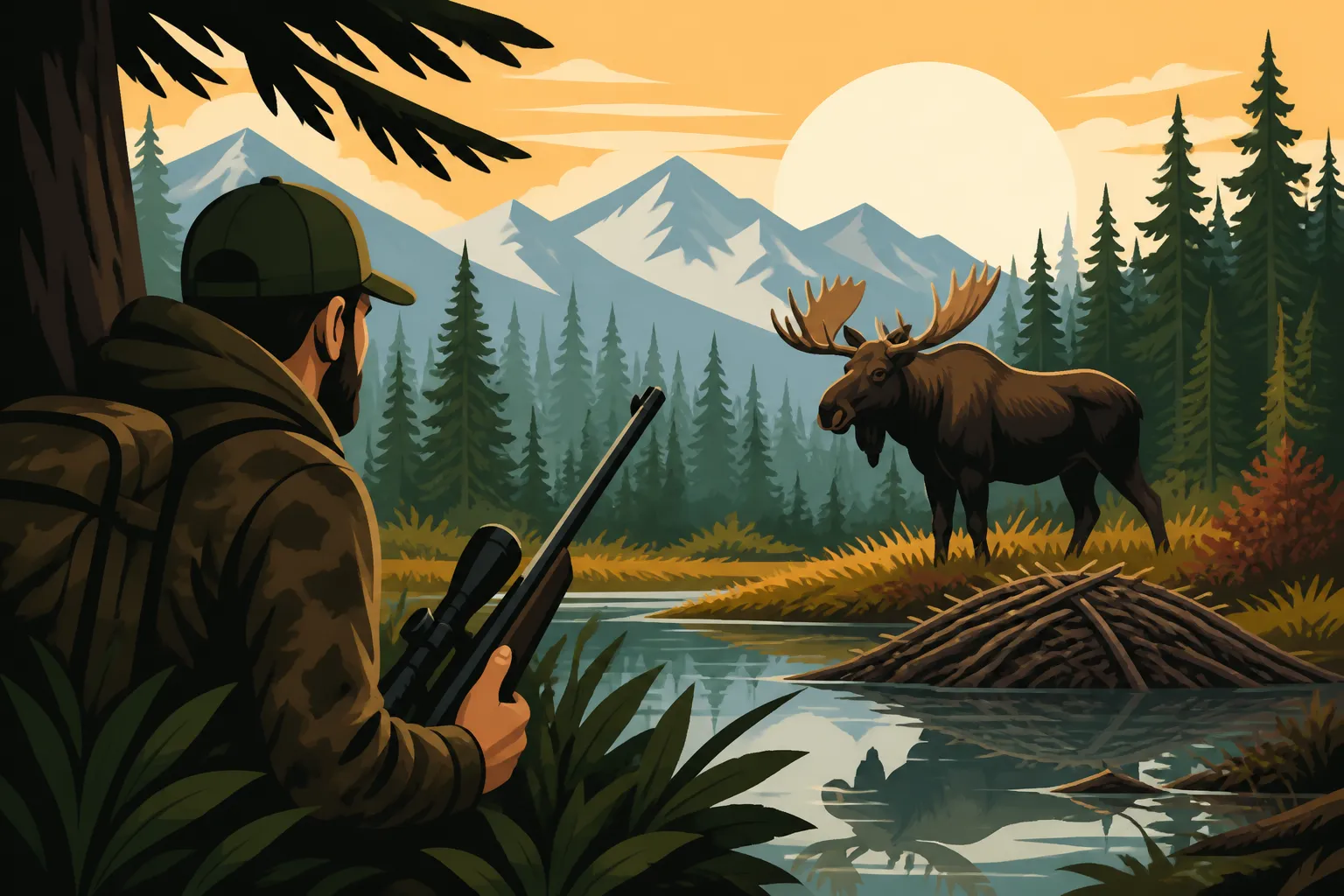
Hunting moose in British Columbia can be an incredibly rewarding but often challenging endeavor. Many hunters spend countless hours hiking vast landscapes, sometimes feeling like they're looking for a needle in a haystack. But one of the most consistently productive areas, and often overlooked by the casual hunter, is the humble beaver pond. This guide will walk you through how to effectively locate, approach, and hunt moose around these unique aquatic ecosystems.
Why Beaver Ponds Are Moose Magnets
Beaver ponds aren't just pretty features in the landscape; they are bustling hubs of activity that draw moose in like few other places. Understanding why they are so attractive to these massive animals is the first step in successful hunting.
Understanding Moose Habitat Preferences
Moose are, in many ways, semi-aquatic creatures. They have an incredible affinity for water, not just for drinking, but as a primary source of food and refuge. This is especially true in the warmer months when they need to cool down and escape biting insects. They seek out areas that offer a trifecta of essential needs: water, abundant forage, and dense cover. Beaver ponds, by their very nature, provide all of these in spades. They prefer slow-moving or stagnant water where aquatic plants can thrive, and the muddy banks are often lined with the types of woody browse moose love. This preference for wet environments is a key factor in successful Moose Hunting British Columbia's Interior.
The Ecosystem of a Beaver Pond
A beaver pond is a dynamic ecosystem created by the industrious efforts of beavers themselves. When beavers dam a stream, they flood an area, killing off terrestrial vegetation and allowing aquatic plants to flourish. Think of water lilies, pondweeds, and sedges – these are gourmet meals for a moose, rich in minerals and easily digestible. The edges of these ponds are often choked with willows, alders, and young aspens, which are crucial browse for moose, particularly in spring and fall. The constant disturbance by beavers, felling trees and creating new growth areas, continually refreshes this food supply. This combination of easily accessible water, lush aquatic vegetation, and dense woody browse makes these ponds indispensable to moose throughout the year. The quiet, still water also provides an escape from predators and a cool sanctuary on hot days, making a Hunting a Willow Flat in Moose Country around a pond a prime location.
Scouting and Approach Strategies
Finding a beaver pond is one thing; hunting it successfully requires meticulous scouting and a carefully planned approach. Without these, you might spook your quarry before you even know it's there.
Identifying Productive Beaver Ponds
Modern technology has made scouting much more efficient. Start your scouting process from home using online mapping tools. Satellite imagery, often available through platforms like GoHunt, can clearly show the tell-tale signs of beaver activity:
- Dams: Look for distinct lines across streams or valleys.
- Open water: Irregularly shaped bodies of water in areas that would normally be forested.
- Flooded timber: Areas of dead trees standing in water, indicating a relatively recent flooding event.
- Willow and alder thickets: Often appear as dense, bright green patches along the water's edge.
Once you’ve identified potential ponds on a map, it’s time for boots on the ground. During your ground scouting, look for fresh moose sign:
- Tracks: Moose tracks are large and distinct. Look for them along the muddy banks, crossing boggy areas, or on game trails leading to and from the water.
- Droppings: These can tell you how recently moose have been in the area. Fresh droppings are soft and moist, while older ones are dry and crumbly.
- Rubs: Moose will rub their antlers on small trees and saplings, especially during the rut. Fresh rubs indicate recent activity.
- Browsing: Look for stripped leaves and broken branches on willows, alders, and other preferred browse species.
Pay attention to the general topography around the pond. Are there distinct trails leading into it from higher ground or thicker timber? These are often natural travel corridors and excellent ambush points. Don't forget to consider how to optimize your scouting efforts by understanding Scouting a British Columbia Management Unit Online.
Stealth and Wind Considerations
Approaching a beaver pond requires the utmost stealth. Moose, despite their size, can be incredibly wary. Their hearing is exceptional, and their sense of smell is arguably their strongest defense.
- Wind Direction: Always approach a beaver pond with the wind in your face or quartering. Moose have a tremendous ability to detect human scent from a great distance, especially when it drifts over open water or through dense cover. A slight shift in wind can carry your scent directly to a moose before you're even close. This is crucial even if you are just Hunting Moose Off a British Columbia Forest Road nearby.
- Noise: Beaver ponds are often surrounded by thick vegetation, which can be noisy to move through. Take your time, lift your feet, and watch where you place your steps. Avoid breaking twigs or rustling dry leaves. If possible, use game trails that might offer quieter footing.
- Visual Cover: Utilize the natural terrain and vegetation for concealment. Stay low, move slowly, and blend into the surroundings. The edges of beaver ponds often have dense growth that can provide excellent cover for an approach.
- Timing: Moose are most active during dawn and dusk. Plan your approach to arrive at the pond well before first light, or position yourself in the late afternoon for the evening feed.
Remember, patience is paramount. Rushing your approach will almost guarantee you spook any moose in the vicinity.
Hunting Techniques Around Beaver Ponds
Once you’ve successfully approached a productive beaver pond, it’s time to employ the right hunting techniques to maximize your chances of success.
Still-Hunting and Stand Hunting
Both still-hunting and stand hunting can be highly effective around beaver ponds, depending on the specific situation and your personal hunting style.
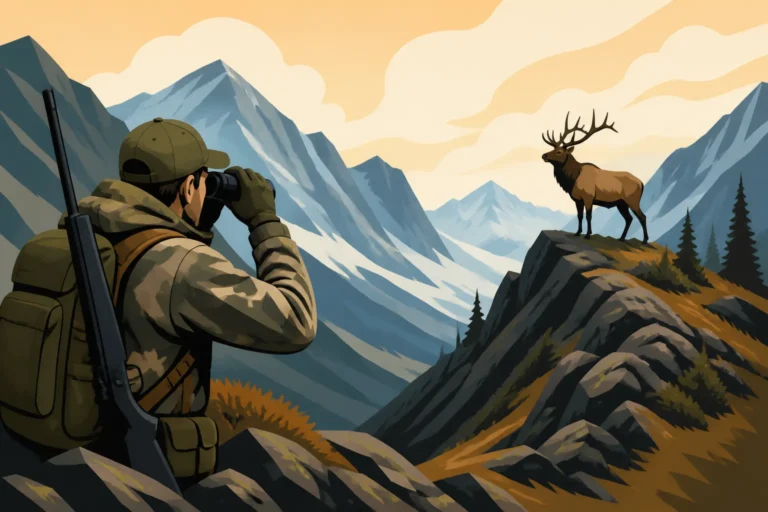
- Still-Hunting: This involves moving very slowly and deliberately, pausing frequently to observe and listen. In the dense cover often found around beaver ponds, still-hunting allows you to cover ground while remaining vigilant. Move a few steps, then stop and carefully scan the area with your binoculars. Look for horizontal lines (a moose's back) in a vertical world of trees, or the distinct paddle of an antler. Pay close attention to subtle movements, the flick of an ear, or a patch of hide. Moose often stand perfectly still, relying on their camouflage. This method is particularly effective when you're exploring a new pond or if you've detected recent sign but haven't pinpointed the animal.
- Stand Hunting: If you've identified a heavily used trail leading to the pond, a favored browsing area, or a natural pinch point, setting up a static stand can be incredibly productive. This could be a natural ground blind made from brush, or even an elevated position if the terrain allows. The key is to be in place well before moose activity is expected and remain absolutely still and silent. Overlooking a section of the pond where aquatic vegetation is dense, or a willow flat where they might be feeding, offers prime viewing. Sometimes, simply Glassing a Willow Flat for Moose from a concealed position is all it takes.
Calling Strategies in this Specific Environment
Calling can be incredibly effective when hunting moose around beaver ponds, as the water can sometimes help carry sound, and the contained nature of the pond creates an acoustic basin.
- Cow Calls: A soft, plaintive cow call can draw in a curious bull, especially during the rut. A series of long, drawn-out moans can imitate a lonely cow looking for companionship. Be prepared, as a bull might respond by crashing through the brush towards you, or he might circle downwind to get your scent.
- Bull Grunts: If you hear a bull grunting, or want to challenge one, mimicking a bull grunt can elicit a response. These are deeper, guttural sounds. Remember that Calling Moose in the Rut is a specific skill that takes practice, but the rewards can be immense.
- Raking Brush: One of the most aggressive and effective calling techniques is simulating a bull raking his antlers on brush. This can be done with a paddle bone, a piece of plywood, or even a sturdy stick on nearby trees. The sound of a bull working over a bush, snapping branches, can often bring in a dominant bull looking for a fight. If you want to try Raking Brush for a Bull Moose, ensure you're well hidden and ready.
- Patience and Observation: Don't call constantly. Call once or twice, then wait patiently for 10-15 minutes, listening intently for a response. Moose often take their time to respond, or they might approach silently. Use the wind to your advantage, and be ready for a shot at any moment.
Safety and Ethics in Beaver Pond Hunting
Hunting around beaver ponds presents unique challenges and considerations, particularly regarding safety and ethical practices.
Bear Awareness and Water Safety
British Columbia is bear country, and where you find moose, you often find bears, particularly grizzlies. These large predators are also drawn to rich riparian areas and can be highly protective of their space, or any potential food sources, including a fresh moose kill.
- Carry Bear Spray: Always carry bear spray and know how to use it. Make sure it's easily accessible, not buried in your pack.
- Make Noise: While stealth is crucial for moose, when moving through dense cover or areas where visibility is limited, consider making occasional noise to avoid surprising a bear. This balances the risk between moose and bear encounters. Our detailed guide on Bear Safety While Hunting in British Columbia offers more crucial advice.
- Travel in Groups: If possible, hunt with a partner. Two sets of eyes and ears are better than one, and a group can deter some bears.
- Water Safety: Beaver ponds, by definition, involve water. The ground around them can be boggy, unstable, and covered in hidden obstacles like submerged logs or beaver runs. Be extremely cautious when crossing wet areas. Cold water can lead to hypothermia quickly. If you do make a kill near or in water, retrieval can become a significant safety issue, especially with the sheer weight of an animal that can be as heavy as What a British Columbia Bull Moose Weighs.
Ethical Shot Placement and Retrieval
Making an ethical shot and ensuring swift retrieval is paramount, especially in the challenging environment of a beaver pond.
- Shot Placement: Always strive for a clean, ethical shot that ensures a quick and humane kill. Aim for the vital organs (heart and lungs). Given the dense cover around beaver ponds, clear shooting lanes can be scarce. Wait for a broadside or quartering-away shot where you have a clear line to the vitals. Never take a risky shot that could wound the animal and lead to a prolonged search, or worse, loss of the animal.
- Tracking: If the moose doesn't drop immediately, tracking in a beaver pond environment can be incredibly difficult. The soft, muddy ground might obscure blood trails, and dense vegetation can make following a line of travel nearly impossible. Mark the last spot you saw the animal, and meticulously search for any signs of blood, broken branches, or disturbed ground.
- Retrieval Challenges: Once a moose is down, the hard work truly begins. Beaver pond areas are often remote, wet, and rugged. Getting a massive animal out can be an epic undertaking. Consider the terrain, water crossings, and distance to the nearest accessible point. Preparing to quarter the animal on site is often the only feasible option, especially if you find yourself needing to navigate Quartering a Moose in Grizzly Country. Make sure you have the necessary tools: sharp knives, game bags, and a sturdy frame pack. If the moose drops into the water, retrieval becomes even more complicated and potentially dangerous. Plan for these challenges before you even pull the trigger.
Hunting moose around beaver ponds is a classic British Columbia experience that requires patience, knowledge of moose behaviour, and a good understanding of the specific environment. By focusing on smart scouting, a stealthy approach, and ethical hunting practices, you can significantly increase your chances of success and experience the thrill of hunting one of North America's most magnificent big game animals.
Disclaimer
The information provided in this guide is for general informational purposes only and does not constitute legal advice. Hunting regulations, seasons, and access rules in British Columbia can change frequently. It is the sole responsibility of the hunter to consult the most current British Columbia Hunting and Trapping Synopsis, relevant government websites, and local authorities to ensure full compliance with all applicable laws and regulations before engaging in any hunting activities. Always prioritize safety, respect wildlife, and practice ethical hunting principles.