Rifle Hunting British Columbia’s General Open Seasons
The sheer scale and diversity of British Columbia's hunting landscape can feel overwhelmingly complex, especially when you're trying to figure out where and when you can actually hunt with a rifle during the general open seasons. Many new and even experienced hunters find themselves frustrated by the labyrinthine regulations and the constant question of "Is this area open to me?" This comprehensive guide aims to cut through that confusion, giving you the practical knowledge and confidence to plan and execute successful rifle hunts in BC's vast general open zones.
Demystifying British Columbia's General Open Seasons
Navigating British Columbia's hunting regulations can often feel like deciphering an ancient scroll, particularly when trying to differentiate between General Open Seasons (GOS) and the more restrictive Limited Entry Hunting (LEH) draws. For many resident hunters, the general open seasons are the bread and butter of their hunting year, offering accessible opportunities without the lottery-style uncertainty of an LEH draw. Understanding how these seasons function, their regional nuances, and the critical role of Management Units (MUs) is the foundational step to a successful hunt.
General Open Season Versus Limited Entry Hunting
It's easy to get these two confused, but they are fundamentally different approaches to managing game populations in British Columbia. General Open Seasons, as the name suggests, are periods when specific species can be hunted by any licensed hunter, using approved methods, within designated Management Units. These seasons are designed for species with robust populations, allowing for broad recreational harvest without unduly impacting the overall herd health. Think of it as a first-come, first-served system, though obviously with bag limits and specific legal definitions for what can be harvested. The beauty of GOS is its accessibility; if you have your British Columbia Hunting Licences and Fees and the correct species tag, and it's within the open season and MU, you can go hunt.
On the other hand, Limited Entry Hunting (LEH) is a draw system. For species with more sensitive populations, or in areas where hunting pressure needs to be tightly controlled, the province allocates a fixed number of tags through a lottery. This is common for animals like moose in many regions, or for specific sheep and goat hunts, and often for mature bull elk or large antlered deer in certain zones. Applying for an LEH draw means you might not get a tag, even if you apply for years, as demand often far outstrips supply, especially for highly coveted species. While LEH offers the chance at unique, low-pressure hunts, GOS provides the regular, reliable hunting opportunities that most BC hunters depend on year after year. Knowing which kind of season you're looking at is the absolute first step in planning any hunt.
Navigating Season Dates and Regional Variations
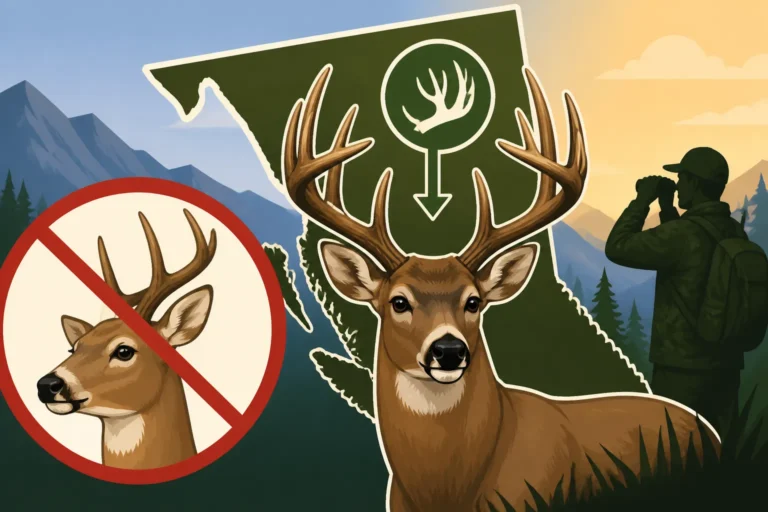
British Columbia is a massive province, and its hunting seasons are far from uniform. What's open in the Kootenays might be closed on Vancouver Island, and an archery season in September might transition to a rifle season in October in the same Management Unit. This regional variation is critical. The province is divided into nine administrative regions, each with its own set of regulations and season dates published in the annual British Columbia's Two-Year Regulations Synopsis. Within each region, specific Management Units (MUs) then detail the exact start and end dates for various species, as well as specific bag limits, antler restrictions (like the common British Columbia's Four-Point Antler Restriction for mule deer), and methods of take.
For example, many general open rifle seasons for deer in the Interior might kick off in early October, running through to late November, but coastal blacktail seasons could start later and extend into December. Similarly, black bear seasons often have a spring opener and a fall opener, with dates varying significantly based on the region and even the specific MU. This means you can't just pick a species and assume a season date; you absolutely must consult the regulations for the specific region and Management Unit you intend to hunt. Overlooking these details can quickly turn a legal hunt into an illegal one, with serious consequences. Planning ahead and carefully checking the dates for your target species in your chosen area is paramount.
The Importance of Understanding Management Units
Management Units, or MUs, are the granular geographical divisions that govern hunting regulations in British Columbia. They are designated numerical areas (e.g., 8-08, 3-26, 1-06) that carve up the province, and almost every single regulation—from season dates to bag limits to antler restrictions—is tied directly to these MUs. You can't just hunt "somewhere in the Kootenays"; you must know the specific MU you are in at all times. This is especially true when crossing boundaries, as the regulations can change immediately upon entering an adjacent MU. Getting a handle on how these boundaries are defined and where they lie on the ground is foundational for responsible hunting in BC.
Using tools like the BC Hunting and Trapping Regulations Synopsis map interface, or digital mapping platforms like GoHunt, is invaluable for understanding MUs. These resources allow you to overlay MU boundaries onto topographical maps, providing a clear visual representation of where you can and cannot hunt under specific regulations. Before heading out, it's wise to study the MU map for your intended hunting area. Look for natural boundaries like major rivers or mountain ranges, or man-made ones like highways or forest service roads, that define the MUs. Understanding your MU is not just about legality; it's about smart hunting. Different MUs will have varying terrain, access points, and game populations, so an in-depth understanding of the specific unit you're targeting will dramatically improve your chances of success. Learning to Scouting a British Columbia Management Unit Online is an essential skill for modern hunters.
Here's a quick comparison of General Open Seasons and Limited Entry Hunting:
| Feature | General Open Season (GOS) | Limited Entry Hunting (LEH) |
|---|---|---|
| Access | Open to any licensed hunter with appropriate tags. | Requires application to a lottery draw; limited permits. |
| Primary Goal | Allows broad recreational harvest of robust populations. | Manages sensitive populations or high-demand areas. |
| Probability of Tag | Guaranteed with purchase of species licence/tag (if available). | Lottery-based; no guarantee, odds vary widely. |
| Species Typically Covered | Most deer (mule, blacktail), black bears, coyotes, wolves, some elk/moose. | Specific moose, elk, sheep, goat, or high-demand deer hunts. |
| Planning Horizon | Can often be planned closer to the season. | Requires planning months in advance for application. |
| Hunting Pressure | Generally higher in accessible areas. | Typically lower, due to limited number of hunters. |
Essential Gear for Rifle Hunting Success
Stepping into British Columbia's diverse landscapes for a rifle hunt means being prepared for anything. From the dense coastal rainforests to the sprawling Interior grasslands and the rugged mountain ranges, conditions can change dramatically within hours. Having the right gear isn't just about comfort; it's about safety, efficiency, and ultimately, success. Neglecting any aspect, be it your rifle setup, your layering system, or your navigation tools, can quickly turn an exciting adventure into a frustrating, or even dangerous, ordeal.
Rifles, Optics, and Ammunition for Diverse Terrain
When it comes to rifle hunting in British Columbia, versatility is key. The province boasts a wide array of big game, from the relatively smaller blacktail deer to the formidable moose and elk. Your rifle choice should reflect the species you intend to pursue, but also the varied terrain and potential shot distances. While a .270 or .30-06 is a classic, versatile choice for most deer, black bears, and even elk at moderate ranges, stepping up to a .300 Winchester Magnum or a .338 Winchester Magnum might offer more confidence for longer shots on larger animals, particularly in open alpine country or vast cutblocks. However, never over-gun yourself to the point where recoil affects your accuracy. The Legal Rifle Calibres for Big Game are generous, but ethical hunting demands precise shot placement.
Optics are equally crucial. A good quality scope with variable magnification (e.g., 3-9x or 4-12x) is suitable for most hunting scenarios, offering flexibility for both close-quarters timber hunting and longer-range glassing. Ensure your scope is robust, waterproof, and holds zero under tough conditions. Many hunters also swear by a good set of binoculars (10×42 or 12×50) and a spotting scope for extended glassing sessions, especially when Glassing an Interior Hillside for Mule Deer or surveying distant mountain slopes. As for ammunition, choose a quality expanding bullet designed for hunting. Bullet construction matters immensely for reliable performance on game, ensuring clean kills. Carry enough rounds for practice and for your hunt, accounting for potential reloads or follow-up shots. Don't forget a sturdy bipod or shooting sticks for stable field shooting positions, which can be invaluable when adrenaline is high.
Clothing and Footwear for British Columbia's Variable Weather
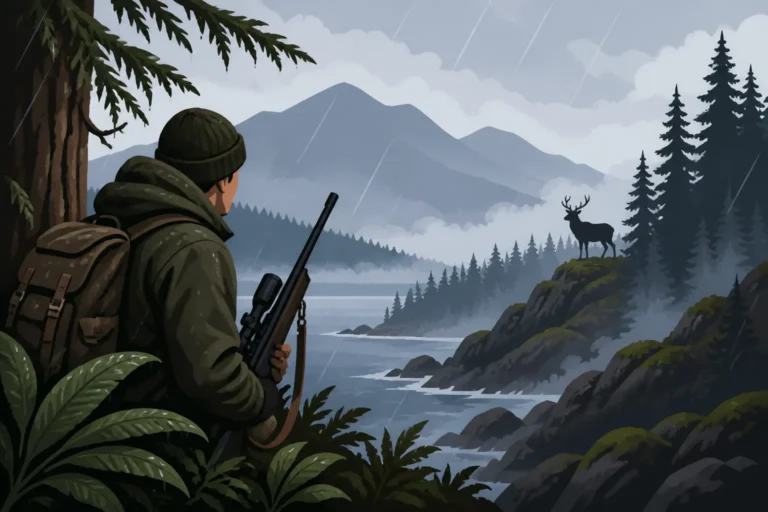
British Columbia's weather is notoriously unpredictable. You can start a day in brilliant sunshine, only to find yourself drenched by an afternoon downpour or caught in an unexpected snow flurry, even in early fall. This makes a proper layering system non-negotiable. Begin with a moisture-wicking base layer (merino wool or synthetic) to manage sweat. Add an insulating mid-layer, such as fleece or a puffy jacket, for warmth. Your outer layer should be a waterproof and windproof shell that can stand up to the elements, especially if you're Hunting in British Columbia's Coastal Rain or facing exposed alpine conditions. Avoid cotton entirely, as it loses all insulating properties when wet.
Footwear is another critical component. A quality pair of waterproof, ankle-supporting hunting boots is essential for traversing rugged, uneven terrain. Consider whether you'll be crossing creeks, climbing steep slopes, or covering long distances, and choose boots appropriate for those conditions. Break them in thoroughly before your hunt to prevent blisters. Gaiters are also a smart addition to keep debris and moisture out of your boots and lower pant legs. Don't forget multiple pairs of wool or synthetic socks to keep your feet dry and comfortable. A good hat and gloves or mittens are also vital for retaining body heat, especially during chilly mornings or evenings. When considering clothing, remember that silent movement is often key, so avoid excessively noisy fabrics.
Navigation, Safety, and Communication Equipment
Modern hunting in British Columbia absolutely demands reliable navigation and communication tools. While a good old-fashioned map and compass should always be in your pack as a backup, GPS devices or smartphone apps (like those offered by GoHunt, which can be excellent for offline mapping and identifying British Columbia's Management Units and Regions) are indispensable. These tools help you pinpoint your location, track your route, mark important waypoints (like a downed animal or camp), and crucially, stay within legal hunting boundaries. Always carry extra batteries or a power bank for electronic devices.
Safety in BC's backcountry extends beyond navigation. A comprehensive first-aid kit is non-negotiable. Bear spray, carried in an easily accessible holster, is vital for personal safety, especially with the prevalence of both black bears and grizzlies in many hunting areas. Learning Bear Safety While Hunting in British Columbia is not just good advice, it's a necessity. Signalling devices like a whistle, mirror, or flare can be lifesavers in an emergency. For communication in areas without cell service (which is most of BC's backcountry), a satellite messenger or satellite phone is highly recommended. Devices like the Garmin inReach allow you to send and receive text messages and, most importantly, trigger an SOS call to emergency services if needed. Never head into the wilderness alone without a way to call for help or at least let someone know your plans and expected return time.
Effective Scouting and Locating Game in General Open Seasons
The difference between a frustrating, game-less hunt and a successful one often boils down to thorough scouting. This is particularly true for British Columbia's general open seasons, where game might be widely dispersed, and hunting pressure can be variable. Effective scouting involves both pre-trip research and boots-on-the-ground investigation, allowing you to identify prime habitat, understand animal movements, and adapt your tactics to the specific terrain you're hunting. It's about putting in the homework before the hunt even begins.
Utilizing Online Resources and Maps
Before you even tie a bootlace, the internet offers a treasure trove of information that can dramatically narrow down your search for game. Start with the official BC Hunting and Trapping Regulations Synopsis, which provides detailed maps of Management Unit boundaries, known habitat for different species, and historical harvest data. Websites like GoHunt and their mapping platform are fantastic for overlaying public land designations, logging road networks, and topographic features. These tools allow you to identify potential bedding areas, feeding zones, water sources, and travel corridors from the comfort of your home. You can often see historical burns (Hunting a Burned Slope Two Years On), clearcuts, or old growth timber stands, all of which are crucial habitat components for various game animals.
Beyond mapping, look for reports from local conservation officers, wildlife biologists, or even online hunting forums. These can offer insights into current game populations, winter kill impacts, or unusual animal movements. Pay attention to weather patterns, as heavy snow or prolonged drought can significantly alter where animals will be found. The goal is to develop a robust understanding of the area's ecology and how it relates to your target species. By combining official regulations with detailed mapping tools and local knowledge, you can save countless hours of aimless wandering in the field and focus your efforts on the most promising areas.
Field Scouting Techniques and Reading Sign
No amount of online research can replace the invaluable information gained from actual field scouting. Ideally, you should visit your chosen hunting area a few weeks or months before the season opens. This allows you to observe animal patterns without disturbing them during the hunt. Look for fresh tracks, droppings, rubs (on trees), and beds. These signs tell you what species are in the area, how recently they've been there, and what their preferred travel routes and bedding locations are. Pay particular attention to transition zones – areas where different habitats meet, such as the edge of a forest and a meadow, or where an old clearcut borders mature timber. These are often high-activity areas for deer and elk.
During your scouting trips, use optics extensively. Spend time on high vantage points, glassing distant slopes, clearings, and shadowed draws. This helps you understand the terrain and identify potential shooting lanes or stalking routes. If you're Hunting British Columbia's Logging Road Network, walk or drive deactivated sections, checking for fresh tracks or game trails. Set up trail cameras in promising locations, like natural funnels or pinch points, to gather intelligence on game movement patterns and approximate times. Remember to be stealthy and minimize your disturbance during scouting; the goal is to observe, not to alter the animals' behaviour before the season even begins. Understanding the nuances of reading various animal signs is a skill that only develops with time spent in the field.
Adapting to Different Terrains and Habitats
British Columbia presents an incredible range of hunting environments, and successful hunters must be adaptable. The tactics that work in the dense, wet forests of the coast for Black-Tailed Deer Hunting in British Columbia will be very different from those employed on the arid, sagebrush-covered hillsides of the Okanagan for mule deer. For example, in thick timber, still-hunting or slow-stalking is often the most effective method, moving quietly and constantly stopping to scan for movement or listen for faint sounds. In open country, spot-and-stalk becomes the primary tactic, relying heavily on long-range glassing from vantage points to locate animals, followed by a careful, wind-aware approach.
Alpine hunts, common for sheep and goats but also for high-country mule deer, demand extreme physical fitness and a willingness to hike into remote basins. Here, animals are often visible from afar, but getting into shooting position requires patience and navigating challenging terrain. River bottoms and marshy areas, on the other hand, might hold moose or waterfowl, requiring different considerations for access and movement. Even within a single Management Unit, you might encounter diverse habitats, from valley bottoms to steep slopes to subalpine parks. Your ability to recognize these different terrains and adapt your hunting style, from gear choice to approach strategy, is a hallmark of an experienced and successful British Columbia rifle hunter.
Targeting Common Big Game Species
British Columbia offers an incredible array of big game hunting opportunities during its general open seasons, primarily for resident hunters. While some species like sheep and most moose are heavily managed through LEH draws, a significant portion of the province's deer, black bear, and certain elk populations can be pursued with a rifle under GOS rules. Each species presents its own challenges and requires specific knowledge of habitat, behavior, and legal harvest criteria.
Mule Deer Hunting in General Open Seasons
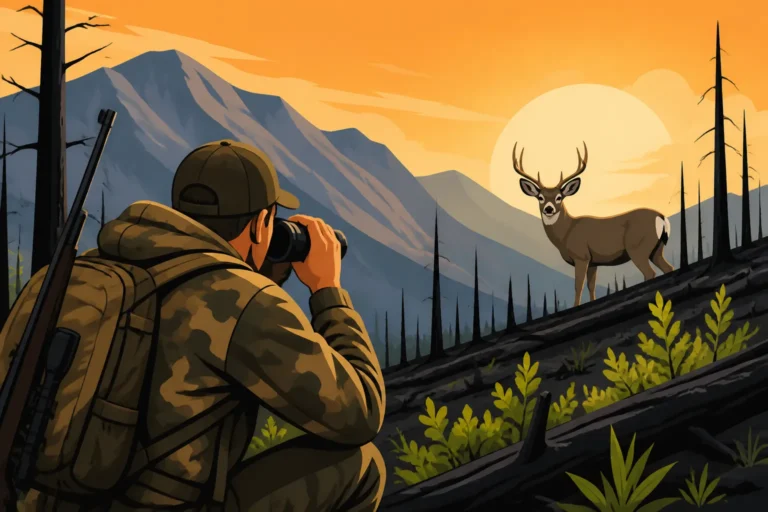
Mule deer are arguably the most popular big game species for rifle hunters in British Columbia's general open seasons, particularly throughout the Interior regions. These deer are known for their large ears and their distinctive bounding gait, and they inhabit a diverse range of habitats from valley bottoms to high alpine country. Many GOS for mule deer typically open in early October, when bucks are beginning to focus on pre-rut activity, offering good opportunities. Key areas often include open pine forests, aspen stands, and sagebrush benches, especially those with good cover nearby. When hunting Mule Deer Hunting in British Columbia, focus on transition zones where different habitat types meet, such as the edge of clearcuts, burns, or where forests meet grasslands. Early morning and late evening are prime times, as deer move between bedding and feeding areas. During mid-day, they often bed down in dense cover on north-facing slopes to stay cool or in thick timber for security.
Understanding the specific antler restrictions is crucial for mule deer. Many general seasons have a "4-point or better" rule, meaning a buck must have at least four points on one antler (excluding the brow tine) to be legal. This regulation is designed to protect younger bucks and allow them to mature. Always double-check the regulations for your specific Management Unit. Using glassing techniques from high vantage points can be incredibly effective when hunting mule deer, especially in more open terrain. Patiently picking apart distant hillsides with your binoculars, and even a spotting scope, can reveal a bedded buck that might otherwise go unnoticed. When you spot one, careful Stalking a Bedded Buck in Open Timber becomes the next critical step, paying close attention to wind direction and available cover to close the distance for an ethical shot.
Black Bear Opportunities and Tactics
Black bears are found virtually everywhere in British Columbia where there is suitable habitat, making them an excellent species for general open season rifle hunting. The province typically offers both spring and fall general open seasons for black bears. Spring hunts, often running from April through June, focus on bears emerging from hibernation, seeking fresh green growth in south-facing slopes, avalanche chutes, and along logging roads or river systems. Fall seasons, usually from September to November, see bears gorging on berries, nuts, and salmon in preparation for winter. Coastal areas, in particular, can offer exceptional fall opportunities as bears concentrate around salmon-spawning streams.
Hunting black bears in GOS often involves glassing open areas. In spring, this means slowly cruising logging roads (Spring Bear Hunting British Columbia's Logging Roads) or finding a high point to glass clearcuts and green-up zones. In fall, focus shifts to berry patches on south-facing slopes or river estuaries where salmon are spawning. When Glassing for Bears on a Coastal Estuary, it's vital to bring patience and good optics. Once a bear is spotted, a careful stalk is usually necessary to get within effective rifle range. Ethical shot placement on a bear is crucial; aim for the shoulder pocket to hit the vitals. Be absolutely certain of your target, and always, always ensure it is a legal bear (not a sow with cubs, and not a protected grizzly bear, which cannot be hunted in BC). Black bears offer an exciting and rewarding hunt, and their meat, when cared for properly, is delicious.
Elk and Moose Where General Seasons Allow
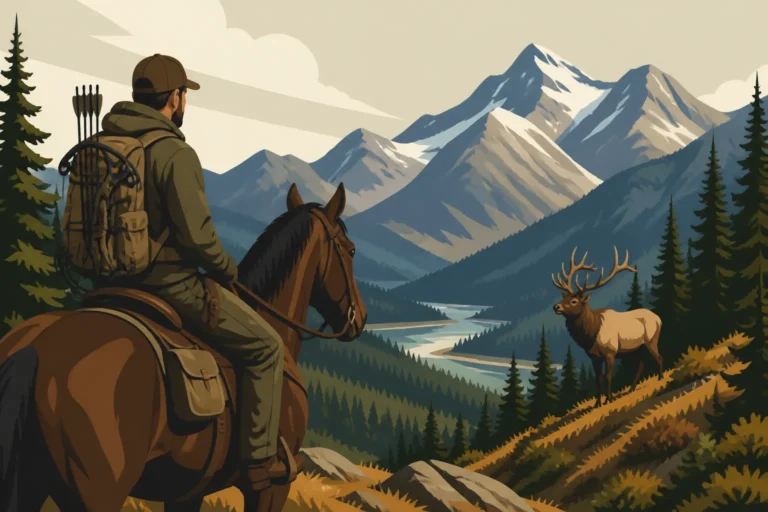
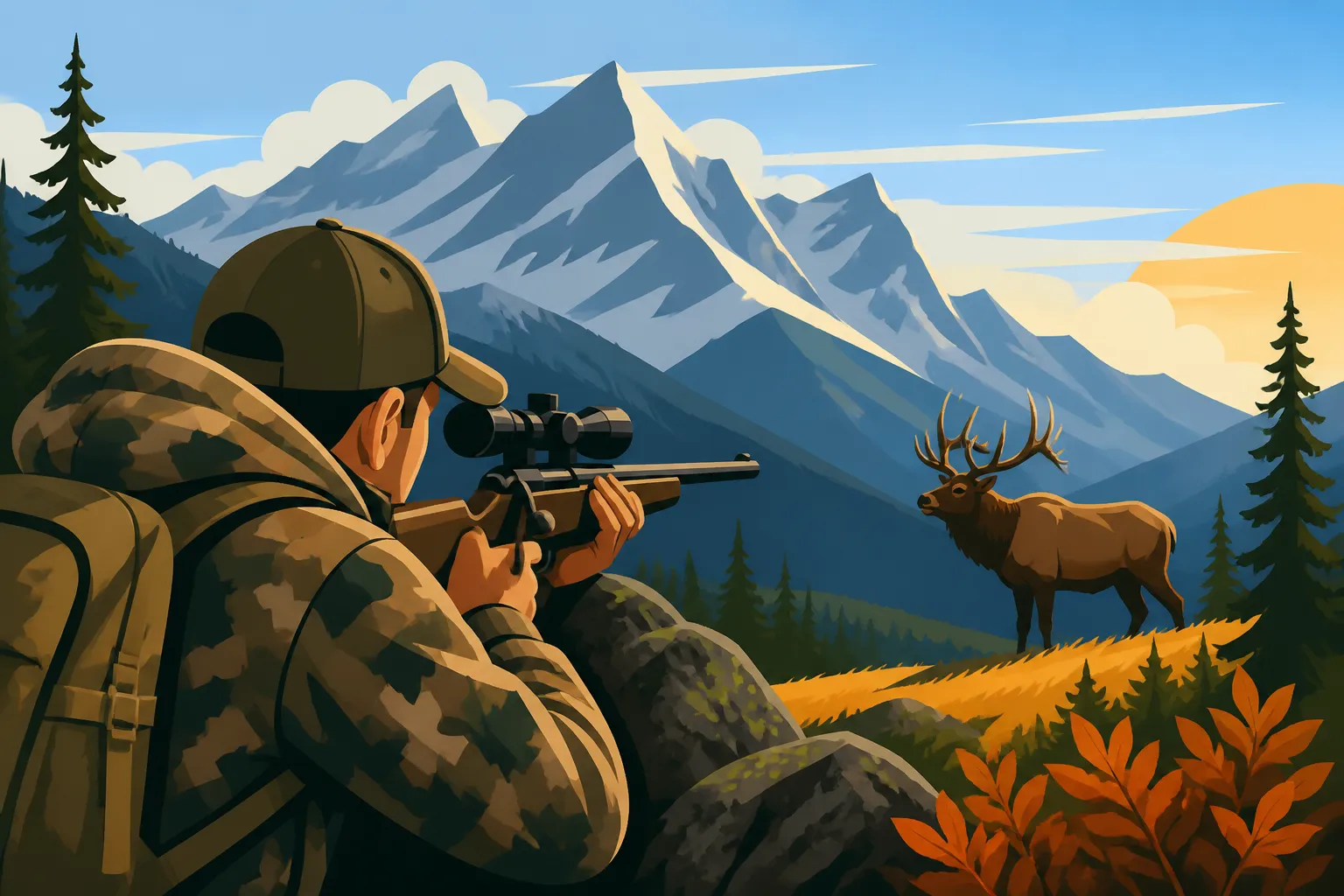
While many of British Columbia's prime elk and moose hunting opportunities are managed through Limited Entry Hunting draws, there are still some general open rifle seasons available for residents, particularly for cows or spike bulls in certain MUs, or for either-sex elk in specific regions with healthy populations. Rocky Mountain Elk are prominent in the Kootenay region, while Roosevelt Elk are found on the coast. Moose are prevalent in the Interior and Northern regions. Access to these GOS areas is invaluable for hunters who aren't lucky enough to draw a tag. When hunting elk in general seasons, focus on areas of mixed timber and open meadows, particularly during the rut (late September into October) when bulls are more vocal and active. Calling tactics, such as bugling or cow calls, can be very effective.
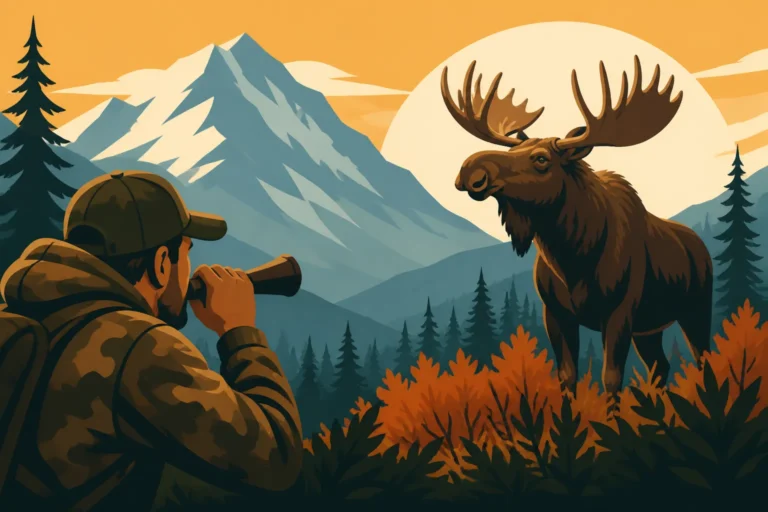
For moose, general open seasons are often shorter and more restricted to specific MUs, or might be limited to antlerless animals to manage herd growth. The Peace Region and parts of the Cariboo and Omineca are known for their moose populations. Look for moose in willow thickets, around beaver ponds (Hunting Moose Around a Beaver Pond), and along river bottoms, as they prefer riparian habitats and dense cover. During the rut (late September to mid-October), bulls become less wary, and calling can be extremely effective. Patience, stealth, and a keen understanding of their habitat are key for both elk and moose. Always consult the current regulations for the specific Management Unit you plan to hunt, as GOS opportunities for these large game animals can be very localized and subject to change.
Precision Shooting and Ethical Considerations
Beyond knowing where and when to hunt, the actual act of hunting involves a profound responsibility. Precision shooting, combined with an unwavering commitment to ethical practices and strict adherence to regulations, defines a true British Columbia hunter. The wild spaces we enjoy demand our respect, and every shot taken, every decision made in the field, reflects on the hunting community as a whole.
Mastering Fieldcraft and Shot Placement
Hitting a target on a flat range is one thing; making an ethical shot on a living animal in dynamic field conditions is entirely another. Fieldcraft encompasses a hunter's ability to navigate terrain, read wind, estimate range, manage adrenaline, and execute a precise shot when the moment arrives. In British Columbia's often rugged and steep country, you'll rarely get a perfect bench rest setup. Practicing various shooting positions – prone, kneeling, sitting, and even standing with support (like shooting sticks or a backpack) – is crucial. A solid rest is paramount for accuracy, so learn to utilize natural supports like trees, rocks, or your backpack. Using a rangefinder to confirm distances, especially in varied terrain where optical illusions can occur, is highly recommended.
Shot placement is the cornerstone of ethical hunting. For big game, the goal is always a quick, humane kill. This means aiming for the vital organs – heart and lungs – located in the "shoulder pocket" of most animals. Avoid risky shots at running animals or extreme distances unless you are absolutely confident in your abilities and equipment. Understand that different angles require different aiming points. A broadside shot is generally the most forgiving, while quartering-away or quartering-to shots demand a deeper understanding of anatomy. If there's any doubt about shot placement or if the animal is not presenting an ethical opportunity, waiting for a better chance or letting the animal walk is always the correct decision. Your responsibility as a hunter extends far beyond pulling the trigger; it's about making every shot count.
Understanding British Columbia's Antler and Bag Limits
British Columbia's wildlife management relies heavily on antler restrictions and bag limits to control harvest and maintain healthy populations. For species like mule deer, for instance, a common general open season rule is "4-point or better," meaning a buck must have four or more points on one antler (excluding the brow tines) to be legal. Failure to correctly Judging a Four-Point Mule Deer Buck in the field can result in a significant fine and loss of your animal. Similarly, moose and elk often have antler restrictions such as "spike-fork," "6-point or better," or "any bull" in specific MUs. These rules are designed to protect younger, genetically valuable animals and ensure older, more mature males contribute to the breeding cycle.
Bag limits specify the maximum number of animals of a certain species you can harvest in a given license year. For most big game in British Columbia, the bag limit is one animal per species per year, though some regions or specific LEH draws might allow for additional harvests (e.g., a general season black bear tag might allow two bears if the regulations permit). It is your responsibility to know and adhere to these limits. Ignorance of the regulations is not an excuse. Always verify the most current regulations for your specific Management Unit and species, including any "Limited Entry Hunting Zone" restrictions that might apply even if you're hunting during a GOS. These rules are in place for a reason: to conserve wildlife and ensure sustainable hunting opportunities for future generations.
Respecting Other Hunters and Land Users
British Columbia's Crown land is a shared resource, and respecting other hunters, outdoor enthusiasts, and private landowners is not just good etiquette; it's essential for maintaining a positive public image of hunting. You will encounter other people on your hunt, whether they are hikers, mountain bikers, ATV riders, or fellow hunters. A simple wave or a friendly greeting goes a long way. If you come across another hunting party, give them ample space and avoid encroaching on their area. Good communication can prevent conflicts and ensure everyone has a safe and enjoyable experience. For instance, if you're driving a logging road, slow down when approaching others to minimize dust and show courtesy.
Access to hunting areas can sometimes involve crossing private land or using roads that pass through it. Always know the rules regarding British Columbia Trespass and Private Land Law. If private land is posted, respect those signs. If it's unposted but appears to be actively used, it's always best to seek permission from the landowner before accessing it. Building positive relationships with landowners can even open up new hunting opportunities. Furthermore, practice Leave No Trace principles. Pack out everything you pack in, and leave the landscape cleaner than you found it. This includes properly disposing of animal carcasses and not leaving gut piles directly on roads or trails where they could attract bears to public areas. Being a responsible and respectful hunter helps ensure that access to our shared wild spaces remains open for everyone.
Post-Harvest Care and Logistics
The moment an animal is down, the clock starts ticking. Proper post-harvest care is not just about preserving the meat; it's an ethical obligation to the animal and a critical step in ensuring the quality of your hard-earned harvest. In British Columbia's often remote and variable conditions, successful field dressing, meat care, and logistics for packing out are paramount. From the instant of the shot to the final trip to the butcher, every step requires attention to detail and readiness for the challenges of the backcountry.
Field Dressing and Meat Care in Diverse Conditions
Once an animal is harvested, immediate and thorough field dressing is essential, especially in British Columbia's warmer early seasons or if you're hunting in milder fall weather. The goal is to rapidly remove the entrails to allow the carcass to cool down as quickly as possible, preventing spoilage. Start by carefully opening the body cavity from the sternum to the pelvis, avoiding puncturing the stomach or intestines. Sever the esophagus and trachea, and then roll the animal onto its side to help the entrails spill out. If you're going to cape the animal for a trophy, be mindful of your cuts around the neck and shoulders. Once gutted, wipe the cavity clean with a cloth or paper towel, removing any blood clots or debris. Avoid using water inside the cavity unless absolutely necessary and if you can ensure it will dry quickly.
In warm weather, or if you're in grizzly country and need to quarter the animal quickly, skinning the animal immediately after gutting is often the best approach to accelerate cooling. Hang the quarters if possible, allowing air to circulate around them. If hanging isn't an option, lay them on logs or brush off the ground to promote airflow. Protecting the meat from flies and dirt is crucial; use game bags to cover the quarters. For advice specific to difficult conditions, referring to resources like Meat Care in British Columbia's Warm Early Seasons can be invaluable. Even in cooler weather, keeping meat clean, dry, and cool is the golden rule. Never stack meat directly on top of itself for extended periods without proper airflow.
Packing Out Game from Remote Locations
Getting your harvested animal out of the backcountry can often be the most physically demanding part of the hunt, especially in British Columbia's steep and rugged terrain. If you're successful in a remote area, be prepared for a substantial pack out. For deer-sized game, you might be able to bone out the animal and pack it out in a single trip using a sturdy frame pack. For larger animals like elk or moose, it will almost certainly require multiple trips, or assistance from hunting partners, horses, or even a jet boat if you're near a river system. Understanding Packing Meat With a Frame Pack is a core backcountry skill.
Before you even head out on your hunt, have a plan for how you will extract game. Scout potential pack-out routes. Consider the terrain, distance, and your physical capabilities. If hunting with partners, ensure everyone understands their role in the pack out. For moose, you might need to quarter it in place, as moving an entire carcass is nearly impossible. Make sure you have enough game bags, knives, and a reliable pack. If you're using ATVs or horses for extraction, ensure they are legally permitted in your hunting area and that you have the necessary supplies. The physical effort required can be immense, so being in good shape and having a well-thought-out plan will make a world of difference in successfully retrieving your hard-earned meat.
Compulsory Reporting and Tagging Requirements
British Columbia has strict regulations regarding the tagging and compulsory reporting of harvested big game. Immediately after harvesting an animal, you must attach your species tag to the animal, specifically to the antlers (if present) or through an ear or leg. This tag must remain attached to the animal or its major parts (such as quarters) until it is processed into individual portions for consumption or storage. Failure to tag your animal properly and immediately is a serious offense. Remember, the tag is unique to you and the species.
Beyond tagging, many species, including all big game (deer, elk, moose, bear, sheep, goat, cougar), require Compulsory Reporting Within Thirty Days of harvest. This is done online through your BC Wildlife Federation (BCWF) account or the provincial hunting portal. The harvest report typically asks for information such as the species, sex, antler points (if applicable), Management Unit of kill, date of kill, and method of take. This data is critical for wildlife management, helping biologists monitor populations and adjust future regulations. Certain species, like mountain sheep and mountain goat, still require compulsory inspection by a provincial official, often involving the submission of horns or skulls. Always check the specific requirements for your species to ensure you comply with all tagging, reporting, and inspection rules. Diligence in these administrative tasks is a fundamental part of responsible hunting in British Columbia.
Disclaimer
The information provided in this guide is for general informational purposes only and is not intended as legal advice. Hunting regulations in British Columbia are complex and subject to change. It is the individual hunter's responsibility to consult and adhere to the most current British Columbia Hunting and Trapping Regulations Synopsis and any local bylaws or restrictions before planning and engaging in any hunting activities. Always prioritize safety, ethical practices, and responsible wildlife management.