Field Dressing in British Columbia’s Wet Weather
There’s nothing quite like the raw, untamed beauty of British Columbia’s wilderness, but let’s be honest, it often comes with a generous side of precipitation. You’ve put in the miles, braved the elements, and finally, your hard work pays off. Now, the real work begins: field dressing your animal, often in a persistent drizzle or an outright downpour. This isn't just an inconvenience; it presents genuine challenges for keeping the meat clean, preserving its quality, and ensuring your own safety and comfort. This guide is all about navigating those soggy realities, offering practical advice to get your harvest from the mountain to the freezer, even when Mother Nature is doing her best to wash you out.
The Unique Challenges of Wet Weather Field Dressing
Hunting in British Columbia means you're almost guaranteed to encounter wet conditions at some point, whether it's the notorious coastal rain or an interior autumn shower. When it comes to field dressing, this isn't just about getting a little damp; it brings a whole host of frustrations and practical hurdles that can compromise your comfort, safety, and ultimately, the quality of your hard-earned meat. It’s a reality we all face, and it’s why preparation is so crucial.
Keeping Yourself and Your Gear Dry
One of the most immediate and impactful challenges is simply staying dry and warm. There’s nothing that saps morale and can lead to dangerous situations faster than being soaking wet in cold temperatures. When you're actively working on an animal, you're bending, reaching, and often getting splashed, making it incredibly difficult to keep your rain gear effective. Water finds a way in, seeping down sleeves, through necklines, and soaking your inner layers. This isn't just uncomfortable; sustained cold and wet conditions can lead to hypothermia, even in what might seem like mild temperatures. Your gloves, especially, become a point of contention. While rubber gloves are a must for hygiene, they don’t always protect your hands from the internal chill of wet conditions, and getting your liner gloves wet inside can be a nightmare. Furthermore, trying to handle sharp knives and a large animal with numb, wet hands significantly increases the risk of an accident.
Beyond your personal comfort, your gear takes a beating too. Backpacks, extra clothing, and even your game bags can become saturated if not properly protected. Imagine trying to pack out several hundred pounds of meat in a pack that's already gained ten pounds from water absorption. It’s a recipe for exhaustion and frustration. This is why many experienced hunters dedicate significant effort to waterproofing their gear, often going beyond what manufacturers claim, with dry bags and liners for everything critical.
Contamination Risks from Rain and Mud
The primary goal of field dressing is to cool the meat and prevent spoilage, and cleanliness is paramount to this. In wet weather, this becomes exponentially harder. Rain, while seemingly clean, can pick up all sorts of contaminants from the animal's hide, the surrounding environment, and even your own hands or clothing as it washes over the carcass. Dirt and mud are everywhere, easily transferred to exposed meat. Imagine a deer lying on a muddy hillside, and as you open it up, rain is actively washing mud from its hair right into the body cavity. It’s a disheartening scenario that can ruin prime cuts.
Blood, mixed with rain, creates a diluted, messy slurry that can spread contaminants more easily. Leaves, pine needles, and other forest debris stick readily to wet, exposed muscle and fat. This isn't just about aesthetics; these organic materials introduce bacteria that can accelerate spoilage, especially if they are left on the meat during the cooling process. We're talking about food safety here, and shortcuts in the field due to poor conditions can have serious consequences for the quality and safety of your harvest.
The Slippery Slope of Wet Conditions
Working on an animal is already physically demanding, requiring steady footing and focused effort. Add slick, muddy ground, wet rocks, and slippery moss-covered logs into the equation, and the task becomes downright hazardous. You're often working on uneven terrain, sometimes on a slope, with a large, heavy animal that needs to be rolled or positioned carefully. A slip with a sharp knife in hand, or while trying to steady a carcass, could lead to serious injury.
Moving the animal for better access or to roll it onto a tarp can be much more difficult when the ground offers no traction. If you're working alone, which many hunters in BC often are, the challenge of manipulating a heavy animal without losing your footing is magnified. This is where planning ahead, looking for natural high ground or flatter, less muddy spots, becomes incredibly important. You might spend an extra 15 minutes finding a better spot, but it could save you hours of struggle or a trip to the emergency room.
Essential Gear for Wet Weather Field Dressing
When you're facing down the elements in British Columbia, having the right gear isn't just a convenience, it's a necessity for successful field dressing and meat preservation. Forget what you think you might need; focus on what will genuinely protect you, keep your meat clean, and make the process efficient, even when the skies open up. This isn't about buying the most expensive stuff, but rather investing in thoughtful, functional tools that can withstand the unique challenges of the BC backcountry.
Rain Gear and Personal Protection
Your first line of defense against the relentless BC rain is, naturally, your waterproof outerwear. This isn't the time for 'water-resistant' — you need truly waterproof gear from head to toe. A quality rain jacket with a good hood that seals tightly around your face and neck is paramount. Look for one with adjustable cuffs that can be cinched down to prevent water from running down your sleeves when you're working. Equally important are waterproof rain pants, ideally ones that can be pulled over your hunting boots without having to take them off entirely, protecting your lower half from splashes and kneeling in mud. Brands like Sitka, Kuiu, and Helly Hansen offer robust hunting-specific rain gear that stands up to the challenge.
Beyond your outer shell, consider waterproof gloves or glove liners that you can wear inside your surgical gloves. Your hands will be doing the bulk of the work, and keeping them warm and functional is key. A bright, hands-free headlamp is also non-negotiable, even if you expect to be done before dark. The light fades fast under heavy cloud cover or in dense timber, and trying to field dress in dim light is a recipe for mistakes. Remember, you might be in grizzly country, and Bear Safety While Hunting in British Columbia is always a concern; working efficiently minimizes your time spent vulnerable.
Tools of the Trade for Clean Work
A sharp knife is the single most important tool in your field dressing kit. In wet conditions, it's even more critical because dull knives require more force, increasing the risk of slips and injury. Many hunters today opt for replaceable blade knives, like those from Havalon or Outdoor Edge, as they guarantee a razor-sharp edge every time without needing to sharpen in the field. Carry several spare blades. For heavier work, a sturdy fixed-blade knife is still invaluable. A small, lightweight bone saw can be incredibly helpful for splitting the sternum or pelvis, making evisceration and quartering much easier and cleaner, especially if you're concerned about Getting Meat Out of Steep British Columbia Country.
Don't forget long-cuffed rubber or nitrile gloves. These aren't just for hygiene; they offer an extra layer of protection against the cold and wet, and prevent blood from getting under your fingernails or soaking into your sleeves. Many hunters double up with a thinner pair of liner gloves underneath for warmth. Finally, a small bottle of hand sanitizer is great for cleaning up quickly after the job is done, before you handle anything else in your pack.
Game Bags and Tarps for Preservation
This is where many hunters make mistakes, especially in wet weather. Ditch the cotton game bags immediately. Cotton absorbs moisture like a sponge, promoting bacterial growth and adding significant weight. Instead, invest in high-quality, breathable synthetic game bags. Brands like Caribou Gear or Alaskan Game Bags are excellent choices. These bags protect the meat from flies and debris, while still allowing air circulation, which is vital for cooling. You'll need enough bags for each quarter, plus smaller bags for backstraps, tenderloins, and trim.
A lightweight, durable tarp is a game-changer for wet weather field dressing. A simple painter's tarp from a hardware store can work in a pinch, but a more robust option designed for camping or backpacking will last longer. This tarp serves multiple purposes: as a clean surface to lay the animal on, preventing mud and debris from contaminating the hide and then the meat; as a temporary ground sheet for your gear, keeping your pack and clothes dry while you work; and as a small, impromptu shelter if the rain gets really heavy. For larger animals, consider two tarps to create a cleaner work zone. When you're planning your trip, consider using tools like GoHunt to scout areas that might have natural shelter or flatter terrain, making a tarp setup easier.
Step-by-Step Field Dressing in the Rain
Field dressing an animal in the rain demands a methodical approach, focusing on speed, cleanliness, and efficiency. It’s not just about getting the job done, but getting it done right to preserve the meat quality. The added challenge of wet conditions means you need a clear plan, especially if you're deep in the British Columbia backcountry.
Preparing the Scene: Shelter and Positioning
Before you even think about unsheathing your knife, take a moment to assess your surroundings. Look for any natural shelter – a dense stand of fir, a large overhanging rock, or even a thick bush that can offer a slight reprieve from the direct downpour. While often scarce, even a little bit of cover can make a huge difference in keeping your work area cleaner. If you brought a tarp, now is the time to deploy it. Try to find a high point or a relatively dry, flat spot. Spread your tarp on the ground where you intend to work. This provides a crucial barrier between the animal and the muddy, wet forest floor, significantly reducing contamination.
Next, position the animal. For deer-sized game, laying it on its back with legs splayed can be effective. If you can prop it up against a log or use some sturdy branches to keep it from rolling, even better. The goal is to create a stable platform where you can work without constantly fighting gravity or a sliding carcass. For larger animals like moose or elk, which are too heavy to easily roll, you might have to work with them on their side. In these cases, focus on opening the body cavity quickly and cleanly, then quartering to allow easier manipulation and access. The less you have to move the whole animal, especially on a slippery slope, the safer and cleaner your process will be. Remember, working quickly and efficiently is paramount when faced with British Columbia's coastal rain, so having a clear mental picture of your steps before you start is a huge advantage.
The Evisceration Process in Adverse Conditions
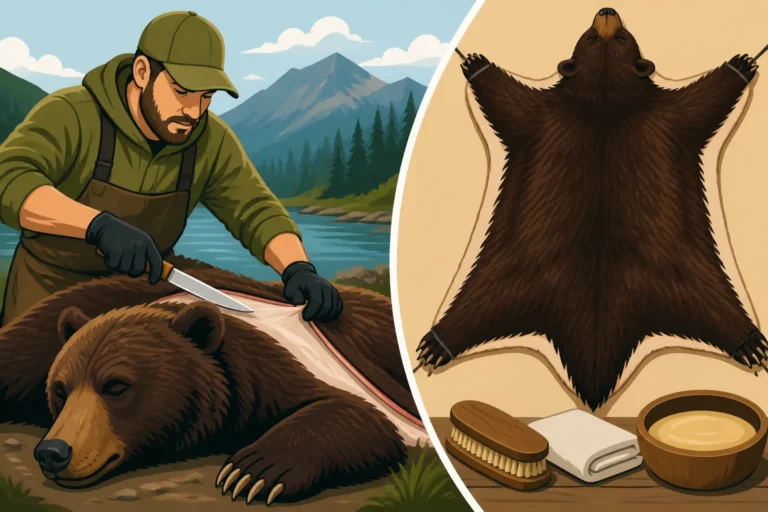
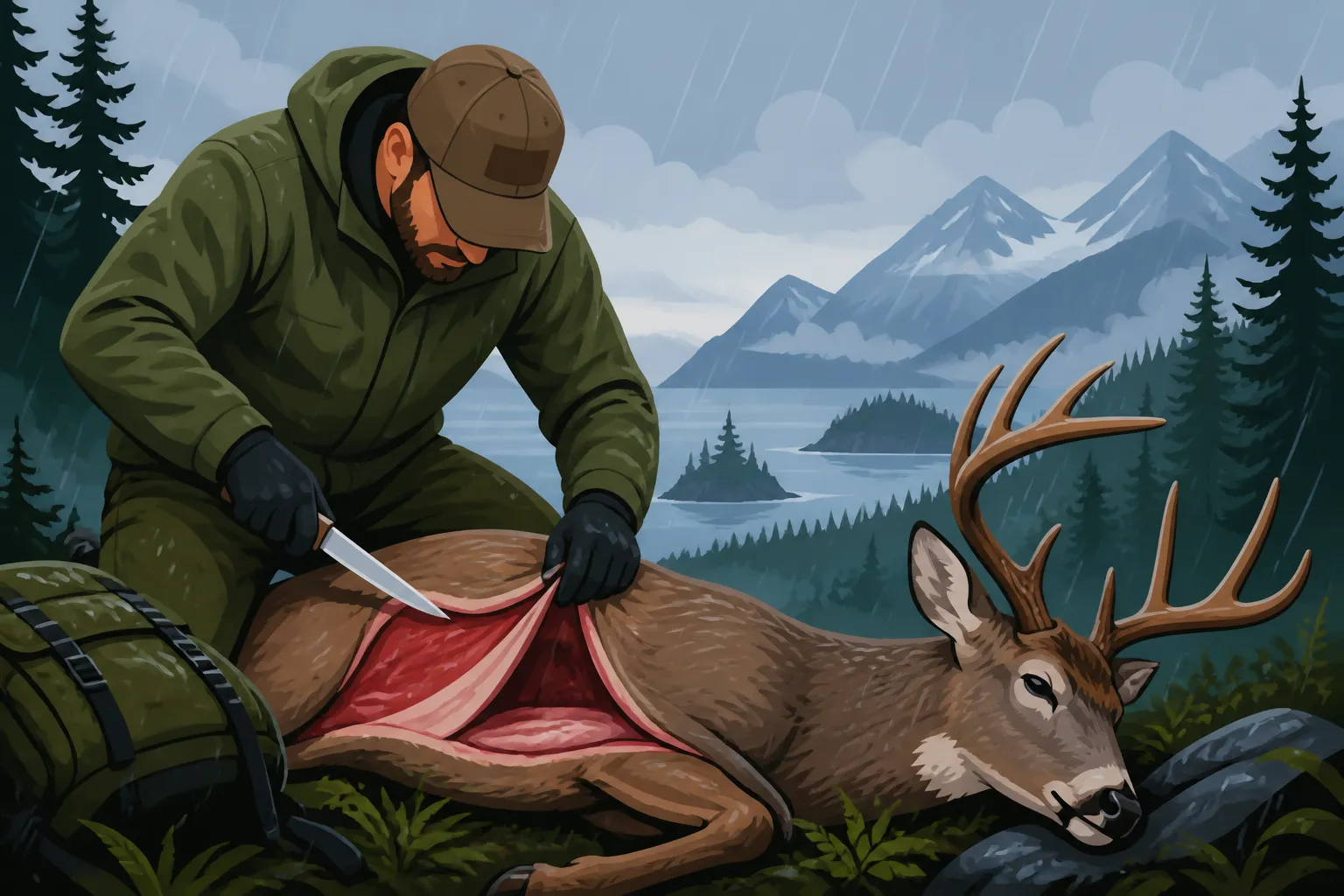
With the scene set, it’s time to start the actual evisceration. Work quickly but deliberately. Make your initial cut from the sternum down to the pelvis, being careful to only pierce the skin and not the abdominal wall. Once open, you can lift the hide to protect the cavity from direct rain, using your body or a helper if available. When cutting around the anus and genitalia, be extra meticulous to prevent fecal contamination, as rain will only help spread any mess.
The key is to minimize the amount of rain and debris that enters the body cavity. As you remove the entrails, try to keep them contained and roll them out of the way onto your tarp, away from the clean meat. If you're quartering in the field, separate the quarters as cleanly as possible. Use your bone saw for the sternum and pelvis to avoid jagged edges and bone fragments, which can be difficult to clean off wet meat. If you’re processing a large animal, remember that Quartering a Moose in Grizzly Country requires even more vigilance to minimize scent and dispose of offal responsibly. Throughout the process, regularly wipe your knife blade clean with a cloth or paper towel to prevent grime buildup.
Protecting the Meat Post-Dressing
Once the animal is gutted and potentially quartered, the immediate priority is to get the meat into breathable game bags and off the wet ground. Synthetic game bags are your best friend here; they’ll protect the meat from insects, dirt, and light debris while allowing it to cool. Once the meat is bagged, find a way to get it suspended if possible. Even a temporary hang from a tree branch can make a world of difference by allowing air to circulate around the meat and keeping it from sitting in mud or puddles. This is where a bit of rope or parachute cord comes in handy.
If hanging isn't feasible, place the bagged meat on logs or rocks to elevate it from the wet ground. Don't leave it directly on the tarp for extended periods, as this can trap moisture and prevent proper cooling. For larger game, it's often a balance between getting the individual quarters bagged and moving to the next step, whether that's packing out or preparing for an overnight stay. Your goal is to keep the meat as dry and cool as possible, preparing it for the next stage of transport out of the British Columbia wilderness.
Beyond the Gut Pile: Immediate Meat Care and Transport
Field dressing is just the first critical step in ensuring your hard-earned wild meat makes it to the table in prime condition. In British Columbia’s often-wet environment, the immediate aftermath of field dressing is equally important for preserving the meat’s quality and preventing spoilage. You’ve done the messy work; now it’s about strategic care to get it home clean and cool, even if that means packing it out in a downpour.
Cooling and Airflow in High Humidity
Even when it's raining and the ambient temperature feels cool, the internal body heat of a recently deceased animal is substantial. This heat needs to dissipate rapidly to prevent bacterial growth. While cool rain can help lower the surface temperature of the meat, high humidity can actually hinder proper cooling by reducing evaporation. This is where airflow becomes absolutely critical.
After dressing and bagging your meat in breathable game bags, the best practice is to hang the quarters. This allows air to circulate freely around all sides of the meat. If you can’t hang it high enough to get complete airflow, prop the pieces up on logs or rocks to at least get them off the wet ground. Don't let the meat touch itself excessively; separate the quarters to maximize surface area exposure to the cool, moist air. Even if it's raining, a gentle breeze will help carry away moisture and heat. Remember the goal isn't just to make it cold, but to cool it down from its internal temperature effectively. This means getting the warm, wet air away from the meat. For information on general meat care, check out Meat Care in British Columbia's Warm Early Seasons.
Preventing Spoilage During Wet Packs
Packing out game meat in the rain introduces significant challenges to preventing spoilage. The combination of moisture and any lingering warmth is a breeding ground for bacteria. Your primary defense, as mentioned, are high-quality, breathable game bags. These bags are designed to protect the meat from external contaminants while still allowing for evaporation. Avoid using plastic tarps or non-breathable materials directly on the meat for extended periods, as these will trap moisture and heat, accelerating spoilage.
When loading your pack, try to keep the meat separated from your dry gear as much as possible. A waterproof liner inside your pack can protect your personal items from any moisture or blood seeping from the game bags. If you’re making multiple trips, ensure any remaining meat at the kill site is securely hung, protected from scavengers, and elevated. Consider putting a small, lightweight tarp over it for additional rain protection, but ensure it’s not completely sealed, as some airflow is still necessary. When you’re Packing Meat With a Frame Pack, ensure the game bags are cinched tightly to prevent excessive movement and further contamination from your pack frame or outer materials. Every little bit of effort here contributes to a higher quality product at the end of your hunt.
Dealing with Bears and Other Scavengers
The strong smell of fresh blood and entrails is an undeniable beacon for bears, wolves, coyotes, and other scavengers in the British Columbia wilderness. In wet conditions, these scents can be amplified and carried further by the humidity. You need to be incredibly vigilant and proactive in managing the kill site.
Once the animal is field dressed and the meat is secured, either for hanging or immediate transport, clean up the gut pile as much as possible by pushing it into dense brush or covering it with logs and rocks. This helps reduce the immediate attractiveness to scavengers. If you are quartering the animal and leaving quarters overnight, or even for a few hours, they must be hung securely, well off the ground, and ideally away from your camp or main travel route. Use strong rope and pick sturdy branches that can support the weight. Hanging meat can be a true challenge, especially if you're not familiar with Hanging Meat at a Backcountry Camp.
Never set up your camp directly next to a gut pile or hung meat. Maintain a safe distance, at least a few hundred meters, downwind if possible. Carry bear spray readily accessible on your hip belt, not buried in your pack. Be extra alert when returning to a cached kill site; approach cautiously, making noise. If you encounter a bear on your meat, make noise and try to deter it, but prioritize your safety. Your meat isn't worth a confrontation that could turn dangerous. Being quick and efficient in your field dressing helps reduce the time the strong scent is actively broadcasting its presence to the local wildlife.
Disclaimer
Hunting in British Columbia carries inherent risks. The information provided in this guide is for informational purposes only and should not replace professional guidance, official regulations, or common sense. Always consult the most current British Columbia Hunting Regulations Synopsis, respect private property, practice ethical hunting, and prioritize safety in the backcountry. Weather conditions can change rapidly and unexpectedly.