Hunting British Columbia Late When Snow Closes Roads
There’s nothing quite like the crisp air of a late-season hunt in British Columbia, but it often comes with a significant challenge: snow closing down those crucial logging roads and access points you relied on earlier in the fall. It can be incredibly frustrating to have your favourite hunting grounds suddenly locked behind a wall of white, leaving you wondering if your season is effectively over. This guide is here to tell you that it doesn't have to be. We'll explore how to navigate, adapt, and even thrive in these snowy, road-closed conditions, turning a potential setback into a unique opportunity to find success.
Understanding British Columbia's Late Season Road Closures
When the snow starts to fly in earnest across British Columbia's diverse landscapes, it's not just a beautiful change of scenery; it's a signal that your access strategy needs a serious overhaul. Roads that were perfectly passable in September and October can become impassable overnight, and knowing why, and how to predict it, is your first step to adapting.
Why Roads Close to Snow
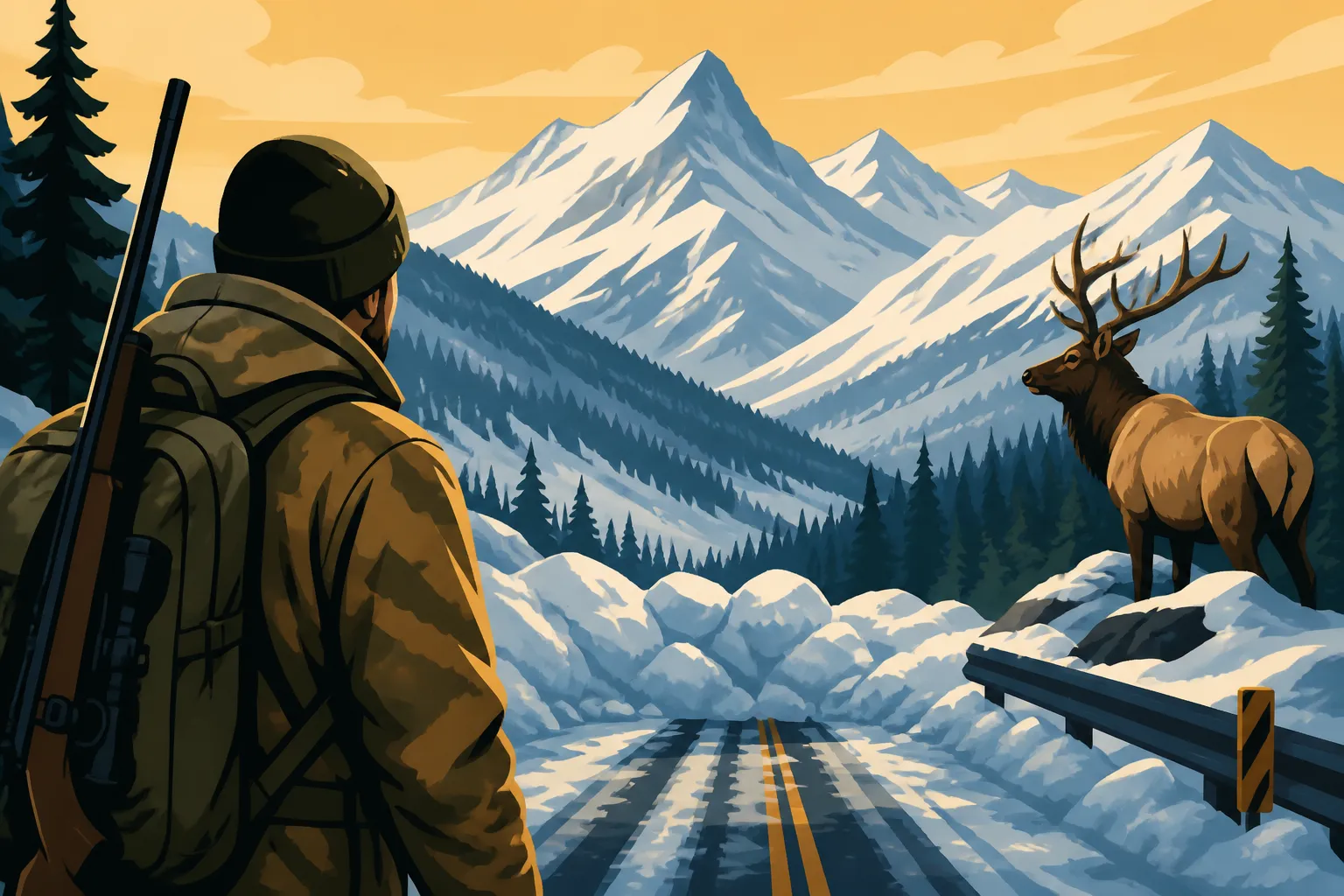
The primary reason roads close in British Columbia when snow arrives is, quite simply, safety and practicality. Many of the extensive networks of Forest Service Roads (FSRs) that crisscross our province aren't regularly plowed or maintained for winter vehicle traffic, especially once active logging operations have wrapped up or moved to lower elevations. Heavy snowfall can quickly make these roads impassable for all but the most specialized vehicles, or even for those, create dangerous conditions like deep drifts, hidden ice, or slick hillsides.
Beyond just the FSRs, many smaller, deactivated roads, which are already challenging in dry conditions, become complete no-gos. Even some higher elevation paved or gravel roads that lead to trailheads or remote communities can be subject to seasonal closures. The provincial government and various forestry companies simply can't keep every kilometer of road open, and once the snow accumulates past a certain depth, it's often more efficient and safer to let nature take its course until spring thaw. This often means gates are locked, or simply that the snow becomes the gate itself, effectively shutting down vehicular access into vast tracts of excellent hunting country.
Identifying Potential Closures and Snow Lines
Anticipating where and when snow closures will occur is key to being prepared. It's not always a sudden event; often, there are tell-tale signs. Generally, higher elevations are always the first to see significant and lasting snow accumulation. If you're hunting in mountainous terrain, you can almost guarantee that the higher logging roads and alpine access points will close before the valley bottoms. Southern aspects tend to melt faster and hold less snow, so a north-facing slope's access road might be snowed in while a south-facing one remains marginally open for longer.
Monitoring weather forecasts with a close eye on elevation-specific snow accumulation is critical. Websites and apps can give you a general idea, but local knowledge is gold. Chat with folks at gas stations, general stores, or local coffee shops in the small towns near your hunting area – they often have the most current, on-the-ground intelligence about which roads are getting hit and which are still hanging on. For more official information, some forestry companies or local government offices might post updates on their websites regarding road conditions, though this isn't universally available for every single FSR. Mapping tools like onX Hunt can also be invaluable, showing you contour lines and elevations, which helps you visualize where snow will accumulate first and how steep a potential hike might be once you're on foot. Planning routes and understanding the terrain can make a significant difference, especially when you're looking at Driving a Deactivated Logging Road or simply needing to know where the snow line is likely to be.
Adapting Your Hunting Strategy to Snow-Closed Roads
The frustration of seeing a "Road Closed" sign, or simply hitting an impassable snowdrift, is real. But for the savvy hunter, this isn't an ending; it's an opportunity. When vehicles are locked out, a whole new world of hunting opens up for those willing to embrace foot travel.
The Advantage of Foot Access
Imagine stepping out of your truck, leaving the roar of engines and the crunch of tires behind. The air is still, the only sounds are the rustle of wind through the frosted trees, and the soft thump of fresh snow underfoot. This is the profound advantage of foot access into snow-closed roads. These roads, once bustling with resource traffic or other hunters, become silent corridors into previously pressured areas. Animals that might have been pushed deeper into the timber by vehicle noise suddenly feel more secure moving along these quiet paths.
One of the biggest boons of fresh snow is the ability to track. A clear set of deer, moose, or elk tracks in a dusting of fresh powder can turn an otherwise impossible hunt into a thrilling pursuit. You're no longer just glassing blindly; you're reading a story in the snow, learning where animals are feeding, bedding, and travelling. This is particularly effective for species like mule deer, who often begin to concentrate on winter ranges as snow deepens, making their sign more predictable. Moose, with their huge splayed hooves, leave unmistakable trails that can be followed through surprisingly deep snow, leading you to their browse areas. Even predators like wolves and cougars will utilize these old roads for travel, often following ungulate trails, giving you a unique chance to Calling Wolves in British Columbia in remote, undisturbed areas. This shift from road hunting to truly still-hunting on foot can be one of the most rewarding aspects of late-season hunting.
Essential Gear for Snow Travel
Embracing the snow means upgrading your gear to handle the elements. Your early season hiking boots just won't cut it. You need insulated, waterproof boots, preferably with a good lug sole for traction. Gaiters are non-negotiable; they keep snow out of your boots and off your pant legs, preventing wet, cold feet.
For deeper snow, you'll need a way to stay on top of it. Snowshoes are often the easiest and most practical option for hunters, offering good flotation and easy maneuverability through timber. For longer distances or more open terrain, cross-country skis, particularly those with a backcountry or "nordic touring" binding, can be incredibly efficient, allowing you to cover ground silently and quickly. Don't forget trekking poles for stability, especially on uneven terrain or steep ascents and descents.
Navigation is paramount when you're off the beaten path and beyond cell service. A reliable GPS unit or a smartphone with a robust mapping app like onX Hunt, loaded with offline maps, is critical. These tools can show you your location, track your route, and identify terrain features, helping you avoid getting lost in whiteout conditions or unfamiliar territory. Always carry a physical map and compass as a backup, and know how to use them. For longer trips into remote areas, a satellite communication device like a satellite messenger is a lifeline for Satellite Communication on a Remote Hunt. Layered clothing, a waterproof outer shell, extra gloves, hats, and emergency fire-starting supplies are all non-negotiable items when venturing into British Columbia's winter wilderness.
Planning Your Routes and Camps
The beauty of snow-closed roads is that they open up access to areas that might typically see a lot of pressure. Hunters who aren't willing or able to hike in will be turned away, leaving the backcountry to those who are. This means you can often leverage these old roads for surprisingly long treks into prime, undisturbed habitat. Think about those areas on your map that are just a bit too far for a day trip from the nearest open road, but too close to warrant a major overnight expedition. Now, with vehicle access cut, they become perfect candidates for a multi-day spike camp adventure.
When planning your route, consider how snow depth will affect your travel time and energy expenditure. A mile on snowshoes might feel like two or three miles on dry ground. Look for old road grades, established winter trails (if any exist), or areas with sparse timber where travel might be easier. South-facing slopes will generally have less snow and offer better travel conditions. If you're planning an overnight stay, selecting a campsite that offers some shelter from the wind, ideally with a water source that isn't completely frozen over, is essential. Packing out game in deep snow is a whole different beast. A sturdy frame pack is a must, and a sled or toboggan can be an absolute game-changer for hauling heavy loads over snow-covered roads or trails. Remember that Packing Meat With a Frame Pack will be much harder work in deep snow, so planning shorter hauls or relaying loads might be necessary.
Safety and Ethical Considerations in Winter Hunting
Hunting in British Columbia's late season with snow on the ground offers incredible rewards, but it also comes with increased risks and responsibilities. The mountains and forests become far less forgiving when temperatures drop and snow piles up.
Navigating Winter Hazards
The single biggest threat in winter hunting is the weather itself. Hypothermia and frostbite can set in rapidly if you're not properly dressed or if you get wet and can't warm up. Always carry extra layers, even if the day starts out mild. Pay close attention to wind chill, as it can dramatically drop the effective temperature. Beyond the cold, fresh snow in steep terrain creates avalanche danger. If you plan to hunt in avalanche-prone areas, you absolutely must educate yourself on avalanche safety, carry appropriate gear (beacon, shovel, probe), and check the current avalanche forecast before heading out. Don't take chances; a beautiful untouched slope might be a death trap.
Thin ice on frozen lakes or streams is another serious hazard. Never assume ice is safe, especially early in the winter when temperatures fluctuate. Always test ice thickness or find a safe crossing. Getting lost is also more dangerous in winter. Snow can obscure familiar landmarks, and tracks can be quickly covered by fresh snowfall, making it easy to become disoriented. Always tell someone your plans, carry reliable navigation tools, and know your limits. Understanding Emergency Planning in British Columbia's Backcountry becomes even more critical when temperatures plummet.
Increased Responsibility for Meat Care
While cold weather is generally good for preserving meat, winter hunting presents its own set of challenges for meat care. The most obvious benefit is that you don't have to worry as much about spoilage from heat, a common issue in early fall hunts. However, meat can freeze solid surprisingly quickly, especially smaller cuts or thin areas. While frozen meat is well preserved, it can make quartering and butchering much more difficult in the field if it freezes before you're done.
You also have to contend with scavengers. While bears are typically denned up in the deep winter, wolves, coyotes, and various birds of prey are still very active and will quickly find a carcass. If you leave meat overnight, ensure it's well-protected from these animals. Hanging it high off the ground or completely covering it can help. Consider if you have the means to transport an entire animal or large quarters out of remote, snowy terrain. If you're a long way from the truck, you might need to bone out the animal in the field to reduce weight, and ensure you have strong game bags to protect the meat as you pack it out. The principles of Keeping Meat Cool in an Early Season still apply, just with different environmental challenges to manage.
Respecting Wintering Wildlife
Late season, especially with significant snow, often means animals are concentrating on their winter ranges. These areas are critical for their survival, offering the best available food and shelter during the lean months. Hunting during this period comes with an ethical responsibility to understand and respect the added stress wildlife faces. Animals burning precious calories trying to escape hunters, or being pushed off prime wintering grounds, can have a severe impact on their ability to survive the rest of the winter.
Before heading out, familiarize yourself with known wintering areas for your target species in your chosen Management Unit. Many areas have seasonal closures or specific rules designed to protect wintering ungulates. Always adhere to these regulations. When you do find animals, be mindful of their condition and behaviour. If they appear heavily stressed or are struggling in deep snow, consider if pursuing them is truly ethical. Understanding Why Mule Deer Move to Winter Range and the specific dynamics for other species, such as What British Columbia Elk Eat Through Winter, will inform your approach and help you make responsible decisions. Your goal is to harvest an animal efficiently and respectfully, minimizing any undue stress on the broader population.
Capitalizing on the Challenges: Species and Tactics
While the snow and closed roads can seem daunting, they also create unique hunting opportunities that aren't available at other times of the year. Certain species and tactics truly shine when the landscape is blanketed in white.
Hunting Mule Deer in the Snow
Mule deer often become a prime target in the late season once snow starts to fall. As snow depths increase in the high country, these deer are pushed down to lower elevations, concentrating on traditional winter ranges. This makes finding them more predictable, as they move from higher, snow-bound areas to more accessible browse.
The most exciting aspect of hunting mule deer in fresh snow is the tracking. A light dusting of fresh snow transforms the forest floor into a giant canvas, recording every step an animal takes. You can identify direction of travel, estimate freshness of tracks, and even gauge the size of the deer. Look for tracks that are clean, with sharp edges, indicating they're recent. Follow these tracks slowly, paying close attention to any changes in direction, feeding areas, or sudden stops. Often, a buck will bed down on a south-facing slope to catch the sun, and you might spot antlers or an ear tip before you even see the deer itself. Glassing an Interior Hillside for Mule Deer is still a powerful technique, but in snow, you're not just looking for deer, you're looking for their sign, and then following that sign to find the deer. This is truly where the hunter becomes a detective, piecing together the story of the animal's movement.
Moose and Elk in Deeper Snow
Moose and elk are incredibly well-adapted to winter conditions, and deeper snow can actually work in your favour when hunting them. Their large size and long legs allow them to navigate deep snow better than smaller deer, but even they will seek out areas where travel and browsing are easier. This often means they concentrate in specific areas, such as willow flats, thick timber patches, or south-facing slopes where snow depth is less or feed is more accessible.
When snow makes travel difficult for you, think about how it affects these animals. They will often stick to established game trails, or create their own, making it easier for you to follow their paths on snowshoes or skis. In really deep snow, moose in particular will "yard up" in dense cover, creating a network of trails where they feed and bed. Being able to access these areas on foot, quietly and deliberately, can lead you right to them. Focus your efforts on these dense, sheltered areas, or the edges of clearings where browse might be exposed. Using quality optics to scan distant patches of timber or willow thickets is crucial.
Predators in the Winter Landscape
When ungulates like deer, moose, and elk are concentrated by snow, their predators are rarely far behind. Wolves, coyotes, and cougars all utilize the same areas where their prey are gathered. Hunting these predators in winter offers some fantastic opportunities, especially with snow on the ground.
Again, tracks are your best friend. Predator tracks often follow ungulate trails, or crisscross areas where deer and elk are known to be. Fresh wolf tracks, especially, can indicate a pack is in the area and actively hunting. If you find fresh tracks, setting up to call can be highly effective. The stark, still winter air carries sound incredibly well, and the sight of a predator slipping through the snow-covered trees is unforgettable. For cougars, fresh snow is essential for tracking, and if permitted, hunting with hounds can be a thrilling pursuit. Knowing the general areas where these predators roam, and then using snow to pinpoint their fresh activity, is a powerful strategy for late-season success.
Gear Checklist for Late Season Snow Hunting
When heading into British Columbia's backcountry after snow has closed the roads, your gear can make or break your trip. Being prepared for the elements and the unique challenges is crucial.
| Category | Essential Items | Purpose |
|---|---|---|
| Footwear | Insulated, Waterproof Boots | Keep feet warm and dry in snow and cold. |
| Gaiters | Prevent snow from entering boots and pant legs. | |
| Wool or Synthetic Socks (multiple pairs) | Wicking moisture, insulation, preventing blisters. | |
| Outerwear | Waterproof/Breathable Shell Jacket & Pants | Protection from snow, rain, and wind. |
| Insulated Puffy Jacket | Crucial warmth during rests, glassing, or in camp. | |
| Warm Hat (wool or fleece) | Significant heat loss from the head. | |
| Warm Gloves/Mittens (multiple pairs) | Hand protection from cold and wet; consider thin liner gloves. | |
| Travel Aids | Snowshoes or Backcountry Skis | Essential for efficient travel in deep snow. |
| Trekking Poles | Stability, balance, especially on uneven or steep terrain. | |
| Small Sled/Toboggan (optional) | Aid in packing out meat or hauling camp gear. | |
| Navigation | GPS Device (with extra batteries) | Precise location, tracking, route planning. |
| Smartphone with Offline Maps (e.g., onX Hunt) | Backup navigation, additional map layers, scouting. | |
| Physical Map & Compass | Essential backup for all electronic devices; know how to use them. | |
| Safety/Survival | Satellite Messenger/SPOT Device | Emergency communication beyond cell service. |
| Headlamp (with extra batteries) | Essential for early starts, late finishes, camp tasks. | |
| Fire Starter Kit (multiple methods) | Crucial for warmth and emergency signalling. | |
| First Aid Kit (winter-specific needs) | Address cold-related injuries, general hunting mishaps. | |
| Knife/Multi-tool | Field dressing, general utility. | |
| Bear Spray (check regulations for winter use) | Safety against any active bears or other large predators. Bear Safety While Hunting in British Columbia | |
| Avalanche Gear (beacon, shovel, probe) | Mandatory for hunting in avalanche terrain; get training. | |
| Other | High-Quality Optics (binoculars, spotting scope) | Essential for glassing and identifying game at a distance. |
| Game Bags | Protect meat during field dressing and packing out. | |
| Water Bottle/Thermos (insulated) | Hydration is still key; hot drinks can be a morale booster. | |
| High-Energy Food | Sustained energy for cold-weather exertion. | |
| Sleeping Bag (appropriate for winter temps) | If camping overnight. | |
| Four-Season Tent (if camping) | Shelter from wind, snow, and extreme cold. |
Remember, being prepared means anticipating the worst conditions and having the gear to handle them. When you're far beyond the reach of a vehicle, self-sufficiency is paramount.
Disclaimer
This article is for general informational purposes only and does not constitute professional advice. Laws, prices and regulations vary by location and change over time. Consult a qualified professional for guidance on your specific situation.