British Columbia Shooting Hours
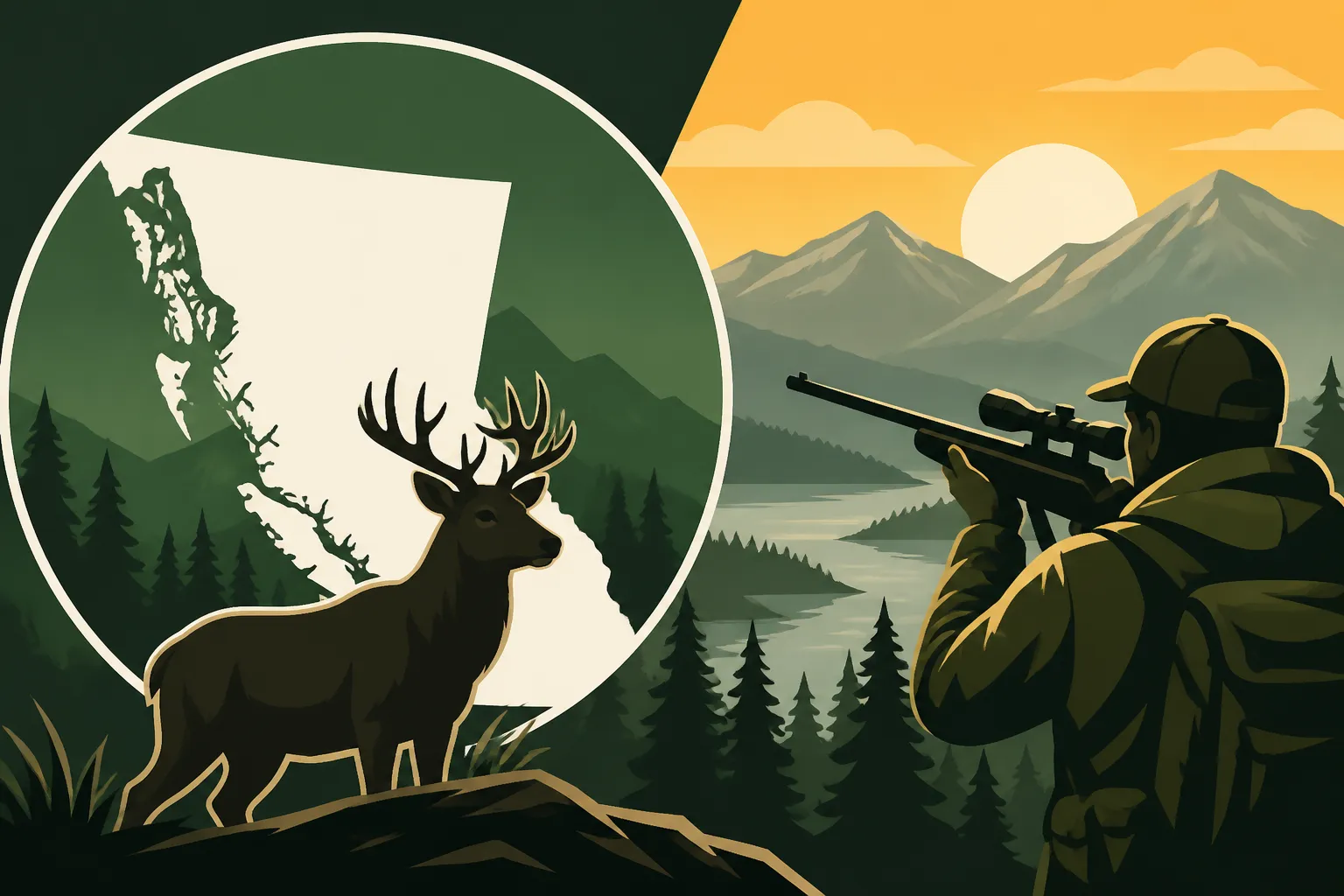
There’s nothing quite like the anticipation of dawn breaking over a British Columbia landscape, or the quiet reflection as dusk settles, but for hunters, these magical hours come with a crucial set of rules: shooting hours. It can be incredibly confusing to keep track of exactly when you can legally pull the trigger, especially with different species and varying provincial and federal regulations. This guide is here to untangle that complexity, ensuring you understand the official times so you can hunt safely and lawfully.
Understanding British Columbia's Shooting Hours Regulations
It’s easy to feel like these rules are just another layer of bureaucracy, adding complexity to what should be a simple pursuit. But trust me, understanding the 'why' behind shooting hours can make them less frustrating and more logical in the field. These regulations are designed with both game management and public safety in mind, and they're a cornerstone of responsible hunting in British Columbia.
Why Shooting Hours Exist
The primary reason for specific shooting hours is rooted in game management and fair chase principles. Most game animals, particularly big game like deer, moose, and elk, are most active during the low-light periods of dawn and dusk. This is when they move between feeding and bedding areas, making them more visible and vulnerable. Limiting hunting to specific hours helps to distribute hunting pressure, giving animals a reprieve during peak activity and contributing to sustainable populations. Think about how difficult it can be to accurately identify an animal in deep twilight; these rules help prevent mistaken identity, reducing the chances of harvesting a non-target species or an illegal animal.
Furthermore, safety is a massive component. Reduced visibility significantly increases the risk of accidents. It's much harder to discern your target, its background, and what lies beyond in dim light. By restricting shooting hours, the Ministry of Forests, Lands, Natural Resource Operations and Rural Development (FLNRORD) aims to minimize these inherent risks, protecting both hunters and the public who might be recreating in or near hunting areas. It's about ensuring every shot fired is taken in conditions that allow for maximum confidence and safety.
General Rules and the "Official Time" Definition
For most big game and many small game species in British Columbia, the general shooting hours are defined as one-half hour before sunrise to one-half hour after sunset. This is the standard you’ll find in the British Columbia Hunting Regulations Synopsis for the vast majority of seasons and species. But what exactly does "one-half hour before sunrise" mean when you're deep in the wilderness, miles from a clock tower?
This is where the concept of "official time" becomes critical. Official sunrise and sunset times are determined by scientific astronomical data for specific geographic locations. You can't just guess or rely on a hazy horizon. For hunters, this official time is typically based on data provided by Environment Canada. Many modern tools, like GPS devices, weather apps, and specialized hunting applications such as GoHunt, integrate this data, providing incredibly precise sunrise and sunset times for your exact location. It’s important to remember that these times vary significantly depending on your latitude and longitude, and even small movements across a large Management Unit can change the official times by a few minutes. Always ensure your device is set to your current location for the most accurate information.
For example, if the official sunrise in your hunting area is at 6:30 AM, you can start shooting at 6:00 AM. If sunset is at 7:00 PM, you must cease shooting by 7:30 PM. This seemingly small window of low light is often when animals are most active, making it a golden opportunity for ethical hunters. Always double-check these times for your specific hunting area when planning your trip. For detailed regional rules, checking the British Columbia Big Game Season Dates section of the synopsis can be incredibly helpful.
Navigating Species-Specific Exceptions and Considerations
While the "half-hour before/after" rule is a good general guideline, British Columbia hunting regulations do have important distinctions, particularly when it comes to migratory birds. Understanding these exceptions is crucial to avoid accidental violations.
Migratory Birds: A Different Clock
This is where many hunters, especially those new to waterfowl, often get tripped up. Unlike big game, migratory game bird seasons, including ducks, geese, and coots, fall under federal jurisdiction and are regulated by Environment and Climate Change Canada, in conjunction with provincial rules. Generally, for most migratory birds in British Columbia, shooting hours are from one-half hour before sunrise until one-half hour after sunset, mirroring the provincial big game rules.
However, there can be specific variations or regional nuances within these federal regulations, particularly in certain designated areas or during specific hunting periods. For instance, in some parts of the Fraser Delta or other high-pressure waterfowl areas, there might be further restrictions. It's absolutely imperative to consult the federal Migratory Birds Regulations alongside the provincial synopsis. You'll also need to ensure you possess a Federal Migratory Game Bird Permit and a Wildlife Habitat Conservation Stamp, which are mandatory for hunting these species.
When you're out Decoying Ducks on a Coastal Estuary or Field Hunting Snow Geese in the Fraser Delta, you'll be using non-toxic shot, as mandated by federal law. The exact shooting hours for these activities will be clearly laid out in the migratory bird regulations pamphlet, which is updated annually. Always check the current year’s regulations, as slight adjustments can occur. Never assume the rules for deer apply directly to ducks.
Big Game and Predator Hunting Nuances
For the vast majority of big game in British Columbia, such as mule deer, black bears, moose, and elk, the standard "one-half hour before sunrise to one-half hour after sunset" rule applies without exception. This consistency helps simplify things for hunters pursuing these popular species. Whether you're Hunting Mule Deer on a British Columbia Burn or Calling Moose in British Columbia's Interior, you'll adhere to these same light-sensitive times.
However, when it comes to predators like wolves and coyotes, while the standard shooting hours generally apply, the nature of the hunt often extends into different periods of the day. For example, some hunters might set up calls for coyotes during mid-day when they are more active, making shooting hours less of a critical constraint at dawn or dusk compared to a big game hunt. While technically legal to hunt during the day, the low-light hours are frequently the most productive. Always ensure you have a valid British Columbia Hunting Licences and Fees for the specific species you are targeting.
It’s important to distinguish between what’s legally permitted and what’s ethically sound. Even if you technically have an hour of shooting light left, if the conditions are deteriorating rapidly, or if you can't confidently identify your target and ensure a clean kill, it's always best to hold off. Responsible hunting goes beyond just legal compliance; it’s about making sound judgments in the field.
Practical Tips for Staying Legal and Safe
Navigating British Columbia's vast and wild landscapes, often with unreliable cell service, requires hunters to be proactive and prepared when it comes to knowing their shooting hours. Don't leave it to chance or a quick glance at the sky.
Essential Tools for Tracking Time in the Field
In today's age, you have a wealth of tools at your fingertips that can make tracking official shooting hours much easier and more accurate than relying on a worn-out sunrise/sunset chart from a newspaper.
- Dedicated Hunting Apps: This is your best friend in the field. Apps like GoHunt, HuntStand, or OnX Hunt (while often used for mapping and land ownership) typically have built-in features that display precise sunrise and sunset times for your exact GPS location. They account for elevation and geographical specifics, giving you the most accurate data. Many even have countdown timers, so you know exactly when you're good to go or need to pack it in. I personally rely on these heavily, especially when I'm in a new zone or Hunting in British Columbia's Coastal Rain where light conditions can change rapidly.
- GPS Devices: Most modern handheld GPS units, particularly those designed for outdoor recreation, will display sunrise/sunset times. Just make sure the device's location services are accurate and updated.
- Weather Apps with Astronomical Data: Many standard weather apps on your smartphone will provide sunrise and sunset times. While generally accurate for your broad location, they might not be as precise as dedicated hunting apps that use more granular data specific to your exact coordinates. Always remember that cell service can be spotty to non-existent in many prime British Columbia hunting areas, so relying solely on an app that needs data might leave you in the dark, literally.
- Printed Tables: As a backup, or if you prefer analogue, you can find official sunrise/sunset tables for major towns or regions. Print these out before your hunt. While not perfectly accurate for your specific spot in the backcountry, they provide a reliable baseline.
The key is redundancy. Have at least two reliable sources for your shooting times. A dead phone battery shouldn't put your hunt at risk. Remember to account for daylight saving time changes, which can easily throw off your calculations if you're not diligent.
Pre-Hunt Planning and Verification
The work of staying legal begins long before you set foot in the woods. Thorough pre-hunt planning is perhaps the most critical step in ensuring you adhere to shooting hours and all other regulations.
- Read the Regulations Synopsis: This cannot be stressed enough. The British Columbia Hunting Regulations Synopsis is your bible. It's a comprehensive document that outlines all species-specific regulations, season dates, bag limits, and general hunting rules, including shooting hours. These regulations are updated every two years, so always make sure you're reading the most current edition. You can find out Where to Read the Regulations Synopsis online, and it’s a good habit to download a copy to your phone or print key pages for offline access.
- Check Management Unit Specifics: British Columbia is divided into many Management Units (MUs), and regulations can vary significantly from one MU to another, or even within specific zones of an MU. While shooting hours are generally consistent across the province for big game, always verify for your specific hunting area. Understanding How Management Unit Numbers Work and taking the time to Reading a British Columbia LEH Zone Map can save you a lot of headaches, especially if you're hunting in a Limited Entry Hunting (LEH) zone.
- Factor in Travel Time: Don't just consider the time you plan to start hunting. Think about the time it takes to hike into your chosen spot before shooting light, and conversely, how long it will take to pack up and get back to your vehicle after shooting hours conclude. This is especially important if you're Packing Out of British Columbia's Steep Country in the dark. Planning for adequate travel time ensures you're never rushed into making a bad decision or tempted to push the legal limits.
Ethical Hunting During Low Light
Adhering to shooting hours isn't just about legality; it's about ethical hunting practices. The periods of low light at dawn and dusk present unique challenges that demand heightened awareness and responsibility from hunters.
- Target Identification: In the dim light, shadows are longer, colours are muted, and distances can be deceptive. This makes accurate target identification paramount. Can you clearly discern if that's a legal animal? Is it a ram with the required curl, or a bull with the necessary points? Is it a male or female, and is it accompanied by young? The rule about British Columbia's Four-Point Antler Restriction for mule deer, for instance, requires clear visibility to make the right call. A clear shot at an indistinct target is an unethical shot.
- Shot Placement: Even if you identify your target correctly, low light can compromise your ability to make a clean, ethical shot. A poorly placed shot in failing light often leads to wounded animals that are difficult or impossible to track, resulting in wasted game and prolonged suffering. This is why strict adherence to shooting hours is a critical component of preventing wasting game meat and ensuring a humane harvest.
- Background and Beyond: Low light also makes it harder to clearly see your background and what might be beyond your target. This is a critical safety consideration. You must always be absolutely certain of your backstop to prevent dangerous ricochets or stray rounds. The principles of British Columbia Blaze Orange and Safety Rules extend beyond wearing the correct colours; they encompass every aspect of safe firearm handling, especially during challenging light conditions. Always prioritize safety over the opportunity for a shot.
Consequences of Violating Shooting Hour Rules
Ignoring or misinterpreting shooting hour regulations isn't just a minor infraction; it carries significant legal penalties and can severely damage a hunter's reputation and the public perception of hunting. Conservation Officers take these violations seriously, and for good reason.
Penalties and Enforcement
In British Columbia, hunting outside of legal shooting hours is a violation under the Wildlife Act. The penalties can be substantial and are designed to deter such behaviour. You could face:
- Significant Fines: While specific amounts can vary depending on the severity and context of the offence, expect fines that can range from hundreds to thousands of dollars. These aren't just slaps on the wrist.
- Licence Suspension: One of the most severe consequences for any hunter is the suspension of your hunting licence, which can last for several years, effectively barring you from participating in the sport you love. This can also impact your ability to apply for future LEH draws or obtain other permits.
- Seizure of Equipment: Conservation Officers have the authority to seize firearms, vehicles, and any other equipment used in the commission of a wildlife offence. Imagine losing your prized rifle or even your truck because you stretched the shooting hours a bit too far.
- Forfeiture of Harvested Game: Any animal harvested illegally, including those taken outside of legal shooting hours, will be seized and forfeited to the Crown. Not only do you lose your game, but you also risk facing additional charges related to unlawful possession of wildlife.
- Criminal Charges in Severe Cases: While less common for a first-time shooting hour violation, repeated offences or those coupled with other egregious acts (like trespassing or negligent discharge) could escalate to more serious criminal charges, especially if public safety was compromised.
Conservation Officers are highly trained professionals who work tirelessly to protect British Columbia's wildlife resources. They conduct patrols, respond to tips (including those from the Report All Poachers and Polluters Line), and investigate violations. Their presence can be subtle, but they are out there, ensuring compliance.
Impact on Hunter Reputation and Safety
Beyond the legal ramifications, violating shooting hours has broader, more insidious consequences that affect the entire hunting community.
- Erosion of Public Trust: Every time a hunter is caught breaking a rule, especially one as fundamental as shooting hours, it casts a negative light on all hunters. This fuels anti-hunting sentiment and makes it harder for hunting advocates to defend our traditions and secure future access to public lands. The vast majority of British Columbians support ethical, legal hunting, but these incidents chip away at that support.
- Risk of Accidents: As discussed earlier, hunting in low light significantly increases the risk of misidentification and accidental shootings. Even a minor incident can lead to serious injury or death, not just for hunters but also for other outdoor enthusiasts. These accidents are catastrophic for individuals and inflict lasting damage on hunting's public image.
- Undermining Conservation Efforts: Wildlife regulations are carefully crafted based on scientific data to ensure sustainable populations. Violating these rules, even seemingly small ones, can undermine these efforts. If enough hunters disregard shooting hours, it can lead to increased stress on game populations and impact population dynamics.
In short, knowing and respecting British Columbia's shooting hours isn't just about avoiding a ticket; it's about upholding the integrity of hunting, protecting our wildlife, and ensuring the safety of everyone in the outdoors. Be diligent, be prepared, and when in doubt, always err on the side of caution.
Summary of British Columbia Shooting Hours
| Category | General Rule | Specific Considerations |
|---|---|---|
| Big Game | 1/2 hour before sunrise to 1/2 hour after sunset | Applies to most species (Deer, Moose, Elk, Bear, etc.). Official times vary by location; use reliable sources like GPS or GoHunt. |
| Small Game | 1/2 hour before sunrise to 1/2 hour after sunset | Applies to most species (Grouse, Hare, etc.). Always confirm in the current British Columbia Hunting Regulations Synopsis. |
| Migratory Birds | 1/2 hour before sunrise to 1/2 hour after sunset | Governed by federal regulations. While often the same, always check the Migratory Birds Regulations for the current year. Requires a Federal Migratory Game Bird Permit. |
| Predators | 1/2 hour before sunrise to 1/2 hour after sunset | While legal hunting hours apply, calling opportunities often extend throughout the day. Ethical considerations for low-light identification remain paramount. |
Disclaimer
The information provided in this article is for general guidance only and does not constitute legal advice. Hunting regulations in British Columbia can change, and it is the sole responsibility of the individual hunter to consult and comply with the most current British Columbia Hunting Regulations Synopsis and all applicable federal, provincial, and local laws before engaging in any hunting activities. Always verify specific regulations for your chosen Management Unit and species.