Hunting an Interior Grassland Bench
There's something uniquely captivating about those sweeping interior grassland benches in British Columbia, isn't there? You know, the ones that promise wide-open views and often hold some incredible animals, but can feel utterly overwhelming to hunt if you don't know where to start. Many of us have driven past these vast, golden expanses, seeing them as prime habitat, only to be stumped by how to effectively cover so much ground. This guide is all about breaking down the enigma of hunting these interior grassland benches, giving you the tools and strategies to turn frustration into success, and confidently pursue big game in these remarkable landscapes.
Understanding the Interior Grassland Bench Ecosystem
British Columbia’s interior grassland benches are truly unique environments, often characterized by vast open slopes interspersed with patches of timber, rock outcroppings, and deep draws. These aren't your dense coastal rainforests or thick northern boreal forests; they are a world unto themselves, shaped by dry summers, often harsh winters, and the constant influence of elevation. Understanding what makes these benches tick is the first step in unlocking their hunting potential.
What Defines a Grassland Bench
A typical grassland bench in British Columbia’s interior might be found at mid-elevations, often above river valleys or alongside mountain slopes, but below the denser subalpine forests. These areas are defined by their dominant vegetation: various bunchgrasses, sagebrush, bitterbrush, and sparse stands of ponderosa pine or Douglas fir. Water sources can be scarce, typically limited to seasonal springs, small creeks running through draws, or small reservoirs. The topography is generally rolling, with gradual slopes broken by steeper cutbanks, ravines, and occasional rock formations. What makes them "benches" is their relatively flat or gently sloping nature compared to the steepness above or below them, creating natural travel corridors and feeding areas for game.
Animals utilize these benches for a variety of reasons. During the spring and early summer, the green-up provides abundant forage. As the season progresses and lower elevations dry out, benches can offer cooler temperatures and persistent feed, drawing animals up. Conversely, in the fall, they can be critical staging areas before the animals descend to winter range. You'll often find wildlife moving between the open grasslands for feeding and the scattered timber or deep draws for cover and bedding. The sheer visibility can be a double-edged sword: great for spotting game, but also making it incredibly difficult to approach unseen.
Key Game Species and Their Habits on the Bench
When you're looking at an interior grassland bench, your primary target will often be mule deer. These benches provide excellent forage and the broken topography offers enough cover for bedding and escape. You'll find bucks often favouring the timbered pockets and north-facing slopes for bedding during the day, emerging into the open grasslands to feed during dawn and dusk. Mule Deer Hunting in British Columbia goes into more detail about these magnificent animals.
Beyond mule deer, elk can also be found using these areas, particularly where the benches transition into more timbered slopes or have access to reliable water. Elk will often graze the open areas in larger herds, retreating to heavier cover in the middle of the day. In some areas, particularly where deep, timbered draws bisect the benches, you might even find moose. While moose are generally associated with wetter, denser cover, a big bull might find refuge in a secluded draw with ample browse, venturing out onto the bench edges. Black bears will also traverse these areas, often looking for berries or carrion, especially in the late summer and fall. Their movements are usually more opportunistic, but benches can serve as important travel corridors between different food sources.
Scouting and Planning Your Hunt on the Bench
Hunting these vast, open environments demands meticulous scouting and planning. You can't just wander aimlessly and expect to stumble upon game. The sheer scale of grassland benches means you need to be strategic about where you focus your efforts, relying on both digital tools and, if possible, on-the-ground reconnaissance.
Digital Scouting: Finding the "Honey Holes"
Before you even lace up your boots, modern mapping applications are your best friend. Tools like onX Hunt are invaluable for getting a bird's-eye view of the terrain. Start by identifying the main features:
- Elevation Changes: Look for subtle rises, depressions, and benches within benches. These micro-terrain features can hide animals from view or provide a crucial advantage for a stalk.
- Timber Pockets and Draws: These are critical. Animals will use these areas for bedding, escape cover, and travel corridors. Pay close attention to the edges where timber meets grassland.
- Water Sources: Any reliable water source, even a small spring or pond, will act as a magnet for game, especially in dry conditions. Mark them on your map.
- Roads and Access Points: Identify all potential access routes, noting whether they are active logging roads, deactivated roads, or trails. Understand potential vehicle restrictions. Finding Open Forest Roads in British Columbia can help you navigate this.
Platforms like GoHunt provide excellent satellite imagery and topographic layers, allowing you to scrutinize every contour. Zoom in and identify potential glassing knobs – elevated points with expansive views where you can sit and patiently scan. Look for funnels where natural terrain features might concentrate animal movement, such as narrow sections of a bench, or where a draw forces animals to cross a specific open area. Mark all these points of interest on your digital map; they form the backbone of your hunting plan.
On-the-Ground Reconnaissance and Reading Sign
If possible, a pre-season scouting trip is highly recommended. Walking these benches, even without a rifle, allows you to confirm what you saw on the map and discover things satellite imagery can't show you. Look for fresh sign:
- Tracks: Pay attention to the size and freshness. Are they deer, elk, or something else? Are there consistent travel routes?
- Scat: Fresh droppings indicate recent activity.
- Rub/Scrapes: These are particularly valuable in the fall, showing where bucks and bulls are actively marking their territory.
- Bedding Areas: Look for depressions in the grass or under trees, especially on slopes that offer a good view of the surrounding area while providing cover from above. North-facing slopes or those with scattered pines often make excellent daytime bedding.
Don't just look for where the animals are, but how they are using the landscape. Do they feed in certain open areas then retreat to a specific draw? Are they crossing a particular ridge at dawn? These observations will refine your hunting strategy significantly. Keep a keen eye out for any sign of What Ticks and Parasites Show Up in Game as this can indicate herd health.
Effective Hunting Strategies for Grassland Benches
Hunting an interior grassland bench is primarily a game of long-range glassing, patience, and meticulous stalking. It's not a place for still-hunting through thick timber; it's about seeing game before it sees you, and then executing a flawless approach.
The Art of Glassing
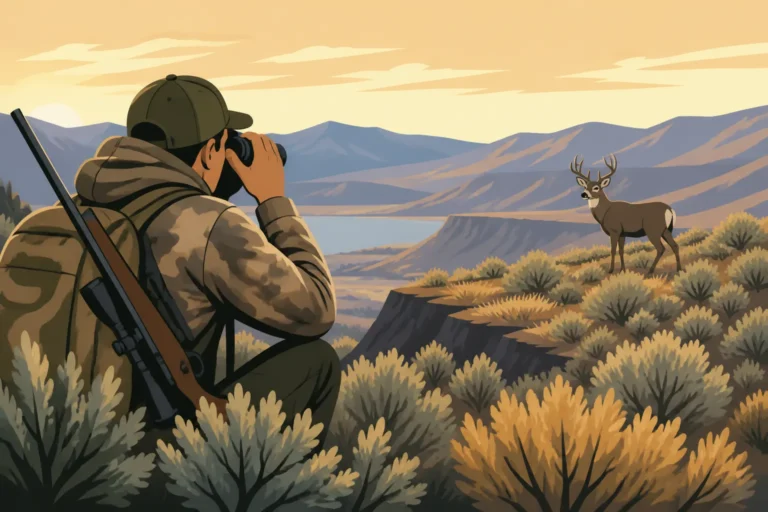
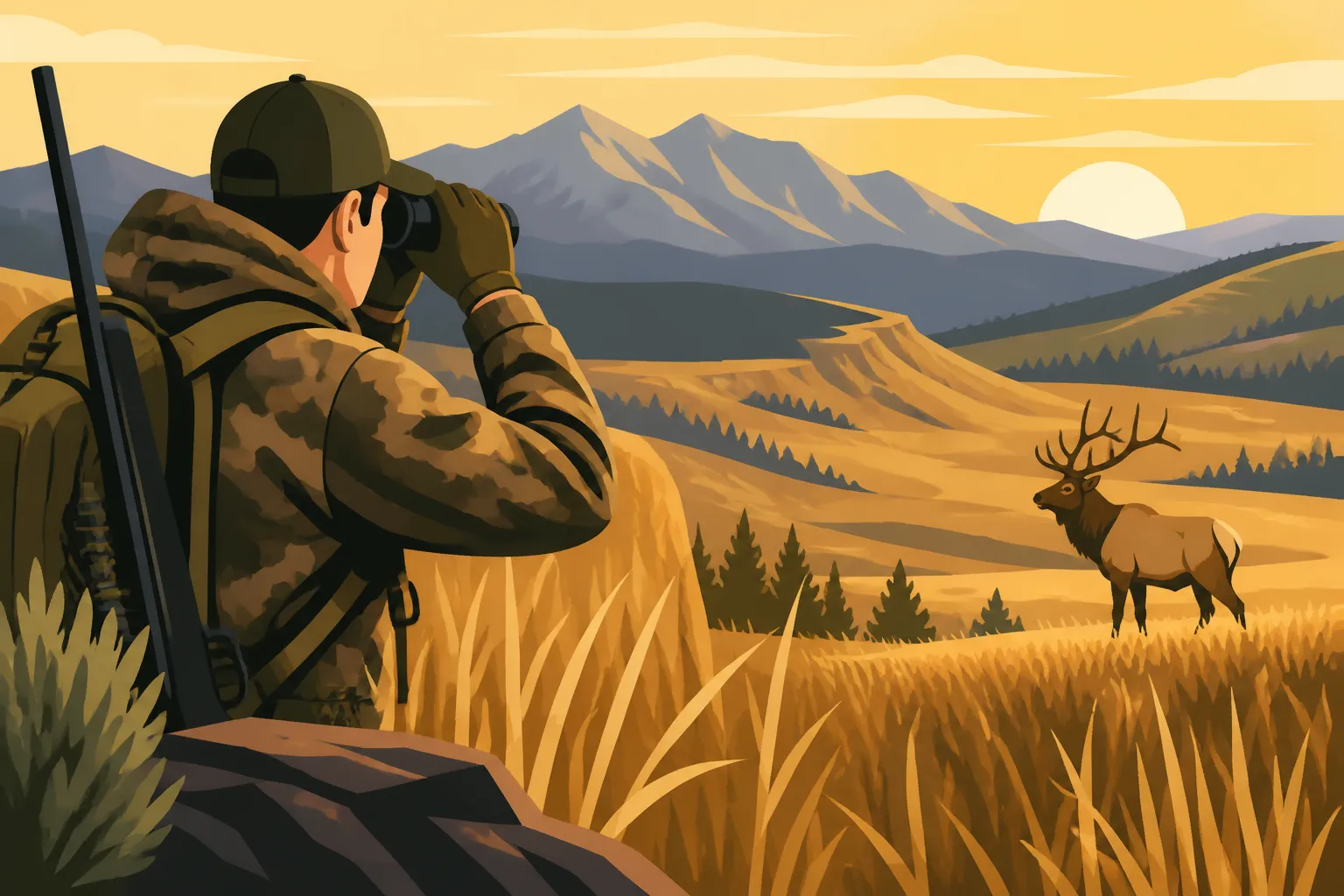
Glassing is, without a doubt, the most important skill on a grassland bench. You’ll spend far more time looking through optics than walking.
- Choose Your Perch Wisely: Find an elevated position that gives you the widest possible view of the bench, ideally with your back to the sun during prime hunting hours. Make sure you have some cover to break up your silhouette. This could be a rocky outcrop, a small clump of trees, or even just a subtle rise in the ground.
- Use Quality Optics: Invest in good binoculars (10x to 15x are popular) and a spotting scope (20-60x or higher) on a sturdy tripod. The tripod is non-negotiable for sustained, comfortable glassing.
- Grid Search Method: Don't just scan randomly. Pick a section of the landscape and systematically grid-search it, starting from the nearest terrain features and working your way out. Look for anything that seems out of place: a horizontal line in a vertical landscape, a patch of different colour, an ear flick, a glint of antler. Glassing an Interior Hillside for Mule Deer offers more specific tips on this.
- Time of Day: Animals are most active at dawn and dusk. Plan to be on your glassing perch well before first light and stay until after last light. During the middle of the day, focus your efforts on shaded bedding areas, timber pockets, and the edges of deep draws where animals might be resting.
Stalking and Approach Techniques
Once you've spotted an animal you want to pursue, the real challenge begins: getting within shooting range undetected.
- Analyze the Terrain: This is where your digital maps and prior scouting pay off. Look for every fold in the land, every clump of sagebrush, every small rise that can provide cover. Can you use a draw to get closer? Is there a ridge you can sneak along?
- Mind the Wind: The wind is your absolute master in open country. It can shift unexpectedly, so always be aware of its direction and how it might change as you move. A slight breeze in your favour can quickly become a swirling gust that carries your scent right to your quarry.
- Slow and Steady: Movement is easily detected in open country. Move excruciatingly slowly, using all available cover. If you have to cross an open area, time your movements when the animal has its head down or is looking away. Think like an animal yourself – what would they use for cover?
- Expect Long Shots: Be prepared for longer shots than you might take in timber. Practice shooting from various field positions – prone, kneeling, sitting – with shooting sticks or a bipod, as you rarely get a perfect bench rest in the field. This preparation is key, as British Columbia's open country often presents these longer-range opportunities.
- Commit to the Stalk: Once you start, commit fully. Retreating can be just as difficult as advancing. Sometimes, the best strategy is to sit and wait, hoping the animal moves into a more favourable position.
Hunting Pressure and Strategy Adjustments
Interior grassland benches, especially those with good road access, can experience significant hunting pressure, particularly during general open seasons for deer and elk.
- Hunt Smarter, Not Harder: If you see other hunters on the main benches, consider looking for overlooked areas. This might mean hiking deeper into deactivated road systems or pushing into steeper, less accessible draws that most hunters avoid. Hunting a General Open Season Management Unit touches on the dynamics of these periods.
- Leverage Weekdays: If your schedule allows, hunting on weekdays when pressure is typically lower can significantly improve your chances.
- Timing is Everything: During high-pressure periods, animals will quickly learn to move into thicker cover or go nocturnal. Adjust your hunting times, focusing heavily on first and last light, or dedicate more time to still-hunting timbered pockets where pressured animals might be holed up. You might also find game using the benches during mid-day if they feel secure, so don't give up.
| Terrain Feature | How Game Uses It | Hunting Strategy |
|---|---|---|
| Open Grassland Bench | Feeding, travel, sunning | Glass from a distance, long stalks, morning/evening |
| Timber Pockets / Edges | Bedding, cover, escape routes | Still-hunt edges, check for fresh sign, mid-day |
| Deep Draws / Coulees | Shelter from wind/sun, bedding, travel, water | Glass into, stalk along, check for water sources |
| Rocky Outcrops | Thermal cover, bedding, vantage points | Glass around, check for bedded animals, stalking cover |
| South-Facing Slopes | Early green-up, winter range, sunning | Early season feed, late season warmth, glassing |
| North-Facing Slopes | Cool bedding, persistent forage, shade | Mid-day bedding, shade in warm weather, glassing |
Overcoming Challenges and Ensuring Success
Hunting interior grassland benches isn't without its unique set of challenges. The vastness, unpredictable weather, and logistical demands can test any hunter. However, with the right preparation and mindset, these obstacles can be overcome, leading to incredibly rewarding experiences.
Navigating the Elements
The interior of British Columbia can throw a lot at you, weather-wise.
- Wind: Benches are often exposed, and the wind can be relentless. Not only does it make staying warm a challenge, but it also carries your scent and can make shooting accurately difficult. Dress in layers, including windproof outer shells. Pay constant attention to wind direction, using a wind checker frequently.
- Sun and Heat: Early season hunts can be hot and dry. Sunscreen, a wide-brimmed hat, and plenty of water are essential. Glassing in direct sun can cause eye strain, so position yourself in shade if possible, or use a good pair of sunglasses. Keep in mind that game meat can spoil quickly in warm temperatures, so have a plan for Meat Care in British Columbia's Warm Early Seasons.
- Sudden Storms: The weather in the interior can change rapidly. A clear morning can turn into a torrential downpour or even an early snowstorm. Always pack rain gear, even if the forecast looks good. Be prepared for muddy roads and difficult travel conditions if rain hits.
Logistics and Physical Demands
Hunting these large landscapes demands physical fitness and robust logistical planning.
- Long Walks and Steep Climbs: Even if you can drive to an access point, getting to prime glassing locations or executing a long stalk often means significant walking, sometimes up and down steep slopes. Packing Out of British Columbia's Steep Country is a reality you need to be prepared for.
- Water Management: As mentioned, water can be scarce. Carry more water than you think you'll need, and research any known water sources in your hunting area. A water filter can be a lifesaver.
- Navigation: While digital maps are excellent, always carry a physical map and compass as a backup. Batteries die, and signals drop. Knowing how to orient yourself without technology is a fundamental backcountry skill.
- Meat Retrieval: If you're fortunate enough to harvest an animal, getting it out of a vast grassland bench can be a serious undertaking. Consider the terrain, distance to your vehicle, and the number of people in your party. A good frame pack is essential for Packing Meat With a Frame Pack. Plan for multiple trips if necessary.
The Mental Game: Patience and Persistence
Hunting an interior grassland bench is a marathon, not a sprint.
- Patience is Paramount: You might spend hours or even days glassing without seeing anything. Don't get discouraged. Stick with your plan, trust your scouting, and keep glassing systematically. Animals move, and they will eventually show themselves.
- Adapt and Adjust: If your initial strategy isn't working, be willing to adapt. Change your glassing spot, try a different approach, or explore a new area of the bench. The ability to read the landscape and adjust on the fly is a hallmark of a successful hunter.
- Enjoy the Experience: Even if the hunting is tough, take a moment to appreciate the incredible landscape. The wide-open vistas, the crisp air, and the chance to observe nature in its raw form are reasons enough to be out there. The quiet solitude of hunting a big grassland bench is an experience many of us cherish. Remember to always be aware of Bear Safety While Hunting in British Columbia, as these areas are also prime bear country.
With careful planning, diligent scouting, a commitment to glassing, and a healthy dose of patience, hunting an interior grassland bench can become one of your most rewarding British Columbia hunting adventures.
Disclaimer
This article is for general informational purposes only and does not constitute professional advice. Laws, prices and regulations vary by location and change over time. Consult a qualified professional for guidance on your specific situation.