Hunting British Columbia’s Released Pheasants
It’s easy to get frustrated when you dream of classic upland bird hunting in British Columbia, only to find wild pheasant populations sparse and elusive in much of the province. Habitat loss and challenging conditions mean that consistently finding these beautiful birds on your own can feel like searching for a needle in a haystack. Thankfully, British Columbia’s released pheasant programs offer a fantastic, accessible opportunity to experience the thrill of a flushing pheasant and a quality day afield. This guide will walk you through everything you need to know to maximize your success when hunting British Columbia's released pheasants.
Understanding British Columbia's Pheasant Release Programs
For many years, hunters across British Columbia have enjoyed the unique opportunity provided by pheasant release programs. These initiatives are a lifeline for upland bird enthusiasts, ensuring that even as natural habitats face increasing pressure, the tradition of pheasant hunting can continue to thrive. It’s not about recreating wild populations everywhere, but rather about providing specific, managed hunting experiences.
The Purpose and History of Release Programs
The primary goal of these release programs is quite simple: to provide accessible hunting opportunities for a species that struggles to establish widespread, self-sustaining wild populations in many parts of British Columbia. Unlike some other game birds, pheasants require very specific habitat – a mosaic of agricultural fields, dense cover for roosting, and reliable food sources – which is increasingly fragmented or converted in settled areas. Without these programs, pheasant hunting would be a rarity for most residents.
Historically, pheasants were introduced to British Columbia over a century ago, and while some pockets thrived, especially in areas with extensive agricultural land, their numbers have fluctuated significantly. Organizations like the BC Wildlife Federation (BCWF) and various local rod and gun clubs have been instrumental in maintaining and expanding these release efforts. They work tirelessly to rear pheasants, often from day-old chicks, to a suitable size for release, carefully managing these operations to ensure healthy birds for hunters. This dedication allows us to enjoy a type of hunting that might otherwise disappear.
How and Where Pheasants Are Released
Understanding the mechanics of how and where these pheasants are released is crucial for any hunter hoping to connect with birds. Most releases occur at designated public access sites, often Wildlife Management Areas (WMAs) or specific Crown land parcels that have suitable cover and are managed to minimize conflicts with other land uses. Popular regions for these releases include the Lower Mainland (specifically the Fraser Valley), parts of Vancouver Island, and certain areas within the Okanagan, where pockets of agricultural land provide some semblance of natural pheasant habitat.
Release schedules are meticulously planned, typically beginning in the fall and continuing throughout the hunting season. Birds might be released weekly or bi-weekly, ensuring a steady supply for hunters. Information on these schedules is usually published by the BCWF or the provincial government’s fish and wildlife branch. It's often disseminated through local rod and gun clubs, social media channels, and the official regulations. Keeping an eye on these announcements is vital, as knowing when and where birds were recently stocked can dramatically improve your chances. Websites and apps like GoHunt can be invaluable resources for tracking these announcements and specific locations. While these are "put-and-take" operations where birds are released specifically to be hunted, some pheasants do manage to survive and become more wary, offering a more challenging hunt later in the season.
Distinguishing Released Birds from Wild Pheasants
When you're out in the field, you might wonder if the bird that just flushed was a "wild" pheasant or one of the recently released ones. For the most part, in areas with active release programs, the birds you encounter will likely be those that have been released. There are often subtle cues that can help you distinguish them, though it's not always a clear-cut distinction.
Released pheasants, especially those put out recently, tend to be less wary and might hold tighter than truly wild birds. They're not as accustomed to predators or human presence, which can make for closer flushes. Sometimes, you might even notice slight differences in their plumage; captive-reared birds might have minor feather wear from their pens, or occasionally even a leg band (though this is less common for hunting programs). Wild pheasants, on the other hand, are typically much wilier, flushing further out and often running through cover rather than flying directly. They are often more vibrant in colour due to a richer, more natural diet. While the hunting experience for a released bird might sometimes feel a little less challenging than for a truly wild bird, it still provides ample opportunity to work your dog, hone your shooting skills, and enjoy the distinct thrill of a pheasant exploding from cover.
Finding Prime Pheasant Hunting Areas
Successfully hunting pheasants, even released ones, isn't just about showing up when the birds are put out. It's about understanding the specific locations, doing your homework, and putting in the legwork to find where these birds are most likely to hold.
Identifying Designated Release Sites
British Columbia has specific areas designated for pheasant releases, and knowing these locations is your first step. These sites are often managed Wildlife Management Areas (WMAs) or specific parcels of Crown land. For instance, in the Lower Mainland, areas like the Fraser River Delta or specific agricultural zones might host releases. On Vancouver Island, certain farmlands or publicly accessible woodlots can be key. These locations are chosen because they offer the best available cover, food, and water for pheasants, even if temporarily.
It’s absolutely crucial to consult the official British Columbia's Two-Year Regulations Synopsis before heading out. This document, available online through the provincial government, outlines the specific regulations for each management unit (MU) and often details designated release sites. Look for specific rules regarding pheasant hunting, as some areas might require special permits beyond your basic hunting license. Additionally, local rod and gun clubs often have detailed maps or insider knowledge about the exact fields and patches of cover where birds are typically released. Don't be shy about asking questions at your local club; fellow hunters are often willing to share general information to help newcomers. You can also leverage mapping tools provided by GoHunt to pinpoint public access points and potential cover within these designated zones.
Scouting and Pre-Season Preparation
Even with released birds, a little bit of scouting goes a long way. These pheasants, while not as wild as their naturalized cousins, will still seek out dense cover to hide from predators and hunters. Before the season, or even the day before a planned hunt, drive or walk the perimeter of known release sites. Look for thick patches of cattails, blackberry brambles, dense hedgerows, tall grasses, or even brush piles along field edges. These are prime locations where pheasants will try to escape the open.
Consider the layout of the land. Birds will often run along cover lines, seeking refuge. Understanding these natural escape routes can help you position yourself or your hunting partners effectively. During your scouting, pay attention to potential food sources like waste grain in harvested fields or patches of berries. Water sources are also important. Even if the birds are newly released, they’ll quickly gravitate towards these essentials. Online mapping tools, including satellite imagery from GoHunt or Google Earth, can be incredibly helpful in identifying potential holding cover and entry points without having to physically walk every inch before the season. Remember that popular areas will see significant pressure, so identifying less obvious, yet still suitable, cover might give you an edge over the crowds. You might pick up tips from general scouting advice like Scouting a British Columbia Management Unit.
Accessing Public and Private Lands for Pheasants
Access is a critical consideration for pheasant hunting in British Columbia. While many release programs utilize public lands or lands managed by the province, a significant amount of suitable pheasant habitat is on private property, especially agricultural land. For public lands, ensure you understand the specific rules for the designated release sites. Some might have restrictions on hunting hours, specific areas where hunting is prohibited, or require special permits.
For private land, securing permission from landowners is paramount. Never assume access. Approaching farmers and ranchers well in advance of the season, respectfully explaining your intentions, and offering to share any harvested game can sometimes open doors. Always carry your British Columbia Resident Hunting Licence Cost and be prepared to show it. Showing respect for their property, closing gates, not driving on crops, and being mindful of livestock will significantly increase your chances of being granted permission in the future. Unfortunately, British Columbia Trespass and Private Land Law is strict, and trespassing, even unknowingly, can lead to serious consequences. Always be sure of your boundaries, and if in doubt, stay out. Some areas might even have specific co-operative agreements between hunters and landowners, so inquire with local clubs about these possibilities.
Tactics for Successfully Hunting Released Pheasants
Hunting released pheasants, while often less demanding than pursuing wild birds, still requires skill, strategy, and often the invaluable assistance of a good bird dog. These birds are quick, can be surprisingly resilient, and will test your readiness.
The Role of a Good Bird Dog
Let’s be honest: hunting pheasants without a dog is like trying to find a needle in a haystack blindfolded. A well-trained bird dog is an absolute game-changer. Pheasants are notorious for running rather than flying, especially when they first hit the ground after release. A good dog, whether it’s a pointer, a flusher, or a retriever, uses its superior scenting ability to locate birds that you would walk right past. Pointers will lock up, indicating where a bird is holding tight, allowing you to move into position for the flush. Flushers, like Springer Spaniels or Labs, will systematically work cover, pushing birds into the air. And perhaps most importantly, a retriever will find downed birds, preventing lost game in thick cover—a frustrating and unethical outcome we all want to avoid.
When training for released birds, remember they might not be as "birdy" or as wary as wild pheasants. They might hold tighter initially, but still possess the instinct to run. Focus on teaching your dog to work within gun range, respond to commands, and retrieve reliably. Even for experienced dogs, working released birds is excellent practice. For more detailed insights, consider resources like Using a Bird Dog in British Columbia Timber, which can offer broader context on working dogs in various BC environments.
Effective Flushing and Walking Strategies
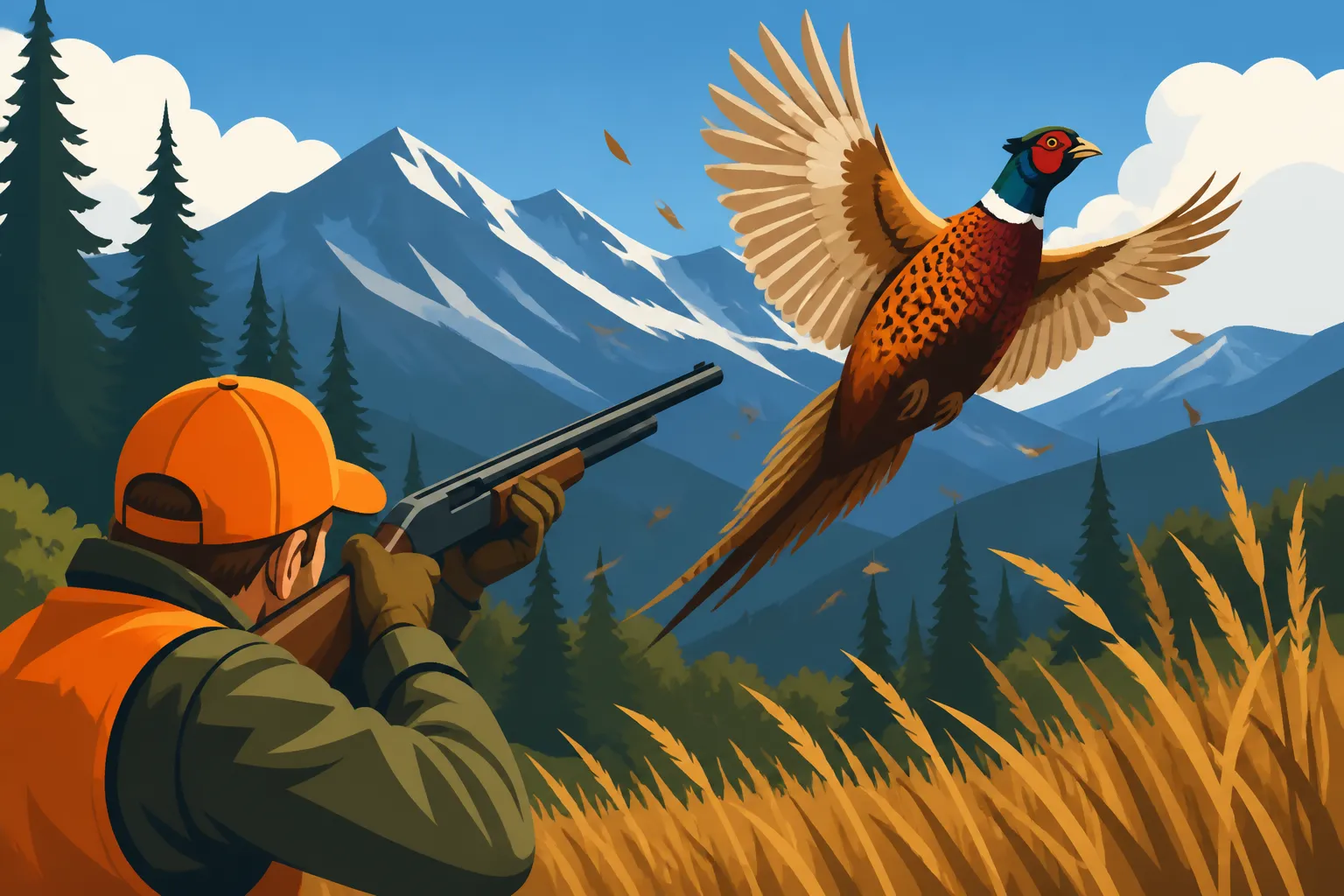
Even with a dog, successful pheasant hunting relies heavily on smart walking and flushing strategies. If you're hunting alone, work cover systematically. Don't just wander aimlessly; choose a patch of cover, such as a hedgerow or a strip of tall grass, and walk it thoroughly, back and forth, ensuring you cover every inch. Be prepared for a flush at any moment, and keep your gun ready. Released pheasants can explode from cover with startling speed and a cacophony of cackles, often surprising even seasoned hunters.
When hunting with a partner or a small group, you can employ more strategic methods. The "blocker" strategy is particularly effective. Have one or two hunters walk through a patch of cover, while another hunter or two positions themselves at the end of the cover strip, ready to intercept birds that run or flush out the opposite end. Communication is key to safety and success in this scenario. Remember that pheasants will naturally try to run to the densest available cover, so understanding the terrain and anticipating their movements is crucial. Move at a steady, deliberate pace; too fast, and birds might run past you; too slow, and they might sneak away.
Shot Placement and Choosing the Right Loads
When a pheasant bursts into the air, often with incredible speed and power, quick and accurate shooting is essential. For most pheasant hunting scenarios, a 12-gauge or 20-gauge shotgun is ideal. For chokes, a modified or improved cylinder choke is usually a good choice, offering a wide enough pattern for quick-flushing close birds but still sufficient density for those that fly out a bit further.
As for ammunition, lead shot is generally permissible for pheasants in British Columbia, unlike the Non-Toxic Shot Rules in British Columbia that apply to migratory waterfowl. Common shot sizes are #5, #6, or even #7.5, with #6 being a popular all-around choice. These sizes provide enough pellets and knockdown power for pheasants, which are robust birds. Always confirm local regulations, however, as some specific Wildlife Management Areas or special pheasant hunting zones might have unique ammunition restrictions. When shooting, aim for the bird's leading edge, swinging through and following through with your shot. The goal is always a clean, ethical kill, minimizing the chance of wounding a bird that might fly off and be difficult to retrieve.
Essential Gear and Regulations for Pheasant Hunters
Before you even step foot in the field, ensuring you have the right licenses, permits, and safety gear, and understanding the regulations, is non-negotiable. This isn't just about legality; it's about responsible and safe hunting.
Required Licences, Permits, and Stamps
The absolute foundation for hunting pheasants in British Columbia is a valid British Columbia Resident Hunting Licence Cost. This general license is your gateway to hunting small game and upland birds in the province. Beyond that, you'll need a specific species license or tag for upland birds, which is typically covered by your small game license or a specific upland bird stamp, depending on current regulations. Always verify the most current requirements in the British Columbia's Two-Year Regulations Synopsis.
It's important to clarify that pheasants are generally considered upland game birds and are not migratory, meaning you typically do not need the Federal Migratory Game Bird Permit or the Canadian Wildlife Habitat Conservation Stamp. However, some specific pheasant release programs, particularly those run by local clubs or conservation groups, might require an additional, often nominal, permit fee or a specific "pheasant release permit" to access their birds and facilities. These fees often directly fund the rearing and release operations, so it’s a direct contribution to maintaining the hunting opportunity. Always check the specific rules for the area you intend to hunt.
Firearm and Ammunition Regulations
While we often discuss Legal Rifle Calibres for Big Game, for pheasant hunting, shotguns are the standard. Both 12-gauge and 20-gauge shotguns are popular and effective choices. Most provinces, including British Columbia, have regulations regarding shotgun capacity for hunting birds. Generally, your shotgun must be plugged to hold no more than three shells (one in the chamber, two in the magazine). Always ensure your firearm is in good working order and that you are proficient in its safe handling.
Safety is paramount, especially when hunting in areas that might see other hunters or outdoor enthusiasts. This is where British Columbia Blaze Orange Rules come into play. While not always legally mandated for upland bird hunting in all situations, wearing blaze orange (or "hunter orange") is highly recommended, and often required, for safety. A blaze orange vest or hat makes you significantly more visible to other hunters, reducing the risk of accidental shootings. Always err on the side of caution and prioritize visibility.
Safety Considerations and Ethical Hunting
Pheasant hunting, like any hunting activity, comes with inherent risks that must be managed responsibly. Beyond wearing blaze orange, always practice strict firearm safety: treat every gun as loaded, keep the muzzle in a safe direction, keep your finger off the trigger until ready to shoot, and be sure of your target and what is beyond it. This is especially critical in areas where multiple hunters might be working through cover or in close proximity to roads or residences.
Ethical hunting dictates that we minimize waste and ensure humane kills. This means making every effort to retrieve all downed birds. As mentioned, a good dog is invaluable here. If you wound a bird, pursue it relentlessly until you recover it. Respect for private property is also a cornerstone of ethical hunting; always obtain permission before entering private land, and leave no trace of your presence. Finally, understanding and adhering to harvest reporting requirements is essential. Some areas may require you to report your pheasant harvest. If this is the case, ensure you complete and submit the required forms, understanding What Information a Harvest Report Needs and the implications if you report late. This data is vital for wildlife management and helps ensure these valuable programs continue for future generations.
British Columbia Pheasant Release Program Table
To help consolidate some of this information, here's a general overview of common types of pheasant release programs and considerations for hunters.
| Program Type | Primary Goal | Typical Locations | Access Requirements | Bird Characteristics (Initial) | Notes |
|---|---|---|---|---|---|
| Provincial/Federation | Provide public hunting opportunities | Wildlife Management Areas, designated Crown land | General hunting license + upland bird stamp/tag | Less wary, may hold tight | Schedules released by BCWF/FLNRORD. High pressure in popular areas. |
| Local Rod & Gun Club | Member-focused hunting experience | Club lands, specific leased private lands | Club membership + general hunting license + club permit | May be more accustomed to human activity | Check with local clubs for specific rules and release dates. |
| Commercial/Private | Fee-based, guaranteed hunt for clients | Private game farms, leased land | Specific commercial package purchase | Can vary, often very docile | Offers highest "success rate" due to bird density. |
| Conservation Releases | Restore/supplement wild populations (rarely huntable) | Habitat-specific private/Crown land | Usually no hunting permitted | Highly wary, difficult to find | Not typically aimed at providing immediate hunting opportunities. |
Note: Always consult the current British Columbia Hunting and Trapping Regulations Synopsis and local club information for the most accurate and up-to-date details for any specific hunting area or program.
Disclaimer
Please be aware that hunting regulations, season dates, and specific program details can change. Always consult the most current British Columbia Hunting and Trapping Regulations Synopsis and any local advisories before planning your hunt. Safety is paramount; ensure you adhere to all firearm safety protocols and wear appropriate safety gear.