Hunting a General Open Season Management Unit
Hunting in British Columbia can feel like deciphering a complex puzzle, especially when you're looking at the vast array of regulations and seasons. Many hunters feel overwhelmed by the sheer volume of information, particularly when trying to understand the nuances of a General Open Season (GOS) management unit versus other types of hunts. This comprehensive guide aims to demystify the process, offering practical advice and in-depth strategies for successfully navigating and hunting a GOS management unit, ensuring you can plan your next adventure with confidence and clarity.
Understanding General Open Season Management Units
British Columbia’s hunting framework is diverse, and one of the cornerstones for resident hunters is the General Open Season. This category represents a significant portion of hunting opportunities across the province, but it comes with its own set of rules and considerations that differ markedly from other hunting types.
What Defines a General Open Season
A General Open Season, often abbreviated as GOS, signifies that hunting for a specific species is permitted within a designated Management Unit (MU) during particular dates, without the need for a special draw or Limited Entry Hunting (LEH) authorization. For resident hunters, these seasons are usually open to anyone holding a valid basic hunting licence and the appropriate species licence for the animal they intend to pursue. The seasons, bag limits, and legal methods of take (e.g., archery, rifle, muzzleloader) are all clearly laid out in the annual British Columbia Hunting Synopsis, which is your absolute go-to document.
These seasons are designed to provide widespread hunting opportunities for common game species like mule deer, black-tailed deer, black bear, certain elk populations, and a variety of game birds. For example, many interior regions will have a general open season for deer that spans several weeks or even months, allowing hunters flexibility in their schedule. It's crucial to understand that "open" doesn't mean "unregulated." There will still be precise start and end dates, specific antler point restrictions for deer and elk, and often daily or annual bag limits that must be adhered to. Ignoring these details can quickly turn a legal hunt into a serious violation.
Distinguishing GOS from Limited Entry Hunting
The primary difference between a General Open Season and a Limited Entry Hunting (LEH) draw lies in the method of allocation and the underlying management objectives. With LEH, the number of hunting licences for a specific species in a particular area is limited to help manage game populations, reduce hunter crowding, or provide for specific harvest objectives (like older age-class animals). Hunters must apply in a draw system, and if successful, they receive an authorization to hunt within that specific LEH zone during a specific timeframe. This is often the case for high-demand species like moose, mountain sheep, mountain goat, or specific types of elk hunts, especially for mature bulls.
In contrast, GOS units don't have this pre-selection process. If the season is open, and you possess the required licenses, you're good to go. This makes GOS much more accessible and spontaneous for hunters. However, it also means that GOS units, especially those close to population centres or with good road access, can experience higher hunter pressure. Understanding the distinction is vital, as attempting to hunt an LEH-only species or zone without the proper authorization, or outside of its specific dates, is a serious offense. For those keen on understanding the intricacies of the draw system, delving into British Columbia's Limited Entry Hunting Draws can provide valuable insights.
Benefits and Drawbacks of GOS Hunting
General Open Season hunting offers several compelling advantages, particularly for resident hunters. The most significant benefit is accessibility. You don't need to win a lottery to hunt; you just need to do your research, buy your licences, and head out. This flexibility is a huge boon for hunters with unpredictable schedules or those who prefer to make last-minute plans based on weather conditions or scouting reports. GOS also provides an excellent entry point for new hunters to gain experience without the pressure of a highly sought-after LEH tag. You can often hunt closer to home, reducing travel costs and time.
However, these benefits come with inherent drawbacks. The accessibility of GOS units often translates to increased hunter pressure, especially in easily reachable areas. You might find more competition for prime spots, and animals in these areas tend to be warier. This increased pressure can push game into harder-to-reach terrain or make them nocturnal, requiring more effort and often better scouting to find success. Furthermore, GOS units generally have more conservative antler restrictions or shorter seasons for mature animals compared to some LEH hunts, where specific population management goals might allow for different harvest criteria. Despite these challenges, GOS remains a crucial part of the British Columbia hunting experience, offering consistent opportunities year after year.
Researching Your Chosen Management Unit
Preparation is paramount for any successful hunt, and a General Open Season hunt is no exception. While the barrier to entry might be lower than an LEH draw, the effort required for effective research and scouting remains high. A thorough understanding of your chosen Management Unit (MU) will significantly increase your odds of success and ensure a safer, more enjoyable experience.
Navigating the British Columbia Hunting Synopsis
The British Columbia Hunting and Trapping Regulations Synopsis is the bible for all hunters in the province. Before you even think about packing your gear, you need to pore over this document, specifically the sections pertaining to your chosen Management Unit. The synopsis is updated every two years, so always ensure you have the most current version. Pay close attention to the specific regulations for the species you intend to hunt within that MU, including:
- Season Dates: Even within a GOS, seasons can vary by species, weapon type (e.g., archery-only, rifle), and specific portions of a unit. Double-check the exact opening and closing dates.
- Antler Restrictions: Many deer and elk GOS hunts have antler point restrictions (e.g., "4-point or better"). Make sure you understand these rules thoroughly. For instance, British Columbia's Four-Point Antler Restriction is a common one that hunters must be intimately familiar with.
- Bag Limits: Know how many animals of a particular species you are allowed to harvest per season.
- Boundary Descriptions: Management Units have specific boundaries. Familiarize yourself with these to avoid inadvertently crossing into a different unit with different regulations or into a prohibited area. The synopsis provides textual descriptions, but you'll want to pair this with visual aids.
- Permitted Activities: Check for any special rules regarding vehicles, camping, or specific methods of take within the unit.
It's not enough to just glance at the synopsis. Read it, reread it, and highlight critical information. Many hunt plans have been derailed, or worse, resulted in violations, due to a misunderstanding of the current regulations.
Utilizing Online Mapping Tools and Resources
In today's digital age, online mapping tools are indispensable for planning a GOS hunt. They allow you to visualize terrain, identify potential access points, and understand land designations far more effectively than a paper map alone. One excellent resource, which many experienced hunters use, is GoHunt. Platforms like GoHunt and the provincial government's iMapBC or Fish and Wildlife Interactive Maps (FWIM) overlay hunting regulation boundaries, land ownership, roads, trails, and topographical features onto satellite imagery.
Here's how to effectively use these tools:
- Identify Management Unit Boundaries: Confirm the exact borders of your chosen MU. These tools make it crystal clear, reducing the risk of accidental boundary crossings. You can also use them to understand British Columbia's Management Units and Regions.
- Analyze Topography: Look for terrain features that might concentrate game, such as north-facing slopes, saddles, benches, or riparian areas along creeks and rivers. Use contour lines to identify steepness and potential travel corridors.
- Locate Access Points: Identify logging roads, recreational trails, or old deactivated roads that could provide access to promising areas. Pay attention to gates or road status; some roads might be closed or deactivated, requiring foot or ATV access. For more on this, consider resources like Finding Open Forest Roads in British Columbia.
- Identify Private Land: Crucially, these maps will show private land parcels. Always be aware of private property boundaries and respect them. Understanding British Columbia Trespass and Private Land Law is fundamental to ethical hunting.
- Habitat Analysis: Use satellite imagery to identify different habitat types: old growth, clearcuts, burns, dense timber, open grasslands, or areas with specific forage. Game animals use different habitats at different times of the year and day. A burned slope, for example, can be an excellent food source a few years after a fire.
Spend hours digitally scouting. It’s a vital step that saves you time and effort in the field.
Scouting the Unit for Productive Areas
Once you've done your digital homework, in-person scouting is the next logical step. If possible, visit your chosen GOS unit before the season opens, ideally during a similar time of year. This allows you to:
- Verify Access: Roads that look good on a map might be washed out, overgrown, or gated. Physical scouting confirms actual access.
- Ground-Truth Habitat: What looks like dense timber on a satellite image might be more open than you thought, or vice-versa. You can assess undergrowth, forage availability, and water sources.
- Find Game Sign: Look for fresh tracks, scat, rub lines, bedding areas, and feeding zones. This tells you what game is in the area and how they're using the landscape. For deer, understanding where to start, like Glassing an Interior Hillside for Mule Deer, can be very productive.
- Locate Funnels and Travel Corridors: Identify natural pinch points, ridge lines, and game trails that animals use to move between bedding and feeding areas.
- Assess Hunter Pressure: Observe how many other vehicles or hunters are already in the area. This can help you decide if you need to go deeper or find alternative spots.
Even if you can't physically scout, talking to local conservation officers, forestry workers, or other ethical hunters who know the area can provide invaluable intelligence. Remember to scout respectfully, leaving no trace, and not disturbing wildlife unnecessarily.
Tactics for Hunting General Open Seasons
Hunting a General Open Season unit means adapting your tactics to potentially higher hunter pressure and a wider variety of terrain and animal behaviour. Successful GOS hunters are often the ones who are flexible, persistent, and willing to go the extra mile.
Effective Strategies for Deer and Elk
Deer and elk are often the primary targets in GOS units, and successful strategies depend heavily on the specific terrain and time of year.
- Mule Deer and Black-tailed Deer: In many GOS units, deer are found in a variety of habitats, from open timber to dense second-growth clearcuts, and even near agricultural fields.
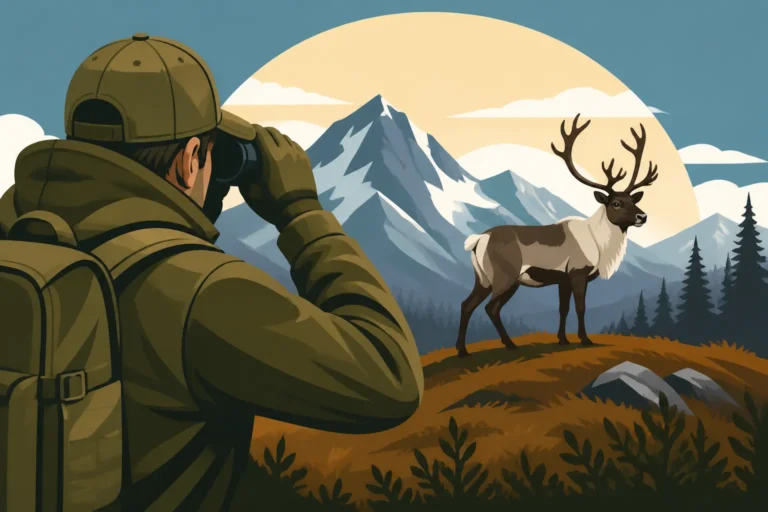
- Spot-and-Stalk: This is a highly effective method, especially in more open country or during early seasons when deer are still in alpine or subalpine areas. Use good optics to patiently scan hillsides, clearcuts, and avalanche chutes, particularly at first light and last light. Once an animal is spotted, plan a careful stalk using terrain features and wind direction to get within shooting range.
- Still-Hunting: In denser timber or thick brush, still-hunting (moving very slowly and deliberately, pausing frequently to observe) can be productive. Focus on areas with good cover and feed. For blacktail hunters, this might mean Still-Hunting Second Growth for Blacktail. Pay close attention to wind direction and move into the wind.
- Finding Seclusion: Deer in GOS units often seek refuge in areas difficult for hunters to access – steep canyons, thick draws, or deeper into deactivated road systems. Being willing to hike further from main roads or access points can put you onto less-pressured animals.
- Elk: Depending on the region, GOS units might offer opportunities for Rocky Mountain Elk or Roosevelt Elk.
- Bugling/Calling: During the rut (typically September-October), calling can be incredibly effective for elk. However, in GOS units, over-calling or calling too aggressively can alert other hunters. Be mindful of your surroundings. Understanding Calling Moose in the Rut can also apply to elk, with adaptations for elk-specific calls.
- Glassing and Ambush: Like deer, elk are creatures of habit. Locating their feeding and bedding areas and setting up an ambush point along a travel corridor can be successful. This often involves early morning hikes to get into position before first light.
- Focus on Fringe Areas: Elk, especially older bulls, will often stay just outside heavily hunted areas, utilizing private land edges or pushing into rougher terrain adjacent to popular spots. Look for these transition zones.
Bear Hunting Approaches in GOS Units
Black bears are widely distributed across British Columbia and have generous GOS opportunities in many units. Their behavior is highly influenced by food sources and the time of year.
- Spring Bear Hunting: In spring, bears are often found in lower elevations, seeking out fresh green growth after denning. South-facing slopes that melt out first, clearcuts, logging road edges, and riparian zones are prime locations.
- Glassing: This is arguably the most effective spring bear hunting method. Find a high vantage point overlooking fresh growth areas, old clearcuts, or powerline rights-of-way. Patiently glass these areas, especially in the mornings and late afternoons. For more detailed advice, consider Glassing Logging Roads for Spring Bears.
- Stalking: Once a bear is spotted, a careful stalk is required. Pay close attention to wind, cover, and escape routes. Bears have incredible senses of smell and hearing.
- Fall Bear Hunting: In the fall, bears shift their diets to berries, nuts, and salmon.
- Berry Patches: High-elevation berry patches (huckleberries, blueberries) are magnets for bears. These can be in subalpine basins or on recent burns.
- Salmon Streams: In coastal or interior regions with salmon runs, bears will congregate along rivers and streams to feast on fish. This can offer exciting opportunities, but also requires extreme bear safety precautions.
- Road Hunting: While illegal to shoot from a vehicle, many hunters use vehicles to access areas and then walk logging roads or trails, looking for fresh bear sign or glassing open areas. Always check regulations regarding the use of vehicles in specific areas.
Remember that GOS bear seasons are generally open to both residents and non-residents, though non-residents generally require a guide. Always properly identify your target, especially to distinguish between boars and sows, and to avoid grizzlies, which are protected.
Upland Birds and Waterfowl in Accessible Areas
Many GOS units also offer excellent opportunities for game birds, both upland and waterfowl, often coinciding with big game seasons, making for a fantastic combo hunt.
- Upland Birds (Grouse, Ptarmigan, Pheasant): British Columbia boasts healthy populations of various grouse species (Ruffed, Spruce, Blue), along with Ptarmigan in alpine areas, and localized populations of pheasant, chukar, and quail.
- Road Hunting/Walking: Many grouse species, particularly Ruffed and Spruce, can be found along logging roads, clearcut edges, and old growth fringes, especially in the early morning or late afternoon when they are feeding. Walking logging roads and cutting through alder bottoms can yield good flushes. For more on this, check out Walking Up Blue Grouse on a Logging Road.
- Dog Work: A good bird dog can be invaluable for finding and flushing upland birds, especially in thicker cover.
- Alpine Hunts: Ptarmigan are found above treeline and offer a challenging, physically demanding hunt in beautiful alpine settings.
- Waterfowl (Ducks, Geese): In GOS units that encompass lakes, rivers, or marshy areas, waterfowl hunting can be productive.
- Jump Shooting: Pushing sloughs, small ponds, or stretches of river can lead to ducks flushing, providing exciting snap-shooting opportunities.
- Decoying: Setting up decoys in strategic locations (e.g., small lakes, beaver ponds, river eddies) can attract ducks and geese. This often requires pre-scouting to identify flight paths and feeding areas.
- Marsh and Estuary Hunting: Areas with extensive wetlands or coastal estuaries can be waterfowl hotspots, but access might require a boat or special permits. Always be aware of Non-Toxic Shot Rules in British Columbia when hunting waterfowl.
Combining a big game hunt with a bird hunt in a GOS unit can maximize your time in the field and fill your freezer, offering a truly diverse hunting experience.
Overcoming Common Challenges in GOS Units
Hunting General Open Season units often means facing particular challenges, mainly due to their accessibility. Understanding and preparing for these hurdles is key to a successful and enjoyable trip.
Dealing with Hunter Pressure
One of the most significant challenges in GOS units, especially those near population centers or with good road access, is hunter pressure. You might encounter other vehicles, see orange vests on popular trails, or hear distant shots. This can be disheartening, but it doesn't mean success is impossible.
- Go Deeper, Go Harder: The most effective way to avoid pressure is to literally out-work other hunters. This means hiking further from main roads, pushing into thicker timber, or climbing higher into steep, less accessible terrain. Most hunters stick to easy access points, so the further you get from the truck, the less competition you'll generally find. Using online maps like GoHunt to identify areas with minimal road access but potential game habitat can guide your efforts.
- Hunt Mid-Week: If your schedule allows, hunting on weekdays rather than weekends can significantly reduce the number of other hunters you encounter.
- Hunt Undesirable Weather: Many hunters pack it in when the weather turns nasty. Rain, snow, or fog can make for a miserable hunt, but it also clears the woods of other people and can sometimes get animals moving. Just be sure you're prepared for the conditions and prioritize safety. For coastal hunts, understanding Hunting in British Columbia's Coastal Rain is essential.
- Hunt Smart Hours: While most hunters focus on first and last light, consider hunting through the middle of the day, especially in thick cover. Animals may be bedded, but less active hunters means less disturbance.
- Be Patient and Respectful: When you do encounter other hunters, always be polite, respectful, and ensure clear communication about your intentions to avoid any conflicts or safety issues.
Adapting to Variable Terrain and Weather
British Columbia is known for its incredible geographical diversity, which translates to highly variable terrain and weather, often within the same Management Unit. A GOS hunt can take you from dense valley bottom forests to open alpine slopes, and weather can shift dramatically in a single day.
- Diverse Terrain: Be prepared for everything from steep, rocky climbs to dense brush and boggy creek bottoms. Your footwear is critical; sturdy, waterproof hiking boots with good ankle support are a must. Poles can be invaluable in steep or uneven terrain. Consider the type of terrain you'll be covering and train accordingly.
- Weather Extremes: British Columbia weather is notoriously unpredictable. A warm, sunny morning can quickly turn into a cold, wet, or snowy afternoon, even in early fall. Always pack layers of clothing, including waterproof outer shells. Be prepared for sudden temperature drops, high winds, and precipitation. A sudden storm can make navigation difficult, so always carry a reliable GPS and a physical map and compass as backup. Understanding Weather Windows in British Columbia's Mountains can help in planning.
- Snow Line Considerations: In late fall, the snow line will dictate where animals are found. As snow pushes down from higher elevations, deer and elk will migrate to lower winter ranges. Knowing where these ranges are within your MU can be critical for success.
- Water Crossings: Rivers and creeks can swell rapidly with rain or snowmelt, potentially cutting off access or creating dangerous crossings. Always assess water levels carefully and have a backup plan.
Being adaptable, carrying appropriate gear, and having a solid emergency plan are non-negotiables for hunting British Columbia’s diverse GOS units.
Accessing Remote Pockets of Public Land
While many GOS units have decent road access, the most productive areas often lie beyond the easily reachable zones. Accessing these remote pockets of public land requires careful planning and a willingness to commit.
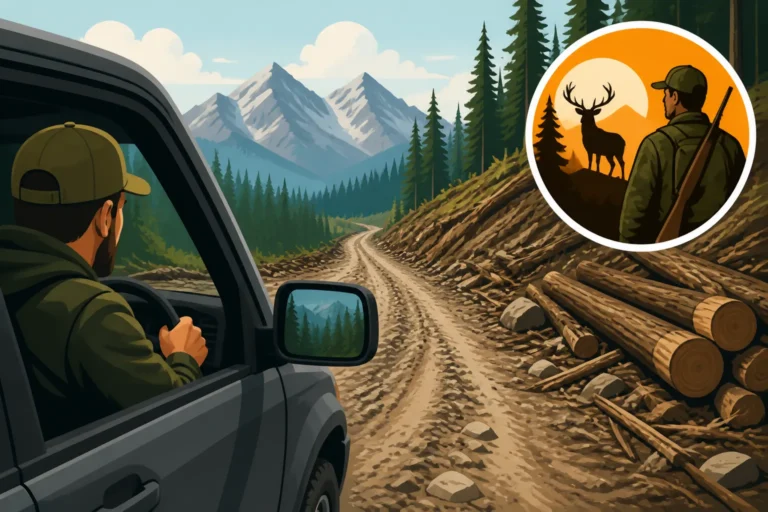
- Deactivated Logging Roads: British Columbia has an extensive network of logging roads. Many of these are "deactivated," meaning they've been intentionally blocked or partially reclaimed to prevent vehicle access. These can be prime entry points for foot or e-bike access into less-pressured areas. While you can't drive them, they often provide a clear, if sometimes overgrown, path to wilderness. Learn more about Driving a Deactivated Logging Road and how to identify them.
- Hiking/Backpacking: For serious GOS hunters, backpacking into remote areas is often the best strategy. This means carrying all your gear, food, and water for several days. This allows you to hunt deeper, away from the crowds, and stay on the animals. It requires a high level of physical fitness and self-sufficiency. Setting up a spike camp above timberline can be incredibly effective for multi-day hunts.
- Horseback or ATV Access (where permitted): In some regions, or on specific trails, ATVs or horses can extend your range significantly. Always check regulations for specific restrictions on motorized vehicles or horses within your chosen MU. Never assume access is permitted.
- Jet Boat or Float Hunting: For river systems, a jet boat can open up miles of remote shoreline and river bars. Similarly, float hunting a river by canoe or raft can be an incredible way to access country rarely seen by other hunters. Both methods require specialized gear and skills. For insights into this, check out Jet Boat Access on British Columbia Rivers.
The more effort you're willing to put into reaching these remote pockets, the higher your chances of finding unpressured game and experiencing true wilderness hunting.
Essential Gear and Preparation
Success in a GOS management unit often boils down to proper preparation and having the right gear for the conditions and the specific type of hunt you're undertaking. Don't underestimate the demands of the British Columbia backcountry.
Key Equipment for GOS Hunts
Your gear list will vary slightly depending on the species and season, but some items are universally essential for British Columbia GOS hunts:
- Optics: High-quality binoculars (10×42 or 10×50) are critical for glassing, especially in open country. A spotting scope can be invaluable for identifying game at long distances and judging animals before a stalk. Rangefinders are also essential for accurate shot placement.
- Navigation Tools: Even with excellent digital mapping tools like GoHunt, always carry a backup. A GPS device, a physical map (waterproofed!), and a compass are non-negotiable. Learn how to use them proficiently before you hit the field. For more information, read up on Scouting a British Columbia Management Unit Online.
- Clothing System: Layering is key. Start with a moisture-wicking base layer, add insulating mid-layers (fleece, down), and finish with a durable, waterproof and windproof outer shell. Bring extra socks! Blaze orange is often a legal requirement or highly recommended during rifle seasons; be familiar with British Columbia Blaze Orange Rules.
- Shelter and Sleep System: If you plan to spend nights in the backcountry, a lightweight, durable tent, a warm sleeping bag rated for expected temperatures, and a comfortable sleeping pad are vital.
- First-Aid Kit: A comprehensive first-aid kit, tailored for backcountry use, is essential. Know how to use everything in it.
- Headlamp/Flashlight: With extra batteries. Mornings start early, and evenings often end late.
- Knife and Game Processing Tools: A sharp hunting knife, a small bone saw (if desired), and game bags are crucial for field dressing and meat care.
- Water Filtration/Purification: A reliable water filter, purification tablets, or a portable sterilizer is a must. Staying hydrated is paramount.
- Communication Device: Cell service is often non-existent in remote GOS units. A satellite messenger or satellite phone is highly recommended for emergency communication.
Physical Fitness and Navigation Skills
British Columbia’s terrain can be incredibly challenging, and GOS units are no exception. Success often hinges on your ability to cover ground efficiently and safely.
- Physical Fitness: Regardless of your hunting style, a good level of physical fitness is critical. Whether it’s hiking long distances, climbing steep hills, or packing out heavy game, your body needs to be ready. Incorporate cardio, strength training, and flexibility exercises into your routine well before the season. Practice hiking with your loaded pack. This is particularly important if you are considering a challenging trip into British Columbia's Alpine in September.
- Navigation Proficiency: Beyond carrying the tools, you must know how to use them. Practice with your GPS, map, and compass in familiar terrain before relying on them in the backcountry. Understand how to read topo maps, identify landmarks, and take bearings. Getting lost can quickly turn a hunt into a life-threatening situation.
- Survival Skills: Basic survival skills, such as fire starting, shelter building, and signalling for help, are invaluable. Even on a day hunt, an unexpected injury or change in weather can leave you stranded overnight.
Don't underestimate the importance of these foundational skills. They are as crucial as your rifle or bow in ensuring a safe and successful hunt.
Meat Care and Packing Out Considerations
Harvesting an animal is only half the battle; ensuring the meat is properly cared for and safely transported out of the field is equally important, especially in GOS units where you might be far from a vehicle.
- Field Dressing: Learn proper field dressing techniques to cool the carcass quickly. Remove all entrails as soon as possible. For warm early seasons, rapid cooling is critical to prevent spoilage. Read up on Meat Care in British Columbia's Warm Early Seasons for specific advice.
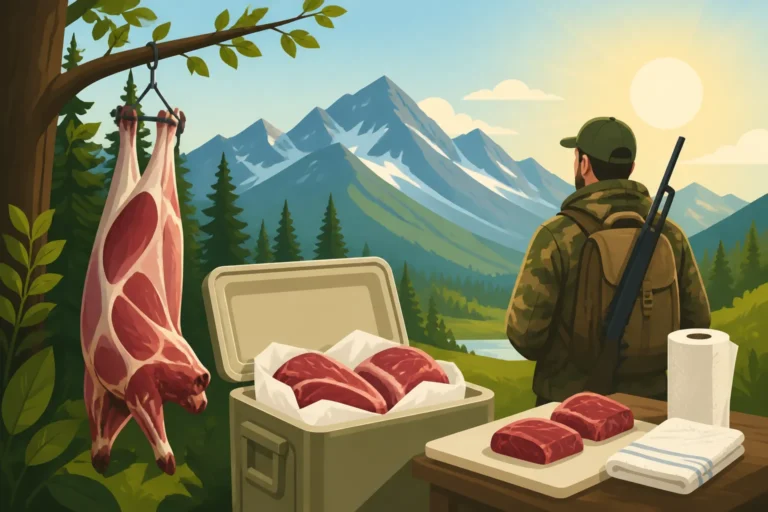
- Quartering and Deboning: In remote areas, you will likely need to quarter the animal to make it manageable for packing out. If you're going deep, deboning the meat can save significant weight. Game bags are essential to keep meat clean and allow it to breathe.
- Packing Out: Have a robust frame pack that can comfortably handle heavy loads. Practice packing weight before your hunt. Consider the terrain; packing out an elk from a steep, brushy canyon is a grueling task that can take hours or even days. If you're hunting with a partner, plan how you'll divide the load. For challenging terrain, understanding Packing Out of British Columbia's Steep Country is a must.
- Evidence of Sex: British Columbia regulations require you to leave evidence of sex attached to the carcass or a portion of the carcass until it is at your normal place of residence. Know these rules for each species you hunt.
- Cooling and Transport: Once out of the field, continue to cool the meat. Ice chests, tarps, and even streams can be used to keep temperatures down. Plan your route home to minimize travel time and exposure to heat.
Proper meat care is not just about preserving your harvest; it's a mark of respect for the animal and the hunting tradition. Never waste game meat.
Respecting Regulations and Ethics
Hunting in British Columbia is a privilege, not a right. Upholding ethical standards and meticulously following regulations are paramount to preserving hunting opportunities for future generations and maintaining a positive public image of hunters.
Understanding Antler Restrictions and Bag Limits
British Columbia employs various antler restrictions and bag limits to manage game populations sustainably and ensure hunting opportunities. These are particularly common in GOS units where harvest pressure might be higher.
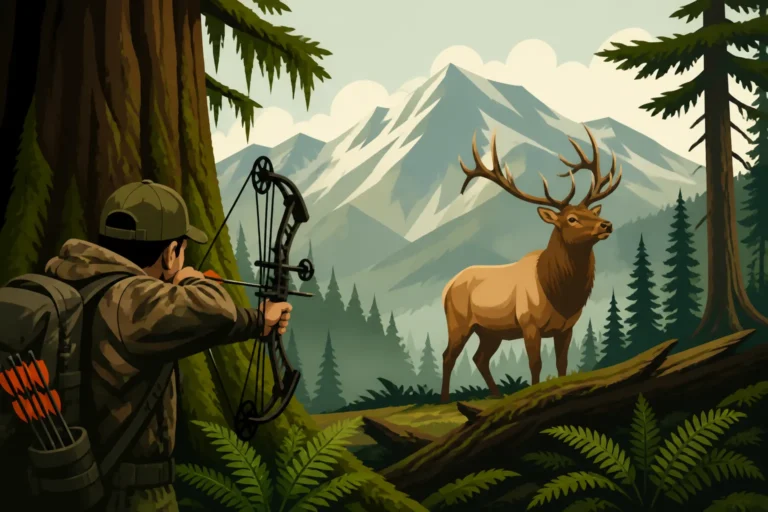
- Antler Restrictions: For species like mule deer, white-tailed deer, and elk, you'll often find regulations like "4-point or better" or "spike-fork bull only." This means the animal must have at least four points on one antler (excluding the brow tine) or be a bull with only spike or fork antlers, respectively. Misidentifying antlers can lead to serious fines and licence suspensions. Always count points carefully and be absolutely certain before you shoot. When in doubt, let it walk. Resources like Judging a Four-Point Mule Deer Buck can help sharpen your eye.
- Bag Limits: Each species has an annual bag limit, and sometimes a daily bag limit for birds. This dictates how many animals of that species you can harvest in a single hunting season or day. Once you fill your tag or reach the bag limit, you must stop hunting that species.
- Sex Restrictions: Many GOS seasons are "bull-only" or "buck-only" hunts, sometimes with provisions for "any bull" or "any buck" during specific, shorter periods. Accidental harvest of a cow, doe, or an illegal bull/buck is a serious offence.
- Compulsory Reporting/Inspection: For some species, especially large game like moose or grizzly bears (if they were huntable, which they are not currently), there are compulsory inspection or reporting requirements. You must report your harvest or present parts of the animal (e.g., skull, hide) to an authorized official within a specified timeframe. While fewer species require compulsory inspection today, Which Species Still Need Compulsory Inspection is a critical piece of knowledge. Always fulfill these obligations promptly.
Ignorance of the regulations is not an excuse. It is your responsibility as a hunter to know and abide by all rules for the specific area and species you are hunting.
Staying Aware of Private Land and Trespass Laws
British Columbia has a mix of Crown (public) land and private land, and hunters must be acutely aware of where they are at all times. Trespassing is illegal, unethical, and can lead to the loss of hunting privileges.
- Identifying Private Land: As discussed, online mapping tools like GoHunt are invaluable for identifying private land boundaries. Always cross-reference with signs on the ground.
- Permission is Key: If you suspect you are near or want to access private land, you must obtain permission from the landowner before stepping foot on it. This applies even if you are just retrieving wounded game. A simple phone call or in-person visit can prevent serious issues. Many landowners are amenable if approached respectfully.
- Posted Land: Landowners have the right to post their property. "No Hunting" or "No Trespassing" signs must be respected without question.
- Respecting Infrastructure: Even on Crown land, be mindful of any active logging operations, gas lines, or other industrial infrastructure. Stay clear of heavy equipment and always give way to commercial vehicles on logging roads. Be familiar with British Columbia's Forest Service Road Network and any associated rules.
Upholding respectful land use practices ensures continued positive relationships between hunters, landowners, and the general public, safeguarding future access to hunting grounds.
Practicing Responsible Hunting Behaviour
Beyond the written regulations, ethical hunting demands a commitment to responsible and respectful behaviour in the field. This reflects positively on all hunters and ensures the humane treatment of game animals.
- Clean Kills: Strive for a clean, humane kill. This means taking ethical shots within your effective range, with an appropriate firearm or bow, and practicing regularly to ensure accuracy. If you wound an animal, your absolute priority is to track and recover it.
- Waste Not, Want Not: It is illegal and unethical to waste edible portions of game meat. Learn proper field dressing and meat care to ensure your harvest is utilized fully.
- Leave No Trace: Pack out everything you pack in, including spent shell casings, food wrappers, and any other trash. Strive to leave the area cleaner than you found it. Avoid unnecessary damage to vegetation or infrastructure.
- Hunter Safety: Always adhere to firearm safety rules. Be absolutely sure of your target and what is beyond it. Wear blaze orange where required or recommended. Be aware of other hunters in the area. Safety should always be your top priority.
- Respect for Wildlife: Even when hunting, maintain a deep respect for the animals you pursue. Understand their habits, their habitats, and their role in the ecosystem. Do not harass or disturb non-target wildlife.
- Reporting Violations: If you witness poaching or other illegal hunting activities, report them to the Conservation Officer Service (COS). This protects game populations and ensures that those who break the law are held accountable. The Report All Poachers and Polluters (RAPP) line is a vital resource for this.
By embracing these principles, you contribute to a strong, positive hunting culture in British Columbia, ensuring that GOS units continue to provide incredible opportunities for years to come.
Disclaimer
The information provided in this guide is for general informational purposes only and does not constitute legal advice. Hunting regulations in British Columbia are complex and subject to change. Always consult the most current British Columbia Hunting and Trapping Regulations Synopsis, as well as any regional or local notices, before embarking on any hunting trip. It is the individual hunter's responsibility to know and comply with all applicable laws and regulations.