British Columbia Blaze Orange Rules
Stepping into the vast and incredible wilderness of British Columbia for a hunt is an experience unlike any other, but it comes with a responsibility to understand and follow the rules, especially those designed for safety. One area that often causes a bit of head-scratching, even for seasoned hunters, is the requirement for blaze orange. It can feel like a maze sometimes, trying to figure out exactly when and where you need to deck yourself out in that bright, unmistakable colour. This guide is here to untangle the complexities of British Columbia's blaze orange regulations, ensuring you're not only compliant but also as safe as possible on your next adventure.
The Imperative of Visibility: Why Blaze Orange Matters
When you’re out in the bush, whether you’re stalking a majestic moose or patiently waiting for a deer, your primary focus is often on blending in. However, when other hunters are in the same general area, blending in becomes a serious hazard. This is where blaze orange steps in, acting as a crucial safety beacon. It's not just a suggestion; it’s a non-negotiable part of responsible hunting in many situations, designed to protect every person in the field.
Reducing the Risk of Hunting Incidents
The most critical reason for blaze orange is simple: it dramatically reduces the risk of hunting accidents. Imagine traversing through thick timber or dense brush, focused intently on game sign. In these moments, it’s all too easy for another hunter, perhaps just as focused, to mistake movement or a flash of natural colour for an animal. The consequences of such an error can be devastating, and unfortunately, every year we hear stories of preventable incidents. Blaze orange creates a stark, unmistakable contrast with the natural environment, screaming "human!" to anyone who sees it. It allows for quick identification, giving fellow hunters the vital seconds needed to confirm their target and prevent a tragic mistake. This isn't just about being seen; it's about being unequivocally identified as another person, even at a distance or in challenging light conditions. Think about those overcast days, or hunting in British Columbia's Coastal Rain, where visibility can drop significantly. That splash of orange becomes a lifesaver.
Distinguishing Hunters from Wildlife
While you might worry that wearing such a bright colour will spook game, the science of animal vision tells a different story. Most big game animals, like deer, elk, and moose, are dichromatic, meaning they see colours in a more limited spectrum than humans. They typically don't distinguish between orange and shades of green, brown, or grey. To them, your blaze orange vest might just appear as another dull tone blending into the background, especially against the complex patterns of the forest. What they do see, and what spooks them, is movement and silhouette. Therefore, wearing blaze orange effectively makes you highly visible to other humans, without giving away your position to the game you're pursuing. This ingenious aspect of blaze orange technology allows us to prioritize human safety without compromising the hunting experience. It's a testament to how regulations can be thoughtfully designed to serve multiple, sometimes seemingly contradictory, purposes.
British Columbia's Specific Blaze Orange Regulations
British Columbia, like many jurisdictions, has clear rules about when and where blaze orange is mandatory. These regulations are laid out in the annual British Columbia Two-Year Regulations Synopsis, and it’s every hunter’s responsibility to know them. The specific requirements can vary depending on the type of hunt, the season, and even the specific species you're pursuing, so paying close attention is key.
When and Where It's Required
Generally speaking, in British Columbia, blaze orange is mandatory for hunters during any General Open Season for big game, or if you are hunting big game under a Limited Entry Hunting (LEH) authorization, and you are using a firearm (rifle or shotgun). This typically applies to most of the province, particularly during the peak fall rifle seasons for species like deer, elk, and moose. For instance, if you're out during the Hunting British Columbia's October Rifle Opener, wearing blaze orange isn't just a good idea; it's the law. The intent here is to maximize visibility when hunters are likely to be widely dispersed across public land, often in dense cover, and employing firearms. These seasons see a higher concentration of hunters, increasing the potential for misidentification if proper safety gear isn't worn. It's a preventative measure designed to safeguard everyone in the field, even those you might never see. Always consult your specific Management Unit's regulations, as there can be regional variations or special provisions you need to be aware of. Tools like those on GoHunt can be incredibly helpful for quickly referencing the regulations for your chosen area.
What Constitutes Legal Blaze Orange
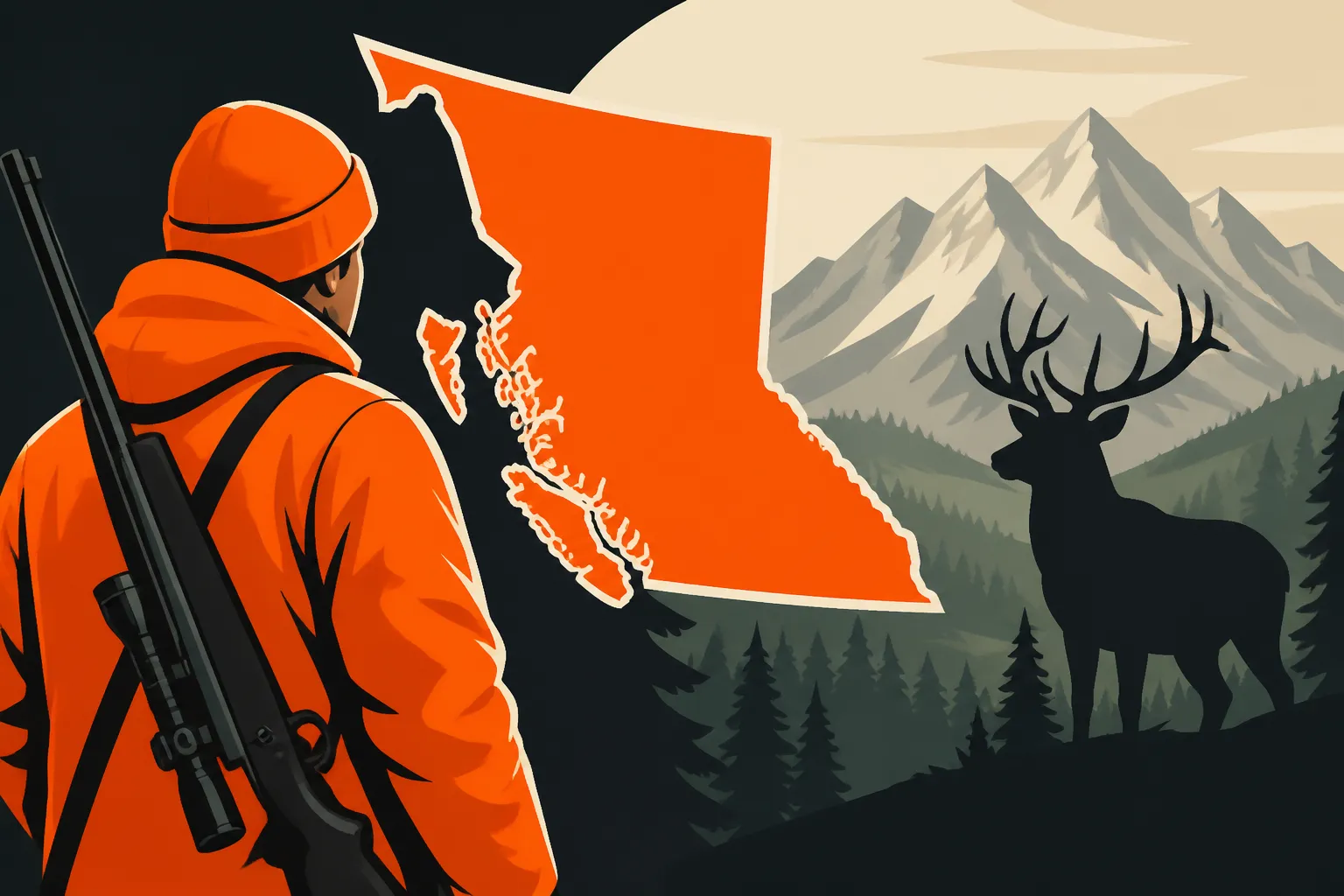
The regulations aren't just about wearing blaze orange; they specify how much and what type of blaze orange. In British Columbia, the requirement states that when blaze orange is mandatory, a hunter must wear either:
- An outer garment of blaze orange or florescent yellow or green that is visible from all directions, OR
- A hat of blaze orange or florescent yellow or green, and an outer garment of blaze orange or florescent yellow or green that is visible from all directions.
This means a simple orange hat might not be enough on its own if an outer garment isn't also worn. The garment must be "visible from all directions," which implies a vest, jacket, or shirt that isn't completely covered by a backpack or other gear. The key is ensuring that a significant portion of your upper body or head is clearly displaying the high-visibility colour. These specific requirements are in place to ensure that the blaze orange serves its intended purpose effectively – to make you highly conspicuous to other hunters from any angle, reducing blind spots in varied terrain and vegetation. Don't skimp on this; a flimsy vest that tears easily or gets quickly covered by mud isn't going to cut it. Invest in quality gear that meets the visibility standards.
Who Needs to Wear It
Another crucial aspect of the blaze orange rule is understanding who it applies to. In British Columbia, the regulation generally applies to anyone who is hunting big game with a firearm during mandatory periods. This means that if you're the one carrying the rifle and pursuing an animal under a British Columbia's Species Licences and Tags, you need to be wearing your blaze orange. However, it's also a smart practice for anyone accompanying a hunter, even if they aren't carrying a firearm or technically "hunting." While not always legally mandated for non-hunting companions, common sense and safety dictate that anyone in a hunting area during rifle season should make themselves as visible as possible. This includes spotters, photographers, or even individuals simply observing the hunt. When applying for a permit to accompany or heading out with friends, it's a good discussion to have to ensure everyone understands the shared responsibility for safety.
Common Exemptions and Specialized Scenarios
While blaze orange is a cornerstone of rifle hunting safety, British Columbia's regulations also recognize that certain hunting methods and species don't always require its use. Understanding these exemptions is just as important as knowing the mandatory requirements, as it allows hunters to adapt their gear to the specific conditions and demands of their chosen pursuit while remaining legal.
Archery and Muzzleloader Seasons
For many hunters, the appeal of archery or muzzleloader seasons lies in the challenge of getting incredibly close to game. These methods often demand a high degree of stealth, quiet movement, and camouflage to succeed. Consequently, British Columbia's regulations typically exempt archery hunters and muzzleloader hunters from the mandatory blaze orange requirement during their designated seasons for big game. When British Columbia's Archery Season Opens, archers are usually focused on stalking within bow range, where any bright colour could easily give away their position to keen-eyed deer or elk. Similarly, muzzleloader hunters, with their limited range and single-shot capabilities, often employ similar close-quarter tactics. This exemption reflects the different nature of these hunts, where being unseen by the animal is paramount. However, this doesn't mean safety goes out the window. Hunters in these seasons must still exercise extreme caution, confirm their target beyond any doubt, and be acutely aware of their surroundings, especially if sharing the woods with rifle hunters in overlapping areas or seasons. Many archers, after shooting an animal, will put on blaze orange while tracking, a smart move for safety.
Waterfowl and Upland Bird Hunting
Hunting ducks, geese, grouse, or other game birds usually takes place in very different environments and with different tactics than big game hunting. Waterfowl hunting, for instance, often involves sitting concealed in blinds near estuaries or marshes, where camouflage is essential for decoying birds. Similarly, upland bird hunting might involve flushing birds with dogs through fields or thickets. Because these hunts rarely involve shooting at indistinct shapes in thick timber, and often require blending into the background, blaze orange is generally not required for hunters pursuing migratory game birds or upland birds in British Columbia. However, this exemption comes with a crucial caveat: if you are bird hunting in an area where a general open season for big game with firearms is also underway, or if you also possess a big game licence and tag for that area, prudence dictates extreme vigilance. While not legally mandated for bird hunting specifically, wearing a blaze orange hat or vest while moving between hunting spots, especially in areas with known big game activity, is a smart way to enhance safety. Remember, even if you’re just after Ruffed Grouse in an Alder Bottom, another hunter might be looking for a deer.
Hunting Small Game and Predators
The regulations for small game like rabbits, hares, and certain predators such as coyotes and wolves also typically do not mandate the wearing of blaze orange. When you're Calling Wolves in British Columbia, for example, camouflage and stealth are critical to drawing in these wary animals. The nature of these hunts, often involving smaller calibers or different engagement distances, means the inherent risk profile is different from big game rifle hunting. However, similar to bird hunting, the context is everything. If you are hunting coyotes on a British Columbia Grassland during a period when deer season is also open in that unit, being aware of other hunters is paramount. Many seasoned predator hunters will still opt for a blaze orange hat or vest when moving to and from their stands, or when approaching a kill site, ensuring they are seen by other people while maintaining their tactical advantage during the actual hunt. It’s about making a conscious decision to prioritize safety in situations where other hunters might be present, even if the regulations don’t explicitly demand it for your specific quarry.
Practical Tips for Adhering to Blaze Orange Rules and Enhancing Safety
Navigating British Columbia's hunting regulations means more than just knowing the rules; it's about incorporating them seamlessly into your hunting routine and adopting best practices that go beyond the letter of the law. When it comes to blaze orange, making smart choices about your gear and your behaviour can make all the difference for a safe and successful hunt.
Choosing the Right Gear
Selecting the appropriate blaze orange gear is about more than just colour; it's about functionality, durability, and comfort. You want something that will actually stand up to the rigours of a British Columbia hunt, not just a flimsy piece of fabric. Look for vests, jackets, or hats made from rugged, tear-resistant materials that can withstand snags from brush and thorns. Waterproof or water-resistant options are particularly valuable, especially if you're hunting in British Columbia's often wet conditions or facing an unexpected downpour. Breathability is also key; you'll be exerting yourself, and you don't want to overheat or feel clammy. Many outdoor brands offer specialized blaze orange hunting apparel that integrates well with other gear, providing pockets for calls or small essentials. Consider a vest that can be worn over your primary hunting jacket, or a standalone jacket if conditions permit. The important thing is that it fits well, stays visible, and doesn't hinder your movement or concentration. Remember, the effectiveness of blaze orange depends on it being seen, so make sure it's not obscured by your backpack, game bag, or other gear.
Beyond the Regulations: Best Practices
While knowing the mandatory requirements for blaze orange is essential for compliance, responsible hunters understand that safety often extends beyond the minimum legal threshold. There are many situations where wearing blaze orange, even if not strictly required, is simply a smart decision. For example, when you’re tracking a wounded animal into dense cover or at dusk, slipping on a blaze orange vest provides an extra layer of protection, particularly if you're entering an area where other hunters might be active. Similarly, if you're walking out of the woods in low light conditions, or if you find yourself hunting in a high-pressure area with many other hunters around, making yourself as visible as possible is paramount. It’s also crucial to remember that regulations apply differently to different species and seasons. For example, if you're pursuing the British Columbia's Four-Point Antler Restriction in a general open season zone, blaze orange is mandatory, but if you're only targeting grouse, it might not be. Always err on the side of caution. If there's any doubt, or if you feel that increased visibility would enhance safety for yourself and others, wear it. No trophy is worth a preventable accident.
Utilizing Resources for Current Regulations
British Columbia's hunting regulations, while comprehensive, can sometimes feel overwhelming due to their detail and the specificities across regions and management units. It's not uncommon for changes to occur between seasons, making it crucial to always consult the most current information. The official British Columbia's Two-Year Regulations Synopsis is your go-to source for the definitive legal framework. This document outlines everything from British Columbia Hunting Licences and Fees to specific season dates and blaze orange rules for each management unit. In addition to the official synopsis, modern technology offers invaluable tools to help hunters stay informed. Many hunters utilize platforms like GoHunt, which often provide user-friendly interfaces to quickly check regulations, season dates, and unit-specific rules right from their phone or computer. These digital resources can be a huge time-saver and help confirm that you're in compliance with the latest rules for your chosen area. Before every hunt, even if it's a familiar spot, make it a habit to double-check the regulations for your specific British Columbia's Management Units and Regions. An informed hunter is a safe and legal hunter.
Here's a quick overview of typical blaze orange requirements in British Columbia:
| Hunt Type / Season | Blaze Orange Required? | General Conditions / Notes |
|---|---|---|
| Big Game Rifle/Shotgun Hunts | YES (Mandatory) | During General Open Season or LEH for big game. Must be visible from all directions (e.g., vest + hat, or full outer garment). |
| Big Game Archery Hunts | NO (Generally Exempt) | Stealth is key for bowhunting; camouflage is standard. However, consider wearing blaze orange when tracking game or moving in areas with rifle hunters. |
| Big Game Muzzleloader Hunts | NO (Generally Exempt) | Similar to archery, muzzleloader hunts emphasize close range and stealth. Safety awareness is still critical, especially if sharing areas with modern firearm hunters. |
| Waterfowl Hunting | NO (Generally Exempt) | Camouflage is typically required for decoying. If big game rifle season is open in the same area, exercise caution and consider a blaze orange hat for travel. |
| Upland Bird Hunting | NO (Generally Exempt) | Usually not required, as hunters may move through varied terrain to flush birds. As with waterfowl, be aware of other concurrent seasons for big game. |
| Small Game / Predator Hunting | NO (Generally Exempt) | Camouflage is often used for predators like coyotes or wolves. For safety, many hunters will wear blaze orange when moving or in high-traffic big game areas, even if not legally required for their quarry. |
| Non-Hunters Accompanying Hunters | NO (Not Legally Mandatory) | While not mandated by law, it is highly recommended for anyone accompanying a hunter during rifle season to wear blaze orange for their own safety. |
| Hunting in Wildlife Management Areas | Check specific WMA regulations | British Columbia Wildlife Management Area Rules can sometimes have specific additional rules. Always check before you go, as these areas often have unique management objectives and higher user traffic. |
Disclaimer
The information provided in this guide is intended for general informational purposes only and does not constitute legal advice. Hunting regulations in British Columbia are complex and subject to change. It is the individual hunter's responsibility to consult the most current British Columbia Hunting Regulations Synopsis and any local bylaws or notices before engaging in any hunting activities. Failure to do so could result in fines, penalties, or other legal consequences. Always prioritize safety and responsible hunting practices.