Walking Up Blue Grouse on a Logging Road
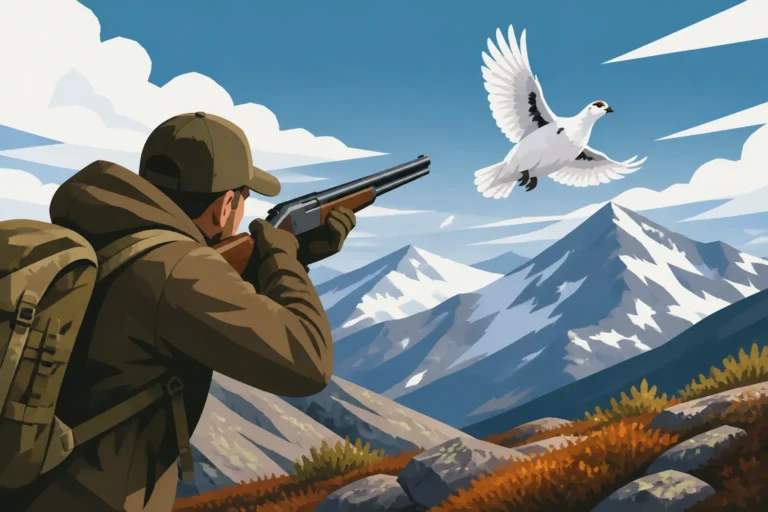
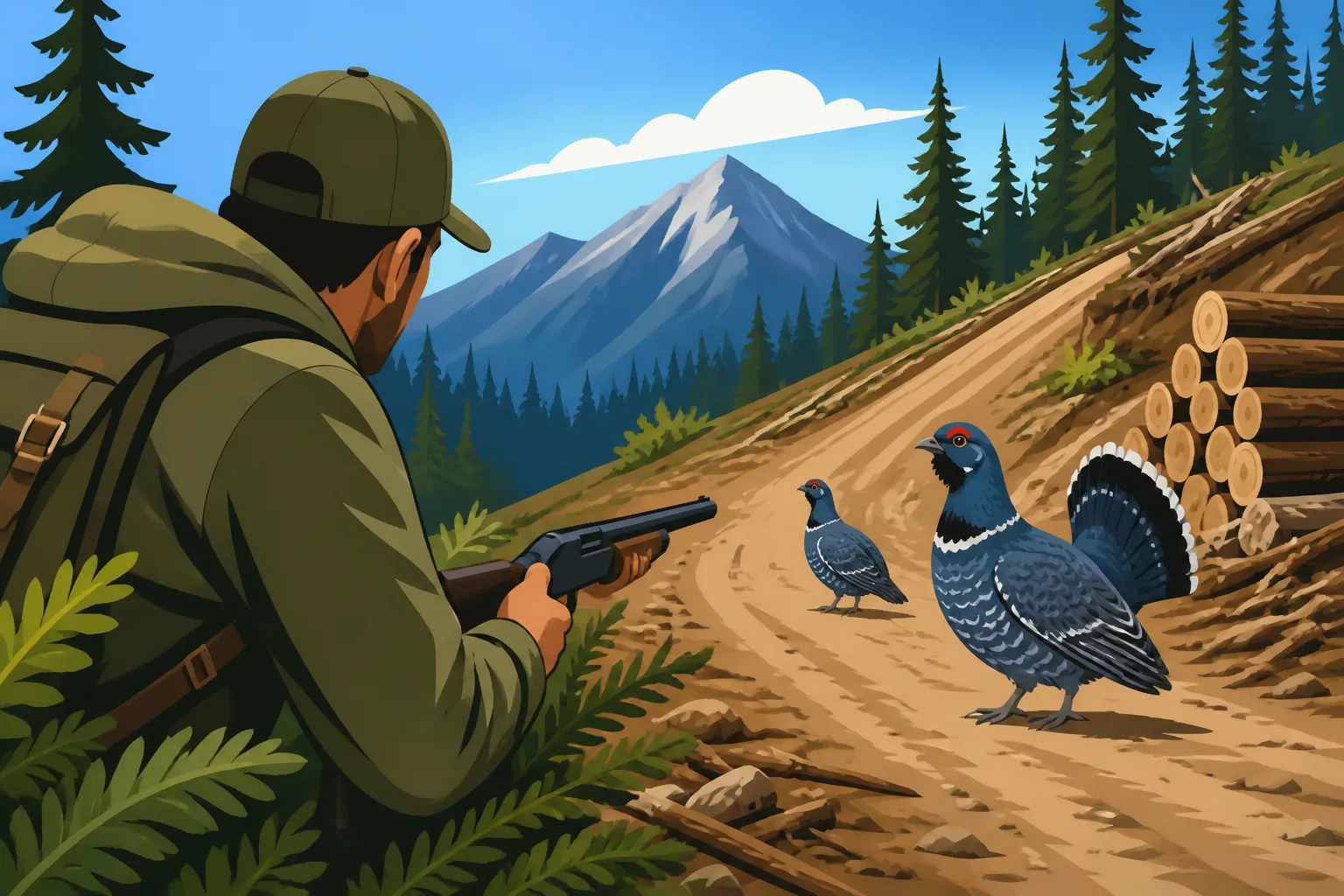
There’s nothing quite as frustrating as cruising down a British Columbia logging road, only to have a plump blue grouse explode from the ditch just as you pass, disappearing into the timber before you can even think about grabbing your shotgun. Or worse, spending hours driving without seeing a feather. This guide is here to help you slow down, be more observant, and adopt specific strategies to effectively walk up blue grouse on BC logging roads, turning those missed opportunities into successful and rewarding hunts.
Understanding Blue Grouse Behavior on Logging Roads
It might seem counterintuitive to find prime game birds in what often feels like a barren, industrial landscape, but logging roads are actually hotbeds of activity for blue grouse, especially in the fall. Understanding why they are there is the first step to figuring out how to hunt them successfully.
Why Logging Roads Attract Blue Grouse
Logging roads, with their exposed edges and varying terrain, create an almost perfect microhabitat for blue grouse. These birds aren't just using the roads as a shortcut; they're actively feeding and basking along them. The open, disturbed ground provides a buffet of natural goodies. You'll often find a diverse array of berries like huckleberries, saskatoons, and even some tenacious thimbleberries clinging to the roadside, especially where the sunlight can reach them. Insects, a crucial part of a grouse's diet, thrive in these disturbed areas, and grit – small stones essential for digestion – is readily available from the gravel.
Furthermore, the road edges often host new growth, such as clover and various herbaceous plants, which are incredibly palatable to grouse. It's easy to just drive past, thinking these open stretches are merely a path through the forest, but they're rich foraging grounds. The exposed surfaces of the roads and their berms also serve as ideal sunning spots, allowing grouse to warm up after a cool night or on a chilly fall day, a critical aspect of their thermoregulation.
Seasonal Movements and Habitat Preferences
Blue grouse, sometimes known as dusky grouse in certain regions, exhibit distinct seasonal movements. During the spring and summer, especially for breeding, they tend to be found at higher elevations, often in mature timber near clearings or along subalpine ridges. They're fairly spread out at this time, focused on nesting and raising their young.
However, as fall approaches and the weather cools, these birds begin their descent to lower and mid-elevations. This is when they become far more accessible to hunters. They start concentrating in areas where food sources are still abundant and accessible, and logging roads fit that bill perfectly. Before the deep snows of winter force them to switch almost exclusively to a diet of conifer needles – primarily Douglas fir – they're busy fattening up on berries and greens. This seasonal shift is critical to a hunter’s success. If you know Where Blue Grouse Move in Fall, you'll understand why these roads become such prime hunting spots. They’re looking for those last remnants of summer bounty before hunkering down for the colder months.
Effective Strategies for Walking Up Grouse
Successfully hunting blue grouse on logging roads isn't about speed or covering vast distances. It's an exercise in patience, observation, and understanding how these birds use their environment for cover and escape.
The Art of the Slow Walk
This is perhaps the most crucial strategy for walking up grouse. It's tempting to cover ground quickly, especially when you've got miles of logging road ahead of you, but patience is your secret weapon here. Instead of marching steadily, adopt a stop-and-go pace. Take three to five slow, deliberate steps, then pause. Stand absolutely still for 10-20 seconds, scanning your surroundings. This mimics the movement of a predator and can often make a camouflaged grouse believe it's been spotted, prompting it to flush. Many times, a bird that would have sat tight while you walked by will flush when you pause.
During these pauses, your eyes should be working overtime. Don't just look for an entire bird; look for parts of a bird – a flicker of movement, a dark eye, an unusual shape against the undergrowth, or a head poking up from the ditch. Also, listen. Often, you’ll hear the subtle rustle of leaves, a soft cluck, or the distinct whir of wings before you see the bird. Quiet footwear is also key; heavy, noisy boots can betray your presence long before you're in range. This slow, methodical approach allows you to detect birds that are hunkered down, relying on their excellent camouflage.
Working the Edges and Cover
Blue grouse, despite being found on open logging roads, are not foolish. They rely on the adjacent cover for safety. When walking, focus your attention intensely on the edges of the road. This includes the ditches, where often a tangle of vegetation provides excellent hiding spots, and the cutbanks, which can offer elevated cover or a quick escape route into the denser timber above.
Don't overlook small thickets of alder, clumps of devil's club, or even fallen logs and piles of logging slash. These are all natural places for a grouse to hide, feed, or just sit and survey its surroundings. The transition zones between the open road and the main timber are particularly productive. These areas offer both food and immediate escape cover. Imagine a grouse feeding on berries in the ditch, ready to dart into a dense stand of young fir or a patch of thick brush at the first sign of danger. If you’re walking a road in a Hunting a Recent Cutblock in Its Third Year, those edges where the young growth meets older timber are goldmines. Even on a seemingly barren stretch, a small cluster of saplings or a rise in the terrain might hold a bird.
Using a Dog (or Hunting Partner)
While it's entirely possible to walk up blue grouse solo, bringing along a good hunting dog can dramatically increase your success. Dogs, particularly pointing breeds, extend your effective range, detecting scent and locating birds you'd undoubtedly walk right past. A well-trained pointing dog will freeze, indicating the exact location of a bird, allowing you to move into position for a shot. Flushing breeds, while not pointing, can still be incredibly effective by systematically working cover and pushing birds out into the open. Having a dog also adds an immense amount of joy to the hunt and can help you avoid losing downed birds in dense cover. For more on this, check out Using a Bird Dog in British Columbia Timber.
If a canine companion isn't an option, a hunting partner can be nearly as effective. The classic strategy is for one person to walk the main logging road, maintaining the slow, deliberate pace, while the other walks parallel, 20-30 yards into the timber or along the very edge of the road, working the denser cover. This two-pronged approach makes it much harder for grouse to slip away undetected, as they’re pressured from two directions. Just be acutely aware of your partner's position at all times and always know what's beyond your target.
Gear, Safety, and Ethical Considerations
Successful grouse hunting goes beyond just finding the birds; it involves responsible hunting practices, appropriate gear, and adherence to regulations.
Shotgun Choice and Ammunition
For blue grouse, you generally don't need a heavy-hitting magnum shotgun. Lighter gauges like a 20-gauge or even a .410 can be perfectly adequate, especially if you're comfortable with their patterns and range. A 12-gauge is also a fine choice, offering a wider variety of ammunition options. The key is balance and maneuverability for quick, close-range shots.
When it comes to choke, an Improved Cylinder or Modified choke is usually ideal. Grouse flushes are often sudden and at relatively close range (10-30 yards), so a wider pattern will give you a better chance of connecting. For shot size, 7.5 or 8 lead shot is typically preferred. These smaller pellets offer a dense pattern, which is exactly what you want for a fast-moving, relatively small bird, ensuring a clean kill without excessive meat damage.
It's also crucial to be aware of Non-Toxic Shot Rules in British Columbia. While less common for upland game on general Crown land logging roads, non-toxic shot is required in specific areas, especially near wetlands or designated wildlife management areas. Always double-check the current regulations for your specific hunting area.
Road Etiquette and Safety
Safety should always be paramount when hunting, especially on British Columbia's extensive logging road network. Many of these roads are still active industrial routes, meaning you could encounter heavy machinery or other vehicles at any time. If you're on an active logging road, carrying a radio and calling out your movements on the designated frequency is often a legal requirement and always a smart practice. High-visibility clothing, such as blaze orange, is not just recommended but legally required for big game hunting in many areas and is an excellent safety measure for grouse hunting too, especially when hunting with a partner. Familiarize yourself with British Columbia Blaze Orange Rules.
Beyond other vehicles, always be mindful of where you're shooting. Never shoot down the road or towards anything you haven't positively identified. Understanding Rules on Shooting Near a Road is critical to avoid any safety incidents or legal infractions. Remember that while you’re focused on grouse, there could be other hunters, recreationists, or even residents around. Always confirm your backstop and trajectory.
Field Care and Regulations
Once you've successfully harvested a blue grouse, prompt field care is essential to ensure the meat is good. Grouse meat is delicate and can spoil quickly, especially on a warmer fall day. Gutting the bird as soon as possible helps it cool down rapidly. Some hunters prefer to breast them out immediately, while others will take the whole bird back to camp for plucking.
Always be aware of the daily bag limits and possession limits for blue grouse in your specific management unit. These limits are clearly outlined in the annual British Columbia Hunting Regulations Synopsis. Don't let your excitement lead to an oversight; confirm the regulations before you head out. For instance, knowing the Blue Grouse Daily Bag Limit is as important as knowing where to find them. Regulations are put in place to ensure sustainable hunting for everyone, and it's our responsibility as hunters to abide by them.
| Strategy Component | Ideal Pacing | Observation Focus | Common Grouse Locations |
|---|---|---|---|
| Walk & Pause | 3-5 steps, 10-20 sec pause | Movement, shapes, sounds | Ditches, cutbanks, dense brush along edges |
| Dog/Partner | Slow, methodical | Dog's behavior, partner's movement | Flushed from cover, pointed in thicket |
| Cover Focus | Varying | Dense vegetation, logs, sunning spots | Berry bushes, alder thickets, old slash piles |
Maximizing Your Success
Even with the right approach, success in grouse hunting often comes down to small details and a deeper understanding of when and where to apply your efforts.
Timing Your Hunt for Optimal Activity
Just like many other game animals, blue grouse have peak activity periods. The early morning hours, shortly after dawn, and the late afternoon, leading up to dusk, are generally the most productive times. During these periods, birds are often more actively feeding along the road edges, taking advantage of the cooler temperatures and softer light. On bright, hot sunny days, grouse might retreat into the shade of the timber during the midday, making them harder to find.
Interestingly, overcast days can sometimes be more productive than bright, sunny ones, as the birds tend to stay active for longer periods throughout the day. After a rainfall, once the ground has dried a bit, grouse will often emerge to dry their feathers and feed, making these conditions excellent for a hunt. Paying attention to weather patterns and the time of day can significantly improve your odds.
Scouting and Reconnaissance
Effective blue grouse hunting doesn't always start with walking the road; it often begins with smart scouting. Before you even set foot out of the truck, use tools like online mapping platforms or resources such as GoHunt to identify potential areas. Look for logging road networks in appropriate elevations (mid-elevation in the fall, often above river valleys but below the high alpine). Pay attention to areas with mixed conifer and deciduous forests, especially those with berry-producing shrubs. A quick check of Scouting a British Columbia Management Unit Online can save you hours of unproductive walking.
Once you’re in the general area, a slow drive along potential roads can serve as an initial reconnaissance. Look for obvious sign: grouse droppings (they often look like small, green or black pellets), dusting bowls (small depressions in soft dirt where birds bathe), or even a few stray feathers. If you see a lot of old sign, it’s a good indicator that grouse frequent that area. Drive slowly enough to observe the habitat, but quickly enough to cover ground. Mark promising sections to return to on foot. This allows you to prioritize which sections of the extensive Hunting British Columbia's Logging Road Network are most likely to hold birds.
Understanding Different Logging Road Environments
Not all logging roads are created equal when it comes to grouse habitat. A road winding through a recently logged area, perhaps in its third to fifth year of regrowth, can be phenomenal. The regenerating vegetation provides dense cover and abundant food. Roads that cut through older second-growth timber, especially where there are gaps or clearings, also offer excellent opportunities. These older stands might have more mature berry bushes and pockets of varied understory.
Consider the surrounding terrain. Roads near water sources, like small creeks or marshy areas, can be productive, as water attracts insects and provides specific vegetation types. Conversely, dry uplands with more open Douglas fir benches or sagebrush pockets might hold different food sources. Roads with edges dominated by alder, willow, or huckleberry bushes are often better bets than those bordered by continuous, dense spruce forest. An Hunting an Interior Douglas Fir Bench might hold more birds than a dark, damp fir forest. The diversity of vegetation directly impacts the food and cover available, and understanding these subtle differences will help you pinpoint the most productive stretches of road.
Disclaimer
Hunting is an inherently risky activity. This guide provides general information and recommendations only. Always consult the most current British Columbia Hunting Regulations Synopsis, local authorities, and experienced hunters before engaging in any hunting activities. Safety, ethical conduct, and adherence to all laws and regulations are the sole responsibility of the individual hunter.