Lynx and Snowshoe Hare Cycles
Anyone who has spent time hunting or exploring British Columbia’s vast wilderness knows that some years, the woods seem absolutely teeming with snowshoe hares, their tracks crisscrossing every trail, while other years, they feel eerily absent. This isn't just a random fluctuation; it's a critical part of a natural phenomenon known as the predator-prey cycle, particularly the intricate dance between the snowshoe hare and its primary predator, the lynx. Understanding this cycle isn't just fascinating biology; it's absolutely vital for anyone looking to hunt furbearers or even just grasp the broader health of our ecosystem. This guide will help you decipher these natural rhythms and use that knowledge to your advantage in the field.
The Classic Predator-Prey Dance: Understanding the Cycle
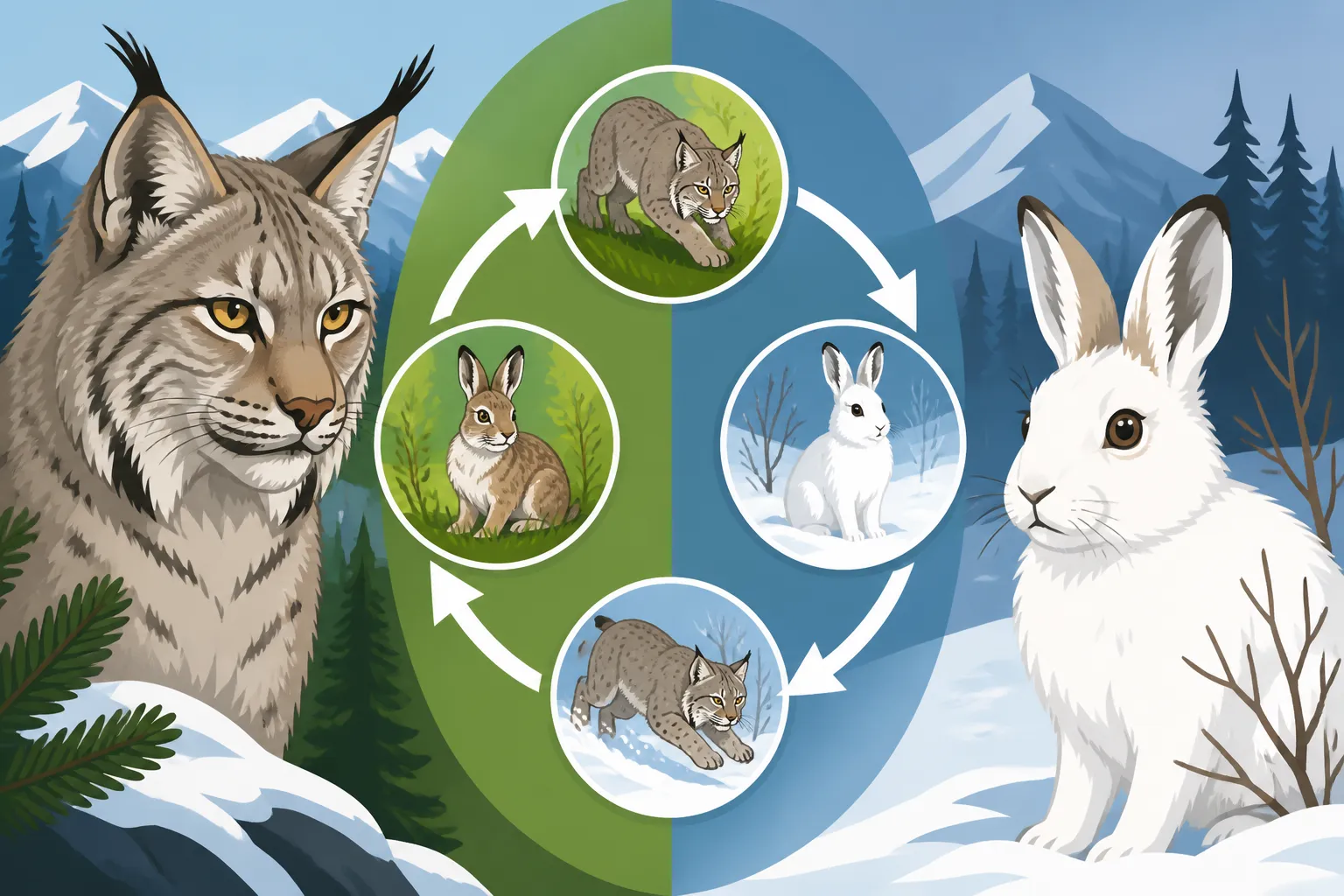
The relationship between lynx and snowshoe hares is one of the most famous examples of a predator-prey cycle in nature, especially in the boreal forests that stretch across much of British Columbia. It's a boom-and-bust story that plays out over roughly a decade, impacting not just these two species, but much of the food web around them.
What Drives the Snowshoe Hare Population Boom and Bust?
At the heart of the cycle is the snowshoe hare itself, a prolific breeder perfectly adapted to its snowy environment. Their populations don't just fluctuate randomly; they experience predictable peaks and crashes. When conditions are just right – plenty of browse like willow, alder, and young conifers, relatively mild winters, and lower predator pressure – hare numbers can explode. They have multiple litters a year, and suddenly, what was once quiet underbrush is alive with bounding, white-footed rabbits.
This exponential growth can't last forever. As hare numbers soar, they begin to overbrowse their habitat, consuming food faster than it can regenerate. Think of a pasture with too many cows; eventually, the grass gets eaten down to the roots. Simultaneously, the sheer abundance of hares means that predators, especially lynx, also start to thrive, with larger litters and higher survival rates for their young. This increasing predator pressure, coupled with dwindling food resources, eventually triggers the "bust" phase. Hare populations plummet, sometimes by as much as 90% or more, often looking like a sudden disappearance to the casual observer. This then sets the stage for the cycle to begin anew, as the vegetation recovers and predator numbers eventually decline. Snowshoe Hare and Small Game Numbers provides more detail on these cycles.
How Lynx Populations Follow the Hare's Lead
The Canada lynx (Lynx canadensis) is a highly specialized predator, so much so that its survival is intrinsically tied to the snowshoe hare. While lynx will eat other small game, birds, and even deer fawns if desperate, hares make up a staggering portion – often 70-90% – of their diet, particularly in the northern reaches of their range in BC. When hare numbers are high, lynx populations respond with a lag. This means that a year or two after the hare peak, you'll start to see a significant increase in lynx numbers. This is because it takes time for lynx litters to be born, grow to maturity, and start having their own offspring. With abundant food, lynx mothers are healthier, have more kittens per litter, and those kittens have a much higher chance of surviving their first critical year.
Conversely, when the hare population crashes, the lynx are left in a very difficult position. They face widespread starvation. Female lynx may fail to breed at all, or if they do, their litters are smaller, and the kittens often don't survive. This leads to a dramatic decline in lynx numbers, typically one to two years after the hare crash. It's a stark reminder of nature's harsh realities; the predator thrives on the prey's success, but also suffers profoundly during its downturn. Lynx and Snowshoe Hare Cycles is a classic example of this ecological interaction.
The Impact on Other Predators and Prey
While the lynx-hare relationship is the most prominent, this ten-year pulse of abundance and scarcity ripples throughout the entire ecosystem. Other predators that share the hare's range are also affected, albeit perhaps not as dramatically as the specialized lynx. Coyotes, bobcats, foxes, wolves, and various birds of prey like great horned owls all supplement their diets with snowshoe hares.
During the hare boom, these generalist predators also enjoy a bounty. This can sometimes lead to an interesting dynamic: with so many hares available, these predators might actually exert less pressure on other, less numerous prey species, like deer fawns or grouse chicks. It's like having a buffet – if there's plenty of the main dish, you might not bother with the side salads as much. However, when the hare population crashes, these other predators suddenly find their easy meal gone. This often forces them to switch to alternative prey, potentially increasing predation pressure on deer, elk calves, or grouse, which can have downstream effects on those populations. For example, a severe hare crash might mean coyotes are more actively hunting deer fawns, making a difference in fawn survival rates in a given year. Understanding British Columbia's Predators and Furbearers gives a wider perspective on this.
Hunting Opportunities and Challenges During Different Cycle Phases
For hunters and trappers, understanding where the snowshoe hare-lynx cycle stands is like having a secret weather forecast for predator activity. It directly influences success rates, hunting strategies, and even what species you might target.
High Hare Numbers: Abundance for Lynx and Hunters
When snowshoe hare numbers are peaking, the forest floors become a veritable highway of hare tracks. This is an incredible time for lynx. With food so abundant, they often don't have to travel far to find a meal, and their focus remains almost exclusively on hares. This concentration can make them more predictable for those who know how to read the landscape. You'll find more lynx sign – tracks, scat, and kill sites – in areas with dense hare populations.
For predator hunters, particularly those targeting furbearers, this "boom" phase presents prime opportunities. Lynx are often less wary when food is plentiful, making them potentially more responsive to calls designed to mimic hares or distress signals. Setting snares or traps in areas with obvious hare abundance, especially along game trails that show heavy lynx traffic, can be highly effective. This is also a fantastic time to use locator apps like GoHunt to scout areas for recent logging activity or thick regenerating forest that provides ideal hare habitat. Look for blocks where you can see the dense understory through satellite imagery – that's where the hares will be hiding, and the lynx will be hunting. You might consider specific tactics like Calling Predators in British Columbia during these times.
Low Hare Numbers: The Lean Times
The "bust" phase of the hare cycle is a tough period for lynx. With their primary food source drastically reduced, lynx must work much harder to survive. They extend their hunting ranges significantly, moving through much larger territories in search of food. Their diet becomes more generalized, incorporating anything from grouse and ptarmigan to mice, squirrels, and even deer fawns or carrion. They become much more opportunistic and desperate.
For hunters, this means lynx are far less concentrated and more nomadic. They are also often much warier, as survival demands extra caution. Predator calling can be more challenging because lynx are less likely to be territorial or focused on a single food source; they're simply trying to find any meal. Trapping becomes more difficult too, as lynx are covering vast distances, making it harder to predict their travel routes. You might still find success by focusing on areas where alternative prey is abundant, or by targeting specific travel corridors that even wide-ranging lynx are likely to use, but expect to put in significantly more effort. It's during these lean years that the resilience of all species is truly tested, and hunters must adapt their strategies. Trapping and Predator Rules in British Columbia are especially important to understand during these times.
Identifying Where You Are in the Cycle
So, how do you figure out if you're in a hare "boom" or "bust" year without waiting for official reports? It's all about observation and reading the signs in the field.
During a hare boom, the evidence is overwhelming. You'll see abundant fresh tracks in the snow or mud, often crisscrossing every old logging road or game trail. Their droppings, small round pellets, will be everywhere. Look for chewed-off twigs and branches (browse lines) on willows, aspens, and young conifers, especially in dense thickets and regenerating clearcuts. Hares themselves will be more visible, even during daylight hours, as their numbers make them bolder or force them into less cover. You might even find lynx tracks that are more plentiful and concentrated in areas with obvious hare activity. Reading Blacktail Sign in Wet Ground is a similar concept, just applied to a different species.
Conversely, a hare bust is marked by a noticeable absence of these signs. Tracks will be scarce, droppings few and far between, and browse lines less pronounced. You'll notice a general quietness in the underbrush where hares once rustled. Lynx tracks will be much rarer and more widely dispersed, often indicating a cat that is traveling long distances between potential meal sites. You might also find lynx tracks in areas you wouldn't typically expect, as they expand their search for food. Paying attention to these subtle (and not-so-subtle) cues is crucial for tailoring your hunting strategy. Tools like GoHunt can help you pinpoint areas with good habitat characteristics that should support hares, giving you a baseline for comparison in the field.
Ethical Considerations and Management in British Columbia
Hunting and trapping furbearers like lynx are not just about personal success; they are about responsible participation in wildlife management. Understanding the hare-lynx cycle feeds directly into ethical hunting practices and supports the long-term health of both species.
Regulating Lynx Harvest in BC
British Columbia's wildlife management framework includes specific regulations for the harvest of furbearers, including lynx. These regulations are designed to ensure sustainable populations, taking into account the inherent boom-and-bust nature of the species. Generally, lynx are managed as a furbearer through trapping seasons, although general open seasons for hunting may exist in certain regions. The province's two-year regulations synopsis is the authoritative source for season dates, bag limits, and specific conditions.
Given the cyclical nature of lynx populations, these regulations are particularly important. During periods of low hare numbers and subsequent low lynx populations, harvest quotas might be reduced or seasons shortened to allow the population to recover. During peak cycles, more liberal harvest might be permitted. Trappers, in particular, play a crucial role in monitoring these populations, as their activities provide valuable data on lynx abundance and distribution. It's a system that relies on observation, data, and flexible management to ensure these unique predators continue to thrive across the landscape. You can find more specific rules in British Columbia's Two-Year Regulations Synopsis.
Respecting the Cycle and Sustainable Practices
As hunters and trappers, we have a responsibility to respect the natural cycles of wildlife. This means more than just following the regulations; it means understanding the ecological context of our actions. During years of low hare numbers, for instance, a successful lynx harvest might be tougher to achieve. Rather than pushing harder and potentially impacting a struggling population, it might be more ethical and sustainable to focus efforts elsewhere, perhaps on more abundant predators like coyotes or wolves, or on other game species.
Sustainable practices involve recognizing that we are part of the ecosystem, not just consumers from it. By carefully observing hare and lynx populations in our hunting areas, and adjusting our efforts accordingly, we contribute to the health and stability of these fascinating cycles. It ensures that future generations will also have the opportunity to witness and participate in this ancient predator-prey dance. Learning to identify and understand British Columbia's Furbearer Populations is key to this mindset.
Hunting Strategy Adaptations for Lynx and Hare Cycles
| Cycle Phase | Hare Abundance | Lynx Behavior | Hunting/Trapping Strategy |
|---|---|---|---|
| High Hare Numbers | Very High (tracks, browse, sightings) | Concentrated, less wary, focused on hares | Call aggressively with hare distress, target dense hare habitat for traps/snares. Focus on known lynx travel routes within hare-rich areas. |
| Low Hare Numbers | Very Low (scarce tracks, little browse) | Wide-ranging, warier, opportunistic diet (birds, rodents) | Call subtly and less frequently, focus on general travel corridors or areas with alternative prey. Consider a wider trap line or broader scouting using GoHunt. |
Ultimately, whether you're chasing furbearers or simply enjoying the wild places of British Columbia, taking the time to understand the elegant, yet brutal, dance between the lynx and the snowshoe hare enriches the entire experience. It's a powerful reminder of nature's interconnectedness and the constant ebb and flow of life in our incredible wilderness.
Disclaimer
This article is for general informational purposes only and does not constitute professional advice. Laws, prices and regulations vary by location and change over time. Consult a qualified professional for guidance on your specific situation.