Hunting Moose Off a British Columbia Forest Road
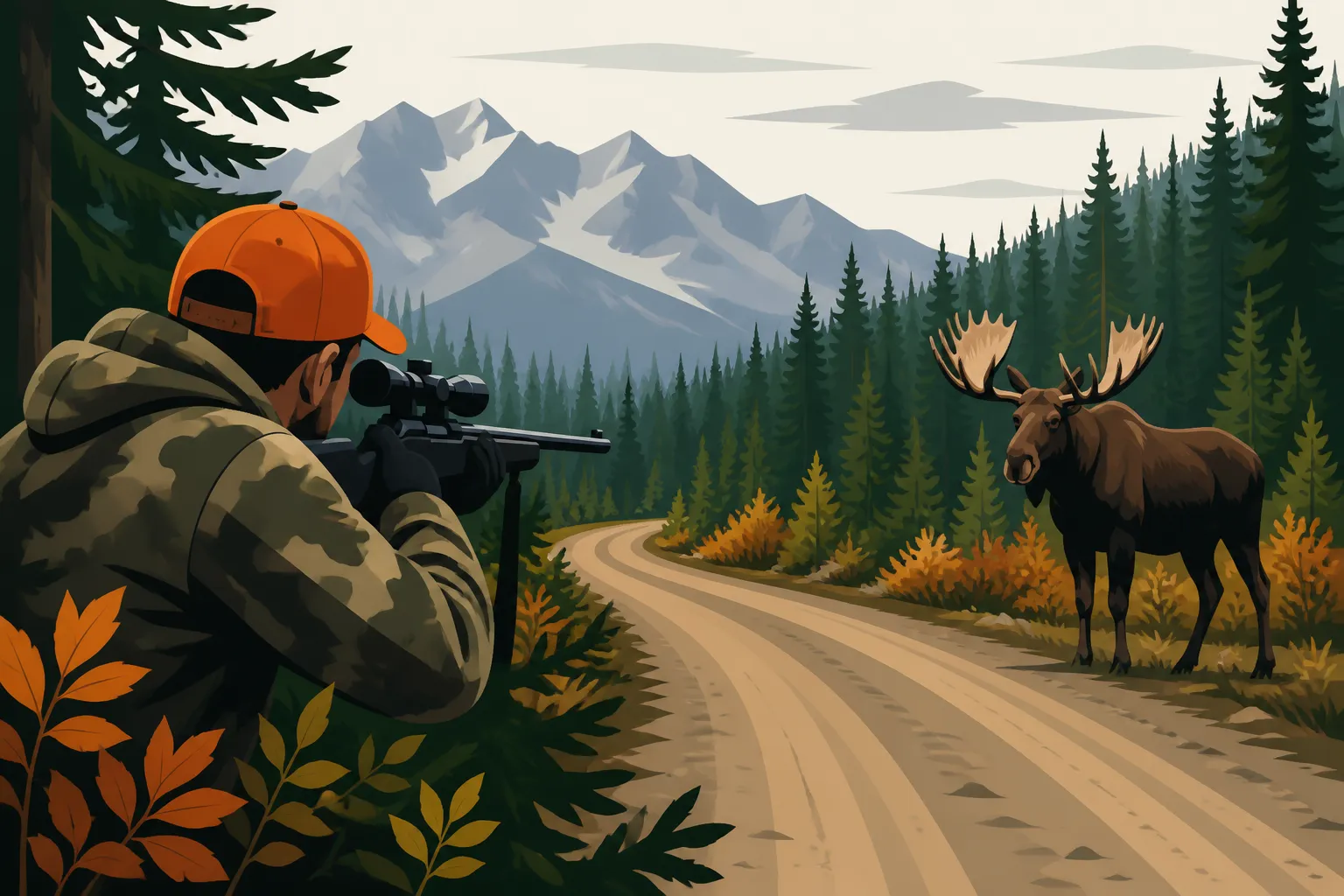
There's a common misconception that hunting for big game like moose in British Columbia means you need to pack into the deepest, most remote wilderness for weeks on end. While that's certainly an option for some, the reality for many of us is that time, budget, and physical limitations guide our choices. The good news? You absolutely can have a successful moose hunt right off British Columbia's extensive network of forest roads. This guide will walk you through how to leverage these accessible routes to find and harvest moose, making that dream hunt a practical reality.
Understanding British Columbia's Forest Road Network for Moose Hunting
British Columbia is a vast province, and thankfully, much of its incredible landscape is crisscrossed with a system of forest service roads (FSRs) that provide access to areas that would otherwise be nearly impossible to reach for the average hunter. These roads are your gateway to moose country, opening up vast tracts of Crown land that hold thriving populations.
The Accessibility Advantage of Forest Roads
For many hunters, the sheer scale of British Columbia's wilderness can be daunting. Picture this: miles upon miles of dense forest, towering mountains, and complex terrain, all of which scream "moose country" but also "unreachable without a helicopter or a string of packhorses." This is where the beauty of the forest road system truly shines. These roads, initially built for logging and resource extraction, now serve as vital arteries for hunters, hikers, and other outdoor enthusiasts. They dramatically reduce the time and specialized equipment needed to get into prime habitat, making a multi-day backcountry expedition achievable within a weekend or a week-long trip.
Unlike fly-in or horseback hunts, which often come with significant logistical challenges and price tags, accessing moose country via FSRs is largely a matter of having a reliable 4×4 vehicle and the right maps. You can drive deep into areas that might otherwise require days of arduous packing on foot, allowing you to cover more ground, explore various habitat types, and ultimately increase your chances of finding a moose. It democratizes the hunt, making it possible for more residents to experience the thrill of a British Columbia moose season without breaking the bank or taking an entire month off work.
Moreover, the density of these roads means that even if one area isn't producing, you often have dozens of alternative routes and turn-offs to explore within the same general region. This flexibility is invaluable when moose patterns change due to weather, feed, or hunting pressure. You're not committed to one specific basin; you can adapt on the fly, moving your base camp or simply exploring new areas to find where the moose are currently holding.
Navigating Active and Deactivated Roads
British Columbia's forest roads aren't all the same; you'll encounter a mix of active and deactivated routes, each with its own set of challenges and advantages for moose hunters. Active logging roads are still in use by industry, meaning you need to be extremely vigilant for logging trucks and other heavy equipment. These vehicles have the right-of-way, move quickly, and often create dust that can obscure visibility. It's not uncommon for hunters to carry a radio tuned to the local frequency to communicate their position and listen for oncoming traffic, a crucial safety measure when Finding Open Forest Roads in British Columbia. Industrial sites are generally off-limits for hunting, and care must be taken to not interfere with operations.
Deactivated roads, on the other hand, are no longer actively maintained by logging companies. They've been "decommissioned," often by removing culverts, digging cross-ditches, or simply letting vegetation reclaim the roadbed. This typically means less traffic, which can be a huge bonus for hunters seeking solitude and undisturbed game. However, deactivated roads present their own set of challenges. They can be rough, with washouts, fallen trees, and overgrown sections that might require a high-clearance 4×4, winching equipment, or even an ATV or foot travel to navigate. Knowing how to deal with obstacles and being prepared for Driving a Deactivated Logging Road is essential.
Before heading out, it's vital to research the specific FSRs you plan to use. Local Forest Service offices, online mapping platforms, and resources like GoHunt can provide current information on road conditions, closures, and active logging zones. A bit of homework upfront can save you a lot of grief (and potentially a stuck truck) in the backcountry. Remember, even if a road is deactivated, it doesn't mean it's closed to public access unless explicitly posted, which brings us to the next crucial point.
Regulations and Restrictions on Road Hunting
Hunting from or along forest roads comes with specific regulations that every hunter must understand and respect to ensure safety and legality. In British Columbia, it is strictly illegal to shoot game from a motorized vehicle. Your vehicle is for transport and access, not a shooting platform. This means that if you spot a moose from your truck, you must exit the vehicle, ensure your firearm is safely unloaded if it was loaded during transport, and then pursue the animal on foot before taking a shot.
Furthermore, there are clear rules about shooting near roads and highways. You cannot discharge a firearm on, from, or across a public highway. While many FSRs are not classified as "public highways" in the same way a paved provincial highway is, the spirit of the law and the principle of safety dictate extreme caution. Always be aware of your surroundings, your backdrop, and any potential human presence when hunting off FSRs. Imagine what's beyond your target and make absolutely certain it's safe to take the shot. Always err on the side of caution.
Another critical aspect to remember is that while FSRs provide access to Crown land, there might be pockets of private property adjacent to these roads. It is your responsibility to know where you are at all times and to respect private land boundaries. Using digital mapping tools that clearly show land ownership is invaluable for avoiding accidental trespass. Always consult the most current British Columbia Hunting Regulations Synopsis for specific details on shooting distances from roads, residences, and other restricted areas in your chosen Management Unit.
Scouting and Locating Moose Near Roads
Finding moose isn't just about driving around hoping for the best; it's about strategic scouting and understanding moose habitat and behaviour, even when hunting off main access routes.
Identifying Prime Moose Habitat Along Road Systems
Moose are creatures of habit, and their presence is often dictated by specific habitat requirements. When you're driving British Columbia's forest roads, you're not just looking for a moose standing in the middle of the gravel; you're looking for the habitat that moose prefer to be in, often within easy walking distance of the road. Moose thrive in areas with abundant willow, birch, and aspen browse, which means they are frequently found in regenerating clearcuts, riparian zones, and around beaver ponds or marshy areas. Roads often intersect these critical habitats.
As you travel, keep an eye out for tell-tale signs: fresh tracks in muddy sections of the road or creek crossings, fresh droppings (large pellets), and bark rubs on small trees where bulls have polished their antlers. Look for browsed vegetation, particularly where moose have nipped off the ends of branches. A road that skirts the edge of a recent cutblock (especially one that's 3-10 years old and growing back with good browse) or winds through a network of small creeks and wetlands is prime territory. Often, the best spots will be where the road crosses a low-lying area, a small creek, or a natural drainage that holds moisture and provides preferred forage. You can learn more about finding these areas by looking into Hunting Moose on a Cutblock Edge or Hunting Moose Around a Beaver Pond.
Utilizing modern mapping tools like GoHunt and detailed topographic maps is a game-changer for this type of hunting. Before you even leave home, you can identify areas where FSRs parallel or cross large willow flats, old burns that are regenerating, or areas with a high density of small lakes and ponds. This pre-scouting allows you to prioritize which roads to explore, saving valuable time and fuel. By understanding the terrain and vegetation types from a map, you can pinpoint potential moose hideouts and plan your stops accordingly, rather than just aimlessly driving. These tools are invaluable for Scouting a British Columbia Management Unit Online.
The Best Times and Conditions for Roadside Moose Activity
Timing is everything when it comes to encountering moose, especially near human-accessed areas like forest roads. Moose are most active during the cooler parts of the day, which means early mornings just after first light and late evenings approaching dusk are your prime windows. During these times, they are often moving between feeding and bedding areas, making them more visible. In the middle of the day, particularly during warmer weather, moose will often retreat into denser cover to bed down and escape insects or heat.
Weather also plays a significant role. Cooler temperatures, overcast skies, or even light rain can encourage moose to be active later into the morning or earlier in the afternoon. High winds, on the other hand, can make spotting difficult (both for you and the moose) and muffle sounds, making it harder to hear a bull grunting or breaking brush. Pay attention to the forecast and adjust your hunting schedule to align with these natural activity patterns.
Furthermore, understanding the moose rut, typically from late September through October in British Columbia, is critical. During the rut, bulls are much more mobile and less cautious as they search for cows. This heightened activity makes them more susceptible to calling and more likely to be seen near road systems, especially at dawn and dusk. This period is when you're most likely to see a bull moose crossing a road or hear one calling from a nearby thicket. Planning your hunt around the peak of the rut can dramatically increase your odds of success. For more insights on this, you might explore Calling Moose in the Rut.
Hunting Techniques from Forest Roads
While the road provides access, successful moose hunting still requires skill, patience, and ethical hunting practices. It's not about "road hunting" in the sense of shooting from a vehicle, but rather using the roads as a springboard into productive areas.
Spot-and-Stalk from Road Systems
The spot-and-stalk method is highly effective when hunting from forest roads. This technique involves slowly driving the FSRs, constantly scanning the terrain with good optics – high-quality binoculars are essential here – for any sign of moose. Look for dark shapes against lighter vegetation, the glint of an antler, or a distinct movement in a willow patch. When you spot a moose, the real hunt begins. Safely pull your vehicle off the road, ensure your rifle is unloaded and secured, and then begin your stalk on foot.
A successful stalk requires patience and a good understanding of wind direction and terrain. Plan your approach to keep the wind in your favor, circling around to get downhill or crosswind from the animal if possible. Utilize natural cover, move slowly and deliberately, and always have your firearm ready once you're in range and ready to make a safe, ethical shot. Remember, moose are large animals, but they can be surprisingly adept at disappearing into dense cover. It's not uncommon to spot an animal 500 yards away and then spend an hour making a careful stalk to get within 100 yards for a clean shot.
Always, always be absolutely sure of your target and what lies beyond it. Forest roads are used by many different people, and ethical hunting demands that you verify your target is a legal moose and that your shot will be safe. It's a fundamental principle of hunting that cannot be overstated. Consider going beyond the immediate road edge. Many moose, especially older, wiser bulls, will quickly move into thicker timber a short distance from the road when they sense a vehicle. Being willing to walk 100-200 yards into the bush from your parking spot can often yield better results than simply glassing from the gravel.
Still-Hunting and Calling Adjacent to Roads
Beyond spotting from a vehicle, another highly effective technique is to park your truck at a promising spot and then engage in still-hunting along with calling techniques in the areas directly adjacent to the road. Still-hunting involves moving through the forest at an incredibly slow pace, often taking minutes to move just a few yards, pausing frequently to scan the surroundings, and listening intently. The idea is to move so quietly and deliberately that you detect the moose before it detects you. Focus on natural travel corridors, transition zones between different habitat types, and areas with fresh sign.
During the rut, combining still-hunting with moose calling can be devastatingly effective. Cow calls (a long, drawn-out bawl) can attract curious bulls, while bull grunts or the sound of antlers being raked against brush can challenge an dominant bull, drawing him into range. Practice your calls beforehand to ensure they sound natural. Many hunters swear by the efficacy of Raking Brush for a Bull Moose to simulate a bull in the area, often getting an aggressive response.
When calling, position yourself strategically where you have good visibility and a safe shooting lane. Be prepared for a moose to approach from any direction, and be ready to make a quick, clean shot. Remember, moose can move silently through dense cover despite their size, so continuous vigilance is key. These methods, when deployed thoughtfully just off a forest road, can provide some of the most exciting and rewarding moose hunting experiences.
Safety and Logistics of Hunting Off Roads
Even when hunting close to roads, safety in British Columbia's vast wilderness is paramount. Before embarking on any hunt, especially in remote areas, always inform someone of your exact hunting location, your planned route, and your expected return time. This "trip plan" is a simple but potentially life-saving precaution. Carry essential emergency gear, including a comprehensive first-aid kit, fire-starting materials, extra food and water, and, crucially, a satellite communication device like a Garmin inReach or a satellite phone. Cell service is often non-existent on most FSRs.
Your vehicle itself is a critical piece of gear. Ensure it's in excellent mechanical condition, with good tires (and a full-sized spare), a jack, and basic tools. If venturing onto less-maintained or deactivated roads, consider carrying a winch, tow strap, or traction boards. Extra fuel is also a must, as gas stations can be few and far between once you're deep in the FSR network. These preparations are vital, as unexpected vehicle trouble can quickly turn a fun hunt into a dangerous situation.
Finally, having a solid plan for meat care and extraction is not just good practice, it's an ethical responsibility. A mature British Columbia bull moose can weigh upwards of 1,200 pounds live weight, meaning hundreds of pounds of bone-in meat. You need to be prepared to quarter your animal quickly and efficiently, especially if hunting during warmer early seasons. Knowing how to cool the meat rapidly is essential to prevent spoilage; this might involve packing ice, hanging quarters in the shade, or covering them with game bags. For more detailed information, consider reading Quartering a Moose in Grizzly Country and Keeping Meat Cool in an Early Season. And speaking of grizzlies, remember that you are in bear country. Always carry bear spray and know how to use it, and be vigilant for signs of bears, especially when handling meat. Staying safe and aware is a critical component of Bear Safety While Hunting in British Columbia.
Strategic Planning for a Productive Road Hunt
A successful hunt off British Columbia's forest roads doesn't happen by accident. It requires careful planning, smart use of available resources, and a deep respect for both the environment and other users.
Utilizing Maps and Digital Tools
In today's hunting world, digital mapping tools have become indispensable, especially when navigating British Columbia's complex FSR network. Detailed topographic maps, whether paper or digital, are your best friend. They reveal elevation changes, water sources like creeks and ponds, and crucial features like old clearcuts or natural funnels that moose often use. Overlaying these with current FSR maps allows you to identify access points, potential dead-ends, and the quality of the road ahead.
Platforms like GoHunt or provincial government mapping portals (such as iMapBC) are excellent resources. They often allow you to layer different data sets, showing you not only topography and roads but also land ownership, which is critical for staying on Crown land. You can identify potential feeding areas (willow flats, regenerating burns), bedding cover (dense timber, north-facing slopes), and travel corridors (creek bottoms, saddles) all from your computer or phone before you even leave home. This pre-scouting dramatically increases the efficiency of your hunt, allowing you to focus your efforts on the most promising areas rather than wasting time in unproductive terrain.
Beyond simply navigating, these tools can help you identify strategic vantage points for glassing, potential routes for stalking, and even alternative access points if your primary road is blocked or too rough. Look for pinch points where moose might be forced to cross a road, or where roads cross major water drainages that provide ideal habitat. These specific features are often easily discernible on a good map.
Respecting Other Users and Regulations
Hunting off forest roads in British Columbia means sharing the landscape with a diverse group of users. Active logging operations, other hunters, hikers, campers, and recreational ATV users all utilize these areas. It is crucial to be respectful and mindful of everyone else's presence. Always yield to industrial traffic, and if you encounter other hunters, give them plenty of space. Communication and courtesy go a long way in ensuring a positive experience for everyone.
Before every hunting season, thoroughly review the current British Columbia Hunting Regulations Synopsis. Regulations can change, and it's your responsibility to be aware of any new rules, season dates, bag limits, and specific antler restrictions for the Management Unit (MU) you plan to hunt. For instance, some MUs might have "any moose" seasons, while others might be restricted to "bull moose only" or even specific antler configurations. Familiarize yourself with regulations like British Columbia's Four-Point Antler Restriction if applicable to your target species.
Finally, practice Leave No Trace principles. Pack out all your garbage, avoid disturbing sensitive habitats, and if you encounter gates on FSRs, leave them as you find them (open if open, closed if closed). Responsible hunting is about more than just harvesting an animal; it's about respecting the land, the wildlife, and other people who share these incredible resources. By adhering to these ethical guidelines, we ensure that hunting opportunities off British Columbia's forest roads remain available and enjoyable for generations to come.
Here's a quick comparison of active versus deactivated forest roads for hunting purposes:
| Feature | Active Forest Roads | Deactivated Forest Roads |
|---|---|---|
| Primary Use | Industrial logging, resource extraction | No longer actively maintained by industry |
| Traffic | High, primarily heavy industrial (logging trucks, graders) | Low to none, primarily recreational or hunting vehicles |
| Road Quality | Generally well-maintained, graded | Variable, can be rough, overgrown, washed out |
| Safety Concerns | Collision risk with heavy machinery, dust, industrial activity | Vehicle recovery (stuck, flat tire), remoteness, less traffic |
| Hunter Benefits | Easier access, can cover more ground quickly | Less pressure, more solitude, undisturbed game potential |
| Access | Often open to public, but may have temporary closures for operations | Generally open unless physically impassable or signed closed |
| Required Gear | Radio for communication, high-clearance 4×4 | High-clearance 4×4, winch/recovery gear, good tires, spare |
Disclaimer
Hunting involves inherent risks, and conditions in British Columbia's wilderness can be unpredictable. This guide provides general information and recommendations. Always prioritize safety, consult the most current British Columbia Hunting Regulations Synopsis, and be prepared for all potential hazards. The author and publisher are not responsible for any accidents, injuries, or legal infractions that may occur.