Hunting British Columbia’s Alpine in Early September
There’s a unique call to the British Columbia alpine in early September, one that resonates deeply with hunters who crave challenge and breathtaking beauty. The transition from summer's warmth to the crisp whisper of autumn means the high country offers some incredible opportunities, but it also brings a distinct set of demands. This guide will walk you through what to expect, how to prepare, and the strategies that can lead to a successful and unforgettable hunt in the mountains of BC during this special time.
Why Early September in British Columbia's Alpine?
Early September in British Columbia's alpine country is a golden window, a fleeting period when the high mountains beckon with a unique blend of promise and raw challenge. For many, it's the absolute pinnacle of their hunting year, and for good reason. The landscapes are painted with the first brushstrokes of fall colour, the air is often clear and cool, and the bugling of elk or the watchful eyes of a mature ram feel closer than ever. But it’s more than just aesthetics; there are strategic advantages to being up high when the calendar flips to September.
The Allure of Cooler Weather and High Country Game
After a long summer, the heat can make hunting strenuous, both for us and for the animals. Early September brings a welcome reprieve. The scorching sun gives way to crisp mornings and mild afternoons, making those strenuous climbs a little more manageable and keeping both you and your game cooler. This cooler weather is a massive benefit, particularly when you’re dealing with the logistical nightmare of Keeping Meat Cool in an Early Season. Animals, especially the big boys, are starting to feel the shift. They're often in fantastic shape after a summer of prime feed, and they're less likely to be nocturnal to escape the heat.
Another huge draw is the generally stable weather compared to later in the fall. While the mountains are always unpredictable, early September often offers longer periods of clear skies and less intense storms than what October and November can throw at you. This translates to more time behind the glass, better visibility for spotting game, and safer travel through unforgiving terrain. It’s still critical to be prepared for anything, but the odds of being weathered out for days on end are generally lower.
Prime Time for Specific Big Game Species
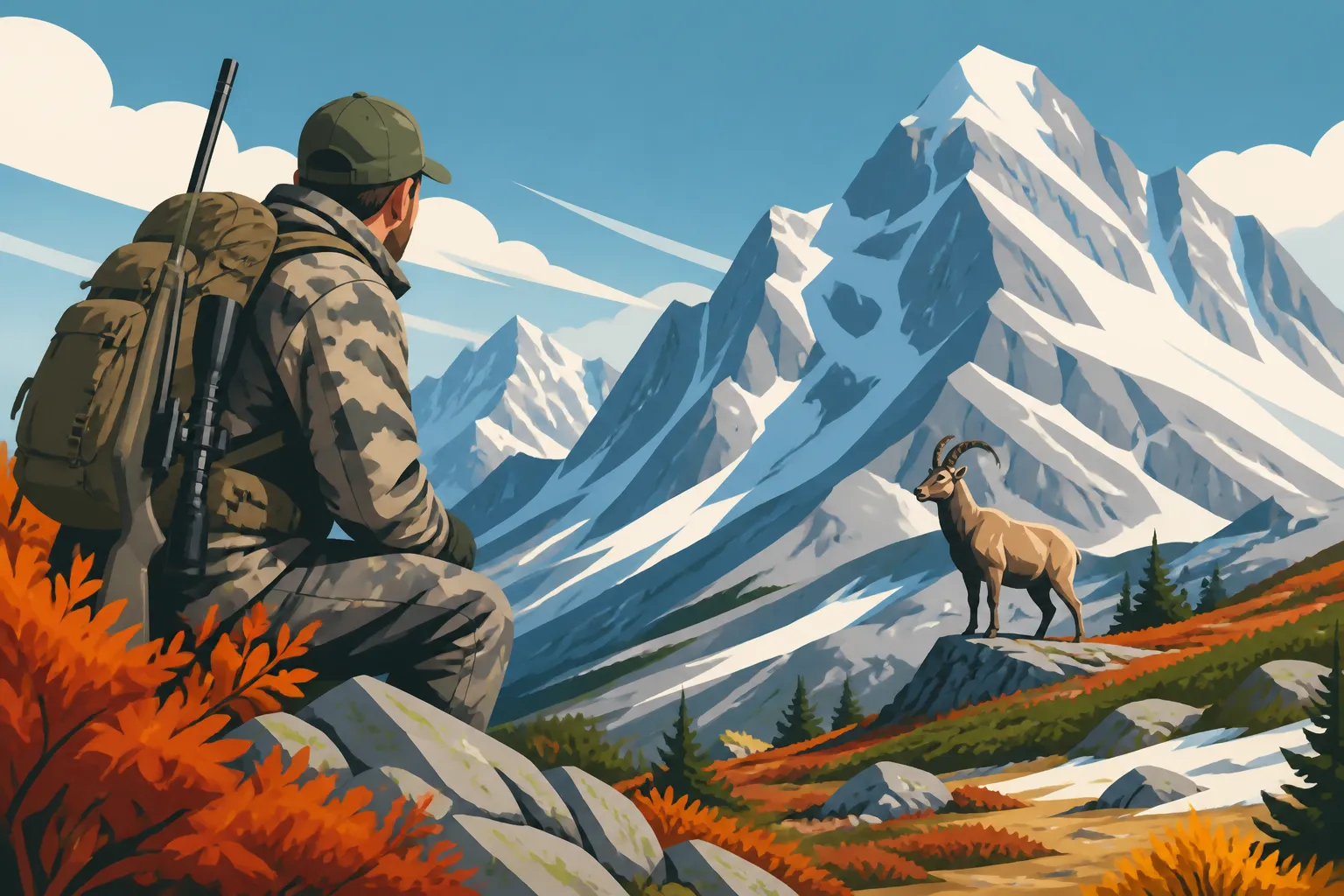
Early September is not just any time; it's prime time for several iconic British Columbia alpine species. The general open seasons for mountain goat and Rocky Mountain bighorn sheep are often in full swing, and many hunters will be focused on finding those elusive full-curl rams or wary billies. If you’re lucky enough to hold a draw for these magnificent animals, this is when you want to be out there. The rams are often still in their bachelor groups, feeding high, and before the rut kicks in later in the fall, they're focused primarily on bulking up for winter. This can make them a bit more predictable in their daily routines.
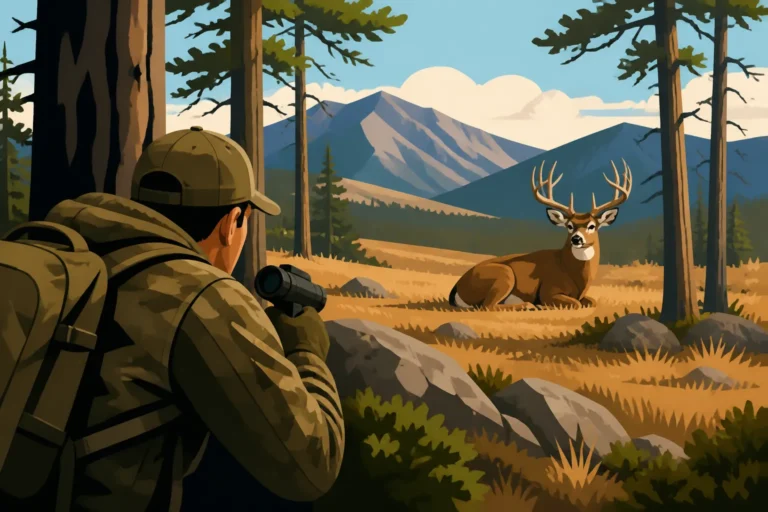
Mule deer are another huge draw for the alpine in early September. While their rut is still months away, the biggest, most mature bucks are often found clinging to the highest, most secluded basins. These reclusive giants spend their summers putting on antler growth and packing on pounds, thriving in the nutrient-rich subalpine meadows. This is your chance to catch them before they descend to lower elevations as the snows begin to fall. Pursuing a trophy mule deer in this environment requires incredible patience and dedication, often taking you into areas where Hunting a Subalpine Basin at First Light can yield incredible rewards.
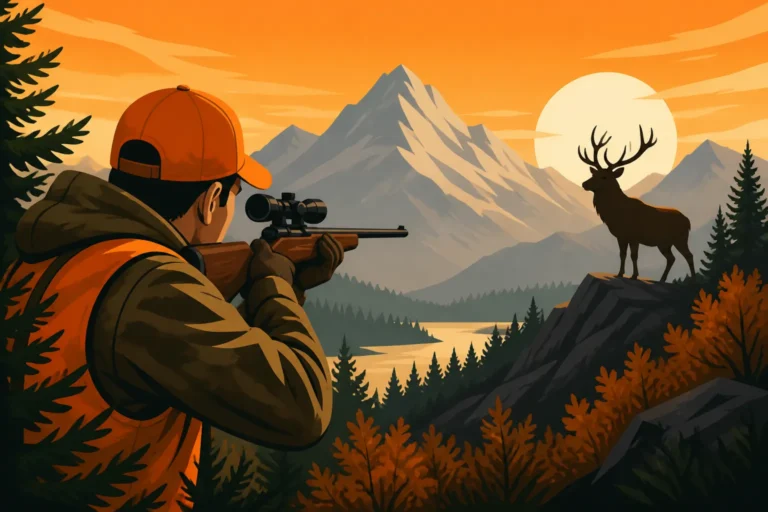
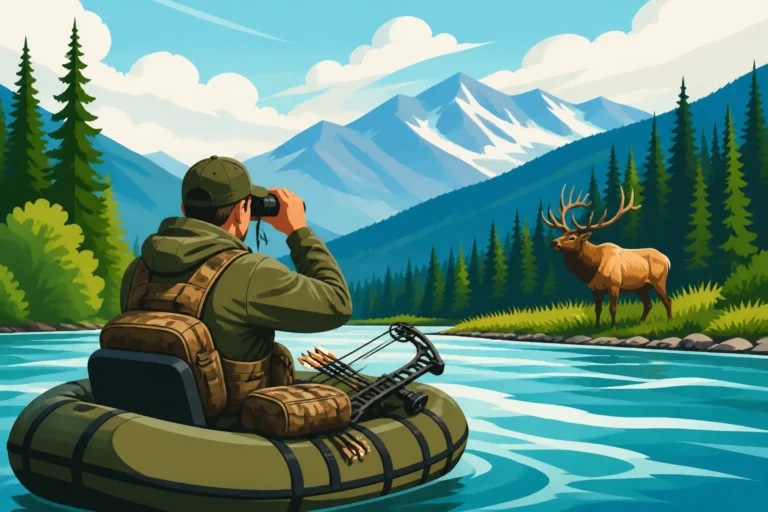
And let's not forget about elk. While the peak of the elk rut might still be a couple of weeks off, the bulls are starting to get vocal, and some of the early archery seasons or specific LEH (Limited Entry Hunting) opportunities for elk can align perfectly with early September. Bugling Rocky Mountain elk on the coast (or in the Kootenays in this case) isn't just for later in the month; often, you’ll hear the first whispers of bugles as the bulls begin to gather and establish their dominance.
Essential Gear and Preparation for Alpine Hunts
Heading into British Columbia's alpine in early September isn't a casual stroll in the park. It demands meticulous preparation, the right gear, and a serious commitment to physical and mental conditioning. Overlooking any of these aspects can not only ruin your hunt but also put you in a dangerous situation. Think of it as a chess match against Mother Nature, where every piece of gear and every ounce of preparation counts.
Clothing, Footwear, and Shelter Considerations
When you're hunting British Columbia's alpine in cold weather, or even in early September, layering is not just a suggestion, it's a lifeline. The weather can swing wildly from sunny and warm to hail, snow, and freezing rain within hours. Start with a good base layer that wicks moisture away from your skin – merino wool or synthetic is key. Avoid cotton at all costs; once wet, it stays wet and chills you to the bone. On top of that, a mid-layer for insulation, like a fleece or lightweight puffy jacket, is essential. For your outer layer, you need something that is both waterproof and windproof, breathable enough for strenuous climbs, but tough enough to handle bushwhacking through subalpine timber. Brands like Sitka Gear, Kuiu, and Arcteryx are popular among experienced BC alpine hunters for good reason.
Your feet are your most important asset. Invest in high-quality, broken-in mountain boots with excellent ankle support and a stiff sole for side-hilling and navigating scree. Combine them with merino wool socks that prevent blisters and manage moisture. Bringing multiple pairs of socks for changes throughout the hunt is a must.
For shelter, consider a lightweight, three- or four-season tent that can withstand high winds and heavy precipitation. If you’re doing a true backpack hunt, every ounce matters. A bivy sack might be an option for minimalist hunters, but a tent offers more protection and comfort during extended stays. Don’t forget a warm sleeping bag rated for at least -5°C (20°F), even in early September, along with an insulated sleeping pad to keep the cold from seeping up from the ground.
Navigation and Communication in Remote Terrain
The BC alpine is vast and unforgiving. Getting lost is not just an inconvenience; it can be life-threatening. A reliable GPS unit, paired with a detailed topographic map and a compass, is non-negotiable. Know how to use them all, even in an emergency, when batteries might die. Digital mapping apps like GoHunt are incredibly useful for pre-scouting and in-field navigation, allowing you to mark waypoints, track your route, and identify potential game corridors or escape routes. Many hunters also use Gaia GPS for its excellent overlay features and offline capabilities. Download your maps before you leave cell service!
Speaking of cell service, expect none in most of the alpine. A satellite communication device, like a Garmin InReach or Zoleo, is essential for emergencies. These devices allow you to send and receive text messages, share your location with loved ones, and, most importantly, trigger an SOS if you get into serious trouble. They are truly invaluable for Satellite Communication on a Remote Hunt and provide peace of mind for both you and those waiting at home. Always tell someone your detailed hunting plan, including your intended route, expected return date, and emergency contacts.
Physical Conditioning and Mental Toughness
An alpine hunt in British Columbia is physically grueling. You’ll be climbing thousands of feet of elevation, often with heavy packs, across rugged and unstable terrain. This isn’t the time to discover you’re out of shape. Start your physical preparation months in advance. Focus on cardio, strength training (especially legs and core), and, crucially, rucking (hiking with a weighted backpack). Simulate real hunting conditions by hiking steep trails with a pack weighing 40-60 pounds. The better your physical condition, the safer and more enjoyable your hunt will be.
Beyond physical fitness, mental toughness is paramount. Alpine hunting demands patience, perseverance, and the ability to push through discomfort, fatigue, and frustration. You might spend days glassing without seeing an animal, battle horrendous weather, or face a physically brutal pack out after a successful kill. Being mentally prepared for these challenges, and having a positive attitude, can make all the difference. Understanding that not every hunt results in an animal but every hunt offers an experience, is part of the mental game. This is exactly why a piece like Fitness for a British Columbia Sheep Hunt is so relevant, even if you’re chasing a goat or a big mule deer buck.
Strategies for Success: Glassing and Stalking the High Peaks
The high country is a land of vast distances and limited cover. Unlike dense forests where still-hunting might be the primary method, alpine hunting revolves almost entirely around two critical skills: glassing and stalking. Mastering these techniques, combined with a deep understanding of animal behavior in this unique environment, is what separates the consistently successful alpine hunter from the rest.
Mastering the Art of Glassing British Columbia's Mountains
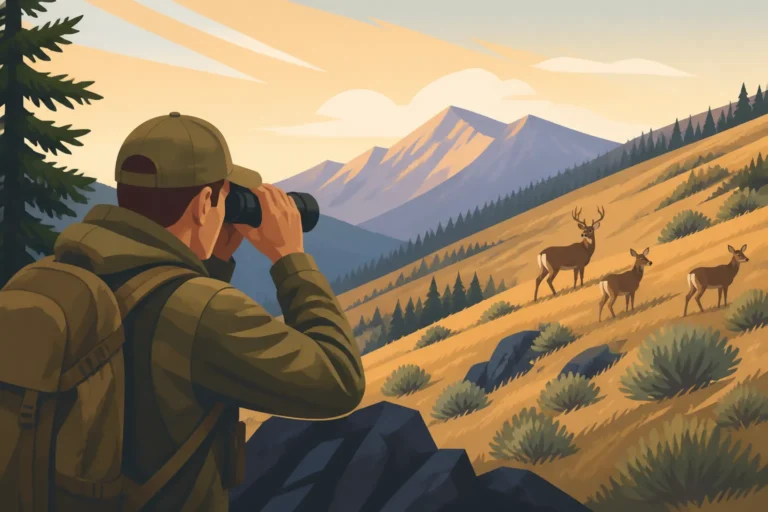
Glassing is arguably the single most important skill for alpine hunting. You’ll spend far more time looking through optics than walking. Start by investing in the best binoculars and spotting scope you can afford. A good set of 10×42 or 12×50 binoculars, paired with a quality spotting scope (20-60x or 25-75x) on a sturdy tripod, is your window into the vastness. Brands like Swarovski, Zeiss, Leica, and Vortex offer exceptional clarity and low-light performance, which are crucial when you're straining to pick out an antler tip or a goat's white patch against a rock face.
Find a vantage point that offers expansive views of multiple basins, avalanche chutes, and timbered edges. Patience is key. Systematically grid the landscape, starting close and working your way out, focusing on anything that looks "out of place." Look for colour, texture, movement, or symmetry that doesn't quite match the natural environment. Early morning and late evening are often the best times, as animals are typically more active and the light is softer, creating shadows that can reveal hidden game. Utilizing an app like GoHunt can help you identify key terrain features and potential bedding or feeding areas before you even start glassing. For a more detailed look into this critical skill, check out Glassing an Alpine Basin for Rams. Often, those same principles apply whether you're after sheep, goats, or high-country mule deer.
Executing a Successful Alpine Stalk
Once you've spotted an animal worth pursuing, the real challenge begins: the stalk. Alpine stalks are often long, physically demanding, and psychologically taxing. The key is to use the terrain to your advantage. Identify natural features like ridges, draws, and timber pockets that can shield your approach. Wind direction is absolutely critical; always keep it in your face or quartering to avoid scenting the animal. GoHunt's mapping features can help you visualize elevation changes and potential cover to plan your route.
Take your time. Rushing a stalk in the open alpine almost always ends in failure. Move slowly, deliberately, and quietly. Every step counts. Pay attention to loose rock, which can create noise, and avoid silhouetting yourself on ridgelines. If the animal feeds or beds down, use that opportunity to close the distance. Be prepared to wait, sometimes for hours, for the right moment or for the animal to move into a more advantageous position. When you get close, be ready to shoot from a stable position. Often, this means using your backpack as a rest or finding a natural rock formation. Remember, a successful stalk often takes longer than you anticipate.
Understanding Alpine Animal Behavior
Knowing the habits of the animals you're pursuing in the high country is paramount. Mountain goats, for example, are often found on the steepest, most rugged cliffs and rock slides, seemingly defying gravity. They tend to bed down in areas with good visibility below them, relying on their keen eyesight and the impossible terrain to avoid predators. Learning to recognize their preferred bedding areas, which are often sun-exposed benches, can be a game-changer.
Wild sheep, whether Bighorn or Stone's, also favour steep, broken terrain, but will often feed on alpine meadows and grass slopes adjacent to their escape cover. They are incredibly wary, with phenomenal eyesight, and rely heavily on their herd mates for early warnings. They often feed in the mornings and evenings and bed during the heat of the day, often on open slopes where they can see danger approaching from all sides.
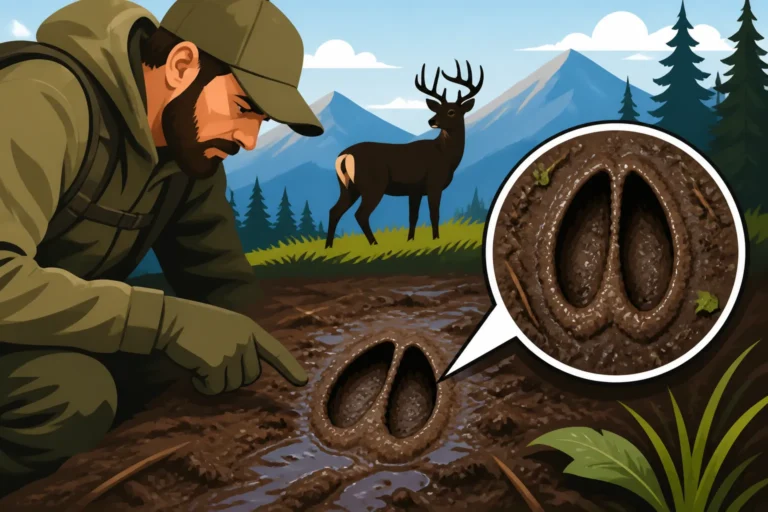
High-country mule deer bucks are masters of concealment. While they might be out feeding in the open meadows at dawn and dusk, they will often bed in small pockets of stunted timber or tucked into shaded rock formations during the day, virtually disappearing into the landscape. Their movements can be influenced by weather, bug pressure, and hunting pressure. The more you can observe and learn about their specific behaviours in the unique early September alpine environment, the more successful you'll be.
Navigating the Challenges of Alpine Hunting
Hunting British Columbia's alpine in early September, while offering incredible rewards, is by no means an easy endeavour. The mountains demand respect and readiness for a host of challenges that can test even the most experienced hunters. From volatile weather to the sheer physical toll of the landscape, being prepared for adversity is as important as any hunting strategy.
Unpredictable Mountain Weather and Safety
The alpine environment is notorious for its fickle weather, and early September is no exception. While it generally offers more stable conditions than later in the fall, severe storms can blow in with little warning. Sunny skies can quickly turn to torrential rain, hail, or even an unexpected snowfall. These rapid changes can lead to hypothermia if you’re not properly layered and equipped. Weather Windows in British Columbia's Mountains are often short, and you need to capitalize on them when they appear.
Beyond personal comfort, adverse weather can create dangerous conditions. Wet, slippery rocks, muddy trails, and reduced visibility due to fog or heavy precipitation increase the risk of falls, particularly when traversing steep or exposed terrain. Always carry emergency supplies, including extra food, water, a first-aid kit, a fire starter, and a headlamp. A small emergency shelter, like a lightweight tarp or bivy bag, can also be a lifesaver if you get stuck out longer than planned. Understanding Emergency Planning in British Columbia's Backcountry is not just a good idea; it's essential for survival.
Packing Out Heavy Loads from Steep Country
One of the most physically demanding aspects of alpine hunting is packing out your harvest. If you're fortunate enough to take a sheep, goat, or a mature mule deer buck deep in the high country, you'll be facing a monumental task. These animals are heavy, and the terrain is steep, broken, and often treacherous. This is where your pre-hunt physical conditioning truly pays off.
A high-quality internal or external frame pack is crucial for Packing Meat With a Frame Pack comfortably and safely. You’ll need to debone meat to reduce weight and ensure efficient transport, often in multiple trips. Think about game bags to protect the meat from dirt and flies. Consider bringing a lightweight saw or bone shears to make quartering easier. If you're hunting with a partner, you can share the load, but even then, it's a gut-wrenching effort. Remember that gravity works both ways; while going down might seem easier, it’s often harder on your knees and can be just as dangerous with a heavy load. It's truly why Getting Meat Out of Steep British Columbia Country is considered one of the hardest parts of the hunt.
Regulations, Access, and Ethical Considerations
Before you even step foot in the alpine, thoroughly familiarize yourself with British Columbia's hunting regulations. The Two-Year Regulations Synopsis is your bible. Pay close attention to season dates, bag limits, antler restrictions (like British Columbia's Four-Point Antler Restriction for mule deer), compulsory inspection requirements, and specific rules for the Management Unit (MU) you plan to hunt. GoHunt, beyond its mapping capabilities, also often provides summaries or links to current regulations, which can be a valuable cross-reference.
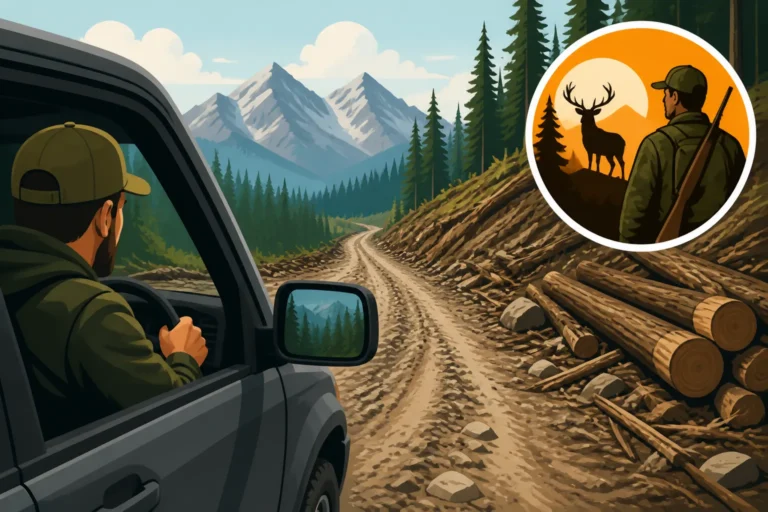
Access to British Columbia's vast Crown land is generally excellent, but understanding specific areas is key. Some alpine areas might be within or adjacent to parks or protected areas where hunting is prohibited. Others might have specific access restrictions, particularly on active logging roads, or require permits for certain private forest lands. Always consult a current British Columbia Management Unit Map.
Finally, ethical hunting is paramount. This includes fair chase principles, proper shot placement to ensure a clean kill, and respecting the animal by utilizing as much of the meat as possible (avoiding Rules on Wasting Game Meat). Pack out all your trash, and leave no trace of your presence. The alpine is a fragile environment, and we have a responsibility to keep it wild and pristine for future generations.
| Aspect | Early September Alpine Hunt | Later Fall Alpine Hunt |
|---|---|---|
| Weather | Generally milder, stable. | Colder, more snow/storms. |
| Game Condition | Peak physical condition. | Good, but post-rut for some. |
| Visibility | Often clear, good glassing. | Can be reduced by snow/fog. |
| Access | Generally open roads/trails. | Snow can limit road access. |
| Vegetation | Green with hints of fall. | More open, less cover. |
| Hunter Pressure | Moderate to High for draws. | Varies, can be less. |
| Pack-out Difficulty | High, but less snow/ice. | Very High, deep snow/ice. |
Always be mindful of your impact on the environment and the experience of others. These mountains are a shared treasure, and our actions as hunters help shape the perception of our sport.
Disclaimer
Hunting is an inherently risky activity. The information provided in this guide is for informational purposes only and should not be considered a substitute for professional training, comprehensive research of current regulations, or common sense. Always prioritize safety, understand and adhere to all local, provincial, and federal hunting laws, and ensure you are adequately prepared for the challenges of backcountry travel. The author and publisher are not responsible for any incidents that may occur.