When British Columbia Bears Leave the Den
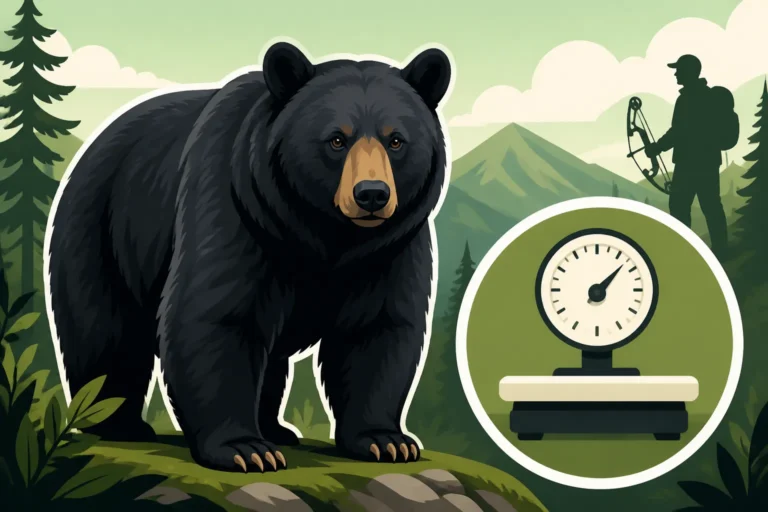
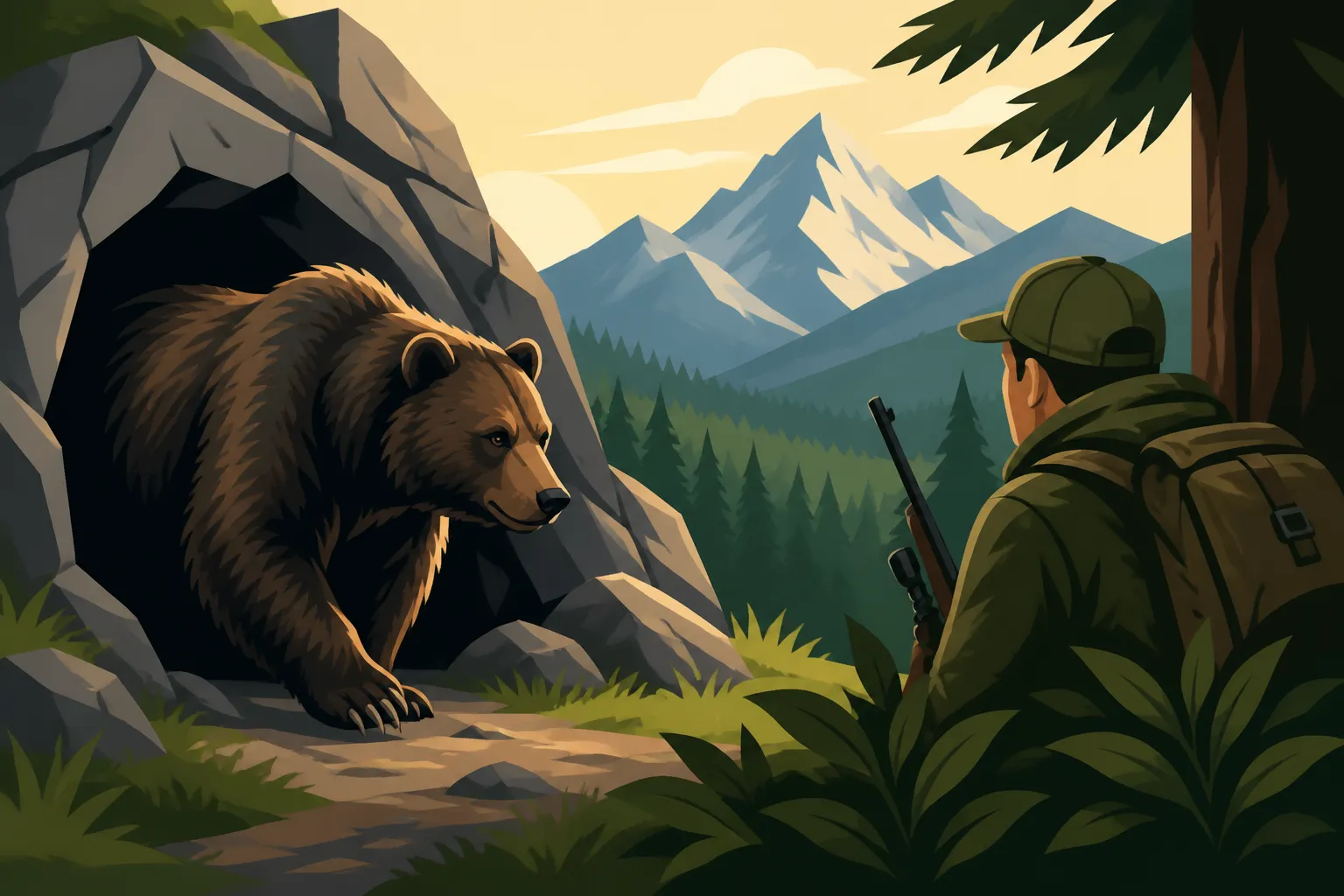
One of the most anticipated times for many British Columbia hunters is the arrival of spring, not just for the longer days and melting snow, but for the emergence of black bears from their winter dens. It's a period fraught with both excitement and a fair bit of guesswork, as pinpointing exactly when these magnificent animals will start roaming can feel like trying to catch smoke. This guide aims to shed some light on the factors influencing when British Columbia bears leave their dens, what to expect, and how this knowledge can better prepare you for the spring hunting season.
The Rhythms of Bear Denning and Emergence
Understanding the general patterns of bear denning and emergence is crucial for anyone hoping to connect with a spring bear. It's not a hard and fast date on the calendar, but rather a flexible window dictated by a complex interplay of environmental cues and biological rhythms. Think of it less as an alarm clock, and more like a gentle nudge from Mother Nature.
General Timing and Influencing Factors
Generally speaking, black bears in British Columbia will start to emerge from their dens anywhere from late March through to early May. This broad window highlights just how variable the timing can be. Several key factors contribute to this variability:
- Snowmelt and Temperature: This is perhaps the biggest driver. As the days lengthen and temperatures consistently rise, snow begins to melt, revealing new vegetation. A warm, early spring will often see bears emerging earlier, while a prolonged cold spell with heavy snowpack can delay it significantly. Imagine being tucked away in your cozy den, only to step out and find the world still blanketed in deep snow – you'd probably retreat for another snooze too!
- Food Availability: Bears are creatures of opportunity, and their primary motivator post-denning is food. As soon as green-up begins, whether it's the first shoots of grass or emerging skunk cabbage in a swamp, bears are drawn out by the promise of sustenance after months of fasting.
- Location and Elevation: British Columbia is a vast province, and what's happening on the coast might be very different from the interior or high alpine. Coastal areas, with their milder winters and earlier spring, typically see bears emerge earlier than their counterparts in the colder, snowier interior or the high mountain slopes. We'll dive deeper into these regional differences shortly.
- Sex and Age of the Bear: Not all bears emerge at the same time. Older, solitary male bears (boars) are often the first to stir, driven by sheer hunger and the instinct to establish territories. Sows with cubs, on the other hand, tend to be the last to emerge, keeping their vulnerable young protected in the den until conditions are more favourable and there's a reliable food source nearby.
Understanding these dynamics helps us move beyond simply looking at a calendar. It's about reading the landscape and the signs of an approaching spring.
A Look at Den Emergence Variables
To illustrate just how varied these factors can be, consider the following:
| Factor | Coastal BC Impact | Interior/Northern BC Impact | High Elevation Impact |
|---|---|---|---|
| Temperature | Milder, earlier warming leads to earlier emergence. | Colder, later warming often delays emergence. | Significantly colder, emergence often weeks later. |
| Snowpack | Minimal or no snow, quicker access to food. | Deep, lingering snow delays access to forage. | Snow can persist well into summer, severely delaying. |
| Food Source | Early green-up (skunk cabbage, sedges) available. | Later green-up of grasses and forbs. | Very late green-up; more reliance on scavenging initially. |
| Bear Type | Boars typically first, followed by lone sows, then sows with cubs. | Boars typically first, followed by lone sows, then sows with cubs. | Similar order, but all emergence is delayed. |
When you're planning your spring bear hunt, tools like GoHunt can be invaluable for understanding terrain and elevation, which directly impacts snowmelt and green-up. This kind of detail can help you scout potential areas, even if you're doing it digitally.
Regional Differences in British Columbia
British Columbia is a land of incredible diversity, from temperate rainforests to arid grasslands and towering alpine peaks. It's only natural that bear behaviour, including den emergence, will vary dramatically across these distinct ecosystems. Knowing these regional nuances can really fine-tune your spring hunting strategy.
Coastal Bears: Early Risers
Along British Columbia's extensive coastline, including areas like Vancouver Island and the Great Bear Rainforest, the climate is significantly milder. Winters are typically wet but less severe, with snow often limited to higher elevations or brief periods. This means an earlier spring thaw and a quicker green-up.
Coastal bears, particularly those inhabiting estuaries and lower river valleys, often emerge from their dens in late March or early April. They're drawn to the first flush of green vegetation in open areas like tidal flats and logging clearings. Skunk cabbage is an early favourite, providing much-needed bulk after months of dormancy. These coastal environments often have a consistent food supply throughout the spring, including salmon fry and other marine resources as the season progresses. If you're planning on Hunting British Columbia's Coastal Rain, you might find bears out and about earlier than almost anywhere else in the province. Keep an eye on those exposed south-facing slopes and estuary edges; these are often the first spots to show new growth, and thus the first spots bears will visit. Hunting Bears on a Coastal Estuary in May is a prime example of a successful coastal bear strategy as they target these early food sources.
Interior and Northern Bears: Patience is a Virtue
Head inland to the vast Interior Plateau or up to the rugged Hunting British Columbia's Northern Rockies, and the story changes quite a bit. Winters here are colder, longer, and typically involve much deeper snowpacks. Spring arrives later, and the landscape takes its time to shed its white blanket.
Bears in these regions will generally emerge later, often in mid-April through early May. The driving force is the receding snowline and the first appearance of green grass and forbs on south-facing slopes. Areas like recent burns (where new growth thrives) or open grasslands are key spots to watch. These bears have endured a harsher winter, so their immediate post-denning hunger is intense. They'll actively seek out areas where the snow has melted, exposing the first shoots of high-energy feed. This later emergence means hunters in these regions might be looking at a slightly shorter, more condensed prime window for fresh-out-of-the-den bears.
Elevation: The Ultimate Determinant
Regardless of whether you're on the coast or in the interior, elevation plays a massive role. Bears that den at higher altitudes, perhaps above 4,000 feet, will emerge considerably later than those at valley bottoms. It's simple thermodynamics: higher elevations mean colder temperatures and more persistent snow.
As spring progresses, the snowline slowly creeps up the mountainsides. Bears follow this green-up, often starting their foraging in the valley bottoms and gradually working their way up as new forage becomes available higher up. This "vertical migration" is a critical pattern for hunters to understand. An area that's barren and snow-covered in April might be flush with fresh greens and bears by mid-May or early June. If you're considering Hunting British Columbia's Alpine in Early September, you're thinking about a much later phase of the bear's annual cycle, long after they've left their den. For spring hunting, focus on those lower-elevation benches and slopes where the snow is gone and the green-up has started.
What Bears Do Post-Emergence & Hunter Considerations
Once a bear has shaken off the long sleep of winter and emerged from its den, its immediate priorities are straightforward: rehydration and finding food. This period of early spring activity offers unique opportunities for hunters who understand bear behaviour.
Immediate Post-Den Behaviour
The first few days and even weeks after emergence are critical for a bear. They're often a bit groggy, dehydrated, and exceptionally hungry. Their digestive systems need to get back in gear, so they'll seek out easily digestible, high-moisture foods.
- Seeking Greens: This is why you'll often find bears on south-facing slopes, old clear-cuts, avalanche chutes, and the edges of meadows or estuaries – anywhere the sun hits earliest and melts the snow, allowing fresh, succulent green vegetation to sprout. These early greens, like sedges, grasses, and skunk cabbage, act as a natural laxative, helping to clear their digestive system. What Bears Eat on a Coastal Estuary illustrates this perfectly. They're not looking for berries or salmon yet; those come much later in the season.
- Scavenging: Don't rule out scavenging. Bears are opportunists, and winter-killed animals can provide a protein boost. However, their primary focus in early spring is almost always on tender vegetation.
- Activity Levels: Initially, bears might be less active, moving slowly and spending a lot of time grazing. As their energy levels increase, they'll expand their foraging range.
Hunter Strategies and Tools for Success
For hunters, understanding these post-denning behaviours is key to a successful spring bear hunt. You need to be where the bears are, which means being where the early green-up is.
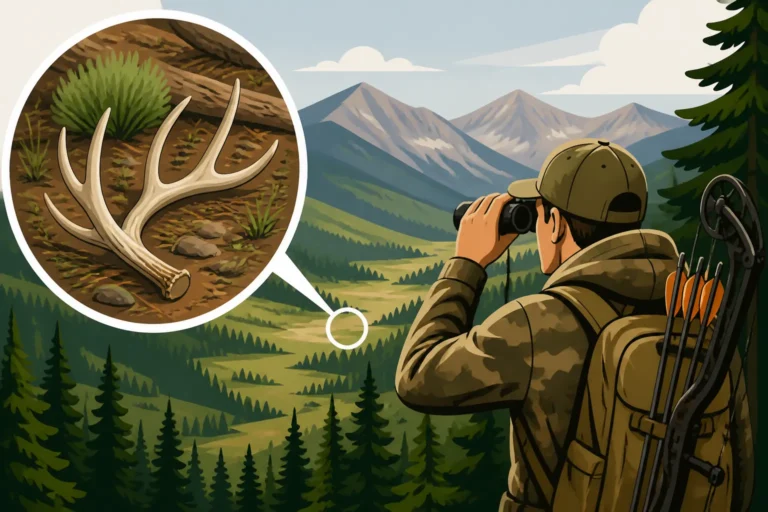
- Targeting Green-Up Zones: Focus your efforts on those specific areas mentioned: south-facing slopes, valley bottoms, clearings, and riparian zones. Use binoculars and spotting scopes extensively, as bears can be surprisingly camouflaged against dead grass and emerging greenery. GoHunt mapping software can be incredibly helpful for identifying these slope aspects and logging roads, helping you narrow down your search area even before you hit the ground.
- Road Hunting and Glassing: Many spring bear hunts in British Columbia involve driving logging roads and glassing clear-cuts. As the snow recedes, bears will often feed on the new growth along road edges or in logged blocks. This is where patience pays off. Glassing Logging Roads for Spring Bears is a classic strategy. Remember to use caution and respect for other users on active logging roads.
- Patience and Persistence: Early season bears can be elusive. The first few weeks of emergence might see scattered sightings, but as more bears wake up and conditions improve, activity will pick up. Don't get discouraged if you don't see one right away.
- Scouting Smart: Use historical data if you have it, and definitely keep an eye on weather patterns. A sudden cold snap can send bears back to a sheltered spot for a few days, while a string of warm, sunny days will have them out and feeding.
Safety Considerations
Spring bear hunting, while exciting, always demands a high degree of bear safety awareness. Remember, these animals are hungry and often wary.
- Bear Spray and Firearms: Always carry bear spray and know how to use it. If hunting with a firearm, practice quick target acquisition. This isn't just for grizzlies; even black bears can be dangerous if surprised or if they feel threatened. Always be prepared for an encounter, as outlined in Bear Safety While Hunting in British Columbia.
- Awareness: Be noisy when walking, especially in thick cover. Pay attention to wind direction. Look for fresh bear sign like tracks, scat, and overturned rocks or logs.
- Cubs: If you encounter a sow with cubs, give her a wide berth. Sows are incredibly protective, and you never want to get between a mother and her young. Knowing how to differentiate between a boar and a sow, especially when cubs might be present, is crucial, as covered in Judging a Boar From a Sow With Cubs. It's not just about the legalities, but about safety too. Also, be aware of the rules around What to Do If You See a Grizzly, as grizzlies also emerge in spring and share much of the same habitat.
Sex and Age Differences in Den Emergence
The timing of den emergence isn't uniform across all bears; it often varies based on their sex and age. This can be a critical piece of information for hunters, as it influences where and when you might encounter certain types of bears.
Solitary Bears: First to the Buffet
Generally speaking, the large, solitary male bears – often referred to as boars – are the first to emerge from their dens. Their motivation is simple: hunger. They've used up most of their fat reserves over winter, and they don't have the responsibility of protecting offspring. These larger males also want to establish their presence in prime feeding areas before other bears arrive, and later, be ready for the breeding season.
You might see these big boars appear as early as late March in coastal, low-elevation areas, or by mid-April to early May in the interior or at higher elevations. They'll often be found aggressively seeking out the earliest available greens, sometimes venturing further from dense cover than other bears. For hunters targeting larger bears, focusing on these earliest weeks of the spring season can be productive, particularly in areas known for good boar habitat. They are driven by their stomach and their upcoming biological imperative to seek out sows.
Sows with Cubs: Prioritizing Safety
On the other end of the spectrum, sows with newborn cubs are typically the very last bears to emerge from their dens. Their priority isn't just hunger; it's the survival and safety of their vulnerable young. Newborn cubs are tiny, blind, and helpless, and even when a few weeks old, they still benefit greatly from the protected environment of the den.
Sows will hold their cubs in the den until conditions are significantly milder, there's a reliable and abundant food source close by, and the risk of predation (from other bears, wolves, or cougars) is somewhat reduced. This means they often won't appear until late April, May, or even early June in some of the more severe northern or high-elevation environments. When they do emerge, they tend to stay in thicker cover or near areas with escape routes, often preferring dense timber adjacent to an open feeding ground. Spotting a sow with cubs can be an indicator that the season is well underway and that all segments of the bear population are now active. Hunters should always be vigilant to avoid these family units and ensure they are targeting legal, solitary animals.
By understanding these subtle but important differences in emergence timing, you can adjust your scouting and hunting efforts to maximize your chances of success, while also ensuring you're respecting the wildlife and regulations, especially during the British Columbia Spring Bear Season Dates.
Disclaimer
This article is for general informational purposes only and does not constitute professional advice. Laws, prices and regulations vary by location and change over time. Consult a qualified professional for guidance on your specific situation.