Guided Hunts for a First-Time Hunter
Stepping into the world of hunting in British Columbia can feel like trying to navigate a dense, unfamiliar forest in the dark. The sheer volume of regulations, the vastness of the wilderness, and the array of skills required can be incredibly daunting for someone just starting out. This guide is designed to demystify the process and illustrate how a guided hunt can serve as an invaluable launchpad for first-time hunters looking to experience the incredible hunting opportunities British Columbia has to offer.
Why a Guided Hunt Makes Sense for New Hunters in British Columbia
For anyone new to hunting, especially in a region as wild and abundant as British Columbia, the learning curve can be steep. A guided hunt isn't just about bagging an animal; it's an immersive educational experience that provides a safe, structured, and highly effective entry into the hunting lifestyle. It's truly a cheat code for gaining experience.
Navigating the Complexities of BC Regulations
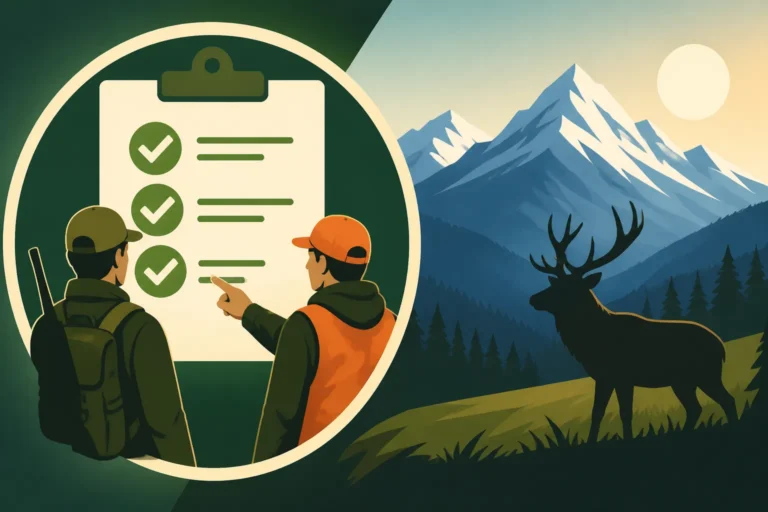
Let's be honest, the hunting regulations in British Columbia are no joke. Trying to understand the various licences, species tags, regional boundaries, and season dates can feel like studying for a university exam. Many new hunters get hung up on the paperwork before they even consider setting foot in the bush, and that frustration is completely understandable. You need to know the specific bag limits, the antler point restrictions, and whether a certain area is General Open Season (GOS) or Limited Entry Hunting (LEH).
A reputable guide or outfitter takes an immense amount of this burden off your shoulders. They live and breathe these regulations. They understand the nuances of the British Columbia's Two-Year Regulations Synopsis and can help you ensure you have all the necessary British Columbia Hunting Licences and Fees and permits in order. They’ll clarify things like mandatory reporting, compulsory inspection requirements, and the often-confusing antler point rules that dictate what you can legally harvest. More importantly, they ensure that your hunt adheres to all local, provincial, and even federal laws, providing a layer of security and peace of mind that allows you to focus on the hunt itself, rather than worrying if you've misread a footnote in the synopsis. They’ll also ensure you have your Getting a British Columbia FWID sorted out.
Learning Essential Skills and Fieldcraft
There's a world of difference between watching hunting shows and actually being out there, learning to read sign, track an animal, or execute a stalk. As a first-timer, you might have some basic shooting skills, but the real art of hunting is often learned in the field. A guided hunt provides an unparalleled opportunity to absorb years of experience in a concentrated period.
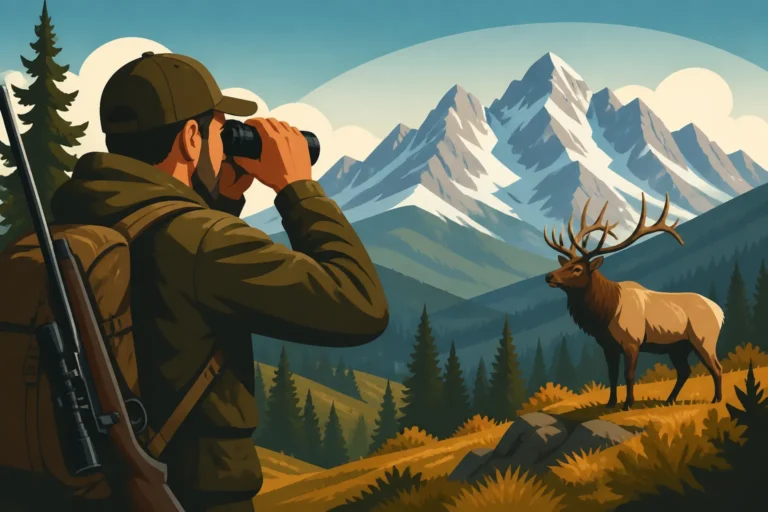
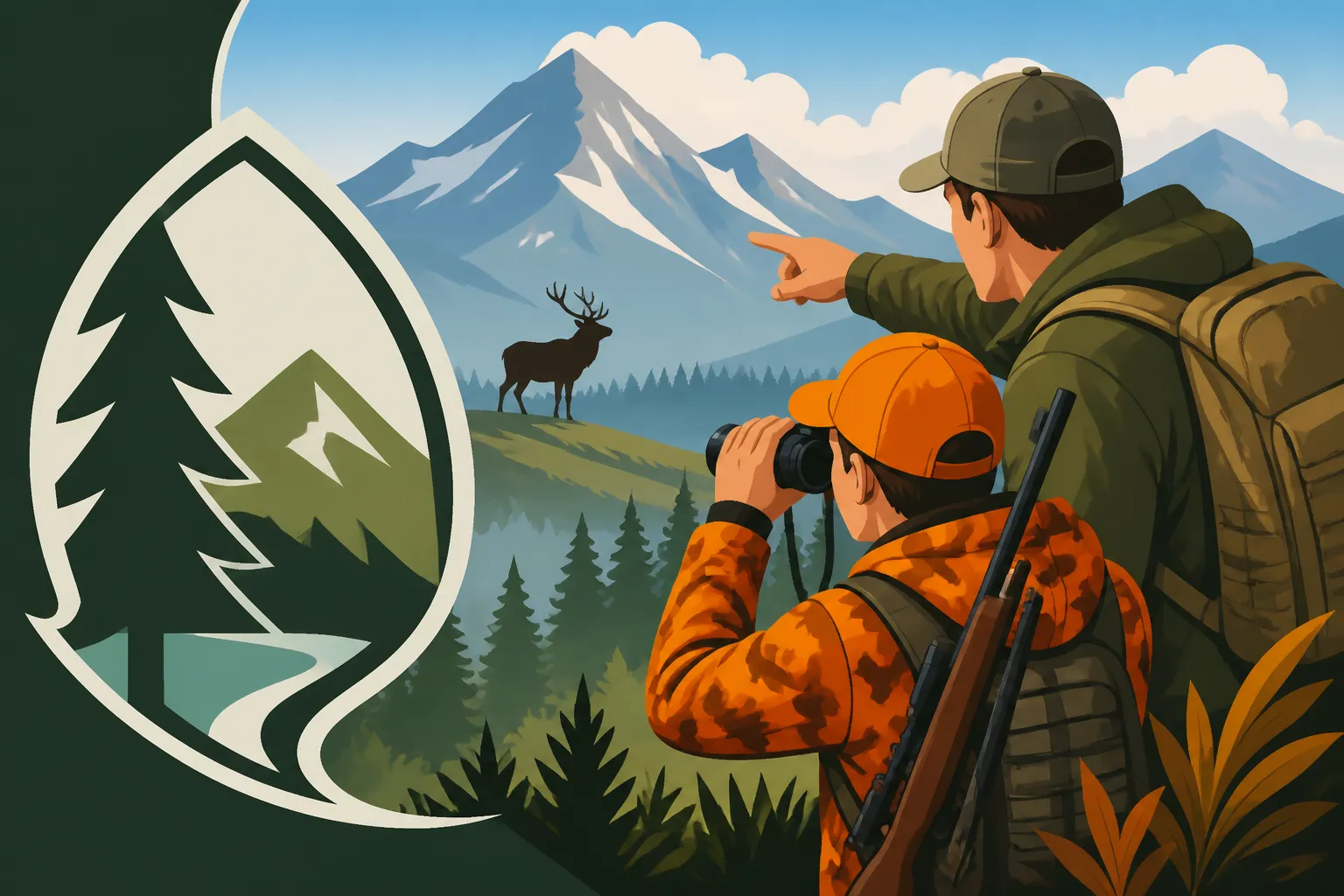
Your guide will be your personal mentor, teaching you everything from how to properly use binoculars and spotting scopes for Glassing an Interior Hillside for Mule Deer to understanding wind direction and thermals. They'll demonstrate effective stalking techniques, explain animal behavior patterns, and help you recognize prime habitat. You'll learn about ethical shot placement, how to field dress an animal quickly and cleanly, and the critical importance of Meat Care in British Columbia's Warm Early Seasons. This hands-on tutelage is invaluable. It’s not just about finding the animal; it’s about understanding the entire process, from the first step into the woods to the moment the meat is packed out. This foundational knowledge will serve you for every future hunt, guided or unguided.
Accessing Prime Hunting Ground
British Columbia is vast, but finding accessible, productive hunting ground as a beginner can be incredibly challenging. Much of the most desirable land is either locked behind gates, requires extensive backcountry travel, or falls within guide outfitter territories. Knowing where to go, and more importantly, how to get there legally and safely, is a huge hurdle.
Outfitters often have access to vast tracts of land, sometimes leased private timber lands, or they operate within established guide territories on British Columbia's Crown Land Access that they know intimately. They understand where the animals are at different times of the year, what their preferred forage is, and how they react to pressure. This local knowledge saves you countless hours of scouting and frustration. Instead of driving aimlessly down countless Finding Open Forest Roads in British Columbia, hoping to stumble upon fresh sign, your guide takes you directly to areas with high potential. This can range from remote alpine basins for sheep and goats to hidden clearcuts for deer, or dense river bottoms for moose. Their expertise ensures that your limited hunting time is spent in productive areas, significantly increasing your chances of success and providing a richer overall experience. If you’re a non-resident, remember that the majority of big game hunting requires you to hunt with a guide outfitter or under a What a Permit to Accompany Allows.
What to Expect from a First-Time Guided Hunt Experience
So, you've decided a guided hunt is the way to go. That’s fantastic! Now, what does the journey actually look like from start to finish? Understanding the phases of a guided hunt will help you prepare mentally and physically, ensuring you make the most of your investment and learning opportunity.
Before the Hunt: Planning and Preparation
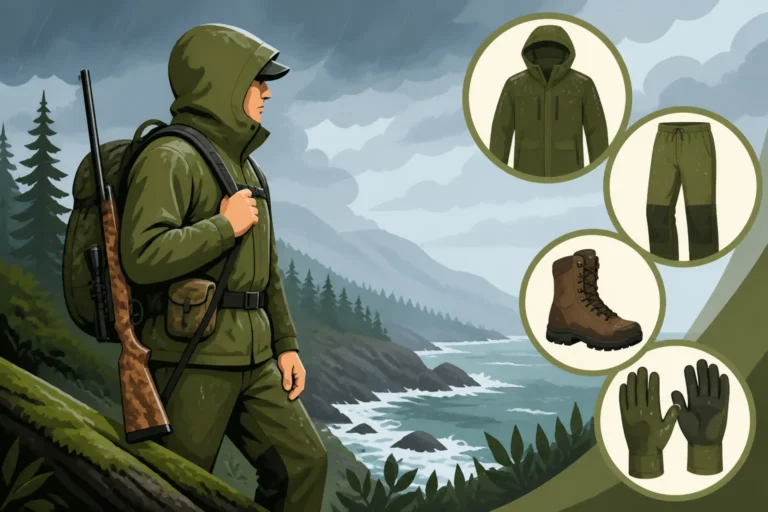
The hunt begins long before you arrive at camp. Once you've chosen your outfitter – perhaps through a platform like BookYourHunt, which streamlines the process of finding and comparing operations – the real planning starts. Your outfitter will provide you with a detailed contract, payment schedules, and a comprehensive gear list. This list isn't just a suggestion; it’s carefully curated based on the terrain, weather, and specific demands of your hunt. Pay close attention to items like quality waterproof outerwear for Hunting in British Columbia's Coastal Rain or appropriate layering for Hunting Above Timberline in Cold Weather.
Communication is key in this phase. Don't be shy about asking questions. Clarify what's included and what's not. Ask about the physical demands of the hunt – for example, a mountain goat hunt is vastly different from a spring bear hunt off logging roads. Start getting in shape well in advance, especially if you're pursuing mountain game where Fitness for a British Columbia Sheep Hunt can be a make-or-break factor. Discuss your expectations openly with your guide. Are you looking for a trophy, or is the experience and learning more important? A good outfitter will manage these expectations from the get-go. Many outfitters book up years in advance, so understanding the Booking a British Columbia Hunt Years Ahead timeline is crucial.
During the Hunt: Mentorship and Opportunity
This is where the magic happens. Your days will typically start early, often before dawn, to take advantage of prime hunting hours. You'll likely travel by truck, ATV, boat, or even horseback to reach hunting areas. Then, the real work begins: walking, glassing, stalking, and constantly assessing the landscape with your guide.
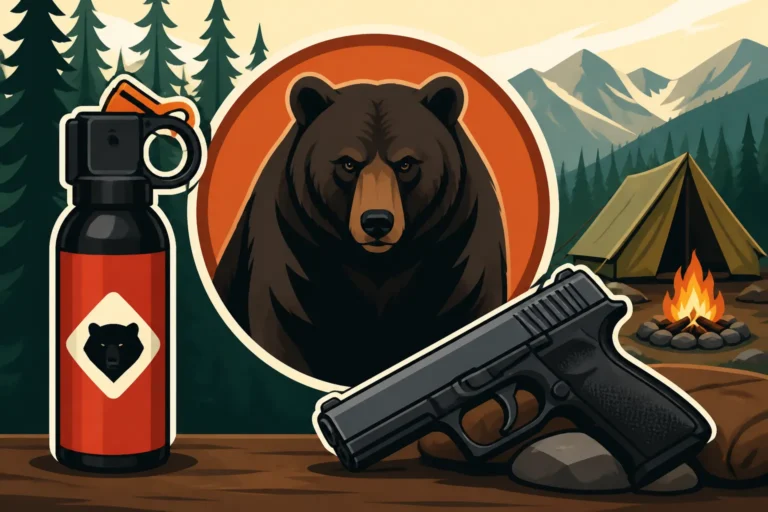
Your guide's primary role is to get you an ethical shot opportunity, but their mentorship goes far beyond that. They'll teach you patience, resilience, and the art of observation. You'll learn to identify fresh sign, interpret animal movement, and make quick decisions under pressure. Expect to learn about tracking, understanding the nuances of a shot opportunity, and the importance of follow-up. Safety is paramount, and your guide will ensure all firearm handling is done correctly and safely. They'll also provide crucial Bear Safety While Hunting in British Columbia briefings, which are a must for any hunter in BC. Remember, not every hunt ends with a harvest, but every guided hunt provides an education. Embrace the learning, the camaraderie, and the wild beauty of British Columbia. If anything unexpected happens, your guide will have an Emergency Planning in British Columbia's Backcountry protocol in place.
After the Hunt: Game Care and Logistics
If you are successful, the work isn't over – it’s just transitioning to a new phase. Your guide will walk you through the process of field dressing your animal, which involves removing the internal organs to cool the meat quickly. This is a critical step for preserving the quality of the game, especially in warmer early seasons. They’ll teach you how to quarter the animal and pack it out of the backcountry. This can be physically demanding, requiring teamwork and robust Packing Meat With a Frame Pack.
Once back at camp, your guide will help with further processing, skinning, and caping if you plan to take a trophy. They can also advise on local butchers for Getting Meat Processed in British Columbia and taxidermists, as well as the necessary paperwork for exporting meat or trophies if you are a non-resident. They'll handle the compulsory reporting requirements for the harvest, ensuring everything is above board. This post-harvest phase is an integral part of the hunting experience, teaching responsibility and respect for the animal and its meat. It also highlights the thoroughness of a guided hunt, where every step from field to freezer (or taxidermist) is managed with expertise.
Choosing the Right Outfitter and Hunt Type for Beginners
Selecting the right guided hunt is a pivotal decision, especially for your first foray into British Columbia's wilderness. It's not just about the species; it's about the entire experience, the professionalism of the outfitter, and how well it aligns with your personal goals and capabilities.
Researching and Vetting Outfitters
The first step is thorough research. Start by looking for outfitters who specialize in Guided Hunts for a First-Time Hunter or those known for their strong mentorship programs. Websites like GoHunt and BookYourHunt are excellent resources for finding reputable outfitters, reading reviews, and comparing packages. Look for outfitters with a long-standing history and good communication.
When you contact potential outfitters, ask specific questions:
- What is their hunter-to-guide ratio? A lower ratio (e.g., 1:1 or 2:1) often means more personalized attention.
- What are their typical success rates for first-time hunters on your desired species?
- Can they provide references from past clients, particularly beginners? Calling these references is crucial. Don't be afraid to ask Asking a British Columbia Outfitter for References.
- What is the typical physical demand of the hunt? Be honest about your fitness level.
- What happens if the weather turns bad or an animal isn't harvested?
- What kind of camp accommodations do they offer? (e.g., tent camps, cabins, lodge).
A truly professional outfitter will be transparent, patient with your questions, and focused on making your first hunt a positive and educational experience, not just a transaction. Understanding Choosing the Right British Columbia Outfitter involves more than just price; it's about fit and philosophy.
Common Game Species and Hunt Styles for Novices
For a first-time hunter, certain species and hunt styles lend themselves better to learning and success.
- Black Bear: Black Bear Hunting British Columbia's Spring or fall offers fantastic opportunities. Bears are often found in more accessible areas like logging roads, clearcuts, or coastal estuaries. These hunts can be less physically demanding than mountain hunts and provide ample opportunities for learning tracking, judging animals, and shot placement. You might use spot-and-stalk tactics, which are excellent for developing fieldcraft.
- Deer (Mule Deer or Blacktail): Mule Deer Hunting in British Columbia or Black-Tailed Deer Hunting in British Columbia can also be excellent choices. These hunts are often conducted by spot-and-stalk, still-hunting, or stand hunting, offering varied experiences. Deer are abundant, and a good guide can teach you how to read the landscape, understand deer behaviour, and make effective approaches.
Consider hunts that don't require extreme physical exertion or highly specialized skills right away. A good outfitter will tailor the hunt to your abilities and goals.
Here’s a quick overview of beginner-friendly hunt characteristics:
| Factor | Beginner-Friendly Hunt Characteristics | Less Beginner-Friendly (Typically) |
|---|---|---|
| Physicality | Moderate to low exertion; vehicle or boat access often utilized. | High exertion; extensive hiking in steep, rugged terrain; horseback or fly-in access. |
| Species | Black Bear, Deer (Mule Deer, Blacktail), smaller game. | Sheep, Mountain Goat, Elk, large Moose (can be very physical). |
| Season | Spring bear (pleasant weather), early fall deer. | Late season mountain hunts (harsh weather), deep backcountry. |
| Learning | Emphasis on fundamental skills (glassing, stalking, field dressing). | Focus more on extreme physical challenge and specialized tactics. |
| Success Rate | Generally higher, providing more immediate positive reinforcement. | Can be lower, demanding persistence and advanced skills. |
Understanding Costs and Inclusions
Let’s be real, guided hunts are an investment. It’s important to understand What a British Columbia Guided Hunt Costs and what that price tag actually covers. For a first-time hunter, the value often outweighs the initial sticker shock because you're paying for expertise, access, logistics, and an accelerated learning experience.
Typically, a guided hunt package will include:
- The services of a professional licensed guide.
- Transportation to and from the nearest major airport or meeting point.
- Accommodation during the hunt (lodge, tent camp, cabins).
- All meals, snacks, and non-alcoholic beverages.
- Initial field dressing and caping of the animal.
What's usually not included:
- Your hunting licence and species tags (these are purchased separately).
- Travel to the meeting point (e.g., flights to BC).
- Meat processing and shipping costs.
- Taxidermy costs and trophy export fees.
- Gratuities for your guide and camp staff.
- Personal gear and firearms (though some outfitters offer rifle rentals).
- Alcoholic beverages.
Always get a clear, itemized breakdown of costs. Don’t hesitate to ask What a Guide Fee Actually Covers. Understanding these financial details upfront prevents any surprises and allows you to budget appropriately for your complete hunting adventure.
In conclusion, a guided hunt in British Columbia offers an unparalleled entry point for first-time hunters. It mitigates the common anxieties of regulatory complexity, lack of experience, and difficulty finding good hunting ground. By choosing a reputable outfitter and approaching the experience with an open mind and a desire to learn, you're not just booking a hunt; you're investing in an education and laying a solid foundation for a lifetime of ethical, responsible, and fulfilling hunting adventures in the incredible wilderness of British Columbia.
Disclaimer
This article is for general informational purposes only and does not constitute professional advice. Laws, prices and regulations vary by location and change over time. Consult a qualified professional for guidance on your specific situation.