Booking a Father and Child Hunt
There's something truly special about sharing the wild places we love with the next generation, especially when it comes to hunting in British Columbia. Often, the dream of a father and child hunt becomes a reality with unique challenges, from finding the right outfitter to ensuring a positive experience for both adult and young hunter. This guide will walk you through everything you need to know to plan and execute a memorable and successful father and child hunting adventure in BC.
The Unique Joy and Challenges of a Father and Child Hunt in BC
Bringing a child into the hunting tradition is more than just passing on skills; it's about sharing a passion, fostering respect for nature, and creating indelible memories. British Columbia, with its vast wilderness and diverse game, offers an incredible classroom for such an experience. However, it's not simply a matter of taking a regular adult hunt and adding a younger participant. There are distinct joys and challenges that need thoughtful consideration to ensure the experience is rewarding for everyone involved.
Why These Hunts Matter So Much
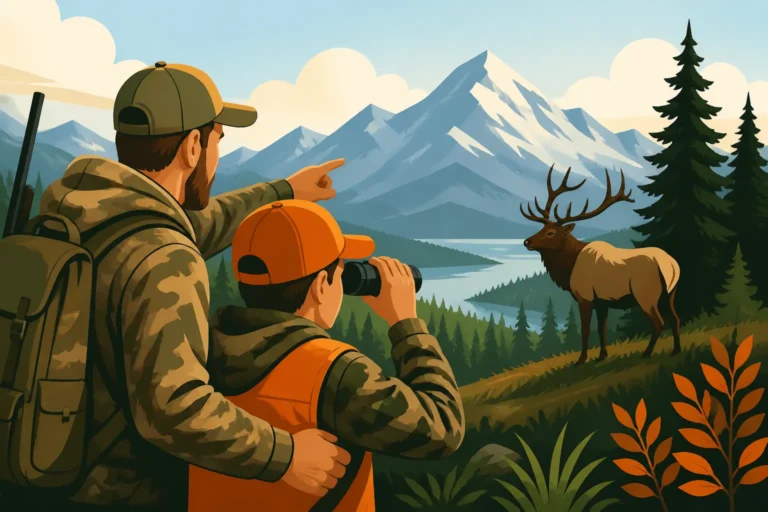
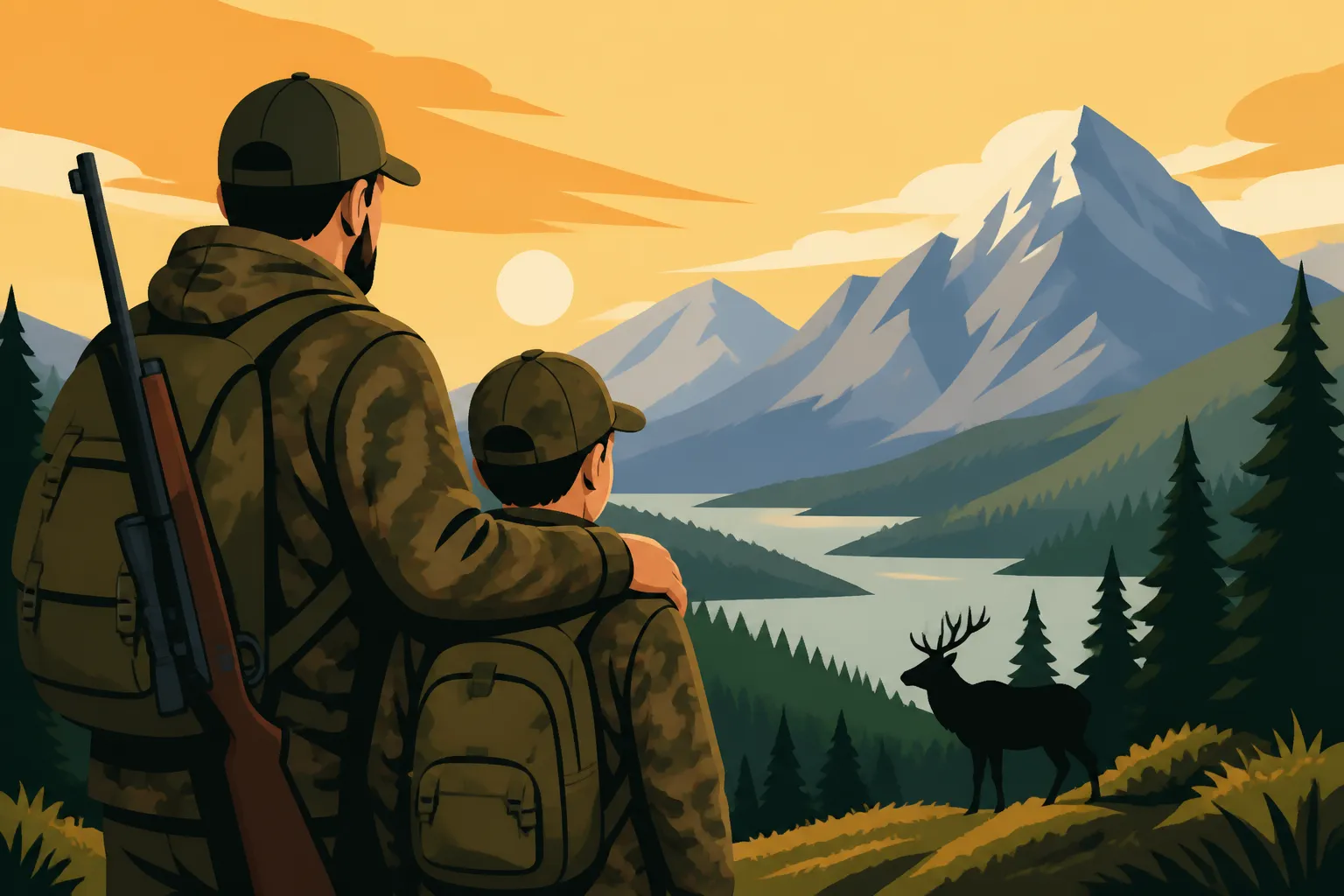
For many, a first hunt with a parent is a foundational memory, shaping their relationship with the outdoors for life. These shared experiences build bonds that stretch far beyond the field, teaching patience, perseverance, and a deep appreciation for where our food comes from. It's an opportunity to unplug from the constant distractions of modern life and truly connect, with each other and with nature itself. Imagine sitting together at first light, the crisp BC air on your face, watching the forest awaken – these are the moments that truly stick, often more than the actual harvest. It's about instilling values, like ethical hunting, wildlife conservation, and responsible firearm handling, that will serve them well throughout their lives.
Moreover, these hunts are often about building confidence in the younger hunter. It's about seeing them learn to track, to glass a distant hillside, to move quietly through the bush, and to understand animal behaviour. The sense of accomplishment when they master a new skill, or even just sit still for an extended period, is immense. It's not just about getting an animal; it's about the journey, the effort, and the growth that happens along the way. British Columbia Youth Hunting Rules are designed to support these formative experiences, providing a framework for responsible participation.
Balancing Expectations for Both Generations
One of the biggest hurdles in planning a father and child hunt is managing expectations. As adults, we often have grand visions of trophy animals and challenging backcountry adventures. For a child, especially a younger one or a beginner, success might simply be seeing a deer, learning to make a fire, or spotting a grouse. It's crucial to put the emphasis on the experience, the learning, and the time together, rather than solely on the harvest. Pushing too hard for a kill can quickly turn a potential lifelong passion into a dreaded chore.
Communication is key here. Talk to your child about what they hope to get out of the trip. Are they excited to see different animals? Do they want to learn how to track? Are they just looking forward to camping and spending time with you? Their input should heavily influence the hunt's design. Similarly, it's important for the adult to temper their own expectations. This might not be the year for that arduous sheep hunt or a multi-day hike deep into grizzly country. Instead, it might be about short stalks, comfortable camps, and plenty of opportunities for breaks, snacks, and storytelling. Remember, a successful father and child hunt isn't measured in antler inches, but in smiles, shared stories, and a desire to do it again next year.
Planning the Perfect British Columbia Father and Child Hunting Adventure
Once you've committed to this incredible experience, the real planning begins. British Columbia offers a vast array of hunting opportunities, but selecting the right one for a father and child duo requires careful consideration of species, season, physical demands, and regulations. It's about setting the stage for success and enjoyment, not just for you, but especially for your young hunting partner.
Choosing the Right Species and Season for Young Hunters
Selecting the appropriate game species is paramount for a successful youth hunt. Simpler, more accessible hunts often lead to higher engagement and less frustration for a beginner.
- Deer (Mule Deer, Blacktail): Deer are often an excellent choice. Their seasons are typically longer, and depending on the area, can offer good opportunities without extreme physical exertion. Early season deer hunts in more accessible areas or even Hunting British Columbia's Logging Road Network can be fantastic. A general open season for deer, especially with a four-point antler restriction, can allow for plenty of viewing opportunities even if a shot doesn't present itself. Blacktail deer, particularly on Vancouver Island, can be good, but the dense coastal cover can be challenging for young hunters who need to move quietly and patiently. Consider a plan that focuses on observation and stalking practice.
- Small Game (Grouse, Ptarmigan): Don't underestimate the power of a small game hunt to introduce a child to hunting. Hunting British Columbia's Grouse Season offers fast-paced action and less pressure, perfect for teaching gun safety, target acquisition, and field dressing without the intensity of big game. Walking old logging roads for blue grouse or exploring alder bottoms for ruffed grouse can be incredibly fun and educational.
- Waterfowl: If your child enjoys wetlands and has a passion for birds, a waterfowl hunt can be an exciting option. Decoying ducks or geese offers moments of intense action interspersed with quiet waiting, which can be great for teaching patience. The social aspect of calling birds into a spread can also be very engaging. Decoying Ducks on a Coastal Estuary or Hunting British Columbia's Interior Marshes are classic options.
- Black Bear: While a big game animal, spring bear hunts can be a great option for youth. Often conducted by glassing clearcuts or logging roads, they require patience and good optics, but generally involve less strenuous hiking than mountain hunts. The excitement of spotting a bear and then planning a stalk can be very engaging. Just be sure to educate your young hunter on Bear Safety While Hunting in British Columbia.
Consider the time of year too. Early fall can be pleasant, with milder weather and fewer insects, while late fall can bring challenging conditions that might be too much for a younger hunter.
Considering Physical Demands and Experience Levels
This is where realism really needs to kick in. Your child's physical fitness and previous outdoor experience should heavily influence your hunt plan. A child who spends weekends hiking and camping will have a higher tolerance for discomfort and physical exertion than one new to the outdoors.
- Pacing and Breaks: Plan for frequent breaks, lighter loads, and shorter distances. A successful hunt with a child often means covering less ground but doing so more effectively and enjoyably. Pack extra snacks, water, and comfort items. A warm drink in a thermos on a cold morning can make all the difference.
- Terrain: Opt for less aggressive terrain initially. While British Columbia is famous for its mountains, a first hunt doesn't have to be a full-on alpine adventure. Flat river bottoms, rolling hills, or areas with established trails can be much more enjoyable. Hunting British Columbia's Logging Road Network offers plenty of accessible areas.
- Weather Preparedness: BC weather can be notoriously unpredictable. Pack layers, waterproof gear, and be prepared to hunker down or head back to camp if conditions turn sour. A cold, wet, or miserable experience can quickly sour a child on hunting forever. Have a contingency plan for inclement weather.
- Age and Maturity: A 10-year-old and a 16-year-old will have vastly different attention spans, physical capabilities, and emotional maturity. Tailor the hunt to their age and capabilities, not just what you, as an experienced hunter, might be used to. The Minimum Age to Hunt in British Columbia is a good starting point, but personal readiness is more important than just meeting legal requirements.
Navigating British Columbia's Regulations for Youth
British Columbia has specific regulations designed to safely introduce youth to hunting. It's imperative that you understand these rules thoroughly before heading out.
- FWID and CORE: Just like adults, young hunters will need a Fish and Wildlife ID (FWID) and must pass the Conservation and Outdoor Recreation Education (CORE) exam or an equivalent. The British Columbia's CORE Exam and FWID is a comprehensive course that covers hunter safety, ethics, and regulations, providing an excellent foundation. While some younger hunters might find it challenging, it's a critical step.
- Licences and Tags: Youth hunters will also need to purchase the appropriate hunting licence and species tags for the animals they intend to hunt. British Columbia Youth and Senior Licences are often available at reduced rates, making these trips more accessible. Ensure all paperwork is completed well in advance.
- Adult Supervision: A key component of youth hunting regulations is the requirement for close adult supervision. This isn't just about safety; it's about mentorship. The supervising adult must typically be a licensed hunter themselves, and often specific rules apply regarding proximity and direct supervision, especially when firearms are involved.
- Firearms and Bows: Ensure your child is proficient and comfortable with their chosen hunting implement. BC has rules regarding minimum draw weights for bows and minimum calibre for rifles for big game. Select equipment that fits them properly and that they can handle safely and effectively. British Columbia Legal Firearms and Bows outlines these specifics. Don't push them into a heavy-recoiling rifle or a bow they can't comfortably draw. Practice, practice, practice at the range is non-negotiable.
Here's a quick comparison of popular youth-friendly game options in BC:
| Species | Typical Season (General) | Physical Demand | Key Skills for Youth | Enjoyment Factor |
|---|---|---|---|---|
| Mule Deer | Early Fall – Late Fall | Moderate | Patience, Glassing | High |
| Blacktail Deer | Early Fall – Late Fall | Moderate-High | Patience, Stalking | High |
| Black Bear | Spring / Fall | Low-Moderate | Patience, Optics | High |
| Grouse | Early Fall – Mid-Fall | Low | Gun Safety, Alertness | Very High |
| Waterfowl | Fall – Winter | Low | Patience, Decoying | High |
Finding and Vetting Outfitters for a Family-Friendly Hunt
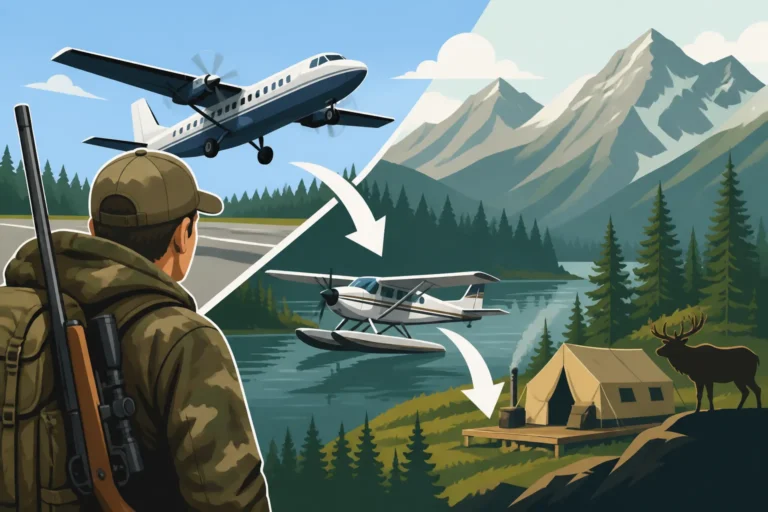
For many non-resident hunters, or even residents looking for a less strenuous, more guided experience, booking an outfitter for a father and child hunt can be a game-changer. An experienced guide can handle logistics, provide local knowledge, and ensure a safe and productive trip. However, not all outfitters are equally suited for family hunts, so careful research is essential.
Researching Outfitters with a Youth Focus
When you're searching for an outfitter, you're not just looking for someone who can find game; you're looking for someone who understands and values the unique dynamics of hunting with a child. This means they should be patient, safety-conscious, and adept at teaching and engaging younger hunters.
Start by looking for outfitters who explicitly mention family hunts, youth programs, or "first hunt" experiences on their websites or social media. Websites like BookYourHunt or GoHunt can be excellent resources for finding outfitters and filtering by species, region, and services offered. Pay attention to testimonials – do previous clients mention bringing their children, and were those experiences positive?
Don't be afraid to cast a wide net initially, then narrow it down based on these family-specific criteria. An outfitter who focuses solely on hardcore trophy hunters might not be the best fit, even if they have a great reputation. You want someone whose philosophy aligns with making the experience enjoyable and educational for the youth, rather than just focused on punching a tag. British Columbia Outfitters Who Take Youth Hunters is a valuable category to seek out.
Key Questions to Ask Potential Guides
Once you have a shortlist of potential outfitters, it's time to dig deeper. Direct communication is vital. Don't just rely on email; a phone call will give you a better feel for their personality and approach. Here are some essential questions to ask:
- Experience with Youth: "How much experience do you have guiding young hunters? What age groups have you worked with?" Listen for genuine enthusiasm and specific examples, not just generic answers.
- Pacing and Expectations: "How do you structure a hunt when a child is involved? What's a typical day like? How do you manage a child's attention span and physical limits?" You want an outfitter who understands the need for flexibility, breaks, and potentially shorter hunting days.
- Safety Protocols: "What are your specific safety protocols for hunting with a minor, especially regarding firearms or bows?" This is non-negotiable. They should have clear, well-rehearsed safety procedures. British Columbia Blaze Orange and Safety Rules and other specific regulations should be second nature to them.
- Educational Aspect: "What opportunities are there for my child to learn about tracking, field dressing, calling, or other aspects of the hunt, even if they're not the one taking the shot?" A good guide will see this as a mentorship opportunity.
- Camp Environment: "What is the camp environment like? Is it family-friendly? Are there other hunters, and what's the general atmosphere?" Some camps are more rustic or geared towards adult camaraderie, which might not be ideal for a young hunter.
- Success Metrics: "What do you consider a successful father and child hunt?" The best answer will focus on the experience, learning, and time together, rather than just the kill.
- References: "Can you provide references from families who have hunted with you and their children?" Always follow up on these references. They will offer invaluable insights into the outfitter's suitability for your specific needs.
- Permit to Accompany: If you are a non-resident, understand the rules around the Permit to Accompany Explained. Some outfitters might be able to facilitate this if you have a resident friend who can host, offering a different dynamic than a fully guided trip.
When reviewing potential outfitters on platforms like GoHunt or BookYourHunt, pay close attention to the details in their listings. Do they mention specific amenities for families? Are there photos of children on hunts? These small clues can tell you a lot about their readiness for a family booking.
Understanding Costs and Inclusions for Family Hunts
Guided hunts are an investment, and it's important to understand exactly what that investment entails. For a father and child hunt, there might be different pricing structures.
- Pricing Models: Some outfitters might offer a reduced rate for a youth hunter, especially if they are sharing a guide with the parent. Others might charge a full rate if the child is also pursuing a tag. Clarify whether the price is per hunter or per group, and what the guide-to-hunter ratio will be. A 1:1 guide-to-hunter ratio is often ideal for a youth hunt, as it allows for more personalized attention. What a British Columbia Guided Hunt Costs can vary wildly depending on the species and duration.
- What's Included (and Excluded): Get a detailed breakdown of what's included in the price. This usually covers guide services, accommodation, food, and in-field transportation. What's often not included are licences, tags, travel to the meeting point, meat processing, taxidermy, gratuities, and any personal gear. Ensure you know the full financial picture.
- Additional Activities: If the hunt slows down, or if the child needs a break from active hunting, are there other activities available? Some outfitters might offer fishing, wildlife viewing, or basic survival skill lessons that can keep a young hunter engaged.
- Cancellation Policies: Life with children can be unpredictable. Understand the outfitter's cancellation and refund policy, especially regarding deposits. Travel insurance that covers hunting trips can be a wise investment here.
A transparent outfitter will be upfront about all these details. Don't be shy about asking for clarification, as it's better to know all the costs and expectations beforehand than to be surprised during the trip.
Making the Hunt a Lasting Memory, Beyond the Harvest
While the aspiration of a successful harvest is always present, the true measure of a father and child hunt lies in the memories forged and the lessons learned, regardless of whether an animal is taken. It's about the shared experience, the connection with nature, and the bond strengthened between parent and child.
Prioritizing Safety and Enjoyment for Everyone
Above all else, a father and child hunt must be safe and enjoyable. If either of these elements is compromised, the entire experience risks being negative, potentially turning a child away from hunting for good.
- Continuous Safety Briefings: Reinforce firearm or bow safety rules constantly. Before heading out, during breaks, and even in camp. Repetition helps ingrain these critical habits. Ensure both you and the guide are aligned on all safety protocols. British Columbia Blaze Orange and Safety Rules are not just suggestions; they are crucial for visibility and safety.
- Comfort is Key: A cold, wet, or tired child is a miserable child. Invest in good quality, appropriate gear for them, especially proper layering, waterproof outer shells, and comfortable boots. Pack extra socks, hand warmers, and a small, comfortable pad to sit on during waits.
- Fun Beyond the Hunt: Build in time for non-hunting activities. Tell stories, play card games in camp, identify plants and animal tracks, or simply enjoy a campfire. These moments of relaxation and fun are just as important as the hunting itself. Remember, a successful hunt isn't about constant pursuit, but about the overall experience.
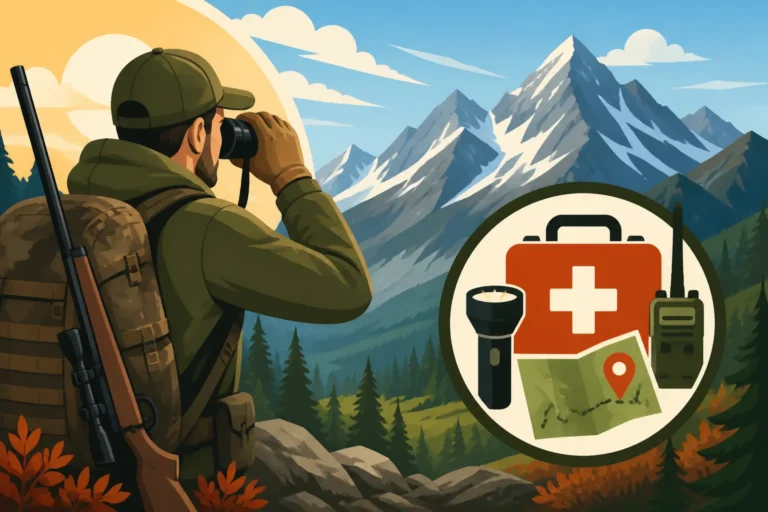
- Recognize Fatigue and Frustration: Be attuned to your child's mood and energy levels. If they're getting tired, cold, or frustrated, it's time for a break, a snack, or even to call it a day, even if the hunting conditions are perfect. Pushing them past their limits is counterproductive. Their emotional well-being is paramount. Emergency Planning in British Columbia's Backcountry is essential, not just for physical safety but also for ensuring psychological comfort in remote settings.
Teaching and Mentoring in the Field
The field is the ultimate classroom, offering endless opportunities for teaching and mentoring. This isn't just about hunting skills; it's about life skills.
- Patience and Observation: Hunting teaches patience like few other activities. Encourage your child to observe everything around them – the birds, the wind direction, the tracks, the changes in terrain. Teach them to use binoculars and spotting scopes effectively. Focus on the nuances of Reading Blacktail Sign in Wet Ground or Glassing an Interior Hillside for Mule Deer.
- Field Craft: Impart knowledge about tracking, identifying scat, reading the wind, and moving quietly through the bush. Explain why certain strategies are employed. For instance, why are you approaching from this direction? Why are you stopping here? Every decision is a teachable moment.
- Ethics and Conservation: Discuss the ethics of fair chase, shot placement, and respect for the animal and the land. Explain the role of hunters in conservation and how licence fees contribute to wildlife management, as detailed in What the Habitat Conservation Surcharge Pays For. This cultivates a responsible and informed hunter.
- Practical Skills: If successful, involve them in the field dressing and meat care process to the extent they are comfortable. This teaches responsibility and reinforces the connection between the harvest and the food on the table. Even if they don't do the actual work, watching and asking questions is invaluable. For a bigger animal, you can talk through Quartering a Moose in Grizzly Country and discuss the importance of proper meat cooling.
- Resilience and Problem Solving: Not every hunt ends in success. Teach them that overcoming challenges, adapting to changing conditions, and handling disappointment are all part of the process. Discuss what went well, what could have been done differently, and what was learned, even if the quarry eluded you. This builds character and resilience.
Documenting the Journey Together
The memories created on a father and child hunt are priceless, and capturing them ensures they last a lifetime.
- Photography and Video: Encourage your child to take photos or videos (where appropriate and safe) of the scenery, the camp, and the wildlife. You, too, should be behind the lens, capturing moments of them learning, observing, and enjoying the outdoors. These visual reminders will be cherished for years to come. Just be mindful of noise and movement during active hunting periods.
- Hunting Journal: Suggest keeping a simple hunting journal. They can record observations about wildlife, weather, what they learned, and how they felt. Even simple drawings can become treasured keepsakes. This also reinforces writing and observation skills.
- Share Stories: After the hunt, gather around and recount the adventures. Let your child lead the storytelling. This reinforces their memory of the trip and allows them to relive the excitement, learning, and fun. These shared narratives become family legends.
- Displaying Memories: Whether it's a photo album, a framed picture, or a small European mount if successful, displaying reminders of the hunt keeps the experience alive and visible, a constant testament to the shared adventure and the bond strengthened in the wild.
Ultimately, a father and child hunt in British Columbia is not just about hunting; it's about building a legacy. It's about guiding, teaching, and sharing a profound connection to the natural world. With careful planning, realistic expectations, and a focus on safety and enjoyment, these adventures will undoubtedly become some of the most cherished memories for both generations.
Disclaimer
This article is for general informational purposes only and does not constitute professional advice. Laws, prices and regulations vary by location and change over time. Consult a qualified professional for guidance on your specific situation.