Black-Tailed Deer on British Columbia’s Coast
Hunting black-tailed deer on British Columbia's rugged coast presents a unique set of challenges and rewards that can truly test a hunter's mettle. The dense rainforest, persistent rain, and steep, unforgiving terrain often leave even seasoned hunters feeling defeated and questioning their strategy. This comprehensive guide aims to peel back the layers of this challenging environment, offering practical insights and detailed strategies to help you successfully pursue coastal blacktail deer and truly understand their elusive world.
Understanding Coastal Blacktail Deer
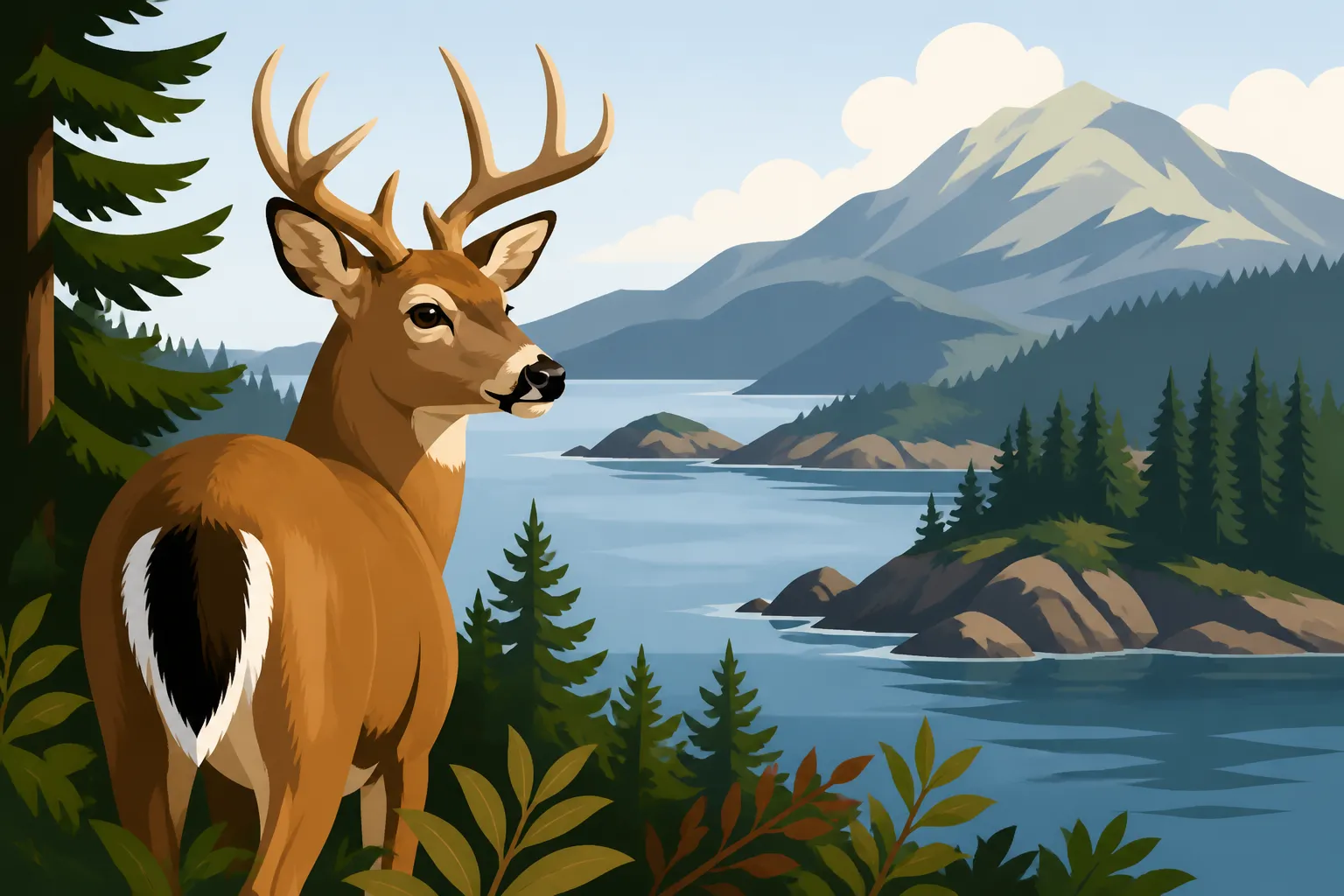
Black-tailed deer are iconic to British Columbia's coastal regions, perfectly adapted to the verdant, often challenging, rainforest environment. They are a smaller, darker cousin to the interior mule deer, carrying a different set of characteristics and behaviours shaped by their unique habitat. Getting to know these animals intimately is the first step towards a successful coastal hunt.
Physical Characteristics and Adaptations
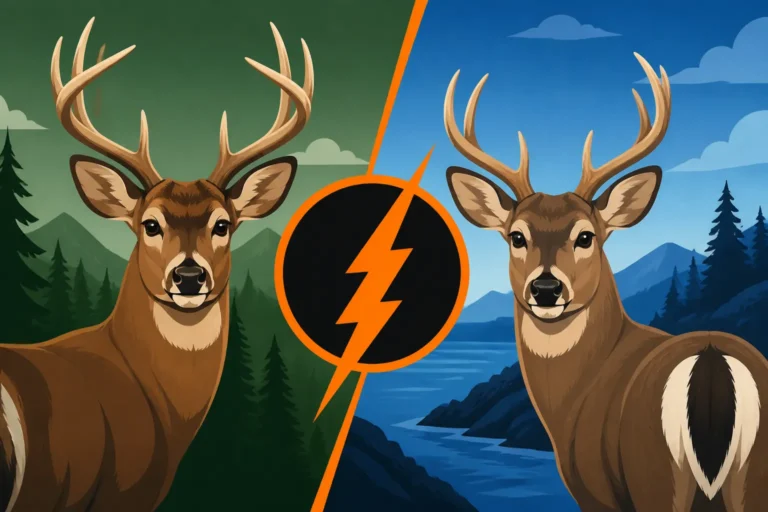
Coastal blacktail deer, specifically the Columbian blacktail subspecies, are generally smaller in stature than their mule deer relatives found further inland. An adult buck on the coast might weigh anywhere from 120 to 180 pounds, though some larger individuals do exist, particularly on Vancouver Island. Their coats are typically a dark reddish-brown in summer, transitioning to a greyish-brown in winter, helping them blend seamlessly into the shadowy undergrowth of the temperate rainforest. Unlike mule deer with their large, "mule-like" ears and ropey, black-tipped tails, blacktail deer have smaller ears and a broader, all-black tail that they tend to hold down when running, revealing a flash of white rump.
Their senses are incredibly acute, a necessity for survival in such a dense environment. Their eyesight, while excellent, is perhaps less critical than their hearing and sense of smell, which are finely tuned to detect the slightest disturbance in the wind or the faintest rustle of leaves. This means hunters often need to rely more on subtle cues, tracking, and patient still-hunting rather than long-range glassing. The very air, often damp and heavy, carries scent differently here, sometimes to the hunter's advantage, sometimes not. These adaptations make them incredibly efficient at disappearing into thick cover, which is precisely why they can be so frustratingly difficult to locate and pursue.
Habitat Preferences and Range
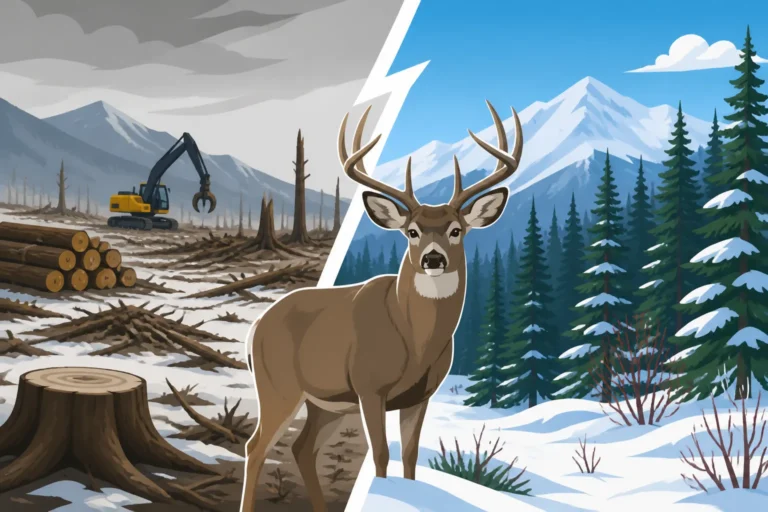
The heart of blacktail country is British Columbia's temperate rainforest, stretching from the Lower Mainland up the Sunshine Coast, across Vancouver Island, and even further north to places like Haida Gwaii. These deer thrive in a mosaic of old-growth timber, dense second-growth, and regenerating clearcuts. Old-growth forests, with their towering trees and open understory, provide crucial thermal cover during harsh winters, as well as protection from predators like cougars and wolves. However, the most productive feeding grounds often lie in areas of active logging.
Regenerating clearcuts, particularly those in their third to eighth year, offer an explosion of palatable forage like salal, huckleberry, fireweed, and various shrubs. These areas, while providing abundant food, often lack the dense cover of mature timber, making deer more visible but also more wary. Edges where a clearcut meets older timber are often prime locations, providing both food and immediate escape routes. River estuaries and coastal bogs also serve as important habitats, especially during certain times of the year, offering unique food sources and relatively open patches within the dense forest. Access to these areas can be tricky, often requiring knowledge of British Columbia's Forest Service Road Network or even boat access along the coastline.
Diet and Seasonal Foraging
A blacktail's diet is largely dictated by what's available in the rainforest, and it shifts throughout the year. In spring and summer, they feast on a wide variety of succulent new growth: tender shoots of salal, huckleberry, fireweed, and various forbs. You'll often find them browsing on the fresh leaves of salmonberry and thimbleberry. As summer progresses, they’ll seek out ripening berries, packing on crucial fat reserves for the lean months ahead.
Come fall and winter, their diet becomes more reliant on evergreen browse. Salal remains a staple, but they'll also consume fir and hemlock needles, mosses, and lichens, especially when snow blankets the ground at higher elevations. Understanding these seasonal shifts is key to predicting where deer will be feeding. For instance, in an early fall hunt, you might find them higher up, still enjoying the last of the berries on a south-facing slope, while a late-season hunt will likely see them concentrated in lower, more sheltered areas where evergreen browse is accessible. This intimate knowledge of their food sources can be the difference between a successful hunt and a frustrating walk through the forest.
Blacktail Behaviour Through the Seasons
Understanding the seasonal movements and behaviours of coastal blacktail deer is paramount to a successful hunt. These animals are deeply influenced by the changing weather, food availability, and breeding cycles that define the British Columbia coast.
Spring and Summer Movements
As the snow melts and the coastal rainforest explodes with new growth, blacktail does are busy with fawning season, typically from late May through June. They seek out dense, secluded areas with plenty of cover to give birth and raise their fawns. During this time, does are incredibly secretive and protective, often moving cautiously and sticking to the thickest patches of brush. Bucks, on the other hand, spend spring and summer in relatively small bachelor groups or solitarily, often in higher elevation summer ranges if available, away from the does and fawns. They are focused on feeding, growing their antlers in velvet, and building up their body condition.
During these warmer months, while hunting seasons are closed for blacktail, it's an excellent time for scouting. You might find bucks in more open areas like recent clearcuts or along the edges of old logging roads, where the lush vegetation offers abundant forage. They'll be relatively predictable in their feeding patterns, often moving to and from bedding areas in the early morning and late evening. The thick vegetation can make them hard to spot, but fresh tracks and browse lines can give you an indication of their summer haunts, information that can be invaluable when the fall seasons roll around. You can learn a lot by simply spending time in their habitat, watching and listening, long before you carry a rifle.
The Fall Pre-Rut and Rut
The fall is when coastal blacktail hunting truly begins, and the pre-rut and rut periods are intensely exciting. Unlike interior deer, the blacktail rut tends to peak later on the coast, often extending well into November and even early December in some areas. This is due to a combination of factors, including the milder climate and the longer growing season for forage. As the rut approaches in late October and November, bucks become much more active, shedding their velvet and beginning to seek out does. You'll start seeing more sign: scrapes on the ground where bucks paw away leaves and urinate, and rubs on small trees where they strip bark with their antlers.
During the peak of the rut, bucks are less cautious, their minds driven by breeding. They will actively chase does, sometimes making themselves surprisingly visible in otherwise dense cover. This is a prime time for using calling techniques; a soft fawn bleat or a buck grunt can sometimes bring a curious buck in, especially if he thinks there's a rival or a receptive doe nearby. You can learn more about Calling a Blacktail Buck With a Fawn Bleat to increase your chances. The often-wet and foggy conditions of the coastal fall can also influence rutting behaviour, sometimes keeping deer bedded down during heavy rain, only to become active during brief breaks in the weather. Hunters need to be prepared for all conditions when Hunting Blacktail in British Columbia's Coastal Rain.
Winter Survival Strategies
Winter on the British Columbia coast, while generally milder than the interior, can still be harsh and presents significant challenges for blacktail deer. As snow accumulates at higher elevations, deer typically migrate to lower, more sheltered areas, particularly to south-facing slopes that receive more sun exposure and where snow accumulation is less severe. Old-growth timber stands become vital thermal cover, protecting deer from driving rain, cold winds, and heavy snowfall. These areas often have a more open understory and provide crucial evergreen browse.
The availability of food dwindles in winter, and deer rely on their fat reserves built up during the summer and fall. Deep snow can restrict their movement, making them more vulnerable to predators and forcing them to expend more energy. This is a critical time for the herd, and understanding these movements is essential for responsible hunting. Many late-season hunts target these wintering grounds, though access can become increasingly difficult as logging roads become impassable with snow. Conservation efforts often focus on protecting these crucial winter ranges to ensure the health of the blacktail population, especially after a hard winter.
Key Hunting Strategies for Coastal Blacktail
Hunting coastal blacktail deer is not for the faint of heart. It demands a different approach than open country hunting, favoring stealth, patience, and an intimate understanding of the dense, wet environment. Forget long-range glassing; here, it's about getting in close.
Still-Hunting in Dense Cover
Still-hunting is arguably the most effective method for blacktail deer in the dense coastal rainforest. It involves moving incredibly slowly and deliberately through the timber, pausing frequently to observe, listen, and scan for any sign of deer. Think of it less as walking and more as a series of slow, calculated movements interspersed with long periods of absolute stillness. In thick terrain, deer will often let you walk past them, relying on their camouflage and the dense cover. By pausing every few steps, you give yourself the chance to spot them before they bolt.
Paying close attention to the wind is critical. The swirling, unpredictable coastal breezes can make scent control a nightmare, but using it to your advantage is paramount. Focus on moving into or across the wind whenever possible. Look for subtle cues: a flicker of an ear, a patch of hide that doesn't quite look like a tree trunk, or the horizontal line of a deer's back in a sea of vertical trees. In this environment, tracks and fresh browse become your roadmap. Learning to distinguish fresh sign from old, especially when Reading Blacktail Sign in Wet Ground, is a skill developed over many hours in the bush. This method requires immense patience, often covering very little ground in a full day, but it’s often the most rewarding.
Hunting Clearcuts and Logging Roads
While still-hunting in the timber is effective, clearcuts and logging roads offer different opportunities, especially during periods of active feeding or when deer are moving between bedding and feeding areas. New clearcuts, especially those with good regeneration of forage species, can be magnets for blacktail. Hunting these areas often involves a combination of glassing from a vantage point (if one exists) or carefully still-hunting the edges. The key is to be present during low-light hours – dawn and dusk – when deer are most likely to be out feeding in the more open areas.
Logging roads, particularly deactivated ones where vehicle access is restricted, serve as natural travel corridors for deer. They often use these roads to move between different sections of their habitat. Walking or still-hunting these roads can be productive, but it requires extreme stealth, as deer are often alert to movement along these more open pathways. Always be mindful of active logging operations; safety on British Columbia's Forest Service Road Network is paramount, and it's essential to know if roads are active and what radio channels to monitor. A common strategy when Hunting a British Columbia Island Clearcut Edge is to move slowly, using the transition zone between the dense timber and the open cutblock as your hunting ground.
Stand Hunting and Ambushing
While not as common as in other deer hunting regions, stand hunting or ambushing can be an effective tactic for coastal blacktail, particularly in areas with well-defined travel corridors or pinch points. Identify natural funnels, like narrow strips of timber between two clearcuts, or trails leading to a specific water source or feeding area. Scrapes and rubs from the pre-rut and rut are also excellent indicators of buck travel. Once you've identified a promising location, setting up a ground blind or finding a natural hide that offers good concealment downwind of the expected deer movement can pay off.
This method relies heavily on scouting and patience. You're waiting for the deer to come to you, rather than actively pursuing them. It can be especially effective during the rut when bucks are actively moving in search of does. Using calls, like a soft fawn bleat or a light grunt, while on stand can sometimes seal the deal. Remember that coastal weather can be brutal, so staying warm and dry in a stationary position is crucial. A good thermos of coffee and quality waterproof gear are your best friends when waiting out a blacktail.
Essential Gear and Preparation
Hunting coastal blacktail deer in British Columbia means you'll be spending time in some of the wettest, most rugged terrain imaginable. Your gear isn't just about comfort; it's about safety and effectiveness. Skimping here is not an option.
Clothing and Rain Protection
This might be the single most critical aspect of gear for a coastal hunt. Forget anything that isn't waterproof and breathable. The constant mist, drizzle, and outright downpours can soak through inferior gear in hours, leading to hypothermia and a miserable, potentially dangerous, experience. Invest in high-quality rain gear – a good jacket and pants – with a reputable waterproof membrane like Gore-Tex. Ensure it's durable enough to withstand brush and thorns. Layering is key: start with a moisture-wicking base layer, add insulating layers (fleece or merino wool) as needed, and top it off with your waterproof shell.
Your choice of footwear is equally vital. Many coastal hunters swear by knee-high rubber boots for their absolute waterproofness, especially when navigating muddy trails, creek crossings, and saturated undergrowth. Brands like Muck Boot or AlphaBoots are popular. Others prefer waterproof hiking boots with gaiters for better ankle support and traction on steep, rocky terrain. Whichever you choose, ensure they are well broken-in and comfortable, as you'll be covering miles in them. There's nothing worse than wet, blistered feet days into a hunt.
Optics and Navigational Tools
While long-range glassing is less common in the dense coastal bush, good optics are still essential for identifying deer in the subtle openings and judging antlers. A pair of 8x or 10x binoculars are perfect for scanning thickets and clearcut edges. A spotting scope is usually overkill for the close-quarters nature of this hunting, but a quality rangefinder can be invaluable for confirming distances in uneven terrain and varying light conditions.
Navigational tools are absolutely non-negotiable. British Columbia's coastal backcountry can be disorienting, with logging roads that fork endlessly and dense timber that all looks the same. A reliable GPS unit or a smartphone with a robust hunting app like GoHunt is a must-have. These tools allow you to pinpoint your location, mark waypoints (like a downed deer or your vehicle), and navigate safely. However, don't rely solely on electronics. Always carry a traditional map and compass and know how to use them as a backup. A satellite messenger or satellite phone is also highly recommended, providing a lifeline in areas without cell service – which is most of the coastal backcountry.
Firearms and Ammunition
When it comes to firearms, reliability and suitability for dense cover are key. Common calibers for blacktail range from .243 Winchester up to .30-06 Springfield or .308 Winchester. Many hunters favour carbine-style rifles for their shorter barrels, which are easier to maneuver through thick brush. Accuracy is more important than raw power, as most shots will be at relatively close ranges. Ensure your rifle is zeroed and practice shooting from various positions, including off-hand, which is often the reality in the bush.
Ammunition choice is also critical. While blacktail aren't huge animals, they are tough, and shot placement is paramount, especially when you might only get a fleeting glimpse through a small window in the brush. Choose good quality, controlled expansion bullets that will penetrate heavy muscle and bone. Bullet types like Nosler Partition, Barnes TSX, or Hornady InterLock are excellent choices, designed to perform well on deer-sized game in various conditions. Having confidence in your rifle and ammunition is a huge factor when the moment of truth arrives.
Coastal Challenges and Safety
Hunting black-tailed deer on British Columbia's coast is an immersive experience that comes with its own unique set of environmental challenges. Being prepared for these elements isn't just about success; it's about survival.
Navigating Wet and Rugged Terrain
The coastal terrain is famously steep, wet, and often unforgiving. Hunters frequently encounter slick moss-covered rocks, treacherous fallen timber, and steep inclines and declines that test even the most conditioned legs. The constant moisture means trails are often muddy, and footing can be precarious. It's not uncommon to spend an entire day navigating only a few kilometers of dense forest, battling through tangled undergrowth and negotiating slippery slopes.
Physical fitness is paramount for coastal blacktail hunting. You need strong legs, good balance, and endurance to handle the sustained effort required. Carrying a fully loaded pack over this terrain is no small feat. Staying hydrated is important even in cool, wet weather, and packing calorie-dense snacks is essential to maintain energy levels. Always move cautiously, especially on descents, to prevent falls and injuries. A good hiking stick or trekking poles can provide much-needed stability and reduce strain on your knees, especially when you're packing out heavy meat.
Weather Conditions and Planning
The weather on the British Columbia coast is legendary for its unpredictability and persistence. Prepare for rain, fog, and strong winds, often all within a single day. Persistent rain can soak through inferior gear, chill you to the bone, and make glassing and tracking incredibly difficult. Dense fog can roll in rapidly, disorienting hunters and reducing visibility to mere yards. High winds can make hearing deer nearly impossible and can also bring down deadfall, creating new obstacles.
Planning for these conditions is vital. Always pack extra layers, including a dry set of clothes sealed in a waterproof bag. A small, lightweight tarp can provide crucial shelter for lunch breaks or emergencies. Check the marine forecast and mountain weather reports religiously before and during your hunt, as conditions can change rapidly. Understanding Weather Windows in British Columbia's Mountains can help you time your movements. Embrace the wet; it's part of the experience. But always have a plan for staying warm and dry, and know when to call it a day if conditions become too dangerous.
Bear and Predator Awareness
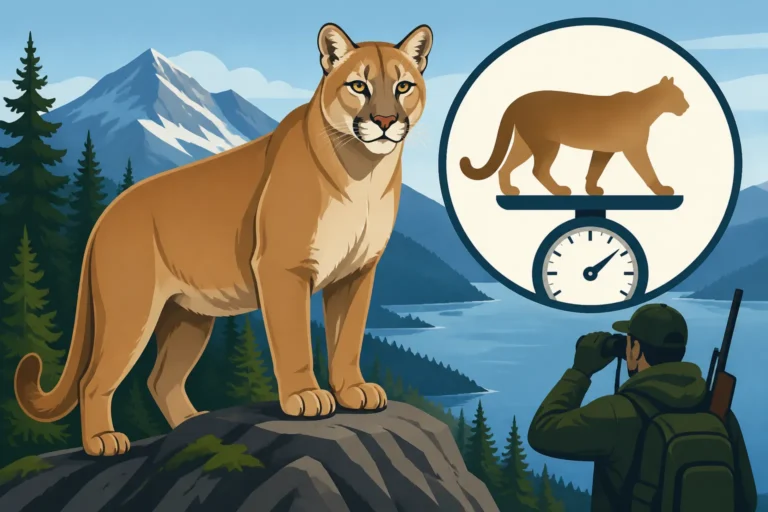
British Columbia's coast is home to a healthy population of both black bears and cougars, and encountering either is a distinct possibility. While black bears are generally not aggressive, they are powerful animals, and surprising one, especially a sow with cubs or a bear on a fresh kill, can lead to dangerous situations. Cougars are elusive but present a greater potential threat, particularly if they view humans as prey. Vigilance is key.
Always carry bear spray, know how to access it quickly, and understand how to use it effectively. Making noise as you move through dense brush can help avoid surprising a bear. When field dressing an animal, be acutely aware of your surroundings, and get meat cooled and packed out as quickly as possible to minimize attracting predators. Hanging meat in a game bag (if feasible) can offer some protection. For comprehensive safety measures, refer to guides like Bear Safety While Hunting in British Columbia. The presence of these predators adds another layer of wildness and respect to the coastal hunting experience.
Regulations and Management Insights
Navigating the regulations for hunting black-tailed deer in British Columbia can sometimes feel like a hunt in itself. However, understanding these rules is not just about compliance; it's about responsible hunting and contributing to the health of the deer population.
Understanding British Columbia Blacktail Seasons
Black-tailed deer seasons on the British Columbia coast vary significantly by Management Unit (MU) and region. Generally, archery seasons open earlier, often in early September, providing a quieter, more intimate hunting experience. Rifle seasons typically open in October and can run well into December, particularly on Vancouver Island and other coastal areas where the rut occurs later. It's crucial to consult the current British Columbia Hunting and Trapping Synopsis (the 'regs') for the specific MU you intend to hunt. This annual publication is your Bible for season dates, bag limits, and antler restrictions.
Many regions have General Open Seasons (GOS), meaning you can hunt with a general deer tag. However, some areas or specific timeframes might be under Limited Entry Hunting (LEH) draws, requiring you to apply and be drawn for a specific tag. Furthermore, antler restrictions, such as British Columbia's Four-Point Antler Restriction, are common for mule deer and can sometimes apply to blacktail in certain zones to protect younger bucks and promote healthy herd demographics. Always double-check the rules for your intended hunting area to ensure you're compliant.
Licence, Tags, and Compulsory Reporting
Before you even step foot in the bush, you need the correct documentation. All hunters in British Columbia require a basic hunting licence. For residents, this is the British Columbia Resident Hunting Licence Cost, which can be purchased online through the Wild Safe BC system, or from authorized vendors. In addition to the base licence, you'll need a specific species tag for deer. Once you harvest a blacktail, you must immediately attach your tag to the animal and complete the relevant portions of the tag.
British Columbia also has compulsory reporting rules for big game. This means that after harvesting a deer, you are legally required to report your harvest within 30 days. This reporting is typically done online through the Wild Safe BC system using your FWID (Fish and Wildlife ID). This data is incredibly important for wildlife managers to track harvest rates, monitor population trends, and make informed decisions about future seasons. Failing to report a harvest can result in fines and penalties, so don't skip this critical step.
Conservation and Sustainable Hunting
Hunters play a crucial role in wildlife conservation in British Columbia. A significant portion of hunting licence and tag fees goes directly towards conservation initiatives, habitat restoration, and wildlife management programs. This funding supports the very populations we pursue. Sustainable hunting practices are at the core of these efforts. Bag limits and season restrictions are not arbitrary; they are carefully crafted by biologists and wildlife managers to ensure healthy, viable deer populations for future generations.
The blacktail deer population on British Columbia's coast faces ongoing challenges, including habitat loss due to development, the impacts of industrial logging practices (both positive and negative), and predation pressure. Understanding these broader conservation issues connects individual hunting efforts to the larger ecological picture. By adhering to regulations, practicing ethical hunting, and advocating for habitat protection, hunters contribute significantly to the long-term health of coastal blacktail deer and their incredible rainforest home.
Field Care and Packing Out
Harvesting a black-tailed deer on British Columbia's coast is only half the battle. The real work, and often the most challenging part, begins when you need to field dress the animal and pack it out of the often-remote, wet, and rugged terrain. Proper field care is paramount to ensure you don't waste any precious meat.
Field Dressing in Wet Conditions
Field dressing a deer in the persistent coastal rain can be a messy affair, but it's crucial to do it promptly and efficiently to ensure the meat cools down quickly and remains clean. Get the animal gutted as soon as possible after the kill. This removes internal heat and helps prevent bacterial growth. Work quickly and deliberately, minimizing the amount of dirt, leaves, and other debris that comes into contact with the meat. Many hunters carry a small, lightweight tarp or a dedicated ground cloth to lay the deer on, keeping it out of the mud and wet leaves during the process.
Once gutted, opening the body cavity as wide as possible allows for maximum airflow. In damp conditions, air circulation is your friend. If you're quartering the animal for packing, separate the quarters, backstraps, and tenderloins, placing them into clean, breathable game bags immediately. Avoid plastic bags, which trap heat and moisture, promoting bacterial growth. For more detailed techniques, refer to guides on Field Dressing in British Columbia's Wet Weather. The goal is to get the meat cooled and protected from the elements and insects as quickly as possible.
Transporting Meat from Remote Areas
Getting a blacktail out of British Columbia's steep, wet country can be a monumental task. The dense brush, slick footing, and steep inclines can make every step a challenge, especially with a heavy load. A high-quality frame pack is absolutely essential for packing out quarters. Load your pack carefully, distributing weight evenly and securing it tightly to prevent shifting. Many hunters will debone the meat to reduce weight, making it easier to carry, though this requires more time and skill in the field.
Depending on your hunting location, you might be facing a long, arduous hike back to your vehicle, or if hunting a coastal inlet, perhaps a boat ride. Be realistic about the weight you can comfortably carry over the terrain. If hunting with a partner, plan to share the load. Consider a multiple-trip approach if the animal is large and the terrain particularly difficult. Sometimes, especially when Packing Out of British Columbia's Steep Country, a good old-fashioned sled can be a surprisingly effective tool on short, downhill drags, even on relatively snow-free ground, as the dense undergrowth can provide enough lubrication.
Trophy Care in the Field
If you've harvested a buck and plan to get it mounted, proper field care of the cape and antlers is just as important as caring for the meat. Once the deer is field dressed, skinning the cape for a shoulder mount requires careful cuts to ensure you have enough hide for the taxidermist. Make sure to leave plenty of extra hide to allow the taxidermist flexibility. Keep the cape clean and free of blood and debris.
Cooling the cape rapidly is also crucial, especially in warmer early season hunts. Once skinned, roll it up flesh-side out and place it in a breathable game bag or mesh bag. Hang it in a cool, shaded, airy spot if possible. If you can't get it to a freezer or taxidermist within a day or two, skinning the hide completely off the skull and salting it (using non-iodized salt) is the best way to preserve it. For antlers, simply keep them clean and protect them from damage during transport. Never drag a deer by its antlers, as this can easily damage them or the skull plate.
Maximizing Your Coastal Blacktail Experience
Beyond the mechanics of the hunt, truly appreciating and maximizing your coastal blacktail experience involves a deeper engagement with the environment and a particular mindset. It's about finding satisfaction in the journey, not just the destination.
The Value of Scouting and Local Knowledge
Success in coastal blacktail hunting is rarely a stroke of luck; it's the culmination of dedicated effort, much of which happens before the season even opens. Pre-season scouting is invaluable. Spend time in your chosen Management Unit during the summer months, looking for deer sign – tracks, browse, rubs, and bedding areas. Pay attention to how the deer use different types of habitat: where they feed, where they bed, and their travel corridors. Observe how recent logging has altered the landscape, creating new opportunities or challenges.
Talking to locals, whether it's loggers, trappers, or other experienced hunters, can provide invaluable insights into micro-habitats and seasonal deer movements. They often possess a deep, intimate knowledge of the area that cannot be gleaned from maps alone. Utilize modern tools like the GoHunt app to study satellite imagery, identify potential clearcuts, old roads, and elevation changes. Cross-reference this with the official BC regulations maps. This combination of boots-on-the-ground scouting and technological assistance is incredibly powerful. Understanding Scouting a British Columbia Management Unit Online can give you a significant edge.
Patience, Persistence, and Adaptability
Hunting coastal blacktail deer demands an extraordinary amount of patience and persistence. You will walk miles through dense, wet cover, often seeing nothing but trees and rain. There will be frustrating moments where you hear a deer crashing away just out of sight, or when the weather turns so foul you question why you're even out there. This is where mental fortitude comes in. The mental game of staying focused, moving slowly, and believing that a deer is just around the next bend is critical.
Adaptability is another key trait. Coastal weather can change on a dime, forcing you to alter your plans. Be prepared to shift your strategy from still-hunting to stand hunting, or to focus on different types of terrain depending on the conditions. If the fog rolls in thick, perhaps focus on a smaller, more familiar area. If the rain lets up, capitalize on the renewed deer activity. The best coastal blacktail hunters aren't rigid; they flow with the environment, constantly adjusting to what the land and weather present.
Reflecting on the Hunt
Ultimately, hunting black-tailed deer on British Columbia's coast is about more than just filling a tag. It's about connecting with one of the most wild and beautiful environments on the planet. It's about the challenge of pursuing a truly elusive animal in its natural habitat. The solitude of the rainforest, the roar of the Pacific, the moss-draped trees – these elements combine to create an experience unlike any other.
Take time to reflect on the entirety of the hunt, not just the moments of success or failure. Appreciate the physical and mental demands, the lessons learned, and the sheer beauty of the landscape. Share your stories and experiences with hunting companions, fostering a deeper bond. Whether you come home with a buck or not, the experience of being immersed in the wildness of British Columbia's coast, pursuing its iconic blacktail deer, is a profound reward in itself.
Disclaimer
Please remember that hunting regulations in British Columbia can change. Always consult the most current British Columbia Hunting and Trapping Synopsis and any in-season regulation changes before heading out. This guide is for informational purposes only and does not supersede official regulations. It is your responsibility to know and follow all applicable laws.