Why Vancouver Island Has So Many Cougars
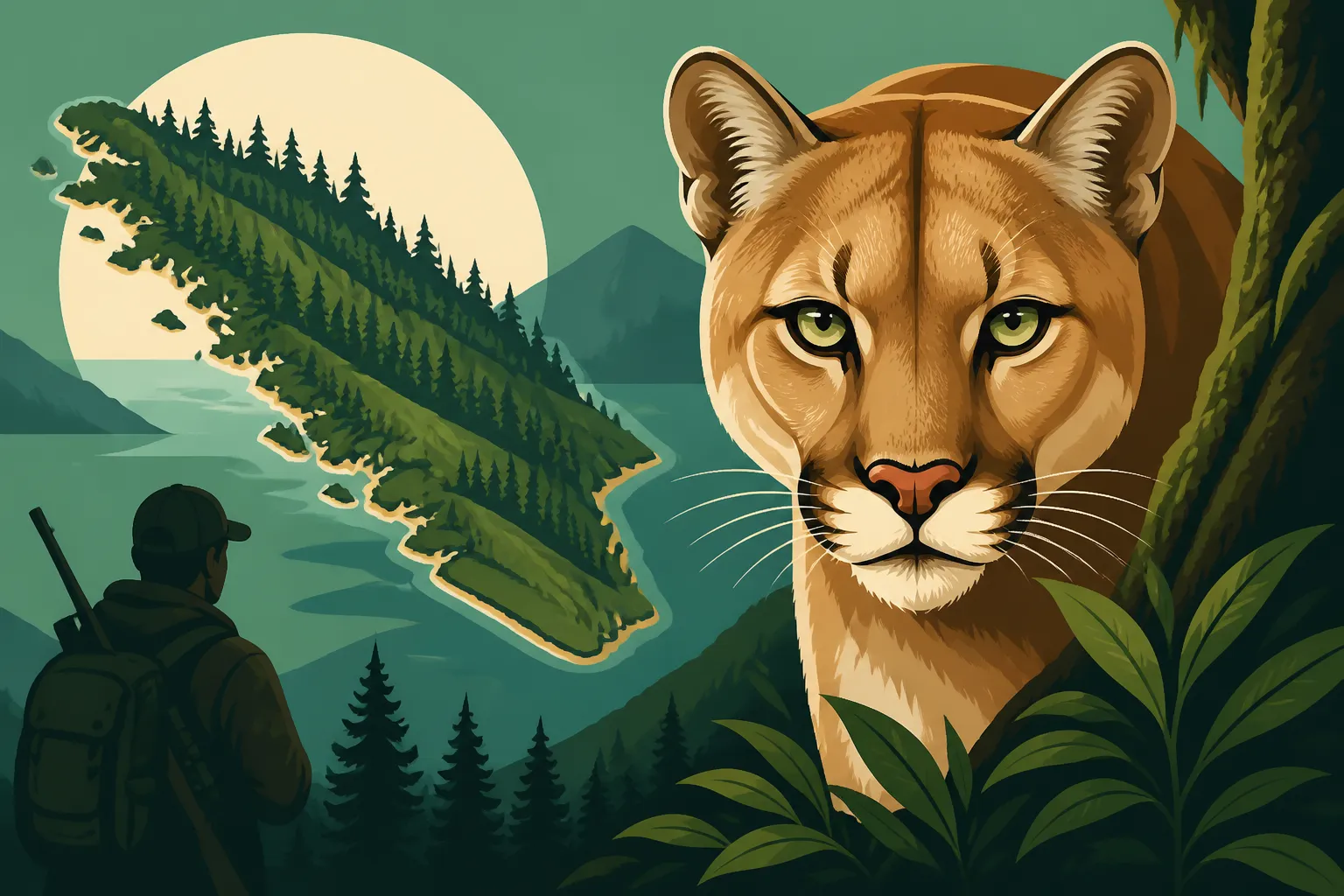
It's a question many hunters and outdoor enthusiasts ponder: why does Vancouver Island seem to have such a robust cougar population? For anyone who spends time in the island's dense forests, the presence of these elusive predators is almost a given, and the stories of encounters, or even just fresh tracks, are common. This guide will delve into the unique ecological factors that make Vancouver Island a prime habitat for cougars, exploring everything from their preferred prey to the very geography of the island itself, offering insights for those who want to understand these magnificent animals better.
The Island's Abundant Prey Base: A Cougar's Feast
One of the most significant reasons for the thriving cougar population on Vancouver Island boils down to a simple truth: food. Cougars are apex predators, and like all predators, their numbers are directly linked to the availability of prey. On Vancouver Island, the primary item on the cougar menu is the abundant black-tailed deer.
A Bounty of Black-Tailed Deer
Vancouver Island boasts one of the densest populations of black-tailed deer anywhere. These deer, often smaller and more elusive than their mainland mule deer cousins, thrive in the island's varied terrain, from dense old-growth forests to regenerating clearcuts. A single cougar needs a consistent food source, and the sheer number of blacktail deer provides just that. Imagine a landscape where deer are constantly moving, browsing, and creating scent trails – it's a perfect hunting ground. The island's mild winters, compared to much of British Columbia's interior, also mean deer generally experience lower mortality rates from harsh weather, ensuring a stable population year-round. This continuous supply of protein allows cougars to maintain territories and successfully raise their young. Hunters planning their trips often consult resources like GoHunt to understand seasonal deer movements and population trends, which inadvertently gives them a sense of the prey available to cougars. Understanding the habits of British Columbia's Vancouver Island Blacktail Herd is key to appreciating the cougar's success.
Other Vital Prey Species
While black-tailed deer form the cornerstone of the cougar's diet, they aren't the only meal ticket. Vancouver Island's diverse ecosystems offer a range of other prey that supplement the cougar's diet, especially for younger or less experienced hunters, or during times of fluctuating deer numbers. Raccoons, elk, various bird species, and even smaller mammals like rabbits and hares can become targets. Furthermore, the island is home to healthy populations of Roosevelt elk, particularly in the northern and central regions. While an adult elk is a formidable animal, a cougar will readily take down a calf or a weaker, older animal if the opportunity arises. This diversity in prey ensures that even if one population dips, cougars have other options to sustain themselves, further contributing to their overall resilience on the island. This adaptability in diet is a hallmark of successful predators and is clearly evident in Vancouver Island's cougars.
Ideal Habitat and Geographic Isolation
Beyond the prey, Vancouver Island offers a nearly perfect blend of habitat conditions and geographic isolation that further supports a high cougar density. The island's rugged topography, vast tracts of forest, and natural barriers create an environment where these secretive cats can thrive.
Dense Forests and Rugged Terrain
Vancouver Island is synonymous with dense, often impenetrable, forests. These expansive woodlands, characterized by towering conifers, thick underbrush, and countless drainage systems, provide cougars with exactly what they need: cover. Cougars are ambush predators, relying on stealth and surprise. The island's forests offer endless opportunities for stalking prey unnoticed, as well as ample bedding areas to rest and raise cubs. The rugged mountains and deep valleys further fragment the landscape, creating natural corridors and isolated pockets where cougars can establish territories with minimal human disturbance. This natural labyrinth makes them incredibly difficult to detect, even for experienced hunters. When you're Hunting Vancouver Island Blacktail in Second Growth, you're often in prime cougar country, even if you don't see one. Knowing how to read the landscape for signs of these powerful cats is an important part of Emergency Planning in British Columbia's Backcountry.
Lack of Major Competitors
One of the less obvious but crucial factors is the relative lack of large, competing predators on Vancouver Island. While mainland British Columbia is home to a full suite of large carnivores, including grizzly bears and wolves, Vancouver Island's predator guild is much simpler. Grizzlies are absent, and while wolves are present, their populations are generally lower and less widespread than in many mainland areas. This means cougars face less direct competition for their primary prey source – the black-tailed deer. Without the constant pressure from other large predators, cougars can hunt more efficiently, expand their territories, and suffer less from inter-species conflicts. This ecological niche, largely devoid of direct competitors, allows the cougar population to reach higher densities than might be possible in a more complex mainland ecosystem.
Geographic Isolation and Population Stability
Vancouver Island's status as an island cannot be overstated in its impact on the cougar population. The surrounding ocean acts as a significant barrier, limiting both emigration and immigration. This isolation means that the cougar population on the island is relatively self-contained, leading to a stable genetic pool adapted to island life. While some cougars might occasionally swim across narrow channels, significant movement between the island and the mainland is rare. This isolation protects the population from external pressures such as disease outbreaks or genetic dilution from mainland populations, allowing it to maintain a consistent density over time. It also means that cougar populations, once established and healthy, tend to stay that way, as there's less "leakage" of individuals to other areas. Using tools like GoHunt can help track reported cougar sightings or activity in specific areas, giving hunters a better sense of where these territorial animals are concentrated.
Human Interaction and Management
While the natural factors are paramount, human presence and wildlife management efforts also play a role in shaping the cougar population dynamics on Vancouver Island. Understanding this interaction is key to coexisting with these formidable animals.
Adaptive Management and Research
British Columbia's wildlife management agencies, supported by various research initiatives, continuously monitor cougar populations across the province, with specific attention paid to areas like Vancouver Island. This involves tracking harvest rates, studying population genetics, and assessing prey availability. The goal is to ensure sustainable populations while managing human-wildlife conflict. For instance, British Columbia Cougar Season Dates are carefully set, and bag limits are implemented to prevent over-harvesting, which could destabilize the population. This adaptive management approach helps maintain a healthy balance, allowing cougar numbers to remain robust without becoming problematic for human communities or other wildlife. Organizations often collaborate, pooling data to get a comprehensive picture of British Columbia's Cougar Population trends.
The Role of Hunter Harvest
Regulated hunting seasons for cougars serve as a management tool, primarily to manage population growth and reduce conflicts with humans and livestock. While cougar hunting is challenging and typically has lower success rates than deer or bear hunting, it plays a role in overall population management. Unlike some species, cougar harvest often targets older, more dominant males that might otherwise push younger, less experienced cougars into areas of higher human activity. This selective removal can help disperse younger animals into more remote territories, potentially reducing localized conflicts. Responsible hunters are a vital part of this management strategy, contributing data through compulsory reporting and adhering to regulations. GoHunt is a valuable platform for hunters to access current regulations and information on British Columbia Big Game Season Dates.
| Factor | Impact on Vancouver Island Cougars | Comparison to Mainland BC (General) |
|---|---|---|
| Prey Abundance | Very high black-tailed deer density, stable. | Variable deer density, more diverse prey competition. |
| Habitat (Cover) | Extensive dense forests, rugged terrain. | Similar dense forests, but also open ranges. |
| Major Competitors | Limited (wolves present, but no grizzlies). | High (grizzlies, wolves, other cougars). |
| Geographic Isolation | Self-contained population, stable. | Open population, more movement and genetic exchange. |
| Human Population Density | Concentrated in coastal fringes, large wild areas. | More widespread human settlement and infrastructure. |
| Climate | Mild winters, consistent prey access. | Harsh winters, can impact prey and cougar survival. |
Coexisting with Vancouver Island's Cougars
Living or hunting on Vancouver Island means sharing the landscape with these powerful and elusive cats. Understanding their behaviour and respecting their presence is paramount for both human safety and cougar conservation.
Understanding Cougar Behaviour
Cougars are incredibly intelligent and adaptable animals, but they are also naturally wary of humans. Most cougar encounters are fleeting, with the cougar disappearing before you even realize it was there. However, it's essential to understand that cougars are predators, and they view their environment through that lens. They are most active at dawn, dusk, and throughout the night. Recognizing cougar sign – tracks, scat, or cached kills – can provide valuable information about their presence in an area. Being aware of your surroundings, especially when moving through dense cover or at low light, is a crucial step for personal safety. Hikers, campers, and hunters should always be prepared, and resources like GoHunt can sometimes offer localized reports or advisories to help you stay informed. Learning about Bear Safety While Hunting in British Columbia also applies to cougars; similar vigilance is key.
Safety Protocols and Prevention
While cougar attacks are rare, they do happen, and it's vital to know how to minimize risk and react appropriately. Never travel alone in cougar country, especially with small children or pets. Keep pets on a leash and children close by. Make noise while hiking to avoid surprising a cougar. If you do encounter a cougar, make yourself look as large as possible, make eye contact, and speak in a firm, loud voice. Never run, as this can trigger a chase response. If a cougar shows aggression, fight back with everything you have. Carrying bear spray, and knowing how to use it, is also a sensible precaution. Education through programs like British Columbia Hunter Education and CORE emphasizes these safety measures, reinforcing the importance of being prepared for any wildlife encounter in the backcountry. Always remember, you are in their home, and respecting that is the first step to a safe experience.
Disclaimer
This article is for general informational purposes only and does not constitute professional advice. Laws, prices and regulations vary by location and change over time. Consult a qualified professional for guidance on your specific situation.