Calling a Blacktail Buck With a Fawn Bleat
Trying to coax a wary blacktail buck out of British Columbia's dense coastal forests can feel like you're playing a frustrating game of hide-and-seek where the deer always wins. Their reclusive nature, combined with their habitat of thick timber and constant rain, makes getting a shot opportunity incredibly tough. This guide is all about giving you a secret weapon: mastering the fawn bleat to bring those elusive bucks into range, transforming your hunt from a silent stalk to an active engagement.
Understanding Blacktail Behavior and the Fawn Bleat's Instinctual Appeal
Hunting blacktail in British Columbia isn't like chasing whitetail in the prairies or mule deer on open hillsides. These deer are a breed apart, adapted to some of the most challenging terrain and weather conditions, and understanding their psychology is key to unlocking success with a fawn bleat.
Why Blacktail Are So Challenging
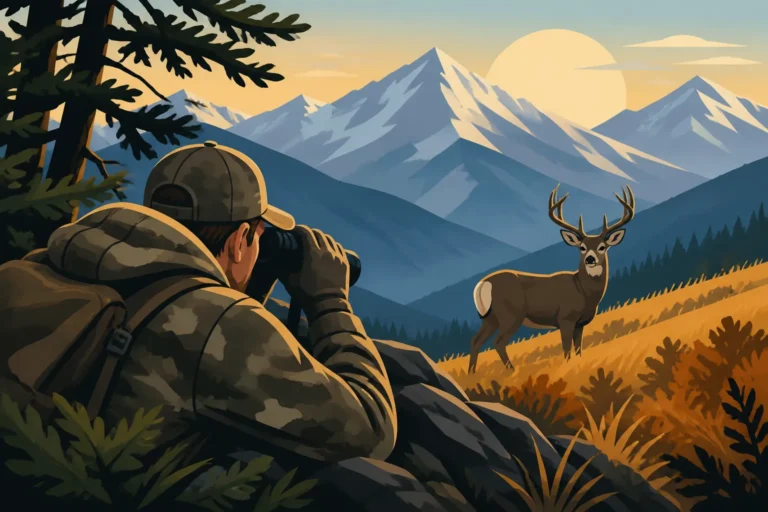
Blacktail deer thrive in the rugged, often soaking wet, landscapes of British Columbia's coast, Vancouver Island, and the interior's wetter zones. Their home is often characterized by dense second-growth timber, deep mossy old-growth forests, and thick underbrush that can swallow a deer whole even at close range. This habitat provides them with incredible cover, making visual sightings rare and often fleeting. They are masters of concealment, using every fold in the terrain, every downed log, and every clump of salal to remain undetected. Their senses are incredibly sharp – a twitch of an ear or a subtle shift in wind can send them silently slipping away before you even know they were there. Hunters often feel like they're walking through empty woods, only to later find fresh tracks, a reminder of the ghosts that inhabit these forests. It's a humbling experience that teaches patience, stealth, and a deep appreciation for their wildness.
The Instinctual Draw of a Fawn Bleat
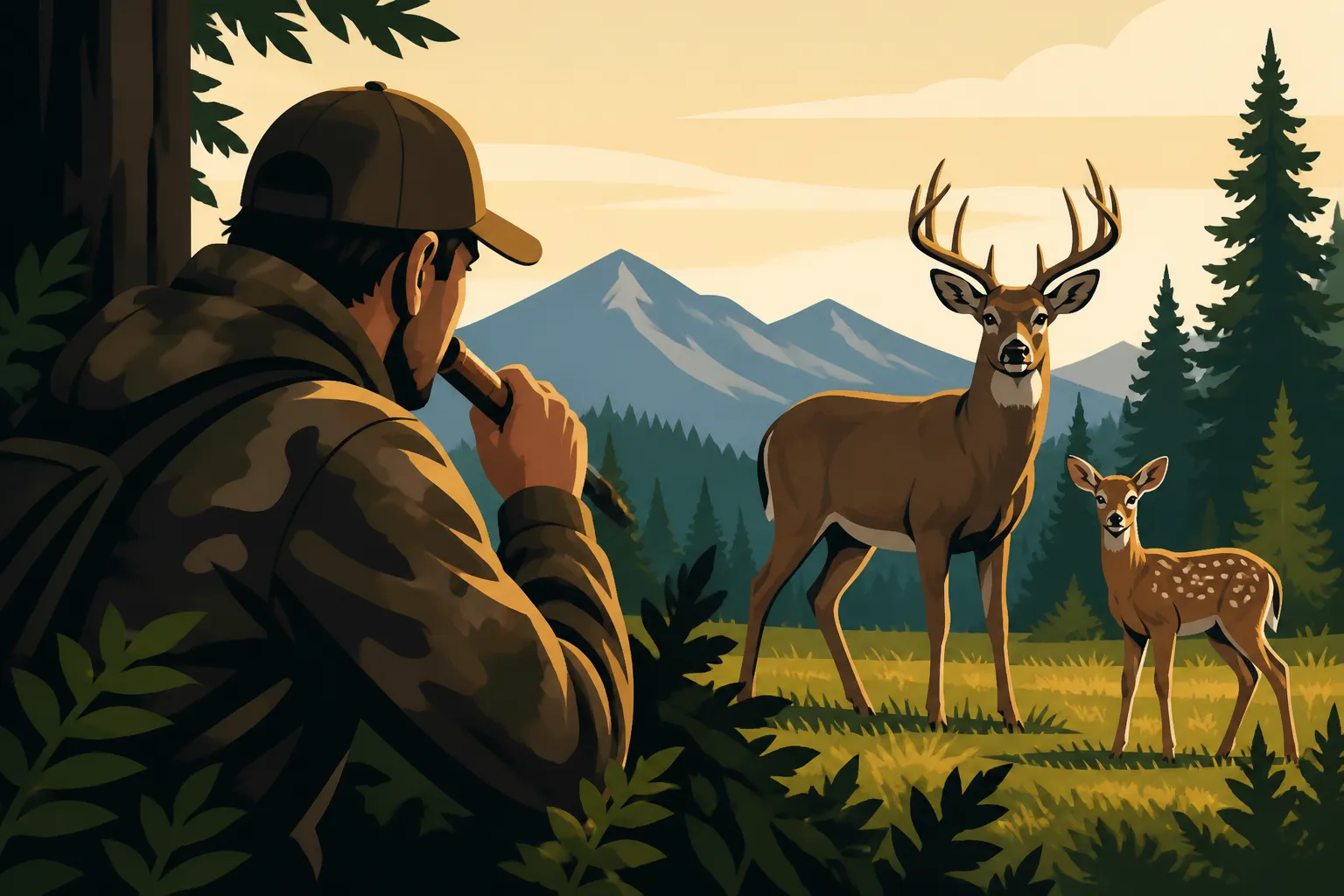
So, why would a fawn bleat, a sound often associated with a mother doe, pique the interest of a buck? It comes down to primal instincts, especially during the pre-rut and rut phases. While a fawn bleat primarily targets the protective instinct of a doe, making her curious about a lost or distressed youngster, it sends a more complex signal to a buck.
Imagine a young fawn, separated from its mother, letting out soft, desperate bleats. This sound can trigger a few different responses in a nearby buck:
- Curiosity: Bucks are naturally curious creatures, particularly when something unusual breaks the silence of the forest. A fawn bleat isn't an alarm call, so it doesn't immediately send them fleeing. Instead, it suggests something might be going on, something worth investigating, especially if a doe could be involved.
- Hope for a Doe: During the rut, bucks are constantly searching for receptive does. A fawn bleat, especially if it sounds like a lost or abandoned fawn, could indicate that its mother is nearby, potentially a doe that the buck can breed. It’s a gamble a rutting buck is often willing to take.
- Predatory Instinct (less common, but possible): In some instances, a distressed fawn could also attract the attention of predators. While less common for a buck to respond this way, an agitated buck might investigate if it perceives a threat to "its" deer population or territory, or simply be drawn by the general commotion.
The key is that the fawn bleat is a non-threatening, attention-grabbing sound. It suggests vulnerability or a potential opportunity, rather than danger. This makes it a surprisingly effective tool when you're Hunting British Columbia's Coastal Rain and visibility is limited, or when you're trying to draw a buck out of thick cover where he feels safe. The specific timing of the pre-rut and rut, usually late October through November, enhances the effectiveness of this call, as bucks are more active and less cautious in their pursuit of does. Understanding When the Blacktail Rut Peaks can significantly improve your calling success.
Mastering the Fawn Bleat Technique
Just having a call isn't enough; knowing how to use it, when to use it, and where to position yourself are critical factors that differentiate a successful caller from someone just making noise in the woods.
Choosing the Right Call
When it comes to fawn bleats, you have a few options, each with its own advantages and learning curve. The most important thing is realism.
- Can Calls: These are often the easiest to use. You simply flip the can over to produce a bleat. They're great for beginners because they reliably produce a consistent, realistic sound. Brands like Primos and Flextone make excellent ones. The downside is that they offer less control over pitch and duration, which can limit your ability to vary the call.
- Mouth Calls (Reeds): These require a bit more practice but offer far greater control. You can adjust the intensity, duration, and tone of the bleat by how you blow into the call. This allows for more realistic and varied sequences, mimicking a truly distressed or lonely fawn. However, they can be fiddly in cold, wet conditions.
- Electronic Calls: While highly realistic and versatile, electronic calls (especially for big game) fall into a grey area or are outright illegal in many hunting jurisdictions, including British Columbia, for specific species. Always check the current British Columbia's Two-Year Regulations Synopsis before considering an electronic call. For blacktail, most hunters stick to manual calls to stay within the regulations and for the pure satisfaction of calling an animal in with their own skill.
Regardless of your choice, spend time practicing before you hit the woods. Listen to recordings of actual fawn bleats if you can, and try to mimic the sound. The more natural and convincing your call, the better your chances.
The Art of the Call Sequence
Calling a blacktail buck with a fawn bleat isn't about blasting a loud call every few minutes. It's about subtlety, patience, and timing.
- Start Soft and Infrequent: When you first settle into a spot, begin with a very soft, short bleat. Wait 5-10 minutes. If nothing responds, try a slightly louder, longer bleat, perhaps two or three short ones in succession, mimicking a fawn calling for its mother. Then, go silent again for a good 10-15 minutes.
- Vary Volume and Duration: A fawn isn't a robot. Its bleats will vary. Sometimes it's a soft, inquisitive sound, other times it might be a more urgent, drawn-out cry. Don't be afraid to experiment, but avoid excessive volume unless you're confident the deer are far away or you're in incredibly thick cover.
- Timing is Everything: The best times to call are usually early morning and late evening, when deer are most active. After a light rain can also be excellent, as the wet ground muffles your sounds, and the deer might be moving to feed after a downpour. Consider a soft bleat every 20-30 minutes, especially if you're committed to a single location.
- The "Silent Period": Crucially, after each calling sequence, remain absolutely silent and motionless. Blacktail can approach incredibly stealthily. They might circle downwind, or they might just materialize silently in the brush. Your eyes and ears need to be working overtime. If you are Still-Hunting Second Growth for Blacktail, this silence is paramount.
Remember, the goal isn't to make the deer run to you, but to make them curious enough to move in your direction, or to pause long enough for you to spot them.
Situational Awareness and Setup
Your position when calling is just as important as the call itself.
- Location, Location, Location: Look for spots that offer good visibility into open areas or natural travel corridors, while still providing you with cover. Edges of clearcuts, logging roads, old growth edges, or natural breaks in the timber are prime locations. Blacktail often use these edges for travel and feeding. Using a tool like GoHunt can help you identify these specific terrain features, mapping out potential ambushes or calling stands before you even leave home.
- Wind Direction is Critical: Always, always hunt with the wind in your face or quartering. Blacktail will almost invariably try to circle downwind to scent-check whatever is making noise. If your scent is blowing towards them, they'll bust you every time. This is non-negotiable. Even a slight breeze can carry your scent further than you'd think in damp coastal air.
- Be Ready to Shoot: When you call, assume a deer will respond quickly. Have your rifle or bow ready, safely pointed in a likely direction of approach. Often, the deer will appear suddenly, offer only a small window of opportunity, and then vanish. You don't want to be fumbling with your gear when that moment arrives. Patience at the stand is a virtue, but preparedness for the shot is essential.
Think of it as setting a stage. You want to be hidden, have a clear shot lane, and understand the most likely approach angles based on the wind. This mindful approach significantly increases your chances when calling blacktail.
Common Mistakes and Advanced Tips for Success
Even seasoned hunters can make mistakes when trying a new calling technique. Avoiding these pitfalls and incorporating advanced strategies can turn a good hunt into a great one.
Avoiding Rookie Errors
The difference between a successful call and a spooked deer often comes down to avoiding a few common missteps:
- Calling Too Much or Too Loudly: This is probably the most common mistake. Over-calling sounds unnatural and can make deer suspicious. A fawn bleat should be somewhat subtle, not a blaring trumpet. Start quiet, and only increase volume if you're not getting a response after several sequences. Remember, you're trying to sound like a lost fawn, not a panic-stricken alarm.
- Giving Up Too Soon: Blacktail are notoriously cautious. They might hear your call and take 15-20 minutes, or even longer, to work their way in. They might circle, stop, listen, and then move again. If you only call for five minutes and then move, you could be leaving a deer that was actively coming your way. Commit to at least 30-45 minutes in a good calling location. Patience is truly a virtue here.
- Ignoring the Wind: As mentioned earlier, wind is king. A perfect call will be ruined if a buck winds you. Always try to set up so your scent cone is blowing away from where you expect deer to approach. If the wind shifts unfavorably, it's often best to reposition or move to a new spot.
- Not Being Ready: When you make a call, assume a deer is coming in immediately. Your weapon should be in a ready position, allowing for minimal movement to take a shot. If you're fumbling with your rifle or bow, the deer will likely spot you and disappear. Many blacktail encounters are quick, fleeting moments.
| Common Calling Mistakes | How to Avoid Them |
|---|---|
| Calling too frequently/loudly | Use soft, infrequent bleats; vary sequence. |
| Lack of patience | Stay in position for 30-45 mins minimum. |
| Ignoring wind direction | Always hunt into the wind; reposition if needed. |
| Not being prepared for shot | Keep weapon ready; minimize movement. |
| Visible movement | Remain still and concealed after each call. |
Combining the Fawn Bleat with Other Tactics
While effective on its own, the fawn bleat can be even more potent when integrated into a broader hunting strategy.
- Still-Hunting: Imagine you're Still-Hunting Second Growth for Blacktail, slowly moving through the timber. Every 50-100 yards, stop, scan, and then let out a very soft fawn bleat. This can sometimes cause a bedded buck to stand up, offering a shot, or make a moving buck pause. The key is to blend the call seamlessly into your natural movement through the forest.
- Rattling: In some blacktail areas, particularly during the peak of the rut, light rattling can be effective. A fawn bleat can be a good follow-up to rattling. If a buck comes in for the rattling and doesn't see anything, a soft bleat can be the final trigger to draw him closer, making him think a doe might be protecting a fawn, or that a doe is present.
- Scent Control: Always combine calling with impeccable scent control. Even if you're positioned perfectly for the wind, a sudden swirl or a subtle human odor can be enough to turn a deer. Use scent-eliminating sprays, wash clothes in scent-free detergent, and pay attention to personal hygiene.
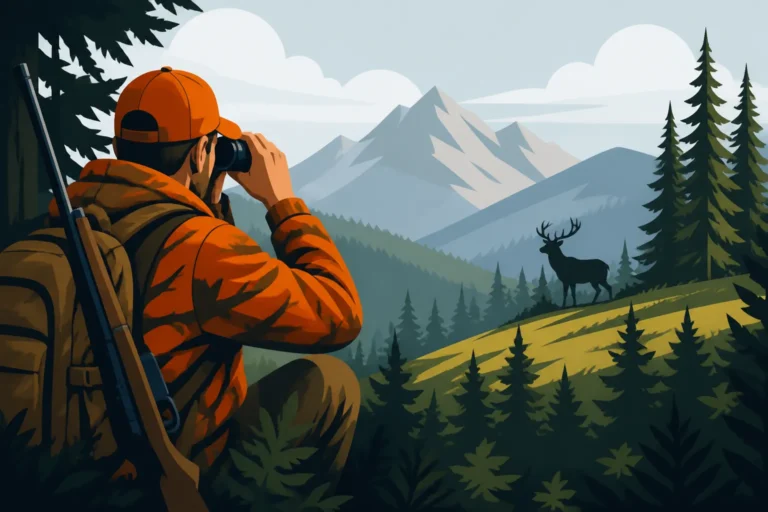
- Glassing: In more open areas, like clearcuts or old burns, a fawn bleat can be used in conjunction with glassing. After a calling sequence, systematically glass the area, especially dense edges where a deer might be trying to determine the source of the sound. GoHunt users often combine digital scouting for likely glassing spots with on-the-ground calling.
Understanding Regional Nuances
Blacktail behavior isn't uniform across British Columbia. What works in one area might be less effective in another, or require slight modifications.
- Vancouver Island Blacktail: On Vancouver Island, where the vegetation is incredibly dense and the rain is frequent, the fawn bleat can be very effective in pulling deer out of thick timber. The sound carries well in damp air, and the deer are accustomed to thick cover, so they might not be as quick to spot the source. Knowing Blacktail Numbers on Vancouver Island can give you an idea of deer density.
- Mainland Coastal Blacktail: Similar to Vancouver Island, but with even more rugged, often mountainous terrain. Here, a bleat might draw a buck down an avalanche chute or out of a steep draw.
- Interior Blacktail: In the interior parts of BC where blacktail overlap with mule deer, their behavior can sometimes blend. The fawn bleat still works, but you might also encounter mule deer responding. Understanding How Blacktail Use Second Growth throughout BC will inform your setup.
Always pay attention to local conditions, hunter pressure, and recent deer sign. If you're seeing a lot of fresh scrapes and rubs, it's a good indicator that bucks are active and more likely to respond to a call. Researching local reports and hunter forums, often found through resources like GoHunt, can provide valuable insights into current deer behavior and what calls are proving effective in specific Management Units.
Disclaimer
Hunting is an inherently risky activity. Always prioritize safety, understand and adhere to all British Columbia hunting regulations, and be aware of your surroundings. The information provided here is for educational purposes and general guidance only. Every hunting situation is unique, and success is never guaranteed.