Hunting a British Columbia Island Clearcut Edge
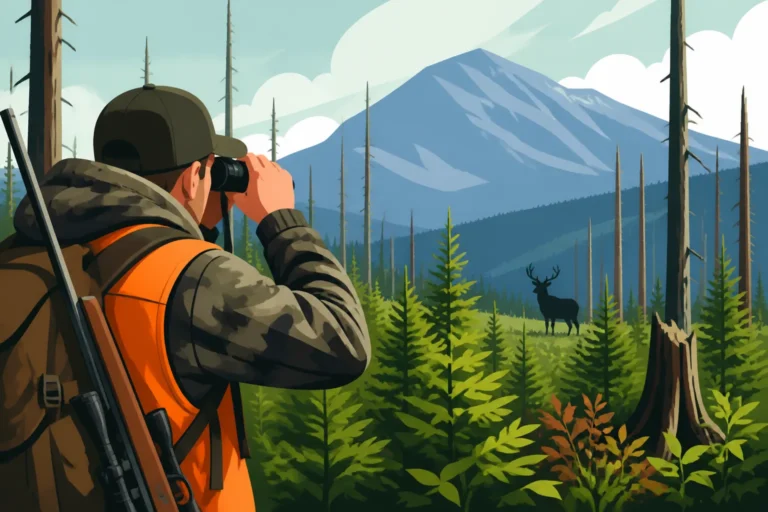
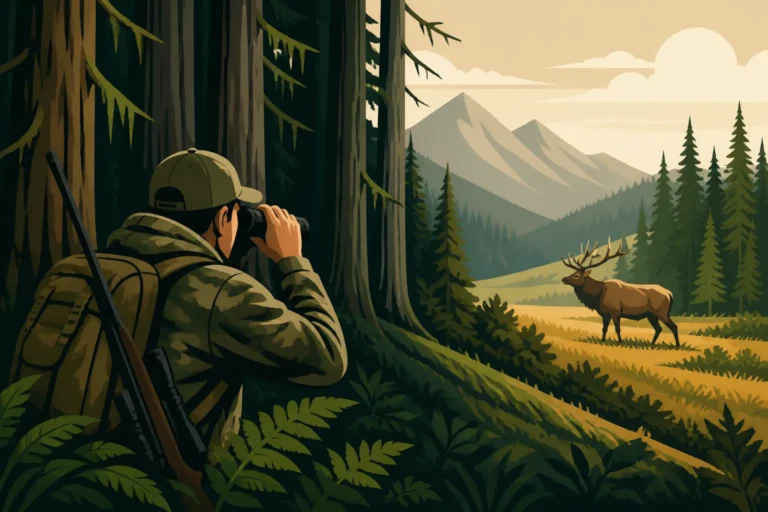
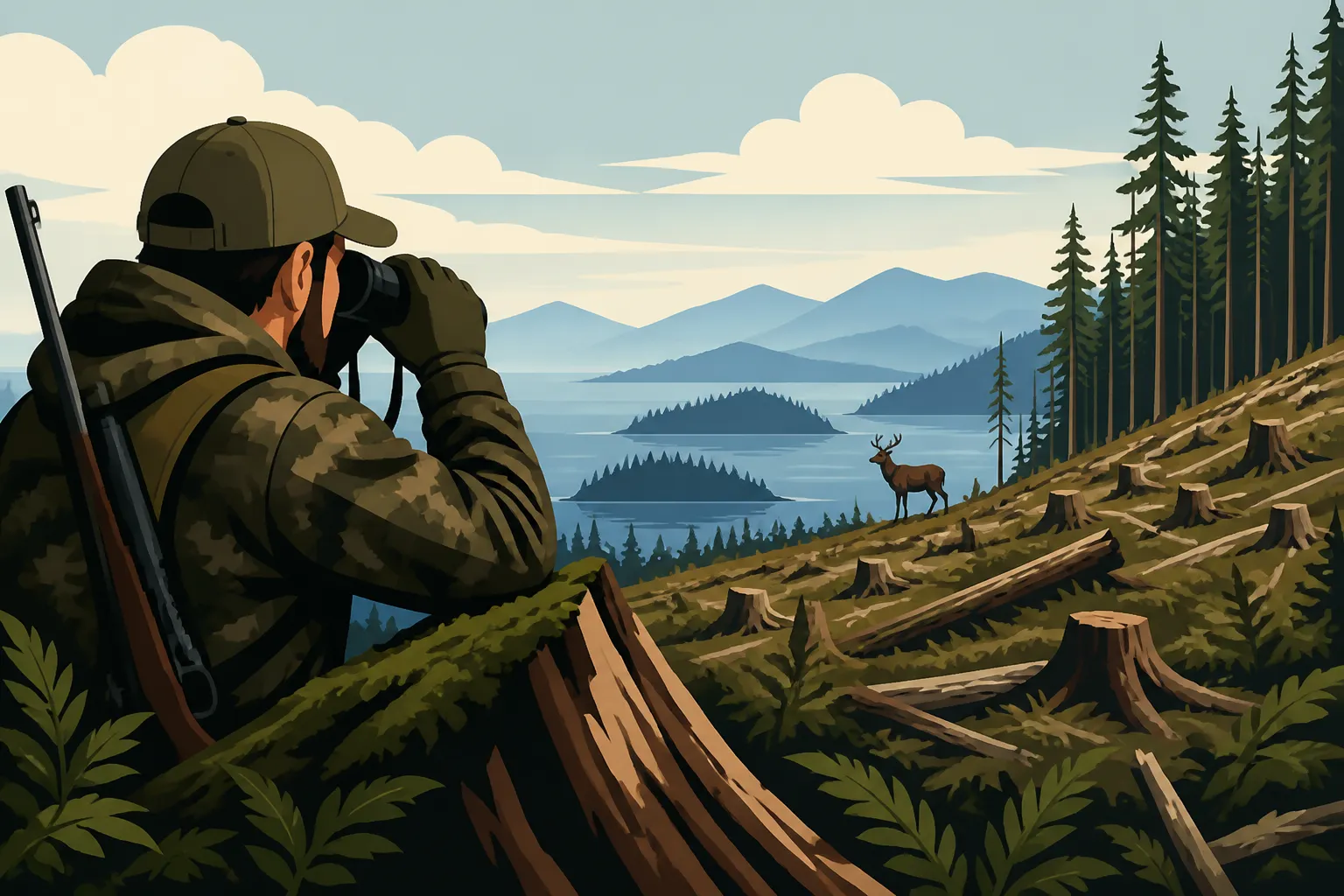
Hunting the dense, often impenetrable landscape of a British Columbia island clearcut edge can feel like searching for a needle in a haystack – especially when that needle is a wary blacktail buck. It’s a common frustration for hunters; you know the deer are there, drawn to the fresh growth and cover, but actually laying eyes on one, let alone getting a shot, is a whole different ballgame. This guide will walk you through how to transform those challenging clearcut edges into productive hunting grounds, breaking down the why, where, and how of successfully pursuing blacktail in these unique environments.
Understanding Island Clearcuts as Blacktail Habitat
When you look at a recently logged area on a British Columbia island, it might seem like a desolate wasteland. But for a blacktail deer, these clearcuts, particularly their edges and regenerating zones, are dynamic havens offering an abundance of food and security.
Why Clearcuts Attract Blacktail
Blacktail deer thrive in areas where diverse vegetation provides both sustenance and refuge. Clearcuts, especially after a few years of regrowth, become incredibly appealing. The initial logging opens up the forest canopy, allowing sunlight to flood the forest floor. This explosion of light triggers rapid growth of various plants – everything from tender forbs and grasses to berry bushes like huckleberry and salal, and young conifer saplings. These are all prime browse for blacktail. The dense tangle of regenerating brush, fallen timber, and young trees creates excellent security cover, allowing deer to feed openly yet quickly disappear into thick vegetation when threatened. They often use these edges as travel corridors between more mature timber and the open feeding areas. This transitional zone offers the best of both worlds.
The Dynamic Nature of Island Clearings
A clearcut is not a static environment; it’s constantly changing. A block logged five years ago will look dramatically different from one logged last year or twenty years ago. The best clearcuts for blacktail hunting are typically those in their early to mid-regeneration phases – often anywhere from two to fifteen years post-harvest. Younger cuts might be too barren, while older ones might be too dense and tall, shading out the undergrowth again. This dynamic nature means that what was a hotspot last year might be quiet this year, and vice versa. It emphasizes the critical need for scouting, both online and on the ground. Utilizing tools like satellite imagery, such as those found on GoHunt, can help you identify recent cuts or areas showing strong signs of regrowth before you even lace up your boots. These mapping platforms can also highlight areas managed by large timber companies like Mosaic Forest Management or Western Forest Products, who often have public access policies, though usually requiring permits. Understanding these nuances is key to knowing where to focus your efforts.
Effective Hunting Strategies for Clearcut Edges
Hunting clearcut edges demands patience, adaptability, and a keen understanding of blacktail behavior. It's a game of inches, where careful movement and strategic positioning are paramount.
Still-Hunting and Stalking the Edge
Still-hunting is a highly effective, albeit challenging, method for clearcut edges. It involves moving through the habitat incredibly slowly, pausing frequently to observe, listen, and scan. Think of it as taking one step every minute, or even five. The goal isn't to cover ground quickly, but to meticulously search every nook and cranny. Pay close attention to the wind, always trying to keep it in your face or quartering. Blacktail have an incredible sense of smell, and a misplaced gust of wind can ruin your hunt. Focus on reading the subtle signs of deer activity – fresh tracks in the soft earth, disturbed leaves, rubbed saplings, or nibbled browse. These transition zones, where the thick second growth meets the older timber, are often travel routes. As you move, use the natural terrain – humps, ridges, and dense clusters of brush – as cover to break up your silhouette. This method is explored in more detail in my guide on Still-Hunting Second Growth for Blacktail. The early morning and late evening hours are particularly productive, as deer are often moving to and from bedding areas. Imagine slowly cresting a small rise, peering through a gap in the huckleberry bushes, and catching a glimpse of a black flank just as the sun starts to dip below the horizon. That’s the magic of still-hunting.
Stand Hunting and Ambush Tactics
While still-hunting allows you to cover ground, stand hunting (or ambush hunting) lets the deer come to you. This strategy works best when you’ve identified specific pinch points, natural travel corridors, or heavily used crossings within or along the clearcut edge. Look for saddles between ridges, narrow strips of timber connecting two larger clearcuts, or trails leading to water sources. These are prime locations for an ambush. Setting up a portable treestand or building a natural ground blind from downed timber and brush can provide a distinct advantage. Wind direction is, again, absolutely critical. Always ensure your scent is not blowing into the area you expect deer to approach from. You’ll want to be in position well before first light, or stay until the last legal minutes of shooting light. The sheer density of clearcuts often funnels deer movement, making these choke points highly productive. A well-chosen stand overlooking a fresh cut block where deer enter to browse can be incredibly effective, especially if you're targeting British Columbia's Coastal Blacktail.
Calling Blacktail in Clearcuts
Calling can be a potent tool when hunting clearcut edges, particularly during the rut or in areas with high deer density. Blacktail deer are generally responsive to various calls, including fawn bleats, doe bleats, and soft grunts. A fawn bleat can often pique the curiosity of a doe, which might then bring a buck along. Doe bleats can also attract bucks looking for receptive females. Grunts, especially during the rut, can challenge a dominant buck or attract a subordinate one.
The key to calling in clearcuts is subtlety and patience. Don't overcall. Start with soft, infrequent bleats, waiting several minutes between sequences. Position yourself where you have good visibility into the brush, ideally with a thick backdrop to conceal your movement, and always be ready for a deer to appear suddenly and silently. Calling can be particularly effective when you suspect a buck is bedded nearby but unwilling to move. A well-placed series of calls might just coax him into revealing himself. My guide on Calling a Blacktail Buck With a Fawn Bleat delves deeper into specific techniques. Remember, the dense cover means deer will likely approach slowly, trying to pinpoint the source of the sound, making careful observation crucial.
Navigating the Challenges of Island Clearcuts
Hunting clearcut edges is not without its difficulties. The very characteristics that make them attractive to blacktail also present significant challenges for the hunter.
Dense Vegetation and Visibility
This is perhaps the biggest hurdle. While blacktail love the thick cover, it makes spotting them incredibly tough. You might hear rustling, catch a fleeting glimpse of movement, or smell a buck, but actually getting a clear shot through a dense tangle of salal, huckleberry, and regenerating conifers is another matter. Visibility often extends only a few yards, even with good optics. This means you need to slow down even further, meticulously scanning every small opening, every shadowed patch, and every break in the vegetation. It's often about picking out a part of a deer – an ear, a patch of hide, a glint of antler – rather than seeing the whole animal. Good quality binoculars are essential for glassing any slightly more open patches, but sometimes the best tools are your naked eyes and acute hearing. Be prepared to move through thick brush, which will test your patience and your gear. Being prepared for the unique challenges of Hunting Blacktail in British Columbia's Coastal Rain will certainly aid you here.
Access and Road Networks
Many of British Columbia's island clearcuts, particularly on Vancouver Island, are on private forest land, owned by timber companies. While many of these companies permit public access for recreational activities like hunting, they often do so with specific regulations. This can include requiring online permits, closing roads seasonally or during active logging, or gating access points completely. It's absolutely crucial to research current access rules before heading out. Websites for companies like TimberWest (now Mosaic Forest Management) or other land managers often provide updated information on road status and permit requirements. Failure to secure a permit or adhering to closures can lead to fines or loss of access. GoHunt's mapping features can sometimes overlay land ownership, giving you a valuable head start on identifying private vs. Crown land. For a deeper dive into this, check out Getting Onto Private Forest Land in British Columbia. Don't assume an old logging road is open; always check beforehand.
Weather and Terrain Specifics
British Columbia's islands, particularly the coast, are renowned for their rugged terrain and unpredictable weather. Clearcuts often feature steep, unstable slopes, littered with logging slash, stumps, and hidden holes. Combine this with the frequent coastal rain and fog, and you've got a recipe for slippery, challenging travel. Good waterproof boots with excellent ankle support are non-negotiable. Rain gear, even on a seemingly clear day, is a must-have, as conditions can change rapidly. The coastal rain can also make tracking difficult, washing away sign quickly, but conversely, wet ground can sometimes make Reading Blacktail Sign in Wet Ground easier to spot fresh tracks before the rain intensifies. Always be prepared for a long, wet, and physically demanding day, even if you’re not covering vast distances.
Post-Harvest Considerations and Meat Care
Successfully taking down a blacktail in a clearcut is just the first step. The real work often begins after the shot, especially when you factor in the challenging environment and coastal climate.
Field Dressing in Tough Conditions
Field dressing an animal in a clearcut is rarely glamorous. You'll likely be working on uneven ground, surrounded by brush, logging slash, and potentially in the rain. Prioritize getting the animal gutted quickly and cleanly to begin the cooling process. A sharp, reliable knife is paramount. Be mindful of contaminating the meat with dirt or debris from the ground. If possible, try to position the deer on a relatively clean patch or use a tarp if you've brought one. Raising the animal slightly off the ground, even on a log, can make the process easier and cleaner. This ensures proper air circulation around the carcass, which is crucial for hygiene and cooling. For more detailed advice, read about Field Dressing in British Columbia's Wet Weather. The quicker you can get the hide off and the meat cooled, the better, especially in warmer early seasons.
Packing Out from the Clearcut
This is often where the physical toll of hunting clearcuts truly hits. Hauling a heavy load of meat, hide, and antlers through a dense, uneven, and often slippery clearcut is an arduous task. Expect to navigate over and around downed timber, through thick brush, and up and down steep grades. A sturdy frame pack is invaluable for distributing weight and protecting your back. Don't be afraid to make multiple trips, especially if you're hunting alone. Quartering the animal into smaller, manageable pieces will make the pack out significantly easier than trying to drag a whole deer. The dense vegetation and obstacles mean your progress will be slow, even for short distances. Planning your route out before you take the shot can save you a lot of headache. Understanding the strategies for Packing Out of British Columbia's Steep Country will be incredibly helpful in this scenario.
Here's a quick comparison of the primary hunting methods for blacktail in clearcuts:
| Method | Pros | Cons | Best Use Case |
|---|---|---|---|
| Still-Hunting | Highly interactive, covers ground, flexible | Physically demanding, requires immense patience | Actively searching, covering varying terrain |
| Stand Hunting | Less physically demanding, strategic, patient | Static, requires pre-scouting for prime spots | Known travel corridors, pinch points, feeding areas |
| Calling | Can draw out hidden deer, effective during rut | Requires practice, deer can hang up, may spook animals | Dense cover, deer suspected nearby, during the rut |
Whether you're exploring the challenges of Hunting a Recent Cutblock in Its Third Year or just getting started with Black-Tailed Deer Hunting in British Columbia, mastering the clearcut edge is a rewarding endeavor.
Disclaimer
Hunting is an inherently dangerous activity. Always prioritize safety, adhere to all provincial and federal hunting regulations, and ensure you have the necessary licenses and permits. Be aware of your surroundings, carry appropriate safety and first aid gear, and inform someone of your hunting plans. This guide is for informational purposes only and should not replace professional guidance or official regulations.