British Columbia’s Predators and Furbearers
For many hunters in British Columbia, the focus often zeroes in on the majestic big game – the deer, moose, and elk that define our province's rich hunting heritage. But overlooking the dynamic world of predators and furbearers would be a disservice to the full spectrum of British Columbia hunting. These species play crucial roles in our ecosystems, and pursuing them offers some of the most challenging, rewarding, and often misunderstood hunting experiences available. This comprehensive guide aims to shed light on these often-elusive animals, exploring their ecology, the unique challenges of hunting them, and the regulations that govern their pursuit in our vast wilderness.
The Elusive Canine Hunters: Wolves and Coyotes
British Columbia is home to thriving populations of canid predators, species that are both integral to ecosystem health and present unique hunting opportunities. From the iconic grey wolf to the adaptable coyote, understanding these animals is key to appreciating their role in the wild and pursuing them responsibly.
British Columbia's Wolf Packs and Their Territories
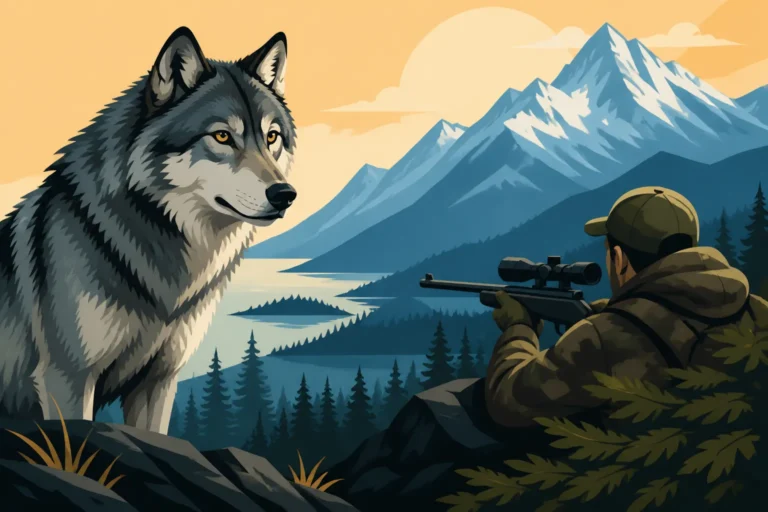
The grey wolf (Canis lupus) is a powerful symbol of wilderness, and British Columbia boasts a robust population, particularly in the northern and interior regions. These intelligent, social animals typically live in packs, ranging from a handful of individuals to over a dozen. Their territories can be vast, often hundreds of square kilometers, especially in areas with lower prey density. Wolves are apex predators, primarily preying on ungulates like moose, deer, and elk, but they are also opportunistic, taking smaller game or scavenging when necessary. Their presence is vital for maintaining healthy prey populations by culling the weak and sick, preventing overpopulation, and influencing herd movements. For a hunter, encountering a wolf in its natural habitat is a truly humbling experience, a testament to its wildness and cunning. The sheer scale of their range and their incredible senses make them one of the most challenging animals to hunt, demanding patience, stealth, and a deep understanding of their behaviour. They are constantly on the move, following their prey and maintaining their territory, which means a lot of scouting is often required to even begin to understand their patterns.
Hunting Strategies for Wolves
Hunting wolves in British Columbia is an exercise in dedication and often involves braving harsh winter conditions when their pelts are at their prime. Calling is one of the most effective methods, mimicking the sounds of their prey in distress or even attempting howls to locate packs. This requires keen listening skills and an understanding of wolf vocalizations, which can vary from lonesome howls to excited barks and growls. Patience is paramount; a setup can last hours, and a wolf might circle downwind for a sniff before committing. Another strategy, where legal and practical, is baiting, which can draw wolves into a specific area, though this often requires significant logistical effort and a well-placed blind. Tracking in fresh snow is another traditional method, demanding strong wilderness navigation skills and the ability to interpret subtle signs. Hunters might follow tracks for miles, hoping to intercept a pack or a lone wolf. Using mapping and scouting tools, such as the features offered by platforms like GoHunt, can be incredibly beneficial for understanding vast wolf territories, identifying potential travel corridors, and even locating areas with recent ungulate kills that might attract wolves. For more targeted advice, consider exploring resources on Calling Wolves in British Columbia.
Coyote Hunting Across British Columbia's Diverse Landscapes
Coyotes (Canis latrans) are the adaptable generalists of British Columbia's canine predators, found in almost every corner of the province, from agricultural lands and open grasslands to dense forests and even the fringes of urban areas. Their remarkable ability to thrive in varied environments and their opportunistic diet – consuming everything from small rodents and rabbits to carrion, fruits, and even insects – makes them a common sight and sound. Many hunters pursue coyotes for sport, for their fur, or as a form of predator control to reduce pressure on deer and other small game populations. Unlike wolves, which often require extensive backcountry travel, coyotes can often be found closer to human settlements, making them more accessible for many hunters. They are vocal animals, especially during mating season or when marking territory, and their yips, howls, and barks are a familiar sound across the province's wilder areas. Managing coyote numbers through hunting is a practical approach for farmers and ranchers experiencing livestock depredation, and for wildlife managers aiming to protect vulnerable prey species like fawns and elk calves.
The Stealthy Feline Predators: Cougars and Bobcats
British Columbia's wild cats are masters of stealth, power, and patience. These magnificent predators are a true test of a hunter's skill, requiring specialized knowledge and often specific environmental conditions to pursue successfully.
Understanding British Columbia's Cougar Population
The cougar, also known as mountain lion or puma (Puma concolor), is British Columbia's largest and most elusive feline predator. These solitary hunters are perfectly adapted to their environment, moving silently through dense cover and across rugged terrain. Their primary prey consists of deer, especially mule deer and black-tailed deer, but they will also take elk, bighorn sheep, and various smaller mammals. British Columbia boasts a healthy cougar population, with concentrations particularly noted on Vancouver Island, where dense blacktail deer populations provide ample food. The presence of cougars is a strong indicator of a healthy ecosystem, as they play a critical role in regulating ungulate numbers and preventing overgrazing. However, their secretive nature means that direct sightings are rare, making tracking and understanding their habits even more crucial for hunters. Hunters often develop a deep respect for these intelligent animals, recognizing the vital ecological niche they fill. For more details on regional populations, exploring Why Vancouver Island Has So Many Cougars can provide interesting insights.
Traditional and Modern Cougar Hunting Methods
Hunting cougars is widely considered one of the most challenging and physically demanding hunts in British Columbia, often requiring specific conditions and specialized methods. Historically and still predominantly, cougar hunting is done with the aid of well-trained hounds. These dogs track the cougar's scent, eventually treeing or baying the cat, allowing the hunter to approach. This method requires experienced dogs, dedicated handlers, and significant physical endurance to follow the dogs through rough terrain. Many non-resident hunters will hire a licensed guide outfitter for a cougar hunt, as they often have the hounds and expertise required. In areas with consistent snow cover, still-hunting or tracking can also be effective. Fresh snow reveals cougar tracks, allowing a skilled hunter to follow a cat's movements, predict its resting spots, and attempt an ambush. This demands extreme quiet, careful observation, and the ability to interpret tracks and sign accurately. Calling, using distress calls similar to those used for coyotes, can sometimes entice a cougar, though it is a less common and often less reliable method. The thrill of pursuing a cougar, whether with hounds or on foot, lies in the intense challenge and the profound connection to the wilderness. For those considering this unique hunt, researching Hunting Cougar With Hounds in British Columbia is highly recommended.
Pursuing the Elusive Bobcat
The bobcat (Lynx rufus) is a smaller, more widespread cousin of the cougar, found throughout the southern and central parts of British Columbia. These beautiful cats prefer areas with dense underbrush, rocky outcrops, and timbered regions that offer plenty of cover for hunting and denning. Their diet primarily consists of rabbits, hares, and rodents, but they will also take birds and small deer fawns. Bobcat fur, especially from prime winter pelts, is highly valued, making them a popular target for trappers and, to a lesser extent, hunters. While not as large or powerful as a cougar, bobcats are incredibly elusive and wary, making them a true trophy for any hunter. They are primarily nocturnal or crepuscular, adding to the challenge of spotting them during daylight hours. Hunting methods for bobcats often include calling with distress sounds, which can be surprisingly effective, particularly during the colder months when food is scarce. Tracking in snow is also a viable method, similar to cougars but on a smaller scale, focusing on dense thickets and brushy draws where they prefer to hunt. Incidental encounters also occur when hunters are out for other species, emphasizing the importance of being aware of your surroundings in bobcat country.
Specialized Furbearers: Lynx, Marten, and Fisher
Beyond the more commonly recognized predators, British Columbia is home to a fascinating array of specialized furbearers, each with unique adaptations to their forest habitats. Hunting and trapping these species offer distinct challenges and rewards, often requiring deep woods knowledge and specific techniques.
The Ghost of the North: Hunting and Trapping Lynx
The Canadian lynx (Lynx canadensis) is an iconic furbearer of British Columbia's boreal forests, easily recognizable by its tufted ears, large paws (acting like snowshoes), and short, bobbed tail. Lynx populations are intrinsically linked to the cycles of their primary prey, the snowshoe hare. When hare numbers boom, so do lynx; when hare populations crash, lynx numbers follow suit. This predator-prey dynamic is a classic example of ecological interdependence. Found predominantly in the northern and interior forested regions, lynx are incredibly well-camouflaged, making them exceedingly difficult to spot. Their thick, soft winter fur is highly prized, historically making them a significant target for trappers. While technically huntable in some regions, the vast majority of lynx harvest occurs through trapping. Trappers use specialized sets, often with bait, strategically placed along known travel routes or near areas of high hare density. Hunting a lynx typically involves calling, attempting to mimic a hare in distress, or tracking fresh sign after a snowfall. However, their extreme caution and preference for dense cover make successful hunting a rare feat, emphasizing why trapping remains the more common method of harvest. For a deeper understanding of this fascinating relationship, see Lynx and Snowshoe Hare Cycles.
Marten and Fisher: Forest Dwellers of British Columbia
The American marten (Martes americana) and fisher (Pekania pennanti) are two other highly valued furbearers that inhabit British Columbia's coniferous and mixed forests. Marten are smaller, agile creatures often found in mature forests, especially those with good overhead cover and plenty of deadfall, which they use for denning and hunting. They primarily prey on small rodents, squirrels, and birds, and are known for their curiosity and semi-arboreal lifestyle. Fisher are larger, more powerful members of the weasel family, often called "fisher cats" although they are not felines. They are also found in dense, unbroken forests and are renowned for their ability to hunt porcupines, a feat few other predators can accomplish. Both marten and fisher possess luxurious, durable fur that has historically been, and remains, highly sought after by trappers.
Trapping is the predominant method for harvesting both marten and fisher in British Columbia, requiring knowledge of their habitat preferences and specific trapping sets. Trappers often utilize cubby sets or box traps with bait, placed strategically in areas where marten and fisher are known to travel. The hunting seasons for these animals are usually short and specific, primarily focused on the winter months when their pelts are in prime condition. While less common, hunters might encounter marten or fisher incidentally while pursuing other game, or occasionally call them in using rodent distress calls, particularly marten who are quite curious. Their elusive nature and preference for dense forest environments mean that both species offer a significant challenge to any hunter or trapper.
Aquatic Architects and Resourceful Rodents: Beaver and Muskrat
British Columbia's waterways are alive with activity, thanks in no small part to species like the beaver and muskrat. These furbearers, while not often thought of as "predators," play vital roles in shaping wetland ecosystems and offer significant opportunities for trappers and hunters.
Managing Beaver Populations and Their Habitat Impacts
The North American beaver (Castor canadensis) is an incredible engineer, renowned for its ability to fell trees and construct dams that create vital wetland habitats. While beneficial in many ways, these activities can also cause significant issues for landowners, forestry operations, and infrastructure by flooding roads, culverts, and timber stands. This makes beaver management through hunting and trapping a crucial activity in many areas of British Columbia. Beavers are found throughout the province wherever there is suitable water, from small creeks and ponds to large rivers and lakeshores. Their rich, dark fur is highly valued, and their meat is considered a delicacy by many.
Hunting beaver is often done by still-hunting along waterways or staking out active lodges and dams, particularly during the early morning or late evening when they are most active. Rifle or shotgun are common choices, depending on the range and local regulations. Trapping, however, is the more efficient and common method of harvest, with various types of traps set underwater near lodges, dams, or feed beds. Successful beaver trapping requires a good understanding of their habits, preferred foods, and how to effectively place traps to ensure a quick, humane dispatch. The best times for trapping are typically in the fall after the water has cooled but before a solid freeze, and again in the spring as the ice breaks up. For more detailed insights into these fascinating creatures, read about Beaver and Muskrat in British Columbia.
Muskrat: Abundant Opportunities in Wetlands
Muskrats (Ondatra zibethicus) are smaller, semi-aquatic rodents that thrive in British Columbia's marshes, ponds, and slow-moving rivers, often coexisting with beavers. They are highly prolific, reproducing quickly, and form a significant part of the food chain for many predators, including raptors, mink, and coyotes. Muskrats construct dome-shaped lodges out of vegetation in shallow water or burrow into banks, and their presence is often indicated by "runs" – distinct trails they create through the water and vegetation. Their relatively abundant numbers and widespread distribution make them an accessible furbearer for new and experienced trappers alike.
Muskrats are almost exclusively harvested through trapping, using small body-grip or foothold traps set in their runs, near lodges, or in bank sets. They are a staple furbearer for many trappers due to their widespread availability and the demand for their soft fur, which is often used in trim and linings. While not typically "hunted" in the traditional sense with firearms, their accessibility and numbers provide good opportunities for learning trapping skills and contributing to the management of wetland ecosystems. Harvesting muskrats also helps control their populations, preventing overgrazing of aquatic vegetation and maintaining the health of marsh habitats.
Wolverine: The Fierce and Highly Regulated Scavenger
The wolverine stands as one of British Columbia's most enigmatic and challenging furbearers. Its reputation for ferocity and its preference for remote, rugged terrain make it a creature of legend among outdoors enthusiasts.
British Columbia's Wolverine: Status and Management
The wolverine (Gulo gulo) is a medium-sized member of the weasel family, but don't let its size fool you; it's a powerhouse known for its incredible strength, tenacity, and scavenger-like eating habits. Found primarily in British Columbia's high alpine and remote wilderness areas, wolverines have vast home ranges, often requiring pristine, undisturbed habitat. Their population densities are naturally low, making them a sensitive species to environmental changes and human disturbance. Wolverines are solitary animals, constantly on the move, searching for carrion, small game, and often preying on animals much larger than themselves. In British Columbia, wolverines are classified as a furbearer, but their harvest is strictly regulated due to their low numbers and the challenges in monitoring their populations. Hunting opportunities for wolverines are extremely limited, often restricted to specific Limited Entry Hunting (LEH) zones or highly regulated trapping seasons, usually requiring specialized permits or being part of registered traplines. This stringent management reflects their conservation status and the desire to maintain healthy, viable populations across their range. For a deeper dive into their habitat, check out Wolverine in British Columbia's Mountains.
Challenges of Hunting or Trapping Wolverine
Pursuing a wolverine, whether through hunting or trapping, is an undertaking for only the most dedicated and experienced outdoors person. As such, success rates are incredibly low. For hunters, it typically involves extensive backcountry travel into remote, high-elevation terrain, often in deep snow. Wolverines are extremely cautious and adept at avoiding humans, making stalking or calling them nearly impossible. Most hunting opportunities, if available, would be incidental or through highly specialized LEH authorizations.
Trapping is the more common method of harvest, but even this is incredibly difficult. Trappers targeting wolverines must operate in extremely remote, often challenging environments, setting traps that can withstand harsh weather and the wolverine's impressive strength. These efforts are often part of a broader trapline management strategy, where wolverines might be caught alongside other furbearers. The fur of a wolverine is incredibly durable and frost-resistant, historically making it valuable for cold-weather gear. The extreme difficulty, combined with the low population density and strict regulations, means that a wolverine remains one of British Columbia's ultimate wilderness trophies, admired more for its wild nature than for widespread harvest opportunities.
Understanding British Columbia's Predator and Furbearer Regulations
Navigating the rules and regulations for hunting and trapping predators and furbearers in British Columbia can feel like a labyrinth. It’s absolutely crucial to consult the most current British Columbia Hunting & Trapping Regulations Synopsis before heading afield, as rules can change annually and vary greatly by region and management unit.
General Open Seasons and Limited Entry Hunting for Predators
Many of British Columbia's common predators, such as coyotes and wolves, are often available under General Open Season (GOS) regulations. This means that with a valid hunting licence and appropriate species tags (if required), hunters can pursue these animals during specified dates in designated management units without needing to draw a special tag. GOS seasons for coyotes are often very long, sometimes year-round in certain areas, with generous bag limits, reflecting their abundance and management needs. Wolves also have extensive GOS periods in many regions, particularly where their populations are robust or where there's a desire to manage their impact on ungulate herds.
However, for species like cougars, and in some specific management units for wolves, access might be restricted to Limited Entry Hunting (LEH) authorizations. The LEH system is a draw-based system where hunters apply for a chance to hunt specific species in specific areas during specific time frames. This allows the province to carefully manage harvest pressure and ensure sustainable populations. For example, cougars often have a mix of GOS and LEH zones, with LEH ensuring that harvest rates remain within biological limits in more accessible or sensitive areas. Always double-check the regulations for the specific management unit you plan to hunt, and remember that tools like GoHunt can be invaluable for quickly reviewing zone-specific rules and application odds when planning your LEH strategy. Staying informed through the official synopsis is non-negotiable; for comprehensive information, delve into British Columbia's Two-Year Regulations Synopsis.
Trapping Licences and Specific Furbearer Rules
Trapping in British Columbia operates under a distinct set of regulations and requires specific licensing separate from a general hunting licence. To trap furbearers like lynx, marten, fisher, beaver, and muskrat, individuals must obtain a trapping licence, which often involves completing a recognized trapper education course. Furthermore, many areas within British Columbia are designated as registered traplines, which are exclusive to the registered trapper. This system ensures sustainable harvest, responsible management, and prevents over-trapping in any given area.
Beyond general licensing, there are detailed rules regarding the types of traps permitted, trap sizes, setting methods (e.g., land sets versus water sets), and requirements for checking traps regularly to ensure humane dispatch. Trap specifications are often designed to minimize non-target catches and ensure animal welfare. For example, certain body-grip traps are only permitted in specific circumstances or sizes. Trappers are also responsible for accurately reporting all harvested furbearers, which provides crucial data for wildlife biologists to monitor populations and adjust future quotas or regulations. The ethical treatment of trapped animals and adherence to all regulations are paramount in the trapping community. Detailed information on these rules can be found by consulting Trapping and Predator Rules in British Columbia.
Compulsory Reporting and Trophy Preservation
For certain predator and furbearer species in British Columbia, hunters and trappers are subject to compulsory reporting requirements. This means that after harvesting an animal, specific information must be submitted to the provincial government, often within a set timeframe. For example, cougars require compulsory inspection, where the skull and hide are presented to a qualified official for examination and data collection. Wolves in some regions also have compulsory reporting requirements. This mandatory reporting provides invaluable data for wildlife managers, helping them track harvest rates, monitor population health, and make informed decisions about future seasons and bag limits. Failing to report a compulsory inspection species, or reporting late, can result in significant penalties.
Beyond the regulatory aspect, proper care and preservation of your harvested animal are essential, especially for furbearers and trophy predators. For furbearers, immediate and careful skinning, fleshing, and stretching of the hide are crucial to maximize its value. A prime, well-cared-for pelt can be a source of pride and, in some cases, provide a modest return. For predators like cougars or large wolves, hunters often wish to preserve the skull or entire hide for taxidermy. This requires prompt cooling and proper preparation in the field to prevent spoilage. Learning the correct field dressing techniques and understanding the specific requirements for compulsory inspection and trophy preservation are integral parts of responsible predator and furbearer hunting. For more details on reporting obligations, see British Columbia's Compulsory Reporting Rules.
| Species | Typical Habitat | Primary Harvest Method | Season Overview (General) | Notes |
|---|---|---|---|---|
| Wolf | Northern/Interior wilderness, forests | Hunting (calling, tracking), Trapping | GOS, often long seasons | Compulsory reporting in some MUs |
| Coyote | Widespread, open areas, forest edges | Hunting (calling, incidental), Trapping | GOS, often year-round | Very adaptable |
| Cougar | Dense cover, rugged terrain, deer range | Hunting (hounds, tracking), LEH in some areas | Variable GOS/LEH | Compulsory inspection required |
| Bobcat | Brushy areas, dense cover, rocky outcrops | Trapping, Hunting (calling) | Variable GOS | Valued for fur |
| Lynx | Boreal forests, snowshoe hare habitat | Trapping | Limited, specific seasons | Pelts highly valued |
| Marten | Mature coniferous forests | Trapping | Limited, specific seasons | Requires trapping license |
| Fisher | Dense, unbroken forests | Trapping | Limited, specific seasons | Powerful, solitary |
| Beaver | Rivers, creeks, ponds, wetlands | Trapping, Hunting | GOS, often long seasons | Manages population/habitat impact |
| Muskrat | Marshes, ponds, slow-moving rivers | Trapping | GOS, often long seasons | Prolific, good for new trappers |
| Wolverine | High alpine, remote wilderness | Trapping (highly regulated), LEH (rare) | Extremely limited/regulated | Very low population density |
Ethical Hunting, Conservation, and Responsible Practices
Hunting predators and furbearers in British Columbia is more than just a pursuit; it's an act deeply intertwined with conservation, ecological balance, and a hunter's ethical responsibilities. Understanding this broader context is vital for every participant.
The Role of Hunters in Predator Management
Hunters and trappers play an often-underappreciated role in the sound management of British Columbia's predator and furbearer populations. While conservation efforts are primarily driven by wildlife biologists and government agencies, regulated hunting and trapping contribute directly to these efforts. By removing individuals from a population, hunters can help manage predator numbers, reducing potential conflicts with livestock (e.g., coyotes, wolves) and lessening predation pressure on vulnerable ungulate populations, such as deer fawns or elk calves. This is particularly important in areas where natural factors might be out of balance or where human activity has altered the landscape. For example, in parts of the Omineca region, wolf harvests can be crucial to moose calf survival, especially following habitat changes from events like wildfire, as discussed in posts like What Wildfire Did to Moose Habitat. The revenue generated from hunting and trapping licenses also directly funds wildlife research, habitat protection, and enforcement efforts, making hunters an integral part of the conservation funding model in British Columbia.
Respecting the Resource and Other Users
Ethical hunting goes far beyond simply following the regulations; it encompasses a deep respect for the animal, the land, and other outdoor enthusiasts. For predators and furbearers, this means striving for a clean, humane harvest, and wherever possible, utilizing the animal's resources. While not all predator meat is commonly consumed (though beaver and muskrat are notable exceptions), the fur of many species is a valuable and sustainable resource. Responsible hunters ensure that nothing is wasted that can be used or salvaged, whether it's a pelt for fur or a skull for a trophy.
Furthermore, responsible behaviour includes respecting private property boundaries, even when pursuing game that crosses them. Always obtain permission before entering private land. Hunters also share the backcountry with hikers, campers, and other recreational users, and it's essential to conduct oneself in a way that is safe, considerate, and promotes a positive image of hunting. This means being mindful of noise, leaving no trace, and being prepared to answer questions or educate others about hunting's role in conservation. The future of hunting depends on a positive public perception, which is largely shaped by the actions of individual hunters and trappers.
Gear Up for British Columbia's Furbearers and Predators
Successfully hunting or trapping British Columbia's predators and furbearers requires not just knowledge and skill, but also the right equipment. Given the often-challenging conditions and the elusive nature of these animals, your gear can make or break your trip. High-quality optics are paramount, especially when trying to spot a distant coyote on an open hillside or searching for wolf tracks in vast terrain; investing in good binoculars or a spotting scope will significantly increase your chances. For detailed insights on effective glassing, consider Glassing an Interior Hillside for Mule Deer.
Appropriate firearms are another critical consideration. For larger predators like wolves and cougars, a medium to large calibre rifle capable of delivering decisive energy is essential. For coyotes and foxes, smaller, faster calibres may be suitable, often minimizing pelt damage if fur harvesting is the goal. For trappers, specialized traps specific to the target species and local regulations are, of course, a must, along with tools for skinning, fleshing, and stretching hides. Beyond specific hunting tools, cold-weather clothing, durable waterproof boots, and reliable navigation equipment (GPS, satellite messenger, and detailed maps, potentially using digital mapping services like GoHunt) are non-negotiable for safety and success in British Columbia's rugged and often remote environments. Be prepared for harsh weather and long days in the field, as these pursuits demand resilience and self-reliance.
Disclaimer
The information provided in this guide is for general informational purposes only and is not a substitute for the official British Columbia Hunting & Trapping Regulations Synopsis. Regulations can change frequently. It is the sole responsibility of every hunter and trapper to review and adhere to the most current regulations published by the provincial government before engaging in any hunting or trapping activities. Ignorance of the law is not a defence.