Trapping and Predator Rules in British Columbia
Navigating the intricate web of regulations around trapping and predator hunting in British Columbia can feel overwhelming, especially when you're just trying to understand what's allowed and what's not. It's easy to get lost in the legal jargon, leaving you wondering if you're even approaching things correctly. This guide aims to clear up that confusion, offering a realistic, in-depth look at British Columbia's trapping and predator rules so you can participate responsibly and ethically.
Understanding the Landscape of British Columbia Predator and Trapping Regulations
British Columbia's vast and diverse landscapes are home to a wide array of wildlife, including numerous predator and furbearer species. Managing these populations requires a careful balance, and the province employs a combination of trapping and hunting regulations to achieve conservation goals, minimize human-wildlife conflict, and provide opportunities for licensed trappers and hunters. This isn't just about what you can harvest, but also how you can do it, where, and when. The rules are designed to protect vulnerable populations while allowing for the sustainable take of others. It’s a dynamic system that requires every participant to stay informed and diligent.
The Foundation: Licences and Permits
Before you even think about setting a trap or heading out for a predator hunt, the absolute first step is ensuring you have the correct licensing. This is non-negotiable and the cornerstone of legal participation.
As a resident, you'll need a basic British Columbia Resident Hunting Licence. This is your entry ticket, but it’s not enough on its own for most predator species or any trapping. For specific furbearers and some predators, you’ll also need species-specific tags or a trapping licence. For example, if you're planning on hunting wolves or cougars, you'll need the appropriate species tags that you purchase in addition to your basic hunting licence. If you're a non-resident, the rules are even stricter, generally requiring you to hunt with a licensed guide outfitter for most big game and many predators, or to hunt under a Permit to Accompany. Non-residents also face higher fees for their licences and tags.
When it comes to trapping, it’s a whole different beast. A general hunting licence doesn’t cover trapping. You need a dedicated British Columbia Trapping Licence. These licences often have additional requirements, such as a trapping course, especially if you're looking to run a registered trapline. These regulations are detailed in the British Columbia's Two-Year Regulations Synopsis, which is updated every other year and is your primary source of official information. It’s not light reading, but it's crucial. Remember, ignorance of the law is never an excuse, so investing time in understanding these requirements is paramount.
Where to Find the Rules: Management Units and Regions
British Columbia is divided into nine administrative regions, and within those regions, numerous Management Units (MUs). The open seasons, bag limits, and even methods of take can vary significantly from one MU to another. What's legal in the Kootenays might be entirely prohibited on Vancouver Island, or even in an adjacent MU. This regional variation is in place to manage local populations effectively, considering habitat, population density, and specific conservation concerns.
This means you can't just generalize; you absolutely must consult the regulations for the specific MU you intend to hunt or trap in. Many hunters use tools like GoHunt or the official provincial maps online to visually confirm boundaries and associated rules. These tools can save you a lot of headache by overlaying regulations directly onto mapping data, helping you plan your hunt with precision. Understanding how Management Unit Numbers Work is fundamental to legal and responsible hunting or trapping here. Always double-check the current synopsis against your chosen area to avoid any accidental infractions.
Specific Rules for Predator Hunting
Predator hunting in British Columbia is often undertaken for population control, to protect livestock, or for recreation. The province has specific regulations for common predator species like wolves, coyotes, and cougars. These rules are distinct from big game regulations, reflecting the unique ecological roles and population dynamics of these animals.
Wolves: Seasons, Limits, and Methods
Wolves are present throughout much of British Columbia, particularly in the vast wilderness areas of the Interior and North. Hunting regulations for wolves often feature lengthy seasons, and in many areas, no bag limits, reflecting a management strategy aimed at maintaining healthy ungulate populations and minimizing conflicts with livestock. However, this isn't universally true, and specific MUs or regions might have shorter seasons or even small bag limits, especially where wolf populations are lower or specific conservation efforts are in place.
When it comes to methods, rifle hunting is common, but archery and muzzleloader hunting are also permitted during their respective open seasons. There are rules around things like baiting, which is generally prohibited for wolves (and most big game) but check the specific regulations. Calling Wolves in British Columbia is a popular and effective method, especially during colder months when their fur is prime. It’s also crucial to understand the rules around hunting from a vehicle or near a road, as these are often restricted or outright illegal to ensure fair chase and public safety. Always be absolutely certain of your target; misidentification can lead to severe penalties.
Coyotes: Widespread and Varied Rules
Coyotes are found across nearly all of British Columbia, adapting well to diverse habitats, including agricultural lands and even urban fringes. For many farmers and ranchers, coyotes can pose a significant threat to livestock, leading to a more open approach to their management. Consequently, coyote hunting seasons are often open year-round with no bag limits in many areas.
However, just like with wolves, you must confirm the specific regulations for your chosen Management Unit. While general rules are quite liberal, local variations can exist, especially near populated areas or specific wildlife management zones. Hunting Coyotes on British Columbia Grassland often involves calling techniques, similar to wolf hunting, or opportunistic encounters. Always be mindful of private property boundaries and obtain permission if you're hunting on private land. The rules surrounding British Columbia Trespass and Private Land Law are strictly enforced, and you don't want to inadvertently cross a property line without consent.
Cougars: A Specialized Hunt
Cougar hunting is a more specialized pursuit in British Columbia, typically requiring specific skills and often the use of trained hounds. The province has robust cougar populations, particularly on Vancouver Island and in the Kootenays. Seasons are generally long, running from fall through winter, which aligns with optimal tracking conditions. Bag limits are typically one cougar per year.
Hunting Cougar With Hounds in British Columbia is a traditional and highly effective method, as hounds can track and tree a cougar, allowing the hunter to approach. However, if you're not using hounds, spotting and stalking or calling can also be effective. Mandatory reporting and inspection rules apply to cougars; you must report your harvest within a specific timeframe and, in some cases, present the hide and skull for inspection. This is crucial data for wildlife biologists to monitor population health and ensure sustainable management. Always carry your British Columbia's Compulsory Reporting Rules with you or have them easily accessible.
Trapping Furbearers in British Columbia
Trapping in British Columbia is a highly regulated activity, primarily focused on furbearers. It requires specific knowledge, licences, and adherence to strict ethical and humane standards. It's a completely different ballgame than hunting with a firearm or bow.
Trapping Licences and Registered Traplines
As mentioned earlier, a standard hunting licence won't cut it for trapping. You need a British Columbia Trapping Licence. To obtain this, you typically need to successfully complete a provincial trapping course, which covers everything from trap types and setting techniques to animal identification, furbearer biology, and humane dispatch methods. These courses emphasize ethical trapping practices and compliance with international standards for humane trapping.
Many trapping activities in British Columbia occur on registered traplines. These are specific geographical areas where an individual holds the exclusive right to trap furbearers. These traplines are often passed down through generations or can be purchased. If you're trapping on a registered trapline, you must be the registered owner, or operating under the direct supervision of the owner, with appropriate permits. Trapping on Crown land outside of a registered trapline is permitted in some instances for certain species, but again, always refer to the specific MU regulations. You can't just set traps anywhere; there are strict rules about trap placement, proximity to public roads, and residential areas to ensure public safety and prevent unintended catches.
Humane Trapping Standards and Device Restrictions
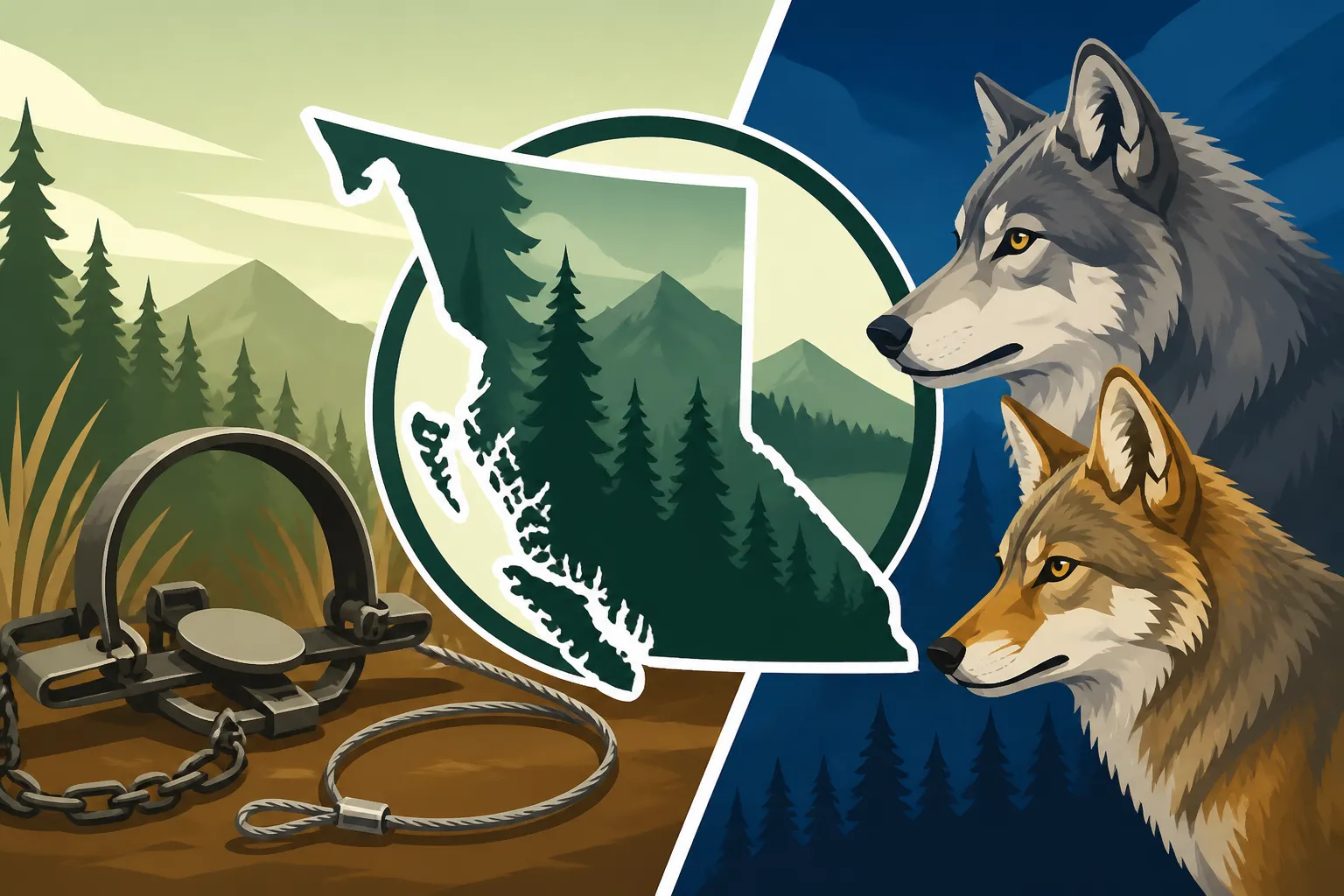
British Columbia takes humane trapping seriously. The province adheres to standards set by the Agreement on International Humane Trapping Standards (AIHTS). This agreement dictates specific requirements for trap types, sizes, and setting methods to ensure that animals caught in traps are either killed quickly and humanely or held without undue suffering. This means that certain trap types, like old-style leg-hold traps, are prohibited or heavily restricted.
Trappers must use certified humane traps and check their traps within specified timeframes (e.g., every 24 or 48 hours, depending on the trap type and species) to minimize suffering. Education is key here, and the required trapping courses emphasize these humane aspects. Detailed information on approved trap types and checking frequencies can be found in the British Columbia Trapping Synopsis, which is separate from the hunting synopsis.
Common Furbearers and Their Seasons
British Columbia is home to a variety of furbearer species, each with its own season and regulations. These include:
- Beaver: Highly sought after for their fur, beavers are found throughout the province's waterways. Seasons typically run through late fall and winter.
- Marten & Fisher: These elusive forest dwellers are prized for their soft fur. Their trapping seasons are usually shorter and occur in the colder months.
- Muskrat: Common in wetlands and slow-moving water, muskrats have specific trapping seasons, often later in the fall.
- Mink: Found near water bodies, mink seasons are typically during the colder months.
- Weasel: Small but widespread, weasel trapping is often permitted during general furbearer seasons.
- Fox: Red fox populations are scattered across BC, and specific trapping opportunities exist.
- Lynx: These iconic predators are typically trapped in the province's northern and interior regions, with regulated seasons.
- Bobcat: Found in more southern and drier regions, bobcat trapping seasons are also specific and regulated.
Each of these species will have distinct season dates, bag limits (if any), and possibly specific trap restrictions. Always verify these details in the current Trapping Synopsis for your chosen Management Unit.
Ethical Considerations and Best Practices
Responsible hunting and trapping in British Columbia go far beyond simply following the letter of the law. It's about respecting the animals, the land, and your fellow outdoors enthusiasts.
Ensuring Ethical Harvest
Ethical hunting and trapping means making every effort to ensure a clean, humane harvest. For hunters, this translates to knowing your effective range, practicing regularly, and only taking shots that offer a high probability of a quick, clean kill. For trappers, it means using appropriately sized and set humane traps, checking them diligently, and dispatching animals swiftly and humanely. Wasting game meat is illegal in British Columbia, and this applies to furbearers as well; all edible portions must be utilized where applicable. For animals primarily taken for fur, the hide must be properly cared for.
It also means identifying your target correctly. Many species have look-alikes, and misidentifying an animal could lead to harvesting a protected species or one for which you don't have a tag. For instance, distinguishing between different grouse species or specific black bear colour phases is vital, even if the regulations for them are similar.
Respecting Land and Other Users
British Columbia's vast wilderness is shared by hunters, trappers, hikers, campers, and numerous other recreational users. Respecting others' experiences and ensuring safe practices are paramount. This means knowing your backstop when shooting, being aware of other people in the vicinity, and packing out everything you pack in. Leaving no trace is a fundamental principle of backcountry ethics.
Understanding British Columbia's Crown Land Access rules is also crucial. While much of the province is public land, there are also private lands, parks, and other restricted areas where hunting and trapping are prohibited or require special permission. Using mapping tools like those provided by GoHunt can help identify property boundaries and public access points, preventing accidental trespass. Additionally, adhering to specific rules for British Columbia Wildlife Management Areas or other designated zones is vital.
Staying Up-to-Date with Regulations
Wildlife management regulations in British Columbia are not static. They can change annually or biennially based on scientific data, population trends, environmental factors like wildfires, and public input. It is the responsibility of every hunter and trapper to stay current with the latest regulations.
The primary source for this information is the British Columbia Hunting and Trapping Regulations Synopsis, updated every two years, with potential in-season updates released online. Always consult the most recent version before heading out. Websites and apps that integrate these regulations, like GoHunt, can be incredibly helpful for checking specific zones and species. Additionally, staying informed about local conditions, such as British Columbia Road and Weather Closures or wildfire alerts, is essential for safety and access. Regularly checking the provincial government's wildlife branch website is a good habit.
| Predator/Furbearer | Typical Season | Bag Limit (General) | Special Considerations |
|---|---|---|---|
| Wolf | Year-round in many MUs | Often no limit | Varies greatly by MU, check specific regs. |
| Coyote | Year-round in most MUs | Often no limit | Confirm local restrictions, particularly near urban areas. |
| Cougar | Fall/Winter | 1 per year | Mandatory reporting and inspection. Hounds often used. |
| Black Bear | Spring/Fall | 1 or 2 per year | Species tag required. Varies by MU. |
| Beaver | Fall/Winter | Varies | Trapping licence required. |
| Marten | Winter | Varies | Trapping licence, specific trap types. |
| Fisher | Winter | Varies | Trapping licence, specific trap types. |
| Lynx | Winter | Varies | Trapping licence, specific trap types. |
| Bobcat | Fall/Winter | Varies | Trapping licence, specific trap types. |
Note: This table provides general information. Always consult the current British Columbia Hunting and Trapping Regulations Synopsis for definitive and up-to-date rules specific to your chosen Management Unit. Regulations are subject to change.
Final Thoughts on Predator and Trapping Rules
Successfully navigating British Columbia's predator and trapping rules requires diligence, a commitment to ongoing education, and a deep respect for wildlife and the natural world. It's a privilege to participate in these activities, and with that privilege comes the responsibility to do so ethically and legally. By thoroughly understanding the licensing requirements, regional variations, species-specific rules, and humane standards, you contribute to the sustainable management of British Columbia's incredible wildlife resources.
Disclaimer
The information provided in this guide is for general informational purposes only and does not constitute legal advice. Hunting and trapping regulations in British Columbia are subject to change, and specific rules vary significantly by species, management unit, and season. It is the individual's responsibility to consult the most current British Columbia Hunting and Trapping Regulations Synopsis and other official provincial government resources before engaging in any hunting or trapping activities. Always prioritize safety, ethical practices, and compliance with all applicable laws and regulations.