British Columbia Upland Bird Seasons
Hunting upland birds in British Columbia can feel like trying to hit a moving target when it comes to understanding the seasons. With so many species, vast landscapes, and regulations that seem to shift by management unit, it's easy to get bogged down in the details before you even step into the field. This comprehensive guide is designed to cut through that confusion, giving you a clear picture of British Columbia's diverse upland bird seasons, helping you understand where and when to pursue your feathered quarry, and ensuring you're well-prepared for a successful and enjoyable hunt.
Understanding the Upland Bird Landscape in British Columbia
British Columbia is a hunter's paradise, not just for big game, but for upland birds as well. The sheer scale and ecological diversity of the province mean that from one region to the next, you'll encounter different species, different habitats, and naturally, different hunting opportunities. It’s this wild variation that makes upland hunting here so continuously fascinating and challenging.
The Diversity of British Columbia's Upland Species
When we talk about upland birds in BC, we're actually referring to a vibrant tapestry of species, each with its unique characteristics and preferred environment. This isn't a one-size-fits-all situation; the birds you pursue will often dictate the type of terrain you're traversing and the techniques you'll employ. It’s this natural abundance that draws so many of us out into the wilderness each fall.
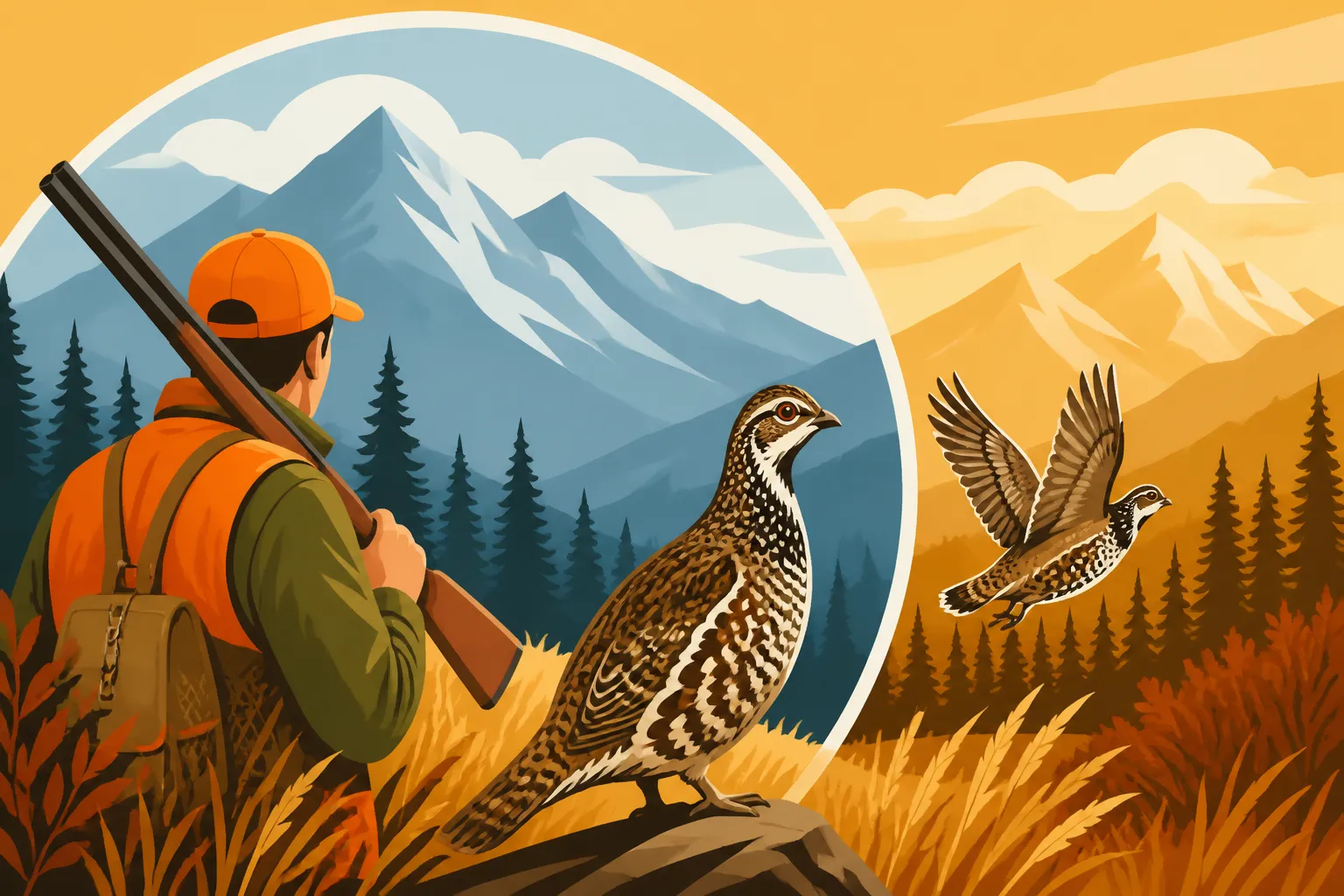
You might be surprised by the sheer number of species available, each with its own distinct calls, challenging flight patterns, and sometimes, incredibly wary nature. The common names we use often lump several species together, but when you delve into the regulations, you'll see the specifics. For example, "grouse" in BC can refer to the explosive Ruffed Grouse, the camouflaged Spruce Grouse, the high-climbing Dusky (Blue) Grouse, and the elusive Sharp-tailed Grouse. Then there are the three Ptarmigan species (White-tailed, Rock, and Willow) that call the alpine home, alongside introduced species like California Quail, Chukar Partridges, and the Ring-necked Pheasant, often supported by release programs. This diversity means that your hunting strategy needs to adapt constantly, from the dog you use to the type of cover you're working.
Navigating this variety can feel like trying to untangle a ball of yarn, especially when you're just starting out or exploring a new region. Understanding which birds inhabit which areas and what their typical behaviours are is the first step to a successful hunt. This isn't just about reading a map; it's about understanding the ecosystem, the food sources, and the escape cover these birds rely on. For many of us, the thrill of upland hunting lies as much in the pursuit and the learning as it does in the eventual harvest. Websites like GoHunt, while primarily focused on big game, can often provide overarching habitat insights that translate well to bird country.
Regional Variations in Habitat and Opportunity
British Columbia is a massive province, stretching from the temperate rainforests of the Pacific Coast to the dry interior plateaus and up into the alpine tundras of the northern Rockies. This incredible geographical diversity directly translates into vastly different upland bird habitats and, consequently, varying hunting opportunities and season structures. What works for pheasants in the Fraser Valley isn't going to apply to ptarmigan on a mountain peak near Prince George. You simply cannot approach all of BC's upland hunting with a one-size-fits-all mindset.
For instance, the dense, wet coastal forests, especially on Vancouver Island, are prime habitat for Ruffed Grouse and, in specific areas, even some populations of Sooty (Blue) Grouse. Head east into the dry Interior Plateau around Kamloops or Williams Lake, and you'll find Ruffed and Spruce grouse in the timber, but also Sharp-tailed Grouse in the grasslands and sagebrush, along with Chukar and California Quail clinging to rocky, arid slopes. The vast northern regions offer different challenges and rewards, with extensive Spruce Grouse populations and incredible opportunities for Ptarmigan in the high country.
Because of these distinct ecological zones, the provincial regulations are structured to reflect regional differences in bird populations and conservation needs. A season that opens in early September for grouse in the Kootenays might have a different end date or even different bag limits than the same species in the Peace River region. It's crucial, therefore, to always consult the current British Columbia Hunting and Trapping Synopsis for the specific Management Unit (MU) you plan to hunt. This is where your research into British Columbia's Management Units and Regions becomes invaluable. Understanding these nuances will save you a lot of grief and ensure you're hunting legally and responsibly.
Decoding British Columbia's Grouse Seasons
Grouse are perhaps the most widespread and accessible upland birds in BC, offering fantastic opportunities for both seasoned hunters and those just getting into the sport. But even within the "grouse" family, there's quite a bit of variation in habitat, behaviour, and, crucially, open seasons. Knowing which grouse you're pursuing will dictate your approach, the ground you cover, and when you can legally be out there. This is why a detailed understanding of British Columbia's Grouse Season is so important.
Ruffed and Spruce Grouse: Forest Dwellers
Ruffed Grouse, often affectionately called "ruffies," are a favourite for many hunters due to their explosive flush and delicious table fare. You'll typically find them in younger, mixed-wood forests, especially along edges, creek bottoms, and areas with good undergrowth for cover and food. Think alder thickets, old logging roads, and areas regenerating after a cut. They're often found in the same areas where you might be Hunting British Columbia's Logging Road Network for deer, making them a welcome bonus. Their season generally opens across much of the province in early September, running through to December 31st in many regions, though always double-check your specific Management Unit in the synopsis.
Spruce Grouse, or "spruce chickens," are quite different in temperament. They're known for their seemingly fearless nature, often holding tight even when approached, which makes them less of a challenge to bag for some, but still a fun addition to the day's harvest. As their name suggests, they prefer denser coniferous forests, particularly stands of pine, spruce, and fir. They feed heavily on conifer needles and berries. Their seasons largely mirror those of Ruffed Grouse, opening in early September and often extending into December. The key difference isn't so much in the season dates, but in where you'll find them—deeper in the timber, often in more mature forest settings away from the open edges where ruffies thrive.
Hunting both species often involves walking slowly through their preferred habitat, keeping an eye out for movement or listening for flushes. A good bird dog can dramatically increase your success, helping to locate birds you might otherwise walk past and retrieve those that fall in thick cover. Many hunters will pair these pursuits with big game scouting, as the same forest roads and trails that lead to deer or moose can often hold abundant grouse. The bag limits for both Ruffed and Spruce Grouse are usually quite generous, typically 10 birds per day with a possession limit of 20, but again, always verify for your specific region as these can vary slightly. Knowing what you're looking for, both in habitat and species, is half the battle.
Blue Grouse: The Mountain Specialists
The term "Blue Grouse" actually encompasses two subspecies in British Columbia: the Dusky Grouse (found in the interior) and the Sooty Grouse (found on the coast), though most hunters simply refer to them collectively as Blue Grouse. These are magnificent birds, significantly larger than their ruffed and spruce cousins, and they offer a truly unique hunting experience. Unlike the other grouse, Blue Grouse are famous for their altitudinal migration; they breed in the lower and mid-elevation forests in spring, but as summer progresses and fall approaches, they migrate up into the higher, often subalpine country. This migration is key to understanding where and when to find them.
Hunting Blue Grouse often means putting in some serious vertical effort. You'll be looking for them on mountainsides, along timbered ridges, and in subalpine meadows where they feed on berries, conifer needles, and insects. Accessing these areas sometimes means hiking into country that's also suitable for Hunting British Columbia's Alpine in September for larger game. Their season typically opens a bit later than Ruffed and Spruce grouse in some areas, usually in mid-September or early October, and can run into November, depending on the region and elevation. The bag and possession limits are often lower than for other grouse species, commonly 5 per day and 10 in possession, reflecting their more specific habitat and sometimes slower reproductive rates.
The challenge with Blue Grouse isn't just the climb; it's finding them once you're up there. They can hold incredibly tight, relying on their camouflage to avoid detection, only flushing at your feet with a powerful burst of wings. A keen eye and a patient approach are essential. This is where a good pointing dog can truly shine, locking onto a bird that you would otherwise pass right by. Many hunters find success by working along contour lines on logged or burnt-over slopes just below timberline, or by exploring old logging roads that climb into higher elevations. It's a physically demanding hunt, but the rewards of a successful day chasing these majestic birds in BC's stunning mountain scenery are well worth the effort.
Sharptail Grouse: Prairie Remnants
The Sharp-tailed Grouse is a species that conjures images of prairie grasslands, and while British Columbia isn't exactly a prairie province, we do have pockets of suitable habitat, primarily in the dry interior. These beautiful birds are found in open, grassy areas interspersed with shrubs and scattered aspen or cottonwood bluffs. They are much more social than other grouse species, often found in coveys, especially later in the season. Their presence in BC is a testament to the diverse ecosystems within the province, but their populations are more localized and can be sensitive to habitat changes.
You'll primarily find Sharp-tailed Grouse in the Chilcotin and Cariboo regions, as well as parts of the Okanagan and Thompson Nicola areas, where natural grasslands meet sparse timber. The season for Sharp-tailed Grouse is generally shorter and often opens a little later than other grouse, typically mid-September to mid-October, and specific to certain Management Units. Given their localized nature, it's absolutely critical to check the regulations synopsis for the exact areas and dates. The bag limit is also typically more conservative, often around 3 birds per day with a possession limit of 6.
Hunting Sharp-tailed Grouse often involves covering a lot of ground in open country, making long walks across undulating terrain. They will usually hold tighter than you might expect, but once flushed, they fly strong and fast. A good flushing dog, like a Springer Spaniel or Labrador Retriever, can be incredibly effective at putting birds into the air within gun range. Look for areas with a mix of grassland, sagebrush, and deciduous cover, especially near water sources if possible. They are known to feed on berries, seeds, and insects, so focusing your efforts in areas rich with these food sources can pay dividends. For hunters seeking a unique BC upland experience, pursuing sharpies offers a distinct challenge and a chance to explore some of the province's less-trekked landscapes.
Hunting Ptarmigan in British Columbia's Alpine
For many, the ultimate upland bird hunt in British Columbia involves venturing into the spectacular, rugged alpine to pursue ptarmigan. These hardy birds are true high-country specialists, perfectly adapted to their harsh environment, and their pursuit offers an unforgettable experience amidst some of the province's most breathtaking scenery. It's a hunt that demands physical fitness, robust gear, and a keen understanding of mountain conditions.
White-tailed, Rock, and Willow Ptarmigan
British Columbia is home to all three North American species of ptarmigan: White-tailed, Rock, and Willow. Each has its preferred niche within the alpine, though their ranges can overlap. Understanding British Columbia's Three Ptarmigan Species is key to finding success. The White-tailed Ptarmigan is perhaps the most iconic, being the smallest of the three and the only one whose plumage remains entirely white in winter, save for its black eyes and beak. You'll find them in the highest, rockiest areas above timberline, often amongst scree slopes and boulder fields. They are masters of camouflage, and even in their pure white winter coat against a snowfield, they can be incredibly difficult to spot until they move. Their diet consists mainly of buds and catkins of alpine plants.
Rock Ptarmigan are slightly larger and prefer similar rocky, tundra-like terrain, but often at slightly lower elevations or in areas with more vegetation than the pure rock fields favoured by white-tails. They have a more mottled plumage even in winter, with black tail feathers always visible. Willow Ptarmigan, the largest of the three, are found in brushier, willow-rich alpine and subalpine environments, especially near creeks and wet areas. They have the most reddish-brown summer plumage and a distinct red comb above the eye. These birds are often associated with areas that hold moose or caribou, providing a distinct backdrop to your hunt.
While their ranges and preferred micro-habitats differ, the general approach to hunting all three remains similar: hike high, scan meticulously, and prepare for variable mountain weather. Their seasons typically open in early September and extend through November or even into December in some regions, though early snow can make access difficult. Bag limits are often 5 per day, with a possession limit of 10 for all ptarmigan species combined, but checking the specific MU is always wise. The experience of seeing these birds in their natural, wild environment is often the greatest trophy.
Accessing High-Altitude Ptarmigan Habitat
Reaching ptarmigan habitat is often the biggest challenge. These birds live above timberline, meaning significant elevation gain is usually required. This isn't a casual stroll; it's a serious hike, often into remote areas where emergency services are hours away. Hunters often combine ptarmigan hunts with other alpine pursuits, such as Hunting Mountain Goat on British Columbia Rock or glassing for high-country mule deer. The physical demands mean you need to be in good shape, and your gear needs to be up to the task: sturdy hiking boots, layered clothing, rain gear, and plenty of water are non-negotiable.
Access points can range from readily accessible logging roads that climb high into the mountains, offering a trailhead start, to true wilderness treks requiring multi-day backpack hunts. In some cases, ATVs or even horses can help cover the initial distance, but the final ascent will almost always be on foot. Satellite communication devices are highly recommended for safety when venturing into these remote areas, as cell service is non-existent.
When you're up in the alpine, glassing is your best friend. Ptarmigan can blend seamlessly with the rocks and tundra. Look for subtle movements, a flash of white, or the distinctive tracks they leave in soft ground or lingering snow patches. They often hold incredibly tight, so a slow, methodical approach, sometimes with a patient pointing dog, can be very effective. Wind direction is also crucial; approach them into the wind to minimize the chances of them hearing or smelling you. The experience of hunting ptarmigan isn't just about bagging birds; it's about immersing yourself in British Columbia's spectacular high country, a true wilderness adventure that many consider the pinnacle of upland hunting.
Chukar, Quail, and Pheasants: A Different Challenge
While grouse and ptarmigan represent the wild, native upland birds of British Columbia, other species like Chukar, Quail, and Pheasants offer different hunting experiences, often in more agricultural or arid landscapes. These birds typically have more specific habitat requirements or are supported by release programs, which influences where and how you'll hunt them.
Chukar and Quail in the Dry Interior
For those seeking a fast-flying challenge in stunning, arid landscapes, the Chukar Partridge is a phenomenal game bird. Introduced from Asia, Chukar have found a home in the dry, rocky canyons and steep, sagebrush-covered slopes of British Columbia's interior, particularly in the Okanagan and Thompson-Nicola regions. They thrive in rugged, sun-baked terrain, often associated with steep banks of the Fraser River Canyon or the Kettle River country. Hunting Chukar is notoriously demanding, earning them the nickname "devil birds" for their tendency to run uphill and flush in challenging spots.
Chukar typically hold in coveys and, when flushed, often fly downhill at incredible speeds, making for exhilarating shooting. The key to hunting them is to approach from above if possible, as they prefer to run up rather than down. This means a lot of climbing and navigating difficult terrain, making physical fitness paramount. Their season generally runs from early September through to December 31st in specific management units. Bag limits are usually 5 per day with a possession limit of 10. A strong, biddable bird dog is almost essential for locating these birds in their vast habitat and for retrieving them from precarious positions. Look for steep, rocky slopes with cheatgrass and sagebrush, often near water sources like seasonal springs or creeks.
California Quail, another introduced species, also inhabit parts of the dry interior, preferring areas with dense brush, thickets, and good cover, often near agricultural fields or riparian zones. They are social birds, found in coveys that can number dozens. When flushed, they explode into the air with a distinctive "whirring" flight, often scattering into cover. Their season often mirrors Chukar, running from early September to December 31st in relevant regions, with bag limits usually around 10 per day and 20 in possession. Hunting quail is a social affair, often done with a group and multiple dogs. These hunts provide a fast-paced, action-packed experience that is quite distinct from the solitude of a mountain grouse hunt, and you'll find plenty of opportunities to use a bird dog.
British Columbia's Pheasant Release Programs
While some limited wild Ring-necked Pheasant populations exist in specific agricultural areas, the primary opportunity for pheasant hunting in British Columbia comes through release programs. These programs are vital for providing accessible hunting opportunities, especially for youth and new hunters, as well as for those who enjoy the classic pheasant hunting experience without the need for extensive backcountry travel. The most significant of these programs operates in the Lower Mainland and parts of Vancouver Island, with birds released on designated Wildlife Management Areas and other public lands.
Organizations like the British Columbia Wildlife Federation (BCWF) and various local rod and gun clubs often coordinate these releases, working with the provincial government. The aim is to create sustainable hunting opportunities where wild populations might not thrive due to habitat loss or other factors. These areas are specifically managed for hunting, with clear signage and regulations. The seasons for released pheasants are typically shorter and more restrictive than for other upland birds, often opening in October and running for a few weeks, with specific days designated for hunting. Bag limits are usually 2-4 pheasants per day. This is a prime example of British Columbia's Pheasant Release Program at work.
Hunting these released birds can be a fantastic way to introduce new hunters to the sport or to get your bird dog some excellent training. The birds are typically healthy and fly strong, offering challenging shots. You'll often find yourself walking through old fields, hedgerows, and brushy cover, similar to traditional pheasant hunting in other parts of North America. Always check the current synopsis for specific release locations, dates, and any special regulations, as these can change annually. The key is to be respectful of other hunters, follow all safety guidelines, and enjoy the opportunity these programs provide to keep the tradition of upland hunting alive and well in BC.
Key Regulations and Licensing for Upland Bird Hunters
Navigating the regulations can feel like the trickiest part of hunting in British Columbia, but it's essential for a safe, legal, and ethical hunt. For upland bird hunting, there are specific licences, permits, and rules you absolutely need to be aware of. Ignoring these can lead to fines, loss of hunting privileges, or worse, so let's break down the essentials.
Required Licences and Permits
Before you even step foot in the field, you need to ensure you have the proper documentation. For residents of British Columbia, this starts with a valid British Columbia Resident Hunting Licence. This is your baseline permit to hunt general open season animals. If you're under 18 or over 65, there are specific youth and senior licences with different cost structures, but the principle remains the same. You also need a Wildlife Identification Number (FWID), which is your unique ID for all things hunting and fishing in BC. First-time hunters will also need to have successfully completed the Conservation and Outdoor Recreation Education (CORE) program to get their FWID, establishing your eligibility for British Columbia Hunter Education and CORE.
In addition to your general hunting licence, for migratory game birds (like ducks and geese, which sometimes overlap in habitat with upland birds), you'll also need a Federal Migratory Game Bird Hunting Permit and a Canadian Wildlife Habitat Conservation Stamp. While most upland birds (grouse, ptarmigan, chukar, quail, pheasants) are not migratory game birds, it's a good practice to be aware of all requirements, especially if you plan to do any mixed bag hunting. It's truly a layered system, and it can be a source of frustration trying to keep track of it all. You can purchase these licences online through the provincial government's WILD system or at authorized vendors like fishing and hunting stores. Checking official provincial resources is always the best way to determine your British Columbia Resident Hunting Licence Cost and other fees.
Bag Limits and Possession Limits
Understanding bag and possession limits is paramount. A "bag limit" refers to the maximum number of birds of a particular species you can harvest in a single day. A "possession limit" is the maximum number of birds you can have in your possession at any given time, whether that's in your cooler, at your camp, or back at home in your freezer. The possession limit is usually two times the daily bag limit, but this isn't always the case, and there are sometimes exceptions. These limits are set to ensure sustainable harvesting and to protect bird populations from over-hunting.
For most grouse species (Ruffed, Spruce, Blue, Sharp-tailed) and ptarmigan, the daily bag limits are generally between 5-10 birds, with possession limits typically double that. For Chukar and Quail, similar limits often apply, while pheasants in release programs usually have more conservative limits, often 2-4 birds per day. These limits can also vary by Management Unit and season date, so simply knowing the general provincial rule isn't enough. You absolutely must consult the current British Columbia Hunting and Trapping Synopsis for the specific region and species you are hunting. This document is updated every two years and outlines every rule you need to know, from British Columbia Shooting Hours to vehicle restrictions. It's the law, and ignorance is no excuse.
Non-Toxic Shot and Other Rules
Beyond licences and limits, there are other crucial rules to follow. The use of non-toxic shot is mandatory when hunting migratory game birds and, importantly for upland hunters, also when hunting any bird over or near open water, or in designated Wildlife Management Areas where lead shot is prohibited for all bird hunting. While many upland hunts are far from water, it's wise to carry non-toxic shot or simply use it exclusively to avoid any ambiguity or accidental violations. Steel shot, bismuth, or tungsten alloys are common non-toxic alternatives.
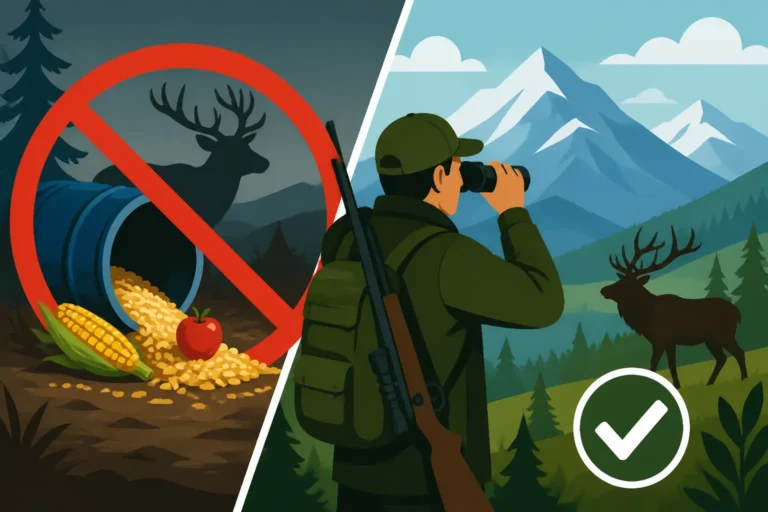
Always ensure you have appropriate safety gear, including blaze orange if hunting during rifle seasons for big game (though this is often not required for bird hunting in pure bird hunting zones, it's always safer to wear it if there's any chance of big game hunters being in the area). Be mindful of shooting distances from roads, dwellings, and livestock. Also, remember that baiting for upland birds is generally illegal. Furthermore, always check if the area you're hunting has any specific restrictions, such as closures due to wildfire, private land access rules, or if it falls within a British Columbia Wildlife Management Area with unique regulations. A common mistake is to assume one area's rules apply everywhere; in BC, local variations are the norm, not the exception.
Planning Your Upland Bird Hunt in British Columbia
A successful upland bird hunt in British Columbia isn't just about showing up with a shotgun and a dog; it requires careful planning, research, and preparation. From scouting locations to selecting the right gear and understanding the timing, a well-thought-out strategy can significantly increase your chances of success and, more importantly, your enjoyment of the experience.
Scouting and Research for Upland Success
The importance of scouting and research cannot be overstated, especially in a province as vast and varied as British Columbia. Before you even pack your bags, spend time poring over maps, satellite imagery, and the official regulations synopsis. Start by identifying the specific Management Units that hold the species you want to hunt. For example, if you're keen on ptarmigan, you'll need to locate MUs with significant alpine terrain. If it's sharp-tailed grouse, you'll be looking for areas in the dry interior with extensive grasslands. Online tools and apps, including GoHunt (though primarily focused on big game, it can sometimes provide general geographic insights), can help visualize terrain and potential access points, though always cross-reference with official provincial maps.
Talk to other hunters, join local rod and gun clubs, and read online forums. Local knowledge is invaluable, especially for pinpointing specific coverts or understanding recent changes in bird populations due to habitat shifts or weather. When you do get out to scout, look for fresh sign: droppings, dusting bowls, feathers, and feeding areas. Pay attention to food sources, such as berry bushes, conifer stands, or areas with abundant seeds. Water sources, even small seeps or damp depressions, can also concentrate birds, especially in drier regions. This pre-season reconnaissance, whether done physically or digitally, is often half the fun and immensely rewarding when it leads to birds in the bag. A good starting point for detailed planning is to thoroughly read through resources like Scouting a British Columbia Management Unit Online.
Essential Gear for Bird Hunting
Having the right gear makes all the difference, particularly when dealing with British Columbia's diverse terrain and often unpredictable weather. Your shotgun choice is personal, but a reliable 12 or 20 gauge is standard, with an appropriate choke for the cover you'll be hunting (e.g., open choke for thick cover, tighter for open-country chukar). Ammunition should match the species and season, with non-toxic shot mandatory in some areas. Bring plenty of shells; upland hunting often involves more shooting than you expect!
Footwear is perhaps the most critical item. For forest grouse, comfortable, waterproof hiking boots are usually sufficient. However, for chasing chukar up steep canyons or climbing for ptarmigan in the alpine, you'll need sturdy, ankle-supporting mountain boots with excellent traction. Layered clothing is a must, allowing you to adapt to changing temperatures and conditions, from cool mornings to warm afternoons, and sudden rain or snow squalls. A good waterproof and windproof outer layer is non-negotiable, especially on the coast or in the mountains. A comfortable vest or game bag to carry birds, shells, and water is also essential. Don't forget a first-aid kit, navigation tools (GPS, map, compass), and if venturing remotely, a satellite communication device. For those who hunt with dogs, all the necessary dog gear, including a vest for protection and extra water, is vital for Using a Bird Dog in British Columbia Timber.
| Species | Typical Season Dates (General) | Daily Bag Limit (General) | Preferred Habitat | Notes |
|---|---|---|---|---|
| Ruffed Grouse | Early Sept – Dec 31 | 10 | Mixed-wood forests, edges, creek bottoms | Explosive flush, often near logging roads. |
| Spruce Grouse | Early Sept – Dec 31 | 10 | Dense coniferous forests, pine/spruce stands | "Fool hen," holds tight. |
| Blue (Dusky/Sooty) Grouse | Mid-Sept – Nov 30 | 5 | Mid to high elevation timber, subalpine slopes | Altitudinal migration, requires significant climbing. |
| Sharp-tailed Grouse | Mid-Sept – Mid-Oct | 3 | Open grasslands, sagebrush, aspen bluffs (Interior) | Localized populations, often in coveys. |
| Ptarmigan | Early Sept – Dec 31 | 5 (combined) | Above timberline, alpine tundras, rocky peaks | White-tailed, Rock, Willow. Demanding high-altitude hunt. |
| Chukar Partridge | Early Sept – Dec 31 | 5 | Dry, rocky canyons, steep sagebrush slopes (Interior) | Runs uphill, fast flight. Extremely challenging. |
| California Quail | Early Sept – Dec 31 | 10 | Dense brush, thickets, riparian zones (Interior) | Social coveys, explosive flush. |
| Ring-necked Pheasant | Oct – Nov (Release Programs) | 2-4 | Agricultural fields, hedgerows, managed release sites | Primarily through managed release programs. Check specific dates and locations. |
Disclaimer: This table provides general information. Always consult the most current British Columbia Hunting and Trapping Synopsis for precise, location-specific regulations.
Making the Most of Shorter Seasons
While some grouse and ptarmigan seasons in British Columbia extend for months, other opportunities, especially for specific species like Sharp-tailed Grouse or released pheasants, can be quite short, sometimes just a few weeks or even specific weekends. This brevity means you need to be strategic and make every day count. Don't let the short windows deter you; instead, let them sharpen your focus. Understanding the nuances of British Columbia Game Bird Seasons is particularly important here.
For these shorter seasons, pre-season scouting becomes even more critical. You don't have time for extensive exploratory walks once the season opens. Having a few planned spots in mind, based on maps, aerial photos, and prior knowledge, is essential. Be prepared to hunt during adverse weather conditions; a little rain or cold shouldn't be a deterrent if it's the only time you have. Having the right Hunting British Columbia's Coastal Rain gear, for example, can make a wet day productive and enjoyable.
Consider combining a shorter upland bird hunt with another species if the seasons overlap, or if you're travelling a long distance. For instance, a quick morning pheasant hunt might lead into an afternoon of scouting for deer. Prioritize your time, be flexible, and most importantly, enjoy the limited windows you have. These shorter seasons can offer some of the most intense and memorable hunting experiences precisely because of their fleeting nature. It often boils down to being ready when the opportunity arises, and having done your homework beforehand. It’s a great way to explore the diverse opportunities offered by British Columbia's Small Game species.
Disclaimer
Please remember that hunting regulations in British Columbia can change. While every effort has been made to provide accurate and up-to-date information, this guide is for informational purposes only. Always consult the official British Columbia Hunting and Trapping Synopsis, available from the provincial government, for the most current and legally binding regulations before planning or undertaking any hunt. It is your responsibility as a hunter to know and adhere to all applicable laws and regulations.