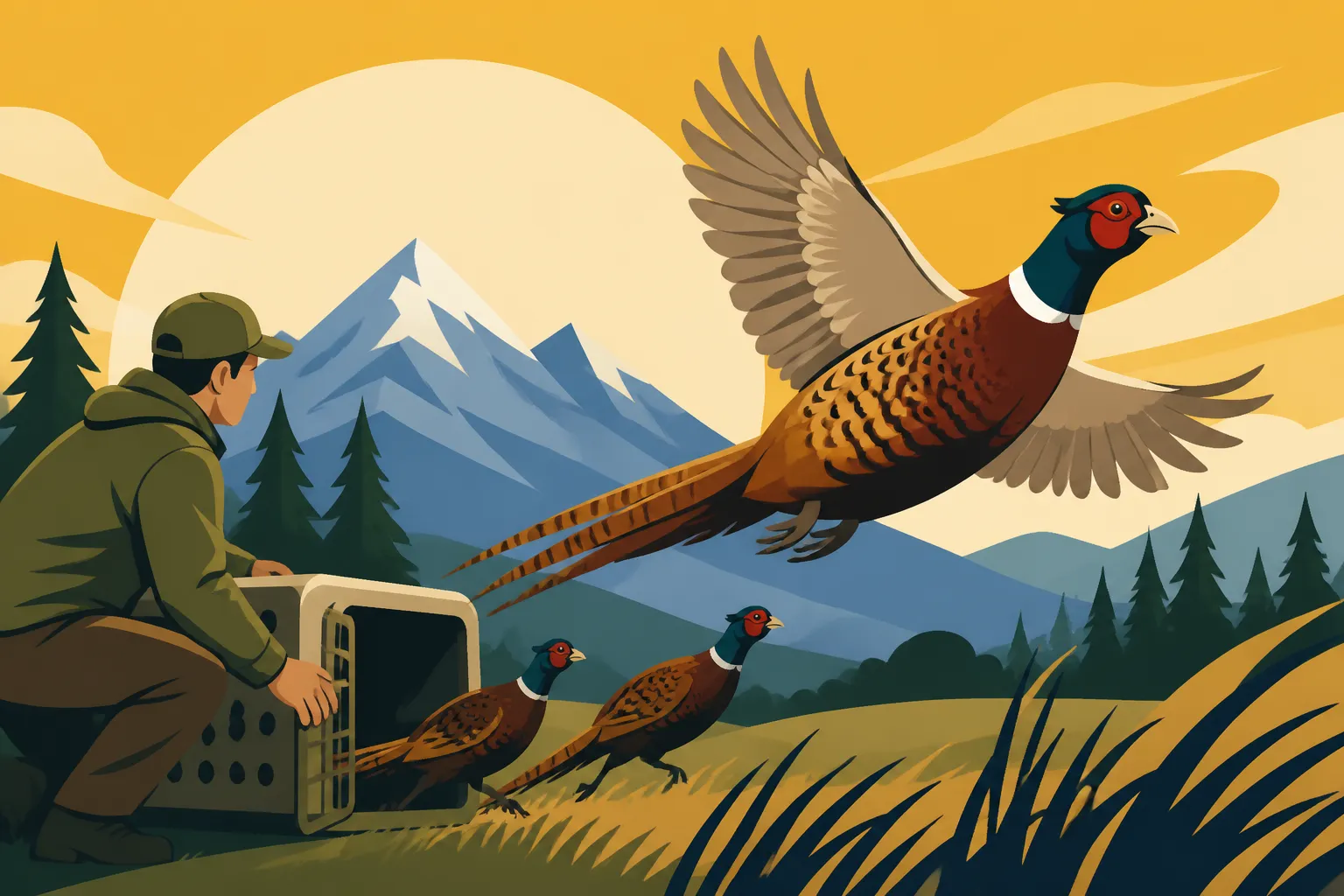
British Columbia’s Pheasant Release Program
For many hunters in British Columbia, the dream of walking through a field, flush-pointing a bird dog, and watching a colourful rooster pheasant rocket into the sky feels like a bygone era. Our province’s vast wilderness is iconic for big game, but accessible upland bird hunting, especially for pheasants, can feel increasingly out of reach. This guide delves into British Columbia’s pheasant release program, a vital initiative that bridges that gap, providing fantastic opportunities for hunters to experience the thrill of the chase, often closer to home than they might expect.
Why Pheasant Release Programs Exist in British Columbia
The landscape of hunting in British Columbia is diverse, but the reality for many hunters, especially those new to the sport or living in urban centres, is that truly wild pheasant populations are few and far between. It’s a frustrating situation when you hear stories of the "good old days" or see vibrant pheasant hunting depicted in other regions. This lack of natural opportunity is precisely why release programs have become such an important part of our hunting culture here.
The Decline of Wild Pheasant Populations
Wild ring-necked pheasant populations in British Columbia, once more prevalent in agricultural areas, have faced significant challenges over the decades. The primary culprit is habitat loss and degradation. As farming practices modernized and intensified, hedgerows were removed, wetlands drained, and monoculture cropping expanded. Pheasants, which rely on a mosaic of cover – dense grasses for nesting, brush for protection, and cultivated fields for food – found their essential habitats shrinking and fragmenting. Urbanization also played a massive role, gobbling up prime agricultural land that once supported these birds.
Beyond habitat, increased predation from coyotes, raccoons, and raptors, combined with severe winter weather events that can decimate struggling populations, further compounded the issue. It's a tough reality for a species that isn't native to British Columbia but thrived for a time thanks to introduction and suitable habitat. For many hunters today, encountering a truly wild, self-sustaining pheasant population in huntable numbers is a rare treat, often requiring extensive scouting and intimate knowledge of very specific, localized areas. This creates a vacuum, and that’s where the release programs step in.
Creating Accessible Hunting Opportunities
The absence of widespread wild pheasant hunting left a noticeable void, especially for those looking for a different kind of hunting experience than the typical big game pursuits. Many hunters, whether seasoned veterans or newcomers, want to get out with a shotgun and a dog, to walk fields and enjoy the fast-paced action of flushing upland birds. The release program fills this demand by making pheasant hunting accessible to a broader demographic.
It's particularly invaluable for new hunters who might be intimidated by the rugged demands of big game hunting or the extensive travel required to find truly remote opportunities. Released pheasant hunts offer a controlled, often safer, and more predictable environment to learn gun safety, dog handling, and hunting etiquette. They provide a fantastic entry point into the hunting community, fostering skill development and a love for the outdoors. Furthermore, these programs cater to those who simply don’t have the time or resources to travel to distant locales. Being able to hunt pheasants relatively close to major population centers is a huge draw, allowing for day trips or weekend outings without needing a full-blown expedition. This accessibility helps keep hunting relevant and vibrant for future generations. For information on general bird hunting regulations, check out British Columbia Game Bird Seasons and British Columbia Upland Bird Seasons.
How British Columbia's Pheasant Release Program Works
Understanding the mechanics of British Columbia's pheasant release program is key to participating in it successfully. It's not just a matter of showing up; there's a system in place that involves collaboration between various groups to ensure opportunities are available and managed properly.
Participating Clubs and Agencies
The backbone of British Columbia's pheasant release program often rests on the shoulders of dedicated local rod and gun clubs and conservation organizations. These clubs, often in partnership with provincial wildlife management agencies, take on the significant responsibility of sourcing, rearing, and releasing pheasants into designated areas. They're usually driven by passionate volunteers who understand the importance of providing these hunting opportunities, especially for youth and new hunters.
These clubs might manage their own pheasant pens, raising birds from chicks to maturity, or they might contract with commercial game farms to supply fully-grown birds ready for release. The provincial government plays a crucial role in designating release sites, establishing regulations, and overseeing the general health of the program. This collaborative effort ensures that the birds are healthy, the release sites are suitable, and the hunting is conducted safely and ethically. Without the tireless work of these local organizations, many of these accessible pheasant opportunities simply wouldn't exist.
The Logistics of Releasing Birds
The actual process of releasing pheasants is more strategic than it might appear. Birds are typically released in specific areas known as "pheasant release sites" or designated hunting zones. These sites are chosen for their suitable habitat – often areas with a mix of cover, food sources, and water, mimicking natural pheasant environments as much as possible. While the birds are released, it’s important to remember they aren’t truly wild; they’re often pen-raised, which can affect their flight patterns and behaviour compared to a truly wild bird.
Releases usually occur throughout the fall hunting season, ensuring a fresh supply of birds for hunters. The timing is critical, often coinciding with the general upland bird seasons. The goal is to provide a consistent challenge and a rewarding experience for hunters. Birds are typically released on designated days, and hunters are usually informed of these schedules through the participating clubs or online resources. This managed approach means hunters can plan their trips knowing there will be birds available to pursue, rather than relying on luck in areas where wild populations are sparse. This structured release also helps to distribute hunting pressure and maintain a quality experience.
Permitting and Access
Gaining access to these pheasant release sites usually requires a combination of provincial hunting licences and specific permits, and sometimes club memberships. You’ll need your basic British Columbia resident hunting licence and a species licence for upland birds. Beyond that, many release programs operate on a pay-to-play model, where hunters purchase a specific permit or "pheasant tag" for the released birds. This fee often covers the cost of raising and releasing the birds, directly funding the program's continuation.
Access to these sites can be managed in various ways:
- Club Memberships: Some private clubs maintain their own release sites, and access is granted to members only or requires a specific day-use fee.
- Provincial Permits: Other programs might be run directly by provincial agencies or in partnership, with permits available for purchase through online systems or authorized vendors.
- Booking Systems: Due to the popularity of these programs, some release sites might require advance booking or a reservation system to manage hunter numbers and ensure a safe, enjoyable experience for everyone.
It's absolutely essential to check the specific regulations and requirements for the particular pheasant release site you plan to visit. Details can vary from region to region and from club to club. Online platforms and resources are your best friend here. Websites like GoHunt can be incredibly useful for locating release sites, understanding the regulations, and finding information on how to purchase the necessary permits. They often consolidate information that would otherwise be scattered across multiple club pages or government sites, making it easier to plan your hunt. Always confirm the exact dates, hours, and bag limits for any given area before heading out. Don't forget to review British Columbia's British Columbia Hunter Education and CORE requirements if you're new to hunting in the province.
| Aspect | Wild Pheasant Hunting | Released Pheasant Hunting |
|---|---|---|
| Availability | Limited, highly localized, dependent on specific habitat | Managed, widely available at designated sites |
| Habitat | Natural agricultural fringe, dense cover | Designated release sites, often managed cover |
| Bird Behaviour | Extremely wary, strong, unpredictable flight | Can be less wary initially, flight varies by conditioning |
| Success Rate | Highly variable, often low without extensive knowledge | Generally higher, designed for opportunity |
| Accessibility | Requires extensive scouting, permission, often remote | Often closer to population centres, public or club access |
| Cost | Basic licences and tags | Basic licences, tags, plus specific release permits/fees |
| Dog Requirement | Highly recommended for finding and retrieving | Extremely beneficial, enhances experience and recovery |
| Learning Curve | Steep, requires significant field craft | Gentler, excellent for new hunters and dog training |
Maximizing Your Success on a British Columbia Pheasant Release Hunt
While released pheasant hunts are designed to offer more consistent opportunities than pursuing truly wild birds, success isn't guaranteed just by showing up. There are definitely strategies and preparations you can make to increase your chances of a rewarding day in the field and make the most of your investment.
Essential Gear and Shotgun Selection
Having the right gear makes a huge difference in both comfort and effectiveness on a pheasant hunt. Starting with your shotgun, a 12 or 20 gauge is typically ideal. These gauges offer a good balance of stopping power and manageability for pheasants. Many hunters prefer an over-under, side-by-side, or semi-automatic for quick follow-up shots. Choke selection is important too; an improved cylinder or modified choke is generally versatile for flushing birds that might be close or quickly getting out to range. For ammunition, consider high-brass loads with shot sizes like 4, 5, or 6, which provide good pellet energy and pattern density for pheasants.
Beyond the firearm, comfortable and durable hunting clothing is a must. Think layers, as you'll be walking and working up a sweat, but fall days can be chilly. Blaze orange is often a requirement on pheasant release sites for safety, so ensure you have a vest or hat that meets the regulations. A good pair of waterproof, comfortable walking boots will save your feet after hours in the field. Don't forget eye and ear protection – absolute essentials for any shotgun hunting. A game vest or bird bag is crucial for carrying your birds comfortably once they’re down. Many of these details, including where to find gear or check regulations, can be found on hunting information sites, including resources often referenced through platforms like GoHunt.
The Role of a Good Bird Dog
While you can hunt released pheasants without a dog, having a well-trained bird dog elevates the experience from simply hunting to a truly classic upland pursuit. A dog is not just a companion; it's a vital tool. Pointers, retrievers, and flushers each bring their own strengths to the field. A good dog will systematically quarter a field, covering ground efficiently, using its nose to locate scent, and then either pointing or flushing the bird within shotgun range.
More importantly, a dog is invaluable for recovery. Pheasants, especially released ones, can be notoriously tough birds that often run after being hit or fall into dense cover. A dog's keen sense of smell and instinct to retrieve will drastically improve your recovery rate, ensuring fewer lost birds and more meat for the table. Nothing is more frustrating than dropping a bird and spending an hour fruitlessly searching for it. For tips on working with a canine partner, be sure to check out Using a Bird Dog in British Columbia Timber. Even a moderately trained dog will significantly enhance your enjoyment and success. Just make sure your dog is well-behaved, under control, and used to gunshots.
Hunting Strategies for Released Birds
Hunting released pheasants requires a slightly different approach than pursuing their wild counterparts. While wild pheasants are experts at running and holding tight, released birds might behave less predictably. Here are some strategies:
- Work the Cover Thoroughly: Pheasants, wild or released, love dense cover. Focus your efforts on the edges of fields, brush piles, tall grasses, cattail marshes, and thickets. Don't just walk past potential hiding spots; actively work them, especially if you have a dog.
- Walk Systematically: Don't wander aimlessly. Walk in a systematic pattern – back and forth, or in a large "U" shape – to ensure you cover all potential holding areas. If hunting with a group, walk abreast, maintaining a safe line to prevent anyone from getting ahead or behind.
- Anticipate the Flush: Released pheasants can flush explosively and quickly. Be ready. Keep your gun mounted in a ready position, and be prepared to swing and shoot rapidly. Often, the birds will flush slightly ahead of or to the side of the dog's point or flush.
- Hunt in a Group (Safely): Pheasant hunting is often a social affair. Hunting with a small, organized group can be very effective, allowing you to cover more ground and push birds towards other shooters. Always maintain strict muzzle control and communicate constantly to ensure safety. Know where everyone is at all times.
- Observe Other Hunters: Sometimes, watching where other hunters are finding success (or not finding it) can give you clues about where the birds are holding on a particular day.
- Patience and Persistence: Even with released birds, some days are better than others. Don't get discouraged if you don't find birds immediately. Keep working the cover, trust your dog, and enjoy the process.
Remember, the goal is not just to bag birds, but to enjoy the outdoors and the experience. Respect other hunters, follow all safety rules, and adhere to bag limits.
The Benefits and Challenges of Released Pheasant Hunting
Like any hunting program, British Columbia’s pheasant release initiative comes with a unique set of advantages and considerations. It's important to approach these hunts with a clear understanding of both the positives they offer and the criticisms they sometimes face.
Benefits for Hunters and Conservation
The benefits of pheasant release programs extend far beyond simply providing a bird for the bag. For individual hunters, especially those in more populated areas, these programs offer invaluable and often the only accessible opportunities to experience upland bird hunting. This is particularly true for:
- New Hunters: It’s an ideal environment for learning the ropes of bird hunting, practicing safe firearm handling, and understanding dog work without the added pressure of tracking elusive wild game in remote areas. It builds confidence and skills. Many youth hunters get their first taste of upland hunting through these programs. British Columbia Youth Hunting Rules are designed to encourage this kind of participation.
- Dog Owners: These sites provide fantastic training grounds and real-world hunting scenarios for bird dogs, allowing them to hone their skills in scenting, pointing, and retrieving. For many, the joy of watching their dog work is as rewarding as the hunt itself.
- Mentorship: Experienced hunters can easily take out new hunters, friends, or family members to introduce them to the sport in a controlled and enjoyable setting.
From a broader perspective, these programs also contribute to conservation. The fees collected from permits and memberships often cycle back into funding wildlife habitat projects, maintaining release sites, and supporting other conservation efforts. They keep the passion for hunting alive in communities where traditional wild game opportunities might be scarce, ensuring that the hunting tradition continues and has advocates for broader wildlife management issues. For an understanding of how management units are set up in the province, review British Columbia's Management Units and Regions.
Common Criticisms and Considerations
Despite their numerous benefits, pheasant release programs do face some common criticisms and warrant careful consideration from hunters. It’s a discussion you’ll hear in many rod and gun clubs across the province.
- "Canned Hunts" Perception: One of the most frequent criticisms is the perception that released pheasant hunting is not "real" hunting, or that it's akin to a "canned hunt." Critics argue that the birds, being pen-raised, lack the instincts and wildness of truly wild pheasants, making them too easy to harvest. While it's true that some released birds might be less wary, a well-run program with good habitat and smart releases can still provide a challenging and rewarding hunt. The experience is often about the dog work, the camaraderie, and the act of being in the field, rather than purely the difficulty of the quarry.
- Bird Quality and Behaviour: Pen-raised birds can sometimes have different flight characteristics or exhibit less natural evasion tactics than their wild counterparts. Their meat quality can also be perceived differently by some, although proper care in the field ensures excellent table fare regardless. It's important for hunters to manage their expectations; a released pheasant hunt is a unique experience and shouldn't be directly compared to a backcountry hunt for naturally reproducing birds.
- Environmental Impact: While programs strive to minimize negative impacts, there can be concerns about the introduction of non-native birds into certain ecosystems, potential disease transmission to wild populations (though reputable programs have strict health protocols), or the impact on local predator populations. These are all factors that program managers and provincial authorities continually monitor and assess.
- Cost and Accessibility: For some, the added cost of permits or club memberships on top of regular hunting licences can be a barrier. While these fees are essential to fund the program, they can make it less accessible to those on a tight budget. However, when considering the alternative—a complete lack of pheasant hunting opportunities—the cost often proves to be a worthwhile investment for those who value the experience.
Ultimately, participating in British Columbia's pheasant release program means accepting its unique characteristics. It's a fantastic way to enjoy upland hunting, train a dog, introduce new people to the sport, and support local conservation efforts. It's an opportunity to create memories in the field, even if the "wild" aspect is a little more curated than some might prefer.
Disclaimer
This article is for general informational purposes only and does not constitute professional advice. Laws, prices and regulations vary by location and change over time. Consult a qualified professional for guidance on your specific situation.