Hunting British Columbia’s Grouse Season
There's nothing quite like the crisp autumn air, the vibrant colours of the British Columbia wilderness, and the sudden flush of a grouse from underfoot. For many hunters, grouse season isn't just about filling the freezer; it's about getting out into nature, enjoying a relaxed hunt, and connecting with the land. However, navigating the diverse habitats, understanding the specific species, and keeping track of regulations can feel overwhelming. This comprehensive guide will walk you through everything you need to know to successfully hunt grouse across British Columbia, from identifying different species to finding their preferred haunts and mastering effective hunting techniques.
Understanding British Columbia's Grouse Species
British Columbia is a haven for upland game bird enthusiasts, boasting a rich diversity of grouse species. Each species has its own unique characteristics, preferred habitat, and behaviours, which makes identifying them crucial for a successful hunt and adherence to bag limits. Knowing your birds helps you target specific areas and employ appropriate strategies.
Ruffed Grouse The Drummer of the Bush
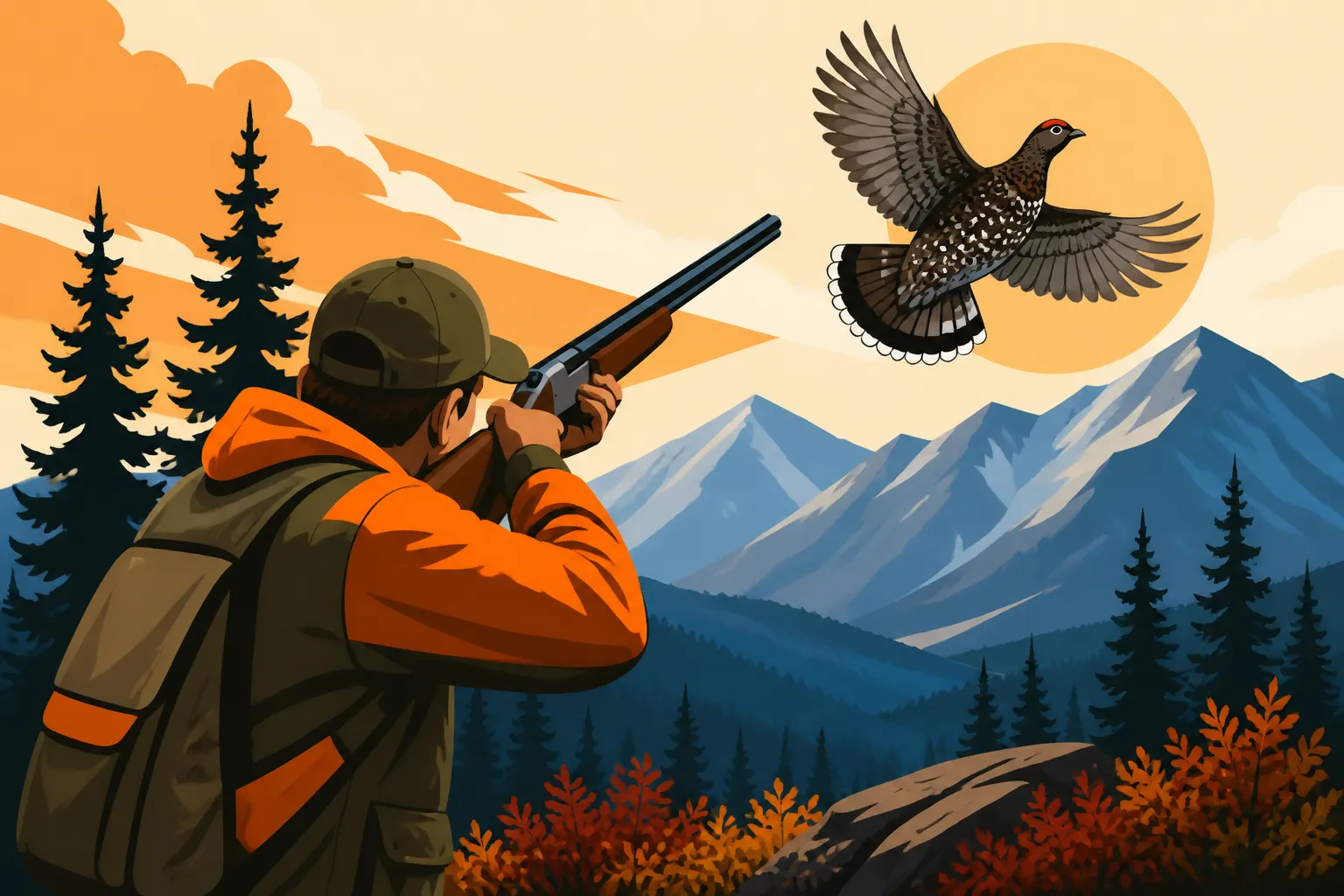
The ruffed grouse (Bonasa umbellus) is perhaps one of the most iconic and widely recognized upland birds in British Columbia, particularly in the Interior and across central and northern regions. Known affectionately as the "drummer," the male ruffed grouse produces a distinctive drumming sound with its wings during mating season, a sound that can carry a surprising distance through the forest. These birds are generally medium-sized, sporting a mottled brown and grey plumage that provides excellent camouflage against tree bark and forest litter. A key identifying feature is the fan-shaped tail, which often has a dark band near the end.
Ruffed grouse thrive in mixed deciduous and coniferous forests, often favoring areas with dense undergrowth, alder thickets, and riparian zones. They are frequently found along the edges of logging roads, old clearcuts that are regenerating, and creek bottoms where a variety of food sources like berries, buds, and insects are abundant. When flushed, they explode into flight with a startling whir of wings, often darting through dense cover, making for a challenging shot. You can often find them in areas perfect for Hunting Ruffed Grouse in an Alder Bottom, where cover and food are plentiful.
Blue Grouse Dusky and Sooty
What were once commonly referred to as blue grouse are now officially recognized as two distinct species in British Columbia: the Dusky Grouse (Dendragapus obscurus) and the Sooty Grouse (Dendragapus fuliginosus). While they share many similarities, understanding their subtle differences can be helpful for the discerning hunter. Both are larger than the ruffed grouse, with a more robust body and generally darker, slate-grey plumage that blends seamlessly with the shadows of mature timber. Males in both species have inflatable yellowish-orange air sacs on their neck, which they display during courtship, accompanied by deep hooting calls.
Dusky Grouse are typically found in the interior regions, inhabiting coniferous and mixed forests, often favoring higher elevations and slopes. Sooty Grouse, on the other hand, are primarily coastal birds, found in the old-growth forests and mountain slopes of the Coast Range and Vancouver Island. Both species tend to hold tight when approached, often allowing a closer shot than their ruffed counterparts, especially early in the season. Hunting them often involves Walking Up Blue Grouse on a Logging Road, where they forage for grit and food in the gravel.
Spruce Grouse The Fool Hen of the Conifers
The spruce grouse (Falcipennis canadensis) is often dubbed the "fool hen" due to its remarkably trusting nature, sometimes allowing hunters to approach within feet before flushing. This behaviour, however, doesn't diminish the satisfaction of finding and harvesting one. Spruce grouse are a bit smaller than ruffed grouse, characterized by their dark, barred plumage, with males displaying distinct red combs above their eyes and a black throat patch. They are impeccably camouflaged to blend into their preferred dense coniferous forest environments.
As their name suggests, spruce grouse are intrinsically linked to coniferous forests, especially those dominated by spruce, pine, and fir trees. They are often found in areas with thick canopy cover, where they primarily feed on conifer needles, buds, and berries. They tend to stick to the ground or low branches, making them a challenge to spot among the dense needles and shadows. Their range spans much of British Columbia's interior and northern coniferous zones.
Ptarmigan The Alpine Ghosts
For the adventurous hunter willing to climb to higher elevations, British Columbia offers the unique challenge of hunting ptarmigan. There are three species found here: the White-tailed Ptarmigan (Lagopus leucura), Rock Ptarmigan (Lagopus muta), and Willow Ptarmigan (Lagopus lagopus). These fascinating birds are masters of camouflage, changing their plumage seasonally to match their snowy or rocky alpine environments. In summer, they are mottled brown or grey, while in winter, they become almost entirely white, making them incredibly difficult to spot against the snow.
Ptarmigan are exclusively birds of the alpine and subalpine zones, residing above the timberline in rugged, open country characterized by rocky slopes, tundra-like vegetation, and stunted willows. The White-tailed Ptarmigan is the most common and widely distributed of the three, found in high mountains across the province. Rock and Willow Ptarmigan are more restricted to northern and specific coastal alpine areas. Hunting Ptarmigan in British Columbia's Alpine offers a truly unique experience, combining strenuous hiking with the thrill of pursuing these hardy birds in breathtaking landscapes.
Seasons, Regulations, and Licencing for Grouse
Before you even think about hitting the bush, it's absolutely crucial to understand the rules and regulations governing grouse hunting in British Columbia. These aren't just suggestions; they are legally binding requirements designed to ensure sustainable populations and safe hunting practices. Misunderstanding or ignoring them can lead to fines, licence revocation, or worse.
General Open Seasons and Bag Limits
British Columbia's grouse seasons are generally quite generous, offering ample opportunity for hunters from early September through to December in most regions. However, the specific dates and bag limits can vary significantly depending on the management unit (MU) and the species you're pursuing. For instance, the bag limit for Ruffed and Spruce Grouse might be 10 birds per day with a possession limit of 20 in some MUs, while Blue Grouse (Dusky and Sooty) might have slightly different limits, often 5 per day and 10 in possession. Ptarmigan also have their own specific limits.
It’s imperative to consult the current British Columbia Hunting and Trapping Regulations Synopsis, which is published every two years, or use online resources like the BC Hunting and Trapping Regulations Synopsis from the provincial government website. Many hunters also find platforms like GoHunt invaluable for quickly checking specific regulations for their chosen Management Unit. You need to verify the exact dates for British Columbia Game Bird Seasons and British Columbia Grouse Season and Limits for your planned hunting area before you head out. These details are often updated, so relying on last year's information is a common mistake that can get you into trouble.
Licence Requirements for Upland Birds
To hunt grouse in British Columbia, you first need a valid British Columbia resident hunting licence. If you're new to hunting in BC, you'll also need a Fish & Wildlife ID (FWID) and must have completed the Conservation and Outdoor Recreation Education (CORE) program or an equivalent recognized hunter education course. Once you have your basic hunting licence, there are no additional species licences required specifically for grouse, unlike big game.
Youth hunters have specific requirements as well, often needing to be accompanied by a licenced adult. Even if you're an experienced hunter from elsewhere, ensure you understand British Columbia Resident Hunting Licence Cost and the specific requirements for hunters in the province. Remember, while grouse hunting is often seen as less demanding than big game, the same fundamental licencing and safety principles apply.
Non-Toxic Shot and Other Rules
One critical regulation that often catches upland hunters off guard, particularly those coming from other jurisdictions, is the requirement for non-toxic shot when hunting within 400 meters of a water body. This rule is in place to protect waterfowl and other wildlife from lead poisoning. While many grouse hunters use lead shot for upland birds, if your hunting area includes sloughs, ponds, rivers, or lakes where you might encounter waterfowl or where your shot could potentially land near water, you must use non-toxic alternatives like steel, bismuth, or tungsten.
Beyond shot requirements, always adhere to general hunting regulations regarding safe shooting hours, proper firearm handling, and respecting private property. It's a good practice to always carry a copy of the regulations synopsis, either physically or digitally on your phone, to clarify any uncertainties in the field. Understanding Non-Toxic Shot Rules in British Columbia is not just about compliance; it's about being an ethical and responsible conservationist.
Where to Find Grouse in British Columbia
Finding grouse isn't always about stumbling upon them; it's about understanding their preferred habitats and knowing where to look based on the species and time of year. British Columbia's diverse landscapes offer a variety of prime grouse territories, from the lowlands to the alpine.
Logging Roads and Cutblocks
For many British Columbia grouse hunters, active and deactivated logging roads are the highway to success. These linear disturbances through the forest create ideal conditions for various grouse species. Ruffed grouse, in particular, are frequently found along road edges, especially those with good cover, such as alder and willow growth. They come to the roads to forage for grit (small stones to aid digestion) and to pick at berries, buds, and clover that often grow in these disturbed areas. In the fall, they'll often be seen dusting themselves in dry patches.
Cutblocks, especially those a few years into regeneration, are also prime real estate. The mix of young conifers, berry bushes, and diverse undergrowth provides both food and excellent escape cover. As you walk or slowly drive logging roads, keep an eye on ditches, brush piles, and the edges of the forest. Often, you'll hear a whir of wings before you see the bird as it bursts from cover. Scouting a British Columbia Management Unit Online with a tool like GoHunt can help you identify areas with extensive road networks and varied habitat types. Just remember to be mindful of other road users and any specific rules for Driving a Deactivated Logging Road.
Alder Bottoms and Riparian Areas
Alder bottoms and other riparian (riverside) areas are classic ruffed grouse haunts. The dense, shrubby growth provides excellent protection from predators, and the moist soil supports a rich variety of plant life that grouse feed on, including catkins, buds, and berries. These areas often run along creeks, small rivers, and wetland edges, creating corridors of prime habitat even within larger, less appealing forest types.
When still-hunting through these areas, move slowly, pausing frequently to listen and scan ahead. Ruffed grouse are masters of camouflage and can be incredibly difficult to spot until they flush. The challenge and reward of Hunting Ruffed Grouse in an Alder Bottom lies in patiently working through these thickets, anticipating where a bird might be holding. Black-tailed deer also love these areas, so keep an eye out for other game signs while you're at it.
Alpine and Subalpine Habitat
While logging roads and alder bottoms are great for ruffed and spruce grouse, if you're after ptarmigan or blue grouse, you'll need to gain some elevation. The alpine and subalpine zones offer a completely different hunting experience, characterized by stunning vistas, rugged terrain, and a unique set of challenges. Ptarmigan thrive in the open, treeless tundra, often near rock slides, willow thickets, and stunted ground cover. Blue grouse (Dusky and Sooty) are typically found in the mature timber just below the alpine, often on south-facing slopes.
Hunting these high-country birds often involves significant hiking, sometimes through steep and rocky terrain. Early season offers more comfortable weather, but as fall progresses, be prepared for rapidly changing conditions, including snow and cold. Utilizing a good pair of binoculars to glass open slopes and rock fields can help locate birds before you expend too much energy. Consider integrating your ptarmigan hunt with an opportunity for Hunting British Columbia's Alpine in September for other species that might be found in similar high-elevation terrain.
Essential Gear and Techniques for Grouse Hunting
A successful grouse hunt isn't just about knowing where to go; it's also about having the right tools and employing effective strategies. The gear you carry and the techniques you use will significantly influence your chances of success and your overall enjoyment.
Shotguns, Ammunition, and Chokes
For grouse hunting, a lightweight, fast-swinging shotgun is generally preferred. Most hunters opt for a 12-gauge or 20-gauge, with some preferring the even lighter 28-gauge or .410 for its sporting challenge. Over-and-under or side-by-side shotguns are popular for their quick follow-up shots, while semi-automatics offer rapid firing and reduced recoil. Pump-action shotguns are also perfectly effective and economical. The key is a shotgun you are comfortable carrying all day and can mount quickly.
As for ammunition, light game loads with smaller shot sizes are ideal. For ruffed and spruce grouse, which are relatively small, #7.5 or #8 shot is common. For the slightly larger blue grouse and ptarmigan, some hunters might move up to #6 shot. Regarding chokes, an improved cylinder or skeet choke is often favoured for the first barrel (or the only choke in a single-barrel gun) due to the close-range, fast-flushing nature of grouse. A modified choke can be useful for a second shot or for slightly longer range engagements. Remember to check British Columbia Legal Firearms and Bows if you are unsure about any specific restrictions.
Walking, Still-Hunting, and Dog Work
There are several effective techniques for hunting grouse in British Columbia, each with its own rhythm and benefits. The most common is simply walking logging roads, trails, or through suitable cover, keeping your eyes and ears peeled. This method is often called "road hunting" when done from a vehicle, but it's more ethical and often more productive on foot.
Still-hunting involves moving very slowly, pausing frequently, often for several minutes at a time, to listen for movement or spot camouflaged birds before they flush. This technique is particularly effective in dense cover like alder bottoms or thick timber where grouse hold tight.
For many, the ultimate grouse hunting experience involves using a bird dog. A well-trained pointing or flushing dog can dramatically increase your success rate and add immense joy to the hunt. Pointers will "lock up" on scent, indicating where a bird is holding, allowing the hunter to approach for a shot. Flushers will actively search and put birds into the air. Using a Bird Dog in British Columbia Timber requires a good understanding of dog training and local regulations. While some people think grouse hunting is too easy for a dog, the varied terrain and dense cover of BC actually provide an excellent challenge.
Clothing and Footwear for BC Terrain
British Columbia's diverse terrain and weather demand thoughtful clothing and footwear choices. Layers are absolutely key. You'll often start cold, hike hard and get warm, then cool down quickly while stationary. A wicking base layer, an insulating mid-layer (fleece or synthetic puffy), and a waterproof/windproof outer shell are essential. Blaze orange is highly recommended, and in some areas, mandatory, to ensure visibility and safety, especially during concurrent big game seasons. Always check British Columbia Blaze Orange and Safety Rules.
Footwear should be comfortable, waterproof, and provide excellent ankle support. You'll be covering varied ground, from gravel roads to uneven forest floors, wet moss, and potentially rocky alpine slopes. A good pair of broken-in hiking boots or upland hunting boots is critical to prevent blisters and ensure stability. Consider knee pads if you plan on doing a lot of kneeling or crawling in thick brush. Don't forget a comfortable daypack for water, snacks, extra layers, a first-aid kit, and of course, your harvested birds.
Field Care and Culinary Delights of Grouse
The hunt isn't over when the bird is down. Proper field care is essential to ensure your hard-earned grouse makes it to the table in prime condition. After all, one of the best parts of grouse hunting is enjoying the delicious meat.
Field Dressing and Cooling Grouse
As soon as possible after harvesting a grouse, you should field dress it to cool the meat quickly. This involves removing the entrails. Many hunters will simply tear the bird open from the vent and pull out the gut pile, leaving the feathers on for transport back to camp or the vehicle. The feathers act as a protective layer, keeping dirt and debris off the meat while still allowing it to cool.
If you're hunting in warmer early seasons, cooling is even more critical. You can place the field-dressed birds in a game bag or breathable sack and hang them in a shady, airy spot. Avoid piling birds in a plastic bag where heat can build up and spoil the meat. For longer trips or particularly warm days, bringing a small cooler with ice (keeping the birds dry by using ice packs or placing ice in a sealed bag) can be a game-changer. Remember that British Columbia has rules regarding Evidence of Sex Requirements for some species, but generally not for grouse, as well as rules on Wasting Game Meat. Ensure you're taking reasonable steps to preserve your harvest.
Simple Recipes for Upland Game
Grouse meat is lean, mild, and incredibly versatile. It's often compared to chicken or pheasant but with a distinct, delicate wild flavour. Simple preparations often allow the natural taste of the bird to shine through. One of the easiest and most satisfying ways to cook grouse is to breast them out, pan-fry the breasts in butter with a little garlic and herbs (rosemary or thyme work wonders), or wrap them in bacon before cooking. The legs and thighs, while smaller, are also excellent, especially when slow-cooked or braised to tenderize the connective tissue.
For a rustic camp meal, you can skewer grouse pieces and cook them over an open fire, or slice the breasts thinly for a quick stir-fry. Many hunters love to make grouse jerky or add the meat to stews and pot pies. Don't be afraid to experiment! The fresh taste of wild grouse is a reward in itself, proving that simple doesn't mean less delicious.
Storing and Transporting Your Harvest
Once you've field dressed and cooled your grouse, how you store and transport them back home is important. If you're at a backcountry camp, hanging them in a game bag in a cool, shady spot (away from scavengers) overnight is usually fine. For the drive home, pack them in a cooler. If you've breasted them out, place the cleaned meat in zip-top bags, removing as much air as possible, and then nestle them in ice.
Upon returning home, you can keep fresh grouse in the refrigerator for a few days, but for longer storage, freezing is the best option. Vacuum sealing the meat before freezing will protect it from freezer burn and extend its quality for many months. If you're traveling across borders, be aware of specific regulations regarding Transporting Game Meat in British Columbia and across international lines.
Safety and Ethics While Grouse Hunting in British Columbia
Hunting grouse, while often a more relaxed pursuit than big game, still requires a strong commitment to safety and ethical conduct. Being a responsible hunter protects yourself, others, wildlife, and the future of hunting in British Columbia.
Bear Safety and Awareness
British Columbia is bear country, and this holds true even in many areas where you'll find grouse. Both black bears and grizzly bears inhabit a wide range of habitats, from coastal forests to interior mountains. While encounters are rare, it's crucial to be "bear aware" at all times. Carry bear spray and know how to use it. Make noise as you walk, especially in dense brush, to avoid surprising a bear. Be extra cautious in areas with abundant berry bushes, salmon streams, or animal carcasses.
Know what to do if you encounter a bear. Generally, black bears can be deterred by making yourself look big and making noise, while grizzlies require a different approach, often playing dead if attacked defensively. Always inform someone of your hunting plans, including your route and expected return time. For more comprehensive information, consult resources on Bear Safety While Hunting in British Columbia.
Respecting Private Land and Other Hunters
A significant portion of British Columbia is Crown land, open to public hunting. However, private land exists, and it is every hunter's responsibility to know land ownership boundaries and respect private property. Always obtain permission before entering private land, even for game retrieval. Signs indicating "No Trespassing" or "Private Property" must be observed. Ignorance of boundaries is not an excuse. What British Columbia's Trespass Act Requires is clear: you need permission to be on private property.
Furthermore, recognize that you are not the only user of the wilderness. Other hunters, hikers, mountain bikers, and recreational users share these spaces. Maintain a respectful distance from other hunters, especially if they are actively pursuing game. Never shoot in the direction of dwellings, roads, or other people. Leave no trace, pack out all your garbage, and ensure your camp is clean. These actions contribute to a positive image of hunters and help preserve access for everyone.
Responsible Shooting and Game Recovery
Ethical hunting demands responsible shooting and a diligent effort to recover all game. Only take shots when you have a clear, safe backdrop and are confident in your ability to make a clean kill. Avoid "sky-busting" or taking Hail Mary shots at birds flying at extreme ranges, as this often leads to wounded birds that are difficult to recover. A quick, humane kill is the goal.
If you wound a bird, make every effort to track it down. Grouse can be surprisingly resilient and can travel a fair distance even when hit. Mark the spot where the bird was hit or last seen, and systematically search the area. If you're hunting with a dog, their tracking abilities can be invaluable here. Wasting game meat is illegal and unethical, so ensure you recover and utilize every bird you harvest. This commitment to responsible practice is fundamental to being a true conservationist.
Disclaimer
Please remember that hunting regulations in British Columbia can change. While this guide provides comprehensive information, it is always your responsibility to consult the most current British Columbia Hunting and Trapping Regulations Synopsis directly from the BC government website before heading out on any hunt. This guide is for informational purposes only and does not constitute legal advice.