British Columbia Rules on Baiting
If you have watched hunting shows from Alberta, Saskatchewan or the American Midwest, you have seen bears walking up to a barrel of bait and deer feeding at a corn pile. Then you move to British Columbia, or plan a hunt here, and someone at the range tells you that is illegal. This guide explains what BC’s baiting rules actually prohibit, where the grey areas are, and how to stay legal.
What British Columbia Law Says About Baiting
Baiting is one of the clearest differences between hunting in British Columbia and hunting in many neighbouring jurisdictions. It is also one of the areas where hunters arriving from elsewhere most often get into trouble, not because they are trying to break the law, but because the rules they grew up with are so different.
Big Game and Bait
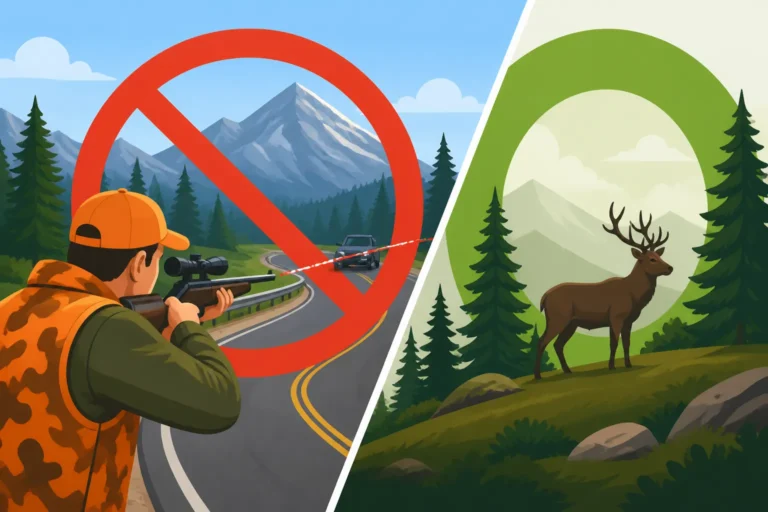
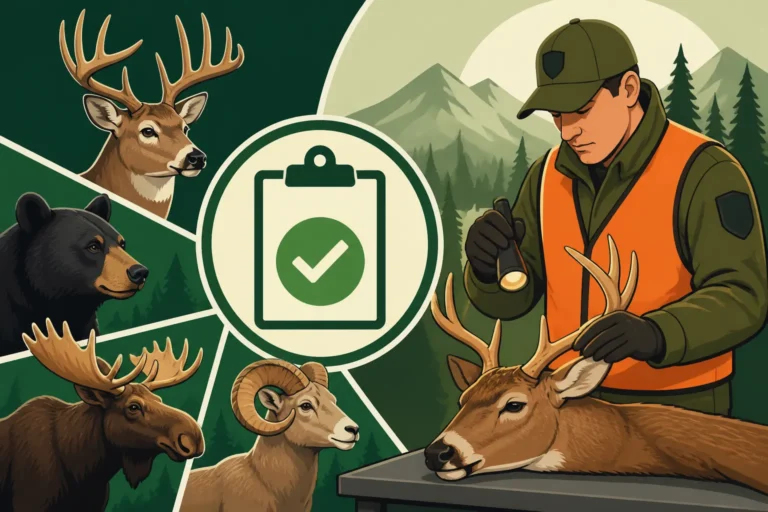
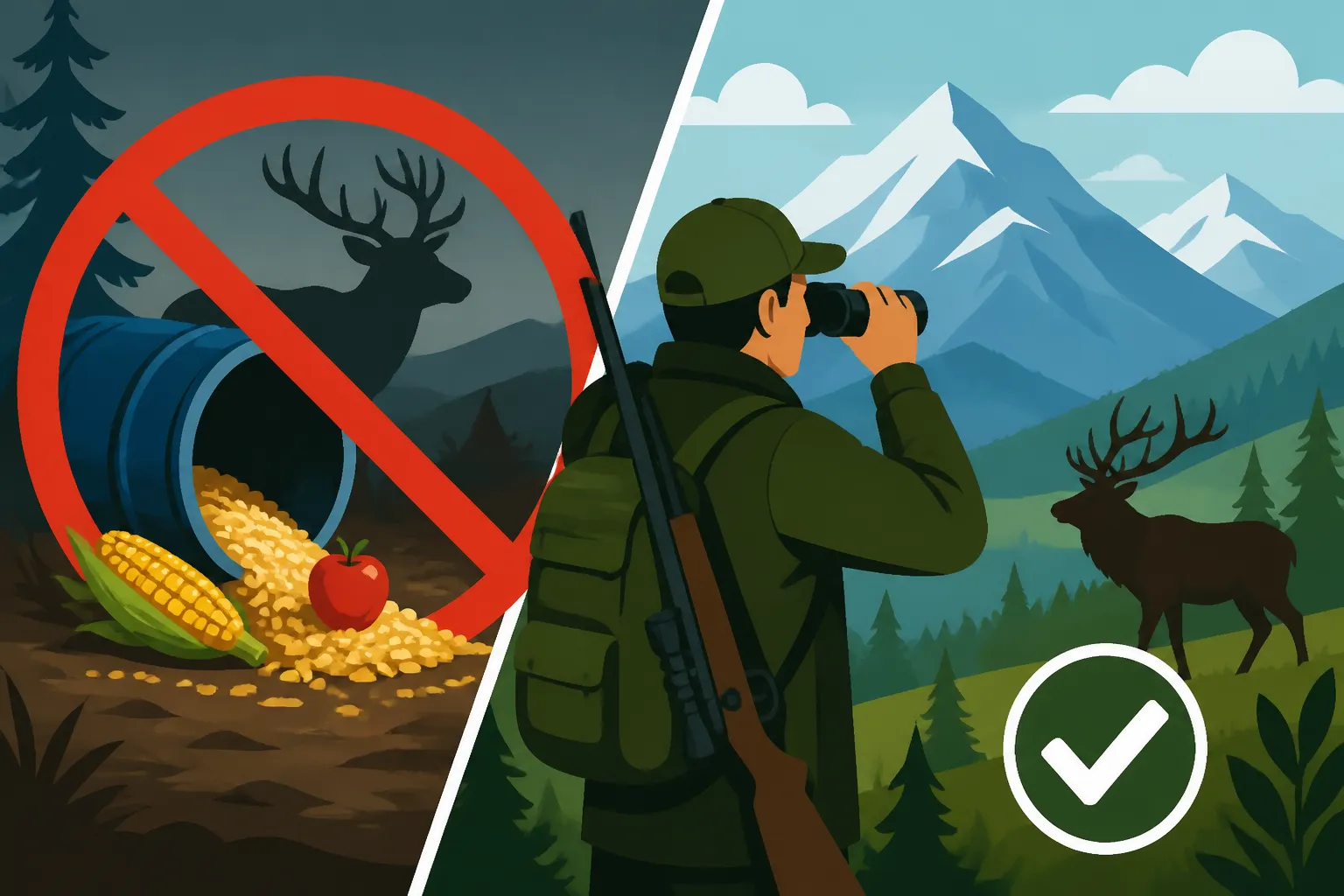
In British Columbia, you may not hunt big game with the aid of bait. That covers deer, elk, moose, bears, sheep, goats and the other big game species. Placing food or other attractants to draw an animal in, and then hunting near that bait, is not legal. This includes black bears, which surprises many hunters who come from provinces and states where bear baiting is a mainstream method.
The rule reflects a long-standing view in BC that hunting should rely on fair chase and on reading the land. It also reflects real wildlife management concerns. Bait concentrates animals in unnatural ways, can spread disease between animals that would not normally come into close contact, and can teach bears to associate people with food. Each of those issues has consequences that last well beyond a single hunt.
For a hunter, the practical result is simple. In BC, you find animals by scouting their natural food sources, travel routes and bedding areas. You do not bring the food to them. If you are used to sitting over bait, that is a big adjustment, but it is also part of what makes hunting here so rewarding.
What Counts as Bait
The question that comes up most often is what exactly counts as bait. In general terms, bait is food or another substance placed by a person to attract wildlife. A pile of grain, a bucket of donuts, a beaver carcass dragged into a clearing, a block of salt or minerals set out in the bush, or a sack of apples dumped at the edge of a cutblock all fit that description. The key element is that a person put it there to draw animals in.
Natural food sources are not bait. A berry slope in August, a salmon creek in the fall, a fresh green-up of grasses on a spring avalanche chute, or a willow flat are all places animals go because the food grows there. Hunting those places is not baiting; it is good scouting. The line between the two is whether a person placed the attractant.
Agricultural crops grown as part of normal farming are generally treated as natural food sources. Hunting deer on the edge of an alfalfa field in the Peace or a hay meadow in the Kootenays, with the landowner’s permission, is a long-standing part of BC hunting. What changes the picture is someone deliberately placing feed to draw animals, rather than growing a crop. Always read the definitions in the synopsis, and if you are unsure, ask a conservation officer before you hunt.
Feeding Dangerous Wildlife
Separate from the hunting rules, the BC Wildlife Act makes it an offence to feed dangerous wildlife, which includes bears, cougars, wolves and coyotes, or to leave food or garbage where it attracts them. Conservation officers can also issue orders requiring people to remove attractants. These rules apply to everyone, not just hunters, and they are why you see bear-resistant garbage bins across the province.
For hunters, the attractant rules matter in two ways. First, they reinforce the ban on baiting bears: putting out food that attracts bears is a problem whether or not you are hunting them. Second, they apply to your camp. Leaving food, garbage or meat where bears can get at it is not just risky; it can be an offence. Store food properly, hang meat well away from where you sleep, and pack out your garbage.
These rules exist because a fed bear is a dangerous bear. Bears that learn to associate people with food often end up being destroyed. A hunter who leaves a mess at camp is not just risking a ticket; they may be setting up a future conflict that ends badly for both people and bears.
Grey Areas Hunters Ask About
Most hunters understand that dumping a pile of grain in the bush is baiting. The harder questions come with products and practices that sit closer to the line. Here are the ones I hear about most often.
Scents, Lures and Calls
Calls are not bait. Rattling antlers, using a grunt tube, cow calling for moose, bugling for elk or blowing a predator call are all legal ways to bring an animal closer, because you are imitating a natural sound rather than placing an attractant. Decoys are in the same category for most species. Calling is a skill, and it can be extraordinarily effective in BC. For more on predator calling, see Calling Predators in British Columbia.
Scents are trickier. Cover scents that mask human odour are widely used and do not attract animals with food. Commercial lures, such as doe urine or estrus products, are sold in BC sporting goods stores and are used by many hunters, but products that contain food or flavour attractants raise questions. Some attractant products are essentially bait in a bottle. If a product’s purpose is to draw animals to a spot by offering something to eat or lick, treat it as bait and do not hunt over it.
Mineral and salt licks deserve special mention. Some hunters assume a salt block is not food and therefore not bait. That is a mistake. A salt or mineral block placed to draw animals is an attractant placed by a person, and hunting over it is likely to be treated as baiting. Natural mineral licks, where animals come to lick soil or rock, are a different thing; they are natural features and can be good places to watch, subject to any closures in your unit.
Gut Piles, Carcasses and Natural Concentrations
What about a gut pile from an animal you or someone else shot? Leaving the offal where you field dressed an animal is normal and legal. But deliberately moving a carcass, gut pile or other remains to a spot to attract bears or predators is a different matter. The test is again whether a person deliberately placed it to draw animals.
Hunters sometimes ask whether they can hunt near a spot where someone else has baited illegally. The safest answer is no. If you find a bait site, do not hunt it, and consider reporting it. Hunting near illegal bait can put you in a difficult position even if you did not place it.
Natural concentrations are fair game. Spring bears on green grass, fall bears on berries, salmon streams, burns full of new growth and willow flats in moose country are all legitimate places to hunt because the animals come there naturally. That is the heart of BC hunting. For seasonal examples, see Black Bear Hunting British Columbia’s Spring and Hunting Fall Bears on British Columbia Berry Slopes.
Trail Cameras and Attractants
Trail cameras are a popular scouting tool, and using them on their own is generally legal on Crown land, subject to any specific rules for your area. What hunters need to avoid is pairing cameras with attractants. Setting a camera over a pile of apples or a mineral block to pattern animals and then hunting that spot is baiting, whatever you call it.
There is a simple way to stay on the right side of the line: put cameras on natural travel routes, trails, wallows, rubs, scrapes and natural food sources. You will learn just as much about the animals, and you will be hunting the way BC law intends. For more on cameras, see Trail Camera Rules in British Columbia.
GoHunt and similar mapping tools can help you find natural features worth watching, such as saddles, benches, burns and water. Combining good maps with a few well-placed cameras is often more effective than any attractant.
Waterfowl, Predators and Trapping
The big game rules are the most commonly discussed, but bait rules also apply to waterfowl, predators and trapping, and each of these areas has its own framework.
Migratory Bird Bait Rules
Ducks, geese and other migratory birds are governed by federal regulations, which include their own rules on bait. In general, you may not hunt migratory birds near a place where bait has been deposited, and the rules set a distance and a period of time that must pass after bait is removed before hunting can take place. Normal agricultural practices, such as standing crops, harvested fields and crops left after harvest, are treated differently from deliberately placed feed.
The details matter here, so read the federal regulations for the season you are hunting. If you hunt geese on farm fields in the Fraser Valley or the Peace, ask the farmer about any feed that has been placed for livestock or birds. For more on field hunting, see Hunting Canada Geese on British Columbia Fields.
Waterfowl hunters also need to use non-toxic shot and hold the federal migratory game bird permit, but those are separate from the bait rules.
Predators and Bait
Wolves, coyotes and cougars are hunted in BC under their own seasons and rules. Calling is a common and effective way to hunt wolves and coyotes. Using bait to hunt these predators raises the same issues as with other species, and the attractant rules for dangerous wildlife apply. Do not assume that because a predator is not big game, baiting it is acceptable.
Trapping is a different matter. Licensed trappers operate under trapping regulations, which have their own rules on bait and lures for specific types of sets. Those rules apply to trapping, not hunting. A hunter cannot borrow trapping rules to justify a bait site. For more on how trapping and predator rules fit together, see Trapping and Predator Rules in British Columbia.
A Quick Comparison of Common Situations
The table below summarises some common situations. Treat it as a guide to the general principles, not as a substitute for the regulations.
| Situation | Generally legal | Why |
|---|---|---|
| Hunting bears on a natural berry slope | Yes | Natural food source |
| Hunting bears over a barrel of bait | No | Bait placed by a person |
| Hunting deer on the edge of an alfalfa field with permission | Yes | Normal agricultural crop |
| Hunting deer over a pile of apples you placed | No | Bait placed by a person |
| Hunting over a salt or mineral block | No | Attractant placed by a person |
| Calling moose, elk or predators | Yes | Calling is not bait |
| Using cover scent to mask human odour | Yes | Does not attract with food |
| Hunting ducks over deliberately spread grain | No | Federal bait rules |
| Leaving food or garbage at camp | No | Attractant rules for dangerous wildlife |
Staying Legal and What Happens If You Do Not
The baiting rules are not complicated once you understand the principle: animals should come to a spot because the land draws them, not because a person did. Here is how to put that principle into practice.
A Simple Checklist Before You Hunt a Spot
- Ask yourself whether anything at the spot was placed by a person to attract animals.
- Look for signs of bait, such as piles of feed, salt blocks or carcasses, especially near stands or blinds.
- Check the definitions of bait and attractant in the current synopsis and the federal regulations for waterfowl.
- Confirm the land status and get permission for private land, and ask landowners about any feed placed for livestock.
- Store food, garbage and meat properly at camp.
- If you find illegal bait, do not hunt the spot and consider reporting it.
This takes a few minutes, and it can save you a great deal of trouble. Use GoHunt or other mapping tools to scout natural features before you go, so you are not tempted to rely on attractants once you get there.
Penalties and Consequences
Hunting with the aid of bait can lead to fines, seizure of equipment and animals, and loss of hunting privileges. Feeding dangerous wildlife or failing to remove attractants can also lead to fines and orders. The consequences grow for repeat offences. For a broader look at how hunting violations are handled, see Penalties for a Hunting Violation.
Beyond the legal consequences, baiting can harm the wildlife you care about and damage the reputation of hunters in the eyes of the public. BC hunters have worked hard to show that hunting is an ethical, conservation-minded activity. Respecting the bait rules is part of that.
Reporting Illegal Bait
If you find a bait site, especially one that appears to be used for hunting, you can report it to the Conservation Officer Service. The Report All Poachers and Polluters line takes reports of hunting violations, including illegal baiting and feeding of dangerous wildlife. For details on how reporting works and what information to include, see The Report All Poachers and Polluters Line.
Note the location, take photos if it is safe to do so, and leave the site undisturbed. Do not confront anyone you suspect of baiting. Let the professionals handle it. When in doubt about any of these rules, Where to Read the Regulations Synopsis points you to the official sources, and GoHunt’s research resources can help you plan legal hunts around natural food and cover.
Disclaimer
This article is for general informational purposes only and does not constitute professional advice. Laws, prices and regulations vary by location and change over time. Consult a qualified professional for guidance on your specific situation.