Hunting British Columbia’s Coastal Blacktail
Hunting British Columbia's coastal blacktail deer can be an incredibly rewarding experience, but let's be real – it's also a gruelling challenge. The dense rainforest, relentless rain, and often impenetrable brush can push even the most seasoned hunter to their limits, making these elusive deer seem like ghosts in the mist. This guide is designed to cut through the confusion and provide you with a comprehensive roadmap, sharing practical strategies, essential gear advice, and local insights to help you navigate the unique world of coastal blacktail hunting and significantly improve your chances of success.
Understanding the Coastal Blacktail Deer
Coastal blacktail are a truly unique subspecies, perfectly adapted to the rugged, wet environment of British Columbia's Pacific Coast. They're not your wide-open country mule deer, nor are they as widespread as their whitetail cousins. Understanding their habits and the specific challenges of their habitat is the first step towards hunting them successfully.
Their Habitat and Movement Patterns
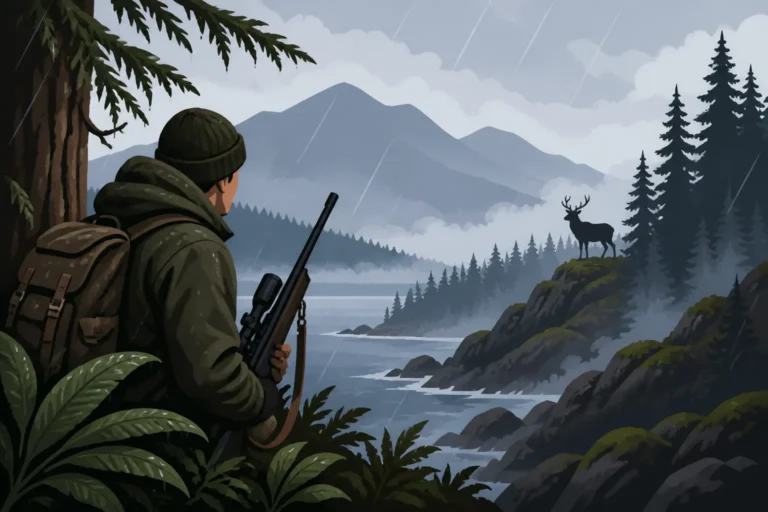
The coastal blacktail lives in a world of towering old-growth timber, dense second-growth clearcuts, and a seemingly endless maze of thick salal, huckleberry, and devil's club. They thrive in this almost jungle-like environment, using the dense cover for security and the abundant understory vegetation for forage. You'll often find them along the edges of clearcuts, where new growth provides food, or tucked deep into the darker timber, bedding down in areas that offer both concealment and a strategic view of their surroundings. Their home ranges can be surprisingly small in areas with excellent cover and food, but they are also masters of disappearing into the thickest nastiest brush when pressured.
Unlike interior deer that might migrate significant distances to winter range, coastal blacktail often have more localized movements, shifting between different elevations or aspects depending on snow load and food availability. In mild coastal winters, they might stay relatively high, whereas a heavy snowfall will push them down into more sheltered valley bottoms or lower slopes. Knowing How Blacktail Use Second Growth is key, as these regenerating areas are often prime feeding grounds, especially in the early morning or late evening. They are incredibly good at moving silently through cover that would stop a human dead in their tracks, which is a major part of Why Blacktail Are Hard to See.
Seasonal Behavior and Rut Timing
Coastal blacktail deer exhibit distinct seasonal behaviors that dictate their availability and vulnerability to hunters. In the early archery seasons of September, bucks are often still in their summer patterns, frequenting lush feeding areas and perhaps still bachelor-grouped up. As October and November approach, things start to change. The pre-rut begins to stir, and bucks become more active, rubbing antlers and laying down scent. This is when they start to break away from their summer haunts and cover more ground, searching for does.
The peak of the rut for coastal blacktail typically occurs in mid-November, though it can vary slightly depending on the region and specific weather patterns. During this time, bucks are far less cautious, focused almost entirely on breeding. This window offers some of the best opportunities for hunters who are willing to brave the often-inclement weather. Post-rut, bucks will quickly return to conserving energy, becoming more reclusive and seeking out good winter feed and security cover. Understanding When the Blacktail Rut Peaks is crucial for planning a hunt during their most vulnerable period.
Essential Gear for Coastal Blacktail Hunting
Hunting coastal blacktail isn't just about strategy; it's about survival and comfort in some of the most challenging weather conditions British Columbia can throw at you. Your gear isn't just a luxury; it's a necessity that can make or break your hunt. Skimping on quality here is a mistake you'll regret the moment the rain starts.
Rain Gear and Layering Systems
Let's face it: if you're hunting the B.C. coast, you're going to get wet. It's not a question of if, but when and how much. High-quality, breathable rain gear is non-negotiable. Forget about those cheap ponchos or bargain-bin jackets; they simply won't stand up to the relentless downpours you'll encounter. Look for gear with a high waterproof rating (20,000mm or more) and excellent breathability (like Gore-Tex or similar proprietary membranes). Brands like Sitka, Kuiu, and Patagonia offer systems designed for these exact conditions, and they're worth the investment. Your outer shell should be durable enough to withstand snags from thorns and brush, because you'll be pushing through a lot of it.
Underneath that protective shell, a thoughtful layering system is critical for managing your body temperature. Start with a moisture-wicking base layer (merino wool or synthetic, never cotton) to pull sweat away from your skin. Add a mid-layer for insulation – a fleece jacket or a lightweight puffy vest works well. On colder days, you might need a heavier insulating layer. The beauty of a layering system is its versatility; you can add or shed layers as your activity level changes or as the weather shifts, which it will, often dramatically, when Hunting British Columbia's Coastal Rain. Don't forget waterproof gloves and a good wide-brimmed hat to keep rain off your face.
Optics and Navigation Tools
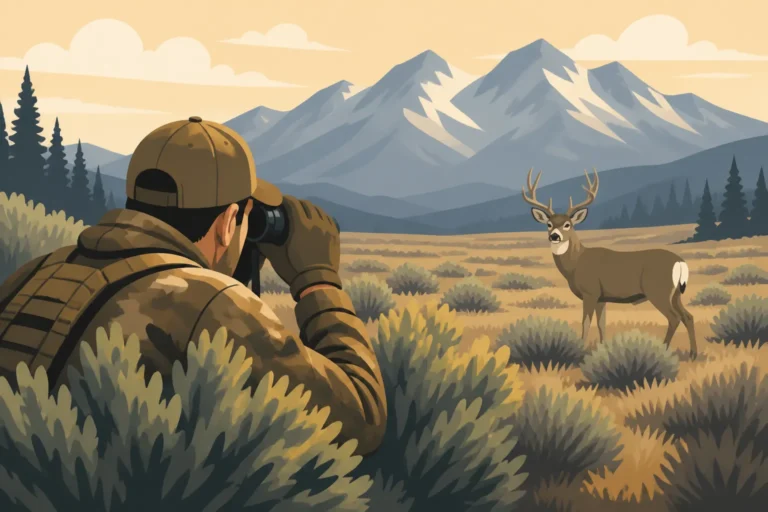
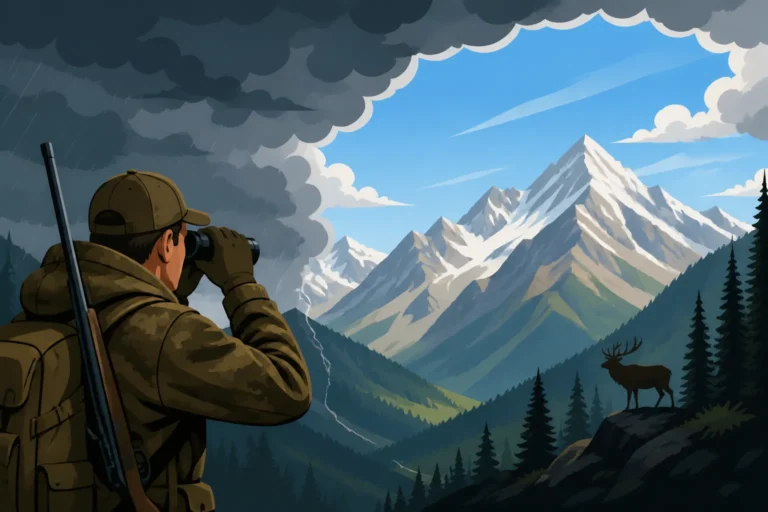
In the thick, broken terrain of the coast, effective optics are your eyes through the brush. A good pair of binoculars, usually 8x or 10x, is essential for picking apart shadows and identifying deer in dense cover. You'll spend a lot of time glassing clearcut edges, open slides, and the fringes of timber patches. Quality glass makes a huge difference in low light conditions, which are common under the heavy canopy or on overcast, rainy days. While a spotting scope isn't usually necessary due to the close-quarters nature of many coastal blacktail encounters, a rangefinder is always a wise addition for confirming shot distances, especially in varying light and terrain.
Navigating the coastal forests can be disorienting. Logging roads crisscross the landscape, but many are overgrown, deactivated, or simply don't show up on older maps. A reliable GPS unit or a smartphone with a robust hunting app is indispensable. Apps like GoHunt offer detailed satellite imagery, topo maps, and the ability to mark waypoints, which are invaluable for tracking your movements, marking significant sign, and ensuring you can find your way back to your vehicle. Always carry a physical map and compass as a backup, and know how to use them, because electronics can fail, especially in wet conditions. Being able to determine your precise location and plan your route is critical when deep in unfamiliar territory, as cell service is often nonexistent.
Footwear and Pack Considerations
Your feet are your foundation, and in coastal blacktail country, they're going to take a beating. Invest in high-quality, waterproof, and durable hunting boots with excellent ankle support. Full-grain leather or synthetic boots with a Gore-Tex membrane are ideal. Make sure they're well broken in before your hunt. Pair them with good merino wool socks, and carry spare pairs. Nothing saps morale faster than cold, wet feet.
A comfortable, robust hunting pack is equally important. You'll be carrying a significant amount of gear: rain layers, extra food, water, first-aid, survival essentials, and hopefully, meat. A pack with a capacity of 30-50 liters is usually sufficient for day hunts, but if you're planning an overnight trip, you'll need something larger, perhaps 60-80 liters. Look for a pack with a good frame that can comfortably distribute weight and has external straps or pockets for items you need quick access to. The ability to carry a heavy load comfortably is paramount, as What a Coastal Blacktail Weighs can be substantial, and getting it out of steep, wet country is no easy feat.
Proven Hunting Methods for British Columbia Blacktail
The dense, broken terrain of British Columbia's coast demands specific hunting tactics. Unlike wide-open western hunts, you're rarely going to see a blacktail from hundreds of yards away. This means getting in close, being stealthy, and knowing how to interpret subtle signs.
Still-Hunting in Dense Second Growth
Still-hunting is arguably one of the most effective methods for coastal blacktail, precisely because it forces you to slow down and become part of the environment. This technique involves moving incredibly slowly and deliberately through the forest, pausing frequently to observe, listen, and scan your surroundings. You're not just walking; you're hunting with every step. Focus on areas of dense second-growth timber, the edges of thickets, and draws that offer cover and travel routes. Deer will often bed down in these areas, relying on their camouflage and the thick brush to remain undetected.
When Still-Hunting Second Growth for Blacktail, pay meticulous attention to the wind, as these deer have an incredible sense of smell. Move into the wind or with a crosswind to avoid spooking game. Take one or two steps, then pause for several minutes, scanning the area slowly with your binoculars. Look for horizontal lines, patches of contrasting color, or the flick of an ear that might indicate a deer. The key is patience. Many blacktail are seen at very close quarters – sometimes within spitting distance – because they allow you to walk past them if they feel hidden. Being ready to react quickly to a sudden appearance is crucial.
Spot-and-Stalk in Openings and Clear-cuts
While still-hunting dominates in thick timber, spot-and-stalk tactics come into play when you encounter more open areas, such as clearcuts, powerline rights-of-way, or avalanche chutes. These areas, particularly those with younger growth, are magnets for blacktail looking to browse on fresh vegetation. Early mornings and late evenings are prime times, as deer move out of their bedding areas to feed.
To execute a successful spot-and-stalk, find a vantage point that allows you to glass large sections of the clearcut or opening. Use your binoculars to systematically pick apart the edges, any islands of timber, and even the shadows within the cut. Once you spot a deer, the real challenge begins. Plan your stalk carefully, using terrain features, available cover, and wind direction to your advantage. Coastal clearcuts are often littered with blowdowns and dense brush, making a silent approach incredibly difficult. Take your time, move slowly, and be prepared to abandon the stalk and try again if the deer becomes aware of your presence. Hunting a British Columbia Island Clearcut Edge can be particularly productive as deer often use these transition zones.
Calling Tactics for Blacktail Bucks
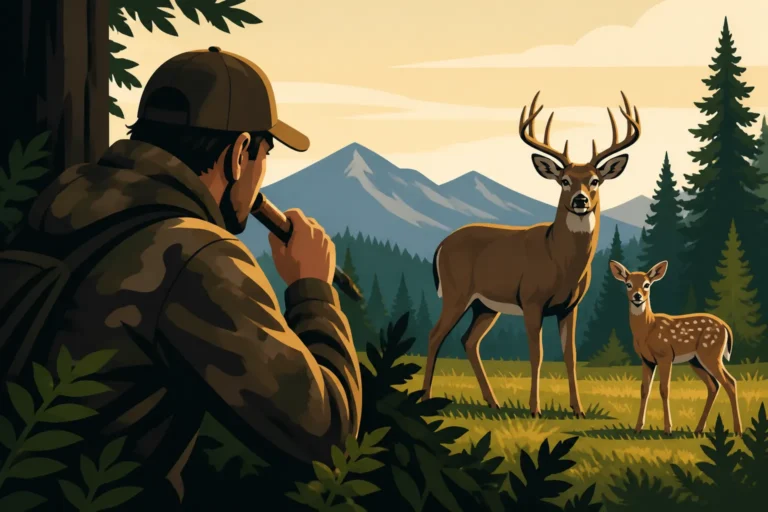
Calling is another powerful tool in the coastal blacktail hunter's arsenal, especially during the pre-rut and rut. While not as commonly employed as for species like elk or moose, blacktail bucks can respond surprisingly well to certain vocalizations. The most effective calls mimic a fawn in distress or a doe bleat. These sounds can pique the curiosity of a buck, drawing him in to investigate a potential "hot" doe or to check on what might be a vulnerable fawn.
A soft fawn bleat or a short, pleading doe bleat can be particularly effective when blind calling in thick cover or after you've spotted a deer that's just out of range or in heavy cover. The key is to be subtle and realistic. Don't overcall. Make a few soft calls, then wait for 5-10 minutes, scanning constantly. Bucks will often circle downwind to scent-check the source of the call, so be vigilant for movement in unexpected directions. Using a grunt tube can also work, especially if you want to mimic a dominant buck. Remember to be concealed and ready for a shot, because when a blacktail buck responds, he often comes in quickly and silently. Learning how to effectively use a Calling a Blacktail Buck With a Fawn Bleat can turn a quiet hunt into an exciting encounter.
Navigating British Columbia's Coastal Terrain
The terrain itself is one of the biggest adversaries for coastal blacktail hunters. It's a combination of dense vegetation, steep slopes, slippery ground, and unpredictable weather that requires careful planning and a healthy respect for the wild.
Dealing with Wet Weather and Rugged Undergrowth
British Columbia's coast is famous for its rainfall, and that's putting it mildly. You're going to encounter rain, from light drizzle to torrential downpours, and you need to be prepared for it. Beyond good rain gear, it means thinking about how rain affects the environment and your hunting. Wet ground means quieter walking, which can be an advantage for still-hunting, but it also means slippery roots, rocks, and mud. Every step needs to be calculated to avoid falls and maintain stealth.
The undergrowth is often a tangled mess of thorny bushes, fallen logs, and moss-covered obstacles. Moving through it is slow, noisy, and physically demanding. Expect to average less than a kilometer an hour in some areas. This intense environment impacts visibility significantly, meaning shot opportunities are often close-range and fleeting. You'll need to develop an eye for reading deer sign in this wet environment, from tracks in soft earth to fresh rubs on wet trees. Reading Blacktail Sign in Wet Ground is a skill that takes time to develop, but it's invaluable.
Accessing Remote Hunting Areas
Many of the best coastal blacktail hunting spots are not easily accessible. The vast network of logging roads provides some access, but many are active hauling roads requiring radio protocols, others are deactivated or overgrown, and some areas are simply wilderness requiring serious effort to reach. Knowing how to interpret forestry maps and recent satellite imagery is crucial. Utilizing tools like GoHunt or similar mapping applications can reveal old spur roads or trails that are no longer maintained but might offer foot access into promising areas.
For truly remote areas, you might consider boat access along coastal inlets or floatplane charters to alpine lakes or remote rivers. These methods significantly expand your hunting grounds, allowing you to get away from road hunting pressure. However, they also introduce complex logistics and require thorough planning for safety and emergency preparedness. Always be mindful of the rules regarding Hunting From a Boat on the Coast or other specialized access methods. When planning a remote trip, consider your exit strategy carefully, especially when thinking about packing out a large animal.
Bear Safety in the Coastal Forest
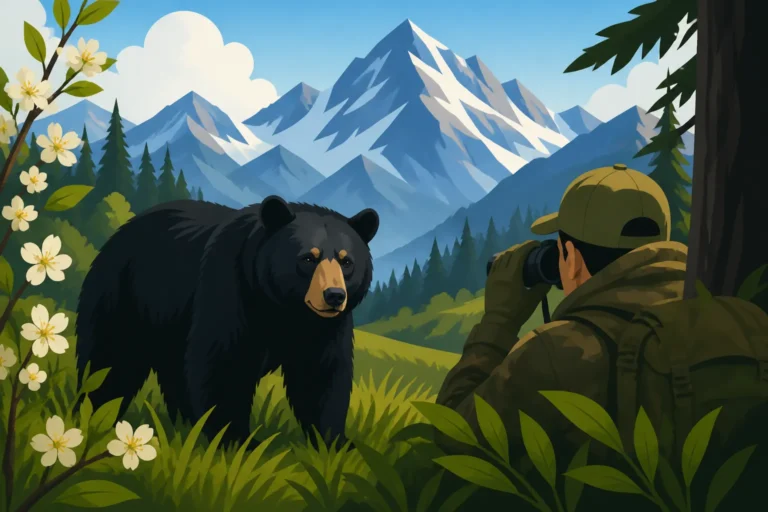
It's impossible to talk about hunting the British Columbia coast without addressing bear safety. Both black bears and grizzly bears inhabit these dense forests, and encounters are a distinct possibility. While black bears are more common, grizzlies are present in many coastal regions, particularly in the mainland inlets. Always be bear aware, carry bear spray, and know how to use it. A noisemaker like a bear bell or periodically calling out "hey bear!" can help prevent surprise encounters, especially when moving through dense brush where visibility is low.
When hunting, process game quickly and efficiently to minimize the time scent is in the air. Store food securely in bear-resistant containers or hung from a tree if camping overnight. If you encounter a bear, identify the species and react appropriately. Black bears can often be deterred by making yourself look big and making noise. Grizzlies require a different approach; avoid eye contact, speak in a calm voice, and slowly back away. Never run. Having a partner who also carries bear spray and is aware of the proper protocols can significantly increase safety. For comprehensive information, consult resources on Bear Safety While Hunting in British Columbia.
Post-Harvest Considerations in the Rainforest
The hard work doesn't end when you pull the trigger. In the coastal rainforest, proper post-harvest care is crucial, especially given the wet, humid conditions and the potential for long, difficult pack-outs.
Field Dressing and Meat Care in Humid Conditions
Once your blacktail is on the ground, speed and efficiency in field dressing are paramount. The combination of warmth and humidity can spoil meat incredibly quickly. Get the guts out immediately to allow the carcass to cool. Skinning the animal as soon as possible is also highly recommended, as the hide acts as an insulator, trapping heat. If you're deep in the bush and can't get the animal back to camp or your vehicle quickly, quartering the animal and hanging the meat in game bags is the best approach.
Hang quarters in a shady, breezy spot, off the ground, to maximize air circulation. Even then, spoilage can be a concern. Consider bringing large, light game bags that are breathable but also protect against flies and dirt. If the weather is particularly warm, carrying a small, lightweight tarp can create a makeshift shelter to provide additional shade. For detailed advice, checking out information on Field Dressing in British Columbia's Wet Weather can provide invaluable tips for preserving your hard-earned meat in these challenging conditions.
Packing Out in Steep, Wet Terrain
Packing out a deer from coastal blacktail country is often the most physically demanding part of the hunt. The terrain is frequently steep, slippery, and covered in dense blowdowns and undergrowth. A good frame pack designed for heavy loads is essential. Mentally prepare for slow going and multiple trips if necessary. Don't overload yourself; fatigue can lead to accidents.
When quartering, bone out as much as possible to reduce weight. Ensure each quarter is cleanly cut and placed in a separate game bag. Secure the load in your pack, distributing the weight evenly to maintain balance on uneven ground. Poles can be incredibly helpful for stability on steep descents or slippery slopes. Plan your route carefully, looking for the path of least resistance, even if it adds a bit of distance. It's always better to take a slightly longer, safer route than a direct, hazardous one. For more insights on this challenge, resources covering Getting Meat Out of Steep British Columbia Country are highly relevant.
Planning Your Coastal Blacktail Hunt
A successful hunt is rarely a spontaneous event; it's the result of diligent planning, research, and preparation. This is especially true for the unique challenges of coastal blacktail.
Season Dates and Regulatory Considerations
Before you even think about packing your bags, you need to understand the regulations. British Columbia has specific season dates for different species and management units (MUs). Coastal blacktail seasons often open in early September for archery hunters, with general open rifle seasons typically starting in October and running through November or sometimes into December, depending on the specific MU. Always consult the current British Columbia Hunting and Trapping Synopsis, which is updated every two years, for the most accurate and up-to-date information. Pay close attention to bag limits, antler restrictions (such as 4-point rules in some areas), and any Limited Entry Hunting (LEH) requirements.
It's also crucial to understand the rules for specific regions. For instance, Vancouver Island Deer Season Dates might differ slightly from those in the Lower Mainland or other coastal regions. Ensure your hunting license and species tags are valid and properly acquired. Don't forget the mandatory online harvest reporting that applies to all hunters in British Columbia. Failing to report within 30 days can result in penalties and future license restrictions.
Scouting and E-Scouting Opportunities
Pre-season scouting is paramount. If you can physically get into your chosen hunting area before the season, it will give you an immense advantage. Look for fresh sign: tracks, rubs, scrapes, and feeding areas. Identify natural funnels, bedding areas, and travel corridors. Pay attention to water sources and areas with abundant browse. Remember, coastal blacktail often prefer areas with dense cover, so focus your scouting efforts there.
E-scouting has become an invaluable tool, especially when physical scouting isn't feasible due to distance or time constraints. Platforms like GoHunt allow you to spend hours poring over satellite imagery, identifying potential clearcuts, old logging roads, and changes in vegetation. You can mark waypoints for promising spots, access points, and potential glassing knobs. Look for variations in terrain, like draws or benches, that might concentrate deer movement. Overlaying topographic maps helps visualize elevation changes and steepness. Even though the coast is thick, e-scouting can give you a crucial starting point and help you develop a sound game plan before you ever set foot in the woods. Pay attention to recent satellite images to see new logging activity or areas that have regrown.
Disclaimer
Please remember that hunting is an inherently dangerous activity. Always prioritize safety, adhere to all provincial and federal regulations, and obtain the necessary licenses and permits. This guide provides general information and recommendations; specific conditions and regulations can change. It is your responsibility to confirm all current hunting regulations and to hunt ethically and responsibly.