What to Wear for British Columbia’s Coastal Rain
The relentless rain of coastal British Columbia can be a hunter's greatest adversary, transforming what should be an exciting pursuit into a miserable, hypothermia-inducing ordeal if you're not properly equipped. Many hunters underestimate just how wet it truly gets out here, leading to soaked gear, shivering discomfort, and a premature end to their plans. This comprehensive guide will walk you through exactly what to wear to stay dry, warm, and effective when hunting in British Columbia's notoriously damp coastal environment, ensuring your focus remains on the hunt, not the weather.
Understanding British Columbia's Coastal Weather Challenge
Before we even dive into specific gear, it's crucial to grasp the unique nature of British Columbia's coastal weather. This isn't your average drizzle or a passing shower; it's a persistent, often saturating wetness that can test even the most seasoned outdoors enthusiast. Failing to prepare for this specific environment is a recipe for a truly miserable experience, and potentially, a dangerous one.
The Persistent Nature of Coastal Precipitation
Imagine stepping out into a landscape where the air itself feels thick with moisture. On the coast of British Columbia, especially on Vancouver Island, the Sunshine Coast, or within the Great Bear Rainforest, you can expect long periods of continuous rain. We're talking about days, sometimes weeks, where the sky seems to weep without end. This isn't the type of rain that lets up for an hour or two, giving your gear a chance to dry out. Instead, it's a constant, steady soak that permeates everything it touches.
The psychological toll alone can be significant. When every step squishes, and the drip-drip-drip becomes a monotonous soundtrack, it can wear down your resolve. Physically, this persistent wetness leads to rapid heat loss. Even if the air temperature isn't freezing, being continuously wet can quickly lead to hypothermia, making simple tasks difficult and reducing your ability to react effectively in a hunting scenario. It's not enough for your gear to be "water resistant"; it absolutely must be fully waterproof and able to stand up to an enduring deluge.
Humidity, Wind, and Temperature Swings
Beyond the sheer volume of rain, the coastal environment brings a trifecta of other challenges: high humidity, biting winds, and unpredictable temperature fluctuations. The humidity is often near 100%, meaning that once your gear gets wet, it struggles immensely to dry, even if the rain momentarily stops. That damp jacket you shrugged off in the morning might still be damp in the evening, refusing to release its moisture into the already saturated air.
Then there's the wind. On the coast, wind often accompanies the rain, driving it horizontally and forcing moisture into any tiny gap or seam in your clothing. A strong gust can strip away your body heat alarmingly fast, especially if your insulating layers are compressed or compromised. Imagine trying to glass a distant hillside for Hunting Blacktail in British Columbia's Coastal Rain with cold, numb fingers while the wind tries to rip your hat off. The wind chill factor is a real concern, making even mild temperatures feel much colder.
Finally, coastal temperatures can be surprisingly dynamic. A clear, crisp morning might quickly give way to a foggy, rainy afternoon, and then drop several degrees as evening approaches. You need a clothing system that can adapt to these shifts without requiring a full wardrobe change every few hours. This means layering is not just a suggestion; it's the fundamental principle of staying comfortable and safe.
The Art of Layering: Your Defense System Against the Elements
Successfully hunting in British Columbia's coastal rain isn't about one magic piece of gear; it's about a well-thought-out system of layers that work together to manage moisture and maintain your core temperature. Think of your clothing as a mobile, breathable shelter that you wear. Each layer has a specific job, and understanding these roles is key to staying dry and warm.
The Base Layer: Managing Moisture from Within
Your base layer is the foundation of your entire clothing system, and its primary job is to wick moisture away from your skin. Even on a cold day, strenuous activity like still-hunting Still-Hunting Second Growth for Blacktail or hiking through thick timber will make you sweat. If that sweat stays against your skin, it rapidly cools and leaves you feeling clammy and cold – a fast track to discomfort and potentially hypothermia in a wet environment.
This is why the old adage of "cotton kills" is so critically true in coastal British Columbia. Cotton absorbs moisture like a sponge and takes forever to dry, stealing warmth from your body the entire time. Instead, you want materials that excel at moving moisture and drying quickly. Merino wool is an excellent choice for a base layer. It's soft, naturally antimicrobial (which helps with odor on multi-day hunts), and surprisingly warm even when damp. Synthetic blends, often made from polyester or polypropylene, are also fantastic options. They are usually more affordable, incredibly durable, and wick moisture aggressively. Choose a weight appropriate for the expected temperatures and your activity level – a lightweight base for high exertion or warmer days, and a mid-weight for colder, less active periods.
The Mid-Layer: Insulation Without Bulk
Once your base layer has moved moisture away from your skin, your mid-layer steps in to provide insulation. Its job is to trap warm air close to your body, holding onto that precious heat generated by your metabolism. The key here is to choose materials that offer a good warmth-to-weight ratio and, crucially, retain their insulating properties even if they get a little damp.
Fleece is a perennial favorite for mid-layers. It's relatively inexpensive, durable, and breathes well. Modern synthetic puffy jackets, filled with materials like Primaloft or similar insulation, are also fantastic. They compress well, making them easy to stash in your pack, and they provide significant warmth without adding excessive bulk. Unlike down, which loses most of its insulating power when wet, synthetic insulation continues to perform even if some moisture seeps through your outer shell. You might consider carrying a couple of mid-layers of different weights – a lighter fleece for active periods and a heavier puffy for static glassing or sitting in camp. This allows you to fine-tune your insulation throughout the day as conditions and activity levels change.
The Outer Shell: The Absolute Waterproof Barrier
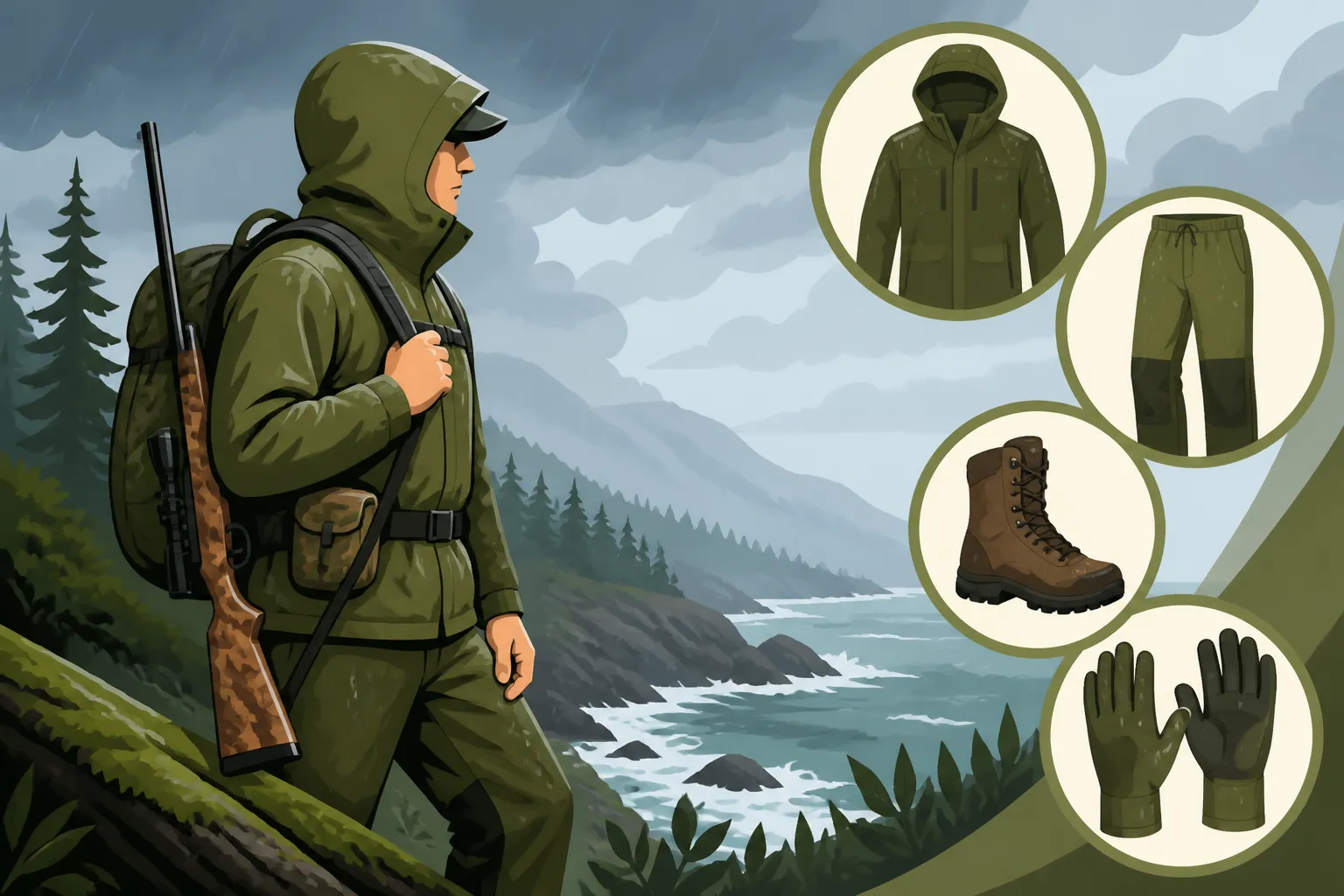
This is where the rubber meets the road (or rather, where the rain hits your jacket). Your outer shell is your ultimate defense against external moisture, and in coastal British Columbia, there is simply no compromising on its waterproof capabilities. "Water-resistant" is not good enough; you need a truly waterproof and windproof barrier that can withstand hours, if not days, of continuous rain.
The technology behind waterproof-breathable membranes has come a long way. Gore-Tex is the most famous brand, but many manufacturers have excellent proprietary membranes that perform just as well. Look for jackets and pants with a hydrostatic head rating that signifies true waterproofing. More importantly, check for fully taped seams – if the seams aren't sealed, water will inevitably find its way in.
The goal of this layer is to shed water while still allowing some internal moisture (sweat vapor) to escape. This breathability is what separates a comfortable, effective shell from a glorified plastic bag that leaves you soaking in your own sweat. A high-quality outer shell is an investment, but it's arguably the single most important piece of gear for hunting in coastal British Columbia's wet climate. It will keep you dry, protect your insulating layers, and allow you to stay in the field longer.
| Layer Type | Purpose | Material Suggestions | Why It Matters in BC Coastal Rain |
|---|---|---|---|
| Base Layer | Wicking moisture away from skin | Merino wool, synthetic blends (polyester, polypropylene) | Prevents chilling from sweat, dries quickly, crucial for warmth retention in damp conditions. |
| Mid-Layer | Providing insulation/warmth | Fleece, synthetic puffy jackets (e.g., Primaloft) | Traps warm air, maintains insulating properties even when damp, adaptable to temperature swings. |
| Outer Shell | Waterproof and windproof barrier | Gore-Tex, eVent, proprietary membranes (fully seam-taped) | Stops external rain and wind penetration, crucial for protecting inner layers and preventing rapid heat loss. |
| Headwear | Head warmth and rain protection | Waterproof beanie, brimmed hat (worn under jacket hood) | Prevents significant heat loss from the head, keeps rain out of face and off neck, maintains visibility. |
| Gloves/Handwear | Hand protection and dexterity | Waterproof shells with fleece/wool liners, neoprene | Maintains critical dexterity for handling firearms/bows, prevents frostbite and discomfort, allows for layering. |
| Footwear | Foot dryness, traction, support | High-quality waterproof leather/synthetic boots, rubber boots | Prevents trench foot and blisters, provides stable footing on slick, muddy, or rocky terrain. |
| Socks | Moisture management and cushioning | Merino wool, synthetic blends (no cotton!) | Wicks sweat, reduces friction, provides warmth, crucial for foot health on long, wet treks. |
Essential Outerwear: Your Non-Negotiable Coastal Armor
When you're out Hunting a Coastal Inlet From a Boat or slogging through the bush, your outerwear is the shield between you and the elements. These are the pieces where quality and specific features truly shine, making the difference between enduring and thriving.
Waterproof Jacket: The Cornerstone of Your System
Your waterproof jacket is the single most critical piece of outerwear. It needs to be more than just waterproof; it needs to be functional in a hunting context. Look for a jacket with a robust, durable face fabric that can stand up to abrasions from brush and rocks. Lightweight, ultralight rain jackets are great for emergency stashes, but for active coastal hunting, you'll want something more substantial.
Key features to prioritize:
- Hood Design: A well-designed hood is non-negotiable. It should be fully adjustable to cinch down snugly around your head, move with you when you turn, and effectively channel water away from your face and neck. A brim is incredibly helpful for keeping rain out of your eyes and off your optics.
- Adjustable Cuffs: Cuffs that can be tightly cinched prevent water from running up your sleeves when reaching or drawing a bow.
- Pit Zips: These are crucial for ventilation. When you're working hard, you'll inevitably build up internal heat and moisture. Pit zips allow you to dump that excess heat without having to take off your entire jacket and expose your insulating layers to the rain.
- Pocket Placement: Ensure pockets are strategically placed to be accessible even when wearing a backpack. Waterproof zippers on pockets are a huge bonus for keeping small essentials like a rangefinder or calls dry.
- Seam Sealing: Reiterate that all seams must be factory-sealed or taped. Even the best membrane is useless if water can leak through the stitching.
Think about the fit too. You need enough room to comfortably wear your base and mid-layers underneath without feeling constricted, but not so baggy that it catches on every branch or flaps excessively in the wind.
Waterproof Pants: Protecting Your Lower Half
Often overlooked, waterproof pants are just as important as your jacket. Your legs and seat can get incredibly wet and cold, especially when sitting for extended periods, kneeling to track game, or traversing Hunting British Columbia's Coastal Bogs. A wet lower half can lead to rapid core temperature loss and profound discomfort.
Look for pants made from the same high-quality waterproof-breathable materials as your jacket. Full-length side zippers are a game-changer, allowing you to easily pull them on or off over your boots and other layers without having to stop and undress. This is incredibly practical when the weather changes suddenly. Durable patches on the seat and knees are a smart investment, as these areas take the most abuse and are most prone to wetting out. Some hunters also prefer reinforced cuffs that can withstand snagging on brush or integrate well with gaiters.
For less active hunts or when expecting particularly brutal conditions, some hunters opt for rubberized rain pants or bibs, which offer maximum waterproofness at the expense of breathability. However, for most active hunting, a breathable waterproof pant is preferred to prevent overheating and internal moisture buildup.
Headwear and Gloves: Keeping Extremities Warm and Functional
Your head and hands are critical for both warmth and functionality in the field. A significant amount of body heat can be lost through an uncovered head, and cold, numb hands make everything from loading a rifle to tying a knot an exercise in frustration.
Headwear:
Start with a warm, non-cotton beanie (wool or synthetic) that fits snugly under your jacket hood. On top of that, a waterproof baseball cap or a wide-brimmed waterproof hat can be invaluable. The brim helps keep rain off your face and glasses, improving visibility. Your jacket's hood, when properly adjusted, will provide the main waterproof barrier, but these additional layers provide insulation and help direct water away.
Gloves:
This is where a layering approach really shines. Instead of one heavy pair of gloves, consider a system:
- Thin Liner Gloves: Made of merino wool or thin fleece, these provide a basic layer of warmth and maintain some dexterity. You can often perform delicate tasks, like working a rifle action, while wearing just these.
- Mid-Weight Insulated Gloves/Mittens: For colder, less active periods. These provide more warmth but might sacrifice some dexterity.
- Waterproof Shell Mitts or Gloves: These are your outer barrier, designed to be pulled over your liner and/or insulated gloves. They must be fully waterproof and windproof. Mittens generally offer more warmth than gloves because your fingers share a common air space, but gloves allow for greater dexterity. Many hunters opt for a combination, perhaps a waterproof glove on their shooting hand and a warmer waterproof mitt on the other. Ensure any glove system allows you to manipulate your firearm or bow safely and effectively. Wet, cold hands are a major safety concern in the field.
Footwear, Packs, and Critical Accessories
You can have the best jacket and pants in the world, but if your feet are soaked or your gear is a waterlogged mess, your hunt is effectively over. These often-overlooked details are crucial for a successful and comfortable trip into British Columbia's coastal rain.
Footwear: The Foundation of Comfort and Safety
Your feet are your engines in the backcountry, and keeping them dry and comfortable is paramount. Trekking through the sodden landscape, whether Hunting British Columbia's Logging Road Network or pushing into dense timber, will quickly expose any weaknesses in your footwear.
High-Quality Waterproof Boots: Invest in a pair of truly waterproof hunting boots. Look for models made with Gore-Tex or similar waterproof-breathable membranes. The height of the boot is important too; consider 8-inch or even 10-inch boots to prevent water from slopping over the top in deeper puddles or marshy ground. Durable leather or synthetic uppers, combined with a robust rubber sole that offers excellent traction on slippery mud, wet roots, and rocks, are essential. Break in your boots thoroughly before your hunt to avoid blisters.
Gaiters: These are a non-negotiable item for coastal hunting. Gaiters seal the gap between your pants and your boots, preventing water, mud, and debris from entering from the top. They also add an extra layer of protection to your lower pant legs against saturated brush. Look for waterproof and breathable gaiters that are durable and easy to put on and take off.
Socks: Just like base layers, forget cotton. Merino wool socks in various weights are ideal. They wick moisture, provide cushioning, and help regulate temperature. Carry multiple pairs and change them regularly, even if your boots stay dry. Dry socks can make a huge difference in comfort and preventing blisters or trench foot. When in camp, ensure you have a dedicated pair of dry, warm socks to change into. It's a small luxury that pays huge dividends.
Waterproofing Your Pack and Its Contents
Your backpack is more than just a carrying vessel; it's a mobile storage unit for your essential gear, including spare layers, food, and electronics. Allowing its contents to get wet will quickly ruin your hunt.
Pack Covers: A good quality, fitted waterproof rain cover for your backpack is the first line of defense. However, don't rely solely on it. Wind and driving rain can still force water underneath the cover.
Dry Bags: This is where internal waterproofing becomes critical. Use lightweight, roll-top dry bags to organize and protect key items inside your pack. Categorize your gear: one dry bag for all your spare clothing, another for electronics, first aid, and fire-starting supplies. This ensures that even if your pack cover fails or your pack takes an unexpected dunk, your most vital items remain completely dry.
Waterproof Pouches: For smaller, frequently accessed items like your wallet, phone, or hunting license, a small, durable waterproof pouch can be clipped inside your pack or to a chest harness.
When packing, consider what you'll need quick access to and organize accordingly. Keep your rain gear on the outside or in an easily accessible pocket, ready to be deployed at a moment's notice.
Beyond the Basics: Crucial Small Gear
Beyond your clothing, a few other items are absolutely critical for safety and success in the wet coastal backcountry.
- Spare Layers: Always carry at least one full set of dry base and mid-layers in a dry bag. If you do get thoroughly soaked, having a dry change can be a lifesaver.
- Fire Starting Kit: Even in wet conditions, the ability to start a fire for warmth, drying gear, or signaling is vital. Carry multiple redundant methods: waterproof matches, a reliable lighter, and a fire steel, all stored in a waterproof container. Include some good fire starters like dryer lint or commercial fire plugs.
- Emergency Shelter: A lightweight tarp, survival bivy, or even a large garbage bag can provide crucial emergency shelter from the rain and wind if you're unexpectedly stuck or need to spend a night out.
- Navigation Tools: GPS devices, satellite messengers, and a compass with a physical map are all critical. Batteries drain faster in cold weather, so carry spares. Satellite Communication on a Remote Hunt can literally be a lifeline in remote areas where cell service is non-existent.
- First Aid Kit: A comprehensive first aid kit is essential, with extra attention paid to blister treatment and hypothermia prevention.
- Water Purification: Even though water is plentiful, having a way to purify it (filter, tablets) is crucial for preventing illness.
- Optics Protection: Keep your binoculars and spotting scope protected with rain guards or covers. Water droplets on lenses can quickly obscure your view.
Being prepared for British Columbia's coastal rain isn't just about comfort; it's about safety, resilience, and increasing your odds of a successful hunt. By embracing a systematic layering approach and prioritizing high-quality, truly waterproof gear, you can turn a potentially miserable experience into a rewarding adventure, regardless of what the skies decide to throw your way.
Disclaimer
This article is for general informational purposes only and does not constitute professional advice. Laws, prices and regulations vary by location and change over time. Consult a qualified professional for guidance on your specific situation.