Where Sharptails Still Hold On
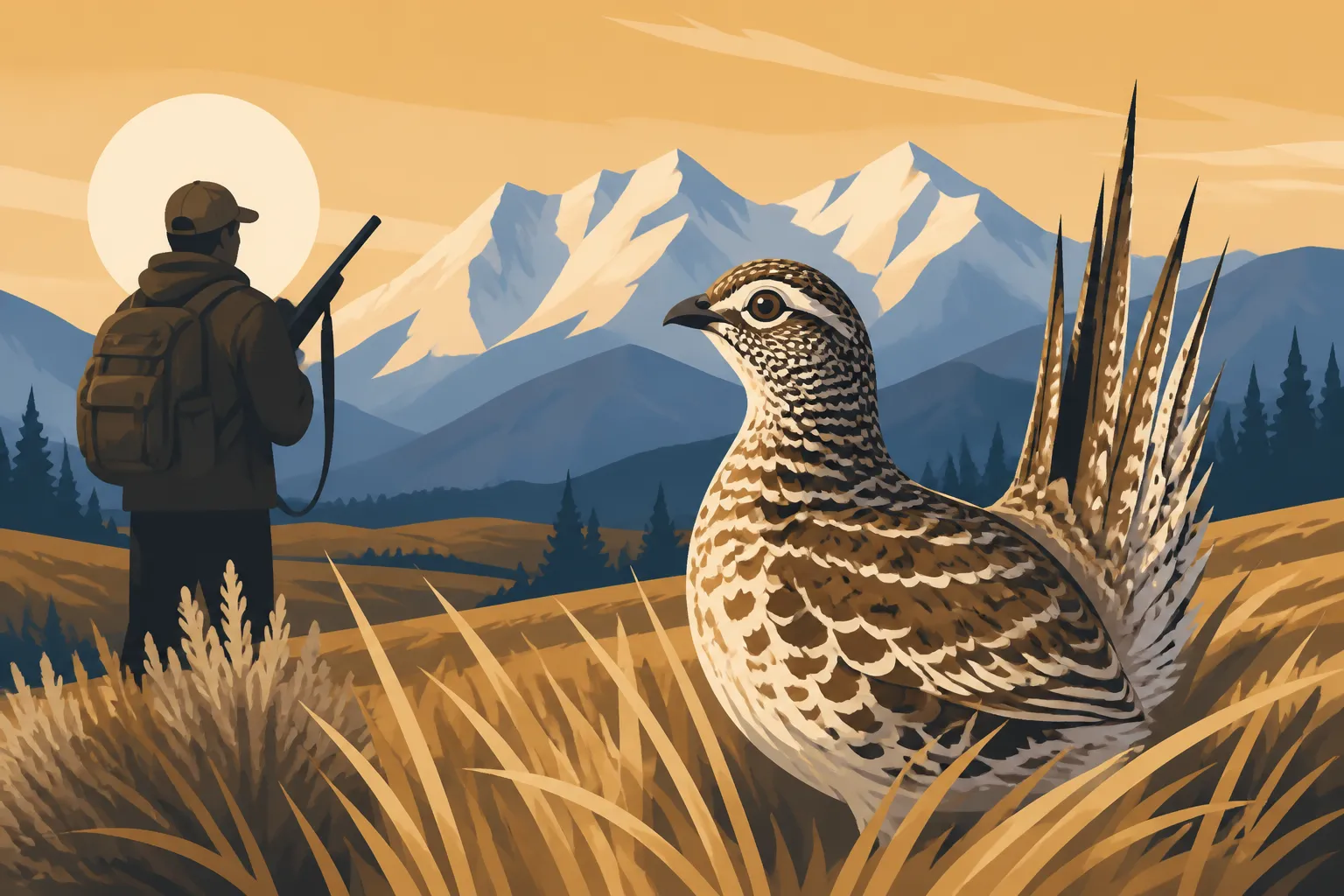
There's a special kind of magic that comes with pursuing upland birds in British Columbia, but if you've ever tried to find sharp-tailed grouse, you know the frustration is real. These magnificent birds, once more common, have become a true challenge to locate, leading many hunters to wonder where they've all gone. This guide is here to walk you through understanding why these birds are so elusive, where their strongholds still lie, and how you can increase your chances of a successful, ethical hunt while contributing to their conservation.
Understanding the Decline of Sharptail Grouse in British Columbia
It’s easy to feel a pang of nostalgia, or perhaps even sadness, when you consider the historical abundance of sharp-tailed grouse in British Columbia. For many of us who grew up hearing tales from older hunters, the image of vast coveys bursting from the sagebrush was once a more common occurrence. Today, that picture is largely a memory, and finding these birds feels more like a treasure hunt than a casual stroll through the fields. Their decline isn't a mystery; it's a direct result of changes to their environment, and understanding these shifts is the first step toward appreciating the delicate balance these birds require to survive.
Historical Range and Habitat Loss
Sharp-tailed grouse, particularly the Columbian sharp-tailed grouse subspecies, once thrived across extensive areas of interior British Columbia. Their historical range stretched through the dry interior valleys, covering vast tracts of native grassland, shrub-steppe, and open ponderosa pine forests. They were perfectly adapted to these ecosystems, relying on a mosaic of grass for nesting and brooding, shrubs like sagebrush and Saskatoon berry for cover and food, and open areas for lekking (their communal mating dance). This specific blend of habitat allowed their populations to flourish.
However, as human settlement expanded, these crucial habitats were drastically altered. Agriculture, particularly ranching and hay production, converted pristine grasslands into cultivated fields. Urban and rural development encroached on critical wintering grounds and nesting cover. Roads, fences, and power lines fragmented what remained, breaking up the continuous landscapes that sharptails need. This didn't just reduce the amount of habitat; it often degraded the quality of what was left, making it less suitable for these sensitive birds. When you're out there, glassing a distant hillside, it's easy to see the patchwork of human activity and understand just how much their world has shrunk.
Habitat Fragmentation and Predation Pressures
The problem isn't just that habitat disappeared; it's that the remaining habitat became disconnected. Imagine trying to run a business when all your suppliers and customers are suddenly scattered across different cities with no roads connecting them. That’s essentially what habitat fragmentation does to a species like the sharptail. Small, isolated pockets of suitable habitat mean smaller, isolated populations of grouse. These smaller populations are far more vulnerable to local extinctions because they lack the genetic diversity that comes with larger, more connected groups, making them less resilient to disease or environmental changes.
Furthermore, this fragmentation often brings increased predation pressure. Altered landscapes, with more edges between agricultural land and natural cover, can inadvertently create perfect hunting grounds for predators such as coyotes, foxes, and various raptors. These predators can more efficiently patrol the boundaries of smaller habitat patches, making it harder for sharptails to find secure nesting sites or safe cover from aerial threats. It's a tough reality, but when you're considering British Columbia's Grouse Species, it’s clear that sharp-tailed grouse face a unique set of challenges tied directly to their specialized habitat needs. Hunters must be keenly aware of these pressures, as they inform where and how we seek these elusive birds.
Identifying Key Remaining Sharptail Habitats in British Columbia
Despite the considerable challenges and the overall decline in populations, sharp-tailed grouse haven't vanished entirely from British Columbia. They are tough birds, and in certain regions, often thanks to dedicated conservation efforts or simply where human impact has been less severe, they still manage to hold on. The trick for hunters, then, is understanding where these strongholds are and why those specific areas still support sharptail populations. It requires a deeper look beyond just "grouse country" to "sharptail country."
The Okanagan and Thompson-Nicola Grasslands
If you're serious about pursuing sharp-tailed grouse in British Columbia, the dry interior valleys of the Okanagan and Thompson-Nicola regions are typically where you'll focus your efforts. These areas represent some of the last significant remnants of native bunchgrass and shrub-steppe ecosystems in the province. Think rolling hills covered in sagebrush, interspersed with patches of taller grasses, scattered ponderosa pines, and the occasional aspen or cottonwood stand in draws. This is classic sharptail habitat.
When I say 'classic,' I mean the kind of landscape where, on a crisp fall morning, you can almost feel the history of these birds in the air. The birds here rely heavily on the native grasses for nesting cover in the spring and early summer, and the seeds, berries (like Saskatoon berries, chokecherries, and buffaloberries), and insects found within the sagebrush community provide critical food sources throughout the year. Winter can be particularly tough, and they'll seek out taller shrubs and even trees for roosting and browsing on buds. Using a mapping tool like GoHunt can be incredibly helpful here, allowing you to scout for these specific habitat types digitally before you even hit the road. Look for areas with minimal disturbance, away from dense human activity, and you might just find a covey holding tight. This is also prime habitat for other game, so you might even be Hunting a Sagebrush Flat for Mule Deer while you're out looking for grouse.
The Cariboo and Chilcotin Plateaus
Moving north and west from the Okanagan and Thompson regions, the Cariboo and Chilcotin Plateaus also offer scattered, but sometimes robust, populations of sharp-tailed grouse. While these areas might not possess the same unbroken expanses of classic sagebrush-steppe as further south, they offer a mosaic of open grasslands, regenerating clearcuts, and more open lodgepole pine and Douglas fir forests with grassy understories. The key here is the openness and the presence of native grasses and shrubs.
Hunters often find sharptails in these areas along the edges where forests meet open range, or in large natural meadows and old burns that are slowly regrowing with a good mix of grasses and shrubs. The birds will utilize the taller trees for roosting but spend most of their time feeding and finding cover in the understory. Access to these regions can be extensive, thanks to the vast network of forest service roads, but finding the precise habitat patches often requires more diligent scouting and local knowledge. It's not uncommon to find birds in an area one year and have them shift significantly the next, so flexibility and thorough pre-season scouting are paramount. If you're planning an expedition into these areas, you might also be interested in Hunting the Chilcotin Plateau for other species, which shares similar expansive landscapes.
Effective Strategies for Hunting Sharptails in British Columbia
Hunting sharp-tailed grouse in British Columbia is not like hunting ruffed grouse in dense timber or even blue grouse on a logging road. It demands a different approach, one that respects their habitat preferences, their wariness, and the generally lower population densities you'll encounter. It’s an exercise in patience, observation, and often, a lot of walking. But when that covey explodes from the grass, it’s a moment that makes every effort worthwhile.
Scouting and Habitat Recognition
The most critical element to successfully hunting sharptails is knowing where to find them. This starts long before you ever set foot in the field. Begin by poring over topographical maps and satellite imagery. What you're looking for are expansive, relatively flat or gently rolling areas that show a distinct lack of dense forest. Instead, look for lighter green or brown hues indicating grasslands, sagebrush, and scattered trees or shrubs. Tools like GoHunt or other mapping applications with satellite overlays are indispensable for this virtual scouting. Pay close attention to south-facing slopes, benches, and draws that might offer winter protection or early spring green-up. When you are Scouting a British Columbia Management Unit Online, cross-reference these visuals with known historical sharptail ranges, often found in local conservation literature or even by chatting with regional Fish and Wildlife offices.
Once you’re on the ground, habitat recognition becomes even more refined. Sharptails love areas with a mix of tall grass for concealment, interspersed with low-lying shrubs like sagebrush, rose, and Saskatoon berry bushes for food and escape cover. Look for signs of feeding, such as cropped grass or disturbed dirt where they might have dust-bathed. Sharptails often utilize these open areas in the mornings and evenings for feeding, then retreat to denser cover during the heat of the day. Their droppings, often small and cylindrical, can be a subtle but telling sign. Listen for their distinctive chuckling calls, especially at dawn and dusk near lek sites in the spring, though this is less common during hunting season. Remember, these birds aren't going to be sitting on a logging road like a ruffed grouse; you're going to have to go to them.
Hunting Techniques and Gear
Once you've identified promising habitat, the actual hunting technique for sharptails is typically a combination of walking up and potentially employing a good bird dog. These birds are known for holding tight, especially in dense grass or brush, but they can also flush wild if pressured.
- Walking Up: Many hunters find success by simply walking parallel lines through promising habitat, particularly in the mornings or late afternoons when birds are actively feeding. Walk slowly, deliberately, and be prepared for a sudden flush. Sharptails often fly with powerful wing beats for a considerable distance, so mark their general direction of flight if you get a shot, as they might land and hold again. If you're without a dog, this method requires a lot of ground covered and keen eyesight.
- Using a Bird Dog: This is arguably the most effective way to hunt sharptails. A well-trained pointing dog, particularly a wide-ranging breed, can cover vast amounts of ground and pinpoint scent cones that humans would never detect. When a dog goes on point, approach cautiously, ready for the explosive flush. The dog's ability to locate and hold birds greatly increases your success rate and reduces the amount of aimless wandering. For more on this, you might explore Using a Bird Dog in British Columbia Timber, although sharptails prefer more open country.
- Shotgun and Ammunition: A fast-swinging 12 or 20 gauge shotgun is ideal, with improved cylinder or modified chokes for shots that can range from close-quarters flushes to longer range opportunities as they break cover. As for ammunition, check the current regulations for Non-Toxic Shot Rules in British Columbia. While often associated with waterfowl, some areas or situations might have non-toxic shot requirements, so it’s always best to be informed. Typically, #6 or #7.5 lead shot is effective for these birds, but if non-toxic is required, look for similar sizes in steel or bismuth.
The key to all these methods is persistence. Sharptail hunting can be tough, physically demanding work, but the reward of finding a covey in their natural, wild habitat is truly unmatched.
| Habitat Feature | Ideal for Sharptail Grouse | Less Ideal for Sharptail Grouse |
|---|---|---|
| Vegetation | Native bunchgrass, sagebrush, Saskatoon berry, chokecherry | Dense, unbroken coniferous forest, monoculture crops |
| Terrain | Rolling hills, gently sloping benches, open plateaus | Steep, rocky mountainsides, deep canyons, flat marshlands |
| Water | Scattered springs, small seasonal wetlands, dew on vegetation | Large, open bodies of water, fast-flowing rivers |
| Tree Cover | Scattered ponderosa pine, aspen groves, willow thickets | Dense, mature forest canopies, industrial plantations |
| Disturbance | Minimal human development, well-managed rangeland | Heavy agricultural conversion, urban sprawl, frequent logging |
| Elevation | Dry interior valleys, plateaus up to subalpine fringe | Coastal lowlands, high alpine without open meadows |
Conservation Efforts and the Future of Sharptail Hunting
It’s clear that sharp-tailed grouse populations in British Columbia are not what they once were. Their dwindling numbers are a stark reminder of how quickly habitat can be lost and how fragile even resilient species can be. For those of us who cherish the opportunity to pursue these birds, even if it means long hours with little reward, there's a responsibility that comes with it. Hunting sharptails today isn't just about the harvest; it's intrinsically linked to their conservation and the hope that future generations will still have the chance to experience the thrill of a covey rise.
Habitat Restoration and Management
The good news is that there are dedicated efforts underway to restore and manage critical sharp-tailed grouse habitat in British Columbia. These initiatives are often driven by a combination of government agencies, conservation organizations like the BC Wildlife Federation, and private landowners. The focus is primarily on mitigating the effects of historical habitat loss and fragmentation. This can include:
- Prescribed Burns: Controlled burns are used to rejuvenate native grasslands, remove encroaching conifers and invasive plant species, and stimulate the growth of preferred forage plants. This mimics natural fire regimes that historically shaped these ecosystems.
- Invasive Species Control: Aggressively managing invasive plant species, such as cheatgrass, which outcompete native grasses and provide poor habitat, is crucial.
- Grazing Management: Working with ranchers to implement rotational grazing systems that allow grasslands to recover and provide adequate cover for nesting birds.
- Riparian Area Restoration: Protecting and enhancing the health of stream and river banks, which often provide important shrub cover and water sources, particularly in dry regions.
- Land Acquisition and Protection: Identifying and securing key parcels of remaining habitat through purchase or conservation easements to ensure long-term protection.
These projects are vital, and as hunters, supporting organizations that undertake this work is one of the most impactful ways we can contribute. When you’re looking at your next hunt, consider how these management units are stewarded, perhaps by reviewing details on British Columbia Wildlife Management Areas.
Hunter's Role in Conservation
As hunters, we have a unique and powerful role to play in the conservation of sharp-tailed grouse. We are often the first to notice changes in wildlife populations and habitats, and our passion for these birds naturally extends to ensuring their future.
- Responsible Hunting Practices: Adhering strictly to bag limits and season dates, which are often conservative for sharptails, is paramount. These limits, outlined in publications like the British Columbia Grouse Season and Limits, are set to protect populations. We must also be mindful of our impact, ensuring ethical shots and minimizing disturbance to the habitat.
- Reporting Observations: If you're lucky enough to find a covey, consider reporting your observations to local wildlife biologists or conservation groups. Data on population distribution and size is incredibly valuable for informing management decisions, especially for a species with such scattered populations.
- Supporting Conservation Groups: Join and financially support organizations that are actively involved in sharp-tailed grouse habitat conservation. Your dollars directly contribute to on-the-ground restoration projects and advocacy efforts.
- Advocacy: Engage with local government and land managers to advocate for policies that protect and enhance grassland ecosystems. Speak up about the importance of native habitats for all British Columbia's Game Birds and Waterfowl.
- Education: Share your knowledge and passion for sharptails with other hunters and the non-hunting public. The more people understand the challenges these birds face, the more support there will be for their conservation.
The future of sharp-tailed grouse hunting in British Columbia hinges on a collective effort. It requires continued scientific research, diligent habitat management, and the active participation of a dedicated hunter-conservationist community. While finding these birds remains a formidable challenge, the pursuit itself is a testament to the wildness they represent and a powerful incentive to ensure they hold on for generations to come.
Disclaimer
This article is for general informational purposes only and does not constitute professional advice. Laws, prices and regulations vary by location and change over time. Consult a qualified professional for guidance on your specific situation.