Hunting the Chilcotin Plateau
The Chilcotin Plateau in British Columbia is one of those places that calls to the soul of a hunter – vast, wild, and undeniably challenging. Many hunters dream of experiencing its sprawling grasslands, hidden timber pockets, and rugged river breaks, but the sheer scale and remoteness can feel overwhelming if you haven't been there before. This guide is here to unravel the mysteries of hunting the Chilcotin, offering practical advice and real-world insights to help you plan a successful and rewarding adventure in this iconic landscape.
Understanding the Chilcotin Plateau's Unique Landscape for Hunting
The Chilcotin isn't just one type of terrain; it's a tapestry woven from diverse ecosystems, each demanding its own approach. Getting a handle on these variations is the first step to figuring out where your target species might be and how you'll get after them.
The Vastness and Varied Terrain
When you first lay eyes on the Chilcotin, especially from a vantage point, its sheer immensity hits you. We're talking about an area characterized by rolling, semi-arid grasslands that stretch for miles, often interspersed with pockets of lodgepole pine, Douglas fir, and aspen. These open spaces are broken up by deeper river valleys carved by waterways like the Chilcotin and Fraser Rivers, creating dramatic canyons and benches. As you gain elevation towards the western edge, the landscape transitions into higher subalpine forests, eventually giving way to jagged peaks of the Coast Mountains.
This incredible variation means you're rarely hunting the same ground for long. One minute you could be glassing expansive sagebrush flats for a distant mule deer, and the next you might be still-hunting through a dense timber block looking for moose sign. The challenges are real: covering ground effectively requires a good pair of boots and often a reliable 4×4, and spotting game in such a massive landscape demands patience and high-quality optics. Hunters often feel a mix of awe and frustration when they first encounter it – the opportunities are endless, but so are the places a game animal can disappear into. It’s definitely not a place for the faint of heart or those unprepared for long days and potentially even longer hikes.
Key Game Species and Their Habitat Preferences
The Chilcotin Plateau is a stronghold for several sought-after big game species, each with distinct preferences for where they live and thrive. Understanding these patterns is crucial for targeting your efforts.
-
Mule Deer: Without a doubt, the Chilcotin is famous for its mule deer. These majestic animals are often found in the more open, drier areas, particularly on grassland benches, sagebrush flats, and the edges of timbered areas. They love draws and coulees that offer both feed and cover from the elements and predators. During the early seasons, they might be higher up, utilizing cooler elevations, but as the rut approaches and winter snows begin to fall, they’ll often move to more sheltered, lower-elevation winter ranges. You’ll spend a lot of time glassing these open areas, looking for antlers or the tell-tale flick of an ear. Mule Deer Hunting in British Columbia provides a great overview of these beautiful animals.
-
Moose: While mule deer dominate the open grasslands, moose typically stick to the wetter, timbered river bottoms and areas with willow thickets and small lakes. The Chilcotin has a respectable moose population, particularly in areas closer to the Nechako Plateau or along major river systems. Look for moose in the heavier cover where they can find browse and escape the heat of the day. Old burns with regenerating browse can also be hotspots. They aren't as visible as mule deer, often requiring more active tracking or calling, especially during the rut. For deeper insights, check out Moose Hunting British Columbia's Interior.
-
Black Bears: Black bears are ubiquitous across British Columbia, and the Chilcotin is no exception. They can be found in a wide variety of habitats, from dense timber to open clearings and along berry patches. In spring, they’ll often be seen on south-facing slopes, emerging from dens and feeding on new growth. In the fall, they'll gravitate towards areas with abundant berries, particularly huckleberry and saskatoon, or along salmon-spawning streams if those are present in your hunting area. Their adaptability means you might encounter them anywhere, making bear spray and vigilance essential.
-
Predators and Other Species: The Chilcotin also hosts a healthy population of predators like wolves and coyotes, which can be called or hunted under specific regulations. Grouse species, particularly blue grouse and ruffed grouse, can also offer a fun diversion and some camp meat if you encounter them while hunting big game.
Knowing what animals prefer where allows you to narrow down your focus in such an expansive region. If you're after a big muley, you'll concentrate your glassing efforts on the benches and draws; if a moose is your target, you'll shift to the riverine areas and thick timber.
Planning Your Chilcotin Plateau Hunting Trip
Effective planning is paramount for a successful and safe hunt in the Chilcotin. This isn't a place you can just "wing it." From mapping your route to understanding the rules, laying the groundwork well in advance will make all the difference.
Essential Mapping and Scouting Tools
In a region as vast and varied as the Chilcotin, reliable mapping is your absolute best friend. You'll want to combine both traditional and modern tools to get the full picture.
Start with detailed topographic maps. These show elevation changes, waterways, and terrain features that satellite imagery might obscure. Forest Service Road (FSR) maps are also critical, as they indicate the primary and secondary road networks you'll use to access different areas. However, don't rely solely on paper maps from a few years ago – conditions on FSRs can change rapidly due to logging, weather, or deactivation.
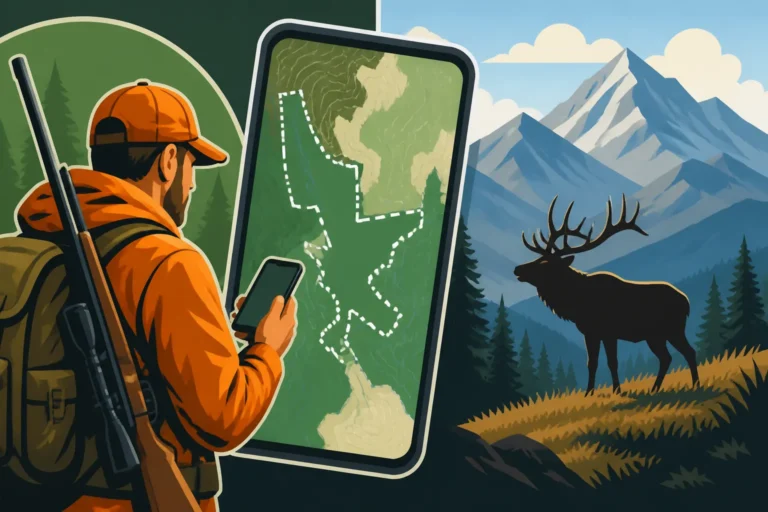
This is where digital mapping apps truly shine. Tools like onX Hunt have revolutionized how hunters navigate and understand Crown land access in places like the Chilcotin. With onX, you can clearly see property boundaries, distinguishing between Crown land (public hunting land) and private parcels, which is essential for avoiding trespass. You can download offline maps before you leave cell service, mark potential access points, identify historical burns, and even track your movements. Knowing exactly where you are, where the boundaries are, and what the terrain looks like in detail can save you countless hours of wandering and prevent unintended incursions onto private property. GoHunt is another excellent resource, often providing valuable data on specific hunting units, draw odds, and regulation summaries, though always cross-reference with the official synopsis. Before heading out, you should also spend time "e-scouting" using satellite imagery to identify natural funnels, potential bedding areas, water sources, and key travel corridors. This virtual scouting helps you prioritize areas for physical scouting once you're on the ground. For more on preparing for your hunting unit, check out Scouting a British Columbia Management Unit.
Accessing the Chilcotin's Remote Hunting Zones
Getting into the heart of the Chilcotin's prime hunting ground can be a journey in itself. The region relies heavily on a network of Forest Service Roads (FSRs), which vary wildly in condition. Some are well-maintained mainlines, while others are rough, rocky, and overgrown tracks that may see little traffic.
- Vehicle Choice: A reliable 4×4 truck with good ground clearance and all-terrain tires is practically a necessity. Be prepared for washouts, downed trees, and potentially deep mud, especially after rain. Carrying a full-size spare, a jack, basic tools, and recovery gear like a shovel and tow strap is non-negotiable.
- Deactivated Roads: Many FSRs are "deactivated," meaning they've been intentionally blocked or rendered impassable to conventional vehicles to prevent public access or for environmental reasons. These often have large water bars, trenches, or rock piles. While you can't drive them, they often make excellent foot, ATV, or horseback trails into truly remote areas. You might need an ATV or UTV to push deeper past the main FSR network if you want to get away from road hunters. Driving a Deactivated Logging Road offers practical advice on navigating these situations.
- Horseback and Fly-in Access: For the most secluded spots, especially those bordering the mountains to the west, you might consider horseback hunting. This allows you to pack in a camp and supplies, covering vast distances that would be impossible on foot. Outfitters specializing in horseback trips are invaluable for this. Horseback Hunting British Columbia's Backcountry details this adventurous option. Alternatively, some remote lakes and landing strips allow for fly-in access, offering unparalleled solitude, but this comes with significant logistical and financial considerations.
Always check the latest road conditions and closures before heading out. Local forestry offices or online resources can provide updates, though many remote roads may not have current information. Assume the worst and plan accordingly.
Navigating Regulations and Seasons Specific to the Chilcotin
Like any hunting area in British Columbia, the Chilcotin Plateau operates under specific regulations that change periodically. It’s not enough to just know the provincial rules; you need to dive into the details for the specific Management Units (MUs) you plan to hunt within the Cariboo (Region 5).
- General Open Seasons (GOS): Many areas in the Chilcotin have General Open Seasons for species like black bear, some antlerless deer, and often specific antlered deer (e.g., 4-point or greater mule deer). These seasons are open to all resident licensed hunters without needing a draw. These are often the most popular times to hunt and can see more pressure.
- Limited Entry Hunting (LEH): For highly sought-after species or specific harvest management objectives, British Columbia uses a Limited Entry Hunting (LEH) system. This means you must apply in a draw for a chance to receive an authorization to hunt a specific species in a particular MU during a designated season. For example, some moose hunts or "any bull" elk hunts in the Chilcotin might be LEH. Understanding British Columbia's Limited Entry Hunting Draws is crucial if you're targeting these species. You'll need to check the LEH synopsis carefully for application deadlines, specific MUs, and the exact species and sex allowed.
- Regional Specifics: The Chilcotin falls primarily within Region 5, the Cariboo. The regulations synopsis will detail season dates, bag limits, and specific rules for MUs within this region. Pay close attention to antler point restrictions for deer and elk, as these are common and strictly enforced. For example, a 4-point antler restriction on mule deer means the buck must have at least four points on one antler, excluding the brow tines, to be legal.
- Compulsory Reporting and Inspection: Certain species harvested in British Columbia, including moose and sheep, require compulsory inspection and/or reporting. Make sure you understand these obligations for any animal you plan to pursue.
Always download and thoroughly read the current British Columbia Hunting and Trapping Synopsis and the specific Regional hunting regulations. Ignorance of the law is never an excuse.
Hunting Strategies for Success on the Chilcotin Plateau
The Chilcotin demands a blend of patience, perseverance, and adaptable hunting strategies. It's not a place for quick fixes, but for those willing to put in the effort, the rewards can be incredible.
Spot-and-Stalk in Open Country
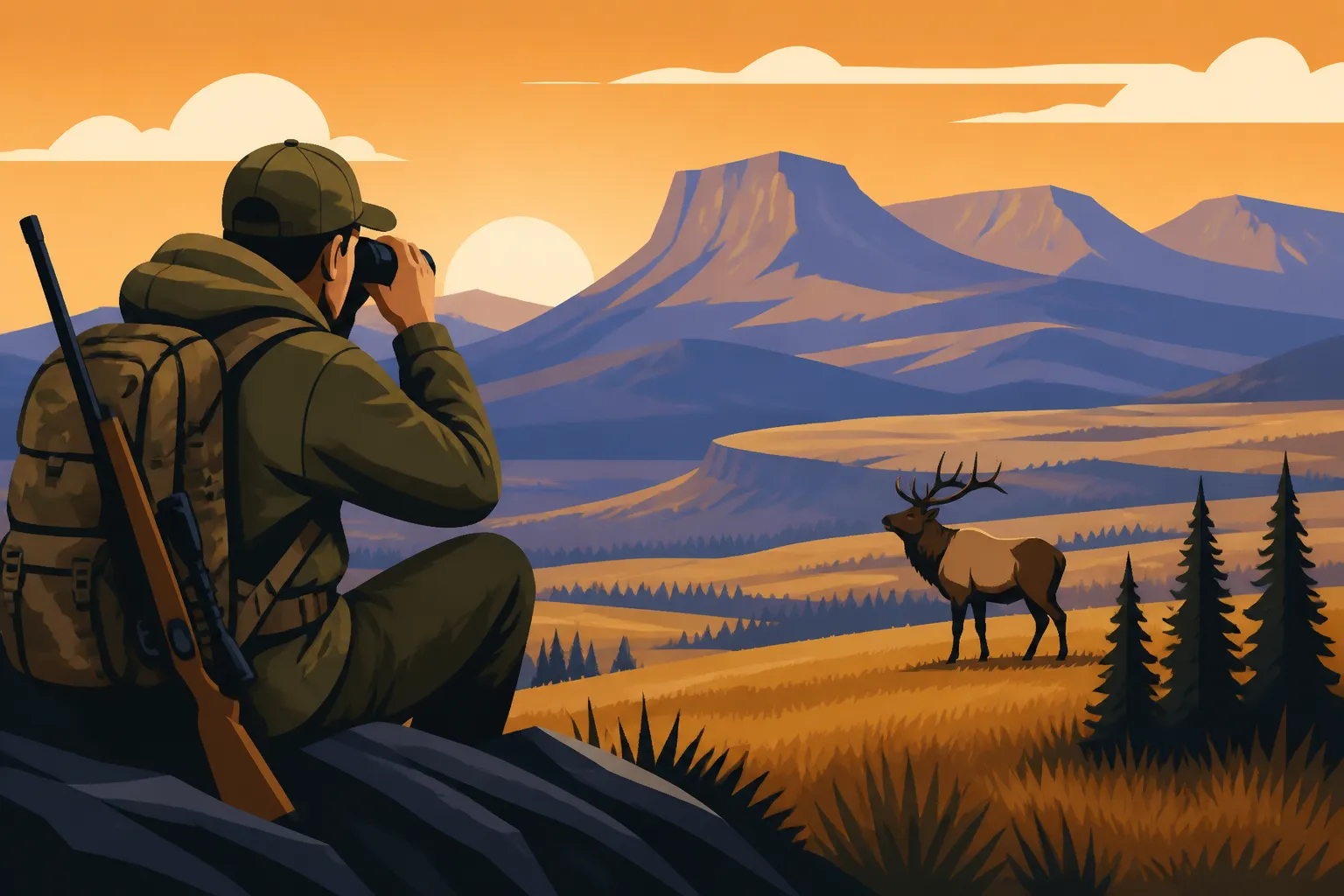
When you’re after mule deer on the Chilcotin, especially in the more open grassland and sagebrush environments, spot-and-stalk is the name of the game. This strategy hinges on your ability to locate animals from a distance and then execute a stealthy approach.
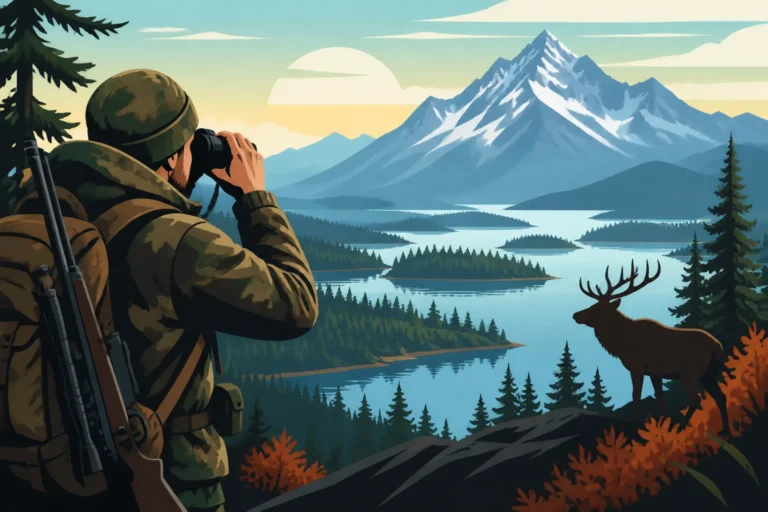
- Glassing Techniques: Find a high vantage point that offers expansive views of benches, draws, and timber edges. Use high-quality binoculars (10x to 15x power) mounted on a tripod for stability, and systematically grid out the landscape. Pay close attention to shaded areas where deer might bed down during the day. Look for subtle movements, horizontal lines that break up vertical vegetation, or the tell-tale glint of an antler. Don’t rush; spend significant time glassing each section. Many deer are spotted by their hindquarter or an ear twitch rather than a full body. Glassing an Interior Hillside for Mule Deer offers great tips on this crucial skill.
- Planning the Stalk: Once you spot an animal, the real work begins. Before moving an inch, meticulously plan your approach. Consider:
- Wind Direction: This is paramount. Always approach with the wind in your face or across your body to prevent your scent from reaching the animal.
- Cover: Identify terrain features (ridges, depressions, timber patches) that can conceal your movement. Use every natural fold in the land to your advantage.
- Sun Position: Keep the sun at your back if possible, making it harder for the animal to see you and minimizing glare in your eyes.
- The Animal's Behavior: Is it feeding, bedding, moving? Tailor your approach to its current activity. A bedded animal might require more patience and a slower approach, waiting for it to stand.
- Executing the Stalk: Move slowly and deliberately. Watch your footing to avoid crunching dry grass or breaking twigs. Stop frequently to glass ahead and ensure the animal hasn't moved or become aware of you. This can take hours, covering what seems like only a short distance. The Chilcotin's rolling terrain can be a gift, providing dips and rises for concealment, but also a curse if a muley drops out of sight into a deep draw.
Still-Hunting Timbered Areas and River Bottoms
When you shift your focus to moose or black bear in the thicker timbered river bottoms or dense forest blocks, still-hunting becomes a highly effective tactic. This involves moving incredibly slowly and deliberately, pausing frequently to observe, listen, and scan your surroundings.
- Slow Movement is Key: The pace of still-hunting is glacial compared to simply walking. Think of it as taking one or two steps, then pausing for several minutes to intently scan the woods, listen for subtle sounds like rustling leaves or snapping twigs, and let your eyes adjust to the shadows and contrasts. Animals are often still, relying on their camouflage, so you need to be still to spot them.
- Reading the Wind: Just as with spot-and-stalk, wind direction is vital. Always try to hunt into the wind, carrying your scent away from the animals. A slight breeze can also help muffle your sounds.
- Sign Reading: Look for fresh tracks, droppings, rubs on trees (especially for moose during the rut), and freshly browsed vegetation. These signs can tell you what animals are in the area, how recently they've passed through, and what direction they're generally moving. Reading Blacktail Sign in Wet Ground offers universal principles that apply to reading sign for any big game.
- Calling Strategies: For moose, especially during the rut, calling can be incredibly effective. Cow calls, bull grunts, and even raking brush to imitate a bull sparring can entice a bull to investigate. Be prepared for a quick shot if a bull responds aggressively and closes the distance rapidly. For more on this, check out Calling Moose in the Rut. Black bears can sometimes be lured in with predator calls or cub distress calls, but always be aware of your surroundings and have an exit strategy.
- Focus on Edges: Timbered edges next to clearings, old cutblocks, or water sources are excellent places to still-hunt, as animals often use these transition zones for feeding and cover.
Dealing with Weather and Terrain Challenges
The Chilcotin is a land of extremes, and you need to be prepared for whatever it throws at you. Weather can change on a dime, and the terrain, while beautiful, is rarely easy.
- Variable Weather: Early season hunts can be surprisingly hot, with dry, dusty conditions. This means animals might be more active at dawn and dusk, bedding down during the heat of the day. As fall progresses, expect crisp mornings, warm afternoons, and then cold nights. Rain, snow, and even sudden blizzards are possible, especially in higher elevations. Layered clothing is essential – pack breathable base layers, insulating mid-layers, and a waterproof/windproof outer shell. A wide-brimmed hat for sun protection and a warm toque for cold nights are also must-haves.
- Physical Conditioning: The rolling hills, steep river breaks, and long distances involved in Chilcotin hunting demand a good level of physical fitness. You'll be walking, climbing, and potentially packing out heavy game. Start an exercise regimen well before your hunt that includes cardio, strength training, and hiking with your pack. Fitness for a British Columbia Sheep Hunt provides excellent advice on preparing for demanding backcountry hunts, much of which applies here.
- Navigation and Communication: Given the vastness and often spotty cell service, reliable navigation and communication are non-negotiable. Beyond your GPS and downloaded maps, carry a compass and know how to use it. A satellite messenger or satellite phone is highly recommended for emergencies, allowing you to send messages or call for help even without cell signal. Satellite Communication on a Remote Hunt offers critical information for staying connected in the backcountry.
- Water Availability: In many parts of the Chilcotin, especially the drier sections, water sources can be few and far between. Always carry more water than you think you'll need, and bring a reliable water filter or purification tablets. Plan your routes to intersect known water sources.
By being prepared for these challenges, you'll not only increase your chances of success but also significantly enhance your safety and enjoyment of the hunt.
Field Care and Safety Considerations in the Chilcotin
Bringing down an animal in the Chilcotin is just the beginning. Proper field care ensures you get quality meat, and robust safety protocols protect you and your hunting partners in this wild environment.
Meat Care in a Remote Environment
Harvesting an animal in a remote area presents unique challenges for meat care, especially if the weather is warm. You want that hard-earned meat to be delicious, not spoiled.
- Quick Field Dressing: As soon as the animal is down and safe to approach, field dress it immediately. Remove the entrails to allow the carcass to begin cooling. This is the single most important step in preserving meat quality.
- Skinning and Quartering: For larger animals like moose or even mule deer in warm weather, consider skinning and quartering the animal in the field. This allows the meat to cool much faster than leaving it on the bone. Hang the quarters in game bags in a shaded, airy spot to promote cooling and protect from flies. A light breeze is your best friend. For more specific guidance, Keeping Meat Cool in an Early Season offers crucial tips for British Columbia's varying temperatures.
- Protection from Flies and Bears: Game bags are indispensable for protecting meat from insects. Keep your meat clean. If you're in bear country, hanging meat well off the ground and away from your camp is ideal. Consider a portable electric fence if you’re setting up a longer-term camp.
- Transport: Packing meat out of the Chilcotin often means significant physical exertion. A sturdy frame pack is essential. If you've used an ATV or horseback to access the area, those can greatly assist with transport. If your hunt is deep in the backcountry, you'll need to be prepared to pack out all the meat in multiple trips.
- Processing: Depending on your location and the duration of your trip, you might be able to find a local butcher in a nearby community like Williams Lake or Quesnel. Otherwise, be prepared to debone and process the meat yourself at home.
Bear Safety and Emergency Preparedness
The Chilcotin is home to both black bears and grizzly bears. While grizzly numbers might be higher in the more mountainous regions to the west, they are present on the Plateau, and encounters are always a possibility. Being prepared is critical.
- Bear Spray: Carry bear spray and know how to use it. It should be easily accessible, not buried in your pack. Practice deploying it beforehand. This is your first line of defense.
- Food Storage: Store all food, cooking gear, and scented items away from your tent or sleeping area, preferably in a bear-resistant container or hung from a tree. Never cook or eat where you sleep. Keep a clean camp.
- Making Noise: When moving through dense brush, especially in areas with limited visibility, make noise to avoid surprising a bear.
- Encounter Protocols: Understand the difference between defensive and predatory bear behaviour for both black and grizzly bears, and how to react. Generally, for a defensive grizzly, stand your ground, talk calmly, and use your spray if charged. For a predatory black bear, fight back vigorously. For more in-depth advice, refer to Bear Safety While Hunting in British Columbia.
- First Aid and Emergency Plan: Carry a comprehensive first-aid kit and know how to use its contents. Ensure you have an emergency plan that includes leaving a detailed itinerary with someone responsible, carrying satellite communication devices, and knowing basic survival skills. In a true emergency, being able to communicate your location and situation is paramount. Emergency Planning in British Columbia's Backcountry is essential reading.
Respecting the Land and Other Users
The Chilcotin is a shared landscape, and hunters play a vital role in its stewardship. Showing respect for the land, wildlife, and other users ensures continued access and positive perceptions of hunting.
- Leave No Trace: Pack out everything you pack in. This includes all trash, spent casings, and any non-biodegradable items. Leave campsites cleaner than you found them. Avoid cutting live trees for firewood if possible.
- Respect Private Land and Ranchers: Much of the Chilcotin is ranching country. Always be aware of property boundaries and never trespass. If you are unsure, err on the side of caution. If you need to retrieve game from private land, always seek permission from the landowner first. British Columbia Trespass and Private Land Law outlines your responsibilities. These ranchers are often good neighbors and stewards of the land, and a friendly, respectful interaction can go a long way.
- Share the Resource: You won't be the only one enjoying the Chilcotin. You might encounter other hunters, hikers, ATV riders, or local residents. Be courteous, share the roads, and maintain a positive attitude.
- Wildlife Management: Adhere strictly to bag limits, season dates, and species identification rules. Your ethical hunting practices contribute directly to healthy wildlife populations and the future of hunting in British Columbia.
Hunting the Chilcotin Plateau is more than just a hunt; it's an immersive wilderness experience. With thorough preparation, a respectful attitude, and a commitment to safety, you can create memories that will last a lifetime in this truly wild corner of British Columbia.
Disclaimer
This article is for general informational purposes only and does not constitute professional advice. Laws, prices and regulations vary by location and change over time. Consult a qualified professional for guidance on your specific situation.