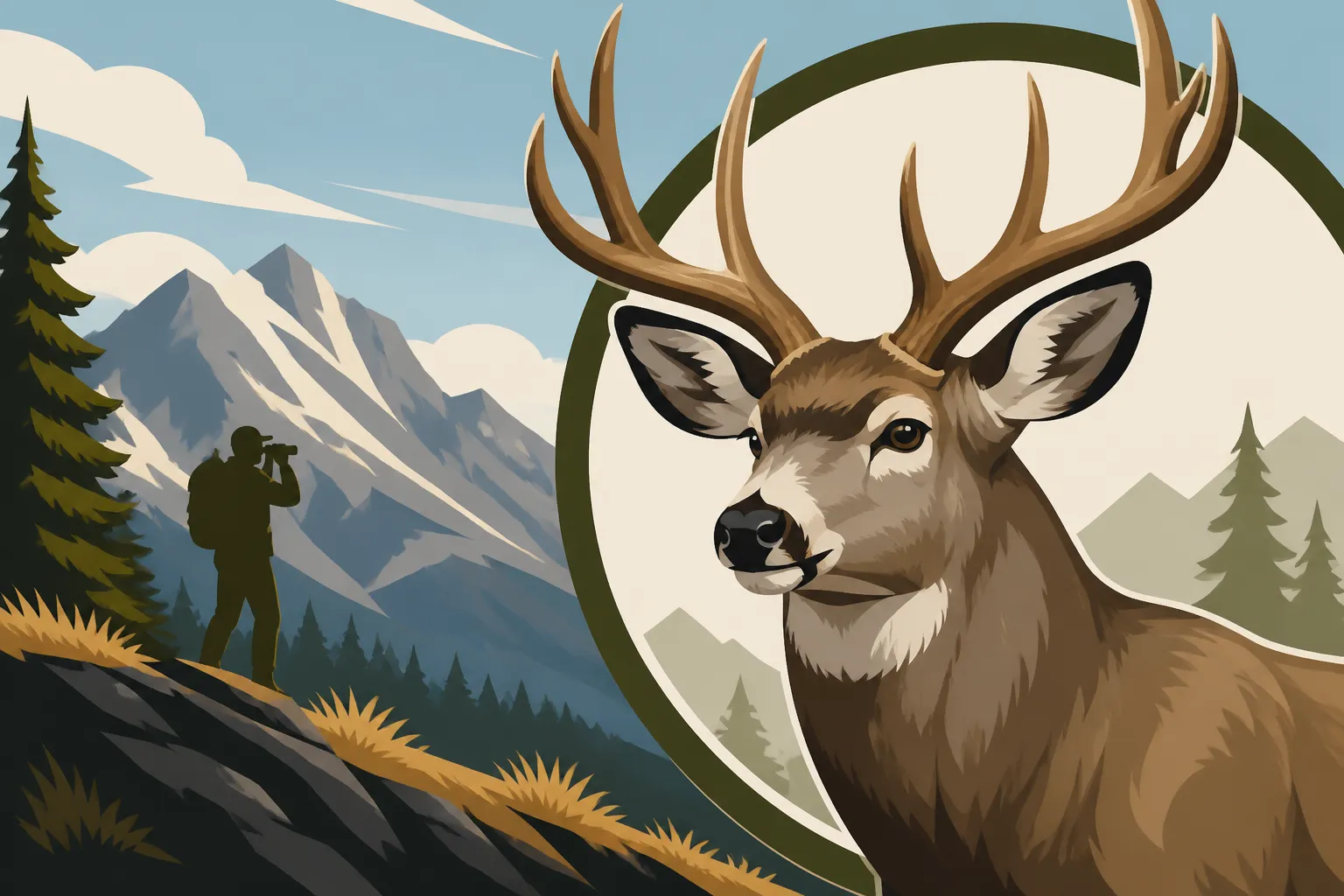
British Columbia’s Record Mule Deer
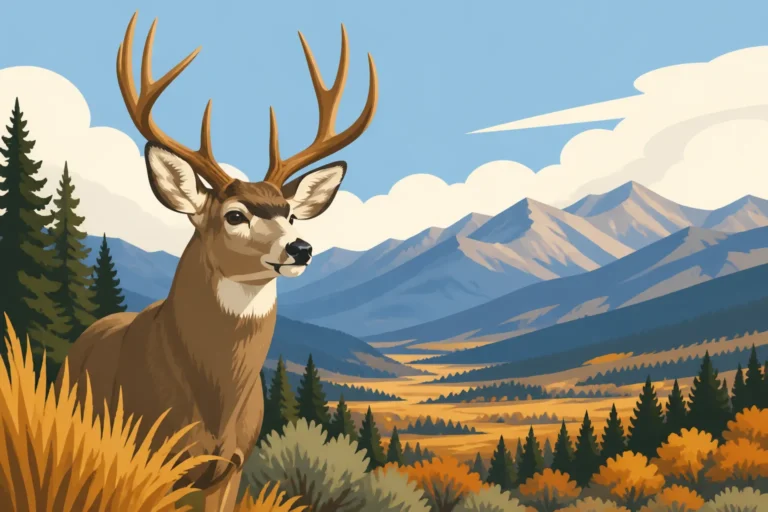
For many hunters, the pursuit of a truly massive mule deer buck in British Columbia is the ultimate dream. It’s not just about filling a tag; it’s about the chance to encounter a truly exceptional animal, one that has defied the odds to grow into a giant. This guide will help you understand what makes a British Columbia mule deer worthy of the record books, where these incredible animals come from, and what it takes to pursue one.
Understanding British Columbia's Record Mule Deer
The term "record mule deer" sparks a vision of immense antlers, thick and wide, with points stretching to the sky. But what precisely qualifies a buck for official record consideration, and what does that mean for hunters in British Columbia? It’s more than just a big rack; it’s about meeting specific criteria set by respected conservation organizations.
What Constitutes a Record Buck?
When we talk about record-book animals, we're typically referring to those recognized by organizations like the Boone and Crockett Club (B&C) or Pope and Young Club (P&Y) for archery. These organizations have established detailed scoring systems that measure various aspects of a deer's antlers, including beam length, spread, circumference, and the length of each individual point. For mule deer, there are typically two main categories: typical and non-typical.
A typical rack is characterized by its symmetry and generally uniform antler growth. Each side mirrors the other as closely as possible, and deductions are made for any abnormal points. The ideal typical mule deer rack is clean, wide, and boasts long, well-defined points, especially the G2 and G3 points. Hunters often aim for a classic "four-point" on each side (meaning four points along the main beam, plus the brow tines), which in British Columbia is also often a legal minimum for harvest in many regions, helping ensure younger bucks are protected. You can learn more about British Columbia's Four-Point Antler Restriction in many management units.
Non-typical racks, on the other hand, embrace the unique and often wild growth patterns that make some bucks truly unique. These racks feature abnormal points, drop tines, and other unique characteristics that add to their mass and overall score rather than detracting from it. For a non-typical, the more unique and massive the antler growth, the better. It’s a celebration of nature's artistry, where no two bucks are ever quite the same. The scoring system for non-typicals accounts for all this extra bone, resulting in often much higher total scores.
The Official Scoring Process
Getting an animal officially scored for the record books is a precise, often lengthy process. It doesn't happen overnight, nor can just anyone measure it. After harvesting a deer, there's a mandatory "drying period," usually 60 days, to allow the antlers to stabilize. Antlers can lose moisture and shrink slightly after being removed from the animal, so this period ensures an accurate, final measurement.
Once the drying period is complete, the antlers must be measured by a certified scorer. These individuals have undergone rigorous training to understand and apply the complex B&C or P&Y scoring rules consistently. They use specialized tools to take dozens of measurements, noting every inch, every curve, and every abnormal point. The process is meticulous, sometimes taking hours, as they calculate symmetrical differences and add or subtract points to arrive at a gross and then a final net score. This net score is what determines if the buck makes it into the record book. It's a testament to the animal's longevity, genetics, and the quality of its habitat, culminating in a tangible number that represents its impressive antler growth. Understanding What Counts for a British Columbia Record will give you a clearer picture of the standards.
Where British Columbia's Giants Come From
British Columbia is a vast province with diverse habitats, and not all areas are created equal when it comes to producing record-book mule deer. The giants don't just appear by chance; they are a product of specific environmental factors, solid genetics, and, crucially, age.
The Role of Genetics, Nutrition, and Age
Think of a mule deer buck as a finely tuned athlete; it needs the right genes, the best diet, and enough time to reach its full potential. Genetics lay the blueprint for antler growth. Some deer simply have the genetic predisposition to grow larger, more impressive racks, passed down through generations. Good nutrition is the fuel. Bucks need access to high-quality forage rich in protein, minerals, and vitamins, especially during the antler-growing season, which typically happens in the spring and summer. Areas with lush vegetation, diverse plant life, and consistent water sources are critical. Drought years, for example, can significantly impact antler development, even in genetically superior bucks. You can read more about What Mule Deer Eat in the Dry Interior to understand their nutritional needs.
However, the most critical factor for truly giant antlers is age. A mule deer buck generally doesn't reach its prime antler potential until it's 5.5 to 8.5 years old, sometimes even older. Younger bucks might have respectable racks, but they lack the mass, length, and width that comes with maturity. Protecting these younger bucks, often through antler restrictions like the four-point rule, allows them to survive long enough to reach that older age class where they can grow truly massive antlers. This is why many hunters focus on areas known to produce older bucks.
Hotspots for Record Mule Deer in British Columbia
British Columbia's interior is generally renowned for producing the largest mule deer. Regions like the Kootenays, the Cariboo, Thompson-Okanagan, and parts of the Peace River region have historically yielded some exceptional animals. These areas often combine several key factors: rugged terrain that offers cover and sanctuary from human pressure, diverse ecosystems providing excellent nutrition, and enough space for deer to age.
Specific habitats within these regions are particularly noteworthy. Old burns, several years after a wildfire, can explode with new growth, providing a bounty of nutritious browse. River bottoms and fertile creek drainages offer consistent water and lush vegetation. Higher elevation basins and secluded subalpine areas can also hold older, more elusive bucks that avoid heavier hunting pressure. Where the Biggest Interior Bucks Live delves deeper into these prime locations. Finding these specific pockets requires extensive scouting, often using tools like GoHunt to analyze historical harvest data or to overlay different habitat types and access points. Understanding how to interpret satellite imagery and topographical maps can give you an edge in identifying potential honey holes. Areas with limited road access or those requiring significant effort to reach often hold the highest potential for encountering older, larger bucks.
Hunting for a Record Mule Deer
The pursuit of a record-book mule deer is a challenging endeavour that demands a combination of skill, patience, and often a bit of luck. It's about more than just showing up in the right area; it's about understanding mule deer behaviour and adapting your hunting strategy to find those elusive giants.
Strategies for Pursuing Trophy Bucks
Hunting a record mule deer often requires a different approach than a general season hunt. First and foremost, patience is paramount. These bucks are old for a reason – they're smart, wary, and have learned to avoid danger. This means often bypassing smaller, younger bucks in the hopes of finding something truly exceptional. Many trophy hunters commit to passing on anything that isn't a mature animal, a discipline that can be incredibly tough when a good buck steps out.
One of the most effective strategies is thorough glassing. Mule deer, especially in British Columbia's vast and open interior, often blend seamlessly into their surroundings. High-quality optics, including binoculars, spotting scopes, and tripods, are essential for systematically picking apart distant hillsides, ridges, and timbered edges. Spend hours behind the glass, scanning for antler tips, the flick of an ear, or a patch of hide. Early mornings and late evenings are prime times, but often, especially in the rut, big bucks can be active throughout the day. Learn more about Glassing an Interior Hillside for Mule Deer for practical tips.
Another key is understanding deer movement patterns. During the early season, bucks might be higher in the alpine or timbered areas, focused on feeding. As fall progresses and the rut approaches, their behaviour changes dramatically. The rut, typically peaking in mid-to-late November in many interior regions, is when bucks become more active and less cautious, making them more susceptible to encounters. Knowing When British Columbia's Mule Deer Rut Peaks can significantly inform your hunt timing. Focusing your efforts during this intense period, when bucks are driven by breeding, can increase your chances of finding that elusive giant.
The Importance of Scouting and Habitat Knowledge
You can't expect to find a record buck by simply driving forest roads. Dedicated, year-round scouting is critical. This involves not only on-the-ground exploration but also extensive use of maps and satellite imagery. Tools from platforms like GoHunt can be invaluable here, allowing you to identify potential bedding areas, feeding zones, and travel corridors between them. Look for areas with diverse habitat, where open country for feeding and visibility meets dense cover for security.
Understanding the terrain and how mule deer use it is also vital. In mountainous regions, bucks often use thermal currents to their advantage, bedding on leeward slopes or in thick timber during the day, then moving to sunnier, south-facing slopes in the morning or evening to feed. They are masters of using broken terrain, draws, and small pockets of timber to remain unseen. Pay attention to changes in elevation, vegetation types, and water sources. Scouting not just for deer, but for sign — rub lines, fresh tracks, and bedding areas — can provide clues to where mature bucks are frequenting. Scouting a British Columbia Management Unit covers these essential steps. Consider areas that are harder to access; often, the less pressured areas hold older, wiser bucks. This might mean backpacking into remote country, using horses, or even jet boats to get away from road hunters.
The Record Book Process: From Field to Official Score
Bringing home a record-book mule deer is a significant achievement, but the journey doesn't end when the shot is fired. There's a specific process to follow to ensure your trophy can be officially recognized.
Field Care and Preservation
Proper field care is crucial for any trophy, especially one destined for the record books. Immediately after harvesting, handle the deer with care to avoid damaging the antlers. While it might sound obvious, it's easy to chip or break a tine when dragging a heavy buck over rocks and fallen timber. If you're quartering the animal for packing out, be mindful of the skull and antlers. Ensure the cape is handled correctly if you plan to have a shoulder mount done; often, taking a generous amount of hide will make the taxidermist's job easier. Keeping the skull plate intact with the antlers attached is necessary for scoring.
Once the head is separated, clean it thoroughly. Remove any remaining tissue, dirt, or debris from the skull plate. If you’re in a remote camp, a good rinse and wipe-down is a great first step. The goal is to prepare it for the drying period. It’s important to store the skull plate and antlers in a cool, dry place where they won't be exposed to extreme temperatures or moisture, which could cause warping or further shrinkage. Avoid leaving them in direct sunlight or in a damp environment. Hanging them in an airy shed or garage is ideal. This meticulous care extends the life of your trophy and ensures it maintains its integrity for official measurement. You can find more details on Keeping Meat Cool in an Early Season and other field care topics.
Preparing for Official Measurement
As mentioned earlier, a minimum 60-day drying period is required before your antlers can be officially scored. This isn't just a suggestion; it's a rule to ensure consistent measurements across all entries. During this time, the antlers will shed any residual moisture, and their dimensions will stabilize. Trying to score too early could result in a slightly higher measurement that would be invalidated later, or worse, one that shrinks below a minimum entry score.
After the drying period, your next step is to locate a certified Boone and Crockett or Pope and Young measurer. These individuals are trained and recognized by the official record-keeping organizations. You can usually find a list of certified measurers on the respective organization's websites or through local hunting clubs and wildlife agencies. Contact a measurer in your area to arrange an appointment. They will require you to bring the antlers to them, sometimes with the skull plate intact, depending on the species and type of mount.
The measurer will meticulously go over every aspect of the antlers, using official scoring sheets and specialized tools. They will take multiple measurements, calculate symmetry, and identify any abnormal points. The process is transparent, and most measurers are happy to explain each step as they go. Once complete, they will provide you with a score sheet, which you can then submit to the record book organization for official entry, provided your buck meets the minimum entry score. It's a true culmination of the hunt, seeing all those points and dimensions come together into a recognized record.
Here's a simplified look at key scoring components for a typical mule deer:
| Scoring Component | Description | Key Contribution to Score |
|---|---|---|
| Main Beam Length | Length of each main beam from burr to tip. | Overall size and sweep |
| Inside Spread | Widest measurement between main beams. | Visual width |
| Circumference (H-series) | Girth measurements at specific points along the main beam. | Mass and thickness |
| Point Length (G-series) | Length of all typical points (brow tines, G2, G3, etc.). | Tine length and impressiveness |
| Deductions | Subtracts for asymmetry between corresponding points. | Symmetry and "cleanness" |
| Abnormal Points | Extra points not part of the typical antler structure. | Added to non-typical score |
Remember, while chasing records is exciting, the true trophy lies in the experience, the challenge, and the connection to British Columbia's incredible wild spaces.
Disclaimer
This article is for general informational purposes only and does not constitute professional advice. Laws, prices and regulations vary by location and change over time. Consult a qualified professional for guidance on your specific situation.