Calling Predators in British Columbia
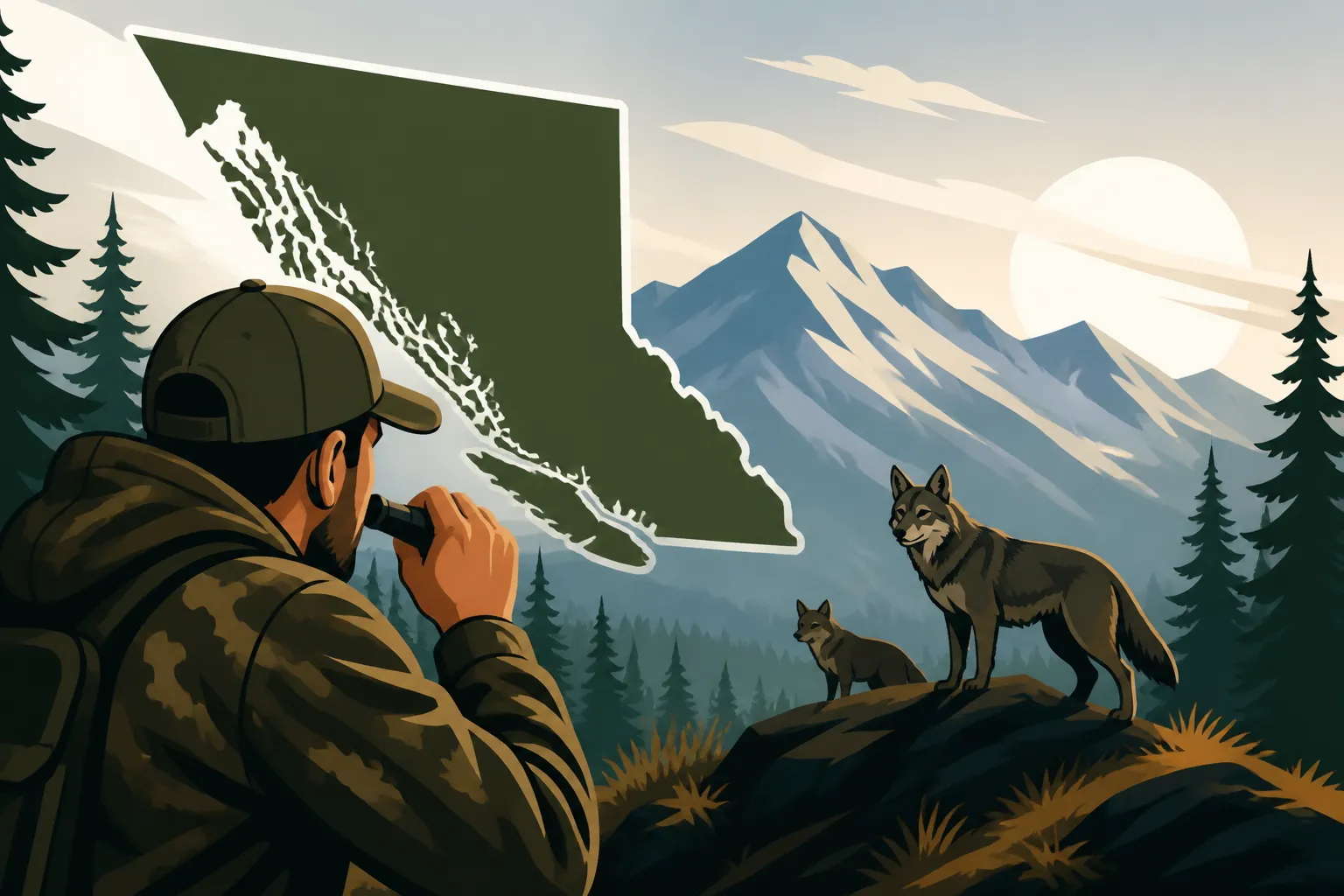
The frustration of encountering a predator that vanishes into the thick British Columbia bush as soon as you spot it is something every hunter here knows well. These incredibly intelligent and wary animals, whether they're coyotes, wolves, or even cougars, seem to possess a sixth sense for danger, making a successful hunt feel almost impossible. This guide aims to pull back the curtain on effective predator calling in BC, helping you understand their behaviour and apply proven techniques to bring them into range.
Why Predator Calling Works and What Makes it So Tough in British Columbia
Calling predators isn't just about making noise; it's about tapping into their primal instincts. It preys (pun intended!) on their most basic needs: food, defense of territory, and curiosity. While these instincts are universal, the unique challenges of hunting in British Columbia add layers of complexity that require a nuanced approach.
Tapping into the Predator's Instinct: The Hunger Drive
At its core, predator calling mimics the sounds of distressed prey or other predators. For a hungry coyote or a territorial wolf, these sounds are an irresistible magnet. When a rabbit is screaming, a fawn is bleating in distress, or a bird is squawking, it signals an easy meal – a low-risk, high-reward opportunity that these efficient hunters are genetically programmed to investigate. Similarly, a challenging howl from another wolf can trigger a territorial response, drawing them in to confront an intruder. This fundamental biological drive is why calling, despite its difficulty, remains such an effective tool. It speaks a language they cannot ignore.
The BC Challenge: Terrain, Weather, and Wary Animals
British Columbia's landscape is as diverse as it is stunning, ranging from dense coastal rainforests to vast interior grasslands, and rugged alpine peaks. This incredible variety presents significant challenges for predator callers. The thick timber on Vancouver Island or the deeply cut draws of the Cariboo make long-range visibility almost non-existent, forcing hunters to rely heavily on sound and scent. In the Peace Region, vast open fields mean predators can often spot you from a distance long before you see them. Furthermore, BC's unpredictable weather, from sudden downpours to high winds, can either aid or hinder your call's effectiveness, masking sounds or carrying your scent far too easily.
Perhaps the biggest hurdle, though, is the sheer intelligence and wariness of BC's predators. Especially in areas with consistent hunting pressure, these animals quickly learn to associate certain sounds or human presence with danger. They are masters of using topography to their advantage, often circling downwind to catch your scent before committing to a visual approach. Understanding these challenges is the first step toward developing a more successful strategy. We're not just calling animals; we're trying to outsmart highly adaptable survivors in their complex natural environment.
Key Predators to Target with Calling in British Columbia
While British Columbia is home to a variety of predators, not all of them respond to calling in the same way, or are even legal to hunt in the same fashion. For most callers, the focus will primarily be on coyotes and wolves, with cougars offering a unique, specialized challenge.
The Wily Coyote: Our Most Common Target
Coyotes are ubiquitous across most of British Columbia, adapting to almost any habitat, from the fringes of urban areas to vast wilderness. They are arguably the most accessible and common target for predator callers. Their numbers are healthy, and they often respond aggressively to distress calls, especially during their breeding season in late winter and early spring, or when pups are young and resources are crucial.
When calling coyotes, the sounds of a distressed rabbit are often the most effective. Jackrabbit or cottontail distress calls, delivered with varying intensity, can pique their interest. You might also incorporate pup distress calls or a challenge howl, especially if you suspect there's a den nearby or you're trying to draw out a territorial pair. Coyotes are incredibly curious, and if they don't immediately commit to a call, they might circle downwind, attempting to get a better sense of the situation. This means your setup, concealment, and understanding of wind direction are paramount. Learning to identify prime coyote habitat, like the edge of a British Columbia burn or a sagebrush flat in the Okanagan, will significantly increase your odds.
The Elusive Wolf: A True Calling Challenge
Hunting wolves in British Columbia is often considered the pinnacle of predator calling. These animals are notoriously intelligent, have vast territories, and are incredibly cautious. Success requires immense patience, understanding of their social dynamics, and often, a bit of luck. Wolf populations are strong in many areas, particularly in the northern regions and the Interior, but their elusiveness makes them a formidable quarry.
Unlike coyotes, which might bolt straight in, wolves typically approach with extreme caution, often taking their time to assess the situation from a distance. Their primary calls are howls, which serve many purposes: locating pack members, marking territory, or challenging rivals. Mimicking a lonesome howl or a territorial challenge can be effective, especially during the rut. Distress calls, such as a distressed moose calf or elk calf, can also work, but require a powerful call and often much longer calling sequences. Remember, when Calling Wolves in British Columbia, patience isn't just a virtue, it's a necessity. Expect to spend long periods on stand and don't be discouraged by silence; a wolf could be observing you from hundreds of yards away for an hour before making a move.
Briefly Mentioning Other Predators (Cougars, Bears)
While coyotes and wolves are the primary targets for traditional calling, other predators exist in BC. Cougars, for example, are highly predatory, but are typically hunted with hounds, or by spot-and-stalk methods. While distress calls can sometimes draw a curious cougar, it's not the primary or most effective hunting method for them. Similarly, black bears are predators, but they are generally not "called" in the same way as canids. Their hunts often involve glassing, spot-and-stalk, or baiting (where legal). Always check the latest British Columbia hunting regulations for specific species and regions. For those interested in Hunting Cougar With Hounds in British Columbia, that's a whole different ballgame involving specialized dogs and tracking skills.
Assembling Your Predator Calling Arsenal
Having the right tools can make all the difference when trying to outwit a sharp-sensed predator. It's not just about the calls themselves, but also about how you use them in conjunction with other gear to remain undetected and effective.
Mouth Calls Versus Electronic Calls: Pros and Cons
Both mouth calls and electronic calls have their place in a BC predator hunter's vest, each with distinct advantages and disadvantages.
Mouth Calls: These are the traditional choice, requiring skill and practice to master. They're lightweight, inexpensive, and battery-free, making them reliable in any weather. They offer incredible nuance and control over volume and tone, allowing you to create very realistic sounds. However, they demand significant practice to produce consistent, realistic calls, and moving while calling can be challenging, as it requires moving your hands and head. A good selection might include a varied reed call for rabbit distress, a closed-reed call for higher-pitched sounds, and a howler for canine vocalizations.
Electronic Calls: Modern electronic calls, like those offered by brands such as FOXPRO or ICOtec, offer a wide range of pre-recorded sounds, from various prey animals to different coyote and wolf vocalizations. They are incredibly versatile, can be operated remotely, and eliminate the need for personal calling skill. This remote operation allows you to place the sound source away from your position, diverting the predator's attention from you directly. However, they are more expensive, rely on batteries (which can die in the cold), and can sometimes sound less natural than a well-blown mouth call. Some hunters feel they take away from the art of calling, but their effectiveness is undeniable, especially for beginners or when targeting wary animals that require specific, consistent sounds.
| Call Type | Pros | Cons | Best Use Case |
|---|---|---|---|
| Mouth Calls | Inexpensive, reliable, portable, nuanced | Requires skill, limited range, physical movement | Close quarters, subtle sounds, experienced callers |
| Electronic Calls | Versatile sounds, remote, loud, easy to use | Expensive, battery-dependent, can sound artificial | Long range, diverse sounds, beginners, wary predators |
Optics and Concealment: Seeing Them Before They See You
In British Columbia, good optics are non-negotiable. Whether you're trying to Glassing an Interior Hillside for Mule Deer or scanning for the faint outline of a wolf moving through distant timber, quality binoculars are your first line of defense. A good pair of 10×42 binoculars will help you pick apart distant cover and spot subtle movements. A spotting scope can be invaluable in open country, allowing you to confirm a predator's identity and direction of travel without having to move.
Concealment is equally vital. Predators, particularly wolves and experienced coyotes, have exceptional eyesight. Full camouflage, including face paint or a mask, is essential. More importantly, it's about breaking up your outline and blending into your surroundings. Position yourself against a natural backdrop that matches your camo, such as a dense bush, a tree trunk, or a rock outcrop. Minimize movement, especially when actively calling. Even a slight head turn or an arm movement can be enough to spook a sharp-eyed coyote or wolf. Consider using a small ground blind or even a ghillie suit for ultimate concealment, especially in open areas.
The Importance of Wind and Scent Control
This is where many calling efforts fail, especially in British Columbia's variable conditions. Predators hunt by scent as much as, if not more than, by sight or sound. They will almost always try to get downwind of the sound source to catch a whiff of what's making the noise. If they smell a human, the game is over.
Always position yourself so the wind is blowing from the suspected approach direction towards you. This means if you expect the predator to come from the north, the wind should be blowing from the north or northwest to your south or southeast position. Use a wind checker frequently. This means scouting the area for likely travel routes and understanding the local thermals and wind patterns, which can shift throughout the day, particularly in hilly or mountainous terrain.
Scent control goes hand-in-hand with wind management. Wash your hunting clothes in scent-free detergent, store them separately, and use scent-eliminating sprays on your gear and boots. While no product will make you completely scent-free, every little bit helps to minimize your human odor. Avoiding strong perfumes, deodorants, or even breakfast coffee smells on your breath before a hunt can make a difference. The goal is to present a completely natural environment, making the predator believe the distress call is a genuine opportunity, not a trap.
Mastering the Art of Sound: British Columbia Predator Calling Techniques
Learning to call predators is much like learning a musical instrument – it requires practice, timing, and an understanding of the audience. The sounds you choose and how you deliver them can dictate your success.
Mimicking Prey Distress: Rabbits, Fawn, and Birds
The cornerstone of most predator calling is the imitation of a distressed animal. These sounds trigger an immediate "easy meal" response.
- Rabbit Distress: By far the most popular and often effective call, especially for coyotes. Sounds like a cottontail or jackrabbit screaming in pain signal a vulnerable animal. Start with soft whimpers, then increase volume and intensity as if the rabbit is fighting for its life, then gradually fade back to soft whimpers. Varying the pitch and duration makes it more realistic. In areas with high rabbit populations, this is your bread and butter.
- Fawn Distress: A high-pitched, drawn-out bleat mimicking a distressed deer fawn can be incredibly effective, particularly in areas where deer are prevalent. This call often appeals to larger predators like wolves and cougars, as well as coyotes. It can be particularly potent during the fawning season in late spring and early summer when predators are actively seeking easy prey.
- Bird Distress: While less commonly used as a primary call, various bird distress calls, such as a crow or magpie in distress, can add variety to your repertoire. These calls often attract curious coyotes or can even work on bobcats. They can be especially useful if you've tried other calls without success or want to present something different. Sometimes a bird in distress call, especially for magpies, works well to pique the interest of very wary animals, as it signifies other predators might be nearby, leading them to investigate for a scavenging opportunity.
Practice these calls regularly, listening to real animal sounds online or in nature to refine your technique. The goal isn't just to make the sound, but to convey the urgency and desperation of a struggling animal.
Aggressive Calls: Challenging the Dominant Predator
Sometimes, an aggressive approach is required, particularly when targeting territorial animals or trying to draw out a dominant male. These calls tap into a predator's instinct to defend its territory or assert dominance.
- Howling: For wolves and coyotes, howling is a crucial communication tool. A lonesome howl can solicit a response from a distant pack member, helping you locate them. A more aggressive "challenge howl" or "group howl" can sometimes draw in territorial animals looking to confront an intruder. This is often more effective during the breeding season (winter for wolves, late winter/early spring for coyotes). Don't just mimic a single howl; try a series, varying pitch and intensity to sound like multiple animals or a particularly dominant one. Use a good howler call for this, practicing the long, drawn-out notes and the sharp barks often associated with aggressive displays.
- Barks and Chirps: Coyotes use barks and chirps for alarm or social communication. A "pup distress" call, mimicking a lost or injured pup, can sometimes draw in protective adults. Or, a series of sharp barks can mimic a confrontation between coyotes, which can draw in other coyotes looking to join the fray or investigate what's happening.
When using aggressive calls, be prepared for a potentially quicker, more direct approach from the predator. They might not circle as cautiously if they perceive a direct threat or opportunity.
Call Sequences and Patience: What to Do (and Not Do) on Stand
Effective calling isn't just about the right sound; it's about the right sequence and, crucially, knowing when to be silent.
A common sequence might start with a soft, inquiring call, followed by a pause. If no response, increase the volume and intensity, perhaps switching to a more frantic distress call. After a minute or two, go silent again. Many predators will approach quietly and slowly, using the pauses to listen and locate the source of the sound. If you're constantly calling, they might pinpoint your exact location or become suspicious.
Patience is paramount. In British Columbia, especially when targeting wolves or very wary coyotes, a single stand can last 30 minutes to an hour, or even longer. Many hunters give up too soon, assuming nothing is coming. Predators can take their sweet time, circling downwind, moving through thick cover, or simply observing from a distance. Don't be afraid to sit in silence for extended periods after a calling sequence, constantly scanning your surroundings. As GoHunt resources often emphasize for all types of hunting, understanding animal behavior and being patient are key to success. You might be surprised how often an animal shows up seemingly out of nowhere after a long period of quiet.
Avoid over-calling. Too much constant noise can make a call sound artificial or lead predators to believe something is wrong. Vary your calls; don't just stick to one sound for the entire stand. Start soft, get loud, then go silent. Repeat. Always be ready to shoot as soon as you start calling, because sometimes they come in faster than you expect.
Navigating British Columbia's Predator Hunting Regulations
Understanding and adhering to the hunting regulations is non-negotiable for anyone calling predators in British Columbia. Rules can vary by region and species, and ignorance is no excuse. Always consult the most current British Columbia Hunting and Trapping Synopsis before heading out.
Understanding Open Seasons and Bag Limits
Unlike some game species with very specific seasons, predators like coyotes and wolves often have lengthy, if not year-round, open seasons in many Management Units (MUs) across British Columbia. However, this is not always the case for all predators or in all areas. For instance, cougars have specific seasons that are often shorter.
It's absolutely critical to verify the exact regulations for the specific Management Unit you plan to hunt. You can find this information in the BC Hunting and Trapping Synopsis, which is updated every two years. Pay close attention to:
- Species-Specific Seasons: Confirm the open dates for coyotes, wolves, and any other predators you intend to target in your chosen MU.
- Bag Limits: While coyotes and wolves often have high or unlimited bag limits, it's essential to confirm this.
- Methods of Harvest: Ensure the methods you plan to use (e.g., specific firearms, bows, use of electronic calls) are legal for the species and location.
- Regional Differences: British Columbia is divided into nine hunting regions, and within those are numerous Management Units. Regulations can change drastically even between adjacent MUs. What's legal in one valley might be restricted in the next. Using a tool like the online GoHunt map system can help you visualize these boundaries and regulations clearly.
Safety First: Firearm Handling and Bear Awareness
Hunting predators, especially in remote parts of British Columbia, requires an unwavering commitment to safety.
- Firearm Safety: Always treat every firearm as if it's loaded. Know your target and what's beyond it. Ensure your firearm is suitable for the species you're pursuing; legal rifle calibres for big game usually suffice for wolves and cougars, while smaller calibres are fine for coyotes. When Bringing Firearms Into British Columbia, be aware of Canadian customs regulations.
- Bear Awareness: British Columbia is bear country, home to both black bears and grizzlies. While you're targeting coyotes or wolves, a bear might be attracted to your distress calls. Always carry bear spray and know how to use it. Make noise when moving through thick cover, and be acutely aware of your surroundings, especially during spring and fall when bears are most active. Understanding Bear Safety While Hunting in British Columbia isn't just a good idea; it's a necessity for anyone venturing into the backcountry.
- Emergency Preparedness: Remote hunting means you are often beyond cell service. Carry a satellite communication device, a comprehensive first-aid kit, and tell someone your hunting plan and expected return time. Be prepared for sudden weather changes, especially when Hunting British Columbia's Alpine in September or in any mountainous terrain.
Accessing Hunting Areas: Crown Land and Private Properties
Much of British Columbia is Crown land, open to public hunting. However, knowing how to find and access these areas is crucial. Utilize online mapping tools to identify Crown land and Management Unit boundaries. The British Columbia's Forest Service Road Network provides access to vast tracts of land, but be aware that some roads may be deactivated or gated.
Private Land: Always assume land is private unless clearly marked as Crown land or otherwise accessible. Hunting on private land without explicit permission is trespassing and illegal. This includes private forest lands, many of which have gates and require permits for access, especially on Vancouver Island. For those interested in details, understanding British Columbia Trespass and Private Land Law is essential. Always seek permission from landowners well in advance if you plan to hunt private property. Building good relationships with landowners can open up some excellent hunting opportunities.
Advanced Strategies for Consistent Success
Once you've got the basics down, refining your approach with advanced strategies can significantly boost your success rates, especially with wary British Columbia predators.
Scouting for Sign and Picking the Right Stand
Effective predator calling starts long before you ever blow a call. It begins with diligent scouting. You wouldn't go moose hunting without looking for sign, and the same principle applies here.
- Locate Activity: Look for fresh tracks, scat, and denning areas. In snowy conditions, tracking can be incredibly informative. Pay attention to game trails, creek bottoms, and ridge lines where predators travel. Areas with high deer, elk, or rabbit populations are also prime spots for predators. For example, knowing Hunting a British Columbia Lakeshore for Moose might also indicate good wolf country.
- Identify Travel Corridors: Predators often use specific features to move efficiently through their territory—logging roads, river drainages, ridges, or power line clearings. These are excellent places to set up.
- Consider Vantage Points: A good calling stand offers clear lines of sight (without exposing you) and allows you to watch for incoming predators from various directions, while still being protected from their potential downwind approach. Try to position yourself with a natural barrier behind you, like a thick stand of trees or a rock face, to prevent them from circling directly behind.
- Utilize GoHunt Mapping: Platforms like GoHunt can be invaluable for scouting, allowing you to identify property lines, topography, and potential travel routes from the comfort of your home. This helps you narrow down promising areas and plan your access routes.
Team Calling and Decoy Tactics
Sometimes, two hunters are better than one, especially in dense British Columbia cover or when dealing with highly cautious animals.
- Team Calling: With two callers, one can operate the primary distress call while the other uses howls or barks to create a more dynamic scenario. This can mimic multiple animals, making the situation sound more chaotic and therefore more enticing to a curious or hungry predator. The second caller can also be positioned strategically to cover a different approach angle or draw attention away from the shooter.
- Hunter Placement: If working with a partner, one hunter can be the designated caller, drawing attention, while the other is positioned 50-100 yards downwind or off to the side, ready to intercept a circling predator. This is a highly effective tactic for wary animals that consistently attempt to get downwind.
- Decoys: Motion decoys, typically mimicking a struggling bird or rabbit, can be highly effective, especially for coyotes. The visual stimulus, combined with the audio distress call, makes the setup incredibly realistic. Place the decoy 30-50 yards away from your position, ideally in an open spot where it's easily visible to an approaching predator. The predator will often focus on the decoy, giving you precious moments to take a shot.
Persistence and Learning from Every Stand
Predator calling is rarely a one-and-done scenario. It requires persistence and a willingness to learn from every outing, whether successful or not.
- Vary Your Locations: If a spot isn't producing, don't keep hammering it. Move to a new area. British Columbia is vast; there are always more promising spots.
- Experiment with Calls: If rabbits aren't working, try a fawn distress or a series of howls. Change the intensity, length, and frequency of your calling. What works one day might not work the next.
- Analyze What Happened: If a predator spooks, try to understand why. Did they get your scent? Did they see movement? Was the call sequence too long or too short? Every missed opportunity is a learning experience. Pay attention to how the wind was behaving and how the topography funneled or diverted their approach.
- Document Your Hunts: Keeping a log of locations, calls used, weather conditions, and outcomes can help you identify patterns and refine your strategy over time. This meticulous approach is key to understanding the nuances of Hunting Coyotes on British Columbia Grassland versus a heavily timbered area. The more data you collect, the better equipped you'll be for future hunts.
Ultimately, predator calling in British Columbia is a demanding but incredibly rewarding pursuit. It sharpens your hunting skills, pushes your patience, and connects you deeply with the raw instincts of the wild.
Disclaimer
Hunting is an inherently risky activity. Always prioritize safety, adhere to all local, provincial, and federal regulations, and obtain the necessary licenses and permits. The information provided in this guide is for informational purposes only and should not be considered legal advice. Consult the official British Columbia Hunting and Trapping Synopsis and relevant authorities for the most current and accurate regulations before engaging in any hunting activities.